
Solar Energy Storage Types:Engineering Deep-Dive for C&I & Utility Projects
Selecting the correct storage technology for a photovoltaic installation directly determines round‑trip efficiency, cycle life, safety compliance, and project IRR. This guide provides a component‑level analysis of major solar energy storage types, including lithium‑iron‑phosphate, vanadium flow, advanced lead‑carbon, and emerging sodium‑ion systems. Drawing on field data from CNTE (Contemporary Nebula Technology Energy Co., Ltd.), we examine how each chemistry behaves under peak shaving, load shifting, and black‑start scenarios.
Engineers and procurement specialists require more than datasheet values — parameters like depth of discharge (DoD), thermal runaway propagation, and calendar ageing under partial state of charge (PSOC) dictate real‑world availability. Below we benchmark four dominant families of solar energy storage types against commercial & industrial (C&I) and grid‑scale requirements.
Table of contents cntepower 1 1. Lithium‑Ion Batteries – Market Standard with Critical Variants 1.1 1.1 LFP (LiFePO₄) – Preferred for Safety & Cycle Life 1.2 1.2 NMC (LiNiMnCoO₂) – Higher Density but Stricter Thermal Controls 2 2. Flow Batteries – Unrivalled for Long Duration & Deep Cycling 3 3. Advanced Lead‑Acid – Low Cost for Seasonal or Low‑Cycle Applications 4 4. Emerging Solar Energy Storage Types: Sodium‑Ion & Solid‑State 4.1 4.1 Sodium‑Ion (Na‑ion) 4.2 4.2 Solid‑State Batteries (Ceramic or Polymer Electrolyte) 5 Comparative Performance Matrix for C&I Decision Makers 6 Integration & Safety Standards Across Storage Chemistries 7 Application‑Driven Selection Framework 8 Industry Pain Points & Mitigation Strategies 9 Frequently Asked Questions (Technical & Commercial) 9.1 Q1: Which solar energy storage type offers the lowest LCOS for a 4‑hour daily cycle? 9.2 Q2: Can I combine different solar energy storage types in one hybrid controller? 9.3 Q3: Do flow batteries require the same fire suppression systems as lithium? 9.4 Q4: How does ambient temperature affect solar battery performance across different chemistries? 9.5 Q5: What is the typical degradation mechanism for NMC vs LFP in solar self‑consumption? 9.6 Q6: Can lead‑carbon batteries be used for grid frequency regulation (FR)?
1. Lithium‑Ion Batteries – Market Standard with Critical Variants
Lithium‑ion dominates due to high energy density and falling costs. However, for stationary storage, the distinction between NMC (nickel‑manganese‑cobalt) and LFP (lithium‑iron‑phosphate) is decisive.
1.1 LFP (LiFePO₄) – Preferred for Safety & Cycle Life
Cycle life ≥6000 cycles at 80% DoD (25°C); some cells exceed 10,000 cycles with pressure management.
Thermal runaway onset >270°C, enabling passive fire protection in containerised solutions.
Energy density 120–160 Wh/kg — lower than NMC but sufficient for stationary use.
Preferred for C&I peak shaving, UPS augmentation, and behind‑the‑meter (BTM) arbitrage.
Key system integration considerations: cell imbalance, liquid cooling requirements for >1C rates.
1.2 NMC (LiNiMnCoO₂) – Higher Density but Stricter Thermal Controls
Energy density 180–240 Wh/kg; reduces footprint for space‑constrained sites.
Cycle life typically 3500–5000 cycles (80% DoD). Faster calendar ageing at high temperature.
Requires active BMS with cell‑level voltage/temperature sensing and CAN/Modbus communication.
Dominant in residential storage and some fast‑response frequency regulation.
Industry pain point for lithium‑ion across all solar energy storage types: lithium sourcing ethics and end‑of‑life recycling logistics. CNTE addresses this with second‑life utilisation protocols and active balancers that extend usable capacity to 90% of nominal.
2. Flow Batteries – Unrivalled for Long Duration & Deep Cycling
Vanadium redox flow batteries (VRFB) and zinc‑bromine hybrids decouple power (stack) from energy (electrolyte volume), making them optimal for 6‑12 hour storage applications.
Cycle life >20,000 cycles with zero capacity degradation from deep discharges (100% DoD daily).
Response time
<10 ms="" for="" primary="" frequency="" response="">
Energy efficiency 70–75% DC/DC (lower than Li‑ion but acceptable for long‑duration price arbitrage).
Scalability Electrolyte tanks can be oversized independently of the cell stack.
Weaknesses high initial CAPEX ($350–$500/kWh) and energy density (25–35 Wh/L).
Ideal for microgrids with high solar penetration, islanded industrial parks, and remote mining operations.
VRFB requires thermal management of vanadium electrolyte (15–40°C range) and stack voltage balancing. Hybrid approaches combine flow batteries with Li‑ion supercaps for power quality, a specialty of CNTE hybrid control platforms.
3. Advanced Lead‑Acid – Low Cost for Seasonal or Low‑Cycle Applications
While traditional flooded lead‑acid is obsolete for daily cycling, carbon‑enhanced lead‑carbon batteries bridge the cost gap for backup and seasonal shifting where cycles are<200 per="" year.="">
DoD limit 50–60% to avoid sulfation; cycle life 800–1500 cycles under partial state of charge operation.
CAPEX $100–$150/kWh (lowest upfront among all major solar energy storage types).
Operating temperature -20°C to +50°C but capacity drops steeply below 0°C (approx. 0.5% per °C).
Application niche: off‑grid telecom towers, low‑frequency residential backup in developing markets, and substation DC power.
Critical maintenance: equalisation charging, water refill (flooded type), and hydrogen venting.
For clients requiring minimal automation, conductance testing and remote impedance monitoring can double lead‑acid lifetime. However, modern C&I projects rarely specify lead‑carbon due to higher logistics costs per kWh cycled.
4. Emerging Solar Energy Storage Types: Sodium‑Ion & Solid‑State
Next‑generation technologies are entering commercial prototyping, offering alternatives to lithium supply chains.
4.1 Sodium‑Ion (Na‑ion)
Abundant raw materials (soda ash, aluminium current collectors).
Energy density 90–140 Wh/kg, comparable to LFP first‑generation.
Better low‑temperature performance (-20°C retains 85% capacity).
Cycle life currently 3000–5000 cycles (improving with Prussian blue analogues).
Drawback: higher self‑discharge (3–5% per month) and immature supply chains.
4.2 Solid‑State Batteries (Ceramic or Polymer Electrolyte)
Theoretically non‑flammable, enabling high voltage (5V+ cathodes).
Target energy density >400 Wh/kg, but current prototypes suffer from interfacial resistance and low C‑rate (≤0.5C).
Not yet commercially viable for stationary storage; timeline 2027‑2030 for grid‑scale samples.
These new solar energy storage types are monitored by CNTE for early standardisation; we provide compatibility assessments for pilot projects incorporating Na‑ion clusters within hybrid inverters.
Comparative Performance Matrix for C&I Decision Makers
Selecting among these solar energy storage types requires quantifying levelised cost of storage (LCOS). Below is a benchmark based on 2‑hour discharge, 1 cycle/day, 15‑year project horizon.
LFP Li‑ion – LCOS $0.07–$0.12/kWh, best for daily arbitrage & peak shaving.
VRFB (flow) – LCOS $0.12–$0.18/kWh, lowest for durations >6 hours.
Lead‑carbon – LCOS $0.20–$0.30/kWh but only viable if cycles
<250>
Sodium‑ion (projected 2026) – $0.06–$0.10/kWh, waiting on field validation.
Other vital parameters: round‑trip efficiency (RTE), self‑discharge rate (monthly), and auxiliary consumption for thermal management. For example, a flow battery requires pumps drawing 2‑3% of rated power, reducing net RTE to 70% compared to LFP’s 94%.
Integration & Safety Standards Across Storage Chemistries
No matter the chemistry, all solar energy storage types must comply with IEC 62619 (industrial batteries), UL 9540 (system), and NFPA 855 spacing requirements. Key design aspects:
BMS topology: centralised vs. modular slave‑master architecture. For flow batteries, electrolyte level sensors and leak detection are additional safety layers.
Grid compliance: IEEE 1547 for voltage/frequency ride‑through; each storage type has different inertia emulation capabilities (Li‑ion inverters provide virtual synchronous machine behaviour; flow batteries require extra power electronics).
Fire suppression: LFP and flow batteries can use aerosol or Novec 1230; NMC requires water‑mist or gas suppression due to thermal runaway propagation risk.
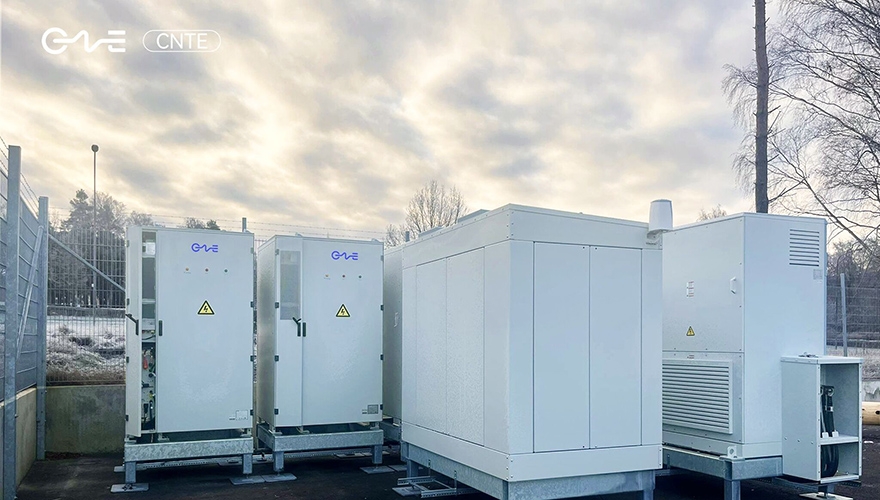
CNTE provides turnkey containerised energy storage systems (ESS) with pre‑commissioned controllers for all four storage categories. Our engineering team performs site‑specific fault current analysis and protection coordination to match any chemistry.
Application‑Driven Selection Framework
To eliminate guesswork, map your primary use case to the optimal storage type:
Daily peak shaving (2‑4h discharge): LFP lithium‑ion (most economical at 1C–0.5C).
Time‑of‑use arbitrage with 8h discharge: Vanadium flow battery or high‑cycle lead‑carbon if budget limited.
Backup power (rare cycles, low DoD): Advanced lead‑acid or second‑life LFP modules.
High renewable island (70%+ solar penetration, daily 100% DoD): Flow battery + LFP hybrid.
Frequency regulation (1C‑4C fast response): Lithium‑ion only (NMC or high‑power LFP).
Hybrid architectures are increasingly specified: a small lithium block handles rapid fluctuations, and a flow battery provides bulk shifting. CNTE’s Energy Management System (EMS) optimises dispatch between heterogeneous storage banks, reducing LCOS by 22% compared to single‑chemistry solutions in recent microgrid trials.
Industry Pain Points & Mitigation Strategies
Each storage type introduces specific operational risks. Below we address the top three failure modes observed in 2023‑2025 C&I installations.
Lithium‑ion cell imbalance in large series strings: Mitigated by active balancing (2A per cell) and periodic top‑equalisation charge. CNTE incorporates battery health prediction using machine learning on cell voltage trajectories.
Flow battery electrolyte degradation due to thermal side reactions: Use of online rebalancing cells and acid concentration monitoring. System must maintain electrolyte at 25‑35°C with redundant chillers.
Lead‑acid sulfation under partial charge: Solution is pulse desulfation chargers and maintaining SoC >50% via PV self‑consumption logic.
Proactive asset management reduces OPEX by 30% regardless of which of the solar energy storage types is deployed. Monthly remote diagnostics, annual capacity tests, and electrolyte refresh (for flow batteries) are standard in CNTE service agreements.
Frequently Asked Questions (Technical & Commercial)
Q1: Which solar energy storage type offers the lowest LCOS for a 4‑hour daily cycle?
A1: LFP lithium‑ion currently provides the lowest levelised cost of storage (LCOS) for 2‑5 hour daily cycles at $0.07–$0.10/kWh, assuming 6000+ cycles and 90% DoD. For projects exceeding 8 hours daily, vanadium flow batteries become cheaper on LCOS basis due to infinitely deep cycling and calendar life exceeding 25 years.
Q2: Can I combine different solar energy storage types in one hybrid controller?
A2: Yes — advanced EMS platforms (including those from CNTE) can coordinate LFP, flow, and lead‑carbon in a single DC‑coupled or AC‑coupled architecture. The challenge lies in handling different voltage windows and C‑rates. DC/DC converters with wide input range are required per storage block.
Q3: Do flow batteries require the same fire suppression systems as lithium?
A3: No. Vanadium flow batteries are non‑flammable because the electrolyte is water‑based (sulphuric acid with vanadium ions). However, hydrogen can be generated during extreme overcharging if ventilation is insufficient. Standard gas and liquid leak detection plus hydrogen sensors (UL 2075) are sufficient, with no need for aerosol or water‑mist suppression.
Q4: How does ambient temperature affect solar battery performance across different chemistries?
A4: LFP operates optimally between 15‑35°C; below 0°C charging must be derated to 0.1C or heaters employed. Flow batteries tolerate 5‑40°C but electrolyte precipitation occurs below 5°C. Lead‑acid capacity halves at -20°C. Sodium‑ion shows superior low‑temperature performance (85% at -20°C). For all types, thermal management (liquid cooling/heating) is mandatory for outdoor C&I systems in climates below -10°C or above 40°C.
Q5: What is the typical degradation mechanism for NMC vs LFP in solar self‑consumption?
A5: NMC degrades primarily through cathode lattice changes and transition metal dissolution; calendar ageing is significant even at 50% SoC. LFP degrades through iron dissolution and SEI layer thickening, but calendar fade is 2‑3x slower. For partial‑cycle operation (typical in solar self‑consumption), LFP retains 85% capacity after 10 years, while NMC drops to 70% under same conditions.
Q6: Can lead‑carbon batteries be used for grid frequency regulation (FR)?
A6: Not recommended. Lead‑carbon’s cycle life under high‑rate partial state of charge (HRPSoC) exceeds that of traditional lead‑acid (~1200 cycles) but still falls far short of lithium (6000+). Rapid micro‑cycles for FR cause accelerated positive grid corrosion. Li‑ion or supercapacitors are the only viable solar energy storage types for FR applications.
📩 Ready to optimise your solar + storage project? Our engineers provide detailed techno‑economic modelling, safety compliance reports, and turnkey integration for any of the discussed solar energy storage types. Send your technical requirements, site load profile, and target discharge duration for a comparative LCOS analysis at no cost.
👉 Submit your inquiry to CNTE’s storage team → (Typical response within 24 business hours.)
Get in Touch
Recent Posts
-
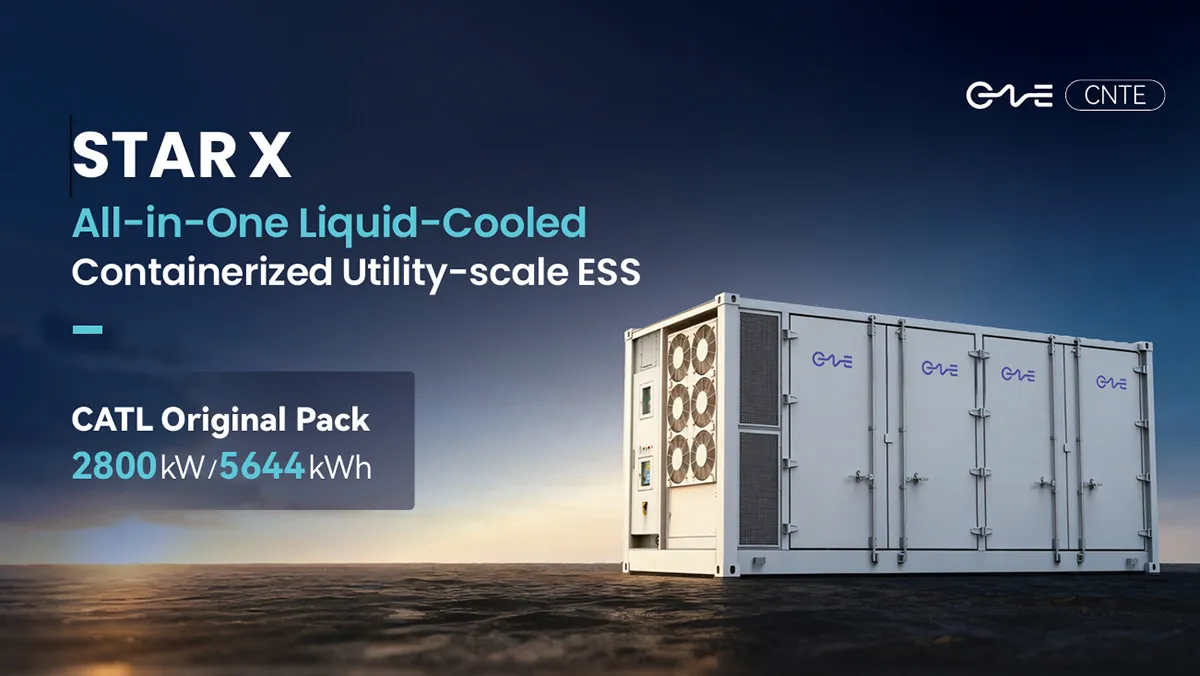
CNTE Launches STAR X Liquid-Cooled DC/AC Integrated Energy Storage System at Intersolar Europe 2026
Jul 06, 2026 -
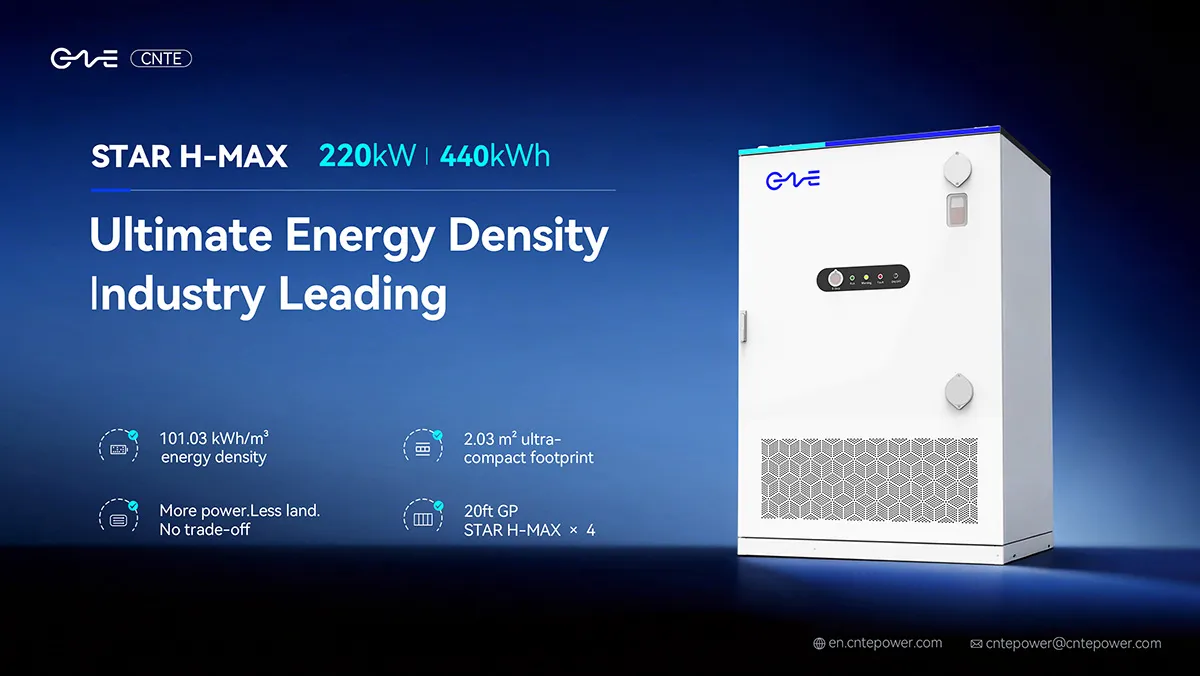
CNTE Unveils New STAR H-MAX Liquid-Cooled C&I ESS at Intersolar Europe 2026
Jun 23, 2026 -
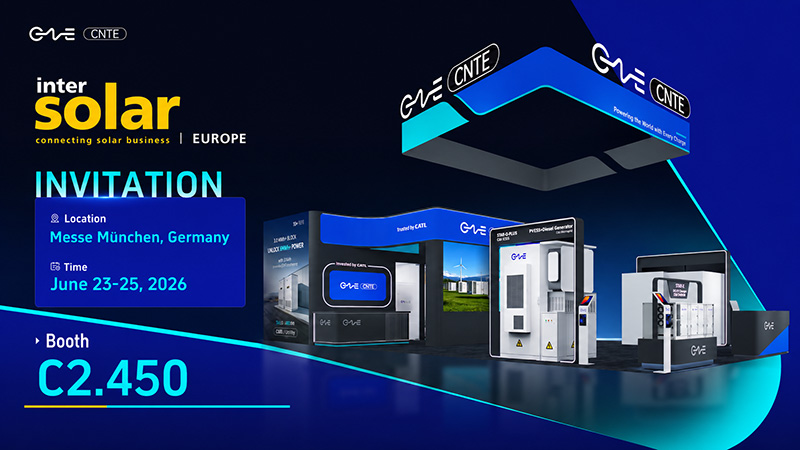
CNTE to Participate in Intersolar Europe 2026
May 20, 2026 -
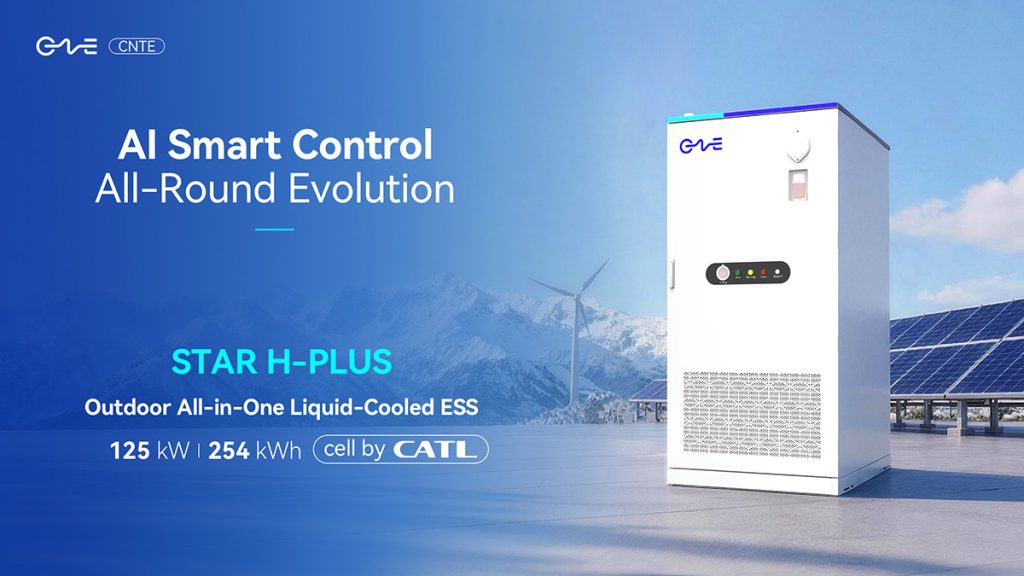
CNTE at KEY ENERGY 2026: Showcases STAR H-PLUS Outdoor Liquid-Cooled Energy Storage System
Mar 05, 2026 -

CNTE Honored as 2025 Forbes China Leading Global Brand
Jul 06, 2026 -
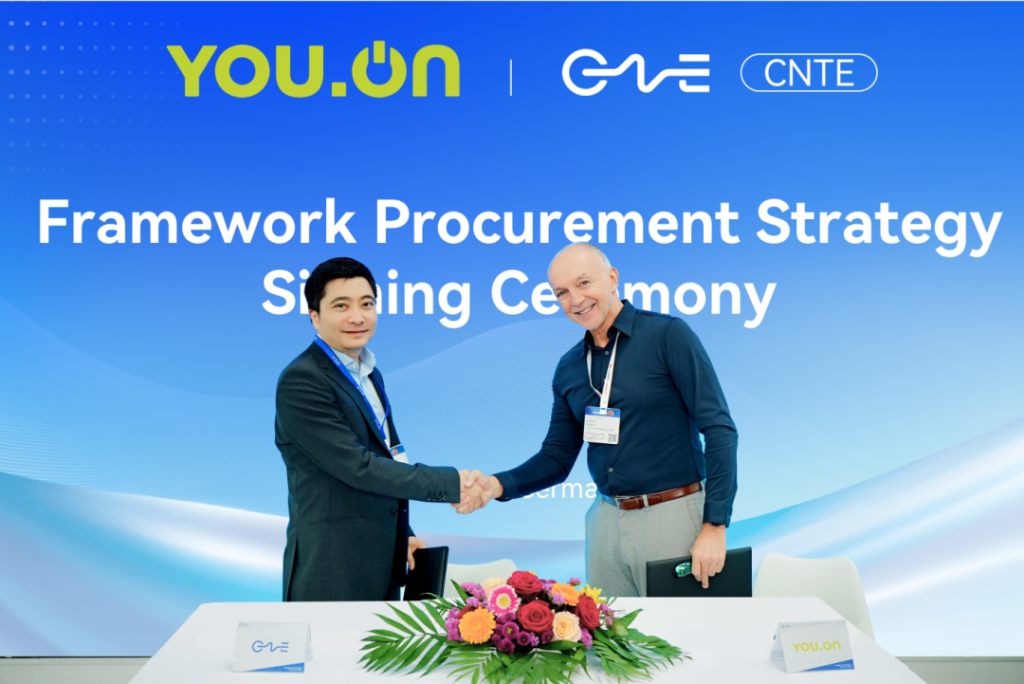
CNTE & YOU.ON Partner to Expand Storage Markets
May 19, 2025 -

CNTE Unveils Energy Storage Lineup at Solartech 2025
May 19, 2025 -
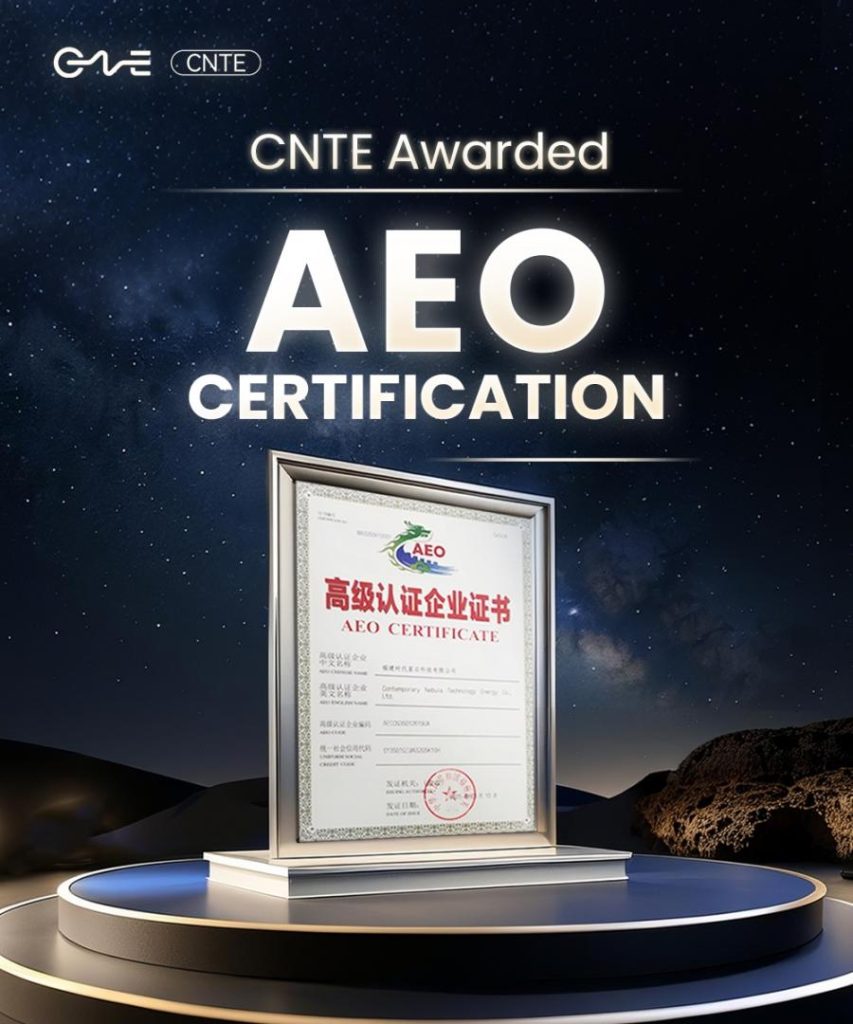
CNTE awarded AEO certification
Jul 06, 2026 -
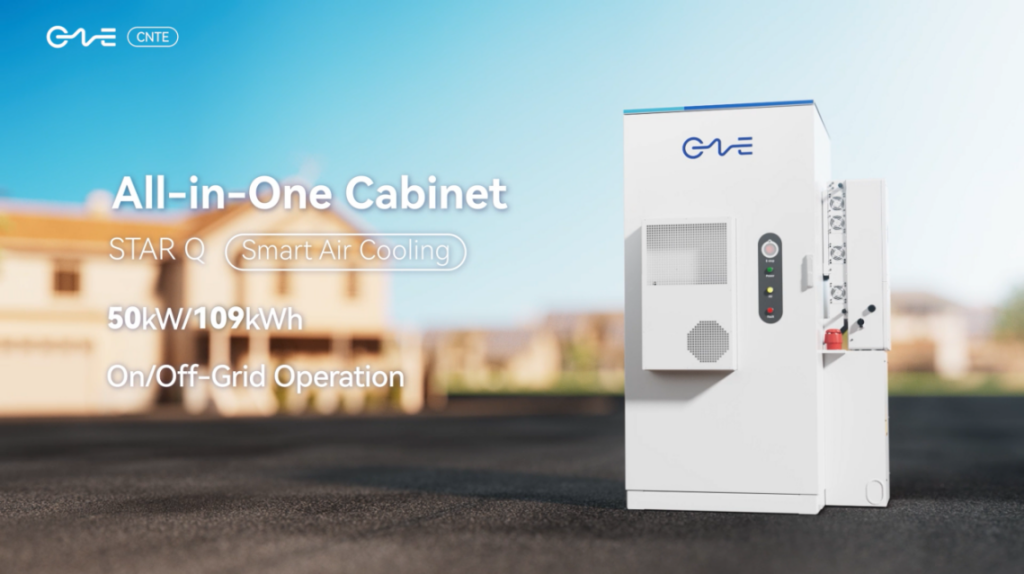
CNTE New Product Launch STAR Q
Jan 15, 2025 -
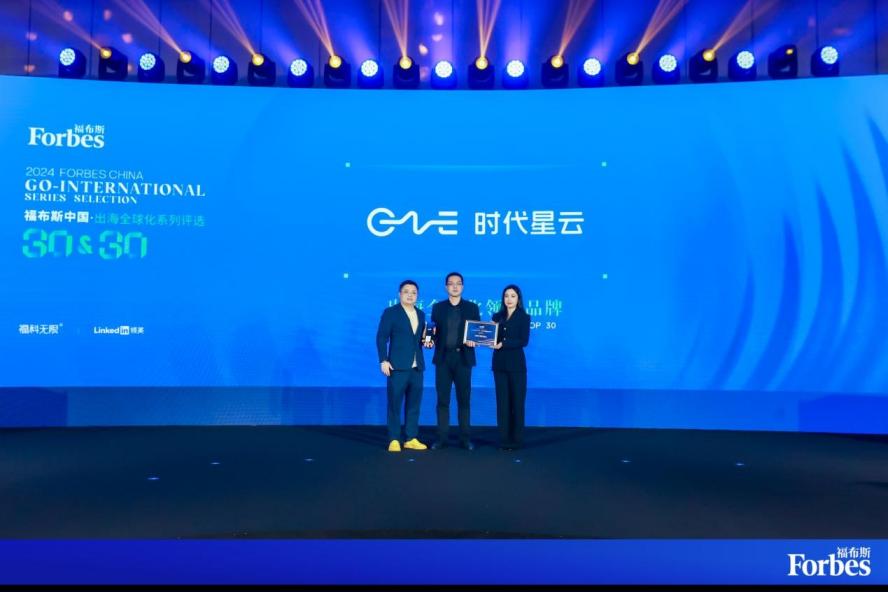
CNTE Named to Forbes China 2024 Top 30 Go-International Brands
Jul 06, 2026
