
8 Technical Variables Defining the Energy Capacity of Battery Storage for Industrial Microgrids
The transition toward decentralized energy systems requires a sophisticated understanding of how energy is stored and dispatched. For project developers and facility engineers, the energy capacity of battery systems represents the core metric for determining the autonomy and economic viability of a project. Unlike power rating, which defines how much electricity can be delivered at a single moment, energy capacity dictates how long that power can be maintained. As global industries strive for higher efficiency, the precision in calculating and managing this capacity becomes a high-priority technical requirement.
In the context of Battery Energy Storage Systems (BESS), capacity is not a static figure. It is a dynamic variable influenced by chemical properties, thermal conditions, and operational parameters. CNTE (Contemporary Nebula Technology Energy Co., Ltd.) provides comprehensive energy solutions that integrate advanced monitoring to ensure that the usable energy remains consistent over the asset’s lifecycle. Analyzing these variables is fundamental for optimizing the performance of modern energy infrastructure.
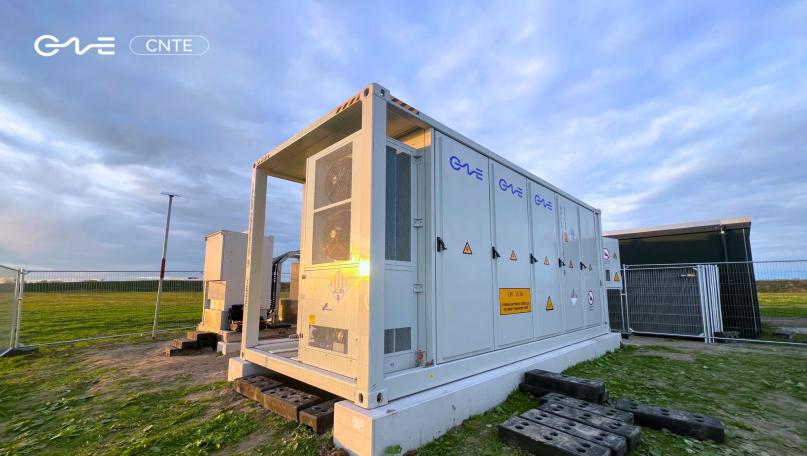
Table of contents cntepower 1 1. Differentiating Between Nameplate and Usable Capacity 2 2. Influencing Factors of energy capacity of battery: Chemistry and Density 3 3. The Role of C-Rate in Capacity Utilization 4 4. Thermal Management and Its Impact on Capacity Retention 5 5. State of Health (SoH) and Linear Degradation 6 6. Application Scenarios: Sizing Capacity for ROI 7 7. Scaling the energy capacity of battery with Modular Architectures 8 8. The Future of High-Capacity Storage Technologies 9 Frequently Asked Questions 10 Contact Our Engineering Team for a Capacity Assessment
1. Differentiating Between Nameplate and Usable Capacity
One of the primary nuances in storage engineering is the gap between nameplate capacity and usable capacity. The nameplate value represents the total amount of energy the cells can hold under ideal laboratory conditions. However, in practical applications, the energy capacity of battery assets is constrained by safety buffers and efficiency losses.
State of Charge (SoC) Limits: To prevent accelerated degradation, systems often operate within a window, such as 5% to 95% SoC. This 10% buffer effectively reduces the energy available for daily operations.
Depth of Discharge (DoD): Higher **Depth of Discharge** allows for more energy usage per cycle but can shorten the total cycle life of the battery.
System Efficiency: Energy is lost during the conversion process in the **Power Conversion System (PCS)** and through internal resistance in the battery modules.
2. Influencing Factors of energy capacity of battery: Chemistry and Density
The choice of cell chemistry is the most significant determinant of energy density—the amount of energy stored per unit of volume or weight. For stationary industrial applications, **Lithium Iron Phosphate (LFP)** has become the preferred choice over Nickel Manganese Cobalt (NMC) despite having lower energy density.
The reason for this preference lies in the balance between capacity retention and safety. LFP cells offer a much higher cycle life, meaning the **energy capacity of battery** modules remains within acceptable limits for a longer duration. While an NMC battery might offer more energy in a smaller footprint, the thermal stability and cost-effectiveness of LFP make it the industry standard for large-scale BESS. CNTE (Contemporary Nebula Technology Energy Co., Ltd.) leverages these high-stability chemistries to provide long-duration storage that maintains its performance integrity over thousands of cycles.
3. The Role of C-Rate in Capacity Utilization
The C-Rate defines the rate at which a battery is charged or discharged relative to its maximum capacity. A 1C rate means a 100 kWh battery is discharged at 100 kW, lasting one hour. If the same battery is discharged at 0.5C (50 kW), it theoretically lasts two hours. However, the effective energy capacity of battery systems often decreases as the C-rate increases.
High discharge rates generate more internal heat and increase voltage drops due to internal resistance. This phenomenon, known as the Peukert effect (though more pronounced in lead-acid, it still exists in lithium variations), means that a system designed for high-power bursts may provide less total energy than one optimized for slow, steady discharge. Engineers must match the C-rate capability of the **BESS architecture** to the specific needs of the application, whether it is for fast frequency response or long-duration load shifting.
4. Thermal Management and Its Impact on Capacity Retention
Temperature is a pivotal factor in the health of a battery. Operating a system outside its optimal thermal window (typically 15°C to 30°C) leads to immediate and long-term capacity loss. In cold environments, the internal resistance of the battery increases, which reduces the available energy capacity of battery during discharge. Conversely, excessive heat accelerates chemical side reactions, such as the growth of the Solid Electrolyte Interphase (SEI) layer, which permanently consumes active lithium.
Liquid Cooling vs. Air Cooling: Liquid cooling provides more uniform temperature distribution across the modules, preventing “hot spots” that can cause uneven degradation.
Active Heating: In sub-zero climates, integrated heaters ensure the battery remains at a temperature where lithium ions can move freely, maintaining the rated capacity.
Predictive Thermal Control: Advanced **Energy Management Systems (EMS)** can pre-cool or pre-heat the system based on upcoming weather forecasts or demand schedules.
5. State of Health (SoH) and Linear Degradation
The energy capacity of battery systems naturally declines over time. This is measured as the State of Health (SoH). A new battery has an SoH of 100%. Once the SoH drops to 70% or 80%, the battery is often considered at the end of its first-life service for demanding industrial applications.
Managing this degradation requires a combination of high-quality cell sourcing and intelligent software. CNTE (Contemporary Nebula Technology Energy Co., Ltd.) utilizes sophisticated algorithms within the BMS to balance the cells constantly. This prevents individual cells from being overstressed, which ensures the degradation of the entire string remains linear and predictable. Predictability in capacity loss is vital for financial planning, as it allows operators to schedule “augmentation” (adding new battery modules) at the correct intervals to maintain the project’s original performance specifications.
6. Application Scenarios: Sizing Capacity for ROI
Industrial users often face the challenge of sizing their energy capacity of battery assets to maximize ROI. Different applications require different energy-to-power ratios:
Peak Shaving: Requires enough capacity to cover the duration of the peak demand period, which may be 2 to 4 hours. Under-sizing results in failing to reduce the peak, while over-sizing leads to unnecessary capital expenditure.
Renewable Time-Shifting: Often requires larger energy capacities to store solar energy produced during the day for use throughout the entire night.
Microgrid Backup: Capacity must be calculated based on the “critical load” requirements and the expected duration of grid outages.
By utilizing data-driven analysis of a facility’s load profile, developers can determine the optimal kWh rating that balances the cost of the system against the savings generated from avoided utility charges.
7. Scaling the energy capacity of battery with Modular Architectures
Modern industrial BESS solutions are increasingly modular. This design philosophy allows for the expansion of energy capacity without requiring a complete overhaul of the electrical infrastructure. For a growing business, starting with a 500 kWh system and expanding to 2 MWh as demand increases is a fiscally responsible strategy.
Modular systems also improve the “availability” of the capacity. If one battery rack is taken offline for maintenance, the remaining racks continue to provide energy. This distributed approach is a significant improvement over monolithic designs where a single fault could render the entire energy capacity inaccessible. CNTE (Contemporary Nebula Technology Energy Co., Ltd.) provides scalable, containerized solutions that allow for easy physical and electrical integration as energy needs evolve.
8. The Future of High-Capacity Storage Technologies
Looking ahead, the industry is moving toward even higher energy densities and longer lifespans. Research into semi-solid-state and all-solid-state batteries aims to further increase the energy capacity of battery systems while reducing the risk of thermal runaway. Furthermore, software-defined storage is becoming more prominent, where AI-driven platforms optimize the usage of the available capacity across multiple geographically distributed sites to participate in virtual power plants (VPPs).
The ability to accurately monitor and forecast the energy capacity of battery assets will remain a cornerstone of the energy transition. As businesses become more reliant on stored energy, the transparency provided by advanced BMS and EMS platforms will be the difference between a high-performing asset and a stranded investment.
Frequently Asked Questions
Q1: How do you calculate the required energy capacity for an industrial site?
A1: Sizing is based on a “load profile analysis.” You must identify the peak demand (kW), the duration of the peak (hours), and the total energy consumption (kWh). A typical peak-shaving system is sized to provide power for 2 to 4 hours.
Q2: Why does the capacity of a battery decrease in winter?
A2: Cold temperatures slow down the chemical reactions inside the battery and increase internal resistance. This means the battery cannot release its stored energy as efficiently, leading to a temporary reduction in usable capacity.
Q3: What is the difference between kWh and kW in a battery system?
A3: kW (Kilowatts) is the power rating—how much energy can be delivered at once. kWh (Kilowatt-hours) is the energy capacity—the total amount of energy stored. Think of kW as the diameter of a pipe and kWh as the volume of the water tank.
Q4: Is it better to have a single large battery or multiple smaller modules?
A4: Modular systems are generally superior for B2B applications because they offer redundancy, easier maintenance, and the ability to scale capacity as the business grows.
Q5: What happens to the capacity after 10 years of use?
A5: Depending on usage and chemistry, a lithium-ion system typically retains 70% to 80% of its original capacity after 10 years. At this point, the battery can often be repurposed for “second-life” applications that have lower performance requirements.
Contact Our Engineering Team for a Capacity Assessment
Determining the optimal energy capacity of battery systems for your operation is a complex task that requires precise data and technical expertise. Our specialists are ready to help you analyze your energy consumption patterns and design a solution that provides the right balance of power, capacity, and longevity. Whether you are aiming for energy independence or looking to reduce operational costs, we offer the technical support needed to ensure your project’s success.
Contact us today for a technical consultation and inquiry.
Get in Touch
Recent Posts
-
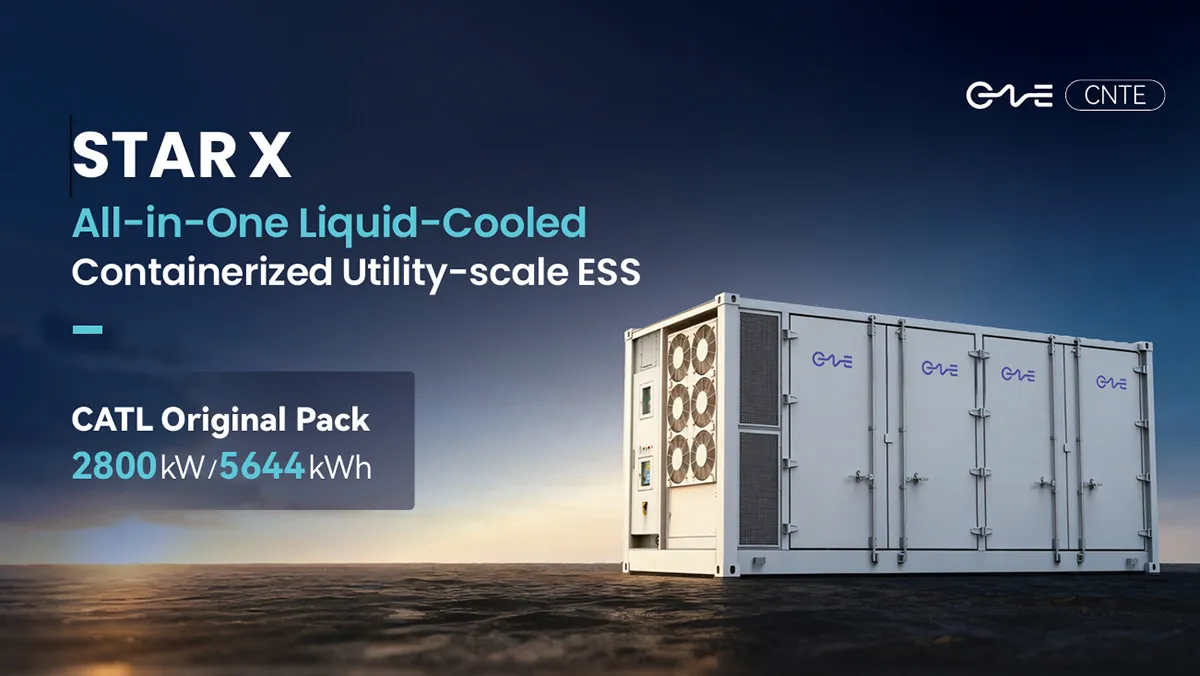
CNTE Launches STAR X Liquid-Cooled DC/AC Integrated Energy Storage System at Intersolar Europe 2026
Jul 06, 2026 -
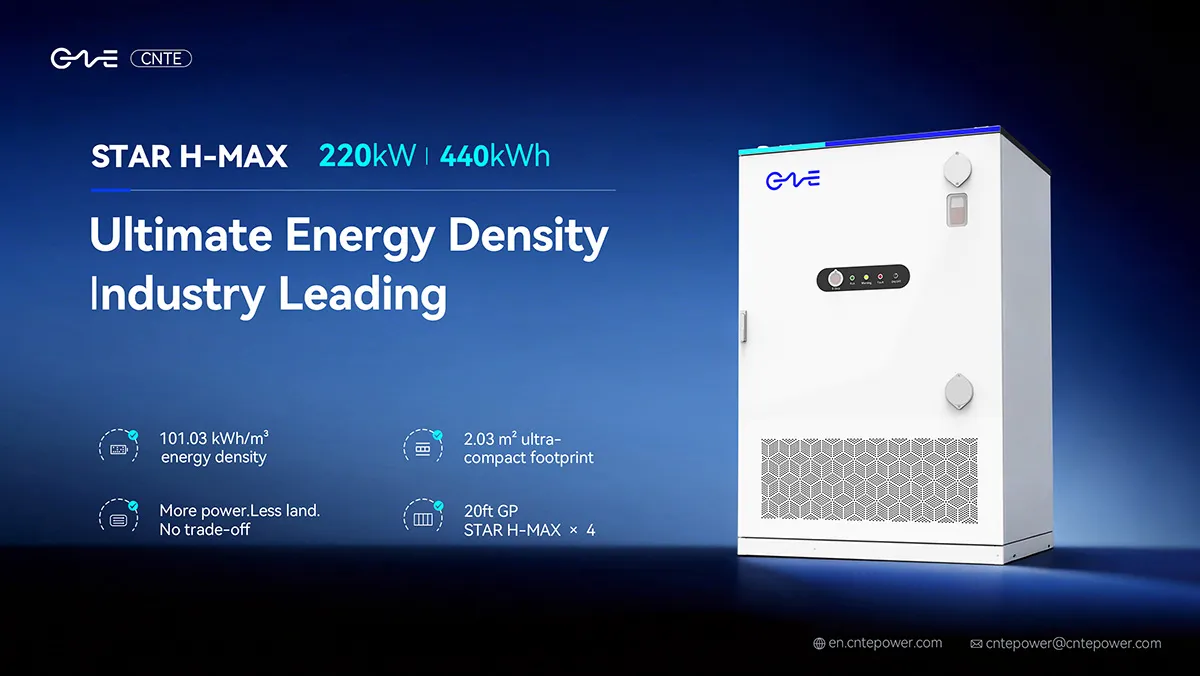
CNTE Unveils New STAR H-MAX Liquid-Cooled C&I ESS at Intersolar Europe 2026
Jun 23, 2026 -
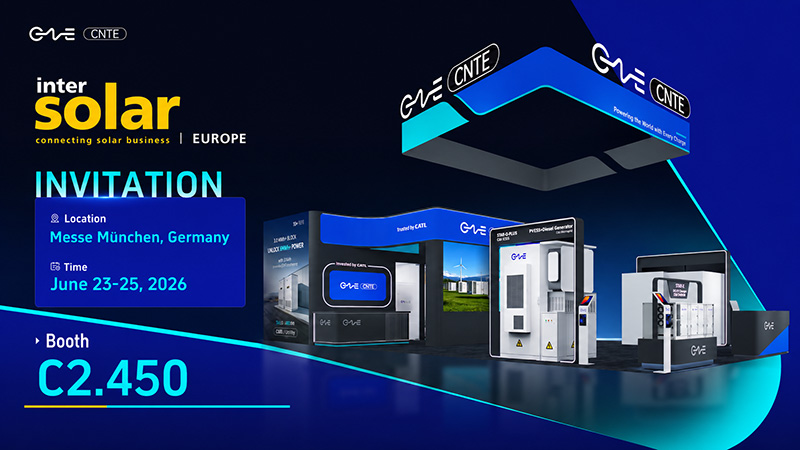
CNTE to Participate in Intersolar Europe 2026
May 20, 2026 -
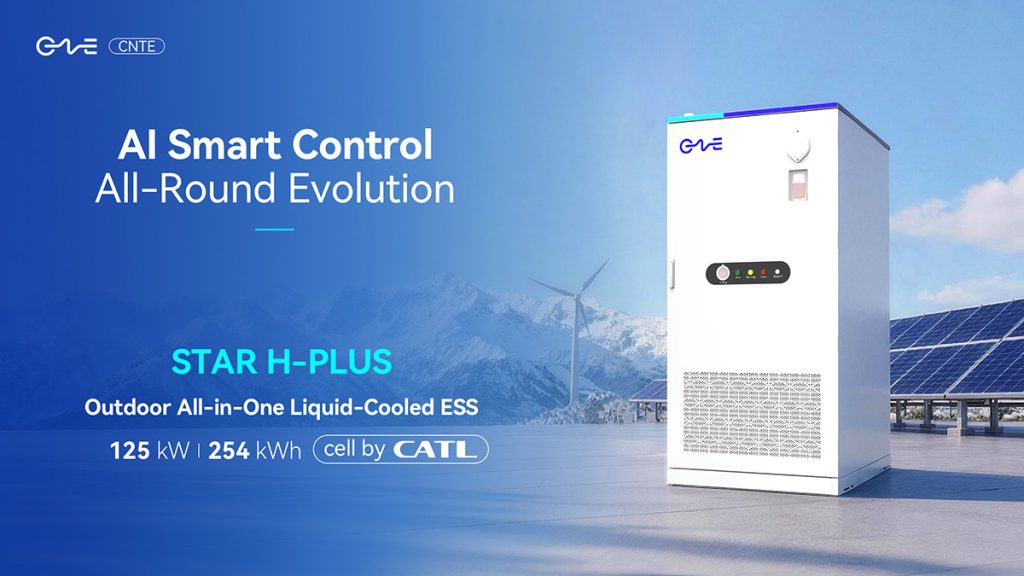
CNTE at KEY ENERGY 2026: Showcases STAR H-PLUS Outdoor Liquid-Cooled Energy Storage System
Mar 05, 2026 -

CNTE Honored as 2025 Forbes China Leading Global Brand
Jul 06, 2026 -

CNTE & YOU.ON Partner to Expand Storage Markets
May 19, 2025 -

CNTE Unveils Energy Storage Lineup at Solartech 2025
May 19, 2025 -

CNTE awarded AEO certification
Jul 06, 2026 -
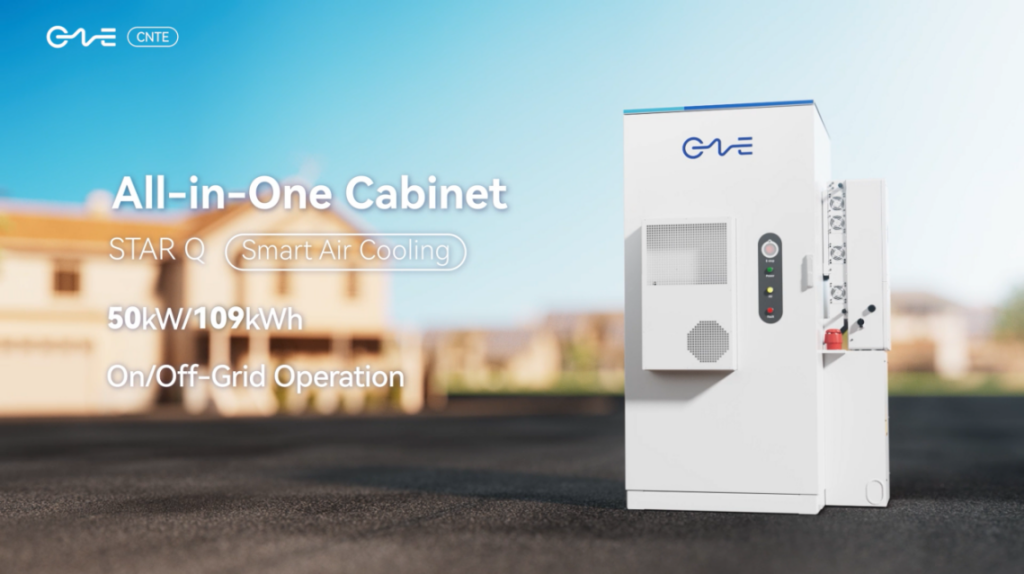
CNTE New Product Launch STAR Q
Jan 15, 2025 -

CNTE Named to Forbes China 2024 Top 30 Go-International Brands
Jul 06, 2026
