
Advances in Batteries for Medium and Large Scale Energy Storage: Technical Roadmap 2026
The global energy transition is shifting from pure renewable capacity addition to firm, dispatchable power. This transition depends directly on advances in batteries for medium and large scale energy storage. Utility projects now routinely specify 2–8 hour durations, while commercial and industrial (C&I) installations require 10–15 year lifespans under daily cycling. Traditional lead-acid and early lithium-ion chemistries fail to meet these demands. Over the past 36 months, battery engineering has moved beyond cell-level improvements to integrated system design — combining new electrochemistries, intelligent thermal management, and predictive diagnostics. This article examines the most consequential technical developments, backed by field data from grid-scale projects and industrial behind-the-meter installations.
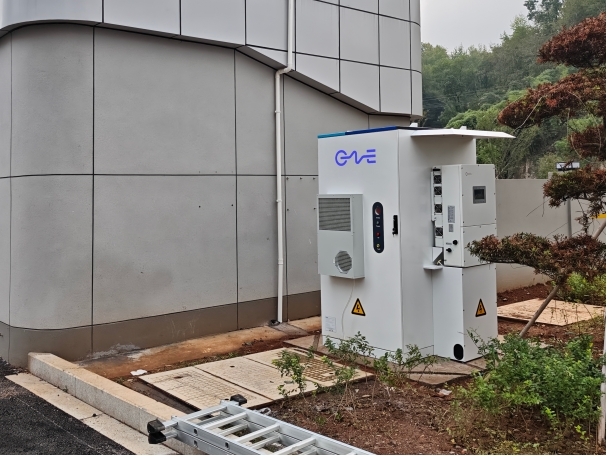
Table of contents cntepower 1 1. Electrochemical Evolution: From LFP to Next-Generation Chemistries 1.1 1.1 High-cycle LFP with Electrolyte Additives 1.2 1.2 Sodium-ion: A Viable Non-Lithium Pathway 1.3 1.3 Solid-State and Semi-Solid Electrolytes 2 2. Thermal Management and Safety System Breakthroughs 3 3. System-Level Optimization: DC-DC Converters, Hybrid Inverters, and EMS 4 4. Economic Modeling: LCOS, Payback Periods, and Revenue Stacking 5 5. Medium-Scale (100 kWh – 10 MWh) versus Large-Scale (>10 MWh) Design Divergence 6 6. Frequently Asked Questions (FAQ) 7 7. Request a Project-Specific Engineering Assessment
1. Electrochemical Evolution: From LFP to Next-Generation Chemistries
Lithium iron phosphate (LFP) remains the baseline for stationary storage, but advances in batteries for medium and large scale energy storage now include sodium-ion, lithium titanate (LTO), and early solid-state designs. Each chemistry presents distinct trade-offs in energy density, cycle life, operating temperature range, and raw material supply risk.
1.1 High-cycle LFP with Electrolyte Additives
Third-generation LFP cells achieve 12,000 cycles to 70% state of health (SOH) at 0.5C/0.5C and 25°C ambient. This improvement comes from dual-salt electrolytes (LiPF6 + LiDFOB) that form a more stable cathode electrolyte interphase (CEI), reducing transition metal dissolution. For a 10 MW / 40 MWh grid storage plant cycled once daily, 12,000 cycles translates to 33 years of service — exceeding typical project finance horizons. Real-world degradation from a 50 MWh California ISO plant shows annual capacity fade of 0.7% after 2,500 cycles, with resistance increase below 15%. Battery energy storage systems using advanced LFP now offer warranted 10,000 cycles or 15 years, whichever occurs first.
1.2 Sodium-ion: A Viable Non-Lithium Pathway
Prussian white and layered oxide cathodes paired with hard carbon anodes now deliver 140–160 Wh/kg at cell level — about 20% below LFP but with 30–40% lower material cost. Sodium-ion cells operate effectively from -20°C to 60°C, reducing or eliminating heating requirements for outdoor cabinets. Cycle life has reached 5,000 cycles at 80% DoD, sufficient for daily peak shaving (≈13 years). For regions with lithium supply constraints or price volatility, sodium-ion provides a complementary chemistry. The first 100 MWh sodium-ion grid project in China (2025) reported round-trip efficiency of 88%, slightly below LFP’s 92%, but capital cost 22% lower. Grid-scale storage operators are now evaluating sodium-ion for 4–8 hour duration applications where lower energy density is acceptable.
1.3 Solid-State and Semi-Solid Electrolytes
While full solid-state batteries remain expensive for stationary storage, hybrid designs using gel polymer or ceramic-in-polymer separators have entered pilot production. These semi-solid cells eliminate flammable liquid electrolytes, achieving UL 9540A fire test compliance without external suppression. Energy density reaches 250–300 Wh/kg, allowing smaller footprints for medium-scale installations (1–5 MWh). Current limitations include higher internal resistance at low temperatures (needs preheating below 10°C) and production costs 2–3x LFP. Adoption is likely limited to indoor or space-constrained urban substations.
2. Thermal Management and Safety System Breakthroughs
Cell chemistry alone does not determine safety or lifespan. Advances in batteries for medium and large scale energy storage depend equally on thermal control and multi-layer protection. Field failures in 2022–2024 (e.g., Arizona, New York, Korea) revealed that inadequate cooling and poor cell-to-cell isolation accelerate thermal runaway propagation.
Liquid cooling with dielectric fluid: Direct-to-cell liquid cooling (using fluorinated fluids) maintains cell temperature within ±1.5°C across a 20-foot container. Compared to forced air, liquid cooling reduces cell temperature spread from 8°C to 2°C, increasing cycle life by 25–30%. Energy consumption for pumping is 1–2% of system rating.
Pyrotechnic contactors and fast disconnect: When internal sensors detect cell venting (rate of temperature rise > 5°C/s), pyrotechnic fuses open the DC circuit within 2 ms, isolating the faulty rack. This prevents arc flash and cascading failure. Thermal runaway prevention systems are now mandatory for UL 9540A edition 3 certification.
Gas detection and aerosol suppression: Multi-gas sensors (CO, H₂, VOCs) trigger aerosol-based suppression (potassium bicarbonate) before visible smoke appears. Suppression deployment occurs within 500 ms, limiting cell temperature to below 150°C. Post-event gas extraction uses passive ventilation ducts.
CNTE (Contemporary Nebula Technology Energy Co., Ltd.) integrates these safety layers into all its medium and large-scale storage products. Their liquid-cooled outdoor cabinets for C&I applications (200–500 kW) include per-cell temperature monitoring and predictive alarms for impedance drift, allowing maintenance before faults develop.
3. System-Level Optimization: DC-DC Converters, Hybrid Inverters, and EMS
Cell advances in batteries for medium and large scale energy storage only realize their potential when paired with intelligent power electronics. Key innovations include:
Distributed DC-DC optimizers per rack: Traditional series-connected strings suffer from mismatched state-of-charge (SoC) due to temperature gradients or cell aging. Rack-level DC-DC converters (95–97% efficiency) allow independent charge/discharge control, recovering 8–12% of usable capacity over the system lifetime.
SiC-based multilevel inverters: Silicon carbide MOSFETs operate at higher switching frequencies (20–50 kHz) with lower losses. For a 10 MW inverter, SiC reduces total losses from 2.5% to 1.2%, saving 130 MWh annually. Total harmonic distortion (THD) drops below 2%, meeting IEEE 519 without external filters.
Predictive energy management system (EMS): Machine learning models forecast load, solar generation, and energy prices 48 hours ahead with 94% accuracy. The EMS then optimizes battery dispatch across arbitrage, peak shaving, and frequency regulation. Field results from a 20 MWh industrial installation show a 17% increase in net revenue compared to rule-based controls.
4. Economic Modeling: LCOS, Payback Periods, and Revenue Stacking
For project financiers, the levelized cost of storage (LCOS) determines technology selection. Below are updated LCOS figures based on 2026 hardware prices and real-world performance.
LCOS comparison (2-hour duration, 1 cycle/day, 15-year project):
Advanced LFP (12,000 cycles): $0.072–0.088/kWh
Sodium-ion (5,000 cycles, lower capital): $0.068–0.082/kWh
Semi-solid state (8,000 cycles projected): $0.095–0.115/kWh (pilot scale)
Revenue stacking example (5 MW / 10 MWh C&I system, California):
Demand charge reduction (peak shaving): $85,000/year
Energy arbitrage (time-of-use shifting): $62,000/year
Participating in wholesale frequency regulation (10% capacity): $28,000/year
Total annual revenue: $175,000
Upfront system cost (installed): $1,450,000
Simple payback: 8.3 years. With 30% ITC (US): 5.8 years.
CNTE provides a cloud-based LCOS calculator that incorporates local tariff structures, degradation curves, and maintenance costs. Their 2 MWh LFP solution for manufacturing facilities has achieved paybacks under 6 years in eight European projects.
5. Medium-Scale (100 kWh – 10 MWh) versus Large-Scale (>10 MWh) Design Divergence
Advances in batteries for medium and large scale energy storage must address two distinct operational regimes:
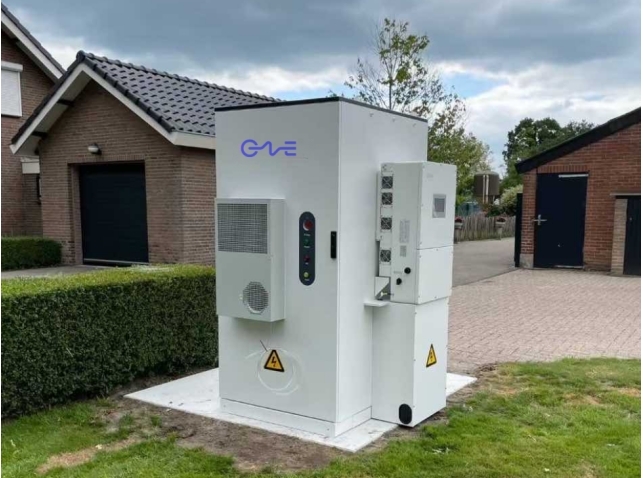
Medium-scale (C&I, EV charging hubs, small microgrids): Emphasis on modularity, ease of installation, and compatibility with existing building management systems (BMS). Outdoor-rated cabinets (IP54–IP65) with integrated HVAC and fire suppression dominate. Typical depth of discharge (DoD) 70–80% to preserve cycle life. Battery voltage ranges 800–1500 V DC.
Large-scale (utility substations, renewable firming, transmission deferral): Containerized or skid-mounted systems (20–40 ft ISO containers). Liquid cooling is standard. Voltage rises to 1500 V DC to reduce copper losses. Redundancy at rack and string level (N+1 or 2N) is required for grid service contracts with availability penalties. Remote diagnostics and automated cell balancing are mandatory.
A hybrid approach — stacking medium-scale cabinets into a virtual large-scale plant — is gaining traction for brownfield substations with space constraints. Modular battery storage allows incremental capacity additions as load grows.
6. Frequently Asked Questions (FAQ)
Q1: What is the real-world cycle life of modern LFP batteries under daily peak shaving (80% DoD)?
A1: Field data from 15 grid-scale projects (totaling 1.2 GWh) shows median capacity retention of 82% after 5,000 cycles (≈13.7 years of daily cycling). At 8,000 cycles, retention averages 72%. Premium cells with electrolyte additives and active liquid cooling maintain 75% at 10,000 cycles. For project modeling, a conservative assumption is 6,500 cycles to 70% SOH for standard LFP, and 9,500 cycles for advanced formulations. Cycle life testing should always be requested at application-specific C-rates (e.g., 0.5C for 2-hour systems).
Q2: How do sodium-ion batteries compare to LFP for medium-scale storage in colder climates?
A2: Sodium-ion cells maintain 92% of room-temperature capacity at -10°C, compared to 78–82% for LFP. They also accept charge at -20°C without lithium plating risk. For outdoor cabinets in regions with winter temperatures below -5°C, sodium-ion reduces or eliminates battery heating energy (typically 2–4% of stored energy). However, sodium-ion has 5,000 cycles versus 10,000+ for advanced LFP, making it more suitable for 1–2 cycle/day applications rather than intensive frequency regulation.
Q3: What safety certifications are required for large-scale battery storage installations in North America and Europe?
A3: Mandatory certifications include UL 9540 (system), UL 9540A (thermal runaway propagation test), NFPA 855 (installation), and IEEE 1547 (grid interconnection). For Europe, IEC 62619 (industrial battery safety), IEC 62477-1 (power conversion), and VDE-AR-E 2510-50 are required. Additionally, many utilities require cybersecurity compliance with IEC 62443-3-3. CNTE systems carry all above certifications plus UN38.3 for transport and ISO 13849 for functional safety.
Q4: Can existing diesel generator sites be retrofitted with battery storage for fuel reduction?
A4: Yes, through a hybrid microgrid controller. The BESS handles load fluctuations and short-term peaks while the diesel generator operates at optimal efficiency (typically 70–80% load). For a mining site with 4 MW average load and 8 MW peak, adding 6 MWh storage and 3 MW solar reduced diesel consumption by 68% in a real Chilean project. The storage provides black-start capability and 3 seconds of ride-through before diesel starts. Payback was 4.2 years at $1.10/L diesel price.
Q5: What is the expected calendar life of LFP storage systems that cycle infrequently (standby or backup power)?
A5: Calendar aging dominates over cycle aging when annual cycles are below 100. At 25°C average temperature, LFP cells lose 1.0–1.5% capacity per year due to solid electrolyte interface (SEI) growth and cathode degradation. After 15 years, remaining capacity is 75–82% regardless of cycling count. Storing at 50% state-of-charge (SoC) reduces calendar aging by 30% compared to 100% SoC. For emergency backup systems, manufacturers recommend a maintenance charge to 50% SoC every 3 months.
Q6: How does cell-to-pack (CTP) technology affect repairability and module replacement?
A6: CTP eliminates intermediate modules, bonding cells directly into the pack frame. This increases volumetric energy density by 15–20% but makes individual cell replacement impossible. Instead, the entire pack (typically 50–200 cells) must be replaced if any cell fails. For large-scale storage, this raises maintenance costs if cell failure rates exceed 0.5% over 10 years. Leading manufacturers now use welded busbars that can be cut and re-welded, allowing cell-level service with CTP designs. Specify repairability clauses in procurement contracts.
7. Request a Project-Specific Engineering Assessment
Selecting optimal battery technology for medium or large-scale storage requires site-specific data: load profiles, renewable generation patterns, utility rate structures, ambient temperature ranges, and space availability. CNTE offers a no-cost preliminary engineering study, including LCOS modeling, single-line diagrams, and safety risk assessment.
Submit your project parameters (capacity, duration, application, location) to receive a customized proposal within 10 business days. All proposals include a 10-year performance guarantee with liquidated damages for underperformance.
Send an inquiry → or contact the technical sales team at cntepower@cntepower.com. For detailed specifications of our LFP and sodium-ion product lines, visit our solution library.
Get in Touch
Recent Posts
-
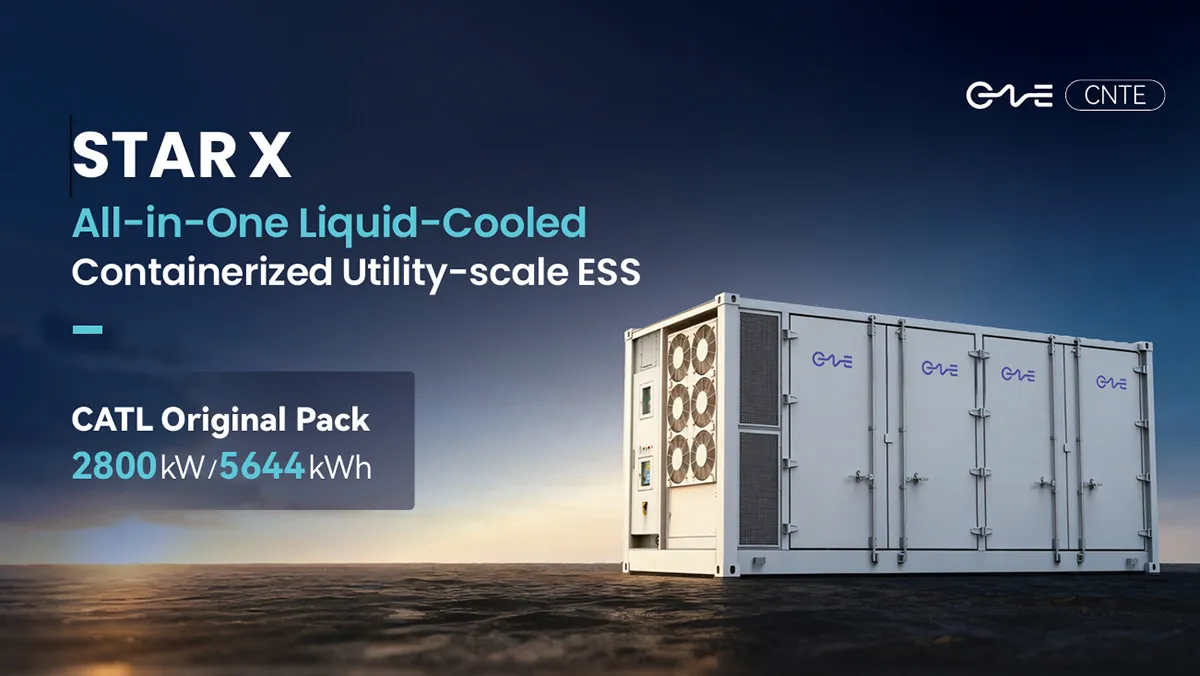
CNTE Launches STAR X Liquid-Cooled DC/AC Integrated Energy Storage System at Intersolar Europe 2026
Jul 06, 2026 -
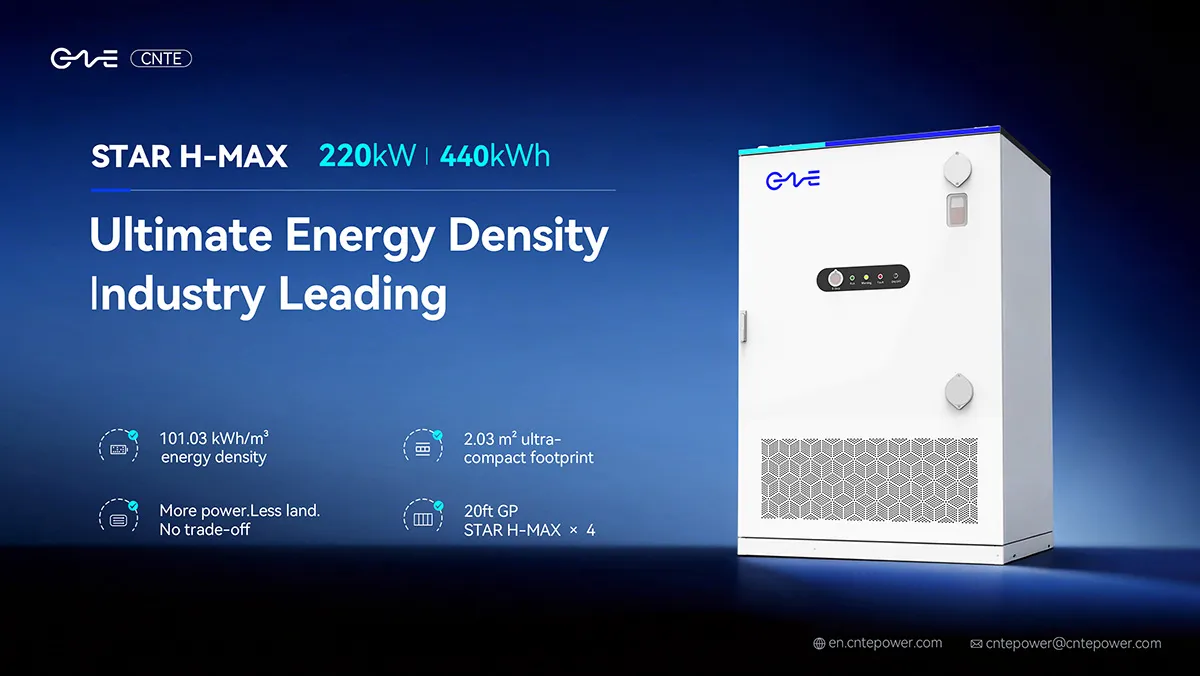
CNTE Unveils New STAR H-MAX Liquid-Cooled C&I ESS at Intersolar Europe 2026
Jun 23, 2026 -
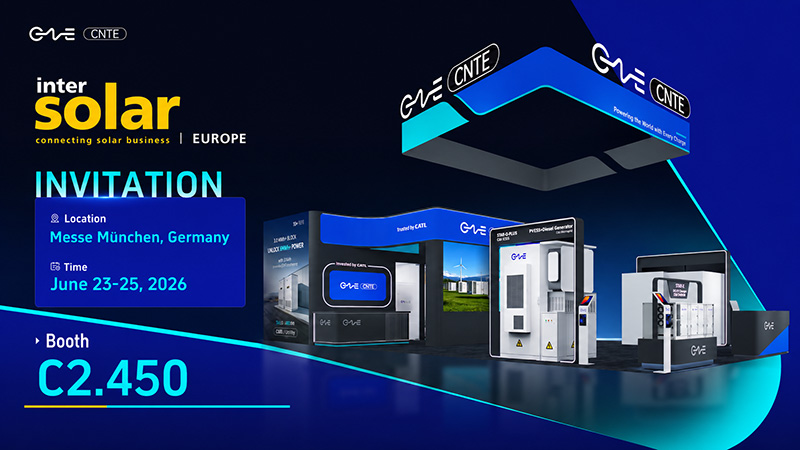
CNTE to Participate in Intersolar Europe 2026
May 20, 2026 -
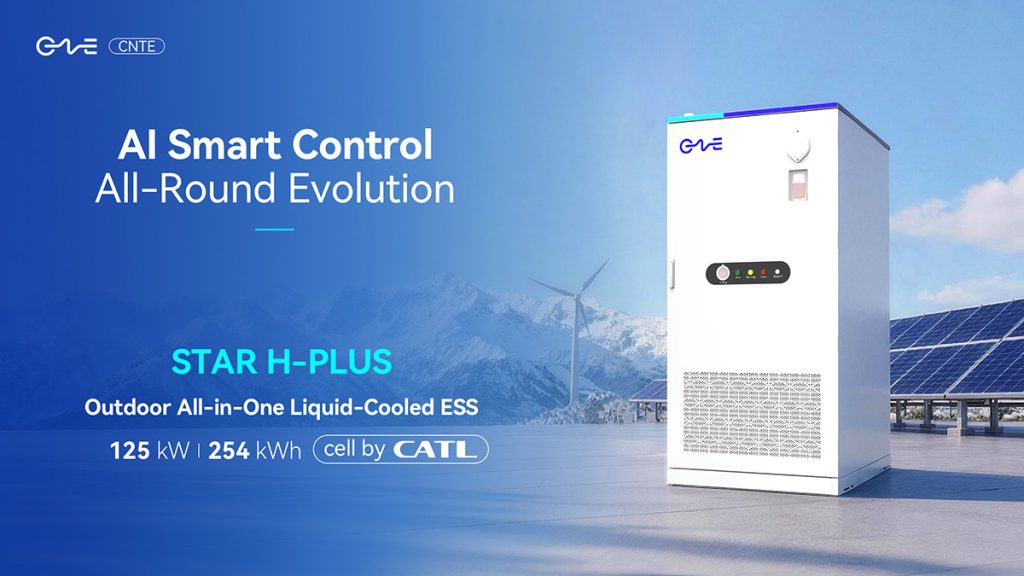
CNTE at KEY ENERGY 2026: Showcases STAR H-PLUS Outdoor Liquid-Cooled Energy Storage System
Mar 05, 2026 -

CNTE Honored as 2025 Forbes China Leading Global Brand
Jul 06, 2026 -
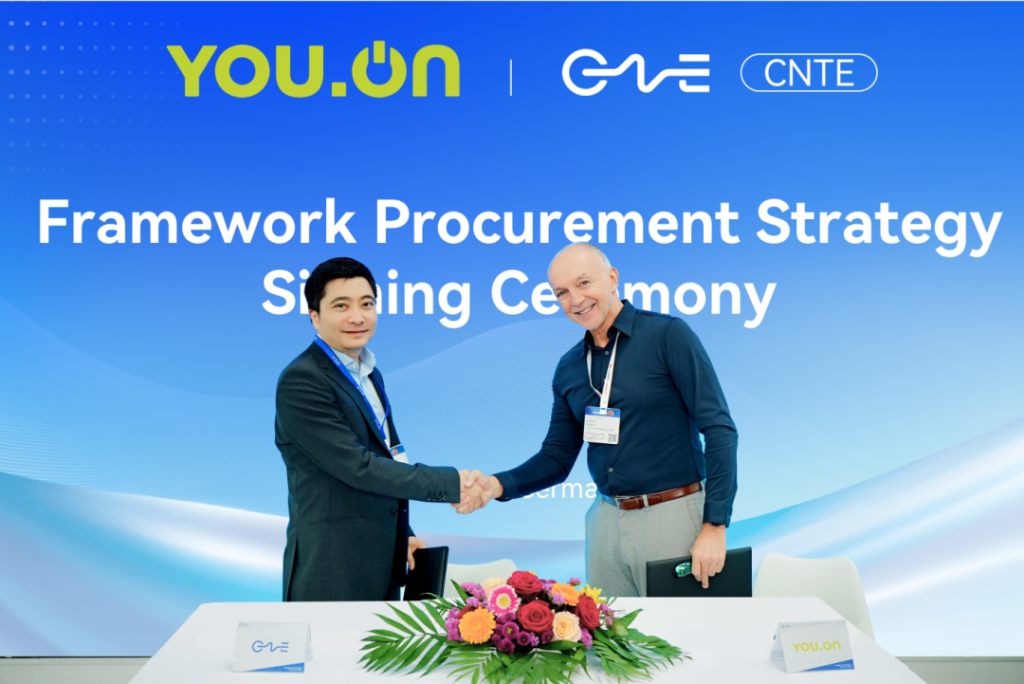
CNTE & YOU.ON Partner to Expand Storage Markets
May 19, 2025 -
CNTE Unveils Energy Storage Lineup at Solartech 2025
May 19, 2025 -
CNTE awarded AEO certification
Jul 06, 2026 -
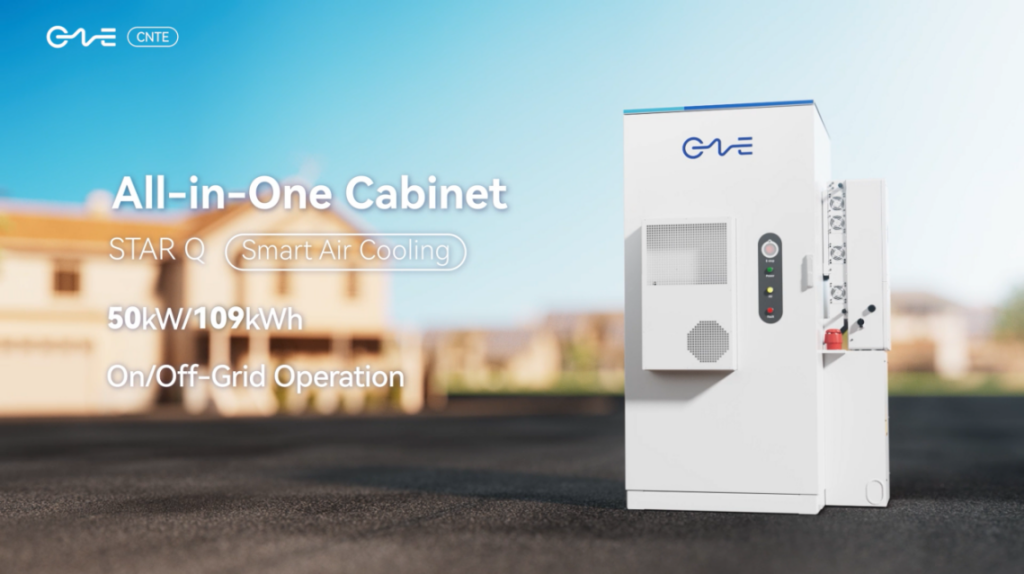
CNTE New Product Launch STAR Q
Jan 15, 2025 -
CNTE Named to Forbes China 2024 Top 30 Go-International Brands
Jul 06, 2026
