
Energy Generation and Storage: Technical Integration, Grid Stability & ROI for Industrial Assets
The global energy transition demands more than renewable capacity additions. It requires robust energy generation and storage ecosystems that address intermittency, grid congestion, and power quality. Solar and wind farms now account for over 70% of new capacity in many regions, but without synchronized storage, curtailment rates exceed 12% in high-penetration markets. For industrial operators, utilities, and commercial facilities, the gap between generation peaks and demand curves translates directly into lost revenue and operational risks. This article provides a data-driven examination of modern battery energy storage systems (BESS), power conversion topologies, control architectures, and financial frameworks—moving beyond marketing terminology to engineering realities.
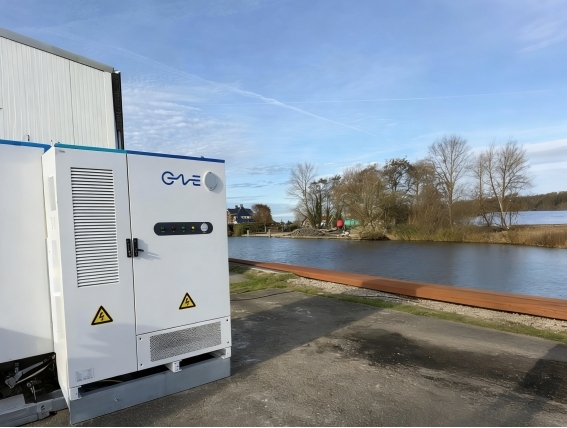
Table of contents cntepower 1 1. Engineering Synergies: Power Electronics, Battery Chemistries, and Energy Management Systems 1.1 1.1 Battery Chemistries for Industrial Duty Cycles 1.2 1.2 Power Conversion System (PCS) Topologies 1.3 1.3 Energy Management System (EMS) and Predictive Logic 2 2. Industry Pain Points and Targeted Technical Solutions 3 3. Application Scenarios Across Commercial, Industrial, and Utility Scales 3.1 3.1 Commercial & Industrial (C&I) – Behind-the-Meter 3.2 3.2 Utility-Scale – Front-of-the-Meter Grid Support 3.3 3.3 Island Microgrid & Off-Grid Mining 4 4. CNTE’s Holistic Energy Generation and Storage Ecosystem 5 5. Quantifying the Value: Technical and Economic Metrics for Storage Projects 6 6. Frequently Asked Questions (FAQ) 7 7. Request a Technical Consultation or Project Inquiry
1. Engineering Synergies: Power Electronics, Battery Chemistries, and Energy Management Systems
Any high-performance energy generation and storage architecture relies on three interdependent layers: the electrochemical core, the power conditioning unit, and the orchestration software. Disconnects between these layers cause efficiency drops, accelerated aging, and safety incidents.
1.1 Battery Chemistries for Industrial Duty Cycles
Lithium iron phosphate (LFP) has become the industrial standard, offering 8,000–12,000 cycles at 80% depth of discharge, compared to 3,500–5,000 cycles for NMC variants. Thermal runaway thresholds exceed 250°C for LFP versus 150–180°C for nickel-based cathodes. Battery energy storage systems deployed in behind-the-meter applications now achieve round-trip efficiencies of 94–96% when paired with silicon carbide (SiC) inverters. For grid-scale front-of-meter projects, liquid-cooled LFP racks maintain cell temperature gradients within ±2°C, preventing capacity drift across 1,500+ series-connected cells.
1.2 Power Conversion System (PCS) Topologies
Central inverters dominate utility projects above 10 MW due to lower $/W, but modular multilevel converters (MMC) and string inverters provide better fault tolerance and partial-load efficiency. For industrial energy generation and storage hybrid plants, DC-coupled architectures eliminate one conversion stage, boosting net efficiency by 3–5% compared to AC-coupled systems. However, AC coupling offers independent sizing of PV and storage, which reduces oversizing penalties in retrofit projects.
1.3 Energy Management System (EMS) and Predictive Logic
Rule-based EMS (peak shaving, load shifting) has given way to model predictive control (MPC) that incorporates weather forecasts, real-time energy prices, and transformer loading. Machine learning models trained on 12–18 months of site data reduce peak demand forecast error to under 4%, enabling precise battery dispatch. When integrated with supervisory control and data acquisition (SCADA), these systems execute state-of-charge (SoC) resets during low-price windows, preserving capacity for high-value ancillary services.
2. Industry Pain Points and Targeted Technical Solutions
Despite falling battery costs—average global LFP cell prices reached $95/kWh in 2025—project developers still face operational barriers. Below are four critical pain points with quantifiable solutions.
Renewable curtailment & negative pricing: Solar farms in California and Germany curtail up to 15% of annual generation. Solution: co-located energy generation and storage with fast-response (sub-200ms) power control. Batteries absorb excess energy during negative price intervals and discharge during peak demand, capturing 90%+ of otherwise lost revenue.
Demand charge management failures: Industrial users often see 30–70% of electricity bills as demand charges (kW). Traditional diesel generators fail to respond within 1 second. LFP BESS with peak shaving algorithms cut peak demand by 35–50%, with payback periods of 2–4 years for 500 kW–2 MW systems.
Grid capacity bottlenecks: Waiting for transformer upgrades takes 18–36 months and costs $300–800 per kVA. Non-wires alternatives (NWAs) using modular storage deployed at the secondary substation defer upgrades by 5–8 years while providing voltage support and load shifting.
Frequency regulation inadequacy: Traditional thermal plants have ramp rates of 2–5% per minute. BESS achieves full output within 80–120 ms, earning up to $150–200/kW-year in PJM and other frequency markets. Hybrid flywheel-battery systems further reduce lithium cycling on sub-second fluctuations.
3. Application Scenarios Across Commercial, Industrial, and Utility Scales
Different tiers of energy generation and storage require distinct engineering trade-offs. Below are three representative architectures with real-world performance data.
3.1 Commercial & Industrial (C&I) – Behind-the-Meter
A food processing plant with a 1.2 MW rooftop PV array and a 2.5 MWh LFP storage system achieves 82% self-consumption (up from 48% without storage). The microgrid controller forecasts production and load every 15 minutes, discharging during the 4:00–9:00 PM high-demand window. Annual demand charge reduction: $47,000. Energy arbitrage (buying at $0.06/kWh, avoiding $0.22/kWh): $89,000. System payback: 3.2 years.
3.2 Utility-Scale – Front-of-the-Meter Grid Support
A 100 MW / 400 MWh standalone storage plant in Texas participates in ERCOT’s ancillary services: responsive reserve (10 MW), regulation up/down (15 MW), and energy arbitrage (balance 375 MWh). Using a hybrid EMS with price forecasting, the plant achieves an annual net revenue of $12.5 million, with a 95% availability factor. The system provides grid stability by responding to frequency deviations within 140 ms, reducing reliance on gas peakers.
3.3 Island Microgrid & Off-Grid Mining
A remote diamond mine in northern Canada replaced 70% of diesel generation with a 6 MW solar array and a 12 MWh BESS. The storage system handles cloud transients (ramp rates up to 4 MW/min) and provides black-start capability. Diesel runtime dropped from 24/7 to 6 hours/day, cutting fuel costs by $2.1 million annually and reducing CO₂ emissions by 4,800 tonnes. The energy generation and storage hybrid controller includes a virtual synchronous generator (VSG) mode to maintain grid inertia.
4. CNTE’s Holistic Energy Generation and Storage Ecosystem
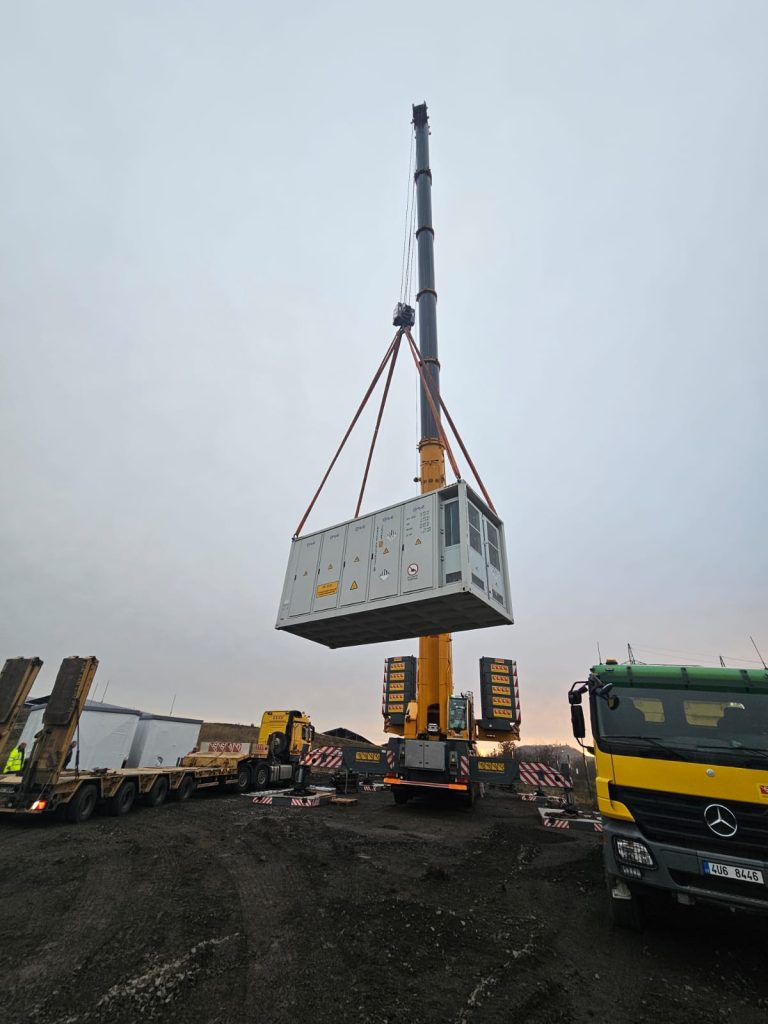
CNTE (Contemporary Nebula Technology Energy Co., Ltd.) engineers modular, safety-certified storage platforms for C&I, utility, and microgrid deployments. Their product line includes liquid-cooled outdoor cabinets (200–500 kW / 400–2000 kWh) and containerized systems up to 5 MW / 20 MWh. Key differentiators:
Cell-to-pack (CTP) LFP architecture with 180 Wh/kg density and IP65 ingress protection.
Multi-level fire suppression (aerosol + water mist) compliant with UL 9540A and NFPA 855.
EMS with 120+ native protocols (Modbus, IEC 61850, DNP3) for brownfield integration.
Predictive diagnostics that forecast cell imbalance or contactor wear 3 months in advance.
CNTE has deployed over 480 MWh of storage across 22 countries, including a 50 MW / 150 MWh frequency regulation plant in Germany and a 12 MWh mining microgrid in Chile. All systems are backed by a 10-year performance guarantee (≥70% remaining capacity after 8,000 cycles). For integrated solar-storage projects, CNTE provides full turnkey engineering, commissioning, and remote 24/7 monitoring.
5. Quantifying the Value: Technical and Economic Metrics for Storage Projects
Project finance requires rigorous modeling. Below are standard metrics used by industrial asset owners and independent power producers (IPPs).
Levelized cost of storage (LCOS): For a 2-hour duration LFP system with 10,000 cycles, LCOS ranges $0.08–0.12/kWh. For 4-hour systems (lower cycling frequency), LCOS drops to $0.06–0.09/kWh.
Internal rate of return (IRR): C&I peak shaving + solar self-consumption projects achieve 12–18% IRR in high-tariff regions (e.g., California, Australia, Germany). Utility merchant storage (energy arbitrage only) sees 8–12% IRR, rising to 14–20% when stacking frequency regulation contracts.
Carbon abatement cost: Pairing solar+storage reduces grid-dependent emissions by 85–95%. Abatement cost often falls below $40/tCO₂, compared to $120–200/tCO₂ for hydrogen or carbon capture.
Payback period (industrial peak shaving): 500 kW / 1000 kWh system – typical payback of 3.0–4.5 years, depending on demand charge rates ($15–30/kW).
6. Frequently Asked Questions (FAQ)
Q1: What is the typical round-trip efficiency of modern lithium-ion BESS for energy generation and storage applications?
A1: For LFP-based systems with liquid cooling and SiC inverters, AC round-trip efficiency ranges from 91% to 94% at 0.5C charge/discharge. Higher C-rates (1C, 2C) reduce efficiency to 87–90% due to increased ohmic losses. DC-coupled solar-storage systems can reach 95–96% by eliminating one inverter stage. Always request third-party efficiency reports measured at the point of interconnection (POI), not cell-only claims.
Q2: How does peak shaving reduce industrial electricity bills, and what size BESS is needed?
A2: Peak shaving uses battery discharge during the 15–30 minute intervals where facility demand exceeds a preset threshold (e.g., 800 kW). By capping demand at 800 kW instead of 1,200 kW, the facility avoids charges on the 400 kW difference. Required BESS power (kW) equals the difference between actual peak and target peak. Energy capacity (kWh) should cover the duration of the peak period plus 20% margin. For most factories, a 4–6 hour peak window requires a battery sized at 4–6 times the kW reduction. Peak shaving typically delivers 35–50% demand charge savings.
Q3: What safety standards apply to grid-scale energy storage systems?
A3: The core standards include UL 9540 (system safety), UL 9540A (thermal runaway fire testing), NFPA 855 (installation code), IEC 62619 (industrial battery safety), and IEEE 1547 (grid interconnection). For European projects, compliance with VDE-AR-E 2510-50 is mandatory. CNTE systems are certified to all above standards, plus UN38.3 for transport.
Q4: Can existing renewable assets be retrofitted with energy storage without replacing inverters?
A4: Yes, through AC coupling. The existing PV or wind inverter connects to the low-voltage AC bus, and the BESS connects via a separate bidirectional inverter. An energy management system controls both. AC coupling adds 2–4% round-trip losses but avoids replacing functional solar inverters. For new projects, DC coupling (shared inverter) is more efficient. Retrofits are common for feed-in tariff expirations or when curtailment exceeds 8%.
Q5: What is the expected cycle life of LFP batteries under real-world operation, not lab conditions?
A5: Real-world cycle life depends on average depth of discharge (DoD), temperature, and charge/discharge rates. For daily cycling at 70% DoD with active liquid cooling maintaining 25±3°C, LFP cells typically retain 70–75% of nameplate capacity after 8,000 cycles (≈22 years of daily use). At 90% DoD, cycle life drops to 5,000–6,000 cycles. Calendar aging (even without cycling) adds 0.5–1.5% capacity loss per year. Manufacturers like CNTE provide warranted end-of-life at 70% capacity after 8,000 cycles or 10 years, whichever comes first.
Q6: How do virtual power plants (VPP) aggregate distributed storage for grid services?
A6: A VPP software platform aggregates hundreds of behind-the-meter BESS, EVs, and HVAC loads. Each asset provides a 10–500 kW slice of flexibility. The VPP bids into wholesale capacity, frequency, or voltage support markets. Participants receive 70–85% of the revenue. For commercial buildings with 500 kWh storage, VPP participation adds $8,000–15,000 annual revenue on top of peak shaving savings. VPP requires IoT gateways with sub-second telemetry and cybersecurity to ISO 27001 standards.
7. Request a Technical Consultation or Project Inquiry
Every industrial or utility storage project requires site-specific engineering: peak load profiles, transformer headroom, local utility tariff structures, and grid interconnection lead times. CNTE provides feasibility modeling, protection coordination studies, and turnkey deployment across North America, Europe, and Asia-Pacific.
Submit your project parameters (load data, renewable capacity, target application) to receive a preliminary system design, LCOS calculation, and payback analysis within 5 business days.
Send an inquiry → or contact our engineering team directly at cntepower@cntepower.com. For immediate technical specifications, visit our solution library.
Get in Touch
Recent Posts
-
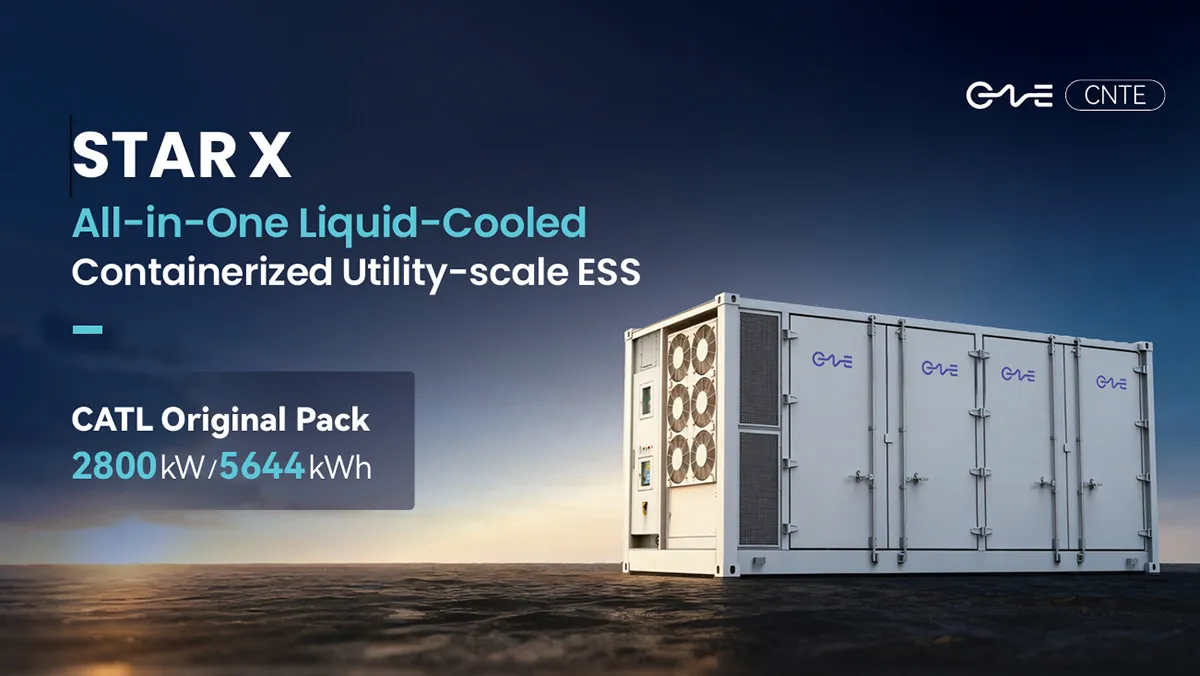
CNTE Launches STAR X Liquid-Cooled DC/AC Integrated Energy Storage System at Intersolar Europe 2026
Jul 06, 2026 -
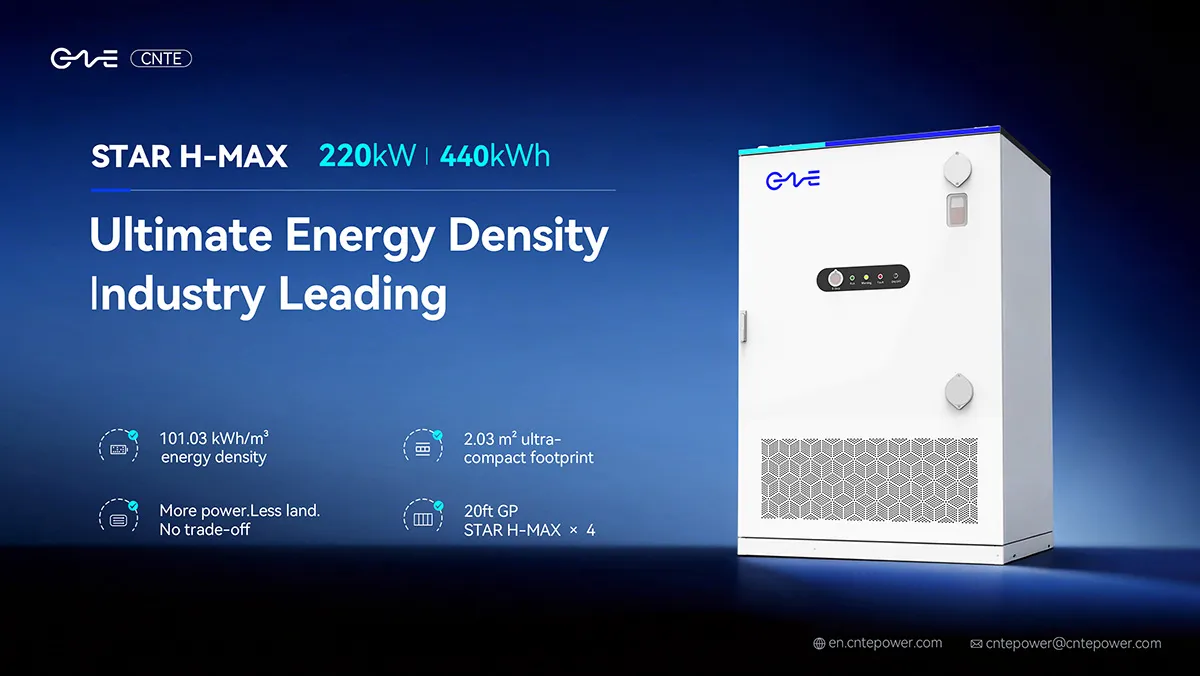
CNTE Unveils New STAR H-MAX Liquid-Cooled C&I ESS at Intersolar Europe 2026
Jun 23, 2026 -
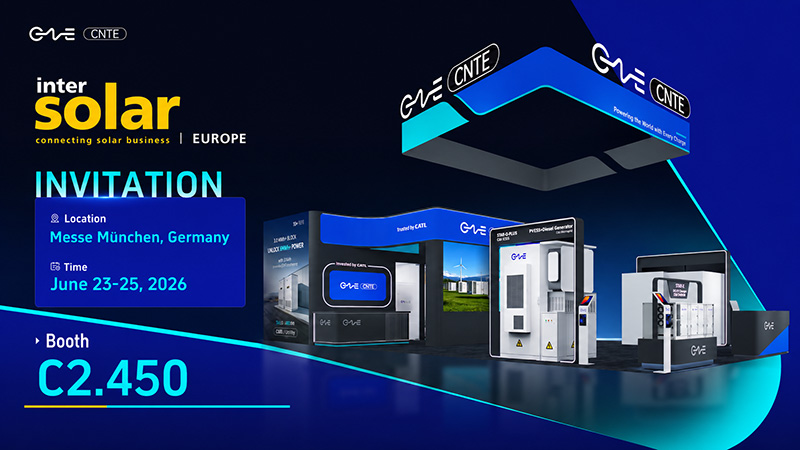
CNTE to Participate in Intersolar Europe 2026
May 20, 2026 -
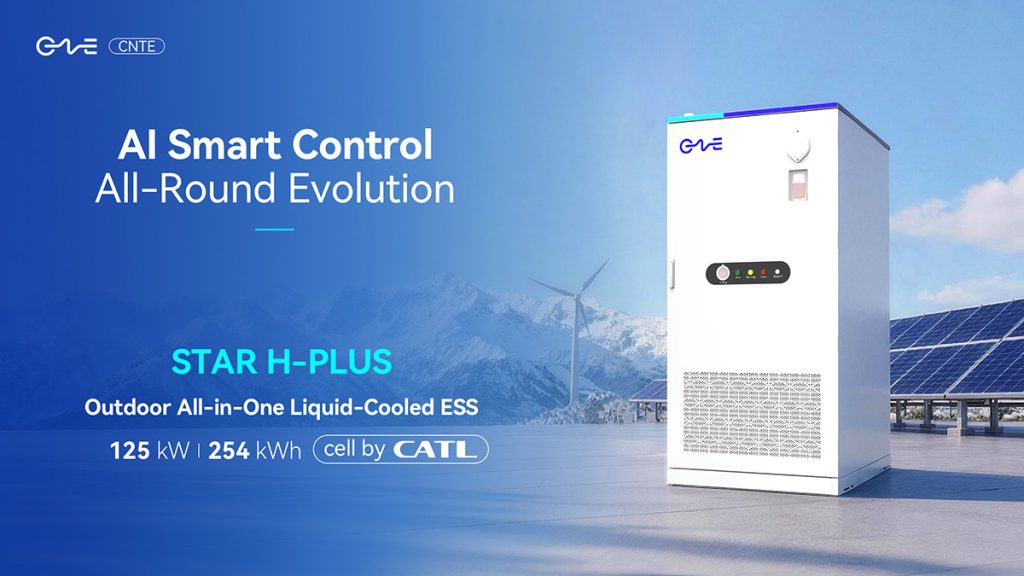
CNTE at KEY ENERGY 2026: Showcases STAR H-PLUS Outdoor Liquid-Cooled Energy Storage System
Mar 05, 2026 -

CNTE Honored as 2025 Forbes China Leading Global Brand
Jul 06, 2026 -

CNTE & YOU.ON Partner to Expand Storage Markets
May 19, 2025 -

CNTE Unveils Energy Storage Lineup at Solartech 2025
May 19, 2025 -

CNTE awarded AEO certification
Jul 06, 2026 -
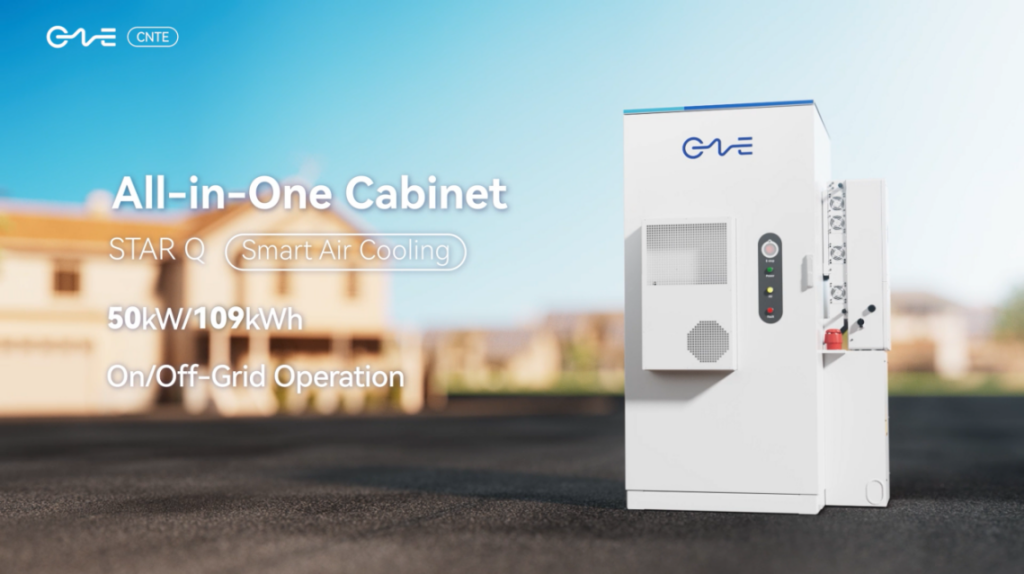
CNTE New Product Launch STAR Q
Jan 15, 2025 -

CNTE Named to Forbes China 2024 Top 30 Go-International Brands
Jul 06, 2026
