
Advanced Energy Storage Systems: 7 Technical and Economic Dimensions for Industrial & Utility Applications
Energy infrastructure operators face increasing pressure to manage demand charges, integrate renewable generation, and maintain production continuity. Advanced energy storage systems (AESS) go beyond simple backup power—they provide dynamic peak shaving, frequency regulation, energy arbitrage, and microgrid formation. This article dissects seven engineering and financial dimensions of modern storage solutions, including battery chemistry selection, power conversion topologies, safety compliance, and hybrid operation with existing generator assets. Field data from manufacturing plants, data centers, and island microgrids inform the recommendations below.
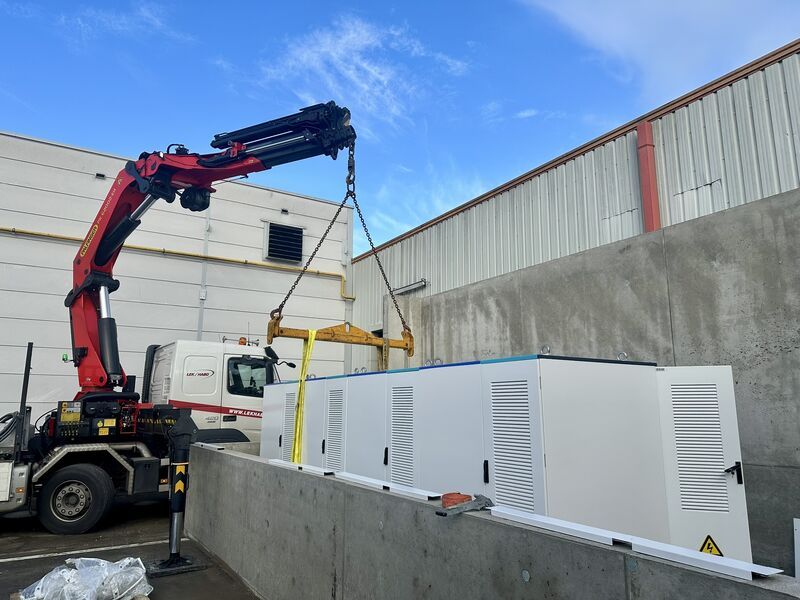
Table of contents cntepower 1 1. Battery Chemistry Roadmap for Advanced Energy Storage Systems 1.1 1.1 Lithium Iron Phosphate (LFP) 1.2 1.2 Nickel Manganese Cobalt (NMC) 1.3 1.3 Flow Batteries (Vanadium Redox) 2 2. Power Conversion System (PCS) and Control Architectures 3 3. Energy Management System (EMS) – Predictive Optimization 4 4. Addressing Industry Pain Points with Advanced Energy Storage Systems 5 5. Economic Modeling for Advanced Energy Storage Systems 5.1 5.1 Peak Shaving Simulation 5.2 5.2 Revenue Stacking – Combining Value Streams 6 6. Application Deep Dive – High-Reliability Sectors 6.1 6.1 Data Centers – Power Assurance and PUE Improvement 6.2 6.2 Manufacturing – Peak Demand Control and Power Factor Correction 6.3 6.3 Renewable-Powered Microgrids – Islanding and Black-Start 7 7. Integrating Advanced Storage with Existing Generator Fleets – A Synergistic Model 8 8. Safety Standards and Lifecycle Management 9 9. Future-Proofing with Virtual Power Plant (VPP) Readiness 10 Frequently Asked Questions (FAQ)
1. Battery Chemistry Roadmap for Advanced Energy Storage Systems
The core of any advanced energy storage systems is the electrochemical cell. Three chemistries now dominate industrial deployments, each with distinct performance envelopes.
1.1 Lithium Iron Phosphate (LFP)
LFP has become the default for stationary applications due to its intrinsic thermal stability (decomposition >270°C), cycle life exceeding 6,000 cycles at 80% depth of discharge (DoD), and cobalt-free supply chain. Energy density ranges from 150–180 Wh/kg. For facilities with available floor space, LFP offers the lowest levelized cost of storage (LCOS) over 10–15 years.
1.2 Nickel Manganese Cobalt (NMC)
NMC provides higher gravimetric energy density (250–270 Wh/kg) and better low-temperature performance. However, it requires active liquid cooling and more conservative state-of-charge windows (20–90%) to achieve acceptable cycle life (3,000–4,000 cycles). NMC is suitable for space-constrained retrofits or applications requiring high C-rates (2C–4C) for frequency regulation.
1.3 Flow Batteries (Vanadium Redox)
For multi-hour shifting (6–10 hours) and applications where deep daily cycling is required, vanadium redox flow batteries (VRFB) offer unlimited cycle life and non-flammable electrolytes. Round-trip efficiency is lower (65–75%) and upfront capital cost higher, but VRFB excels in long-duration, high-utilization scenarios such as island microgrids with high renewable penetration.
Selecting the right chemistry requires a trade-off analysis among energy throughput (MWh over lifetime), footprint, safety, and operating temperature range. CNTE (Contemporary Nebula Technology Energy Co., Ltd.) provides chemistry-agnostic engineering advisory, matching cell type to site-specific load profiles and ambient conditions.
2. Power Conversion System (PCS) and Control Architectures
The PCS acts as the bidirectional interface between DC battery strings and AC loads or the grid. Key specifications include rated power (kW/MW), overload capability, and response time.
Grid-following inverters: Require a stable utility voltage reference. Suitable for peak shaving and energy arbitrage in grid-connected mode only.
Grid-forming inverters: Can establish an independent voltage and frequency reference, enabling islanded microgrid operation and black-start capability. Mandatory for facilities requiring seamless transfer during outages.
Hybrid inverters: Support both grid-tied and island modes with automatic transition (sub-20 ms transfer time).
Modern PCS units achieve round-trip efficiency of 96–98% and offer reactive power compensation for power factor correction. For applications with high harmonic distortion (e.g., welding equipment, variable frequency drives), specify inverters with active filtering capability. Integrated power conversion solutions from CNTE include modular designs from 50 kW to 5 MW, allowing parallel operation for scalability.
3. Energy Management System (EMS) – Predictive Optimization
The EMS layer differentiates basic storage from advanced energy storage systems. A robust EMS performs three functions:
Load forecasting: Uses historical 15-minute interval data (12+ months) and weather patterns to predict daily load curves.
Price signal integration: Consumes real-time or day-ahead market prices (where available) to execute energy arbitrage.
Battery health-aware scheduling: Avoids deep discharges or high C-rate cycles that accelerate capacity fade, extending usable life by 2–3 years.
Field data shows that EMS-optimized storage systems generate 15–25% higher annual savings compared to rule-based (time-of-use) control, primarily through capturing ancillary service opportunities and reducing demand charge forecast errors.
4. Addressing Industry Pain Points with Advanced Energy Storage Systems
Energy managers across sectors report four recurring problems, each addressable with properly configured storage.
Demand charge spikes: Utility tariffs impose USD 15–40 per kW of peak demand. Storage discharges during brief high-consumption intervals (5–30 minutes), shaving peaks and reducing monthly bills by 25–40%.
Renewable curtailment: Solar or wind over-generation forces operators to shed clean energy. Storage absorbs surplus and dispatches it during evening peak periods, improving on-site renewable self-consumption from 40% to over 85%.
Power quality disturbances: Voltage sags, swells, and harmonics cause PLC resets or motor overheating. Fast-response storage (sub-cycle reaction) stabilizes voltage and frequency.
Unplanned downtime risk: Even 1–2 second outages can halt production lines. Storage provides seamless ride-through, bridging the gap until a generator starts or utility returns.
Data from over 300 industrial storage deployments show payback periods ranging from 2.8 to 5.2 years, depending on local demand tariffs and incentive structures.
5. Economic Modeling for Advanced Energy Storage Systems
Correct sizing and revenue stacking are necessary for positive returns. Two complementary methods are used.
5.1 Peak Shaving Simulation
Using 15-minute interval load data (minimum one year), the required power rating (kW) equals the difference between the actual peak and a target peak threshold. For example, a facility with a 1,200 kW peak and a target of 950 kW requires a 250 kW inverter. Energy capacity (kWh) is determined by the area above the threshold across the worst peak event. Most industrial applications require 1–3 hours of duration at rated power.
5.2 Revenue Stacking – Combining Value Streams
A modern storage asset generates returns from multiple simultaneous streams:
Demand charge reduction (primary value, typically 60–70% of total savings)
Energy arbitrage (buying low, selling high – requires time-of-use tariffs with 4:1 price ratio)
Frequency regulation or demand response participation (available in deregulated markets)
Backup power – avoided downtime costs (valued at USD 5,000–50,000 per hour for semiconductor or food processing plants)
ROI models must incorporate calendar aging (capacity fade over time) and cycle aging. Premium LFP cells retain 70–80% of nameplate capacity after 10 years of daily cycling, with end-of-life often defined as 70% state-of-health.
6. Application Deep Dive – High-Reliability Sectors
Three industry segments demonstrate exceptionally strong business cases for advanced energy storage systems.
6.1 Data Centers – Power Assurance and PUE Improvement
Data center operators face stringent Tier requirements (2N or N+1 redundancy). Integrating storage with existing UPS flywheels or VRLA batteries reduces cooling loads (lithium operates efficiently at higher temperatures, cutting HVAC power by 15–20%). Furthermore, the storage system can participate in utility demand response without affecting IT loads, generating additional revenue per MW of curtailable capacity.
6.2 Manufacturing – Peak Demand Control and Power Factor Correction
Automotive stamping presses, injection molding machines, and HVAC systems create short-duration demand spikes. A storage system with high C-rate capability (2C to 4C) discharges for 5–15 minutes to flatten those spikes. Simultaneously, the PCS can provide reactive power, improving power factor from 0.85 to 0.98 and avoiding utility penalties.
6.3 Renewable-Powered Microgrids – Islanding and Black-Start
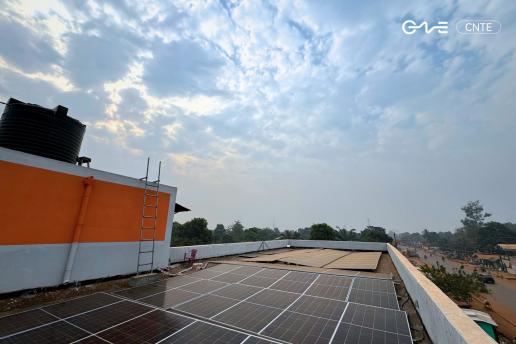
Remote mines, agricultural processing, and island resorts often rely on diesel generators. Adding storage reduces generator run hours by 50–70% and enables the system to operate with very low load factors (generators run at optimal 70–80% load while storage handles fluctuations). This hybrid approach conserves fuel, lowers maintenance intervals, and reduces emissions without discarding existing generator assets.
7. Integrating Advanced Storage with Existing Generator Fleets – A Synergistic Model
Legacy diesel or gas generators remain valuable assets for extended outages (days) and high instantaneous power. Rather than replacement, intelligent control systems orchestrate storage and generators:
Generator start delay: The storage system handles the first 10–30 seconds of an outage, allowing generators to start without abrupt load application.
Peak smoothing during generator operation: When generators run due to a utility outage, large motor starts (e.g., chiller compressors) can cause voltage dips. Storage provides instantaneous current, stabilizing the microgrid.
Fuel efficiency optimization: The generator operates at a fixed, efficient load point (e.g., 75% of rating) while storage charges/discharges to match varying facility load. This reduces specific fuel consumption by 12–18%.
CNTE has deployed such hybrid control platforms across Southeast Asian industrial parks, demonstrating a 31% reduction in annual fuel costs while maintaining 99.99% availability. This approach respects existing capital investments and avoids any adversarial positioning toward generator technologies.
8. Safety Standards and Lifecycle Management
Commercial advanced energy storage systems must comply with international and regional standards. Key certifications include:
UL 9540 (system-level safety)
UL 1973 (battery modules)
UL 1741 (inverters for grid interconnection)
NFPA 855 (installation and fire protection requirements)
IEC 62619 (safety for industrial lithium batteries)
Risk mitigation measures include cell-level thermal fuses, independent gas detection (CO, H₂, VOC) with forced ventilation, and fire suppression using aerosol or clean agent (Novec 1230, FM-200). For installations in seismic zones or high-corrosion environments (coastal chemical plants), specify enclosures meeting IP55/NEMA 3R with seismic rack certification (IBC 2018). Remote monitoring of cell impedance and internal temperature gradients enables predictive maintenance, replacing modules before failure.
9. Future-Proofing with Virtual Power Plant (VPP) Readiness
The next generation of storage systems leverages AI-driven energy trading and VPP aggregation. A VPP clusters dozens of distributed storage units across different customer sites, bidding into wholesale energy and ancillary service markets. Early adopters in California and Germany have seen additional revenue of USD 80–120 per kW annually from frequency regulation alone. Selecting a system with open communication protocols (Modbus TCP, IEC 61850, or OCPP) ensures future compatibility with utility VPP programs. CNTE’s solution portfolio includes VPP-ready EMS and cloud-based aggregation platforms.
Frequently Asked Questions (FAQ)
Q1: What is the typical payback period for advanced energy storage systems in a manufacturing facility?
A1: Based on real-world projects with demand charges between USD 20–30/kW and daily peak shaving of 200–500 kW, payback periods range from 2.5 to 4.5 years. Adding revenue from demand response or frequency regulation shortens the period to 2–3 years. Accurate load profiling (15-minute data for 12 months) is essential before committing to any vendor.
Q2: Can advanced energy storage systems operate in parallel with existing diesel generators without replacing them?
A2: Yes – and this hybrid configuration is recommended. Storage handles transient loads and short-duration peaks, while generators provide bulk energy for extended outages. A microgrid controller coordinates both assets, reducing generator run hours, saving fuel, and lowering maintenance costs. No generator replacement is required; storage adds a complementary layer.
Q3: What safety certifications should a buyer demand for a lithium-based advanced storage system?
A3: At a minimum, request UL 9540 (system), UL 1973 (modules), and UL 1741 (inverter). For installations in seismic zones, require IBC 2018 or 2021 certification. For fire safety, look for NFPA 855 compliance and third-party testing of thermal runaway propagation (e.g., cell-to-cell propagation resistance verified by DNV or Intertek).
Q4: How does low temperature affect storage performance, and what mitigation is available?
A4: Below 0°C, lithium-ion cells cannot accept charge without risk of lithium plating. High-quality storage enclosures include self-heating functions (using PTC heaters powered from the grid or the battery itself once the temperature reaches safe levels). For outdoor installations in regions with -20°C winters, specify a system with an insulated enclosure and integrated HVAC that maintains 10–35°C internal temperature.
Q5: What is the difference between AC-coupled and DC-coupled storage architectures, and which is better for retrofits?
A5: AC-coupled systems connect to the facility’s existing AC bus via a dedicated inverter; they are simpler to add to existing solar or generator setups. DC-coupled systems share a common DC bus with solar charge controllers, achieving slightly higher round-trip efficiency (1–2% better) but require deeper integration. For retrofit projects with existing PV inverters, AC-coupled is almost always the more practical choice.
Q6: What ongoing maintenance does an advanced energy storage system require?
A6: Modern storage units are largely maintenance-free for the first 5–7 years. Recommended actions include annual infrared scanning of electrical connections, calibration of the BMS current sensors (every 3 years), and air filter replacement for forced-air cooling systems. Remote firmware updates for EMS and PCS controllers are typically performed by the vendor via secure VPN. After 8–10 years, some cell modules may need replacement depending on capacity fade.
Ready to evaluate advanced energy storage systems for your industrial or commercial facility?
The engineering team at CNTE (Contemporary Nebula Technology Energy Co., Ltd.) provides site-specific energy audits, 15-minute interval load analysis, and financial modeling (including local incentives). Submit your project specifications through our technical inquiry portal to receive a preliminary system design and ROI projection within 5 business days.
→ Send your inquiry to CNTE’s storage specialists
Get in Touch
Recent Posts
-
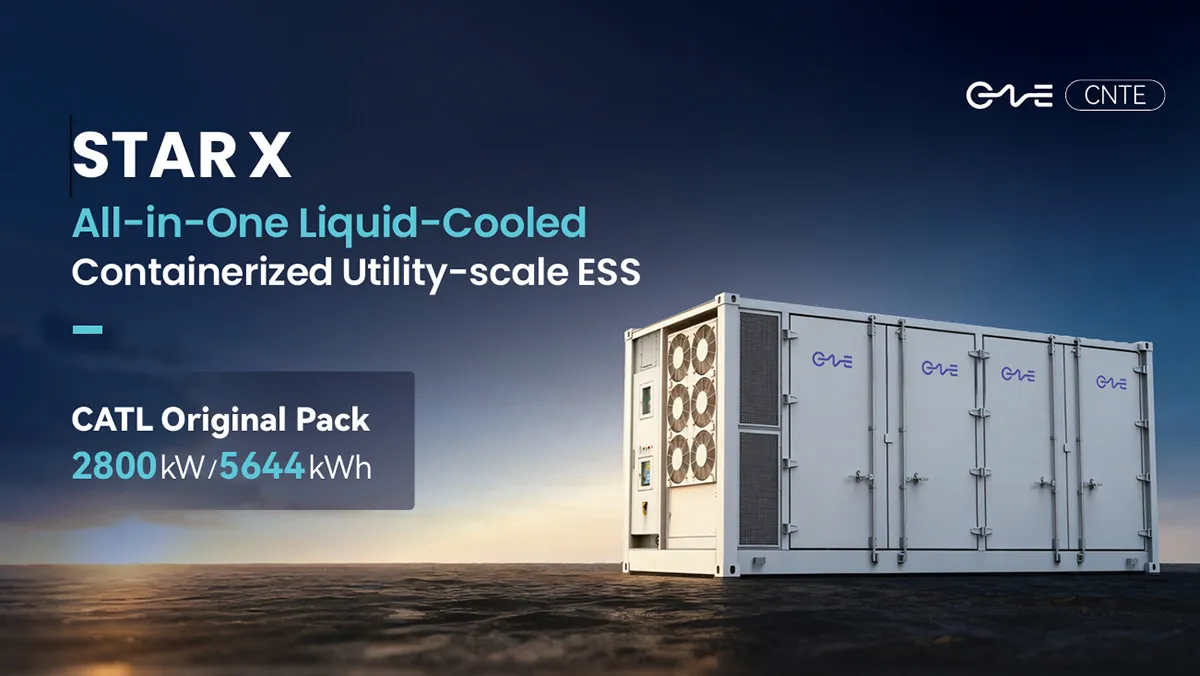
CNTE Launches STAR X Liquid-Cooled DC/AC Integrated Energy Storage System at Intersolar Europe 2026
Jul 06, 2026 -
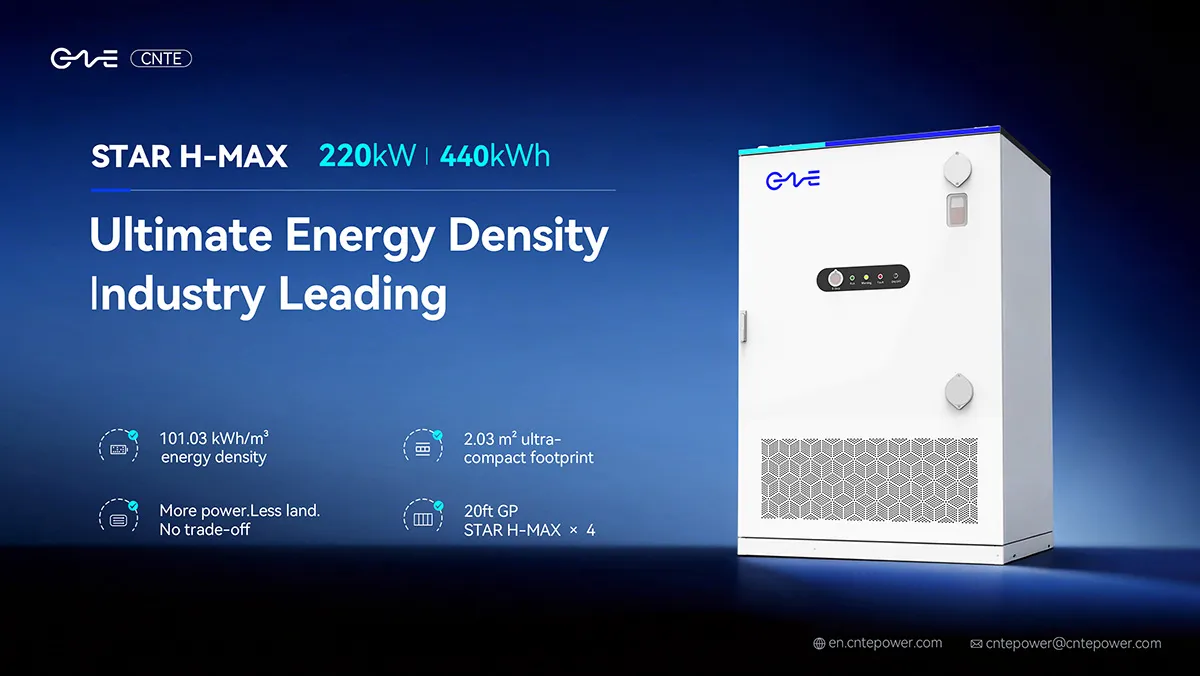
CNTE Unveils New STAR H-MAX Liquid-Cooled C&I ESS at Intersolar Europe 2026
Jun 23, 2026 -
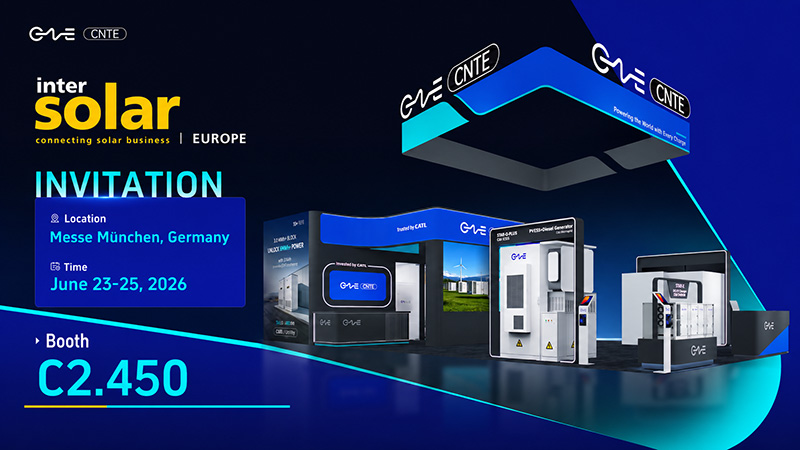
CNTE to Participate in Intersolar Europe 2026
May 20, 2026 -
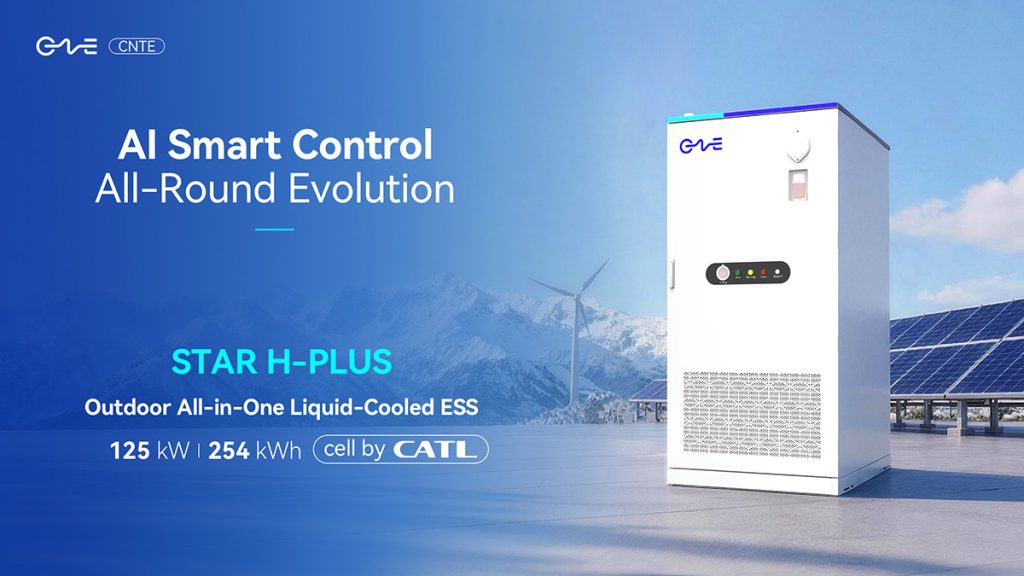
CNTE at KEY ENERGY 2026: Showcases STAR H-PLUS Outdoor Liquid-Cooled Energy Storage System
Mar 05, 2026 -

CNTE Honored as 2025 Forbes China Leading Global Brand
Jul 06, 2026 -

CNTE & YOU.ON Partner to Expand Storage Markets
May 19, 2025 -

CNTE Unveils Energy Storage Lineup at Solartech 2025
May 19, 2025 -
CNTE awarded AEO certification
Jul 06, 2026 -
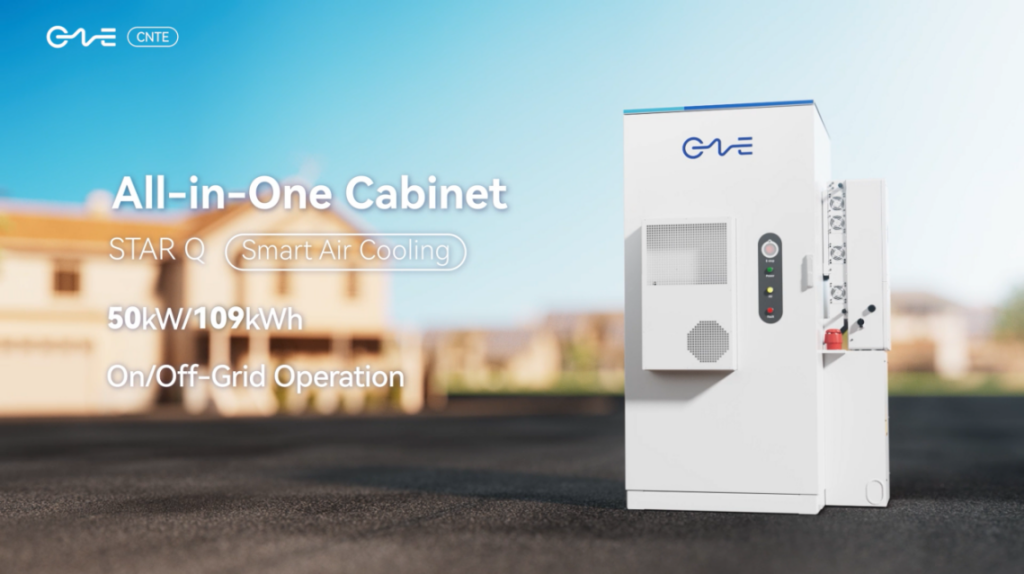
CNTE New Product Launch STAR Q
Jan 15, 2025 -
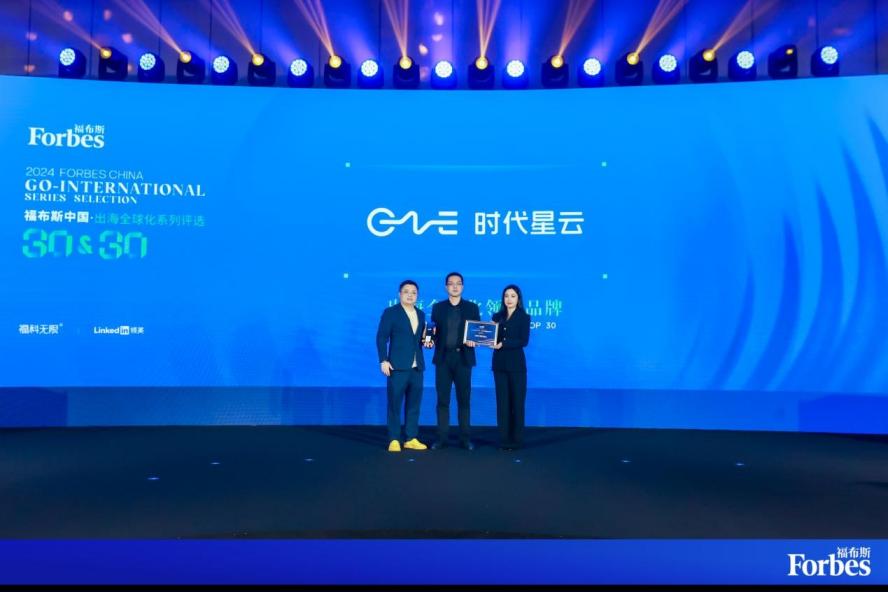
CNTE Named to Forbes China 2024 Top 30 Go-International Brands
Jul 06, 2026
