
7 Technical Dimensions of PCS Battery Storage Systems: Optimizing Grid Stability and Energy Efficiency
In the current industrial environment, the transition toward decentralized power generation requires sophisticated hardware to manage the interface between variable renewable energy and the stationary grid. At the center of this transition is the Power Conversion System (PCS). As the primary intermediary between the Battery Management System (BMS) and the electrical load, pcs battery storage solutions are no longer viewed merely as inverters, but as intelligent energy orchestrators. Understanding the technical granularity of these systems is necessary for Engineering, Procurement, and Construction (EPC) professionals and utility operators seeking to maximize asset longevity and return on investment.
Unlike standard unidirectional inverters used in traditional solar arrays, a modern pcs battery storage unit must support bidirectional power flow. This capability allows the system to charge the battery bank during periods of low demand or high renewable production and discharge energy when the grid requires support. CNTE (Contemporary Nebula Technology Energy Co., Ltd.) provides highly engineered conversion technologies that address these complex requirements, ensuring that industrial facilities maintain high power quality while optimizing energy costs.
Table of contents cntepower 1 1. The Architecture of Bidirectional Power Conversion 2 2. Grid-Following vs. Grid-Forming Capabilities 3 3. Thermal Management and Component Reliability 4 4. Integration with Energy Management Systems (EMS) 5 5. Safety Mechanisms and Grid Code Compliance 6 6. Modular Design and Scalability in B2B Applications 7 7. Application Focus: EV Charging and Industrial Microgrids 8 Operational Sustainability and Future Trends 9 Frequently Asked Questions 10 Submit an Inquiry for Your Energy Storage Solution
1. The Architecture of Bidirectional Power Conversion
The fundamental role of the PCS is the rectification (AC to DC) and inversion (DC to AC) of electrical energy. This process involves sophisticated power electronics, primarily Insulated Gate Bipolar Transistors (IGBTs) or the increasingly common Silicon Carbide (SiC) MOSFETs. These components must operate with high efficiency to minimize thermal losses during the double conversion process.
Four-Quadrant Operation: A professional-grade pcs battery storage system operates in all four quadrants of the real-reactive power plane. This means it can independently control both active power (P) and reactive power (Q), which is a requirement for voltage regulation and power factor correction.
DC Bus Stability: The PCS maintains a stable DC bus voltage, which is vital for protecting the lithium-ion cells from voltage ripples that can lead to accelerated degradation.
Harmonic Mitigation: High-quality conversion systems employ multi-level topologies and advanced LCL filters to keep Total Harmonic Distortion (THD) below 3%, ensuring compliance with strict grid codes such as IEEE 1547.
2. Grid-Following vs. Grid-Forming Capabilities
Historically, most storage systems were designed as “grid-following” assets, meaning they relied on a stable external grid signal to synchronize their frequency and voltage output. However, as the share of synchronous generators (traditional turbines) decreases, the need for grid-forming technology has become more apparent.
A grid-forming pcs battery storage system acts as a voltage source, capable of establishing a local microgrid frequency. This is a significant feature for remote industrial sites or facilities requiring black start capabilities. In the event of a total grid failure, the PCS can initiate the energized state of the local network, allowing other renewable sources like solar PV to resynchronize and begin operation without waiting for the main utility grid to return.
3. Thermal Management and Component Reliability
Thermal stress is the primary enemy of power electronics. A PCS operating at high capacity generates significant heat within the IGBT modules and magnetic components (inductors and transformers). CNTE (Contemporary Nebula Technology Energy Co., Ltd.) emphasizes robust thermal design to ensure that the pcs battery storage maintains performance even in harsh ambient conditions.
Forced Air Cooling: Standard for smaller or indoor-rated units, utilizing variable speed fans to manage temperature based on real-time load.
Liquid Cooling: Increasingly adopted for high-power density containerized systems. Liquid cooling allows for a more compact footprint and provides superior temperature uniformity, which extends the operational life of the power semiconductors.
Environmental Protection: Systems destined for coastal or high-dust environments require NEMA 3R or IP55/IP66 enclosures to prevent ingress and corrosion of the internal busbars and circuit boards.
4. Integration with Energy Management Systems (EMS)
The intelligence of a storage project is decentralized between the BMS, the PCS, and the overarching Energy Management System (EMS). The PCS must communicate via low-latency protocols such as Modbus TCP/IP, CANbus, or IEC 61850. This communication loop is what enables high-impact strategies such as peak shaving and load shifting.
When the EMS detects that a facility’s demand is approaching a pre-set threshold, it sends a command to the PCS to discharge. The speed of this response is measured in milliseconds. In applications like frequency regulation, the PCS must adjust its output nearly instantaneously to counteract fluctuations in grid frequency. This high-speed control requires powerful Digital Signal Processors (DSPs) capable of executing complex pulse-width modulation (PWM) algorithms in real-time.
5. Safety Mechanisms and Grid Code Compliance
Safety in large-scale energy storage is a multi-layered discipline. While the battery chemistry (such as LFP) is a focus for fire safety, the PCS is responsible for electrical safety. A professional pcs battery storage installation must include comprehensive protection suites.
Anti-Islanding Protection: Ensures the system immediately disconnects from the grid during an outage to prevent back-feeding power into a downed line, which protects utility workers.
DC Ground Fault Detection: Monitors the isolation resistance between the DC bus and the earth, preventing hazardous leakage currents.
Overvoltage and Overcurrent Protection: High-speed fuses and breakers integrated within the PCS cabinet protect the expensive battery modules from external grid surges or internal short circuits.
By adhering to global standards like UL 1741 SA/SB and CE (LVD/EMC), CNTE (Contemporary Nebula Technology Energy Co., Ltd.) ensures that its solutions meet the rigorous demands of international utility markets and industrial regulators.
6. Modular Design and Scalability in B2B Applications
One of the primary pain points for industrial energy managers is predicting future load growth. A modular PCS architecture allows for “pay-as-you-grow” scalability. Instead of installing a massive single-block inverter that operates inefficiently at low loads, a modular pcs battery storage solution uses multiple power modules in parallel.
This approach offers several advantages:
Redundancy: If one module requires maintenance, the others continue to operate, ensuring the facility does not lose its storage capability entirely.
Efficiency Optimization: The system can activate only the number of modules required to meet the current load, keeping each module in its “sweet spot” of peak efficiency.
Ease of Service: Hot-swappable modules can be replaced by on-site technicians without shutting down the entire energy system, significantly reducing Mean Time to Repair (MTTR).
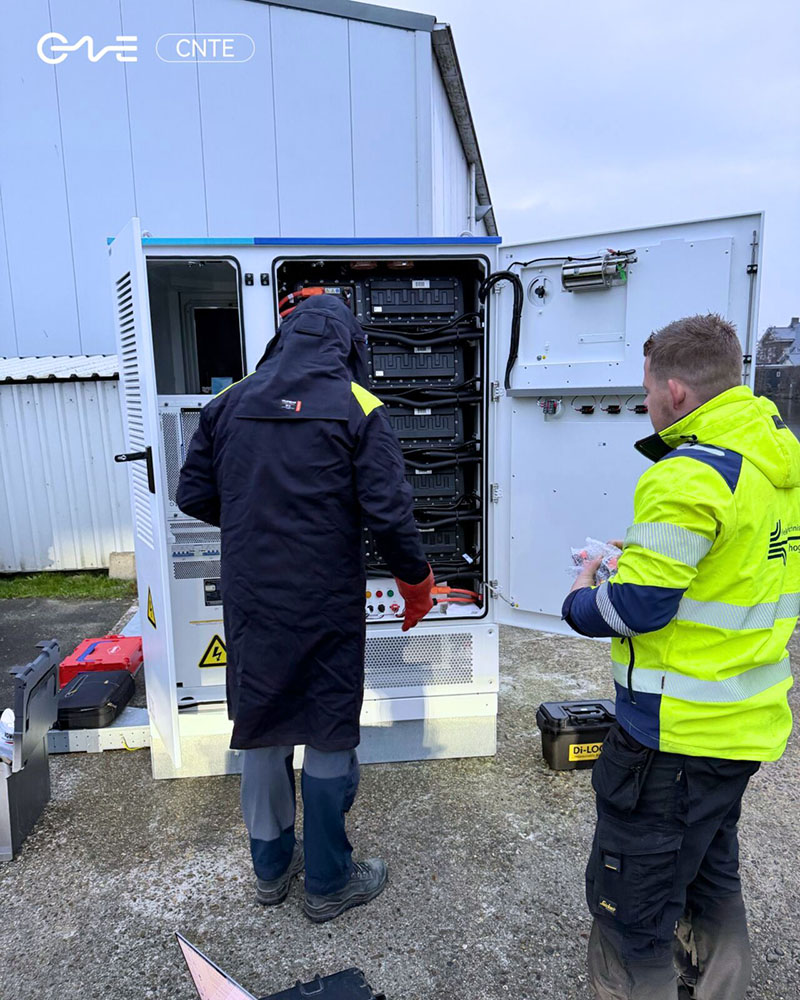
7. Application Focus: EV Charging and Industrial Microgrids
The rapid expansion of electric vehicle (EV) infrastructure has created new challenges for power distribution. High-speed DC fast chargers can create localized demand spikes that exceed transformer capacities. Integrating a storage system with a high-performance PCS allows for “buffer charging.” The battery stores energy at a slow rate and discharges it rapidly through the PCS to support multiple high-speed chargers simultaneously.
In the industrial sector, the PCS is the heart of the microgrid. It allows factories to maintain operations during momentary voltage dips and supports the integration of on-site solar and wind. By providing reactive power support, the system can improve the overall efficiency of large motor loads, potentially reducing utility penalties for poor power factor.
Operational Sustainability and Future Trends
The future of power conversion lies in the integration of Artificial Intelligence for predictive maintenance and the adoption of wide-bandgap (WBG) semiconductors. As SiC and GaN (Gallium Nitride) technologies mature, we can expect the pcs battery storage of the future to be even smaller, more efficient, and capable of operating at higher switching frequencies. This evolution will further reduce the physical footprint of energy storage installations, making them more viable for urban and space-constrained industrial sites.
For organizations looking to future-proof their energy infrastructure, selecting a partner with a deep technical heritage is necessary. CNTE (Contemporary Nebula Technology Energy Co., Ltd.) continues to push the boundaries of what is possible in the energy storage sector, providing the hardware and software synergy required for high-availability power environments.
Frequently Asked Questions
Q1: What is the typical efficiency of a modern PCS?
A1: High-tier systems typically achieve a peak efficiency of 98% to 99%. However, it is more important to look at the “weighted efficiency” across the entire operating range, as the system rarely operates at its maximum rated power.
Q2: How does a PCS differ from a solar inverter?
A2: A solar inverter is primarily unidirectional (DC to AC). A PCS used in battery storage must be bidirectional to allow for both charging and discharging, and it must include more complex control logic to interface with a Battery Management System (BMS).
Q3: Can a PCS battery storage system work without a grid connection?
A3: Yes, provided the PCS has grid-forming capabilities. It can create its own voltage and frequency reference, allowing it to power an islanded load or a microgrid independently of the utility provider.
Q4: Why is response time important for a PCS?
A4: Many revenue-generating grid services, such as Primary Frequency Control, require the system to respond within milliseconds. A fast-responding PCS can monetize these grid fluctuations more effectively than slower mechanical generators.
Q5: What is the lifespan of the power electronics in a PCS?
A5: While the batteries may last 10 to 15 years, a well-maintained PCS is designed for a 15-to-20-year service life. Key components like capacitors and fans may require replacement during a mid-life overhaul to ensure continued reliability.
Submit an Inquiry for Your Energy Storage Solution
Designing a high-performance energy storage project requires more than just hardware; it requires a tailored technical approach that accounts for your specific load profile and local grid conditions. Our team at CNTE (Contemporary Nebula Technology Energy Co., Ltd.) is ready to help you navigate the complexities of power conversion and storage integration. Whether you are looking to stabilize a microgrid, reduce demand charges, or support EV infrastructure, we provide the expertise needed for a successful deployment.
Contact our engineering department today to discuss your project requirements and receive a detailed technical proposal.
Get in Touch
Recent Posts
-
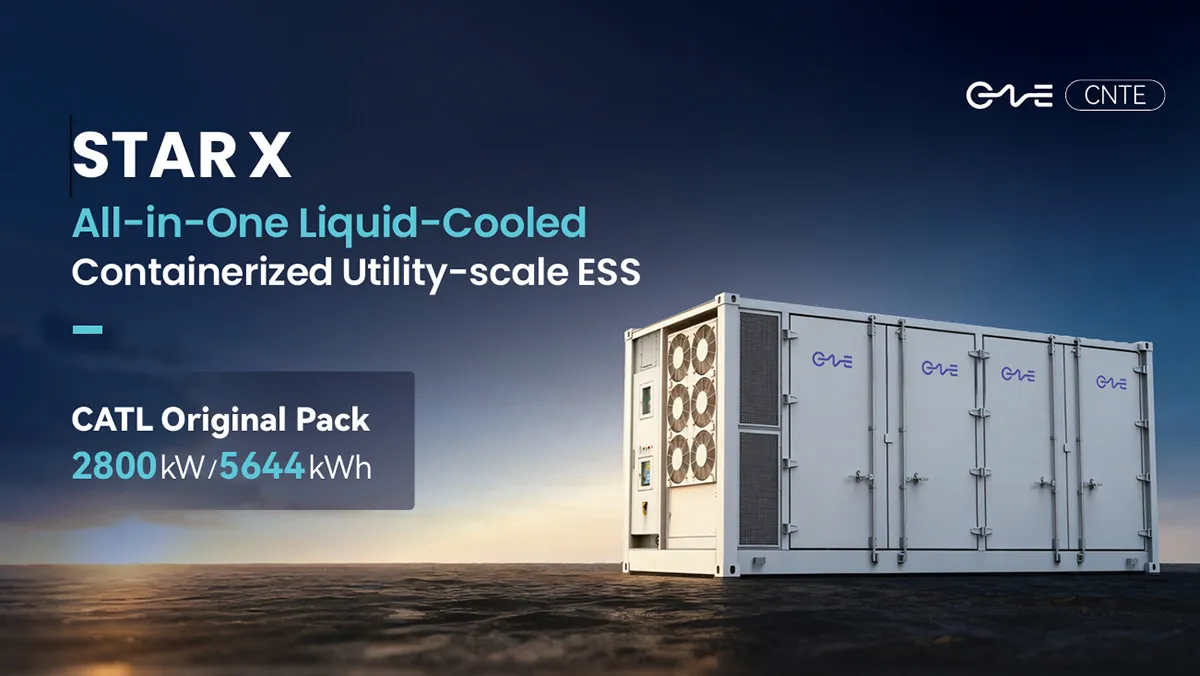
CNTE Launches STAR X Liquid-Cooled DC/AC Integrated Energy Storage System at Intersolar Europe 2026
Jul 06, 2026 -
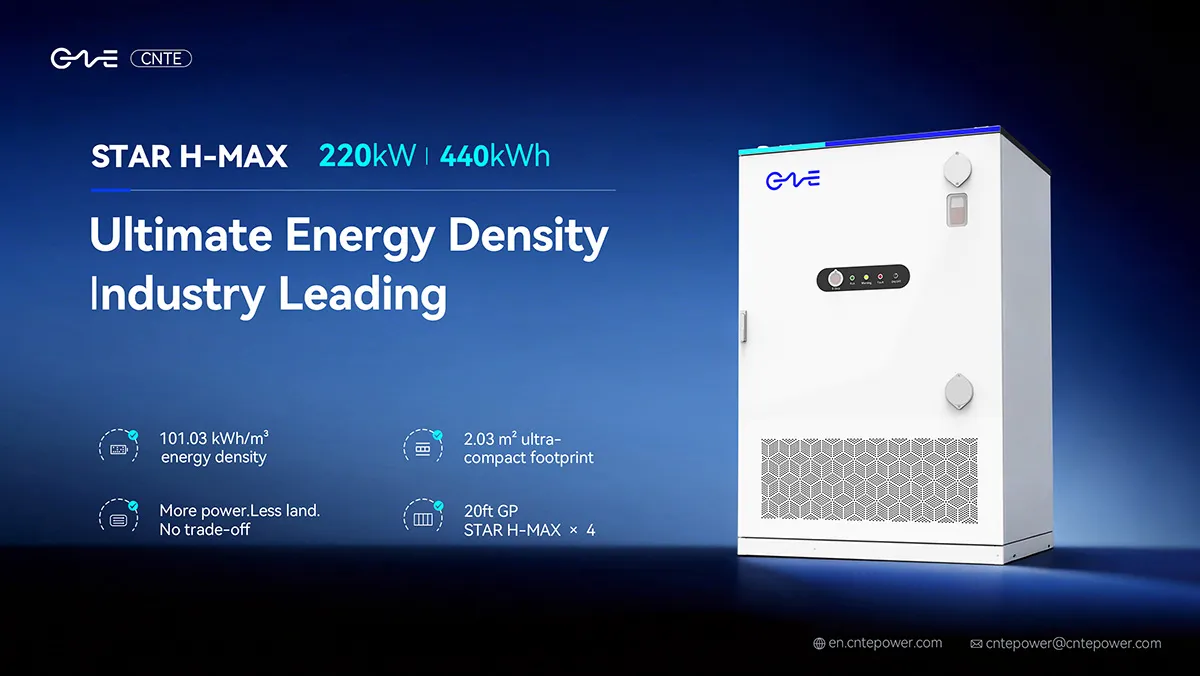
CNTE Unveils New STAR H-MAX Liquid-Cooled C&I ESS at Intersolar Europe 2026
Jun 23, 2026 -
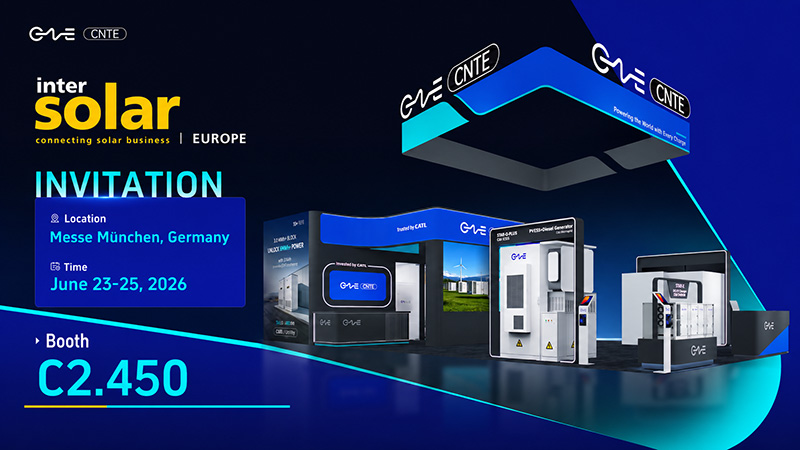
CNTE to Participate in Intersolar Europe 2026
May 20, 2026 -
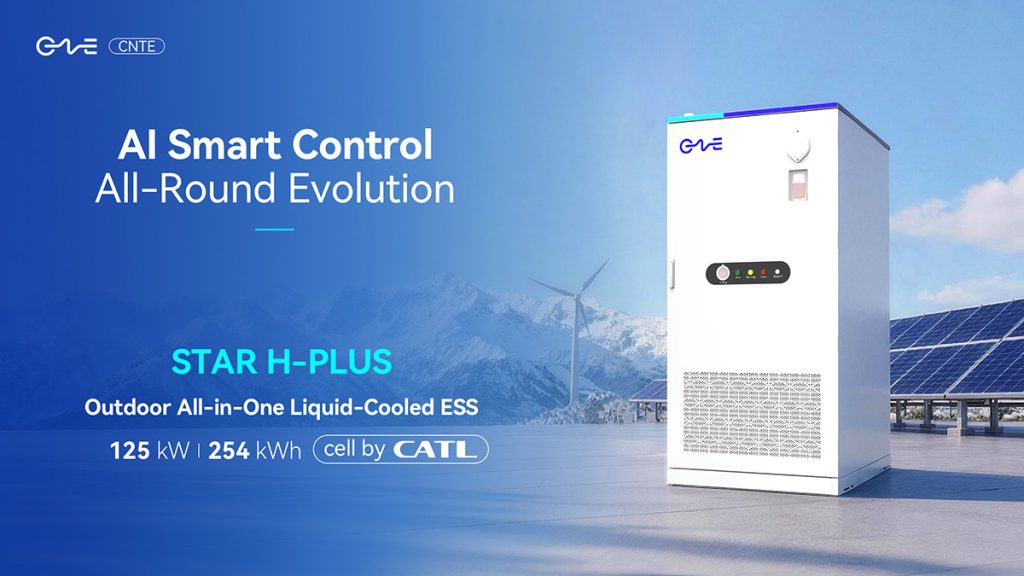
CNTE at KEY ENERGY 2026: Showcases STAR H-PLUS Outdoor Liquid-Cooled Energy Storage System
Mar 05, 2026 -

CNTE Honored as 2025 Forbes China Leading Global Brand
Jul 06, 2026 -
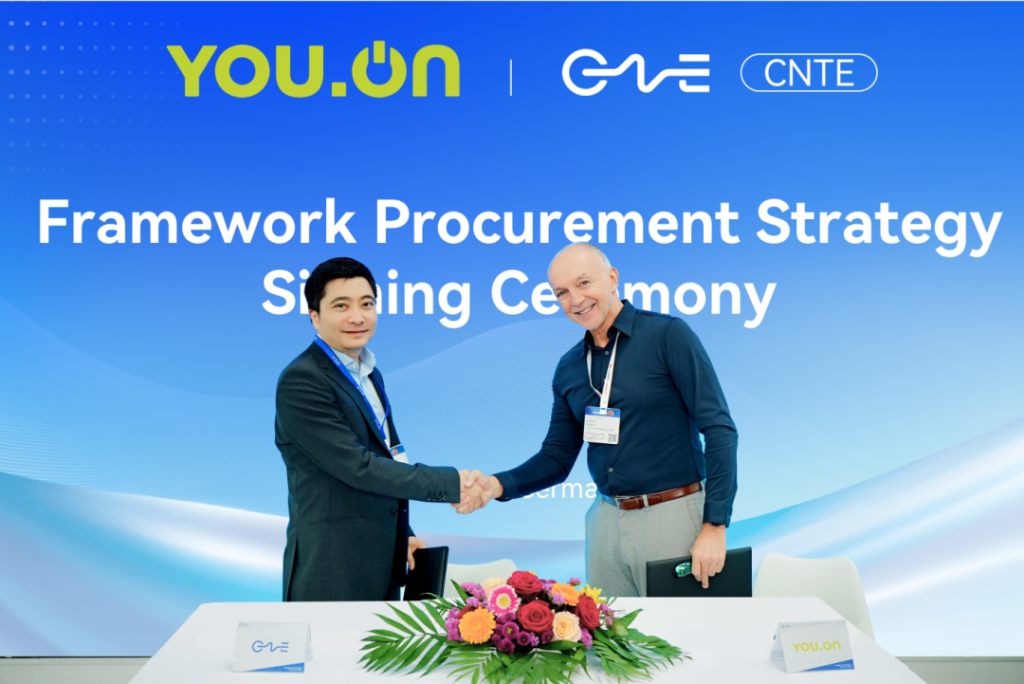
CNTE & YOU.ON Partner to Expand Storage Markets
May 19, 2025 -
CNTE Unveils Energy Storage Lineup at Solartech 2025
May 19, 2025 -
CNTE awarded AEO certification
Jul 06, 2026 -
CNTE New Product Launch STAR Q
Jan 15, 2025 -
CNTE Named to Forbes China 2024 Top 30 Go-International Brands
Jul 06, 2026
