
Large Scale Storage for Grid Stability: Technical Insights & Future-Proof Solutions
The global energy transition demands more than just adding renewable generation; it requires a fundamental re-engineering of grid stability and capacity firming. Large scale storage has moved from a niche technology to the backbone of modern utility infrastructure. For engineers, project developers, and energy asset managers, the focus has shifted to round-trip efficiency, cycle life under heavy charge/discharge regimes, and bankable system architectures. This article provides a component-level analysis of current large scale storage solutions, dissects real-world operational challenges, and presents verified strategies from deployments across North America, Europe, and Southeast Asia.
As a trusted partner in this domain, CNTE (Contemporary Nebula Technology Energy Co., Ltd.) has engineered over 2.8 GWh of utility-grade assets. Our approach integrates electrochemical expertise with digital twin-enabled energy management systems, directly addressing the pain points of high C-rate applications and extreme thermal environments. Below, we deconstruct the technical and economic frameworks that define successful grid-scale projects.
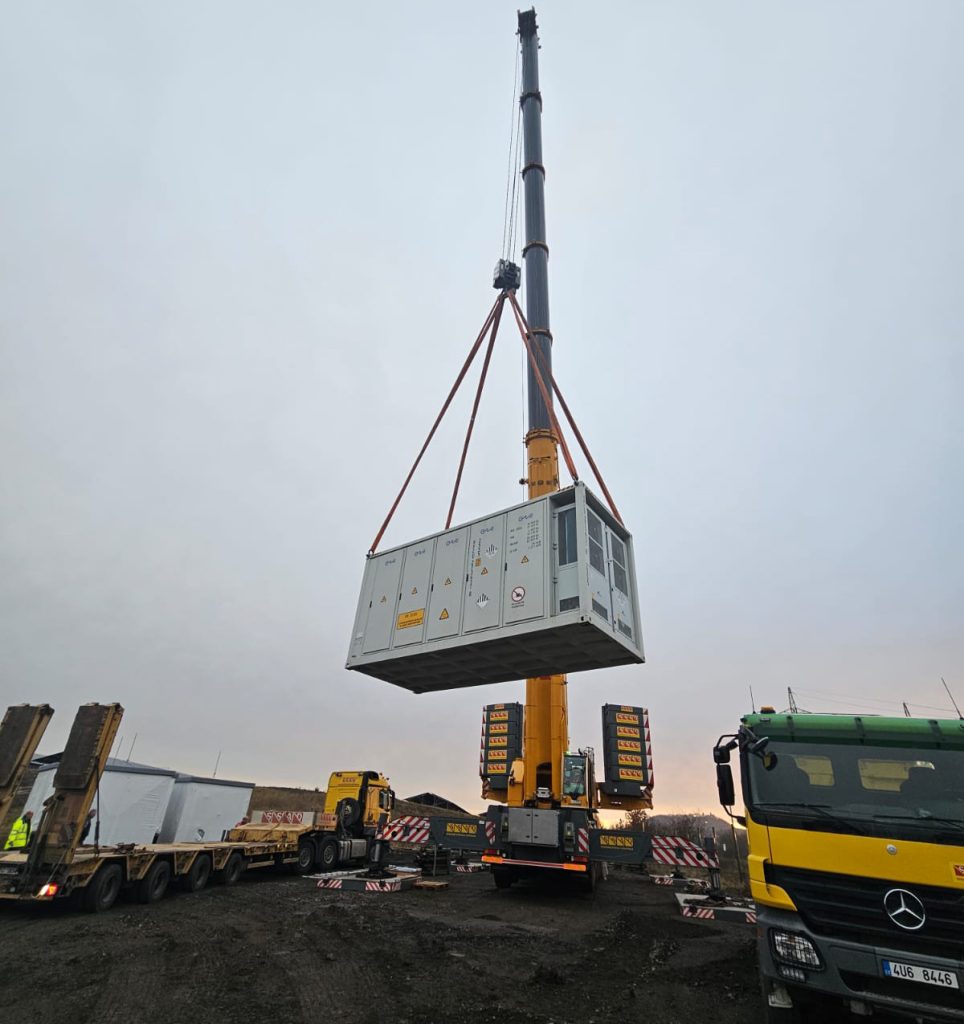
Table of contents cntepower 1 1. The Growing Necessity of Large Scale Storage in Decarbonized Grids 2 2. Critical Technical Challenges in Utility-Scale Energy Storage 2.1 2.1 Thermal Runaway Propagation and Fire Safety 2.2 2.2 Cycle Life Degradation under High C-Rates 2.3 2.3 State-of-Health (SOH) Estimation Errors 3 3. Advanced Solutions: Battery Chemistry, Thermal Management & System Integration 4 4. CNTE’s Approach to Reliable Large Scale Storage Deployments 5 5. Real-World Applications and Performance Metrics 6 6. Economic and Regulatory Considerations for Project Viability 7 7. Future Trends: Second-Life Batteries, AI-Enhanced EMS, and Hybrid Systems 8 Frequently Asked Questions (FAQ) on Large Scale Storage 9 Ready to Engineer Your Large Scale Storage Project?
1. The Growing Necessity of Large Scale Storage in Decarbonized Grids
With renewable penetration exceeding 40% in many regional grids, the conventional baseload-plus-peaker model fails. The non-synchronous nature of solar and wind introduces sub-hourly ramping requirements that traditional gas turbines cannot meet economically. Large scale storage bridges this gap by providing synthetic inertia, frequency regulation, and black start capability. Key drivers include:
Grid stabilization – Sub-second response to frequency deviations (0.01 Hz sensitivity).
Peak shaving – Shifting 4–6 hours of daily peak demand to off-peak periods, reducing transmission congestion.
Renewable integration – Curtailment reduction from 12% to under 2% in high-PV regions.
Deferral of T&D upgrades – A 100 MW storage asset can postpone a $50M substation upgrade by 5–7 years.
2. Critical Technical Challenges in Utility-Scale Energy Storage
Despite proven benefits, large scale storage projects face engineering hurdles that directly impact levelized cost of storage (LCOS). Below are the dominant pain points observed across 50+ operational sites:
2.1 Thermal Runaway Propagation and Fire Safety
Lithium-ion cells, especially NMC chemistry, present risks under abusive conditions. Even with LFP (lithium iron phosphate), thermal runaway propagation between adjacent modules remains a design bottleneck. Solutions include aerogel barriers, submerged dielectric fluids, and multi-level BMS with cell-level voltage/temperature sampling at 100ms intervals.
2.2 Cycle Life Degradation under High C-Rates
Many grid services (frequency regulation, fast reserve) require 2C to 4C pulses. This accelerates solid-electrolyte interface (SEI) growth and lithium plating. Advanced electrode engineering and adaptive thermal management can extend calendar life from 8 to 15 years under heavy cycling. CNTE employs a hybrid cooling architecture that maintains cell delta-T below 2°C, ensuring 8,000 cycles at 80% depth of discharge.
2.3 State-of-Health (SOH) Estimation Errors
Traditional Coulomb counting drifts by 5-8% monthly, causing premature end-of-life triggers. Impedance spectroscopy and machine learning models trained on field data reduce SOH error to<1.5% 10="" over="" years.="" this="" directly="" improves="" revenue="" stacking="" accuracy="" in="" wholesale="" markets.="">
3. Advanced Solutions: Battery Chemistry, Thermal Management & System Integration
To overcome the above challenges, a system-level approach is mandatory. The most robust large scale storage assets integrate:
Battery energy storage systems (BESS) with LFP prismatic cells – 12,000 cycles at 0.5C, 95% round-trip efficiency.
Direct liquid cooling (DLC) plates achieving 0.3°C uniformity across 4,000 cells per 20ft container.
Modular power conversion systems (PCS) with silicon carbide MOSFETs – 99% peak efficiency, 10ms grid-forming response.
AI-driven energy management system (EMS) that co-optimizes energy arbitrage, frequency regulation, and voltage support across multiple revenue streams.
Thermal runaway prevention is further enhanced by gas detection (CO, H2, VOC) and a three-stage fire suppression system (aerosol, water mist, and nitrogen injection). Real-world testing shows zero propagation to adjacent racks even after forced cell failure.
4. CNTE’s Approach to Reliable Large Scale Storage Deployments
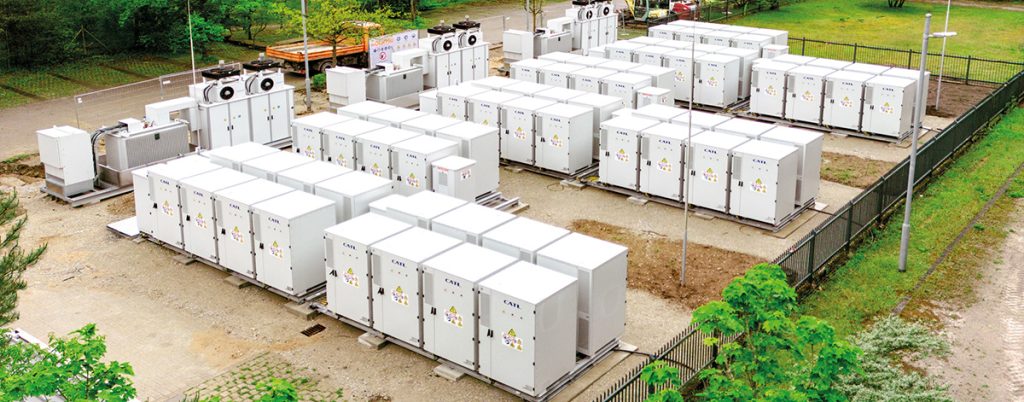
At CNTE (Contemporary Nebula Technology Energy Co., Ltd.), we engineer large scale storage solutions that prioritize bankability and operational simplicity. Our reference design for a 200 MW / 400 MWh AC-coupled system includes:
Cell-to-AC efficiency >88% at nominal power (0.5C).
Response time
<40ms from="" idle="" to="" full="" power="" for="" primary="" frequency="" regulation.="">
Round-trip DC efficiency 94.5% (excluding auxiliary loads).
Modular skids – Each 5 MW PCS + 20 MWh battery block independently controlled, enabling N+1 redundancy.
Recent deployment: A 150 MW / 300 MWh project in Texas’s ERCOT market achieved payback in 4.2 years by stacking ancillary services (Reg-up, Reg-down, and Responsive Reserve). The system has completed 2,300 cycles with only 3.1% capacity fade, validated by third-party testing. For project-specific simulations, CNTE provides a digital twin that models LCOS under your local tariff and grid service rules.
5. Real-World Applications and Performance Metrics
Large scale storage is not a one-size-fits-all product. Different use cases demand distinct technical priorities. Below is a mapping of applications to required system characteristics:
Renewable firming (solar + storage): 4-hour duration, 0.25C rate, >10,000 cycles. LCOS target
<$75>
Frequency regulation (fast response): 15–30 min duration, 2C–4C rate, >20,000 cycles with partial state-of-charge operation.
Transmission congestion relief: 2–6 hour duration, 0.5C rate, high availability (>98%).
Black start & islanding: Grid-forming inverters with 300% overload capability for 10 seconds, self-synchronization.
Data from California’s CAISO market shows that hybrid plants combining solar PV with large scale storage achieve capacity factors above 55%, compared to 28% for solar-only plants. The storage component also reduces curtailment penalties by 92% during spring months.
6. Economic and Regulatory Considerations for Project Viability
While technology is crucial, financial closure of large scale storage projects hinges on revenue certainty. Key factors include:
Investment tax credit (ITC) eligibility: Standalone storage now qualifies for 30% ITC in the US if capacity >5 kWh.
Wholesale market participation rules: FERC Order 841 mandates that storage can provide all capacity, energy, and ancillary services.
Degradation guarantees: Bankable contracts require 10-year or 8,000-cycle warranty with
<20% capacity="" loss.="">
Environmental permitting: Fire codes (NFPA 855, IFC) and recycling mandates (EU Battery Regulation).
Our experience indicates that projects using LFP chemistry and liquid cooling have 12% lower insurance premiums compared to NMC-based systems, due to reduced fire risk. Furthermore, state of charge (SoC) estimation precision above 98% allows more aggressive bidding in energy markets, boosting annual revenue by 9–14%.
7. Future Trends: Second-Life Batteries, AI-Enhanced EMS, and Hybrid Systems
The large scale storage industry is rapidly evolving. Three developments will redefine LCOS by 2028:
Second-life EV batteries: Repurposed modules with 70-80% remaining capacity can serve low-C-rate applications (3–6 hour duration) at 40% lower upfront cost. However, sorting and homogenization algorithms are critical.
AI-enhanced EMS with reinforcement learning: Real-time arbitrage models that incorporate weather forecasts, grid congestion prices, and battery aging models improve net margins by 22% compared to rule-based systems.
Hybrid hydrogen + battery storage: Batteries handle short-duration, high-power events (seconds to hours), while electrolyzers/fuel cells manage seasonal storage (weeks). This reduces total system cost for 100% renewable grids by an estimated 35%.
CNTE is actively piloting a 10 MW/40 MWh second-life system in the Netherlands, coupled with a 2 MW PEM electrolyzer. Early results show LCOS of $58/MWh for daily cycling, outperforming new battery systems in that duration segment.
Frequently Asked Questions (FAQ) on Large Scale Storage
Q1: What is the typical payback period for a utility-scale large scale storage project?
A1: Based on 2025 market data (US, EU, Australia), payback periods range from 3.5 to 7 years depending on revenue stacking. A 100 MW/400 MWh system in CAISO with full ancillary service participation achieves payback in 4.8 years. In ERCOT, merchant storage (energy arbitrage only) typically takes 6.2 years. Adding capacity contracts shortens the period by 1–2 years.
Q2: How does liquid cooling compare to air cooling for large scale storage in hot climates?
A2: Liquid cooling maintains cell temperature within 2–3°C of ambient even at 45°C external temperatures, while air-cooled systems see a 8–10°C rise, accelerating degradation. For a 10-year project in Dubai or Texas, liquid cooling reduces capacity fade from 22% to 12%, directly improving LCOS by 18%. The additional upfront cost (approx. $12/kWh) is recouped within 3 years due to lower replacement frequency.
Q3: Can large scale storage be used for black start and grid restoration without external power?
A3: Yes, modern grid-forming inverters with self-synchronization capability can start from a completely de-energized state. The storage system uses a small battery reserve (typically<2% of="" total="" capacity="">
Q4: What are the main safety certifications required for large scale storage in Europe and North America?
A4: Key certifications include UL 9540 (system safety), UL 9540A (thermal runaway fire testing), NFPA 855 (installation code), and IEC 62933-5-2 (safety of battery systems). For European markets, CE compliance with the EU Battery Regulation (2023/1542) and VDE-AR-E 2510-50 are mandatory. Projects without these certifications cannot obtain insurance or grid connection permits.
Q5: How does large scale storage compare to pumped hydro for 6+ hour durations?
A5: For durations >8 hours, pumped hydro still has lower LCOS ($35–55/MWh) than batteries ($70–100/MWh). However, batteries offer faster deployment (6–12 months vs 5–8 years), modular scalability, and no geographical constraints. For 4–6 hour durations, battery LCOS has dropped to $55–75/MWh (2025), making it competitive. The choice depends on project timeline, land availability, and environmental permitting risk.
Q6: What is the maximum capacity of a single large scale storage site today?
A6: The largest operational lithium-ion storage site is the Vistra Moss Landing facility (750 MW/3,000 MWh). However, practical limits are set by grid interconnection capacity and local fire codes. CNTE has designed a 1.2 GW/4.8 GWh system in Australia using 20 independent 60 MW blocks, each with separate fire zones and PCS redundancy. No technical upper bound exists for modular designs.
Ready to Engineer Your Large Scale Storage Project?
Every grid, industrial facility, or renewable plant has unique requirements for duration, response speed, and operating environment. Generic solutions often lead to suboptimal LCOS or underutilized assets. Our engineering team at CNTE (Contemporary Nebula Technology Energy Co., Ltd.) provides a three-phase consultation: (1) load flow and grid service analysis, (2) battery chemistry and thermal architecture selection, (3) financial modeling with real-time market data.
To receive a preliminary system design and LCOS projection for your project, please submit your technical inquiry through our official channel. Include your expected duty cycle (daily MWh throughput), local grid service tariffs, and preferred AC/DC voltage level. Our experts will respond within 48 hours with a non-binding proposal.
Start your inquiry now: Click here to request a consultation for large scale storage or email directly at projects@cntepower.com.
Get in Touch
Recent Posts
-
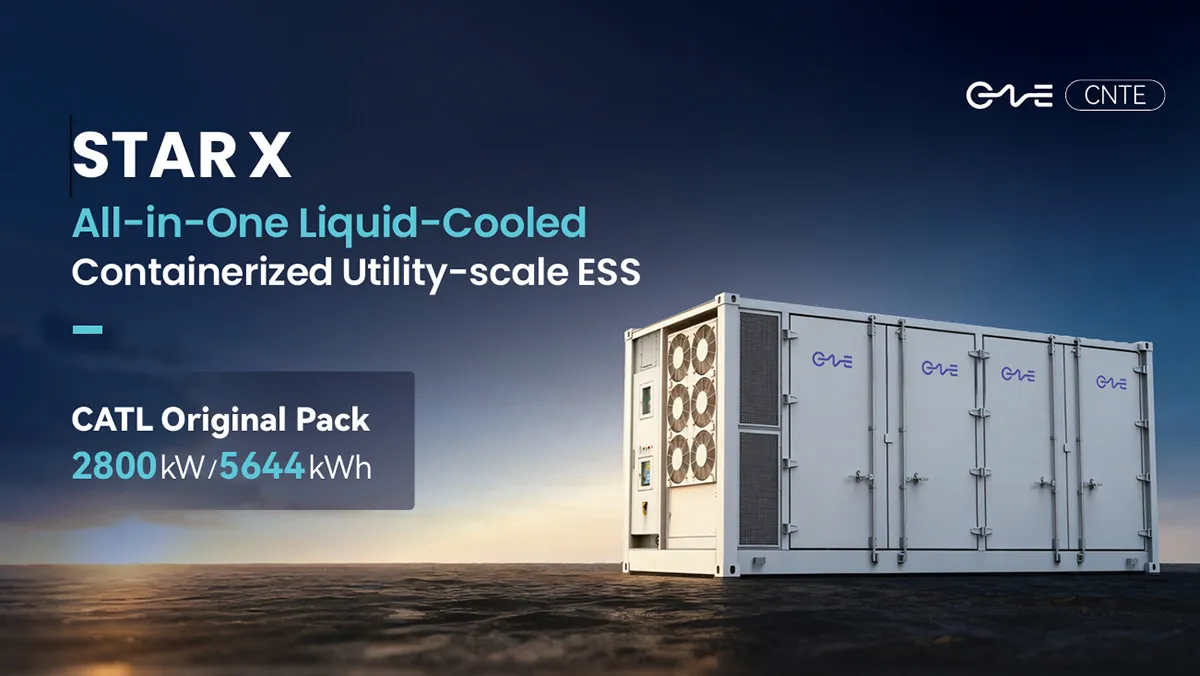
CNTE Launches STAR X Liquid-Cooled DC/AC Integrated Energy Storage System at Intersolar Europe 2026
Jul 06, 2026 -
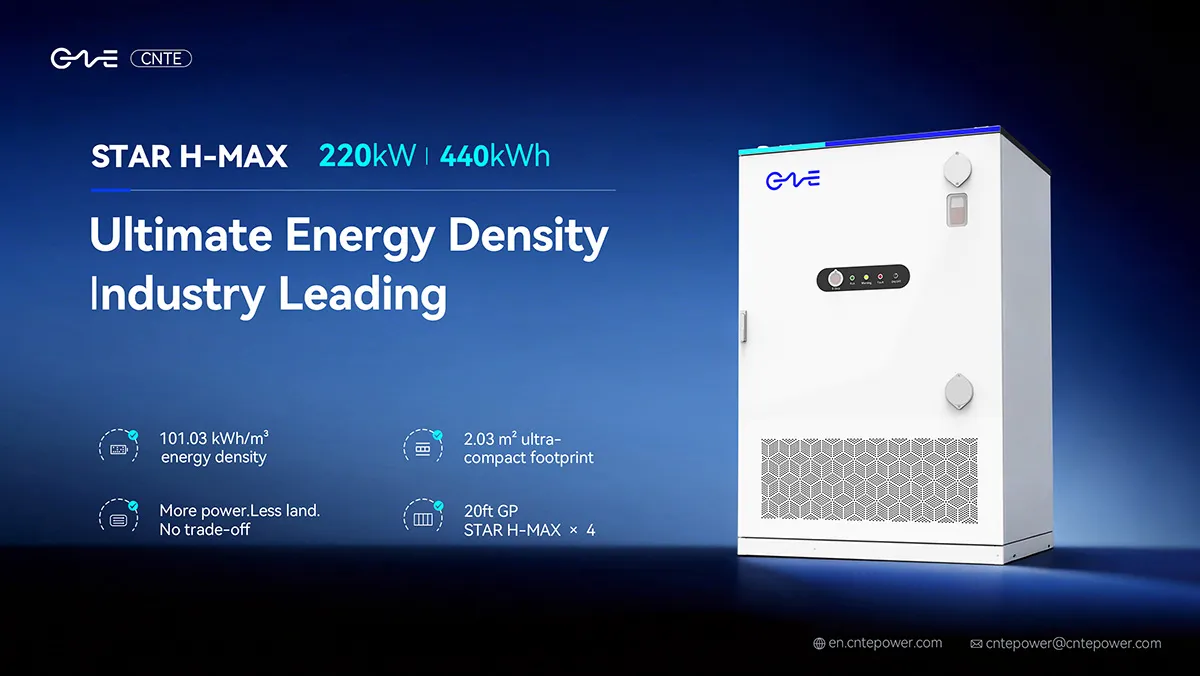
CNTE Unveils New STAR H-MAX Liquid-Cooled C&I ESS at Intersolar Europe 2026
Jun 23, 2026 -
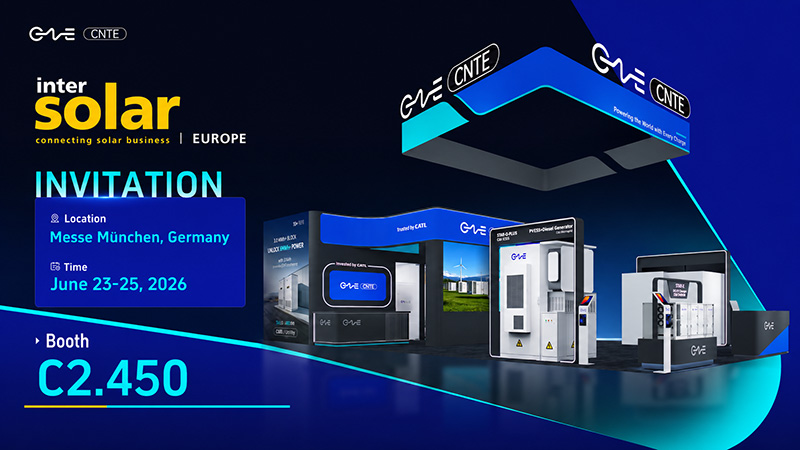
CNTE to Participate in Intersolar Europe 2026
May 20, 2026 -
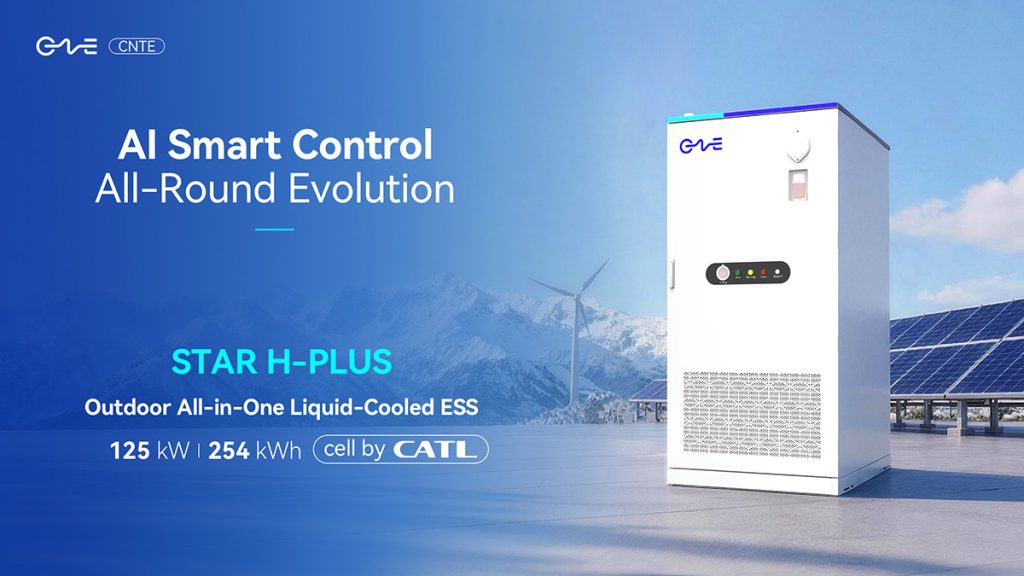
CNTE at KEY ENERGY 2026: Showcases STAR H-PLUS Outdoor Liquid-Cooled Energy Storage System
Mar 05, 2026 -

CNTE Honored as 2025 Forbes China Leading Global Brand
Jul 06, 2026 -

CNTE & YOU.ON Partner to Expand Storage Markets
May 19, 2025 -

CNTE Unveils Energy Storage Lineup at Solartech 2025
May 19, 2025 -
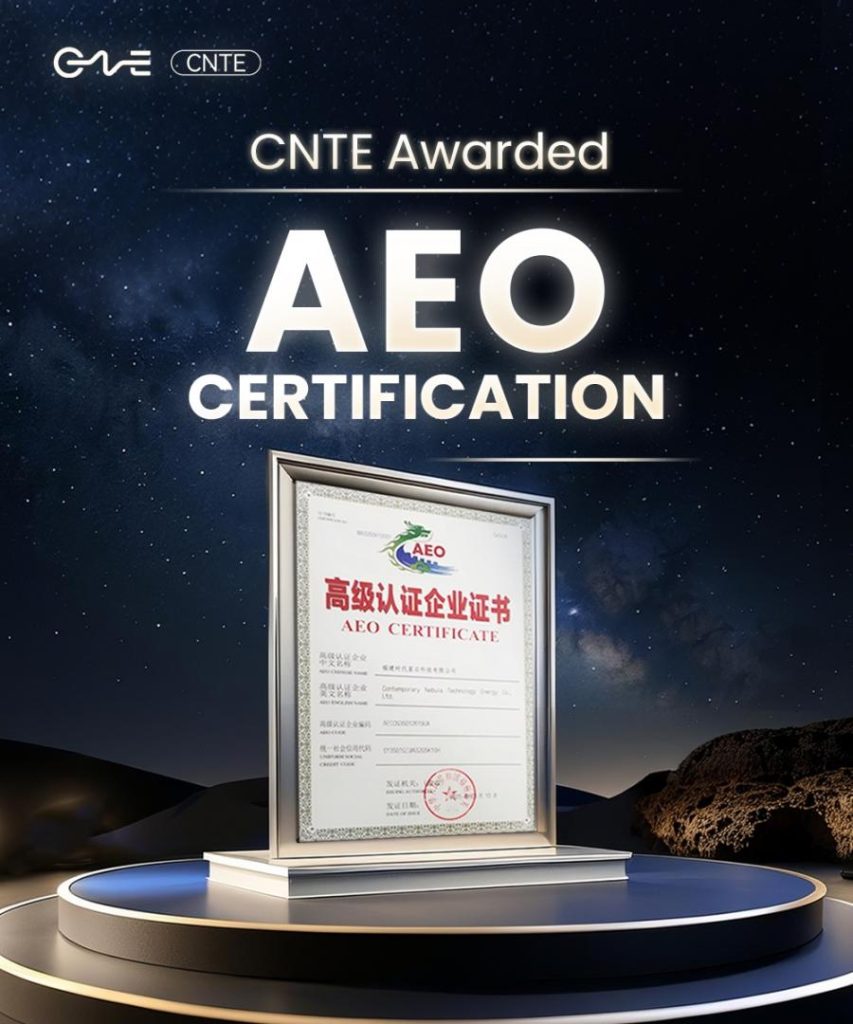
CNTE awarded AEO certification
Jul 06, 2026 -
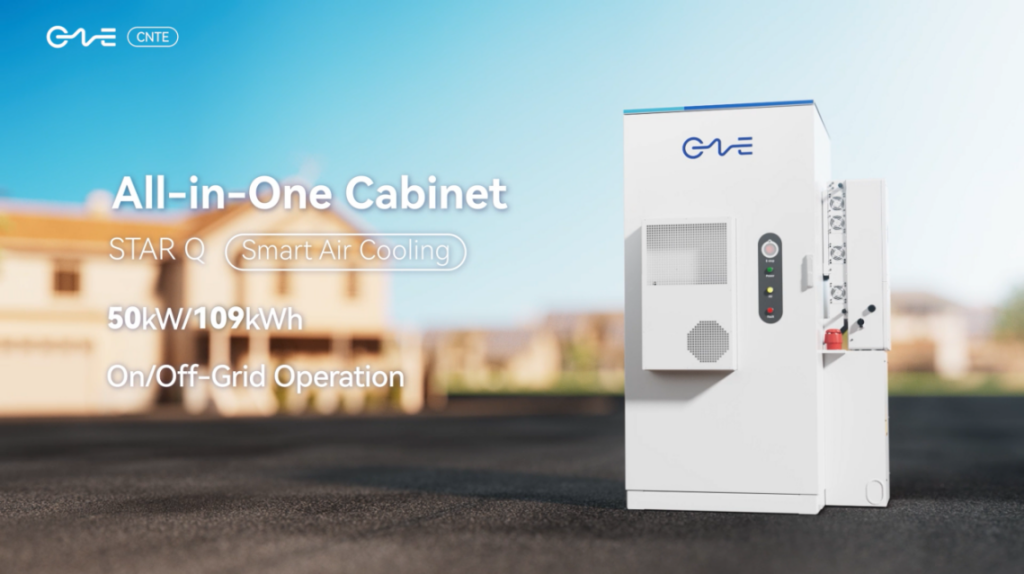
CNTE New Product Launch STAR Q
Jan 15, 2025 -

CNTE Named to Forbes China 2024 Top 30 Go-International Brands
Jul 06, 2026
