
Solar Energy Storage and Applications : Technical B2B Solutions for C&I and Utility Projects
Commercial and industrial (C&I) facilities, utilities, and microgrid operators face a common challenge: solar photovoltaic (PV) generation is inherently variable, while load profiles demand consistent, dispatchable power. Integrating intelligent storage transforms intermittent solar into a reliable primary energy asset. This article examines the technical foundations, use-case economics, and practical implementation of solar energy storage and applications across residential, C&I, and grid-scale projects. We focus on measurable performance metrics, safety standards, and lifecycle cost structures that matter to B2B decision makers.
From behind-the-meter peak shaving to front-of-the-meter renewable firming, the synergy between PV and battery systems now delivers payback periods under five years in many markets. Below, we break down the core technologies, key solar energy storage and applications scenarios, and how engineering-grade solutions from CNTE (Contemporary Nebula Technology Energy Co., Ltd.) address real-world pain points such as demand charges, grid curtailment, and backup power reliability.
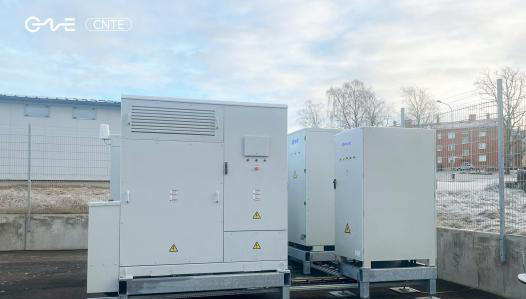
Table of contents cntepower 1 1. Why Storage Is Non‑Negotiable in Modern Solar PV Systems 2 2. Core Technologies Behind High‑Performance Solar Storage 2.1 2.1 Lithium Iron Phosphate (LFP) Battery Cells 2.2 2.2 Battery Management System (BMS) and Power Conversion System (PCS) 2.3 2.3 Energy Management System (EMS) and Analytics 3 3. Key Solar Energy Storage and Applications Scenarios 3.1 3.1 Commercial & Industrial Peak Shaving 3.2 3.2 Utility‑Scale Renewable Firming and Ramping Control 3.3 3.3 Off‑Grid and Microgrid Deployments 3.4 3.4 Behind‑the‑Meter EV Fleet Charging 4 4. Solving Industry Pain Points with Intelligent Storage Solutions 5 5. Engineering Economics: Sizing, ROI, and Performance Metrics 6 6. Future Outlook: Digitalisation, AI‑Driven Operation, and Second‑Life Batteries 7 Frequently Asked Questions (FAQ) 8 Ready to Engineer Your Solar Storage Project?
1. Why Storage Is Non‑Negotiable in Modern Solar PV Systems
Solar generation peaks around midday, while commercial load often peaks in late afternoon or evening. Without storage, facilities export surplus energy at low feed‑in tariffs and buy expensive grid power during high‑rate periods. Solar energy storage and applications solve this mismatch by time‑shifting solar output, providing grid services, and ensuring power continuity during outages.
Self‑consumption maximisation: Store excess PV power and discharge when tariffs are high or solar production drops.
Demand charge management: Reduce peak demand (kW) by discharging batteries during 15‑30 minute intervals of high usage.
Grid ancillary services: Frequency regulation, voltage support, and spinning reserve using aggregated storage assets.
Resilience & backup: Islanded operation during grid faults – essential for data centres, cold storage, and manufacturing lines.
Advanced battery energy storage systems (BESS) incorporate lithium iron phosphate (LFP) chemistry, which offers superior thermal stability and cycle life compared to NMC. For B2B clients, the total cost of ownership (TCO) increasingly favours LFP when combined with intelligent energy management systems (EMS).
2. Core Technologies Behind High‑Performance Solar Storage
Delivering reliable solar energy storage and applications requires tight integration of four subsystems: battery cells, battery management system (BMS), power conversion system (PCS), and EMS. Each component directly impacts safety, efficiency, and project ROI.
2.1 Lithium Iron Phosphate (LFP) Battery Cells
LFP cells dominate C&I and utility storage due to their intrinsic safety, 6,000–10,000 cycle life at 80% depth of discharge (DoD), and cobalt‑free supply chain. Compared to lead‑acid, LFP offers four times the energy density and ten times the cycle life. CNTE integrates prismatic LFP cells with active balancing to maintain cell voltage variance below ±20mV over the system lifetime.
2.2 Battery Management System (BMS) and Power Conversion System (PCS)
The BMS monitors voltage, temperature, and current at cell level, preventing overcharge, deep discharge, and thermal runaway. A modular BMS architecture allows hot‑swapping of faulty modules without taking the entire solar plus storage system offline. The PCS (bidirectional inverter) manages DC/AC conversion with typical round‑trip efficiencies of 94–96%. Key specifications for B2B buyers include grid‑forming capability (for off‑grid or weak grid operation) and low‑voltage ride‑through (LVRT) compliance.
2.3 Energy Management System (EMS) and Analytics
An EMS uses forecasting (weather, load, price signals) to optimise charge/discharge schedules. Advanced EMS platforms support time‑of‑use (TOU) arbitrage, demand limiting, and participation in wholesale markets. Predictive control algorithms can increase revenue by 15–25% compared to rule‑based strategies, especially in markets with volatile intraday pricing.
3. Key Solar Energy Storage and Applications Scenarios
Different applications demand different storage sizing, discharge duration, and control logic. Below we detail four high‑value scenarios.
3.1 Commercial & Industrial Peak Shaving
Large facilities often face demand charges of $15–30/kW/month. A 1 MWh storage system with 500 kW discharge capacity can shave the top 30 minutes of peak load, reducing monthly demand charges by 40–60%. Typical payback: 3–5 years. CNTE provides modular cabinet‑type BESS (100 kWh to 5 MWh) with integrated fire suppression and remote OTA firmware updates.
3.2 Utility‑Scale Renewable Firming and Ramping Control
Grid operators penalise solar farms for rapid ramp‑downs caused by cloud cover. Storage with a 15‑minute ramp‑rate control can smooth output to comply with grid codes (e.g.,<2% of="" rated="" power="" per="" minute="">
3.3 Off‑Grid and Microgrid Deployments
Remote mines, islands, and industrial parks use solar‑storage microgrids to displace diesel generation. A well‑designed system achieves levelised cost of energy (LCOE) below $0.25/kWh, versus diesel at $0.40–0.70/kWh. Storage must provide black‑start capability and handle motor starting currents. CNTE has deployed containerised solutions (500 kW/2 MWh) for African mining operations, reducing diesel consumption by 80%.
3.4 Behind‑the‑Meter EV Fleet Charging
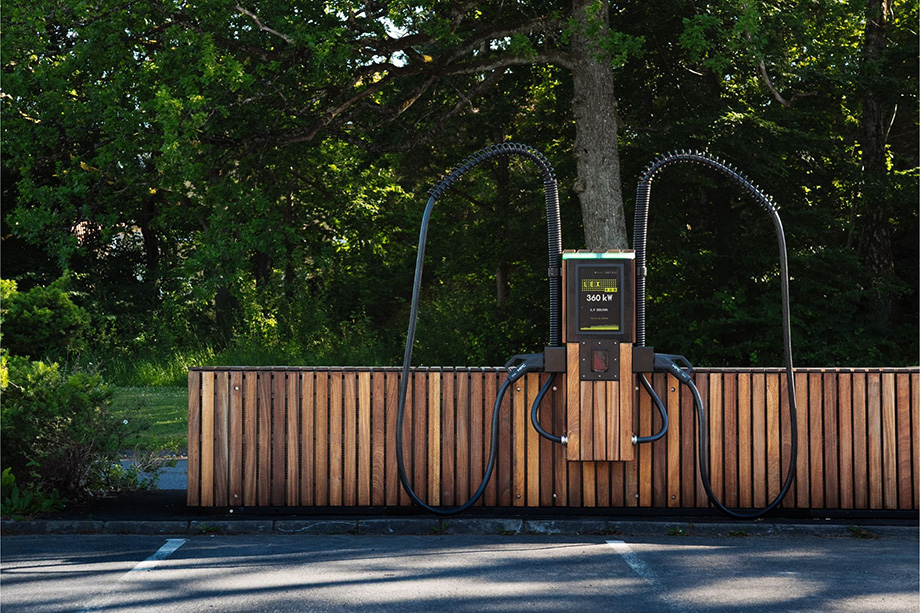
Depot charging for electric trucks or buses creates extreme peak loads. Adding storage buffers solar generation and reduces grid connection upgrades. For a 20‑bus depot, a 500 kW/1 MWh BESS can cut maximum demand by 300 kW and enable 100% solar‑powered daytime charging when paired with 600 kWp PV.
4. Solving Industry Pain Points with Intelligent Storage Solutions
Despite clear benefits, many B2B customers hesitate due to technical and financial concerns. Here is how modern engineering addresses each pain point.
Pain point: High upfront capital cost. Solution: Energy‑as‑a‑Service (EaaS) models, equipment leasing, and green bonds. CNTE partners with financiers to offer zero‑down payment PPA structures for storage.
Pain point: Safety and thermal runaway risks. Solution: LFP chemistry + multi‑layer protection (cell‑level fuses, flame‑retardant enclosures, gas detection, and aerosol suppression). UL 9540A and NFPA 855 compliance mandatory.
Pain point: Complex integration with existing PV and controls. Solution: Pre‑engineered AC‑coupled or DC‑coupled skids with standard Modbus TCP/IP interfaces. Vendor‑agnostic EMS supports third‑party inverters and load controllers.
Pain point: Uncertain revenue stacking. Solution: Real‑time optimisation engines that simultaneously participate in demand response, frequency regulation, and TOU arbitrage. Projects in PJM market achieve 12–18% IRR by stacking three revenue streams.
Pain point: Degradation and end‑of‑life. Solution: Performance guarantees (e.g., 80% remaining capacity after 10 years or 6,000 cycles). Second‑life applications or certified recycling programs recover >95% of lithium and copper.
5. Engineering Economics: Sizing, ROI, and Performance Metrics
Professional buyers evaluate solar energy storage and applications using key performance indicators (KPIs). Below are typical targets for C&I systems (500 kW–2 MW).
Round‑trip efficiency (RTE): ≥94% at 1C discharge, measured at point of interconnection.
Response time:
<100 ms="" from="" idle="" to="" full="" discharge="" for="" grid="" services.="">
Cycle life: ≥6,000 cycles to 80% DoD, with calendar life >12 years at 25°C.
Availability: >99% uptime, including scheduled maintenance (
<2 days="">
Simple payback: 4–7 years in high‑tariff regions (e.g., Germany, California, Australia).
Internal rate of return (IRR): 12–20% over 10 years for well‑stacked applications.
Sizing methodology: start with 24‑hour load profile and PV generation data (1‑year hourly). Simulate dispatch with TOU rates and demand charge structure. Optimal storage capacity is typically 0.5–2 hours of peak load for demand charge reduction, or 4–6 hours for energy arbitrage. Use HOMER Pro or System Advisor Model (SAM) for detailed financial modelling.
6. Future Outlook: Digitalisation, AI‑Driven Operation, and Second‑Life Batteries
Three trends will define the next five years of solar storage:
AI‑based predictive EMS: Machine learning models trained on weather forecasts, grid congestion, and real‑time pricing improve annual revenue by 10–15% compared to conventional optimisation.
Blockchain for certified renewable attributes: Stored solar energy can be traced and sold as 24/7 carbon‑free energy credits, commanding premium prices in voluntary markets.
Second‑life battery repurposing: Retired EV batteries (70‑80% SOH) are redeployed in low‑C‑rate applications (e.g., community storage). Standardised refurbishment protocols reduce LCOE by 30%.
Standardisation of communication protocols (IEC 61850, OCPP, IEEE 2030.5) further lowers integration costs. CNTE already ships systems compliant with these standards, ensuring interoperability with existing substation automation and DER management platforms.
Frequently Asked Questions (FAQ)
Q1: What is the typical payback period for a C&I solar‑storage system in Europe or North America?
A1: Payback periods range from 4 to 7 years for systems sized for demand charge reduction and TOU arbitrage, assuming commercial electricity prices above $0.18/kWh and demand charges >$12/kW. Regions with investment tax credits (ITC) or accelerated depreciation (e.g., US MACRS) see payback below 4 years. Always model with local tariff structures.
Q2: How do I correctly size a battery for an existing solar PV array?
A2: Use hourly load and PV generation data. For self‑consumption optimisation, storage capacity should cover 70–100% of typical evening load (6‑10 PM). For demand charge reduction, size the battery to deliver 80% of the facility’s peak 30‑minute demand. A common rule of thumb: 0.5 kWh of storage per kWp of PV for C&I sites with 40‑60% daytime self‑consumption.
Q3: What safety certifications are mandatory for commercial storage systems?
A3: Minimum requirements: UL 1973 (cell/module), UL 9540 (system), UL 9540A (thermal runaway fire testing), and NFPA 855 (installation). For international projects, IEC 62619 and IEC 63056 apply. CNTE systems hold all relevant certifications, simplifying permitting and insurance.
Q4: Can storage operate during a grid outage without a transfer switch?
A4: Yes, but requires a grid‑forming inverter with islanding capability and an automatic transfer switch (ATS) or a system with a built‑in microgrid interconnect device (MID). The storage must be isolated from the grid during outage (anti‑islanding). CNTE’s hybrid inverters include a fast transfer switch (sub‑20 ms) to power critical loads seamlessly.
Q5: What is the degradation rate of LFP batteries in daily cycling applications?
A5: High‑quality LFP cells degrade at 0.5–0.8% capacity loss per year under 1‑cycle/day at 25°C and 80% DoD. After 10 years (3,650 cycles), remaining capacity is typically 80–85%. Proper thermal management (cell temperature kept below 35°C) and avoiding sustained 100% SoC significantly slow calendar ageing.
Q6: How does CNTE’s warranty compare to other Tier‑1 manufacturers?
A6: CNTE offers a 10‑year / 6,000‑cycle performance warranty (minimum 70% remaining capacity), with annual availability guarantee >99%. The warranty covers parts, labour, and remote diagnostics, with local service hubs in Europe, Southeast Asia, and the Americas. This matches or exceeds industry standards for C&I storage.
Ready to Engineer Your Solar Storage Project?
Selecting the right storage architecture, integrator, and financial model determines project success. Whether you need a 100 kWh behind‑the‑meter unit for a manufacturing plant or a 50 MWh grid‑scale system, CNTE (Contemporary Nebula Technology Energy Co., Ltd.) provides end‑to‑end engineering, simulation, commissioning, and O&M services. Our team delivers custom solutions based on actual load data, local grid codes, and revenue stacking potential.
Submit your project inquiry to receive:
Preliminary system sizing and one‑line diagram within 5 business days
10‑year financial model (IRR, NPV, payback) with sensitivity analysis
Technical datasheets, UL/IEC certificates, and reference project list
On‑site or remote feasibility assessment by CNTE application engineers
Contact our B2B energy storage team now: cntepower@cntepower.com or use the inquiry form on our official website. Include your load profile, solar system size (if any), and primary application (peak shaving / backup / arbitrage). We will respond within 24 hours with a preliminary commercial offer and technical questionnaire.
Get in Touch
Recent Posts
-
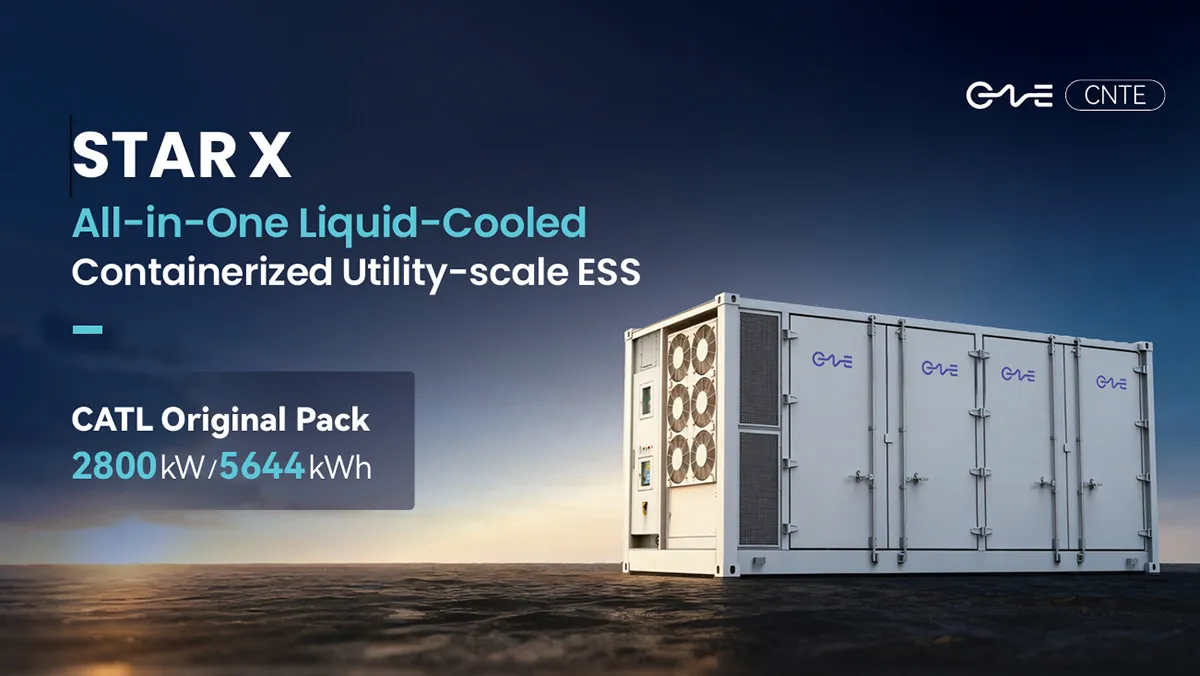
CNTE Launches STAR X Liquid-Cooled DC/AC Integrated Energy Storage System at Intersolar Europe 2026
Jul 06, 2026 -
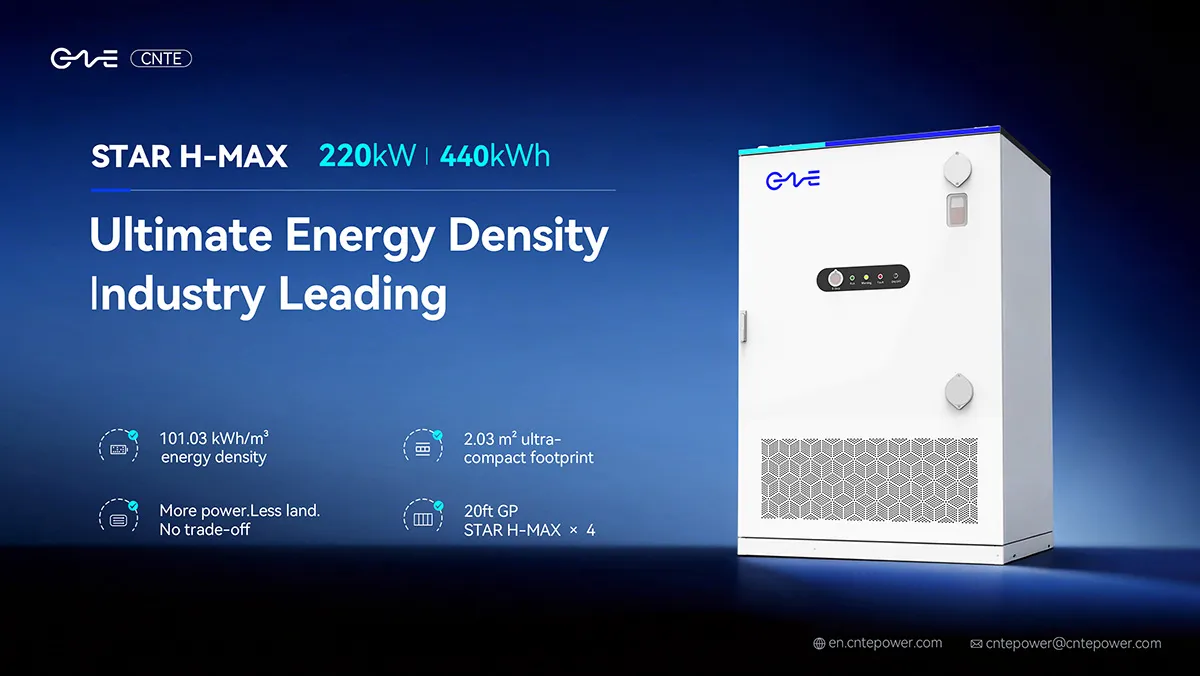
CNTE Unveils New STAR H-MAX Liquid-Cooled C&I ESS at Intersolar Europe 2026
Jun 23, 2026 -
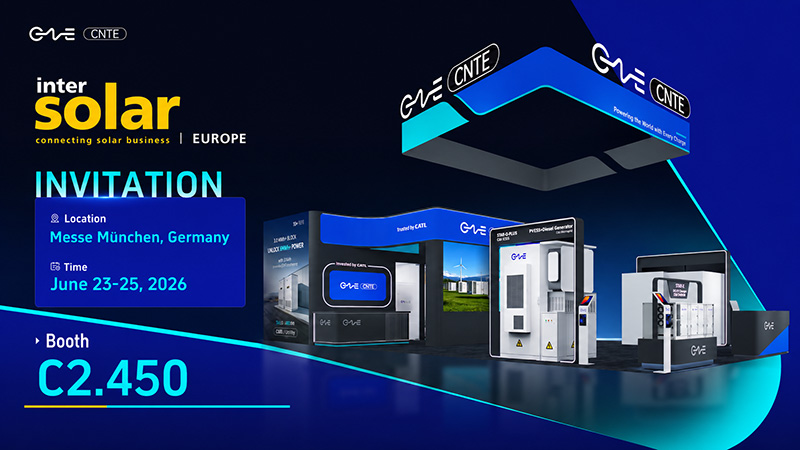
CNTE to Participate in Intersolar Europe 2026
May 20, 2026 -
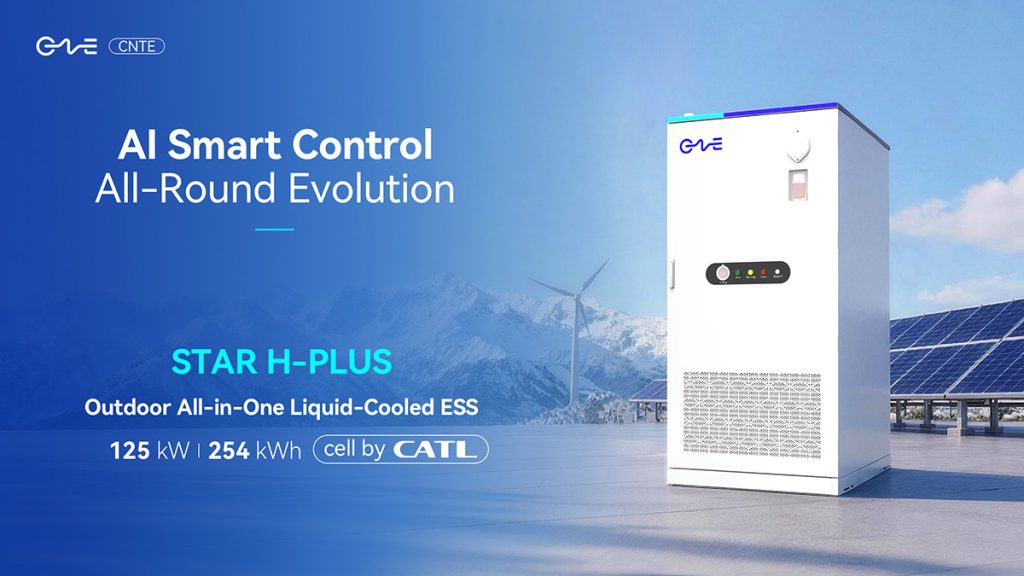
CNTE at KEY ENERGY 2026: Showcases STAR H-PLUS Outdoor Liquid-Cooled Energy Storage System
Mar 05, 2026 -

CNTE Honored as 2025 Forbes China Leading Global Brand
Jul 06, 2026 -

CNTE & YOU.ON Partner to Expand Storage Markets
May 19, 2025 -

CNTE Unveils Energy Storage Lineup at Solartech 2025
May 19, 2025 -
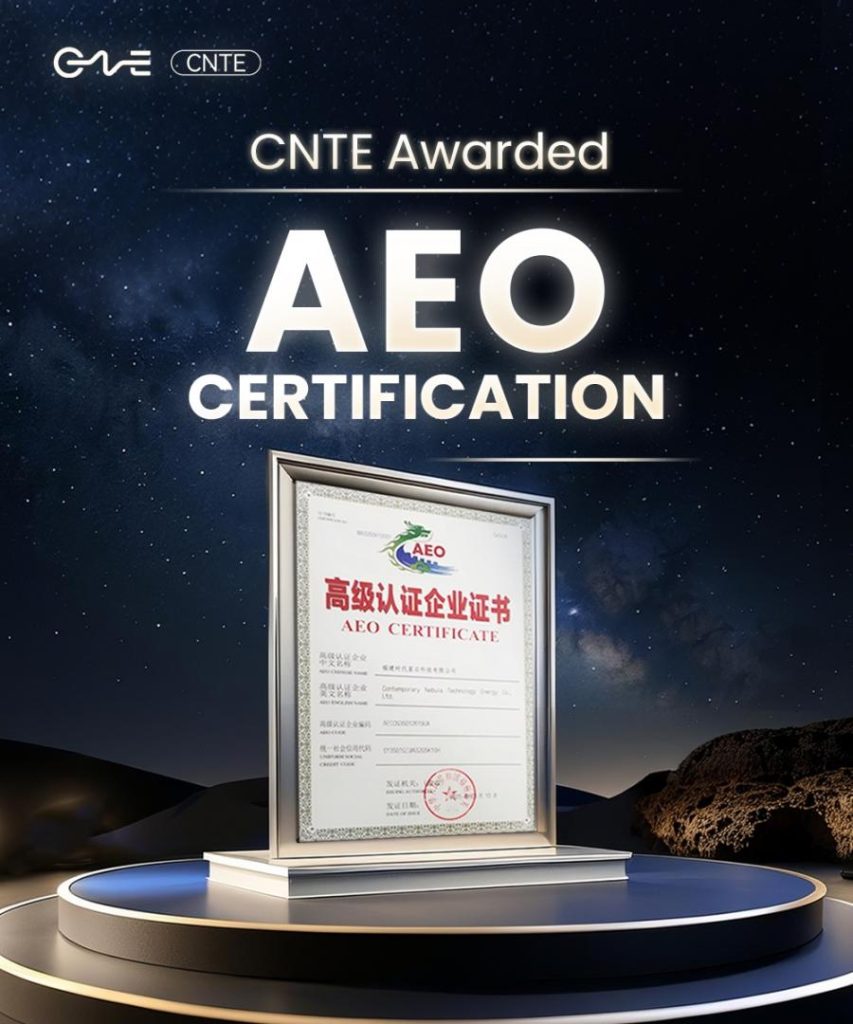
CNTE awarded AEO certification
Jul 06, 2026 -
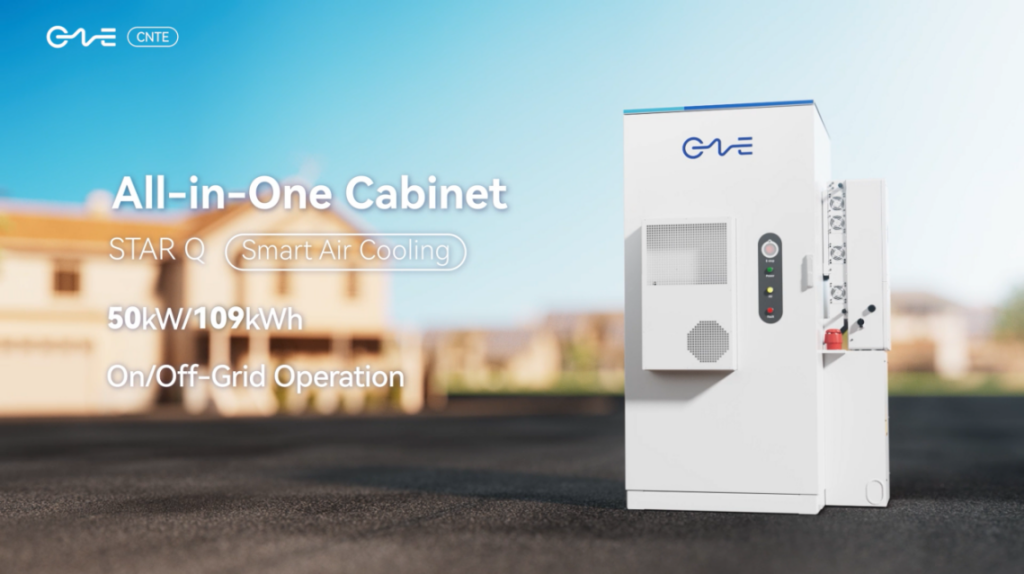
CNTE New Product Launch STAR Q
Jan 15, 2025 -

CNTE Named to Forbes China 2024 Top 30 Go-International Brands
Jul 06, 2026
