
Advanced Battery Manufacturing: Process Innovations, Quality Metrology, and Gigafactory Scalability
The transition to electric mobility and stationary storage demands lithium-ion batteries with higher energy density, longer cycle life, and lower production costs. Conventional wet‑slurry coating and calendar stacking methods face fundamental limits in electrode loading, drying energy, and defect rates. Advanced battery manufacturing integrates dry electrode processing, solid‑state electrolyte deposition, and in‑line digital process control to achieve >300 Wh/kg cell energy density and <$70>CNTE (Contemporary Nebula Technology Energy Co., Ltd.) implements these methods for its LFP and high‑nickel cell production.
For B2B buyers – from EV OEMs to utility storage integrators – understanding the underlying manufacturing process directly impacts cell pricing, supply security, and performance guarantees. We break down each critical step, from electrode mixing to formation, and highlight key innovations that separate Tier‑1 battery cell production from commodity suppliers.
Table of contents cntepower 1 1. Why Conventional Wet Coating Reaches a Ceiling 2 2. Core Technologies Reshaping Advanced Battery Manufacturing 2.1 2.1 Dry Electrode Coating (Solvent‑Free Process) 2.2 2.2 Solid‑State Electrolyte Integration 2.3 2.3 Laser Structuring and Ablation 2.4 2.4 Electrode Calendaring with Active Roll Gap Control 2.5 2.5 Inline Quality Metrology (X‑ray, LIBS, EIS) 3 3. Advanced Manufacturing for LFP vs. NMC vs. Solid‑State 4 4. Industry Pain Points and Engineering Solutions 5 5. Economic Modelling: From Lab to GWh Scale 6 6. Digital Twins and AI Process Optimisation 7 Frequently Asked Questions (FAQ) 8 Partner with CNTE for Advanced Battery Production Excellence
1. Why Conventional Wet Coating Reaches a Ceiling
The standard process for lithium‑ion battery electrodes involves mixing active material, conductive additive, binder (PVDF) in NMP solvent, coating onto copper/aluminium foil, and long drying ovens (60–100 m) at high temperature. Limitations include:
Energy intensity: Solvent recovery and drying consume 40–50% of total factory energy, emitting significant CO₂ per GWh.
Electrode cracking: Thick electrodes (>70 µm) tend to crack during drying, limiting areal capacity.
Binder migration: Non‑uniform binder distribution leads to poor adhesion and increased internal resistance.
Capital expenditure: Large ovens, solvent recovery systems, and environmental controls inflate gigafactory CAPEX by 15–25%.
These pain points drive adoption of advanced battery manufacturing technologies that eliminate solvents, reduce footprint, and enable thicker, denser electrodes.
2. Core Technologies Reshaping Advanced Battery Manufacturing
Below we describe five process innovations that are being deployed in leading gigafactories worldwide. Each contributes to lower cost, higher energy density, or improved safety.
2.1 Dry Electrode Coating (Solvent‑Free Process)
Dry coating technology (pioneered by Tesla/Maxwell, now adopted by multiple equipment suppliers) mixes PTFE or other fibrillizable binder with active material under high‑shear conditions, then calendaring the powder directly onto current collectors. Benefits: elimination of NMP solvent (saving $15–20/kWh in capital and energy), electrode thickness up to 150 µm without cracking, and 30% reduction in floor space. For LFP cathodes, dry coating achieves similar rate capability and cycle life to wet‑coated electrodes. Dry electrode manufacturing lines are now available from equipment OEMs like Harter, MANZ, and Lead Intelligent.
2.2 Solid‑State Electrolyte Integration
Transitioning to solid‑state batteries (sulfide or oxide electrolytes) requires completely different manufacturing routes. Key steps include: thin‑film deposition of electrolyte (via sputtering or aerosol jet), stack pressure control, and anode‑free configurations. Current challenges include maintaining interfacial contact during cycling. CNTE operates a pilot line for hybrid solid‑state cells using polymer‑ceramic composite electrolytes, targeting 400 Wh/kg by 2026.
2.3 Laser Structuring and Ablation
Laser ablation creates micro‑channels (10–50 µm wide) in coated electrodes, improving electrolyte wetting and reducing Li‑ion diffusion path length. This enables 4C–6C fast charging with minimal lithium plating. Laser structuring also reduces tortuosity by 40–60%, improving rate capability without compromising energy density. Inline laser systems (pulsed UV or green laser) are integrated after calendaring.
2.4 Electrode Calendaring with Active Roll Gap Control
High‑precision calendaring (gap accuracy ±1 µm, force up to 150 N/mm) ensures uniform porosity and adhesion. Modern calenders feature active thermal regulation and roll deflection compensation using hydraulic or piezo actuators. For dry‑processed electrodes, double‑roll or sequential calendaring achieves target density without delamination.
2.5 Inline Quality Metrology (X‑ray, LIBS, EIS)
Zero‑defect production requires 100% inspection of electrode coating weight, thickness, and defect detection (pinholes, agglomerates). Inline X‑ray fluorescence (XRF) measures areal mass loading ±0.5% accuracy. Laser‑induced breakdown spectroscopy (LIBS) provides elemental mapping for binder distribution. Electrochemical impedance spectroscopy (EIS) at formation stage detects micro‑short circuits and abnormal SEI growth. These metrology tools reduce scrap rates from 3–5% to<0.5%.<>
Implementation of these technologies requires re‑engineering the entire production line. CNTE has retrofitted its 5 GWh facility with dry electrode coating and inline X‑ray, achieving a 22% reduction in production energy and 18% higher electrode density compared to wet lines.
3. Advanced Manufacturing for LFP vs. NMC vs. Solid‑State
Different chemistries impose distinct process requirements. The table below summarises key differences for B2B sourcing decisions.
LFP (Lithium Iron Phosphate): Dry coating works well; calendaring force moderate (80–100 N/mm); water‑based slurry possible but less common. No cobalt, simpler sintering.
High‑Nickel NMC (Ni>80%): Requires humidity control (
<10 ppm="">
Solid‑State (Sulfide): Requires inert atmosphere (argon) and dry room (
<1% rh="">
Lithium‑Metal Anode: Requires protective layer deposition (e.g., via atomic layer deposition) to prevent dendrites; manufacturing complexity higher.
For most stationary storage and commercial EVs, LFP produced via advanced battery manufacturing methods offers the best balance of safety, cost, and cycle life – especially when dry coating is applied.
4. Industry Pain Points and Engineering Solutions
Gigafactory operators and battery purchasers face recurring challenges. Below we map each pain point to a specific advanced manufacturing solution.
Pain point: High electrode scrap from coating weight variation.
Solution: Closed‑loop control using inline beta gauge or XRF; real‑time adjustment of slot‑die gap or pump speed. Scrap reduction from 5% to<1%.<>
Pain point: Poor adhesion causing delamination during winding.
Solution: Plasma treatment of current collector before coating; dry electrode with PTFE binder achieves >90° peel strength.Pain point: Long formation time (5–14 days) tying up capital.
Solution: High‑temperature formation (50–60°C) with pulsed current protocols reduces formation to 48 hours for LFP cells. Formation equipment with integrated EIS enables parallel processing.Pain point: Electrolyte wetting issues in thick electrodes.
Solution: Laser structuring creates wetting channels; vacuum‑assisted filling reduces wetting time from 12 hours to 2 hours.Pain point: High capital cost of dry rooms for high‑nickel cells.
Solution: Switch to LFP + dry electrode, which allows production at 10% RH instead of 1% RH – saving millions in HVAC and dehumidification.
Adopting these solutions requires collaboration between equipment suppliers, cell manufacturers, and end‑users. CNTE offers process engineering consulting to help clients transition their existing lines to advanced methods, including pilot runs and ROI modelling.
5. Economic Modelling: From Lab to GWh Scale
For a 10 GWh/year facility, the choice of manufacturing technology impacts both CAPEX and OPEX. Using published data and internal models, we compare conventional wet coating vs. advanced dry electrode + inline metrology (scenario A vs. B).
CAPEX per GWh: Wet: $32–38 million; Dry: $28–32 million (saving from eliminated ovens and solvent recovery).
Energy consumption per kWh cell: Wet: 45–55 kWh; Dry: 30–38 kWh (34% reduction).
Floor space per GWh: Wet: 4,500 m²; Dry: 3,200 m².
Electrode areal capacity (mAh/cm²): Wet: 3.5–4.5; Dry: 5.0–6.5 (enabling 15–20% higher cell energy).
Production yield: Wet: 94–96%; Dry + inline X‑ray: 97–98.5%.
Taking a 10‑year production horizon, the cumulative cost benefit of advanced battery manufacturing exceeds $150 million for a 10 GWh plant, primarily from lower energy, higher yield, and higher energy density cells commanding premium pricing.
For buyers, cells produced on advanced lines exhibit lower DCIR (direct current internal resistance) variation and more consistent cycle ageing – directly translating to longer warranty periods and fewer field failures.
6. Digital Twins and AI Process Optimisation
The next frontier in battery manufacturing is the digital twin – a real‑time simulation of the entire production line fed by sensor data from mixers, coaters, calenders, and winding stations. Machine learning models predict final cell performance from intermediate process parameters. Key benefits include:
Predictive maintenance: Detect calender roll wear or slot‑die clogging before it affects product quality.
Virtual ramp‑up: Simulate changes in slurry rheology or drying temperature to reduce physical trials.
Traceability: Each cell receives a digital passport linking electrode batch, formation data, and test results – essential for automotive safety standards (ISO 26262).
Digital manufacturing platforms from Siemens, Rockwell, and Cognex are already integrated into gigafactories. CNTE has deployed an AI‑based quality prediction system that reduces end‑of‑line testing by 30% while maintaining zero defect escape.
Frequently Asked Questions (FAQ)
Q1: What is the most cost‑effective advanced battery manufacturing technology for LFP cells today?
A1: Dry electrode coating using PTFE binder, combined with inline X‑ray mass loading measurement. This eliminates NMP solvent, reduces energy consumption by 30–40%, and increases electrode thickness. Payback period for retrofitting an existing line is typically 2–3 years for facilities above 2 GWh/year.
Q2: How does dry electrode manufacturing affect cell cycle life compared to wet coating?
A2: Multiple studies (including from Maxwell, CATL, and CNTE) show comparable or slightly better cycle life for dry‑processed LFP electrodes – typically >4,000 cycles to 80% capacity at 1C/1C. The key is achieving uniform binder fibrillation and avoiding over‑calendaring. Cycle life parity has been validated at pilot scale.
Q3: What metrology equipment is essential for zero‑defect advanced battery manufacturing?
A3: Minimum required: inline X‑ray fluorescence (XRF) for coating weight, laser triangulation for thickness profile, and high‑speed camera inspection for pinholes/agglomerates. For high‑end applications (EVs), add inline EIS for each cell after formation to detect micro‑shorts. Integrated metrology solutions from Hitachi, Thermo Fisher, and Mantis are industry standards.
Q4: Can solid‑state batteries be manufactured using existing lithium‑ion equipment?
A4: Partially. Electrode coating (catholyte composite) can use modified slot‑die coaters, but the electrolyte layer deposition (sulfide or oxide) requires dry‑room or inert‑atmosphere chambers. Assembly (stacking, pressing, no electrolyte filling) needs new tools. Hybrid solid‑state (gel polymer) can use up to 60% of conventional equipment. Full inorganic solid‑state requires complete retooling.
Q5: What is the typical ramp‑up time for a gigafactory using advanced battery manufacturing processes?
A5: For dry electrode lines, expect 12–18 months from equipment installation to >90% yield, compared to 9–12 months for mature wet coating. The longer ramp‑up is due to optimisation of fibrillation parameters and calender settings. However, once stable, dry lines achieve higher throughput (up to 80 m/min coating speed).
Q6: How does advanced manufacturing impact cell pricing for B2B buyers?
A6: As of 2025, LFP cells from advanced dry‑process lines are offered at $65–75/kWh (cell price, not pack), compared to $85–95/kWh from conventional wet lines. The difference is mainly from lower energy, higher yield, and thinner electrodes enabling more cells per line. Buyers should verify the manufacturing process when comparing quotes.
Partner with CNTE for Advanced Battery Production Excellence
Whether you are planning a new gigafactory, retrofitting existing lines, or sourcing high‑quality cells produced via advanced methods, CNTE (Contemporary Nebula Technology Energy Co., Ltd.) provides full‑spectrum support: process design, equipment selection, pilot line validation, and volume cell supply with full traceability. Our engineering team has deployed dry electrode coating for LFP cells achieving 180 Wh/kg at cell level and 6,000 cycle life.
For B2B inquiries, please contact our advanced manufacturing solutions desk:
Request a confidential process audit of your current battery line
Obtain technical datasheets for dry‑coated LFP and NMC cells
Simulate the economic impact of migrating to dry electrode for your volume
Discuss joint development of solid‑state pilot lines
Send your project outline to manufacturing@cntepower.com or submit the inquiry form on our website. A senior process engineer will respond within two business days with a preliminary feasibility assessment and commercial proposal.
Get in Touch
Recent Posts
-
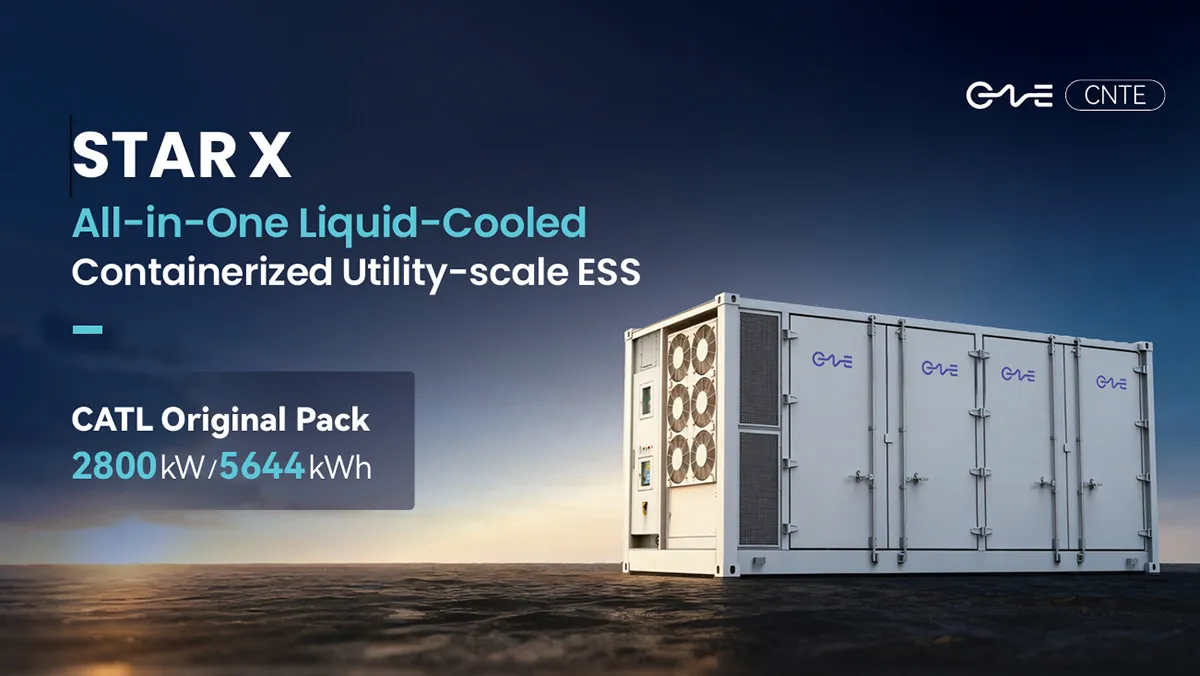
CNTE Launches STAR X Liquid-Cooled DC/AC Integrated Energy Storage System at Intersolar Europe 2026
Jul 06, 2026 -
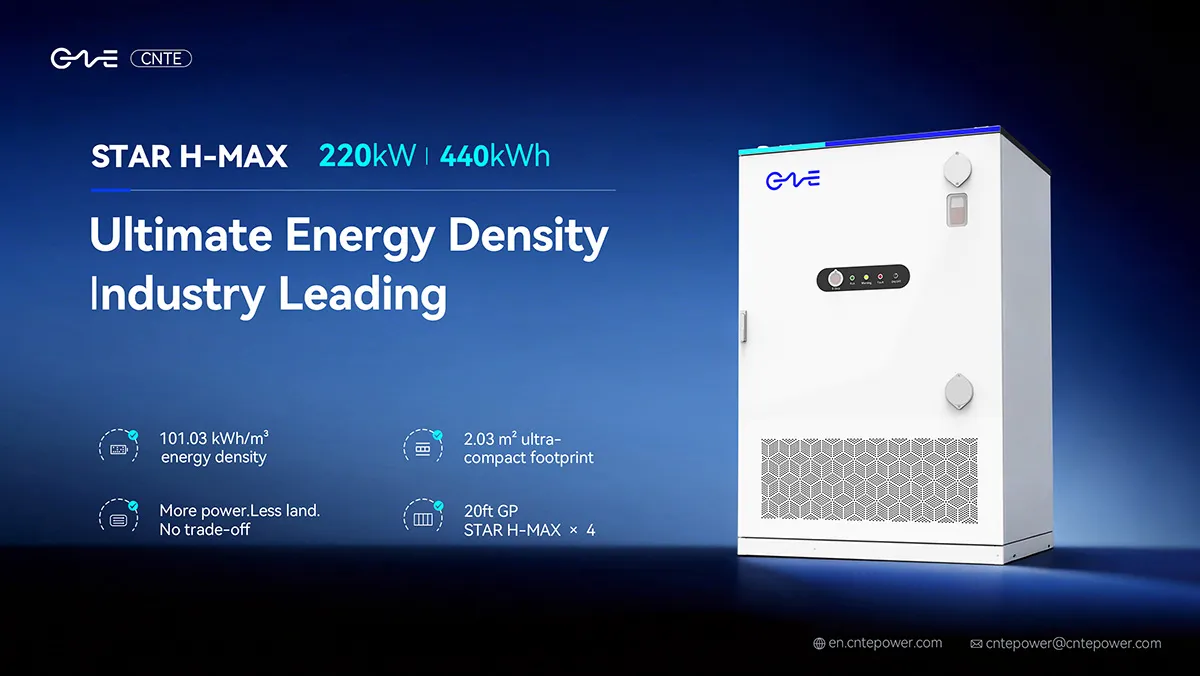
CNTE Unveils New STAR H-MAX Liquid-Cooled C&I ESS at Intersolar Europe 2026
Jun 23, 2026 -
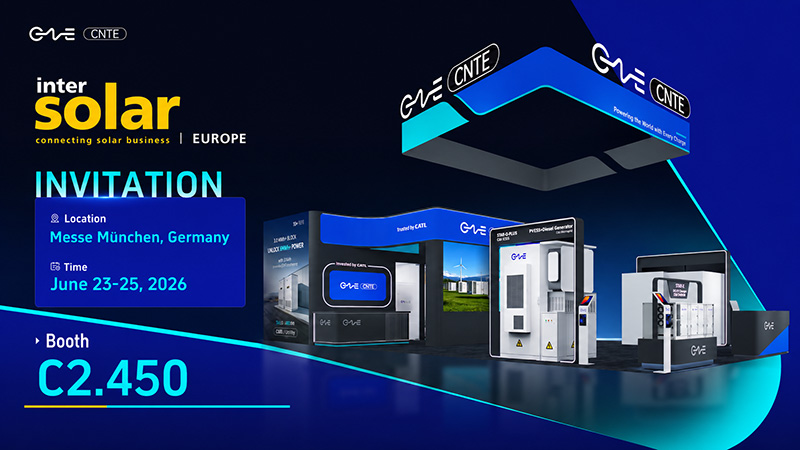
CNTE to Participate in Intersolar Europe 2026
May 20, 2026 -
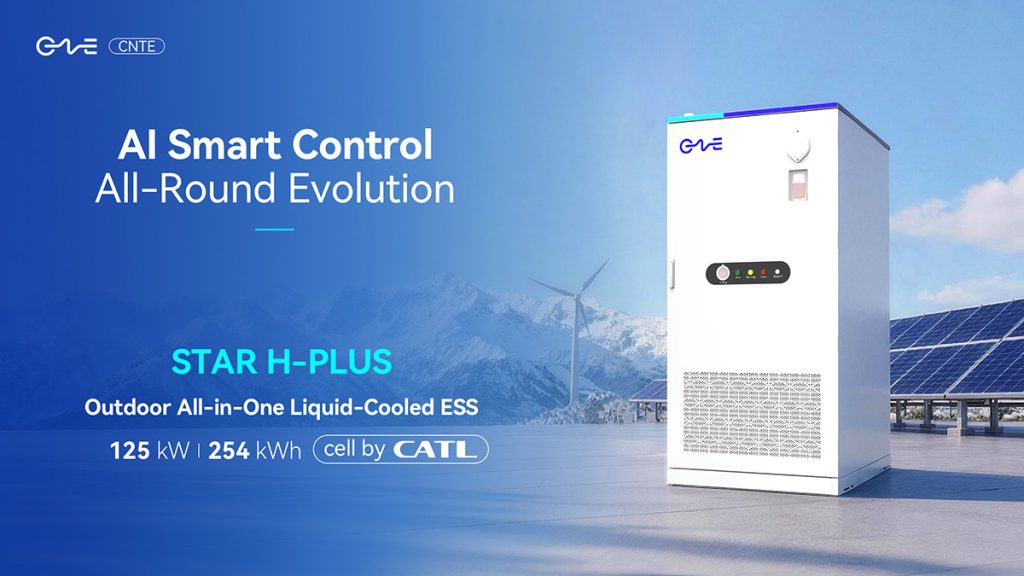
CNTE at KEY ENERGY 2026: Showcases STAR H-PLUS Outdoor Liquid-Cooled Energy Storage System
Mar 05, 2026 -

CNTE Honored as 2025 Forbes China Leading Global Brand
Jul 06, 2026 -

CNTE & YOU.ON Partner to Expand Storage Markets
May 19, 2025 -
CNTE Unveils Energy Storage Lineup at Solartech 2025
May 19, 2025 -
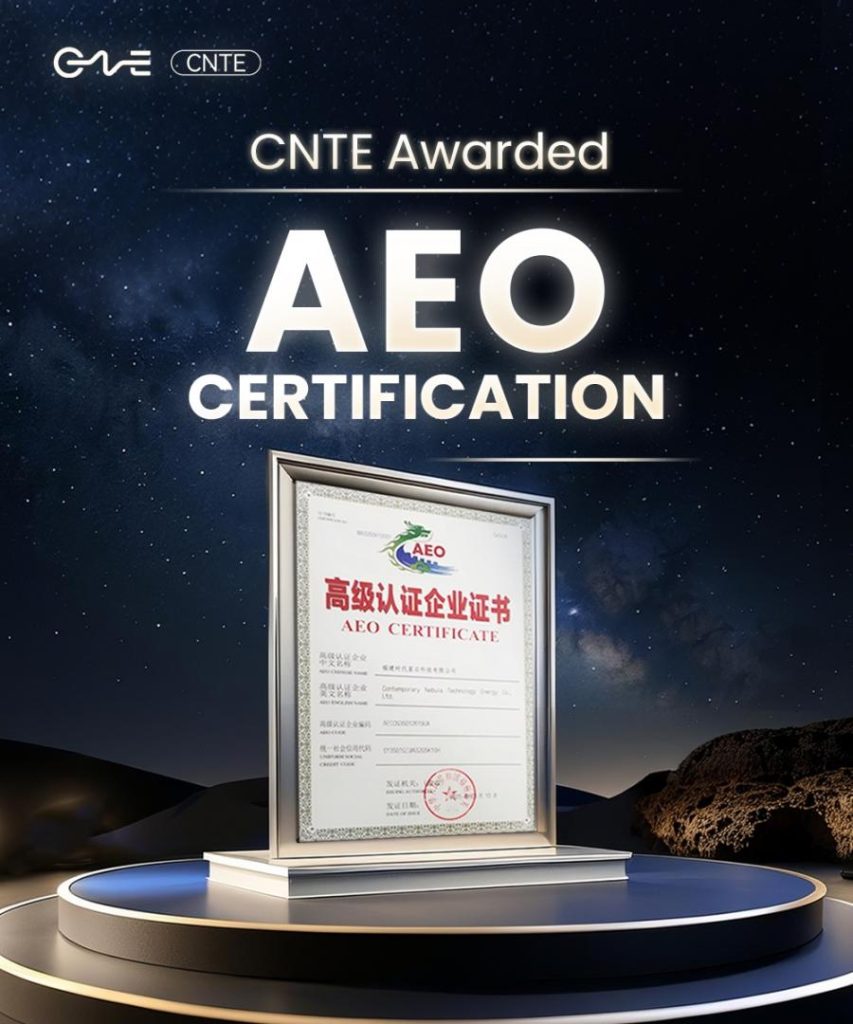
CNTE awarded AEO certification
Jul 06, 2026 -
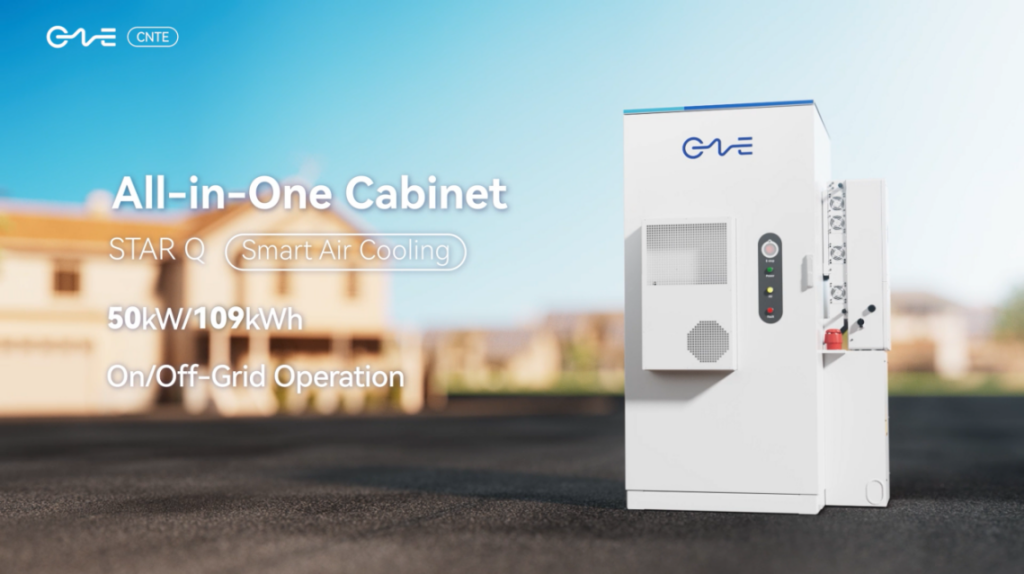
CNTE New Product Launch STAR Q
Jan 15, 2025 -
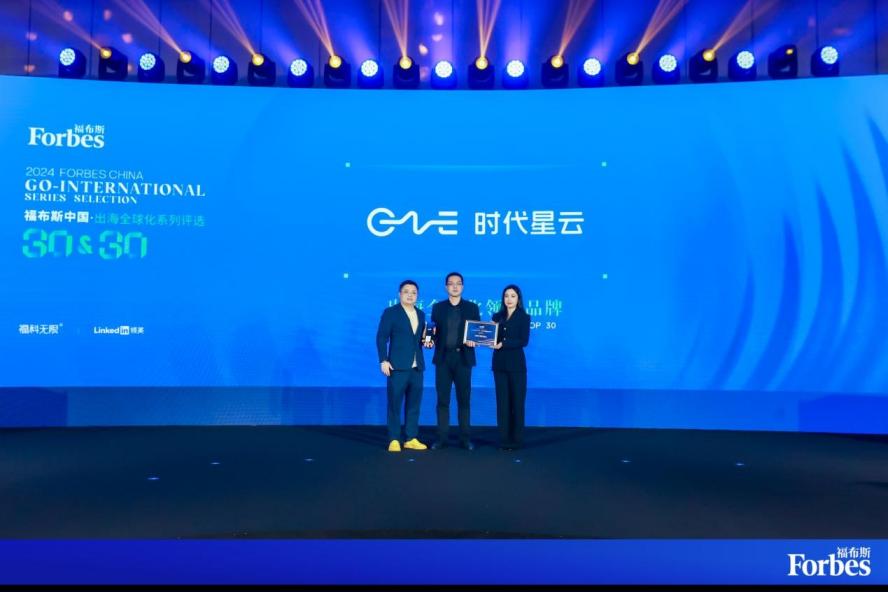
CNTE Named to Forbes China 2024 Top 30 Go-International Brands
Jul 06, 2026
