
Advanced Grid Architecture: Engineering Megawatt Battery Storage Systems
The global transition from synchronous, fossil-fuel-based power generation to asynchronous, renewable energy sources introduces profound complexities in power grid management. Traditional power plants provided inherent rotational inertia, stabilizing grid frequency through massive spinning turbines. As the penetration of intermittent solar and wind energy increases, this mechanical inertia diminishes, leaving electrical networks vulnerable to micro-outages, voltage sags, and severe frequency deviations. To establish resilient utility infrastructure, grid operators and engineering, procurement, and construction (EPC) firms are deploying megawatt battery storage as the foundational stabilization mechanism.
Utility-scale Battery Energy Storage Systems (BESS) represent a highly sophisticated convergence of electrochemical engineering, power electronics, and algorithmic dispatch software. By operating dynamically at the transmission and distribution levels, these massive storage installations transform unpredictable renewable yields into fully dispatchable baseload assets. This analysis evaluates the technical architecture, operational methodologies, and economic imperatives driving the deployment of high-capacity storage within modern power grids.
Table of contents cntepower 1 The Core Architecture of Utility-Scale BESS 1.1 Electrochemical Foundations: Cell Chemistry 1.2 Advanced Power Conversion Systems (PCS) 2 Resolving Systemic Grid Volatility: Load Shifting and Curtailment 3 Financial Engineering: Revenue Generation and ROI 4 Thermal Management: Ensuring Operational Integrity 5 Intelligent Dispatch via Energy Management Systems (EMS) 6 Sector-Specific Deployments 6.1 Heavy Industrial Microgrids 6.2 Co-Location with Utility-Scale Solar 7 Frequently Asked Questions (FAQ)
The Core Architecture of Utility-Scale BESS
Designing a system capable of outputting multiple megawatts of power instantaneously requires precise component selection and rigorous integration. A utility-scale BESS is not simply a collection of battery cells; it is a meticulously engineered node on the electrical grid.
Electrochemical Foundations: Cell Chemistry
The operational viability of any large-scale energy reserve begins at the cellular level. While early iterations utilized Nickel Manganese Cobalt (NMC), the industry standard for stationary applications has decisively shifted to Lithium Iron Phosphate (LFP). LFP chemistry provides a lower risk of thermal runaway, higher cyclic longevity (frequently exceeding 8,000 cycles at a standard Depth of Discharge), and high thermal stability. For investors and grid operators, this translates directly to a lower Levelized Cost of Storage (LCOS) over a 15-to-20-year project lifecycle.
Advanced Power Conversion Systems (PCS)
The interface between the direct current (DC) battery racks and the alternating current (AC) grid is the Power Conversion System. In a megawatt battery storage facility, the PCS utilizes insulated-gate bipolar transistors (IGBTs) to perform rapid, bidirectional power inversion and rectification. Modern utility-grade inverters operate with minimal Total Harmonic Distortion (THD), delivering a pure sine wave that meets stringent utility interconnection standards. Furthermore, these inverters are capable of four-quadrant operation, meaning they can absorb or inject both active power (kW) and reactive power (kVAR) independently, providing profound voltage support to the local grid.
Resolving Systemic Grid Volatility: Load Shifting and Curtailment
One of the most persistent engineering challenges in heavily renewable grids is the temporal mismatch between energy generation and consumer demand. Solar photovoltaic arrays achieve peak output during midday, resulting in an overabundance of energy when demand is relatively low. This over-generation forces Independent System Operators (ISOs) to curtail, or deliberately shut off, renewable plants to prevent transmission line overloads.
Conversely, as the sun sets, solar output drops precisely when residential and commercial evening demand surges, creating an extreme ramp-rate requirement known colloquially as the “Duck Curve.”
Implementing megawatt battery storage provides a mathematical solution to this volatility. During the midday trough, the BESS operates in a massive charging state, absorbing gigawatt-hours of surplus renewable energy across the network. This eliminates curtailment waste. During the evening ramp period, the system discharges its stored capacity, smoothing the demand curve and negating the need for highly polluting, inefficient natural gas peaker plants.
Financial Engineering: Revenue Generation and ROI
For independent power producers (IPPs) and commercial entities, deploying a large-scale energy asset must be justified by robust financial modeling. The economic viability of these installations is sustained through “value stacking”—the simultaneous participation in multiple utility markets.
Frequency Regulation (Ancillary Services): Grid frequency must be maintained precisely at 60 Hz (or 50 Hz, depending on the region). Traditional power plants take several minutes to ramp up and adjust frequency. A battery system responds to utility SCADA signals in milliseconds. By injecting or absorbing precise amounts of power to correct micro-deviations in frequency, facility owners earn premium compensation in the ancillary services market.
Energy Arbitrage: By leveraging wholesale market data, intelligent storage systems purchase and store electricity during periods of negative or ultra-low pricing (typically midday or late at night). The system autonomously holds this capacity until the grid experiences high demand and price spikes, discharging the power at maximum profit margins.
Transmission Deferral: Utilities face monumental capital expenditures when upgrading aging transmission lines to handle peak loads that only occur a few times a year. Deploying a centralized battery unit near the load center allows the utility to supply peak power locally, deferring or entirely avoiding the need for multi-million-dollar infrastructure upgrades.
Thermal Management: Ensuring Operational Integrity
Operating at the megawatt scale generates profound thermal output. During high C-rate charging and discharging phases, the internal electrical resistance of millions of interconnected cells produces significant heat. If localized temperatures exceed strict thresholds, cell degradation accelerates exponentially, and the risk of catastrophic thermal events increases.
Industry leaders prioritize sophisticated thermal management architectures. While traditional forced-air HVAC systems are common, the vanguard of the industry utilizes active liquid cooling. A network of cold plates and coolant channels circulates a glycol-water mixture directly against the battery modules. This highly precise method maintains a temperature variance (ΔT) of less than 3°C across the entire containerized system. Engineering authorities such as CNTE (Contemporary Nebula Technology Energy Co., Ltd.) specialize in these advanced liquid-cooled solutions, ensuring maximum cyclic efficiency, extending asset longevity, and allowing the battery racks to be packed with higher energy density without compromising safety.
Intelligent Dispatch via Energy Management Systems (EMS)
The hardware within a storage facility is rendered inert without the overarching control of an Energy Management System (EMS). This localized software layer acts as the centralized brain of the installation, communicating continuously with the Battery Management System (BMS), the Power Conversion System, and the external utility dispatcher.
An advanced EMS processes millions of data points per second. It monitors the precise State of Charge (SoC) and State of Health (SoH) of individual cell clusters. Utilizing predictive algorithms and weather forecasting APIs, the EMS determines the optimal dispatch schedule. If severe weather is predicted to obscure solar generation tomorrow, the EMS will automatically charge the megawatt battery storage system from the grid during off-peak hours tonight, ensuring the facility holds sufficient reserve capacity to manage upcoming site loads.
Sector-Specific Deployments
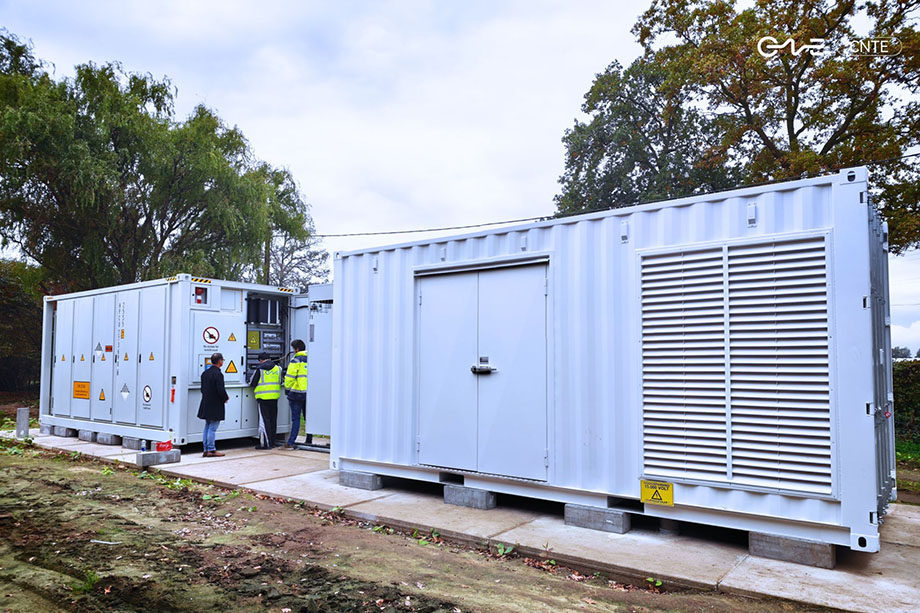
The highly modular nature of containerized storage solutions allows for strategic placement across varied industrial landscapes.
Heavy Industrial Microgrids
Manufacturing plants, smelting facilities, and large-scale data centers present massive, continuous energy demands. A sudden power interruption or severe voltage sag can result in millions of dollars in equipment damage and lost productivity. Establishing a localized microgrid centered around high-capacity battery units provides instantaneous failover power. Operating as a grid-forming asset, the battery system dictates voltage and frequency, allowing the facility to physically decouple from the main utility grid during rolling blackouts seamlessly.
Co-Location with Utility-Scale Solar
Modern Power Purchase Agreements (PPAs) heavily favor “dispatchable solar.” Solar developers are integrating large battery arrays directly at the generation site, forming a hybrid DC-coupled or AC-coupled architecture. Strategic integration by hardware experts like CNTE (Contemporary Nebula Technology Energy Co., Ltd.) ensures that these co-located assets function harmoniously, allowing developers to meet strict utility obligations regarding power delivery schedules, regardless of localized weather conditions.
As the electrification of global industry accelerates alongside the decommissioning of thermal power plants, the requirement for robust grid stabilization becomes paramount. The deployment of megawatt battery storage provides a definitive, highly engineered solution to the intermittency of renewable generation. By combining thermally stable cell chemistry, bidirectional power electronics, and autonomous energy management software, operators can construct infrastructure that guarantees power quality, captures lost renewable yields, and generates substantial financial returns in wholesale energy markets. Partnering with established technological authorities like CNTE (Contemporary Nebula Technology Energy Co., Ltd.) ensures that these complex systems are designed, deployed, and maintained to meet the exact tolerances required by modern utility networks.
Frequently Asked Questions (FAQ)
Q1: What determines the C-rate in a megawatt battery storage system, and why is it important?
A1: The C-rate measures the speed at which a battery is charged or discharged relative to its maximum capacity. A 1C rate means the entire capacity is discharged in one hour. Systems designed for frequency regulation often have high C-rates (e.g., 2C or 4C) because they need to inject massive amounts of power in minutes. Systems designed for solar load shifting typically use a 0.25C or 0.5C rate, discharging their energy slowly over 2 to 4 hours.
Q2: How does liquid cooling outperform traditional HVAC air cooling in utility-scale BESS?
A2: Liquid cooling provides a significantly higher heat transfer coefficient than forced air. It circulates coolant directly through cold plates attached to the battery modules, effectively removing heat at the source. This ensures a highly uniform temperature distribution across all cells (typically within a 3°C variance), which prevents uneven cell aging, increases energy density by reducing required air gaps, and significantly lowers auxiliary power consumption.
Q3: Can a utility-scale battery system provide reactive power (kVAR) at night when solar panels are inactive?
A3: Yes. Advanced Power Conversion Systems (PCS) can operate independently of active DC power flow. Even if the battery is not actively discharging, the inverter can remain synchronized with the grid, absorbing or injecting reactive power to correct localized voltage sags and power factor issues, functioning essentially as a static synchronous compensator (STATCOM).
Q4: What happens if a single battery cell experiences a catastrophic failure in a megawatt-scale deployment?
A4: Industrial storage systems utilize highly granular Battery Management Systems (BMS). If the BMS detects abnormal voltage drops, internal resistance spikes, or thermal anomalies at the cell level, it instantly isolates that specific string or module via solid-state contactors. Additionally, modern containerized systems are equipped with integrated fire suppression protocols, such as targeted clean agent gas or aerosol deployment, preventing propagation to adjacent racks.
Q5: How do storage systems resolve the “Duck Curve” phenomenon?
A5: The Duck Curve represents the mismatch between high midday solar generation and high evening consumer demand. A large-scale BESS resolves this by operating as a massive energy sink during the day, absorbing surplus solar power that would otherwise cause grid overloads or curtailment. It then holds this energy and discharges it during the 5:00 PM to 9:00 PM peak, smoothing the utility’s net load profile.
Get in Touch
Recent Posts
-
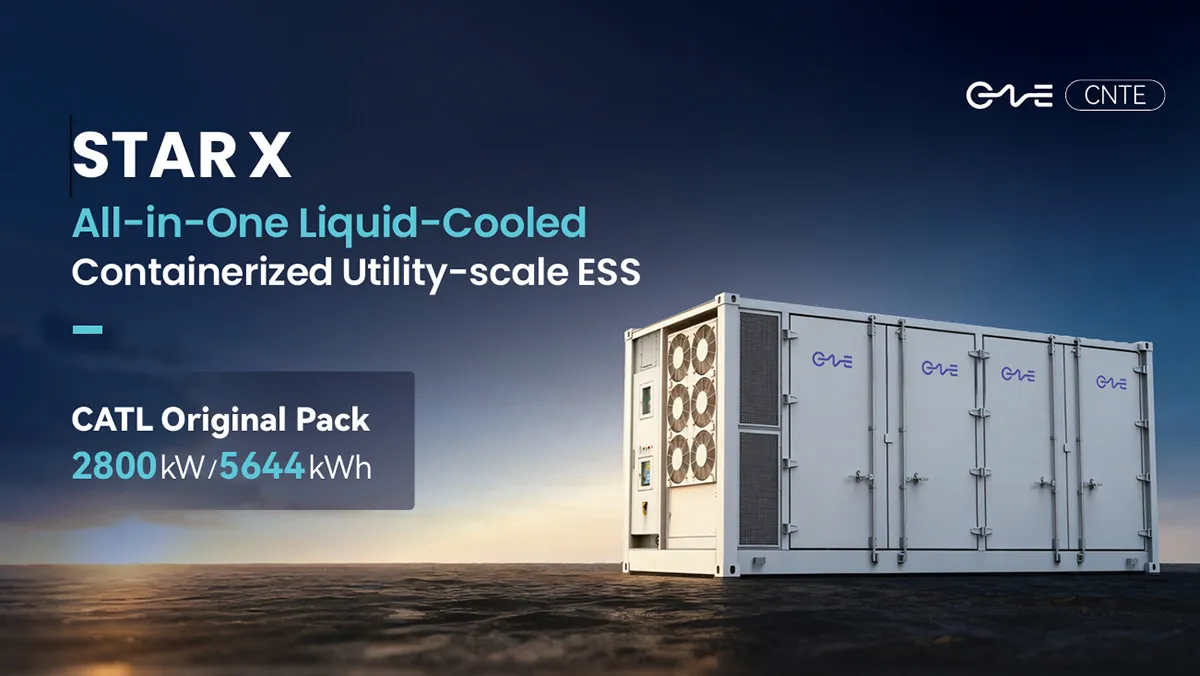
CNTE Launches STAR X Liquid-Cooled DC/AC Integrated Energy Storage System at Intersolar Europe 2026
Jul 06, 2026 -
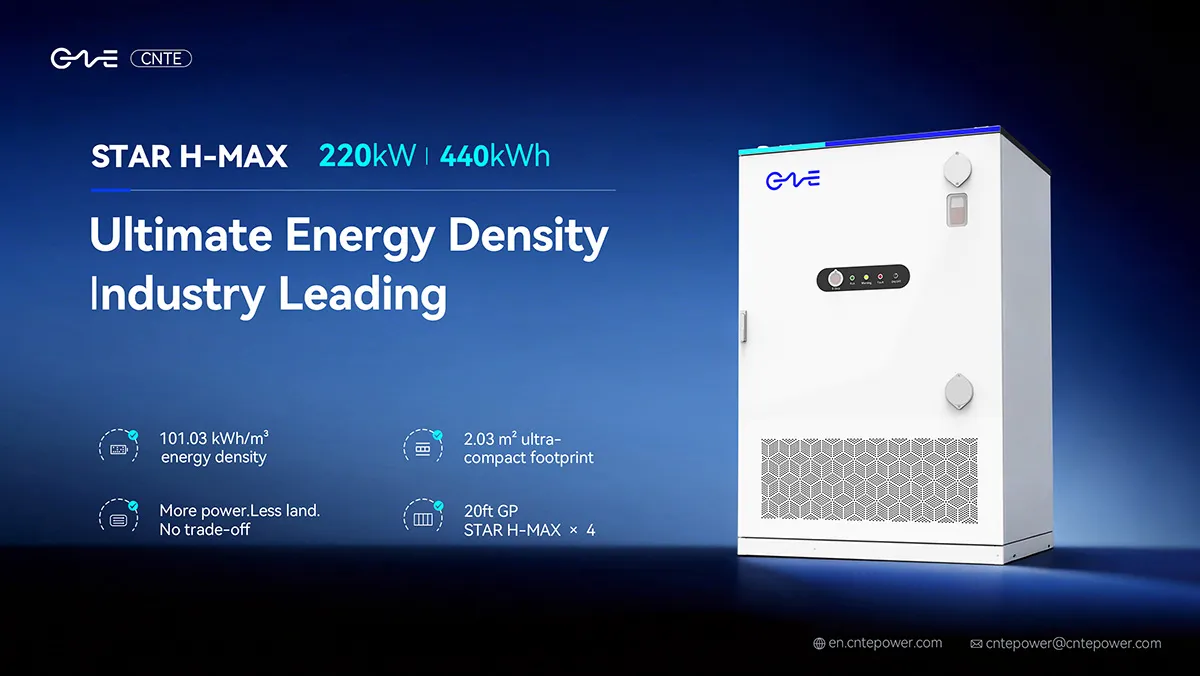
CNTE Unveils New STAR H-MAX Liquid-Cooled C&I ESS at Intersolar Europe 2026
Jun 23, 2026 -
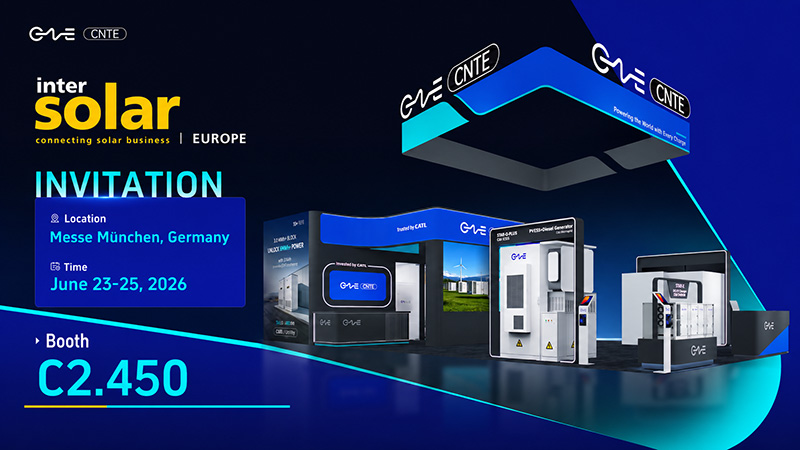
CNTE to Participate in Intersolar Europe 2026
May 20, 2026 -
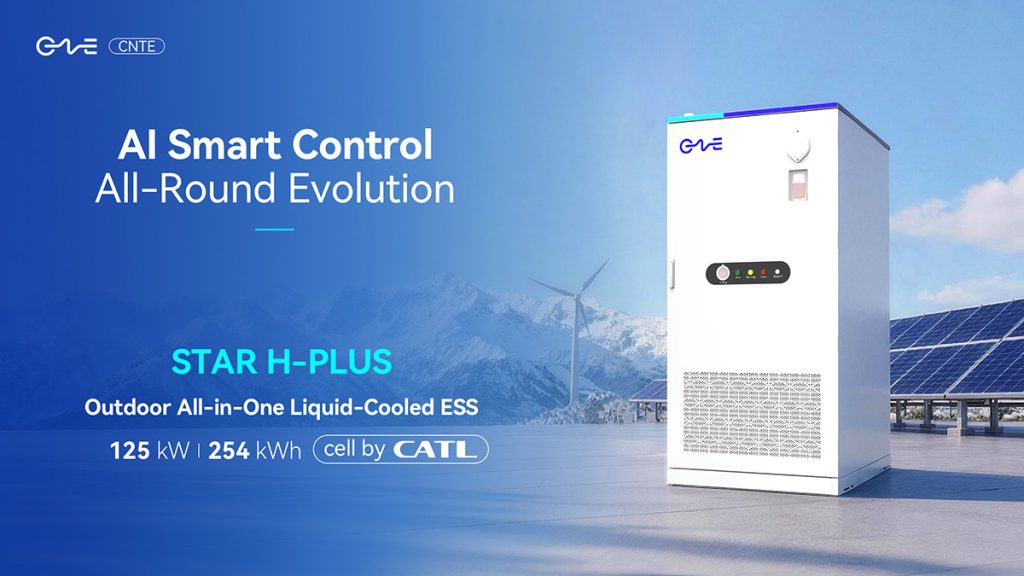
CNTE at KEY ENERGY 2026: Showcases STAR H-PLUS Outdoor Liquid-Cooled Energy Storage System
Mar 05, 2026 -

CNTE Honored as 2025 Forbes China Leading Global Brand
Jul 06, 2026 -

CNTE & YOU.ON Partner to Expand Storage Markets
May 19, 2025 -

CNTE Unveils Energy Storage Lineup at Solartech 2025
May 19, 2025 -

CNTE awarded AEO certification
Jul 06, 2026 -
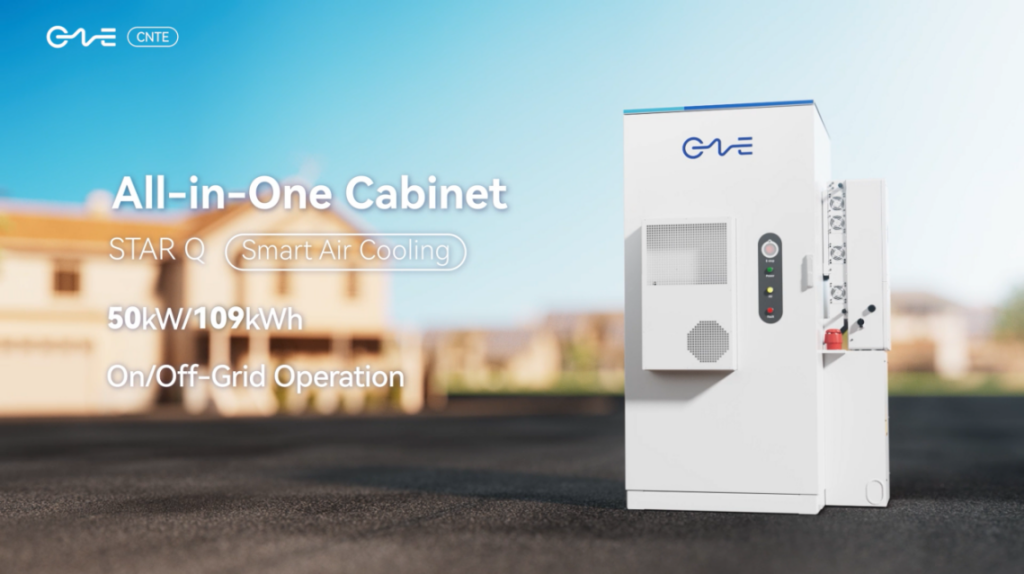
CNTE New Product Launch STAR Q
Jan 15, 2025 -

CNTE Named to Forbes China 2024 Top 30 Go-International Brands
Jul 06, 2026
