
Advanced Grid Architecture: PV Solar Panels and Battery Storage Integration
The global transition toward decentralized, low-carbon power generation relies heavily on the advancement of renewable technologies. However, the inherent intermittency of solar irradiance presents a fundamental challenge to grid stability. Photovoltaic generation peaks during midday when solar insolation is highest, yet this rarely aligns with the peak electrical demand profiles of commercial, industrial, or residential sectors. To bridge this temporal gap, facility engineers and utility operators are heavily investing in the integration of pv solar panels and battery storage.
This combined approach transforms intermittent renewable generation into a dispatchable, baseload-capable energy asset. By deploying intelligent power conversion systems, advanced cell chemistries, and sophisticated software algorithms, modern energy infrastructure can achieve unprecedented levels of efficiency, resilience, and financial return. This comprehensive analysis evaluates the architectural topologies, operational mechanics, and economic vectors associated with integrating solar generation and high-capacity stationary storage.
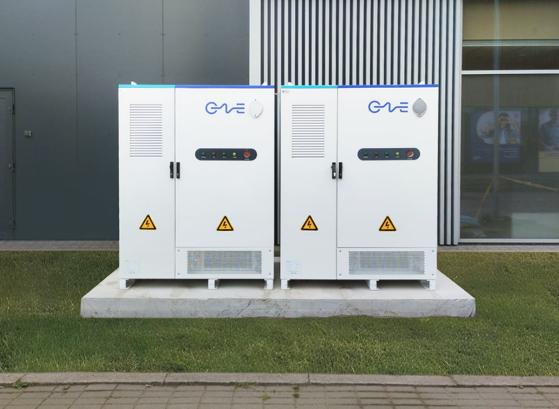
Table of contents cntepower 1 Architectural Topologies: AC vs. DC Coupling 1.1 DC-Coupled Systems 1.2 AC-Coupled Systems 2 Resolving Industry Pain Points: The Duck Curve and Grid Curtailment 3 Economic Engineering: ROI Vectors for C&I Facilities 3.1 Demand Charge Management (Peak Shaving) 3.2 Time-of-Use (TOU) Arbitrage 3.3 Ancillary Grid Services and Frequency Regulation 4 Core System Components: BESS Architecture and Safety 5 Scalability and Multi-Scenario Deployments 6 The Role of Artificial Intelligence in Energy Management 7 Frequently Asked Questions (FAQ)
Architectural Topologies: AC vs. DC Coupling
When designing a system that incorporates pv solar panels and battery storage, electrical engineers must select an appropriate coupling architecture. The decision dictates how direct current (DC) from the solar array and the battery system interacts with the alternating current (AC) grid.
DC-Coupled Systems
In a DC-coupled architecture, the photovoltaic array and the Battery Energy Storage System (BESS) share a single, bi-directional hybrid inverter. The solar panels generate DC power, which is routed through a Maximum Power Point Tracking (MPPT) charge controller directly into the battery system in DC form.
Efficiency Advantages: This topology minimizes energy losses because it bypasses the redundant DC-to-AC and AC-to-DC inversions required to charge a battery from an AC source. The round-trip efficiency is demonstrably higher.
Clipping Recapture: In large-scale solar arrays, the DC capacity often exceeds the AC rating of the inverter (a high DC/AC ratio). During peak sunlight, standard systems “clip” or discard this excess power. A DC-coupled BESS can absorb this clipped DC energy directly, capturing yield that would otherwise be lost.
AC-Coupled Systems
An AC-coupled topology maintains separate inverters for the solar array and the battery storage system. The solar inverter converts DC to AC for immediate site consumption or grid export. The BESS utilizes its own Power Conversion System (PCS) to convert AC back to DC for storage, and then DC to AC for discharging.
Retrofit Capabilities: This architecture is highly favored for commercial facilities that already have a functional solar array. Adding storage does not require modifying the existing photovoltaic inverter setup.
Redundancy: Because the generation and storage systems operate on independent inverters, a failure in the PV inverter does not compromise the BESS’s ability to provide backup power or grid services.
Resolving Industry Pain Points: The Duck Curve and Grid Curtailment
Utility networks require instantaneous balance between supply and demand. As the penetration of utility-scale and distributed solar increases, grid operators face a phenomenon documented as the “Duck Curve.” During midday hours, massive solar generation floods the grid, driving net load to extreme lows. As the sun sets, solar generation drops rapidly precisely when evening residential demand spikes, creating a massive, steep ramp rate that traditional fossil-fuel peaker plants struggle to match.
Without storage, this over-generation leads to solar curtailment—utilities force solar plants to disconnect from the grid to prevent voltage overloads, effectively wasting megawatt-hours of clean energy. The widespread deployment of pv solar panels and battery storage systematically neutralizes this issue.
Advanced BESS units operate in an active “load shifting” capacity. They ingest massive volumes of surplus solar energy during the midday trough and discharge it during the evening ramp period. Organizations like CNTE (Contemporary Nebula Technology Energy Co., Ltd.) specialize in engineering high-capacity storage solutions that perfectly synchronize with solar output, smoothing the load profile and ensuring zero energy is wasted due to curtailment.
Economic Engineering: ROI Vectors for C&I Facilities
For Commercial and Industrial (C&I) facilities, adopting pv solar panels and battery storage is primarily a financially driven decision. The return on investment (ROI) is generated through multiple concurrent revenue streams and cost-avoidance strategies.
Demand Charge Management (Peak Shaving)
Commercial electricity bills differ structurally from residential bills. A significant portion of a C&I utility bill is the “Demand Charge,” calculated based on the single highest 15-minute interval of power consumption (measured in kW) during the billing cycle. Starting heavy machinery, HVAC chillers, or manufacturing lines can create massive demand spikes.
A BESS equipped with an intelligent Energy Management System (EMS) monitors facility loads in real time. When it detects a demand spike approaching a predefined threshold, the battery discharges instantaneously to supply the required power, masking the spike from the utility meter. This “peak shaving” can reduce monthly utility expenditures by tens of thousands of dollars.
Time-of-Use (TOU) Arbitrage
Utilities increasingly utilize Time-of-Use pricing, where electricity is significantly more expensive during evening peak hours and cheaper during midday solar generation or late-night hours. Facilities can utilize their solar arrays to charge the batteries during the day, or charge from the grid during off-peak hours, and then discharge the batteries to power the facility during the expensive peak tariff periods. This energy arbitrage generates direct daily savings.
Ancillary Grid Services and Frequency Regulation
Beyond behind-the-meter savings, large-scale storage systems can participate in wholesale energy markets. Because battery systems can respond to signals in milliseconds, they provide superior frequency regulation compared to mechanical spinning reserves. By injecting or absorbing active power to maintain the grid’s nominal frequency (60 Hz or 50 Hz), facility owners can earn continuous revenue from utility operators.
Core System Components: BESS Architecture and Safety
A robust energy storage setup is a complex synergy of hardware and software. To maintain long-term operational viability, the underlying engineering must prioritize safety, thermal stability, and precise telemetry.
Cell Chemistry (LiFePO4): The industry standard for stationary storage has shifted decisively toward Lithium Iron Phosphate (LFP) chemistry. Compared to Nickel Manganese Cobalt (NMC), LFP offers superior thermal stability, a longer cycle life (often exceeding 6,000 to 8,000 cycles at a high depth of discharge), and a significantly reduced risk of thermal runaway.
Battery Management System (BMS): This internal computer monitors the voltage, temperature, and State of Charge (SoC) of every individual cell. If the BMS detects voltage imbalances or thermal anomalies, it automatically triggers active cell balancing or disconnects the module to prevent cascade failures.
Thermal Management Systems: High-capacity charge and discharge cycles generate substantial heat. Modern systems utilize advanced liquid cooling loops to maintain the ambient temperature of battery modules within strict tolerances, typically between 20°C and 25°C. This active cooling extends battery life and maximizes round-trip efficiency.
Scalability and Multi-Scenario Deployments
The highly modular nature of modern energy systems allows for deployment across diverse operational environments. From localized microgrids to massive utility-scale solar farms, the integration of pv solar panels and battery storage ensures reliable power delivery.
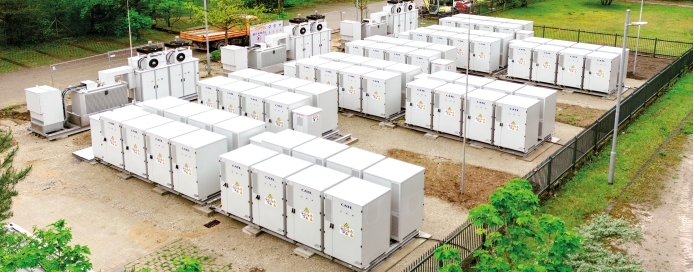
For remote industrial sites, mining operations, or island communities operating off-grid, a standalone hybrid microgrid replaces the reliance on expensive, high-emission diesel generators. By networking megawatt-class solar arrays with containerized storage units, these sites achieve energy independence. CNTE (Contemporary Nebula Technology Energy Co., Ltd.) operates at the forefront of this sector, providing all-scenario energy storage system solutions that range from compact commercial cabinets to multi-megawatt utility-scale liquid-cooled containers, ensuring optimized performance regardless of the deployment scale.
The Role of Artificial Intelligence in Energy Management
The operational logic governing pv solar panels and battery storage is becoming increasingly sophisticated. Modern Energy Management Systems (EMS) now incorporate machine learning algorithms and predictive analytics.
By interfacing with weather forecasting APIs, an advanced EMS can predict solar irradiance for the following day. If heavy cloud cover is forecasted, the system may automatically choose to charge the batteries from the grid during the low-cost overnight tariff period. Conversely, if clear skies are expected, the system will drain the batteries deeply overnight to create maximum capacity to absorb the impending solar yield. This predictive, autonomous control ensures the asset yields the maximum possible financial return without requiring manual oversight from facility managers.
The transition to a stable, renewable energy infrastructure requires more than just generating clean power; it requires intelligent containment and precise distribution. The synergy achieved by pairing photovoltaic generation with advanced battery storage resolves the historical limitations of renewable intermittency. Through strategic applications like peak shaving, load shifting, and frequency regulation, commercial and industrial operators can drastically reduce operational expenditures while ensuring energy resilience. As cell chemistries evolve and algorithmic management becomes more precise, partnering with established engineering authorities like CNTE (Contemporary Nebula Technology Energy Co., Ltd.) will remain a fundamental requirement for maximizing the performance and profitability of distributed energy assets.
Frequently Asked Questions (FAQ)
Q1: What is the average lifespan of the batteries used in commercial storage systems?
A1: Most commercial stationary energy storage systems utilize Lithium Iron Phosphate (LFP) chemistry. Under standard operating conditions with proper thermal management, these batteries are typically rated for 6,000 to 8,000 cycles. Depending on the daily discharge profile (Depth of Discharge), this translates to an operational lifespan of 10 to 15 years before the battery degrades to 70% of its original capacity.
Q2: How does a battery storage system improve the financial return of an existing solar array?
A2: Without storage, commercial solar energy must be consumed instantly or exported to the grid, often at low wholesale rates. By adding storage, a facility can store excess daytime solar power and discharge it during expensive evening peak tariff hours (Time-of-Use arbitrage) or use it to reduce high demand charges (kW peaks), significantly improving the overall financial return of the site.
Q3: Can pv solar panels and battery storage operate completely off-grid?
A3: Yes, provided the system is designed as a microgrid with a grid-forming inverter. In an off-grid scenario, the battery inverter establishes the localized grid voltage and frequency, allowing the solar panels to function and charge the batteries even without a centralized utility connection. This is common in remote industrial operations and island deployments.
Q4: What is the difference between AC-coupled and DC-coupled architectures?
A4: A DC-coupled system routes DC power from the solar panels directly into the batteries via a shared hybrid inverter, which minimizes conversion losses and captures clipped solar energy. An AC-coupled system uses separate inverters for the solar array and the battery system; it involves converting solar DC to grid AC, then back to DC for storage. AC-coupled systems are easier to retrofit onto existing solar installations.
Q5: What safety mechanisms are built into large-scale battery storage units to prevent fires?
A5: Industrial battery systems feature multiple layers of hardware and software protection. At the cell level, LFP chemistry is inherently resistant to thermal runaway. The Battery Management System (BMS) constantly monitors voltage and temperature, capable of isolating faulty modules. Additionally, containerized systems utilize active liquid cooling to prevent overheating and are equipped with automated
Get in Touch
Recent Posts
-
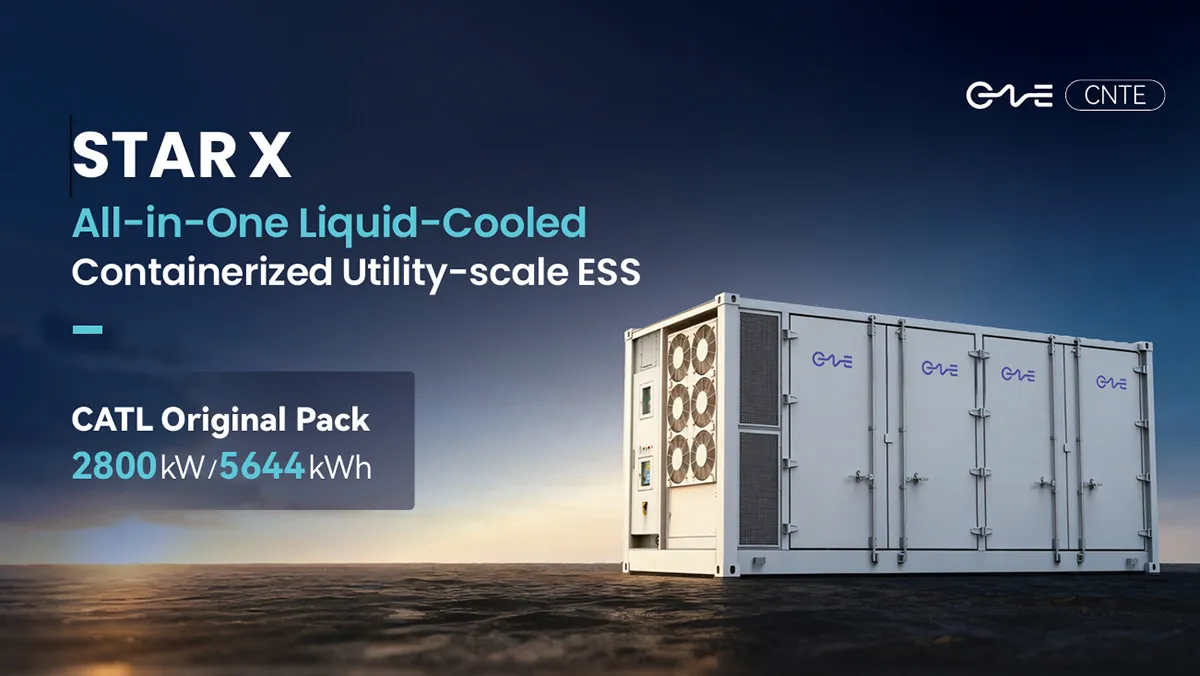
CNTE Launches STAR X Liquid-Cooled DC/AC Integrated Energy Storage System at Intersolar Europe 2026
Jul 06, 2026 -
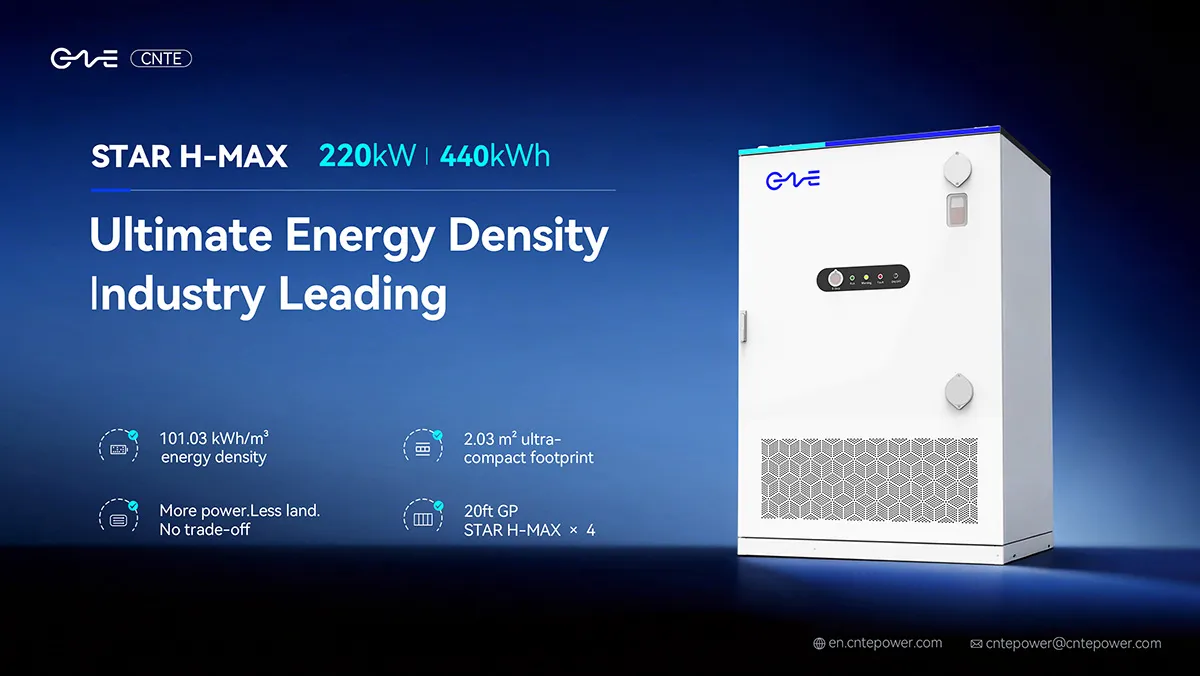
CNTE Unveils New STAR H-MAX Liquid-Cooled C&I ESS at Intersolar Europe 2026
Jun 23, 2026 -
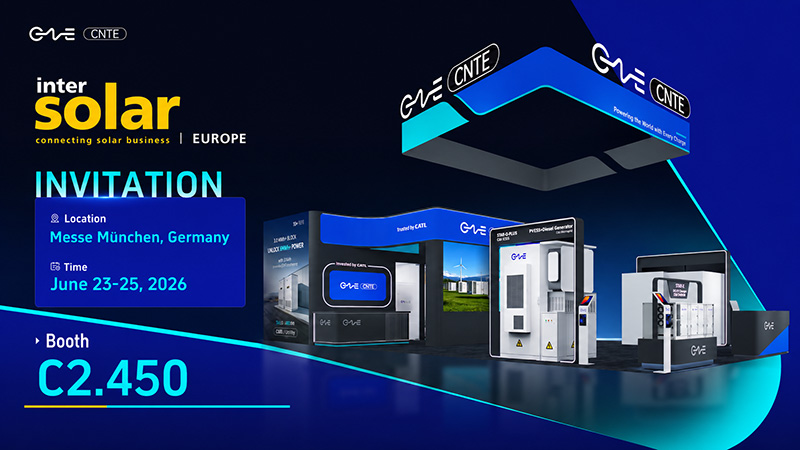
CNTE to Participate in Intersolar Europe 2026
May 20, 2026 -
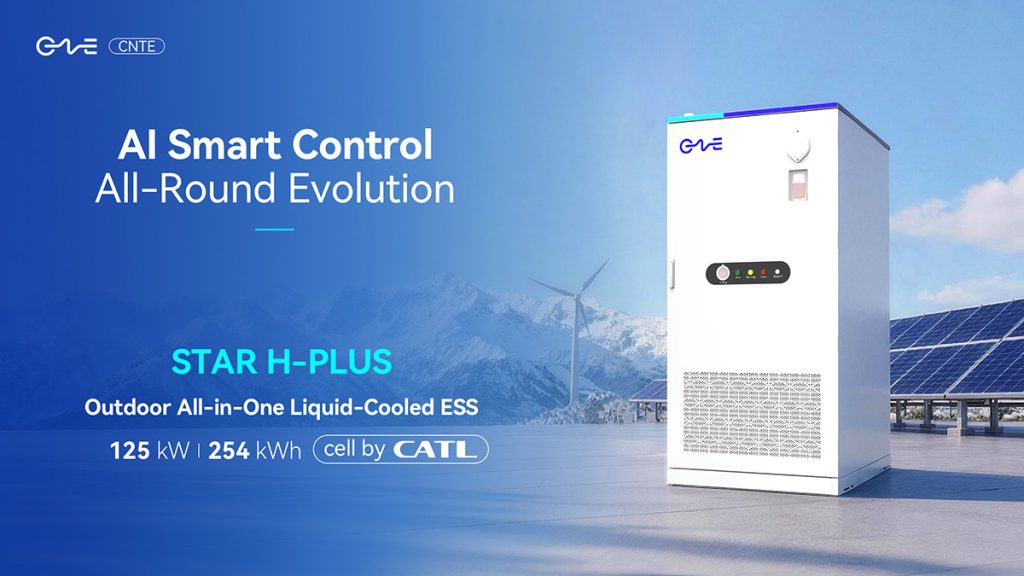
CNTE at KEY ENERGY 2026: Showcases STAR H-PLUS Outdoor Liquid-Cooled Energy Storage System
Mar 05, 2026 -

CNTE Honored as 2025 Forbes China Leading Global Brand
Jul 06, 2026 -

CNTE & YOU.ON Partner to Expand Storage Markets
May 19, 2025 -

CNTE Unveils Energy Storage Lineup at Solartech 2025
May 19, 2025 -
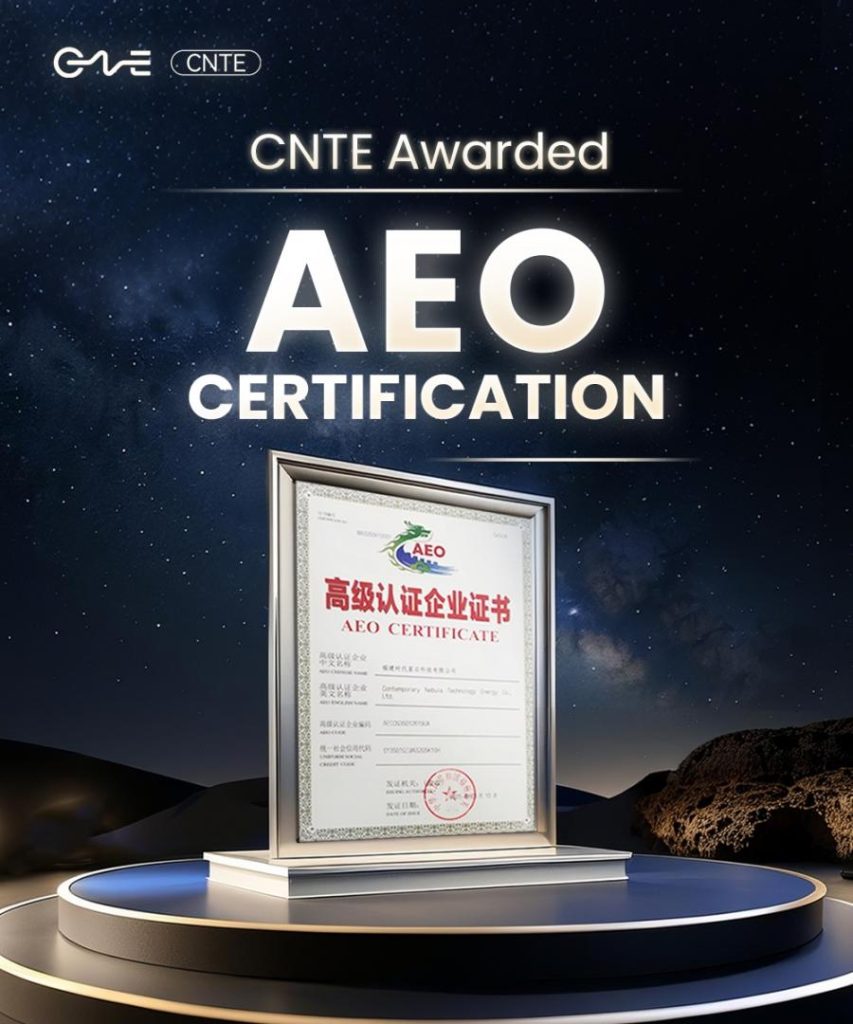
CNTE awarded AEO certification
Jul 06, 2026 -
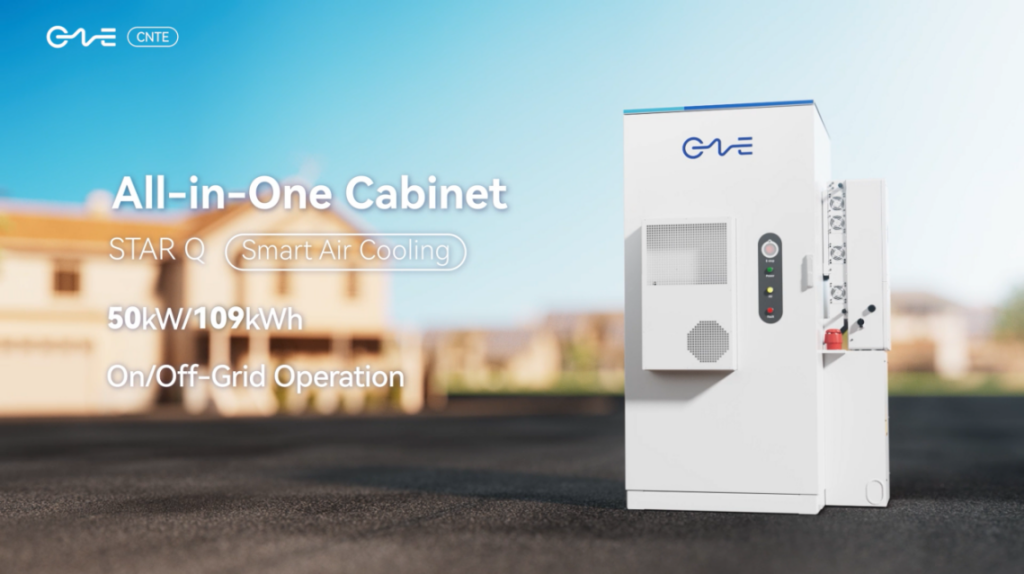
CNTE New Product Launch STAR Q
Jan 15, 2025 -

CNTE Named to Forbes China 2024 Top 30 Go-International Brands
Jul 06, 2026
