
8 Key Reasons Why Big Battery Storage Is Essential for Energy Stability in 2026
The global transition toward renewable energy has created a massive demand for reliable backup systems. Solar and wind power are intermittent by nature, which means they do not provide a constant flow of electricity. To bridge this gap, engineers and utility providers now rely on big battery storage systems. These large-scale installations capture excess energy during peak production and release it when the sun sets or the wind stops blowing. Leading innovators like CNTE (Contemporary Nebula Technology Energy Co., Ltd.) provide the hardware and software necessary to manage these complex energy flows effectively.
Modern infrastructure requires a robust approach to power management. Without a way to store energy, much of the electricity generated by green sources would simply go to waste. A big battery storage setup acts as a massive reservoir for electrons. This technology ensures that hospitals, factories, and residential neighborhoods have access to power 24 hours a day. It also protects the grid from the physical stresses caused by sudden fluctuations in demand.
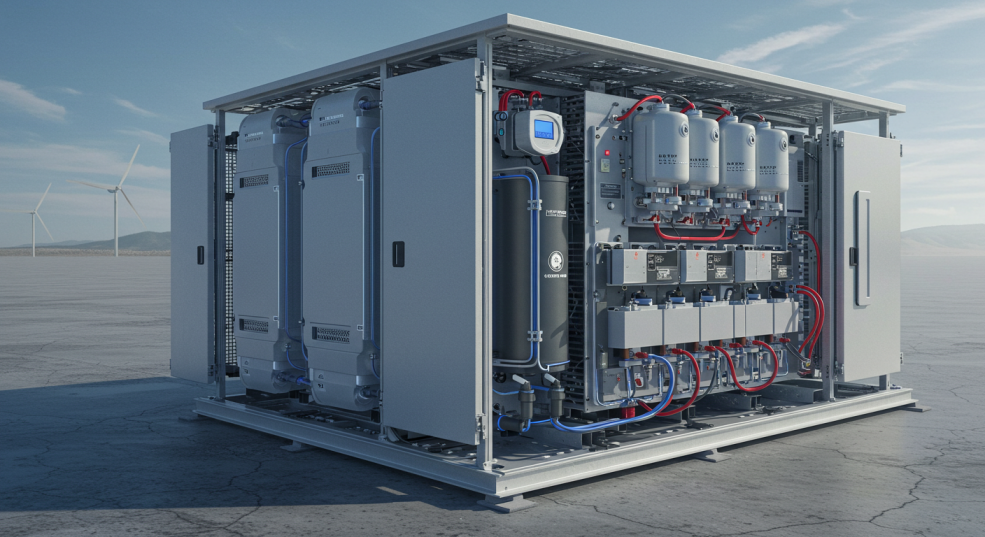
Table of contents cntepower 1 The Evolution of Big Battery Storage in Global Infrastructure 1.1 Grid Stabilization and Frequency Control 1.2 Integrating Renewable Energy Sources 2 Core Technologies Driving Big Battery Storage Efficiency 2.1 Lithium-Ion vs. Next-Gen Chemistries 2.2 Liquid Cooling Systems and Performance 3 Economic Impacts of Industrial Big Battery Storage 3.1 Peak Shaving and Load Leveling 3.2 Avoiding Costly Infrastructure Upgrades 4 Safety and Reliability Standards for Big Battery Storage 4.1 Fire Suppression and Thermal Management 4.2 Monitoring Systems and Cloud Diagnostics 5 Environmental Benefits of Large-Scale Energy Storage 6 Future Trends in Mobile and Modular Energy Storage 7 The Necessity of Big Battery Storage 8 Frequently Asked Questions
The Evolution of Big Battery Storage in Global Infrastructure
Electricity grids were originally designed for centralized fossil fuel plants. These plants adjusted their output to match consumption in real-time. However, the move toward decentralized renewables changed everything. Now, big battery storage serves as the primary tool for grid stabilization. It responds to changes in frequency much faster than a gas turbine ever could. This speed prevents blackouts and reduces the need for “peaker” plants that burn expensive fuel.
Large-scale energy projects are popping up in every corner of the world. From the deserts of Australia to the industrial hubs of Europe, big battery storage is becoming a common sight. These installations often consist of hundreds of individual battery modules housed in weather-resistant containers. They operate silently and produce no direct emissions on-site. This makes them ideal for placement near urban centers where space is limited and air quality is a concern.
Grid Stabilization and Frequency Control
Grid frequency must stay within a very narrow range to prevent equipment damage. When a large factory starts up, it draws a massive amount of power, causing the frequency to drop. A big battery storage system detects this drop in milliseconds. It injects power into the grid almost instantly to balance the load. This rapid response is something that traditional spinning reserves cannot match without significant wear and tear.
Integrating Renewable Energy Sources
Wind farms often produce the most energy at night when demand is lowest. Conversely, solar arrays peak during the middle of the day. A big battery storage facility captures this “off-peak” energy. It stores the power until the evening when people return home and turn on their appliances. This shifting of energy use is called “time-shifting.” It maximizes the value of every kilowatt-hour generated by renewable assets.
Core Technologies Driving Big Battery Storage Efficiency
The efficiency of these systems depends on the chemistry of the cells and the sophistication of the management software. Lithium Iron Phosphate (LFP) has become the preferred choice for big battery storage due to its safety and long life. CNTE (Contemporary Nebula Technology Energy Co., Ltd.) integrates these high-quality cells into modular systems that can scale from a few megawatt-hours to gigawatt-scale projects. This modularity allows for easier maintenance and future expansions.
Thermal management is another critical factor. Batteries generate heat when they charge or discharge rapidly. If this heat is not managed, it can lead to reduced efficiency or even fire hazards. Advanced big battery storage units now use liquid cooling systems. These systems circulate coolant around the battery modules to maintain an even temperature. This technology extends the life of the battery and allows it to operate in extreme weather conditions.
High Energy Density: Storing more power in a smaller physical footprint.
Intelligent BMS: Monitoring the voltage and health of every single cell.
Fire Suppression: Built-in safety protocols to detect and stop thermal runaway.
Fast Charging: Ability to absorb excess grid energy in a matter of minutes.
Lithium-Ion vs. Next-Gen Chemistries
While lithium remains king, researchers are looking at flow batteries and sodium-ion options. However, for current big battery storage needs, lithium-ion offers the best balance of cost and performance. It has a proven track record and a mature supply chain. Most large-scale projects rely on lithium because investors trust the technology’s reliability over a 15-year lifespan.
Liquid Cooling Systems and Performance
Keeping a big battery storage system cool is a major engineering challenge. Air cooling is often insufficient for dense battery racks. Liquid cooling, like the solutions developed by CNTE, provides much better temperature control. By keeping the cells within their “sweet spot,” these systems prevent premature aging. This ensures that the facility delivers the promised capacity throughout its entire service life.
Economic Impacts of Industrial Big Battery Storage
For industrial users, electricity costs are often determined by “peak demand” charges. If a factory uses a massive amount of power for just 15 minutes, their bill for the entire month can skyrocket. A big battery storage system helps by “peak shaving.” The battery provides the extra power during those 15 minutes, so the factory doesn’t have to draw more from the grid. This can save large companies millions of dollars in annual energy expenses.
The energy market also offers opportunities for “arbitrage.” This involves buying electricity when it is cheap and selling it back to the grid when prices are high. A big battery storage operator can automate this process. Using AI-driven software, the system analyzes market trends and executes trades. This turns an energy storage asset into a consistent revenue stream for the owner.
Peak Shaving and Load Leveling
Load leveling involves creating a consistent demand profile for a facility. Instead of seeing sharp spikes in usage, the grid sees a flat line. Using big battery storage to achieve this makes the entire energy system more efficient. It reduces the stress on transformers and local substations. Over time, this leads to lower maintenance costs for the utility provider, which can be passed down to the consumer.
Avoiding Costly Infrastructure Upgrades
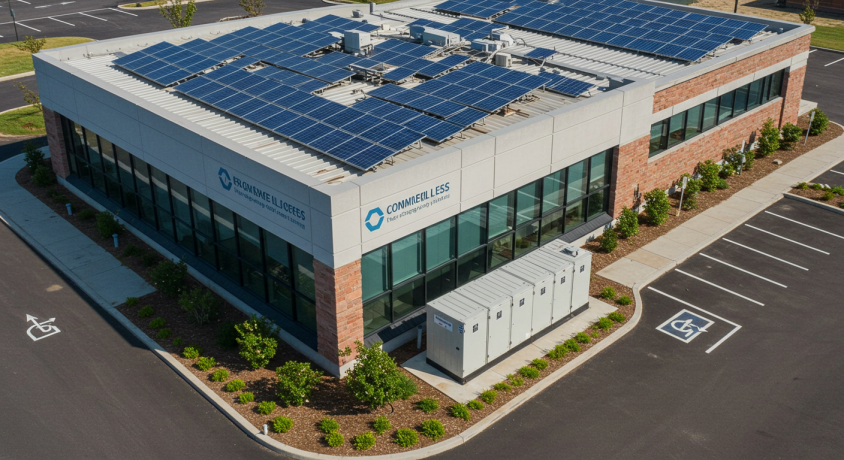
In many cases, building a big battery storage plant is cheaper than laying new high-voltage cables. When a city grows, the existing power lines may become overloaded. Instead of digging up streets to install more wires, the utility can place a storage container at the end of the line. This supports the local grid during peak hours and defers the need for expensive construction projects for years.
Safety and Reliability Standards for Big Battery Storage
Safety is the most important consideration for any large-scale energy project. A big battery storage site contains a vast amount of energy. If that energy is released uncontrollably, the results can be catastrophic. Modern standards like NFPA 855 provide strict guidelines for the design and installation of these systems. Manufacturers must prove that their enclosures can contain a fire and prevent it from spreading to neighboring units.
Redundancy is also built into the system architecture. If one battery module fails, the rest of the big battery storage facility continues to operate. Advanced sensors monitor for “off-gassing,” which is an early warning sign of a battery cell failing. By detecting these issues early, the management software can isolate the affected area and alert maintenance crews before a fire starts.
Early Detection Sensors: Identifying chemical leaks before they become visible.
Structural Integrity: Using reinforced steel containers to house the batteries.
Remote Shutdown: Allowing operators to cut power from a centralized control room.
Water Management: Ensuring that fire suppression systems don’t contaminate local soil.
Fire Suppression and Thermal Management
A high-quality big battery storage system includes multiple layers of defense. The first layer is the Battery Management System (BMS), which prevents overcharging. The second layer is the physical cooling system. The final layer is the active fire suppression system, which can use gas or water mist to extinguish flames. This multi-tiered approach makes big battery storage one of the safest ways to store energy today.
Monitoring Systems and Cloud Diagnostics
Operators can now monitor a big battery storage site from the other side of the world. Cloud-based platforms collect data on voltage, temperature, and cycle counts. This data helps engineers predict when a component might fail. Predictive maintenance reduces downtime and ensures the system is always ready when the grid needs it most. CNTE provides integrated software that makes this data easy to visualize and act upon.
Environmental Benefits of Large-Scale Energy Storage
The primary goal of big battery storage is to eliminate our reliance on fossil fuels. Every megawatt-hour stored in a battery is a megawatt-hour that doesn’t have to be generated by coal or gas. As the manufacturing process for batteries becomes cleaner, the “carbon payback” time for these systems continues to drop. Most batteries now pay for their environmental cost within the first two years of operation.
Recycling is also becoming a major part of the big battery storage lifecycle. When a battery reaches the end of its life, it isn’t just thrown away. Almost 95% of the materials, including lithium, cobalt, and nickel, can be recovered. This creates a “circular economy” where old grid batteries are turned into new ones. This reduces the need for destructive mining operations and makes the entire energy sector more sustainable.
Future Trends in Mobile and Modular Energy Storage
We are seeing a move toward more flexible big battery storage solutions. Some units are now built into trailers so they can be moved to where they are needed most. For example, a music festival or a disaster relief zone might need temporary power. A mobile big battery storage unit can provide clean, quiet energy without the noise of a diesel generator. This flexibility is changing how we think about emergency power and temporary infrastructure.
Artificial Intelligence will play an even larger role in the future. AI can predict weather patterns and adjust the big battery storage charging schedule accordingly. If the software knows a storm is coming, it can ensure the batteries are 100% full before the wind starts blowing. This proactive management makes the grid much more resilient against climate change and extreme weather events.
The Necessity of Big Battery Storage
The energy transition is no longer a distant goal; it is happening right now. Big battery storage provides the stability and flexibility required to make this transition a success. By capturing renewable energy and releasing it when needed, these systems prevent waste and lower costs. They serve as the heartbeat of the modern grid, ensuring that our lights stay on without damaging the planet.
Companies like CNTE (Contemporary Nebula Technology Energy Co., Ltd.) are at the forefront of this movement. Their commitment to safety, efficiency, and modular design helps utilities and industrial clients meet their energy goals. As we look toward a greener future, the role of big battery storage will only continue to grow. It is the most effective tool we have for building a resilient, sustainable, and affordable energy network for everyone.
Frequently Asked Questions
Q1: How long does a big battery storage system last?
A1: Most commercial big battery storage systems are designed to last between 10 and 20 years. The actual lifespan depends on how often the battery is charged and discharged. High-quality thermal management and smart software can extend this lifespan significantly by preventing the cells from overheating.
Q2: Is big battery storage safe for residential areas?
A2: Yes. These systems are housed in rugged, fire-rated containers. They must meet strict safety standards such as UL 9540A and NFPA 855. Because big battery storage produces no noise or exhaust fumes, it is actually much more pleasant for neighbors than a traditional power plant or a gas generator.
Q3: How much space does a big battery storage facility need?
A3: It depends on the capacity. A standard 20-foot shipping container can hold enough energy to power several hundred homes for a few hours. Because big battery storage is modular, it can be tucked into small corners of industrial parks or placed in large clusters in rural areas to support entire cities.
Q4: Can big battery storage work with existing solar panels?
A4: Absolutely. In fact, most big battery storage projects are built specifically to complement solar farms. The battery absorbs the excess midday sun and releases it during the evening peak. This makes the solar energy much more valuable and reliable for the grid operator.
Q5: What happens to the batteries after they are retired?
A5: At the end of its life, a big battery storage module is sent to a specialized recycling facility. The metals inside are extracted and refined for use in new batteries. Some batteries are also given a “second life” in less demanding applications, such as providing backup power for telecommunications towers, before they are finally recycled.
Q6: How does big battery storage save money for businesses?
A6: Businesses use big battery storage to avoid high peak-demand charges from their utility. By using stored energy during the most expensive times of the day, they reduce their total electricity bill. Additionally, some businesses get paid by the grid operator to provide emergency power during shortages.
Get in Touch
Recent Posts
-
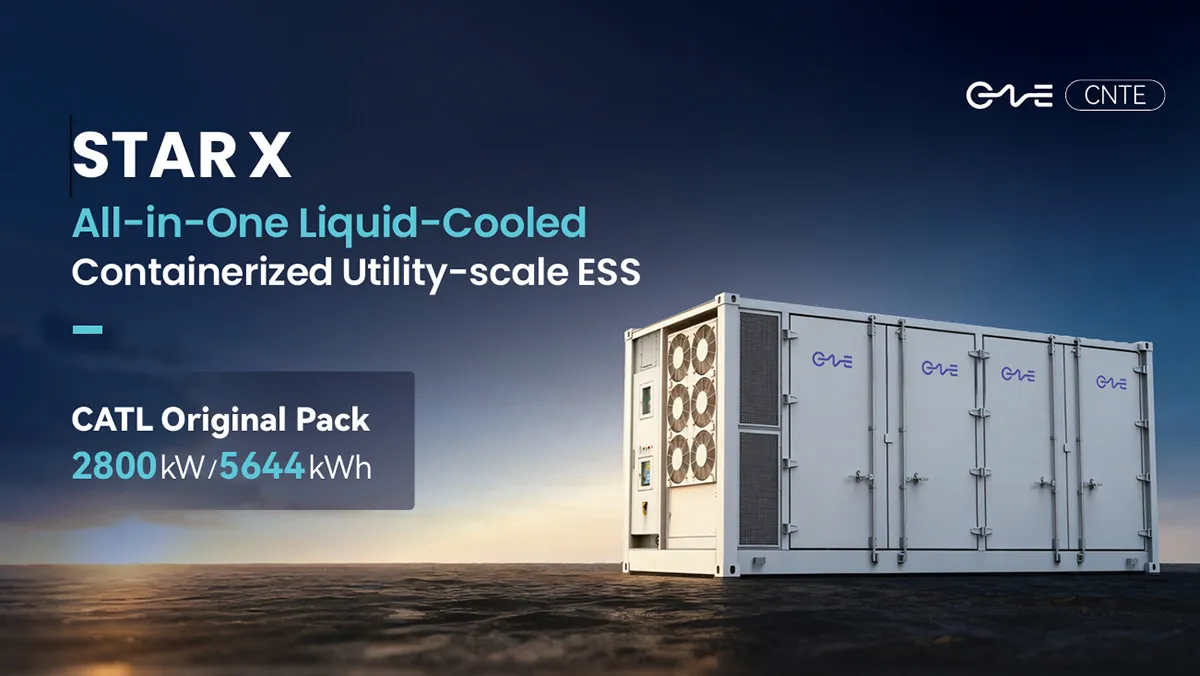
CNTE Launches STAR X Liquid-Cooled DC/AC Integrated Energy Storage System at Intersolar Europe 2026
Jul 06, 2026 -
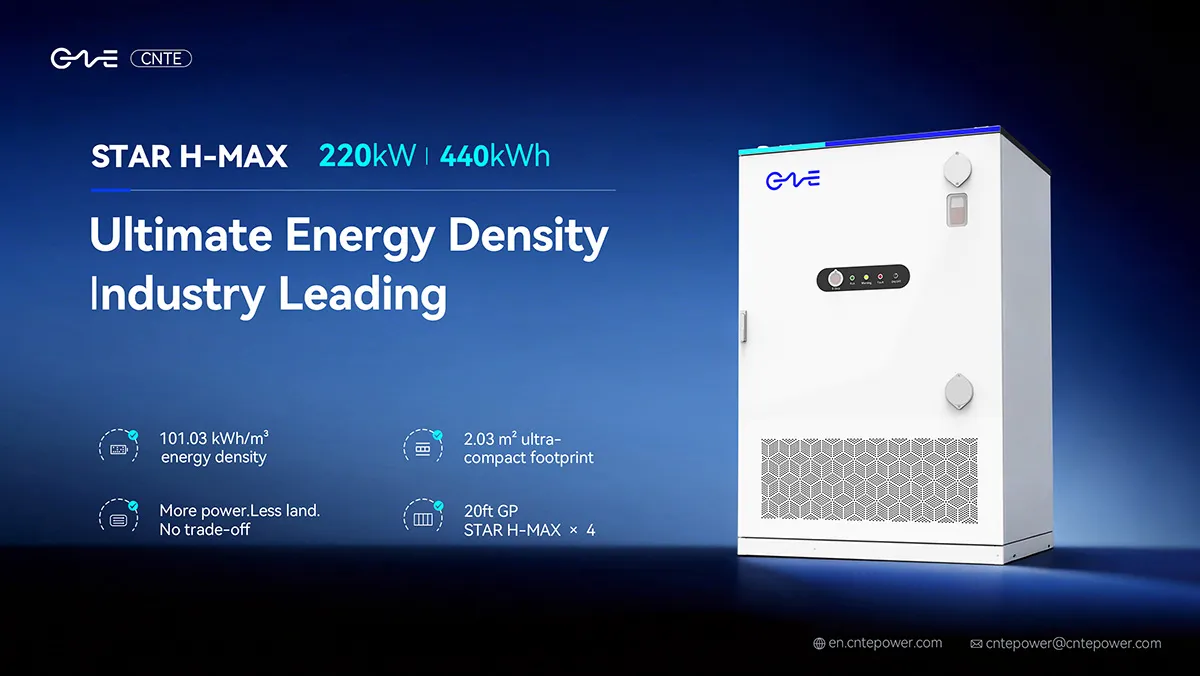
CNTE Unveils New STAR H-MAX Liquid-Cooled C&I ESS at Intersolar Europe 2026
Jun 23, 2026 -
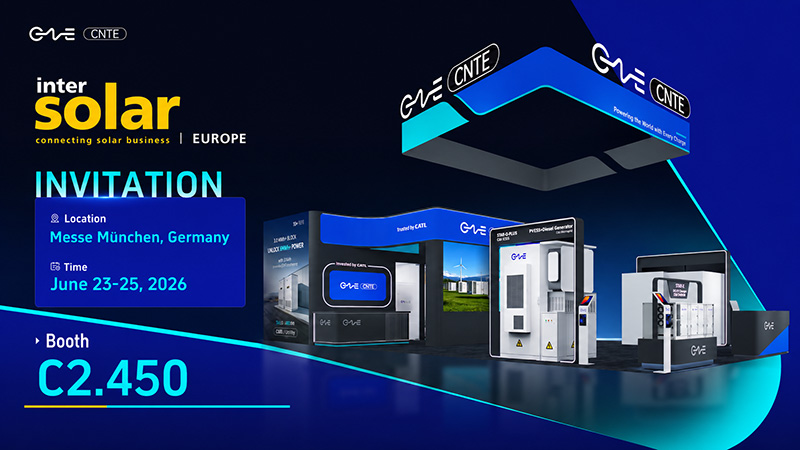
CNTE to Participate in Intersolar Europe 2026
May 20, 2026 -
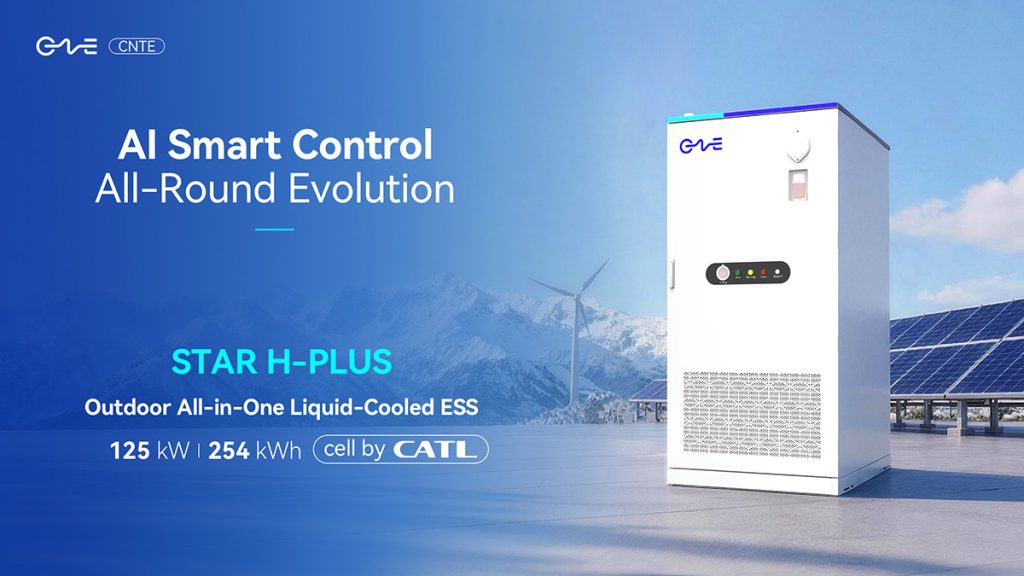
CNTE at KEY ENERGY 2026: Showcases STAR H-PLUS Outdoor Liquid-Cooled Energy Storage System
Mar 05, 2026 -

CNTE Honored as 2025 Forbes China Leading Global Brand
Jul 06, 2026 -

CNTE & YOU.ON Partner to Expand Storage Markets
May 19, 2025 -

CNTE Unveils Energy Storage Lineup at Solartech 2025
May 19, 2025 -
CNTE awarded AEO certification
Jul 06, 2026 -
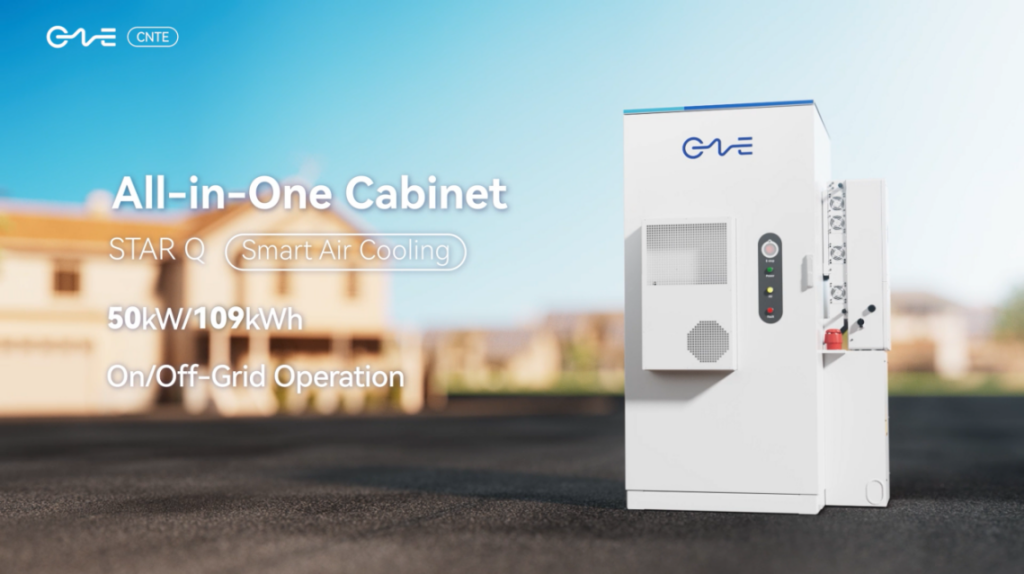
CNTE New Product Launch STAR Q
Jan 15, 2025 -

CNTE Named to Forbes China 2024 Top 30 Go-International Brands
Jul 06, 2026
