
7 Key Factors Determining Solar Energy Storage Battery Price for B2B Projects
As commercial enterprises, industrial facilities, and utility sectors accelerate their transition toward renewable power generation, understanding the intricacies of the solar energy storage battery price becomes a fundamental requirement for project developers and procurement managers. Evaluating the financial viability of a Battery Energy Storage System (BESS) extends far beyond the upfront capital expenditure (CAPEX). It requires a rigorous, data-driven analysis of the Levelized Cost of Storage (LCOS), component degradation curves, system integration expenses, and long-term operational expenditures (OPEX).
For B2B stakeholders, navigating the procurement of high-capacity energy storage solutions involves balancing initial hardware costs against lifecycle performance. A system that appears economical on paper may incur prohibitive maintenance and augmentation costs over a 15-year operational lifespan. This comprehensive analysis evaluates the technical variables, market dynamics, and operational factors that dictate the costs of industrial-scale energy storage solutions, providing decision-makers with the insights needed to optimize their total cost of ownership (TCO).
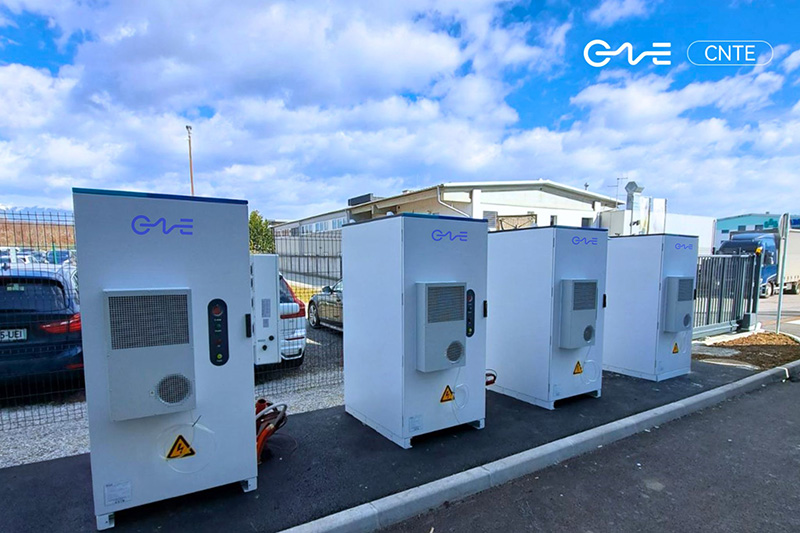
Table of contents cntepower 1 Deconstructing the Hardware: Core Drivers of the solar energy storage battery price 1.1 Cell Chemistry Selection: Lithium Iron Phosphate (LFP) vs. Nickel Manganese Cobalt (NMC) 1.2 Power Conversion Systems (PCS) and Battery Management Systems (BMS) 1.3 Thermal Management and Fire Suppression Infrastructure 2 Application Scenarios Dictating Investment Costs 2.1 Utility-Scale Grid Balancing and Frequency Regulation 2.2 Commercial and Industrial (C&I) Peak Shaving 2.3 Microgrids and Off-Grid Remote Operations 3 Industry Pain Points in Procurement and Deployment 3.1 Hidden Costs Beyond the Initial CAPEX 3.2 Interoperability and System Integration Challenges 4 Strategic Cost Optimization with CNTE (Contemporary Nebula Technology Energy Co., Ltd.) 5 Forecasting the Future of BESS Economics 6 Frequently Asked Questions (FAQ)
Deconstructing the Hardware: Core Drivers of the solar energy storage battery price
A commercial BESS is a complex integration of electrochemistry, power electronics, and thermal management infrastructure. To understand the pricing structure, one must break down the system into its primary technical components.
Cell Chemistry Selection: Lithium Iron Phosphate (LFP) vs. Nickel Manganese Cobalt (NMC)
The electrochemical cells represent the largest single cost center in any energy storage project, typically accounting for 40% to 50% of the total system cost. In the current market, the chemistry chosen dramatically impacts the financial modeling:
Lithium Iron Phosphate (LFP): LFP has become the dominant chemistry for stationary storage. It offers superior thermal stability, significantly reducing the risk of thermal runaway. Furthermore, LFP cells routinely achieve lifespans of 6,000 to 10,000 cycles depending on the Depth of Discharge (DoD). Because LFP relies on abundant materials like iron and phosphorus—avoiding expensive and volatile metals like cobalt—it generally presents a lower upfront cost per kilowatt-hour (kWh).
Nickel Manganese Cobalt (NMC): NMC cells provide higher volumetric energy density, meaning they require less physical footprint for the same capacity. However, they are more susceptible to thermal degradation and possess shorter cycle lives (typically 3,000 to 5,000 cycles). The reliance on cobalt makes NMC pricing highly susceptible to global supply chain volatility.
Power Conversion Systems (PCS) and Battery Management Systems (BMS)
Hardware costs are heavily influenced by the power electronics required to make the battery functional and safe. The Power Conversion System (PCS) acts as the bridge between the DC battery pack and the AC grid. A high-efficiency PCS handles bidirectional power flow, reactive power compensation, and voltage ride-through capabilities, contributing to approximately 10% to 15% of the total project cost.
Similarly, the Battery Management System (BMS) acts as the central nervous system of the storage unit. An advanced BMS continuously monitors individual cell voltage, temperature, State of Charge (SOC), and State of Health (SOH). Active cell balancing algorithms implemented by a premium BMS prevent premature capacity degradation, thereby protecting the investment and lowering the lifecycle cost.
Thermal Management and Fire Suppression Infrastructure
Stationary batteries generate significant heat during charging and discharging cycles. Maintaining an optimal temperature range (usually between 20°C and 25°C) is vital for maximizing cell longevity. The choice of thermal management directly influences the solar energy storage battery price:
Air Cooling (HVAC): Traditionally used in earlier BESS designs, air cooling is less expensive upfront but suffers from higher parasitic loads (consuming energy to run the fans and compressors) and uneven temperature distribution across battery modules.
Liquid Cooling: Modern utility and commercial systems increasingly utilize liquid cooling. A network of cold plates circulates a water-glycol mixture, keeping temperature differentials within the battery rack to less than 3°C. While this requires a higher initial CAPEX, the resulting extension of battery life and reduction in auxiliary power consumption dramatically improves the long-term LCOS.
Application Scenarios Dictating Investment Costs
The deployment environment and intended use case directly dictate the system architecture, which in turn alters the baseline solar energy storage battery price.
Utility-Scale Grid Balancing and Frequency Regulation
Utility-scale projects, often measured in Megawatt-hours (MWh) or Gigawatt-hours (GWh), benefit significantly from economies of scale. These systems are procured for energy arbitrage (buying low, selling high), frequency regulation, and grid stabilization. While the per-kWh hardware cost is minimized due to volume purchasing, utility deployments face massive indirect costs. High-voltage transformers, substation upgrades, complex grid interconnection studies, and stringent compliance with regional transmission organizations require substantial capital.
Commercial and Industrial (C&I) Peak Shaving
For large-scale manufacturing plants, data centers, and commercial facilities, BESS deployments are typically located behind-the-meter (BTM). The primary financial drivers here are demand charge reduction (peak shaving) and load shifting. A sophisticated Energy Management System (EMS) is required to predict facility load profiles and dispatch battery power exactly when utility rates peak. The hardware in C&I applications is often highly integrated, utilizing modular outdoor cabinets with IP54 or IP65 ratings to withstand environmental exposure.
Microgrids and Off-Grid Remote Operations
Remote mining operations, island communities, and military outposts rely on microgrids to sever their dependence on expensive diesel generators. Energy storage in these scenarios requires extreme robustness, high C-rates (the rate at which a battery is discharged relative to its maximum capacity), and prolonged autonomy. Because these systems must operate independently and survive harsh climates, the enclosure, shipping, and specialized commissioning costs drive up the initial expenditure.
Industry Pain Points in Procurement and Deployment
Procurement teams often face severe challenges when budgeting for renewable infrastructure. Misunderstanding these pain points leads to gross underestimations of project requirements.
Hidden Costs Beyond the Initial CAPEX
Many developers make the error of focusing exclusively on the ex-works hardware cost. The true financial picture must include Engineering, Procurement, and Construction (EPC) expenses, site preparation, concrete padding, and permitting fees. Furthermore, developers must account for augmentation. Because lithium-ion batteries degrade over time (typically losing 1-2% capacity annually), maintaining a guaranteed power output requires purchasing and installing additional battery racks in years 5 through 8 of the project lifecycle.
Interoperability and System Integration Challenges
Sourcing individual components—procuring battery racks from one vendor, the PCS from another, and the EMS from a third—often creates a fragmented system architecture. This mismatch results in communication protocol errors between the BMS and EMS, leading to commissioning delays, reduced round-trip efficiency, and inflated integration costs.
Strategic Cost Optimization with CNTE (Contemporary Nebula Technology Energy Co., Ltd.)
To mitigate integration risks and control budgetary overruns, industry leaders are shifting toward fully integrated, turnkey solutions. CNTE (Contemporary Nebula Technology Energy Co., Ltd.) stands at the forefront of this methodology, offering all-scenario energy storage system solutions designed for commercial, industrial, and utility-scale environments.
By engineering pre-assembled, fully integrated BESS units—complete with LFP cells, liquid cooling infrastructure, proprietary BMS, and integrated power electronics—CNTE (Contemporary Nebula Technology Energy Co., Ltd.) drastically reduces on-site installation time. This pre-fabrication strategy minimizes highly variable local labor costs and eliminates the interoperability conflicts that plague multi-vendor configurations. As a result, the comprehensive solar energy storage battery price is optimized, yielding a lower, highly predictable LCOS. Their high-cycle LFP technology further ensures that degradation curves are kept to an absolute minimum, allowing enterprises to maximize their return on investment (ROI) over a 15-to-20-year operational horizon.
Forecasting the Future of BESS Economics
As we look to the next decade, the economic models surrounding battery storage will continue to evolve. Supply chain stabilization, localized manufacturing, and automated assembly lines will exert downward pressure on cell manufacturing costs. Furthermore, governmental incentives—such as the Investment Tax Credit (ITC) under the U.S. Inflation Reduction Act (IRA) and similar European green energy grants—can subsidize up to 30-40% of the project capital.
Technological advancements, including the commercialization of solid-state batteries and sodium-ion chemistry, promise to further diversify the market. Sodium-ion, in particular, leverages highly abundant materials, presenting a potential path toward a significantly lower solar energy storage battery price for stationary applications where energy density is secondary to cost and safety.
Frequently Asked Questions (FAQ)
Q1: What is the average solar energy storage battery price per kWh for utility-scale projects in 2026?
A1: As of 2026, the fully installed cost for utility-scale lithium-ion BESS typically ranges from $250 to $400 per kWh, depending on the duration of the storage (2-hour vs. 4-hour systems). The bare hardware cost (DC block only) may sit between $130 and $180 per kWh, but EPC, inverters, and grid integration make up the remainder of the installed cost.
Q2: How does Depth of Discharge (DoD) impact the long-term financial return of a BESS?
A2: Depth of Discharge refers to the percentage of the battery’s capacity that has been used. Discharging a battery to 100% DoD regularly will accelerate chemical degradation, severely shortening its cycle life. By limiting the DoD to 80% or 90% via the Battery Management System, operators can extend the lifespan of the battery by thousands of cycles, thereby delaying costly replacements and lowering the Levelized Cost of Storage.
Q3: Why is liquid cooling becoming the standard for commercial and grid-scale storage?
A3: Liquid cooling offers superior thermal conductivity compared to air cooling. It maintains a highly uniform temperature across all battery cells, preventing localized hotspots that cause uneven degradation. While it carries a higher initial hardware cost, the reduction in parasitic energy losses and the extension of battery cell longevity result in much better financial performance over a 15-year period.
Q4: What are the primary hidden costs associated with commercial solar storage procurement?
A4: B2B buyers frequently underestimate costs related to site engineering (such as pouring reinforced concrete pads), specialized shipping for hazardous materials, grid interconnection studies, permitting fees, and long-term capacity augmentation strategies needed to combat natural battery degradation.
Q5: How does CNTE (Contemporary Nebula Technology Energy Co., Ltd.) ensure the longevity and safety of their energy storage solutions?
A5: They utilize highly stable Lithium Iron Phosphate (LFP) cell chemistry paired with advanced liquid cooling thermal management. Additionally, their systems feature proprietary, multi-tiered Battery Management Systems (BMS) that actively balance cell voltages and monitor thermal loads in real time, virtually eliminating the risk of thermal runaway while maximizing system uptime and total cycle life.
Get in Touch
Recent Posts
-
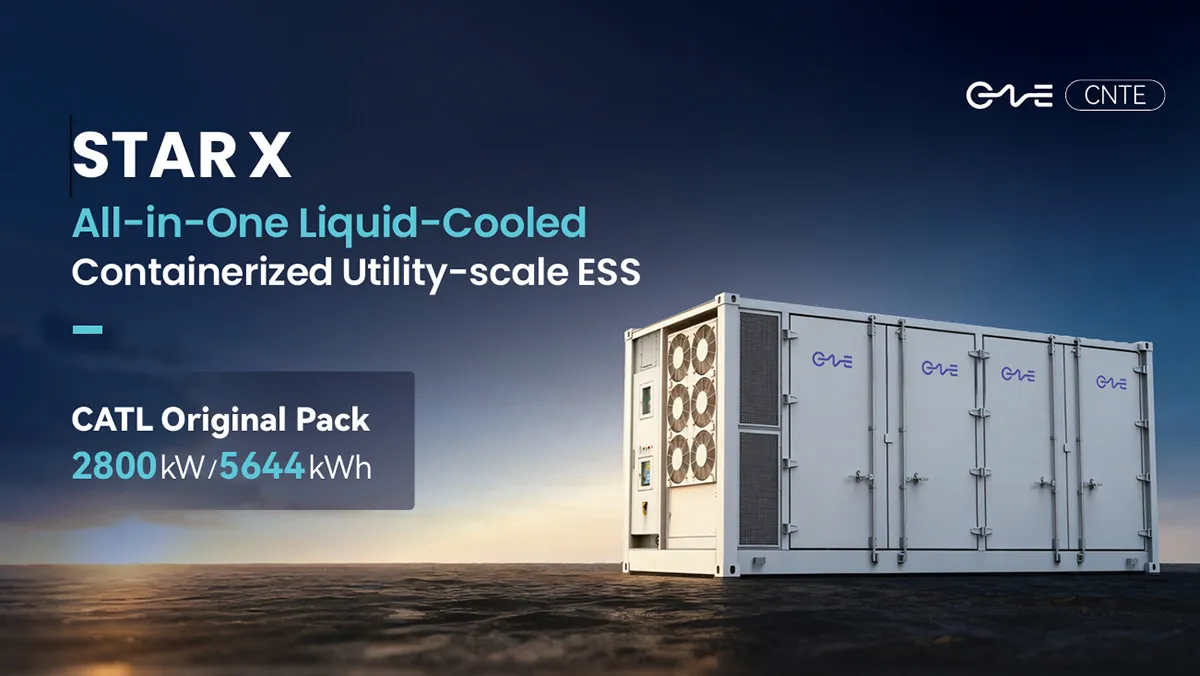
CNTE Launches STAR X Liquid-Cooled DC/AC Integrated Energy Storage System at Intersolar Europe 2026
Jul 06, 2026 -
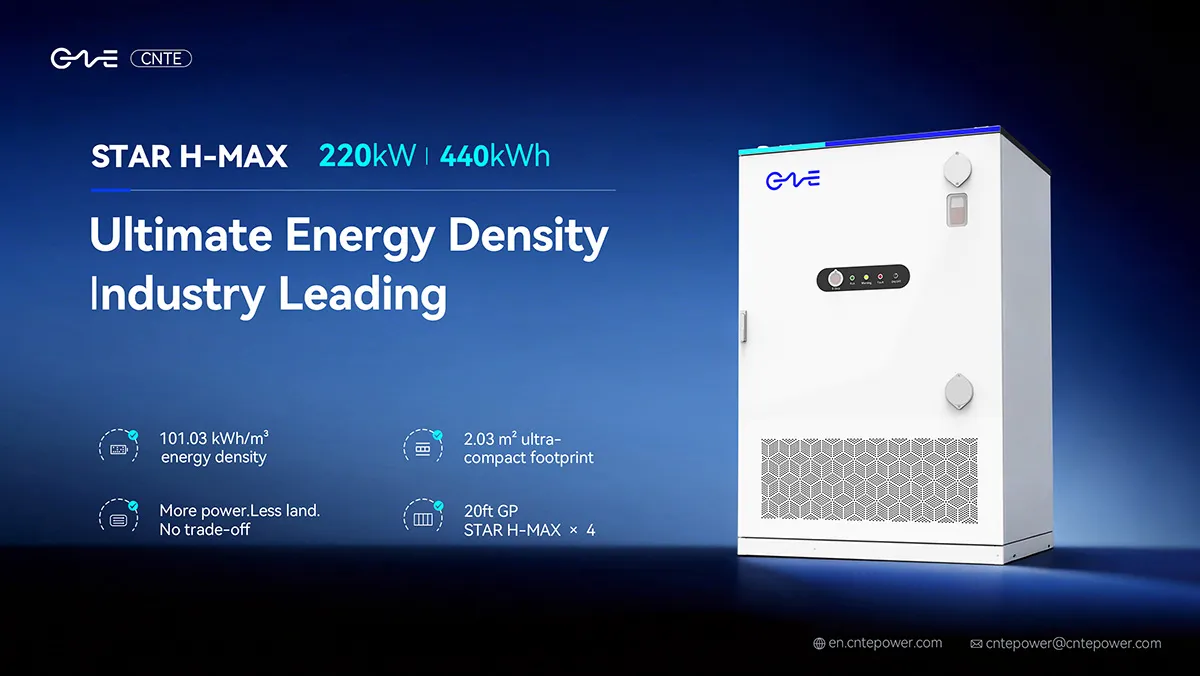
CNTE Unveils New STAR H-MAX Liquid-Cooled C&I ESS at Intersolar Europe 2026
Jun 23, 2026 -
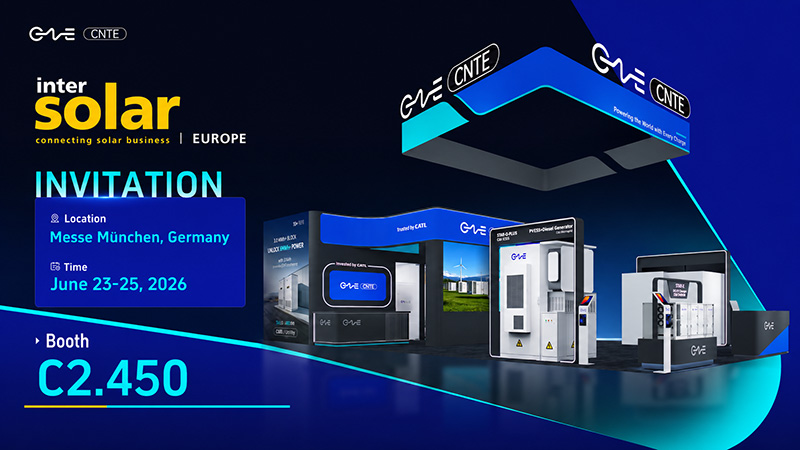
CNTE to Participate in Intersolar Europe 2026
May 20, 2026 -
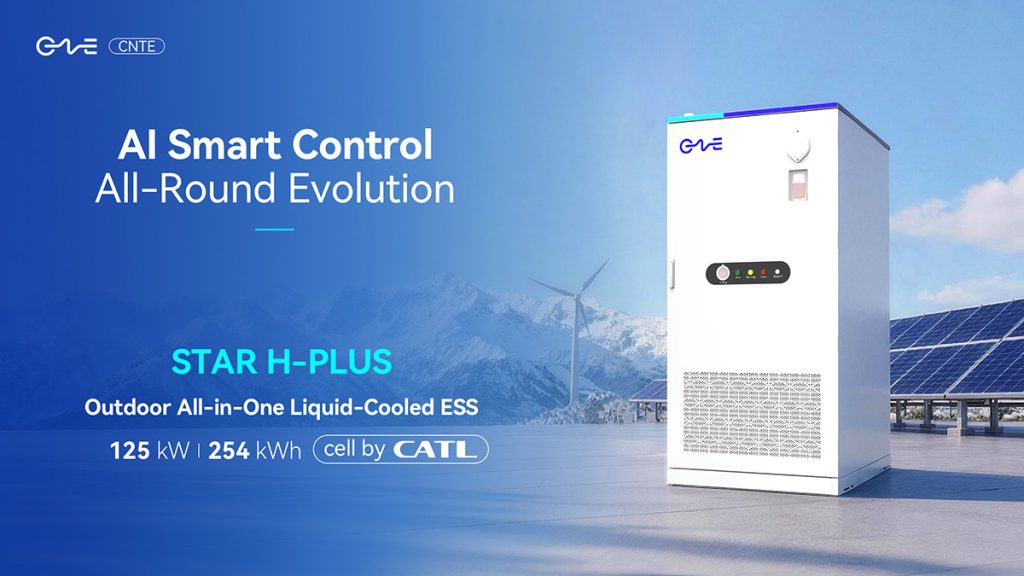
CNTE at KEY ENERGY 2026: Showcases STAR H-PLUS Outdoor Liquid-Cooled Energy Storage System
Mar 05, 2026 -

CNTE Honored as 2025 Forbes China Leading Global Brand
Jul 06, 2026 -

CNTE & YOU.ON Partner to Expand Storage Markets
May 19, 2025 -

CNTE Unveils Energy Storage Lineup at Solartech 2025
May 19, 2025 -
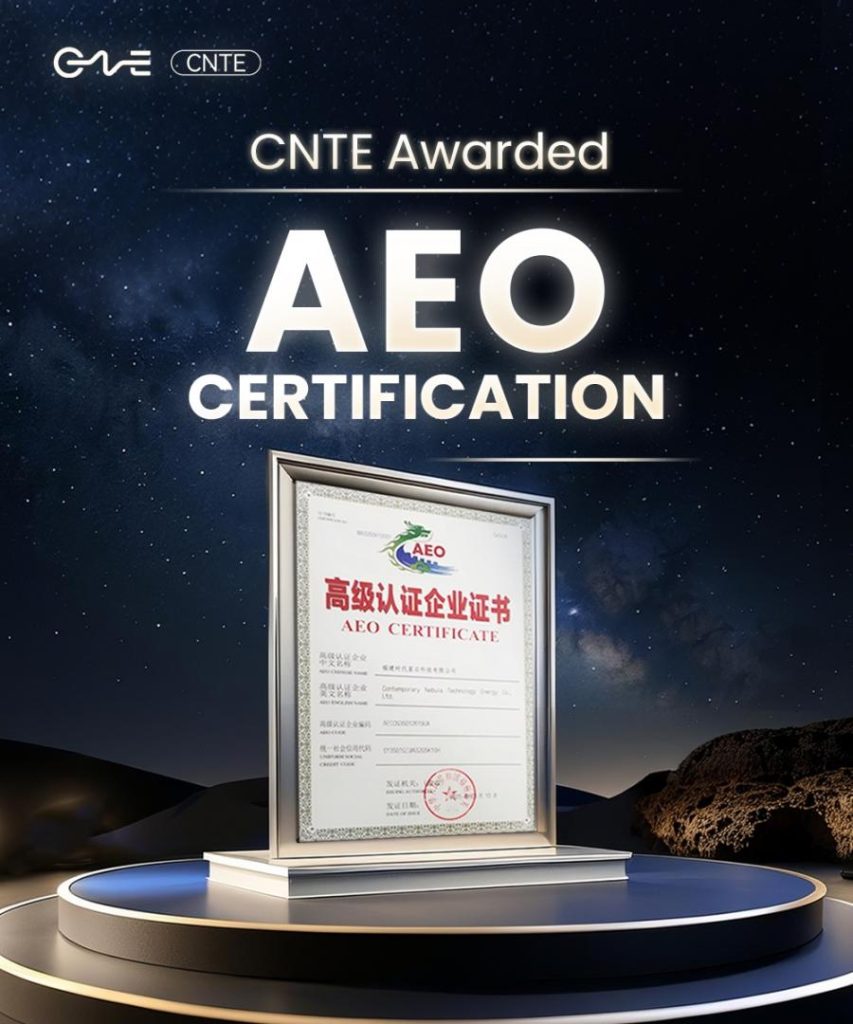
CNTE awarded AEO certification
Jul 06, 2026 -
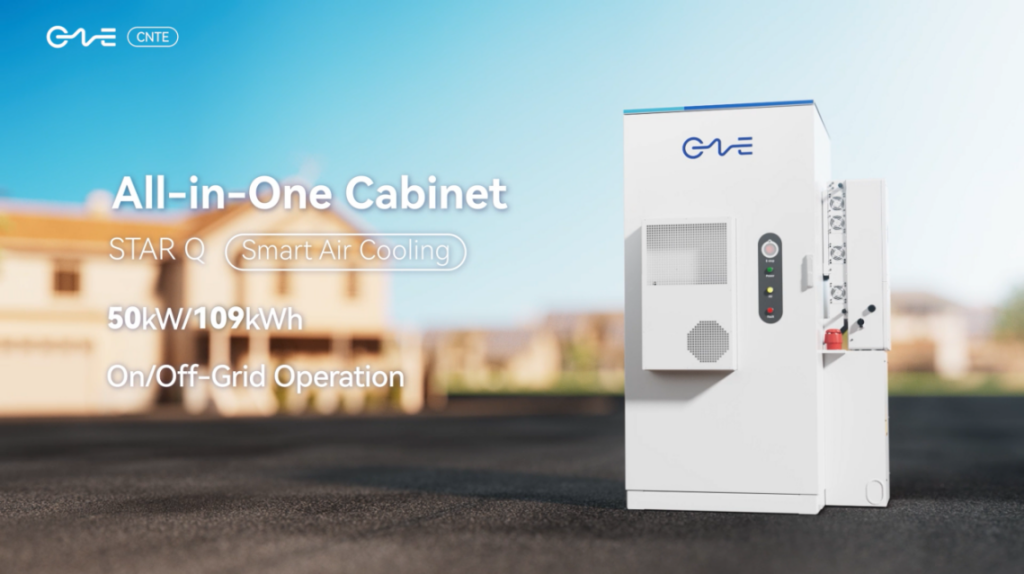
CNTE New Product Launch STAR Q
Jan 15, 2025 -

CNTE Named to Forbes China 2024 Top 30 Go-International Brands
Jul 06, 2026
