
7 Advanced Mechanisms Driving the Modern ESS Tech Battery Revolution
The global transition toward renewable power generation relies heavily on the stability and reliability of large-scale energy storage. Because solar and wind power are inherently intermittent, grid operators and industrial facilities require robust stabilization assets. At the very foundation of this infrastructural shift is the ess tech battery, a highly complex integration of advanced electrochemical cells, intelligent monitoring algorithms, and sophisticated power electronics. Designing and deploying these large-scale systems involves navigating strict safety standards, managing thermal loads, and optimizing the financial returns of industrial deployments.
Industrial consumers and utility operators face persistent challenges, including frequency deviations, high peak demand charges, and grid interoperability hurdles. Solving these operational pain points demands engineering excellence and rigorous system integration. This is where CNTE (Contemporary Nebula Technology Energy Co., Ltd.) stands out as a leading authority, delivering all-scenario solutions that optimize asset longevity and grid reliability. In this comprehensive technical analysis, we will examine the architectural components, thermal management protocols, and deployment strategies that define modern high-capacity energy storage.
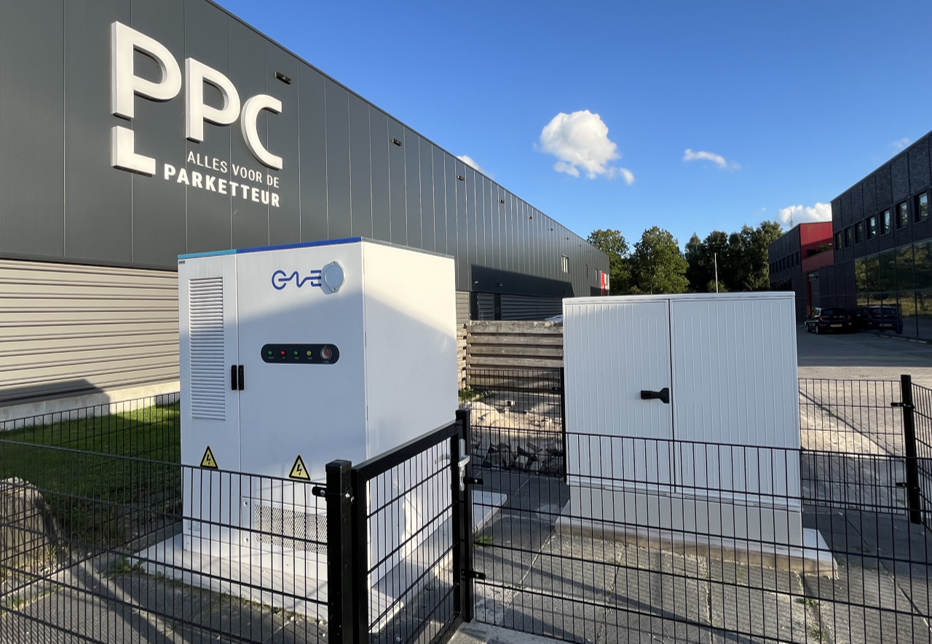
Table of contents cntepower 1 1. The Electrochemical Foundation: Cell Chemistry and Degradation Mechanisms 1.1 Lithium Iron Phosphate (LFP) vs. NMC Architectures 1.2 Understanding Capacity Fade and Impedance Growth 2 2. Intelligent Oversight: The Battery Management System (BMS) 2.1 State Estimation Algorithms 2.2 Active and Passive Cell Balancing 3 3. Thermal Management Protocols in an ess tech battery 3.1 Air Cooling vs. Liquid Cooling Technologies 4 4. Resolving Grid-Scale Interoperability Pain Points 4.1 The Role of the Power Conversion System (PCS) 4.2 Frequency Regulation and Synthetic Inertia 5 5. Commercial and Industrial (C&I) Microgrid Deployments 5.1 Peak Shaving and Demand Charge Mitigation 5.2 Achieving True Energy Resilience 6 6. Navigating Safety and Regulatory Compliance 6.1 Multi-Level Deflagration and Fire Suppression 7 7. Future Engineering Trajectories for High-Capacity Storage 8 Frequently Asked Questions (FAQ) 9 Secure Your Grid Infrastructure Today
1. The Electrochemical Foundation: Cell Chemistry and Degradation Mechanisms
The performance, safety, and operational lifespan of any storage facility are dictated by its underlying cell chemistry. In the commercial and utility sectors, the selection of electrochemical materials is paramount to achieving a low Levelized Cost of Storage (LCOS).
Lithium Iron Phosphate (LFP) vs. NMC Architectures
Currently, Lithium Iron Phosphate (LFP) dominates the industrial storage sector. Unlike Nickel Manganese Cobalt (NMC) chemistries, which prioritize high volumetric energy density for mobile applications, LFP provides superior thermal stability and structural longevity. The strong covalent P-O (phosphorus-oxygen) bonds within the LFP cathode resist oxygen release even under extreme temperature stress, significantly mitigating the risk of thermal runaway.
Furthermore, LFP cells routinely achieve lifecycles exceeding 6,000 to 8,000 cycles at a high Depth of Discharge (DoD) before their capacity degrades to 80% of the original baseline. This high cycle life makes them the preferred choice for utility-scale battery storage, where assets are expected to perform daily arbitrage and frequency regulation duties for over 15 years.
Understanding Capacity Fade and Impedance Growth
Despite their robust nature, all electrochemical cells experience degradation. Solid Electrolyte Interphase (SEI) layer growth consumes active lithium ions over time, leading to capacity fade. Simultaneously, internal impedance growth restricts power delivery. Engineers meticulously model these degradation patterns to oversize the initial deployment, ensuring the system meets contractual power obligations at the end of its projected lifespan.
2. Intelligent Oversight: The Battery Management System (BMS)
A multi-megawatt storage array contains thousands of individual cells. Managing the voltage, current, and temperature variances among these cells requires a highly deterministic and rapid-response control architecture.
State Estimation Algorithms
The primary function of the BMS is to calculate the State of Charge (SOC) and State of Health (SOH). Modern controllers utilize advanced battery management algorithms, combining traditional Coulomb counting with adaptive Kalman filtering. This hybrid approach dynamically corrects sensor drift and provides precise SOC estimations, preventing destructive overcharge or deep-discharge events.
Active and Passive Cell Balancing
Manufacturing tolerances naturally cause slight variations in internal resistance and capacity among cells. Over repeated charge cycles, these imbalances compound, reducing the total usable capacity of the rack. Passive balancing circuits bleed off excess energy from higher-voltage cells as heat, while active balancing redistributes energy from strong cells to weaker ones using DC-DC converters, thereby maximizing system efficiency.
3. Thermal Management Protocols in an ess tech battery
Electrochemical charge and discharge cycles generate significant localized heat due to internal resistance (Joule heating). If unmanaged, this heat accelerates SEI degradation and poses severe safety risks. Effective thermal management is vital for maintaining the internal environment within the optimal 20°C to 25°C operational window.
Air Cooling vs. Liquid Cooling Technologies
Historically, HVAC-based forced air cooling was the standard for containerized systems. However, air has a low specific heat capacity, often resulting in uneven temperature gradients across large battery racks, where cells near the HVAC unit degrade slower than those at the rear.
Modern architectures increasingly rely on liquid-cooled energy storage systems. By circulating a water-glycol coolant mixture through micro-channel cold plates directly attached to the battery modules, liquid cooling achieves exceptional thermal uniformity (often maintaining cell-to-cell temperature differences below 3°C). This uniformity extends the overall asset lifespan and allows for higher energy density footprints, as modules can be packed more tightly without airflow restriction concerns.
4. Resolving Grid-Scale Interoperability Pain Points
Integrating direct current (DC) power into an alternating current (AC) grid infrastructure requires sophisticated power electronics capable of instantaneous response.
The Role of the Power Conversion System (PCS)
The Power Conversion System (PCS) serves as the bi-directional bridge between the battery racks and the electrical grid. Advanced four-quadrant inverters not only handle DC-to-AC conversion but also provide reactive power compensation. This capability stabilizes local grid voltage independent of active power generation, a feature highly valued by transmission system operators.
Frequency Regulation and Synthetic Inertia
Traditional power plants utilize massive spinning turbines that provide physical inertia to stabilize grid frequency (50Hz or 60Hz). As these fossil-fuel plants retire, the grid loses this mechanical inertia. Modern storage installations utilize rapid-response algorithms within the PCS to inject or absorb power in milliseconds, providing synthetic inertia that arrests sudden frequency drops, thereby preventing large-scale blackouts.
5. Commercial and Industrial (C&I) Microgrid Deployments
Beyond utility-scale solar farms, the manufacturing sector, data centers, and heavy industrial facilities are adopting behind-the-meter storage configurations to combat rising operational expenditures.
Peak Shaving and Demand Charge Mitigation
Industrial utility bills are frequently dominated by demand charges—fees based on the highest 15-minute interval of power consumption during a billing cycle. By deploying an ess tech battery, facilities can implement peak shaving algorithms. The system monitors facility loads in real-time and discharges power precisely when consumption spikes, effectively capping the peak power drawn from the grid and resulting in substantial financial savings.
Achieving True Energy Resilience
In areas prone to grid instability or extreme weather events, storage systems are paired with onsite solar generation to form resilient microgrids. Advanced energy management controllers seamlessly transition the facility to “islanding mode” during a blackout. Facilities partnering with CNTE (Contemporary Nebula Technology Energy Co., Ltd.) leverage highly integrated, scalable containerized energy storage solutions that guarantee uninterrupted operations for sensitive manufacturing processes and data servers.
Deploying high-voltage megawatt-scale equipment necessitates strict adherence to rigorous international safety codes, such as UL 9540 and NFPA 855.
Multi-Level Deflagration and Fire Suppression
Thermal runaway in lithium-ion cells produces flammable off-gases, primarily hydrogen and carbon monoxide. Proactive safety designs utilize Volatile Organic Compound (VOC) sensors to detect these trace gases long before combustion occurs, triggering automatic module isolation. In the event of an anomaly, modern containers are equipped with clean-agent aerosol suppression systems, liquid coolant flooding capabilities, and specialized deflagration panels that safely vent pressure, preventing catastrophic structural failure.

7. Future Engineering Trajectories for High-Capacity Storage
The research and development landscape for grid storage is moving rapidly toward maximizing safety and minimizing reliance on geographically constrained raw materials like lithium and cobalt. Emerging sodium-ion technologies show immense promise for stationary applications, utilizing abundant materials while maintaining excellent low-temperature performance. Furthermore, advancements in solid-state electrolytes aim to entirely replace flammable liquid electrolytes, establishing a new paradigm for industrial safety and energy density.
Frequently Asked Questions (FAQ)
Q1: What specific metrics determine the overall lifespan of an industrial energy storage deployment?
A1: The lifespan is dictated by the chemical cycle life (the number of full charges and discharges), calendar aging, the average operating temperature, and the Depth of Discharge (DoD) utilized daily. Maintaining strict thermal boundaries via thermal management protocols significantly extends hardware longevity.
Q2: How does an advanced liquid cooling mechanism directly improve an ess tech battery?
A2: Liquid cooling provides a higher heat transfer coefficient compared to forced air. It rapidly removes heat directly from the cell surface, ensuring uniform temperatures across massive megawatt-scale racks. This prevents localized hotspot degradation and allows for a more compact, energy-dense system footprint.
Q3: What makes Lithium Iron Phosphate (LFP) the dominant chemistry for utility-scale applications?
A3: LFP chemistry offers a significantly higher thermal runaway threshold than NMC, meaning it is substantially less prone to fire under stress. Additionally, its robust molecular structure supports thousands of deep cycling events without severe capacity fade, yielding a superior return on investment for long-term grid assets.
Q4: Can these systems provide backup power during a total utility grid failure?
A4: Yes. When integrated with a sophisticated microgrid controller and the appropriate power electronics, the storage array can instantly isolate the local facility from the dead utility grid (islanding) and establish its own localized voltage and frequency reference, keeping the facility operational.
Q5: Why should a commercial facility utilize modular, containerized storage?
A5: Containerized units arrive pre-assembled, pre-tested, and fully integrated with HVAC, BMS, and fire suppression systems. This plug-and-play architecture drastically reduces onsite construction time and installation costs. Organizations working with CNTE (Contemporary Nebula Technology Energy Co., Ltd.) benefit from this modularity, allowing them to easily scale their storage capacity as facility energy demands grow over time.
Secure Your Grid Infrastructure Today
Stabilizing industrial power loads, integrating renewable generation, and lowering the Levelized Cost of Storage require precise engineering and proven deployment strategies. Do not leave your operational resilience to chance. If you are planning a utility-scale project or a C&I microgrid, upgrading to a high-performance ess tech battery is a strategic imperative. Contact our expert engineering team today to request a comprehensive technical consultation and tailored Inquiry for your facility’s unique power demands.
Get in Touch
Recent Posts
-
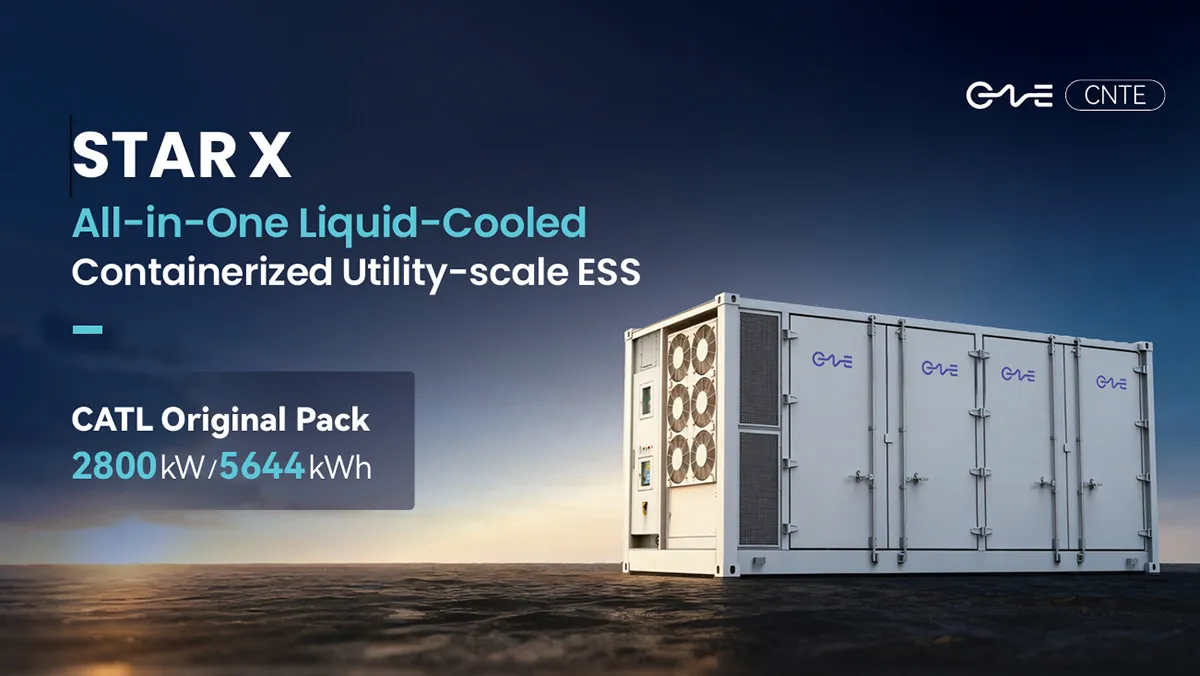
CNTE Launches STAR X Liquid-Cooled DC/AC Integrated Energy Storage System at Intersolar Europe 2026
Jul 06, 2026 -
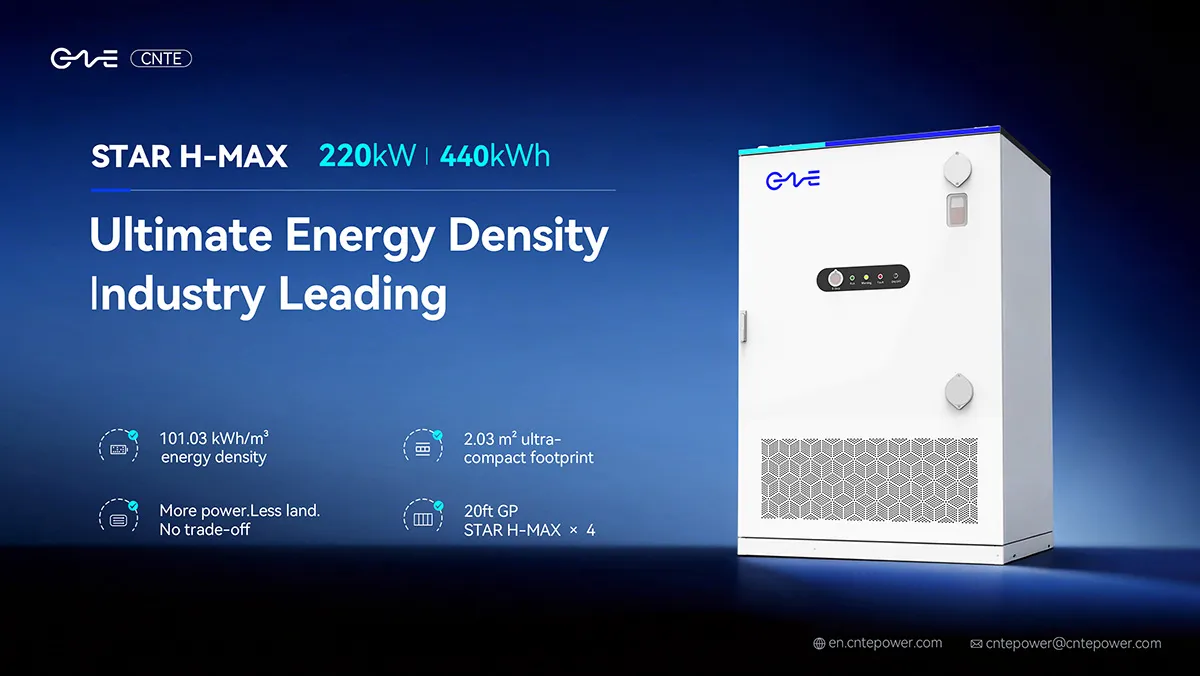
CNTE Unveils New STAR H-MAX Liquid-Cooled C&I ESS at Intersolar Europe 2026
Jun 23, 2026 -
CNTE to Participate in Intersolar Europe 2026
May 20, 2026 -
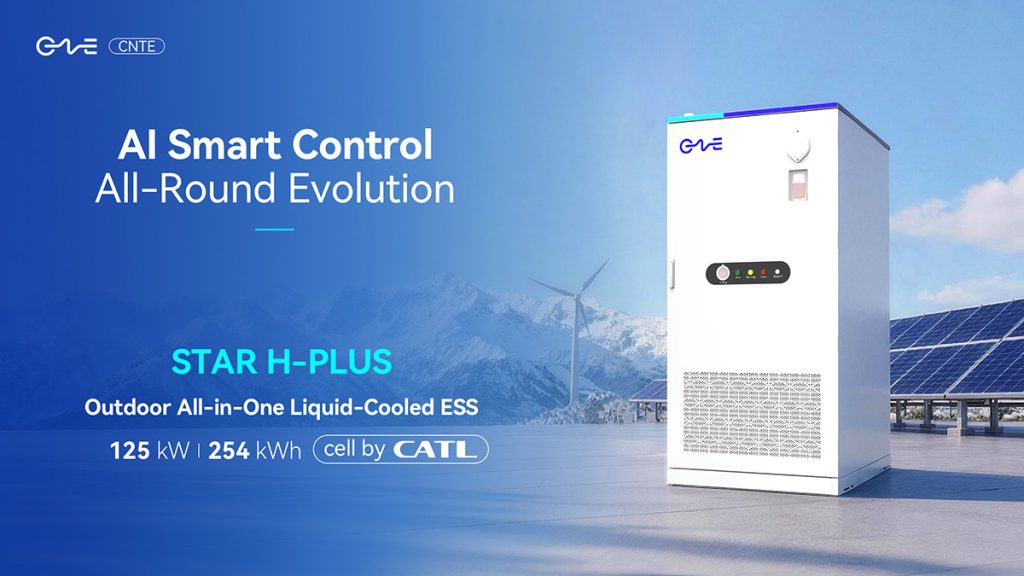
CNTE at KEY ENERGY 2026: Showcases STAR H-PLUS Outdoor Liquid-Cooled Energy Storage System
Mar 05, 2026 -

CNTE Honored as 2025 Forbes China Leading Global Brand
Jul 06, 2026 -

CNTE & YOU.ON Partner to Expand Storage Markets
May 19, 2025 -

CNTE Unveils Energy Storage Lineup at Solartech 2025
May 19, 2025 -
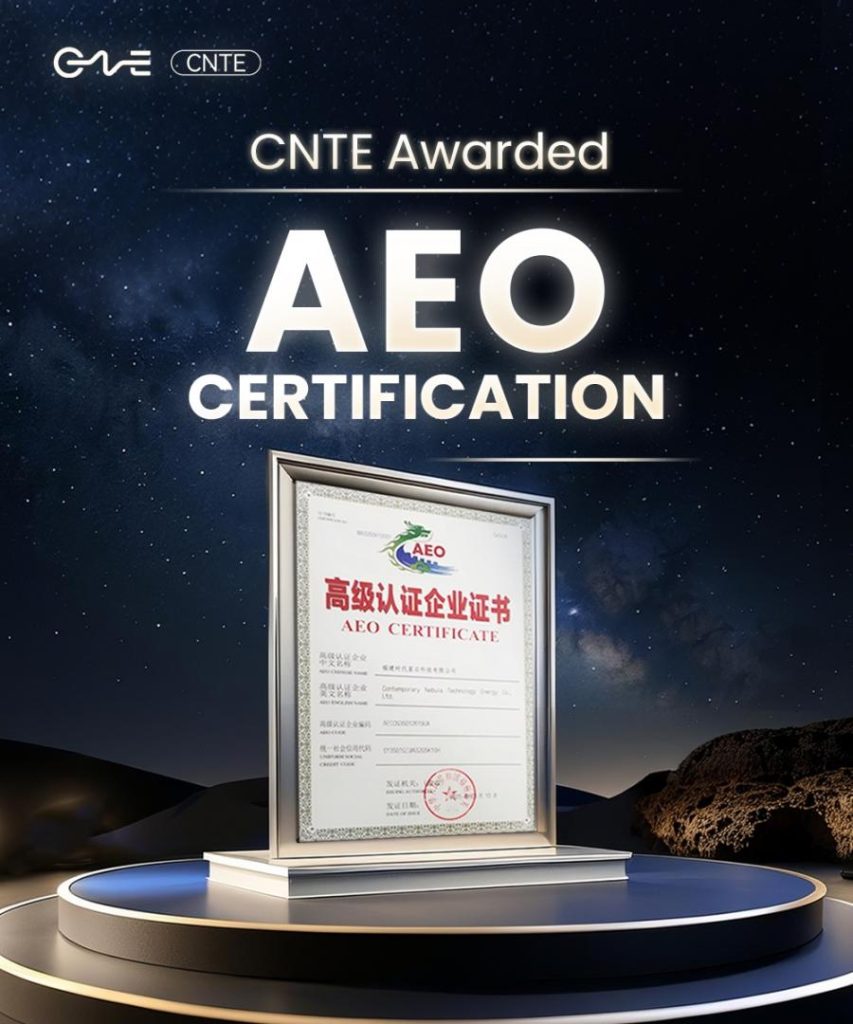
CNTE awarded AEO certification
Jul 06, 2026 -
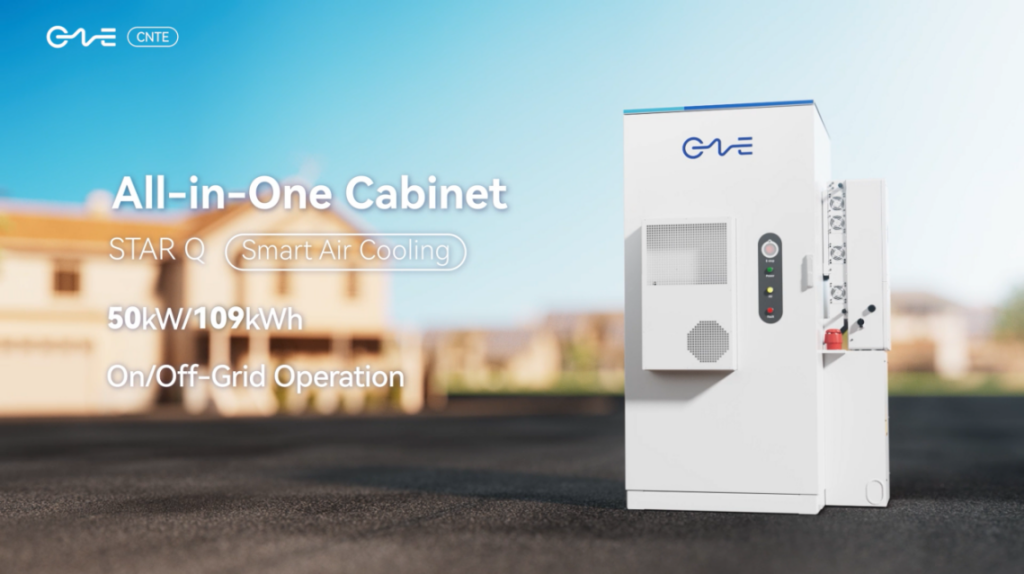
CNTE New Product Launch STAR Q
Jan 15, 2025 -

CNTE Named to Forbes China 2024 Top 30 Go-International Brands
Jul 06, 2026
