
Advanced Implementation of Energy Storage System Malaysia: Technical Frameworks and Market Dynamics
The Malaysian energy sector is currently undergoing a structural shift. With the National Energy Transition Roadmap (NETR) targeting a 70% renewable energy capacity by 2050, the integration of intermittent sources like solar PV has moved from a peripheral discussion to a central engineering challenge. As the penetration of solar energy increases, the stability of the national grid—managed primarily by Tenaga Nasional Berhad (TNB)—requires sophisticated stabilization mechanisms. This is where the deployment of an energy storage system malaysia becomes a pivotal component for both utility providers and heavy industries.
For Commercial and Industrial (C&I) stakeholders, the primary motivation for adopting storage lies in the mitigation of high demand charges and the optimization of Net Energy Metering (NEM) benefits. In a region characterized by high humidity and consistent ambient temperatures exceeding 30°C, the technical requirements for battery energy storage systems (BESS) are exceptionally stringent. Successful implementation demands more than just hardware acquisition; it requires a deep understanding of thermal management, system integration, and regulatory compliance within the Malaysian framework.

The Role of Storage in Malaysia’s National Energy Transition Roadmap (NETR)
The NETR serves as the blueprint for Malaysia’s journey toward net-zero emissions. However, the inherent variability of solar power poses a risk to grid frequency and voltage stability. Without adequate storage, the “Duck Curve” phenomenon—where high solar production during the day leads to a sharp drop in net load followed by a rapid ramp-up in the evening—could lead to significant inefficiencies and even localized outages.
By implementing a robust energy storage system malaysia, grid operators can effectively perform frequency regulation and load shifting. This technical capability ensures that excess solar energy generated during peak irradiation hours is captured and redistributed during peak demand periods. Furthermore, the Malaysian government’s focus on Green Investment Tax Allowance (GITA) and Green Income Tax Exemption (GITE) has created a favorable financial environment for large-scale storage projects, encouraging domestic and international expertise to collaborate on localized solutions.
Technical Specifications of Modern BESS: Beyond Simple Battery Capacity
When evaluating an energy storage system malaysia, it is a mistake to focus solely on the kilowatt-hour (kWh) rating. The performance of a BESS is determined by several interconnected subsystems that must be optimized for the tropical climate of Southeast Asia.
1. Lithium Iron Phosphate (LFP) vs. Alternative Chemistries
For the Malaysian market, Lithium Iron Phosphate (LFP) has emerged as the preferred chemistry. Unlike Nickel Manganese Cobalt (NMC), LFP offers a higher thermal runaway threshold, which is a significant safety factor in high-temperature environments. CNTE (Contemporary Nebula Technology Energy Co., Ltd.) prioritizes LFP technology due to its superior cycle life—often exceeding 6,000 cycles at 80% Depth of Discharge (DoD)—and its lack of heavy metals like cobalt, making it a more sustainable choice for long-term infrastructure projects.
2. Sophisticated Thermal Management Systems
Heat is the primary enemy of battery longevity. In Malaysia, passive cooling is rarely sufficient for high-power applications. Modern systems utilize active liquid cooling, where a coolant is circulated through the battery modules to maintain an optimal operating temperature between 25°C and 30°C. This precision prevents “hot spots” within the container, reducing the rate of capacity fade and ensuring the system meets its projected 10-to-15-year operational lifespan.
3. Power Conversion System (PCS) and Grid Interaction
The PCS is the bridge between the DC battery bank and the AC grid. In the context of an energy storage system malaysia, the PCS must be capable of four-quadrant operation, allowing for both active and reactive power control. This is integral for maintaining power quality in industrial zones where heavy machinery can cause voltage sags and harmonic distortions.
Commercial and Industrial (C&I) Application Scenarios
Industrial facilities in states like Selangor, Johor, and Penang face unique energy challenges. High Tariff E (Industrial) rates include substantial demand charges based on the peak kilowatts used during a billing cycle. This economic pressure makes behind-the-meter (BTM) storage a highly attractive investment.
- Peak Shaving: The storage system discharges during peak demand periods to keep the facility’s grid draw below a predetermined threshold, directly reducing monthly utility bills.
- Load Leveling: Smoothing out the energy consumption profile to improve overall system efficiency and reduce stress on internal electrical infrastructure.
- Back-up Power and UPS Functionality: For high-precision manufacturing, even a momentary power dip can result in significant financial loss. An integrated energy storage system malaysia provides seamless transition during grid interruptions, acting as a high-capacity Uninterruptible Power Supply (UPS).
- Increasing Solar Self-Consumption: With the NEM 3.0 scheme, the export rates for solar energy may not always be as favorable as self-consumption. Storage allows factories to use 100% of their generated solar power on-site, even after the sun has set.
The CNTE Advantage in the Global Storage Market
Choosing the right technology partner is a decision that impacts the ROI for decades. CNTE (Contemporary Nebula Technology Energy Co., Ltd.) has established itself as a leader in the field by focusing on the synergy between power electronics and battery management. By leveraging advanced research and development, CNTE (Contemporary Nebula Technology Energy Co., Ltd.) provides solutions that are not only high-performing but also meet the rigorous safety standards required for international deployment.
The company’s approach involves a full-lifecycle management strategy, from initial site assessment and system sizing to long-term operations and maintenance (O&M). This holistic perspective is particularly valuable for Malaysian enterprises that require localized support and technical expertise to navigate the complexities of BESS integration.
Overcoming Implementation Challenges in the Malaysian Context
While the benefits are clear, the path to a fully operational energy storage system malaysia involves navigating several hurdles. Addressing these proactively is the hallmark of a professional installation.
Regulatory Compliance and Safety Standards
Malaysia’s Energy Commission (Suruhanjaya Tenaga) has strict guidelines regarding the installation of large-scale battery systems. Compliance with MS IEC 62619 for safety and MS IEC 62485-2 for installation requirements is mandatory. Furthermore, fire suppression systems must be specifically designed for chemical fires, often involving specialized gas-based extinguishing agents or high-pressure water mist systems integrated with the Battery Management System (BMS).
The Economics of Storage: LCOE and ROI
The Levelized Cost of Storage (LCOS) has seen a downward trend globally, but the initial capital expenditure (CAPEX) remains a concern for many SMEs. A detailed financial analysis must account for the degradation of the battery over time, the projected increase in grid electricity tariffs, and the potential for participating in future demand-response programs. When these factors are calculated, many Malaysian industrial sites see a payback period of 5 to 7 years, which is well within the acceptable range for capital equipment investments.

Advanced Battery Management Systems (BMS) and AI Integration
The intelligence of an energy storage system malaysia resides in its software. A sophisticated BMS monitors the state of charge (SoC), state of health (SoH), and cell temperature in real-time. By utilizing AI-driven Energy Management Systems (EMS), facilities can predict their energy needs based on historical data and weather forecasts.
For instance, if the EMS predicts a cloudy afternoon, it may choose to retain more energy in the storage system during the morning to ensure the peak shaving requirements are met later in the day. This level of automation reduces the operational burden on facility managers and ensures the system always operates at maximum economic efficiency.
The Path Forward for Malaysia’s Energy Sector
The transition toward a cleaner, more resilient energy grid is no longer an optional endeavor for Malaysia. As the nation moves toward its 2050 goals, the adoption of the energy storage system malaysia will serve as the foundation for this transformation. Whether it is providing grid services at a utility level or helping a factory in the Klang Valley reduce its carbon footprint and operational costs, BESS technology provides the necessary flexibility to manage the energy of the future.
By partnering with established innovators like CNTE (Contemporary Nebula Technology Energy Co., Ltd.), Malaysian businesses can ensure they are investing in world-class technology tailored for local conditions. As the regulatory framework continues to evolve and the technical capabilities of storage systems expand, the integration of energy storage will become an standard feature of the Malaysian industrial landscape.
Frequently Asked Questions (FAQ)
Q1: What is the typical lifespan of an energy storage system Malaysia installation in a tropical climate?
A1: With high-quality LFP cells and active liquid cooling systems, a professional-grade BESS typically has a design life of 12 to 15 years. The lifespan is largely determined by the number of charge/discharge cycles and the consistency of the thermal management system in keeping the cells within their optimal temperature range.
Q2: How does the Net Energy Metering (NEM) 3.0 scheme interact with battery storage?
A2: NEM 3.0 allows consumers to export excess solar energy to the grid, but the “offset” rate is often lower than the retail purchase rate. Adding an energy storage system malaysia allows you to store that excess energy for use during the evening or during peak tariff periods, effectively increasing the value of every unit of solar power generated.
Q3: Are there specific fire safety regulations for BESS in Malaysia?
A3: Yes. Installations must comply with Suruhanjaya Tenaga (ST) guidelines and Jabatan Bomba dan Penyelamat Malaysia (Bomba) requirements. This typically includes the installation of specialized fire detection systems, automated suppression (such as Novec 1230 or FM-200), and adherence to international safety standards like IEC 62619.
Q4: Can a BESS help my factory avoid “Maximum Demand” penalties from TNB?
A4: Precisely. This is known as “Peak Shaving.” The storage system is programmed to discharge when the factory’s load approaches its Maximum Demand (MD) threshold. By capping the peak draw from the grid, the facility can significantly reduce the MD portion of its TNB bill, which often accounts for a large percentage of total energy costs.
Q5: Why is LFP chemistry recommended over NMC for storage projects in Malaysia?
A5: LFP (Lithium Iron Phosphate) is significantly more stable in high-temperature environments. It has a much higher thermal runaway temperature (approx. 270°C) compared to NMC (approx. 210°C). Given Malaysia’s ambient heat, LFP provides an added layer of safety and a longer cycle life, making it more suitable for stationary storage applications.
Q6: What is the maintenance requirement for a containerized energy storage system?
A6: Maintenance is relatively low but integral for longevity. It involves periodic inspections of the HVAC or liquid cooling systems, checking electrical connections, firmware updates for the BMS/EMS, and monitoring cell balancing. Most of this is handled through remote monitoring platforms provided by the system integrator.
Get in Touch
Recent Posts
-

CNTE at KEY ENERGY 2026: Showcases STAR H-PLUS Outdoor Liquid-Cooled Energy Storage System
Mar 05, 2026 -

CNTE Honored as 2025 Forbes China Leading Global Brand
Nov 12, 2025 -
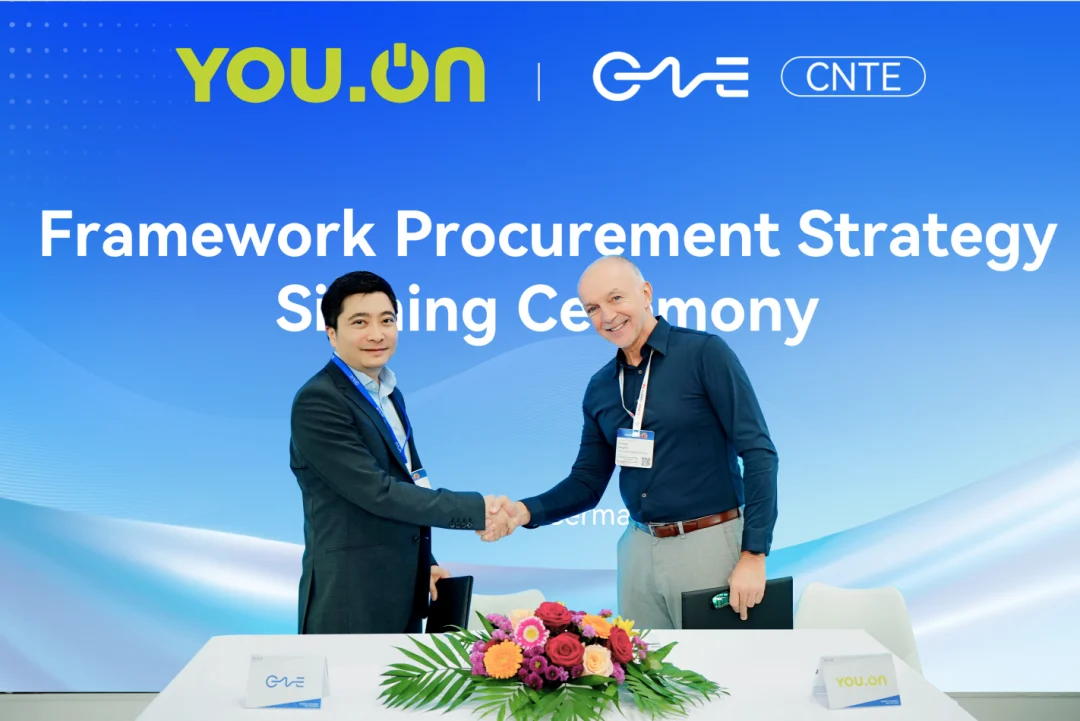
CNTE & YOU.ON Partner to Expand Storage Markets
May 19, 2025 -
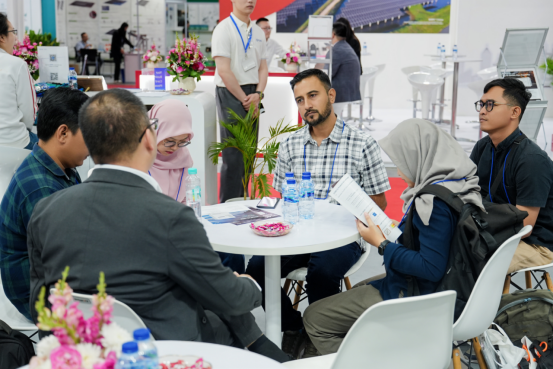
CNTE Unveils Energy Storage Lineup at Solartech 2025
May 19, 2025 -
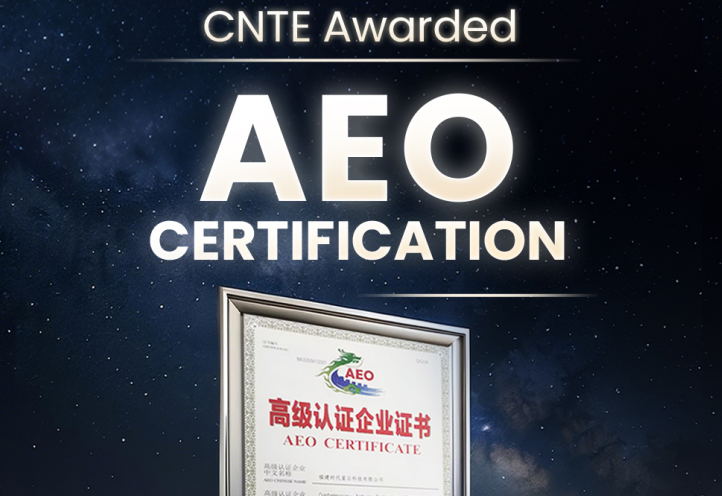
CNTE awarded AEO certification
Mar 14, 2025
Tags
- 1 mw battery storage
- 500 kw battery
- 500 kw battery storage
- 500 kwh battery price
- 500 kwh battery storage
- 50kw solar battery storage
- all in one solar battery
- at home battery
- battery based energy storage
- battery capacity for solar system
- battery electric storage system
- battery energy storage system price
- battery house solar
- battery installation for solar
- battery pack for home solar system
- battery pack for solar system
- battery pack house
- battery pack kwh
- battery power storage systems
- battery storage applications
- battery storage device
- battery storage kwh
- battery storage price per kwh
- battery storage suppliers
- battery storage system design
- battery that can power a house
- battery to grid
- bess battery energy
- bess solar system
- better battery renewable energy
- big battery storage
- buy battery storage
- buy solar battery storage
- charging station
- chinese solar batteries
- clean energy storage solutions
- commercial solar power battery storage
- cost of battery storage for solar panels
- cost of solar and battery system
- cost of solar power battery storage
- electric battery storage system
- electrical energy storage exhibition
- energy battery pack
- energy storage battery pack
- energy storage system lithium battery
- energy storage system malaysia
- energy storage system price
- energy storage system solar
- energy tech battery
- ess battery price
- ess battery system
- ess solar battery
- ess solar system
- ev battery for solar storage
- ev battery solar storage
- green energy lithium battery
- high capacity battery for solar panels
- hybrid battery storage
- its technology solar
- kwh battery storage
- large batteries for solar storage
- large battery for solar energy storage
- large battery storage container
- large battery storage systems
- large solar battery storage
- large solar battery storage systems
- large solar storage batteries
- largest commercial battery
- largest solar battery storage
- latest solar batteries
- lithium batteries for off grid solar system
- lithium batteries from china
- lithium battery for off grid solar
- lithium battery for solar system price
- lithium battery home storage
- lithium battery packs for solar panels
- megawatt battery storage
- new battery storage
- off grid solar battery storage
- on grid battery
- on grid battery storage
- optical storage integration
- outdoor energy storage
- outdoor solar battery cabinet
- pcs battery system
- power pack energy
- power storage cells
- price per kwh battery storage
- pv solar panels and battery storage
- q cell battery storage
- smart battery storage
- solar and lithium batteries
- solar batteries inside house
- solar battery battery
- solar battery container
- solar battery kwh
- solar battery module
- solar battery storage cabinet
- solar battery storage capacity
- solar battery storage container
- solar battery storage manufacturers
- solar battery to power house
- solar cell storage
- solar energy battery storage capacity
- solar energy battery storage system
- solar energy lithium battery
- solar energy storage battery price
- solar energy storage system price
- solar energy storage technology
- solar ess system
- solar grid battery
- solar grid battery system
- solar house battery price
- solar installation battery
- solar installation with battery
- solar one batteries
- solar panel battery storage capacity
- solar panel battery storage price
- solar panel energy storage battery
- Solar panel energy storage systems
- solar panel lithium battery storage
- solar panel power storage system
- solar plant battery
- Solar Power Plant Battery
- solar pv and battery storage systems
- solar pv system with battery storage
- solar storage solutions
- solar system and battery storage
- solar with battery system
- solar with lithium battery storage
- standalone energy storage systems
- storage energy battery
- storedge battery
