
Why Liquid Cooling in a Battery Storage Cabinet Prevents Thermal Runaway
Modern electrical grids face unprecedented pressure from fluctuating supply and demand patterns. As commercial facilities, industrial complexes, and utility substations transition toward decentralized energy architectures, localized energy containment becomes a key focal point. A modern battery storage cabinet serves as a self-contained, protective environment housing battery modules, power distribution components, thermal management hardware, and control systems. These units act as structural buffers that balance localized load profiles, stabilize voltages, and ensure operational continuity during grid anomalies.
Deploying a robust energy storage solution requires an understanding of both physical housing requirements and complex electrochemical behaviors. Contemporary configurations require precise engineering to maintain stable operating parameters under diverse ambient conditions. CNTE (Contemporary Nebula Technology Energy Co., Ltd.) develops integrated energy storage systems designed to address these complex operational profiles, providing reliable structural platforms for long-term commercial deployments.
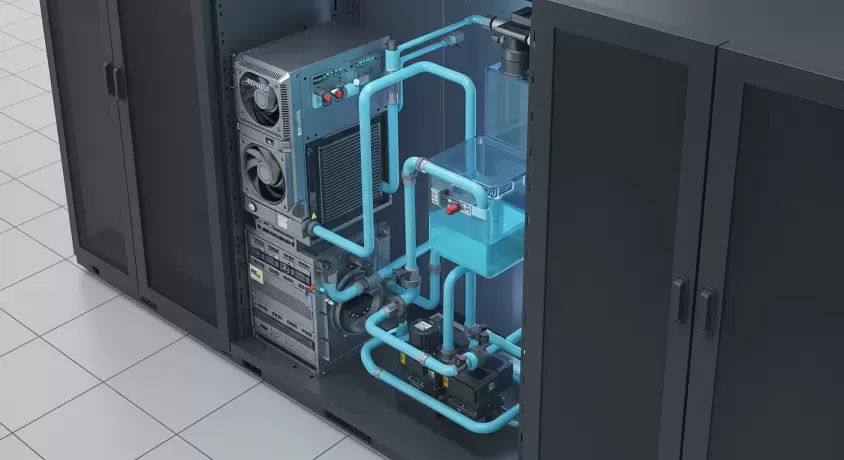
Architectural Core of a Modern Battery Storage Cabinet
A functional enclosure is far more than a simple metal container. It is a highly integrated engineering system designed to preserve cell longevity, maximize performance, and isolate structural components from potential environmental hazards. Understanding the sub-systems within the enclosure provides clarity on how these platforms achieve high operational efficiency.
1. Battery Modules and Cell Chemistry
The performance of any energy storage assembly relies heavily on the underlying cell chemistry. Lithium Iron Phosphate (LFP, or LiFePO4) chemistry has become the industry standard for stationary applications. LFP cells offer a favorable balance of high thermal stability, long cycle life, and low degradation rates compared to other lithium-ion chemistries. Within the cabinet, these cells are grouped into modules, which are then connected in series and parallel configurations to achieve the target nominal voltage and capacity.
Prismatic cell formats are widely selected for C&I cabinets due to their space efficiency and robust structural packaging. The spatial organization inside the cabinet must allow for uniform structural compression across the cell faces to mitigate volumetric expansion during continuous charge and discharge cycles.
2. Three-Tier Battery Management System (BMS)
To maintain electrical stability across hundreds of individual cells, a structured BMS hierarchy is implemented. This monitoring architecture typically operates on three distinct levels:
Battery Module Unit (BMU): Collects individual cell voltage and temperature readings directly from the sensor wire harnesses within each module.
System Battery Management System (SBMS): Aggregates data from multiple BMUs, calculating the State of Charge (SoC) and State of Health (SoH) for a given rack, while managing active or passive cell balancing.
Master Battery Management System (MBMS): Manages communication between multiple cabinets, coordinates with the external Power Conversion System (PCS), and interfaces with site-wide Energy Management Systems (EMS) via industrial protocols like Modbus TCP or CAN bus.
3. Thermal Management Mechanisms
Electrochemical reactions are highly sensitive to thermal variations. Operating outside the recommended temperature window accelerates capacity fade and compromises system safety. A modern battery storage cabinet utilizes one of two primary thermal management methodologies:
Forced Air Cooling: Relies on strategically positioned HVAC units or variable-speed fans to draw conditioned air through the battery racks. Air cooling remains effective for low-duty cycle systems or regions with moderate ambient conditions.
Liquid Cooling Plates: Employs a closed-loop system where a coolant mixture (typically water-glycol) is pumped through cold plates in direct contact with the battery modules. This method delivers higher heat transfer coefficients, keeping cell temperature deviations within a narrow 3°C window and reducing auxiliary power consumption.
Addressing Commercial and Industrial Operational Challenges
Industrial operations encounter unique grid challenges that directly impact operational overhead and equipment lifecycle. Utilizing a localized battery storage cabinet allows facility managers to offset high operational expenses associated with commercial electricity consumption.
Peak demand charges imposed by utilities represent a significant portion of commercial energy bills. These charges are typically determined by the highest average power consumption recorded during a brief interval, often 15 minutes, within a billing cycle. By deploying an intelligent energy storage setup, facilities can execute peak shaving strategies. The system discharges stored power during peak consumption intervals, leveling the demand curve registered by the utility meter.
Grid instability and momentary voltage sags also present risks to sensitive manufacturing processes. Precision machinery, semiconductor fabrication lines, and data processing hardware require highly consistent power quality. A localized battery storage cabinet, coupled with a fast-acting bidirectional inverter, can inject reactive power or transition to backup mode within milliseconds of detecting a grid disturbance, preserving the integrity of downstream operations.
The integration of on-site solar photovoltaic (PV) arrays introduces generation intermittency. When cloud cover suddenly reduces solar output, the local distribution network experiences rapid voltage fluctuations. An integrated storage system acts as an operational buffer, absorbing excess generation during peak sunlight hours and discharging it when solar irradiance drops, smoothing out the generation profile of the facility.
Diverse Operational Scenarios for Distributed Storage
The application range for modular storage solutions extends across multiple sectors of energy infrastructure. Each deployment scenario requires specific operational logic programmed into the control layer.
Commercial and Industrial (C&I) Facilities
For factories, warehouse hubs, and retail plazas, storage hardware is primarily configured for demand-side management. The operational schedule focuses on peak shaving and load shifting. By storing cheap energy during off-peak night hours and utilizing it during high-rate daytime periods, facilities realize measurable reductions in operational expenditure. The structural enclosure must be compact to fit into designated utility yards or indoor electrical rooms without requiring expensive civil engineering modifications.
EV Charging Infrastructure Support
The rapid adoption of electric passenger and commercial vehicles requires high-power DC fast-charging networks. When multiple vehicles connect to ultra-fast chargers simultaneously, they place sudden, extreme loads on local distribution transformers. Implementing a battery storage cabinet at the charging hub allows operators to buffer the grid. The batteries recharge slowly from the grid during idle periods and discharge rapidly to assist vehicle charging during peak intervals, preventing localized grid overloads.
Microgrid and Off-Grid Operations
In remote communities, mining sites, or agricultural facilities where utility grid access is unavailable or unreliable, localized microgrids are necessary. Here, the storage unit acts as the primary voltage and frequency reference. It integrates with diesel generators and wind or solar systems, balancing supply and demand dynamically to maintain system frequency at 50Hz or 60Hz. This reduces fuel consumption in hybrid generators and extends the lifespan of localized generation machinery.
System Safety, Protection Ratings, and Structural Integrity
Housing large quantities of electrochemical cells in a dense form factor requires deep attention to physical safety and environmental protection. Industry standards dictate rigid construction parameters to ensure safety across the entire operational lifespan.
Environmental ingress protection is a basic requirement for outdoor installations. A professional battery storage cabinet must conform to IP55 or NEMA 3R standards. These ratings guarantee protection against windblown dust, rain, and external corrosion. The structural steel casing is coated with high-durability C4 or C5-class anti-corrosion finishes to withstand high humidity and saline atmospheres near coastal regions.
Internal safety mitigation involves sophisticated fire suppression systems. Modern safety standards, such as NFPA 855, require multi-stage detection and suppression mechanisms. Cabinets are fitted with specialized off-gas sensors that detect early-stage thermal events before visible smoke or temperature rises occur. Upon detection of abnormal off-gas concentrations, the system initiates a multi-tiered safety protocol:
Electrical isolation of the affected battery rack via contactors.
Shutdown of localized ventilation systems to prevent oxygen ingress.
Activation of clean-agent fire suppression (such as Novec 1230 or aerosol agents) to suppress localized combustion.
Integration with localized water deluge connections for municipal emergency responders if external cooling becomes necessary.
Mechanical design also includes passive safety elements. Explosion relief panels or rupture disks are integrated into the cabinet roof. In the rare event of rapid gas accumulation, these relief points direct the pressure upward and away from personnel, preserving the structural integrity of the surrounding facility.
Key Technical Metrics for Specifying Storage Cabinets
When selecting a battery storage cabinet for commercial projects, engineering teams must evaluate several core technical specifications to ensure compatibility with site requirements.
| Technical Parameter | Typical Range (C&I Scale) | Engineering Implications |
|---|---|---|
| C-Rate (Charge/Discharge) | 0.5C to 2.0C | Determines how quickly the unit can be fully charged or discharged. 0.5C is common for peak shaving; 1C or higher is preferred for fast-acting backup. |
| Round-Trip Efficiency (RTE) | 85% - 92% | The ratio of energy retrieved to energy stored. Higher RTE reduces overall energy losses during daily cycles. |
| Cycle Life | 6,000 to 8,000 cycles | The number of complete charge-discharge cycles the system can undergo before capacity drops to 80% of its initial value. |
| Depth of Discharge (DoD) | 90% - 100% | The percentage of total capacity used. Managing DoD helps balance usable energy against the degradation rate of LFP cells. |
| Auxiliary Consumption | 2% - 8% of total capacity | The energy consumed by the internal HVAC, pumps, BMS, and controller. Minimizing auxiliary load is vital for system efficiency. |
CNTE (Contemporary Nebula Technology Energy Co., Ltd.) integrates these performance parameters into modular designs, allowing C&I projects to scale capacity through parallel arrangements. This modularity ensures that as a facility’s load grows, additional cabinets can be connected to the existing DC bus without redesigning the primary power distribution network.
B2B Project Consultation and Inquiry
Selecting and dimensioning an industrial-scale battery storage cabinet requires deep engineering alignment. Every site possesses distinct load curves, environmental conditions, and utility interconnection requirements. Factors such as localized seismic ratings, fault current levels, and specific communications protocols must be analyzed during the early design phases.
Our engineering team at CNTE (Contemporary Nebula Technology Energy Co., Ltd.) works closely with developers, EPC contractors, and facility energy managers to configure tailored energy storage solutions. We provide comprehensive technical support, from initial load profile analysis and battery degradation modeling to mechanical layout planning and grid compliance documentation.
To receive detailed technical specifications, project drawings, or a custom quotation tailored to your operational requirements, please contact our technical sales department. Submit your project requirements, including load curves, target storage capacity, and environmental conditions, and our application engineers will assist you with a comprehensive system proposal.
Frequently Asked Questions
Q1: What is the lifespan of a typical LFP battery storage cabinet?
A1: Under standard operating conditions, high-quality LFP cells within a managed thermal enclosure typically deliver between 6,000 and 8,000 complete charge/discharge cycles before capacity degrades to 80% of nominal. In typical C&I applications operating one cycle per day, this corresponds to an operational lifespan of 15 to 20 years. Regular maintenance of the HVAC systems and periodic firmware updates help maintain this longevity.
Q2: Why is liquid cooling considered superior to air cooling in highly compact cabinets?
A2: Liquid cooling provides a significantly higher heat transfer coefficient compared to forced air systems. It allows for direct thermal management of individual cell faces, keeping temperature variations within the cabinet to less than 3°C. This uniform thermal profile reduces localized cell degradation, prevents premature aging of specific modules, and requires less auxiliary energy to run fans, leading to better long-term system efficiency.
Q3: How do safety standards like NFPA 855 impact the installation of these cabinets?
A3: NFPA 855 establishes strict guidelines for the design, installation, and positioning of energy storage systems to mitigate fire hazards. It dictates minimum clearance distances between cabinets and adjacent structures, limits the maximum energy capacity per unit, and requires specific fire detection and suppression capabilities. Compliance with these standards is required to obtain building permits and secure insurance coverage for commercial installations.
Q4: Can a battery storage cabinet be installed outdoors in extreme cold or hot climates?
A4: Yes, modular cabinets designed with IP55 ratings and robust thermal management systems can operate in ambient temperatures ranging from -30°C to 50°C. In extremely cold climates, internal heating elements (such as liquid loop heaters or localized PTC heaters) are activated to warm the battery modules before charging begins, preventing lithium plating. In hot environments, high-efficiency liquid chillers maintain optimal cell temperatures.
Q5: How does the BMS handle cell balancing, and why is it necessary?
A5: Over time, manufacturing variations and slight thermal gradients cause individual cells to deviate in voltage and capacity. The BMS performs cell balancing (either passively by dissipating excess energy through resistors, or actively by transferring energy from high-voltage cells to lower-voltage ones). This process ensures that all cells reach full charge and discharge states simultaneously, preventing individual cell overvoltage or undervoltage issues and maximizing usable capacity.
Get in Touch
Recent Posts
-
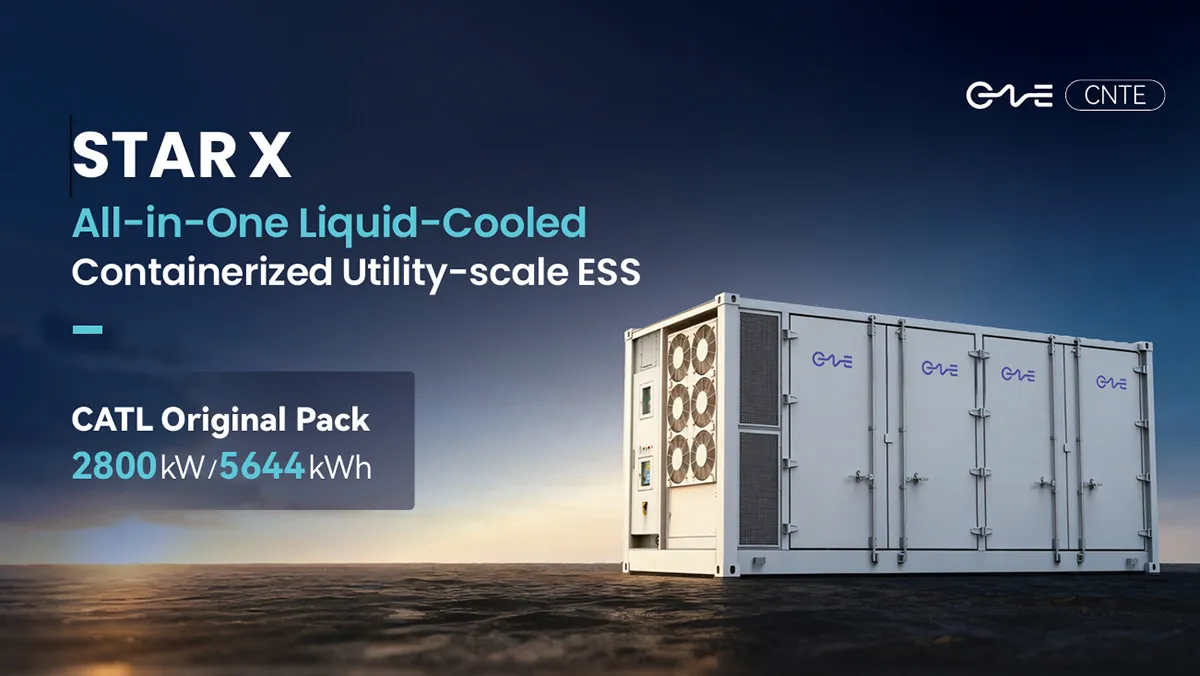
CNTE Launches STAR X Liquid-Cooled DC/AC Integrated Energy Storage System at Intersolar Europe 2026
Jul 06, 2026 -
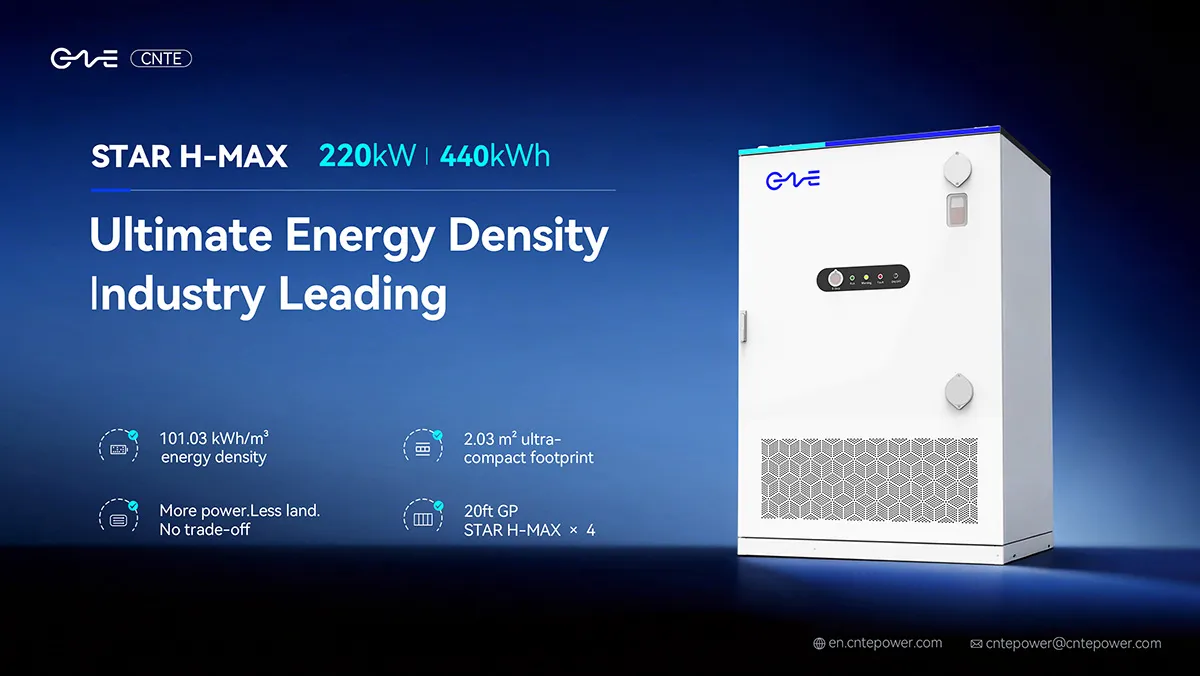
CNTE Unveils New STAR H-MAX Liquid-Cooled C&I ESS at Intersolar Europe 2026
Jun 23, 2026 -
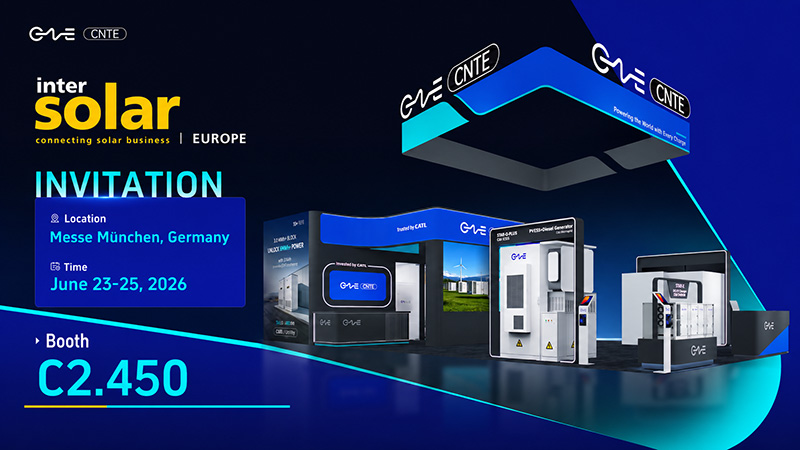
CNTE to Participate in Intersolar Europe 2026
May 20, 2026 -
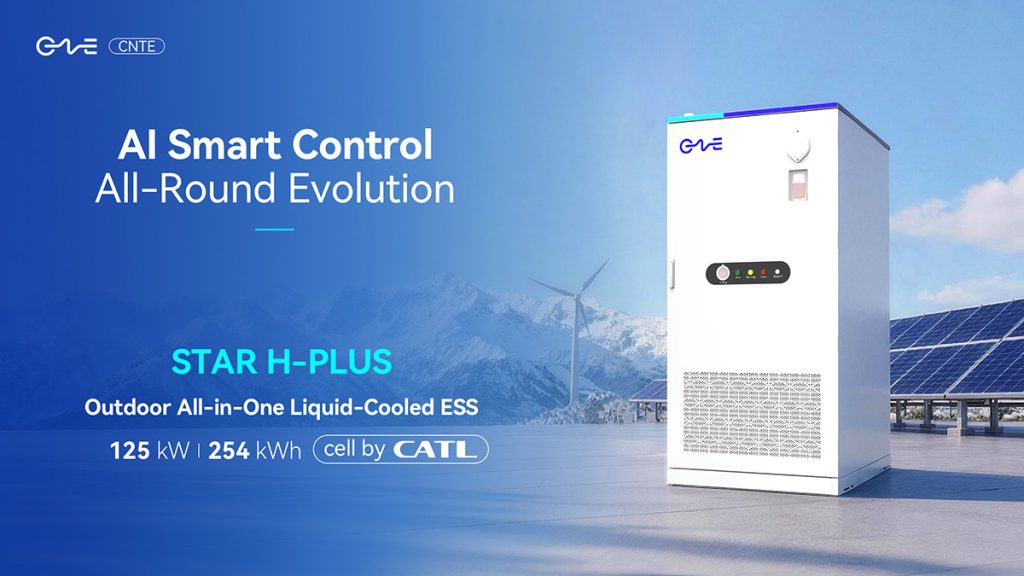
CNTE at KEY ENERGY 2026: Showcases STAR H-PLUS Outdoor Liquid-Cooled Energy Storage System
Mar 05, 2026 -

CNTE Honored as 2025 Forbes China Leading Global Brand
Jul 06, 2026 -

CNTE & YOU.ON Partner to Expand Storage Markets
May 19, 2025 -

CNTE Unveils Energy Storage Lineup at Solartech 2025
May 19, 2025 -
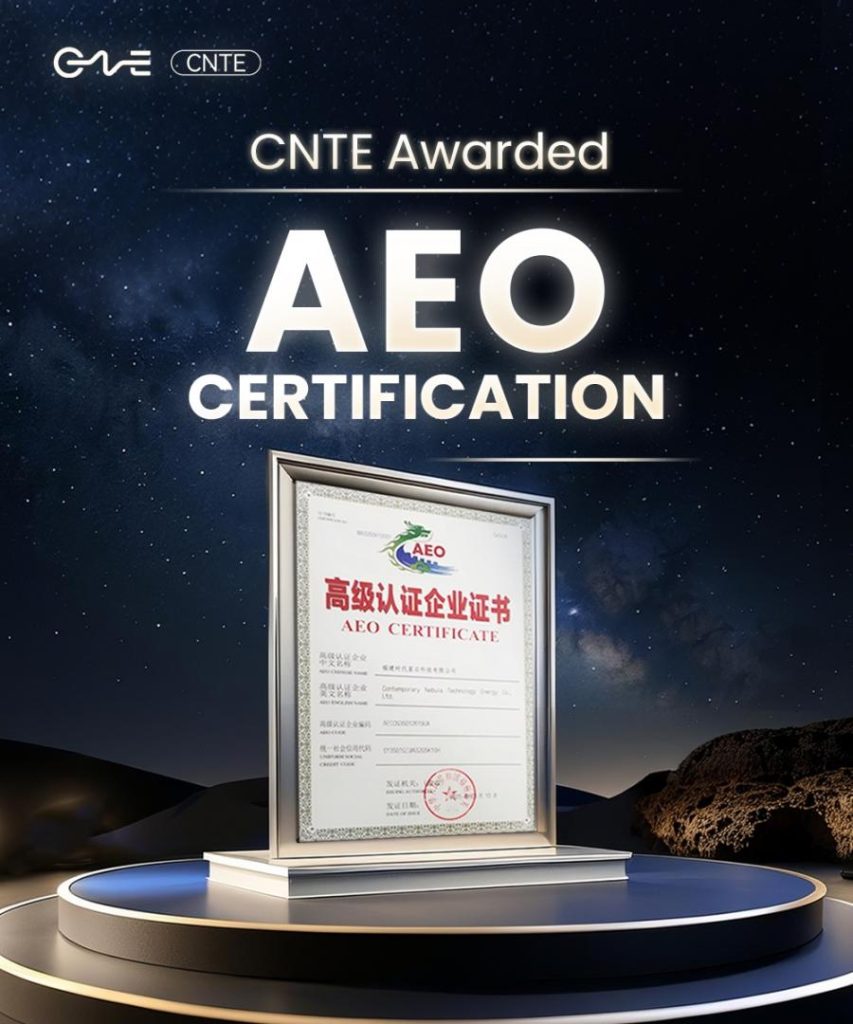
CNTE awarded AEO certification
Jul 06, 2026 -
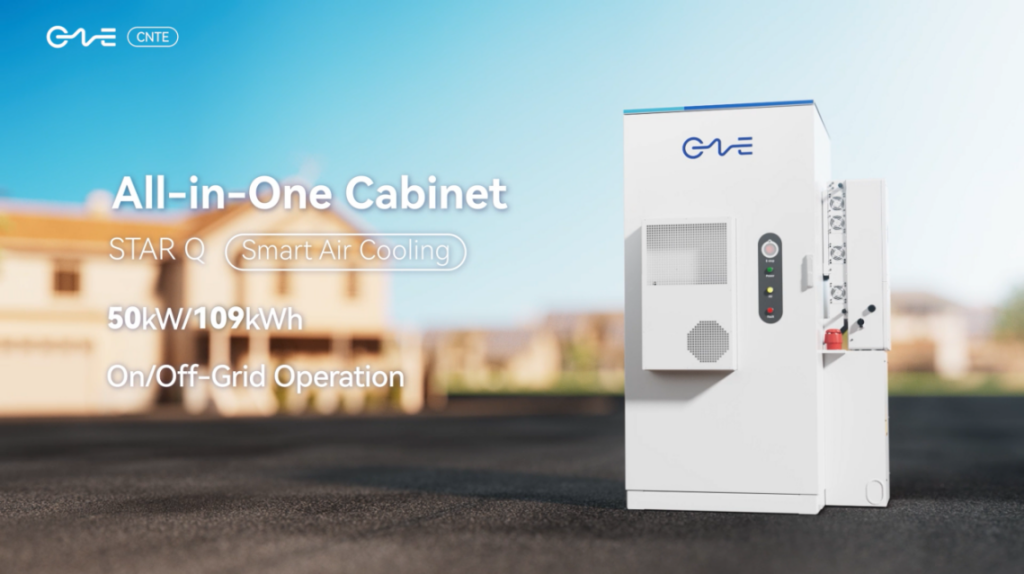
CNTE New Product Launch STAR Q
Jan 15, 2025 -

CNTE Named to Forbes China 2024 Top 30 Go-International Brands
Jul 06, 2026
