
How to Choose a BESS Manufacturer to Improve Grid Stability and Reduce C&I Energy Costs
The global transition toward renewable energy sources requires robust infrastructure capable of balancing supply and demand variations. Solar and wind power generate clean electricity, but their intermittent nature introduces instability into regional grids. To mitigate these challenges, battery energy storage systems have become indispensable components of modern electrical infrastructure. Selecting an experienced BESS manufacturer is a key step for project developers, engineering, procurement, and construction (EPC) contractors, and industrial enterprises aiming to secure reliable, long-term energy storage assets.
As utility-scale projects and commercial facilities seek to reduce carbon intensity and manage peak demand charges, the underlying engineering of these storage units warrants close examination. Contemporary Nebula Technology Energy Co., Ltd. (CNTE) design and manufacture energy storage systems tailored to diverse environmental and operational contexts. Understanding the system architecture, thermal characteristics, and safety standards employed by a manufacturing partner allows developers to make informed investment decisions that yield stable financial and operational returns over the project lifecycle.
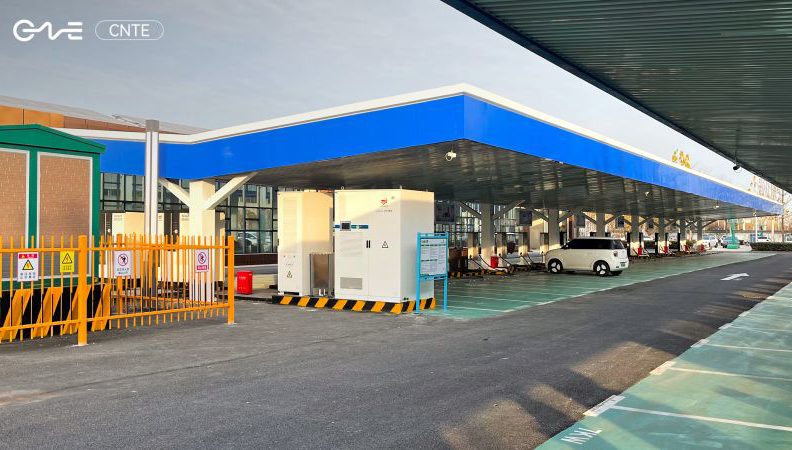
Evaluating the Role of a Modern BESS Manufacturer
A competent BESS manufacturer does not merely assemble off-the-shelf components; they design integrated platforms where electrochemical cells, power electronics, safety hardware, and control software function as a unified system. The manufacturing process demands strict quality control at every stage, from individual cell screening to final containerized integration. When these systems are deployed in demanding environments, minor inconsistencies in cell manufacturing or software communication can lead to accelerated degradation, reduced round-trip efficiency, and potential unscheduled downtime.
To deliver systems that operate continuously for fifteen to twenty years, manufacturers must possess deep competency in both hardware engineering and software development. The integration of high-capacity lithium iron phosphate (LFP) cells requires precise mechanical housing, robust electrical busbars, and sophisticated monitoring networks. By controlling the entire design and assembly pipeline, a manufacturer like CNTE ensures that the physical container, thermal management system, and power conversion elements are fully compatible, minimizing integration issues during site commissioning.
System Architecture: Behind the Container Wall
To understand the performance of utility-scale storage, it is helpful to examine the primary components that comprise a modern battery energy storage container. The overall system efficiency and durability depend on how these subsystems interact under varying load conditions.
1. Electrochemical Energy Storage: The LFP Cell Matrix
The choice of cell chemistry dictates the safety profile, cycle life, and thermal behavior of the storage system. Lithium Iron Phosphate (LFP) has emerged as the industry standard for stationary storage applications. LFP cells offer superior thermal stability and a longer cycle life compared to nickel manganese cobalt (NMC) chemistries. Inside a standard 20-foot container, thousands of individual cells are arranged in series and parallel configurations to form modules, which are then stacked into high-voltage battery racks. Maintaining uniform voltage and temperature across this vast matrix is one of the primary engineering challenges managed by the system controller.
2. Power Conversion Systems (PCS)
The Power Conversion System acts as the bridge between the direct current (DC) stored within the batteries and the alternating current (AC) utilized by the electrical grid or industrial machinery. Bi-directional inverters within the PCS manage the charging and discharging cycles. During periods of excess renewable generation, the PCS converts AC electricity to DC to charge the batteries. Conversely, during peak demand or grid instability, the PCS converts the stored DC energy back into grid-compliant AC electricity. High-efficiency PCS units are necessary to minimize conversion losses, directly influencing the overall round-trip efficiency of the installation.
3. Multi-Tier Battery Management Systems (BMS)
The Battery Management System is the intelligence governing the electrochemical layer. A robust BMS operates on a multi-tier architecture:
Local Battery Module Level (BMU): Monitors individual cell voltages and surface temperatures, balancing charge across cells to prevent localized overcharging or over-discharging.
Rack Level (BCU): Aggregates data from multiple modules, managing string currents, insulation monitoring, and localized circuit protection.
System Level: Communicates with the external Energy Management System (EMS) and SCADA networks, coordinating system-wide safety protocols and emergency shutdowns.
Thermal Management Engineering: Liquid Cooling vs. Air Cooling
Battery temperature directly correlates with degradation rates, safety, and operational efficiency. When cells operate outside their optimal temperature range, their internal resistance increases, capacity fades prematurely, and the likelihood of localized thermal runaway rises. Consequently, the thermal management system integrated by a BESS manufacturer is a key differentiator in system performance.
Air cooling systems utilize fans and ducting to circulate ambient or conditioned air through the battery racks. While simple and cost-effective for smaller installations with low C-rates, air cooling often struggles to maintain uniform temperatures across large, high-density utility-scale systems. Temperature differentials between cells located near the cold air inlet and those near the exhaust can lead to uneven aging, reducing the usable capacity of the entire string over time.
Liquid cooling technology offers a more effective heat dissipation mechanism. By circulating a cooling fluid (typically a water-glycol mixture) through cold plates positioned adjacent to the battery cells, liquid-cooled systems achieve high thermal conductivity. This design maintains cell-to-cell temperature variations within a narrow margin (frequently less than 2 degrees Celsius). The improved temperature uniformity helps prolong cell life, supports higher continuous charge and discharge rates, and reduces the parasitic energy consumption of the cooling unit itself. CNTE integrates advanced liquid cooling designs into their high-density containerized systems to satisfy these demanding operating parameters.
Addressing Key Industry Scenarios and Solutions
Energy storage solutions must adapt to different operational contexts, each presenting distinct engineering and financial requirements.
Commercial and Industrial (C&I) Peak Shaving
Many industrial facilities face significant utility charges based on their highest demand peak during a billing cycle, rather than total energy consumption. By installing a localized energy storage system behind the meter, businesses can discharge the batteries during these high-demand intervals. This strategy, known as peak shaving, reduces demand charges and lowers monthly energy bills. For industrial plants with sensitive equipment, the storage system can also function as an uninterruptible power supply, maintaining operational continuity during localized grid outages.
Renewable Integration and Capacity Firming
Solar and wind generation profiles rarely align perfectly with grid demand curves. Utility-scale energy storage systems resolve this mismatch by absorbing excess renewable energy during peak production hours and releasing it when the sun sets or the wind subsides. This capacity firming stabilizes the transmission network, prevents curtailment of clean energy assets, and allows operators to participate in arbitrage markets by selling electricity when prices are highest.
Microgrid and Remote Power Solutions
For isolated communities, island regions, or remote mining operations relying on diesel generators, hybrid microgrids incorporating battery storage offer a practical alternative. By integrating solar arrays with a robust storage system, operators can run diesel generators at their optimal efficiency points or shut them down entirely during high-solar hours, significantly reducing fuel transportation costs and localized emissions.
Safety Protocols and International Compliance Standards
Due to the high energy density of modern battery containers, safety remains a primary design driver for every experienced BESS manufacturer. System safety requires a multi-layered prevention strategy, incorporating mechanical, electrical, and chemical safeguards.
At the cell and module level, physical barriers and pressure-relief vents prevent minor cell anomalies from propagating to adjacent cells. At the system level, advanced fire suppression protocols are integrated into the container design. These systems utilize specialized sensors to detect early indicators of off-gassing before visible smoke or temperature spikes occur. Upon detection, localized gas-phase chemical suppression agents or water-mist systems are deployed to suppress the event immediately.
Adherence to recognized international standards is non-negotiable for project approval and insurance underwriting. High-quality systems comply with strict testing and manufacturing protocols, including:
UL 9540 and UL 9540A: Standard for safety for energy storage systems and equipment, including rigorous thermal runaway propagation testing.
IEC 62619: Safety requirements for secondary lithium cells and batteries used in industrial applications.
NFPA 855: Standard for the installation of stationary energy storage systems, governing spatial layout, fire protection, and ventilation requirements.
By engineering systems to meet these global compliance frameworks, CNTE ensures that their containerized solutions can be deployed near commercial centers and utility substations with full regulatory compliance.
Key Factors to Consider When Selecting a BESS Manufacturer
Selecting the right partner for a utility or industrial energy project involves evaluating several core manufacturer qualifications:
Supply Chain Security and Component Traceability: Ensure the manufacturer has reliable access to grade-A LFP cells and maintains clear traceability records for all critical components, from raw materials to the integrated system.
System Integration Capabilities: Confirm the manufacturer can custom-engineer solutions to match specific grid codes, physical space limitations, and environmental extremes.
Lifecycle Support and Performance Guarantees: Evaluate the long-term warranty terms, capacity degradation guarantees, and localized maintenance services available to protect the investment over its operating lifespan.
CNTE focuses on these foundational pillars, delivering engineered systems designed to meet rigorous standards of reliability, performance, and long-term durability in real-world operating conditions.
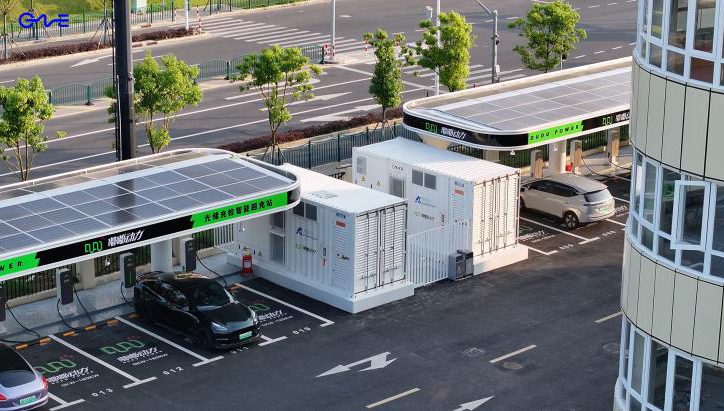
Partner with an Experienced BESS Manufacturer
Developing a successful energy storage project requires close collaboration with a manufacturer capable of understanding your specific grid demands, duty cycles, and environmental constraints. CNTE provides comprehensive, high-capacity energy storage solutions designed to maintain system reliability, efficiency, and safety across commercial, industrial, and utility-scale installations.
To discuss your project specifications, system sizing requirements, or thermal management needs with our engineering team, please submit an inquiry. We are prepared to assist you in designing a stable, high-performance energy storage solution tailored to your operational goals.
Frequently Asked Questions
Q1: What is the expected operational lifespan of a containerized LFP battery system?
A1: Under typical operating conditions, high-quality Lithium Iron Phosphate (LFP) systems are engineered to last between 15 and 20 years. The actual lifespan depends on the daily cycle depth, operational C-rate, and the performance of the thermal management system in keeping cell temperatures within optimal ranges.
Q2: Why is liquid cooling preferred over air cooling for high-capacity systems?
A2: Liquid cooling provides significantly higher thermal conductivity than air cooling. It maintains temperature uniformity across all cells within a range of less than 2 degrees Celsius, which reduces uneven cell degradation, improves safety, and allows for higher continuous charge and discharge rates with lower parasitic power usage.
Q3: How do BESS installations comply with global safety standards?
A3: Reputable manufacturers design their systems in strict compliance with international standards such as UL 9540, UL 9540A, and IEC 62619. These standards dictate mechanical separation, advanced Battery Management System (BMS) controls, exhaust ventilation, and integrated multi-stage fire suppression systems.
Q4: Can these storage systems be integrated with existing solar PV plants?
A4: Yes. Energy storage systems can be integrated either through DC-coupling or AC-coupling architectures. AC-coupled systems are frequently used to retrofit existing solar installations, connecting directly to the plant's AC bus through dedicated power conversion systems.
Q5: What role does the Energy Management System (EMS) play in operational efficiency?
A5: The EMS acts as the high-level controller of the entire installation. It monitors external grid signals, weather forecasts, and historical load patterns to determine the optimal times to charge or discharge the batteries. This system-level control helps maximize financial returns through peak shaving, load shifting, or ancillary grid services.
Get in Touch
Recent Posts
-
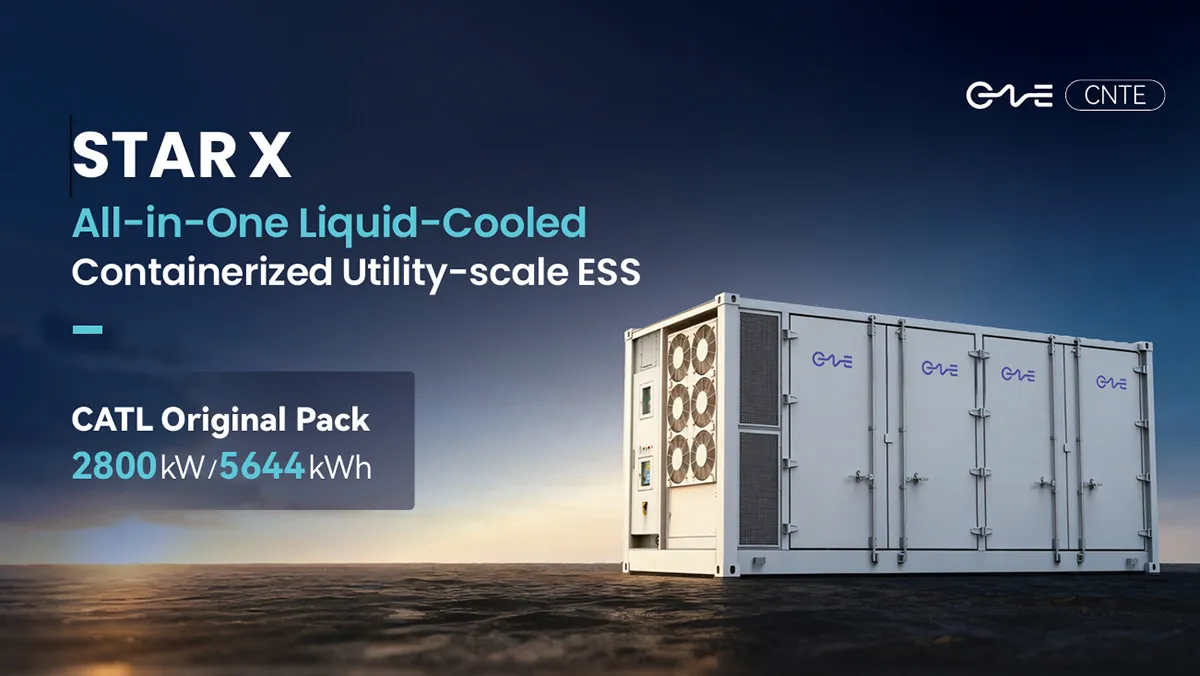
CNTE Launches STAR X Liquid-Cooled DC/AC Integrated Energy Storage System at Intersolar Europe 2026
Jul 06, 2026 -
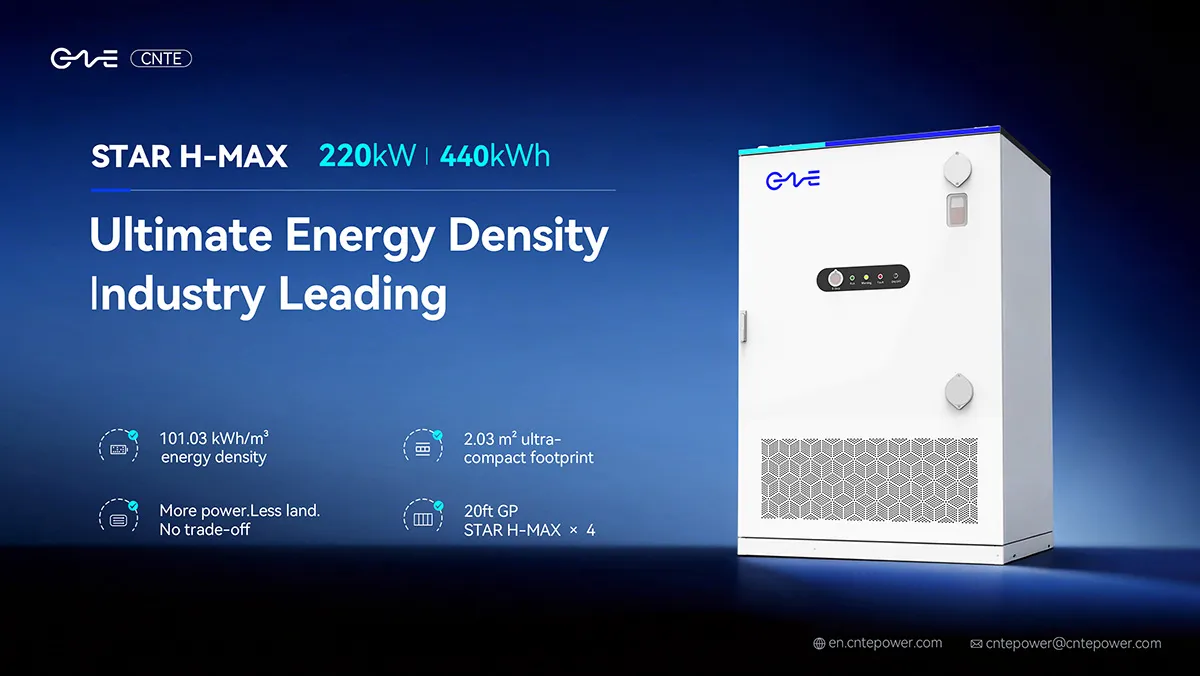
CNTE Unveils New STAR H-MAX Liquid-Cooled C&I ESS at Intersolar Europe 2026
Jun 23, 2026 -
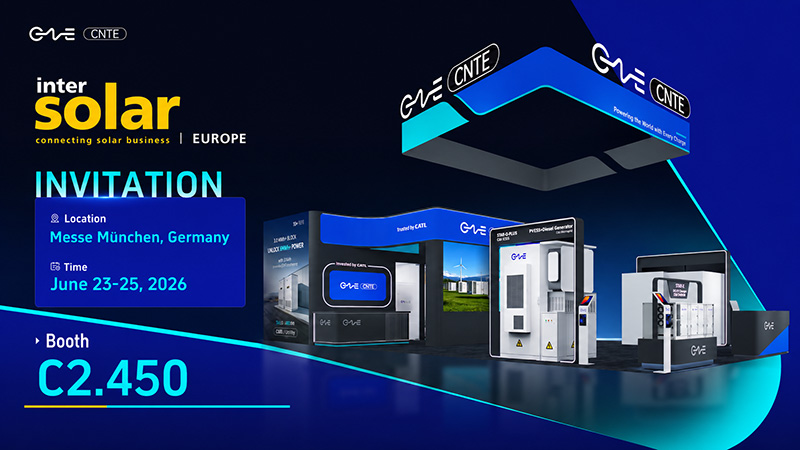
CNTE to Participate in Intersolar Europe 2026
May 20, 2026 -
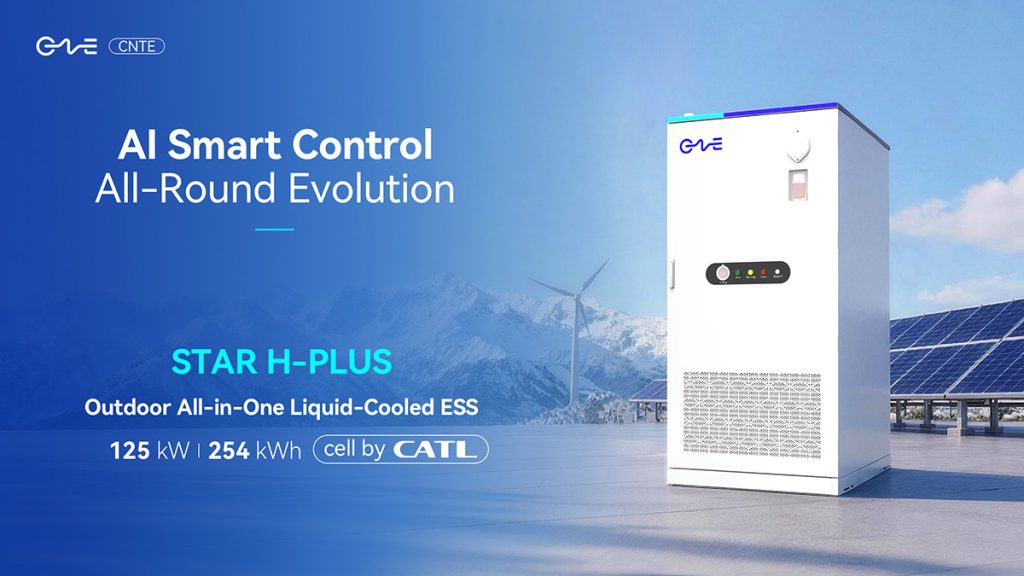
CNTE at KEY ENERGY 2026: Showcases STAR H-PLUS Outdoor Liquid-Cooled Energy Storage System
Mar 05, 2026 -

CNTE Honored as 2025 Forbes China Leading Global Brand
Jul 06, 2026 -
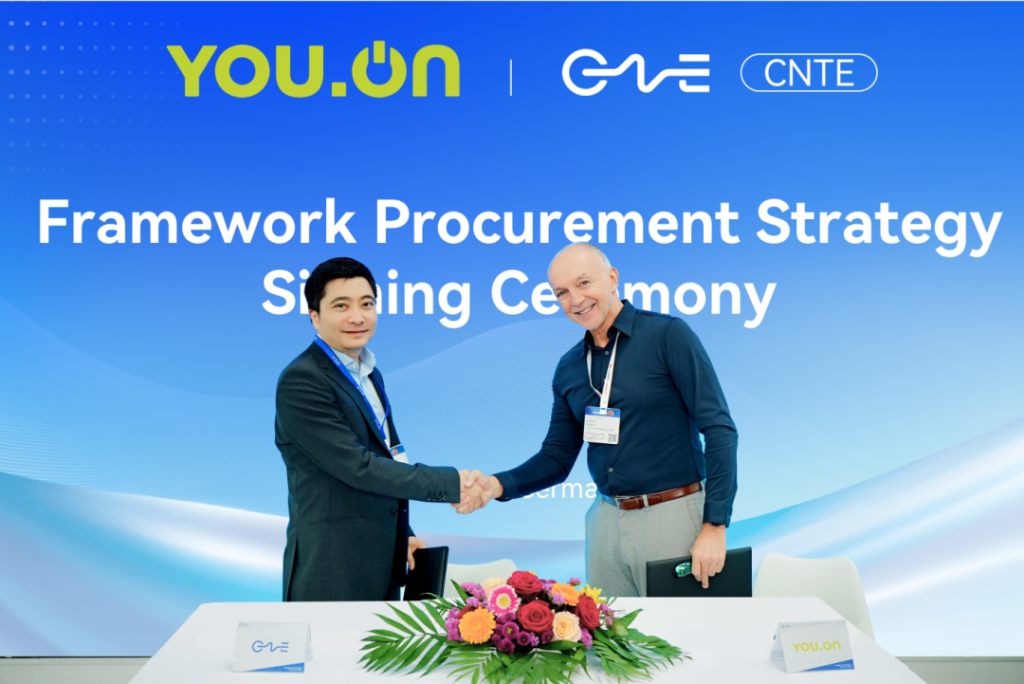
CNTE & YOU.ON Partner to Expand Storage Markets
May 19, 2025 -
CNTE Unveils Energy Storage Lineup at Solartech 2025
May 19, 2025 -
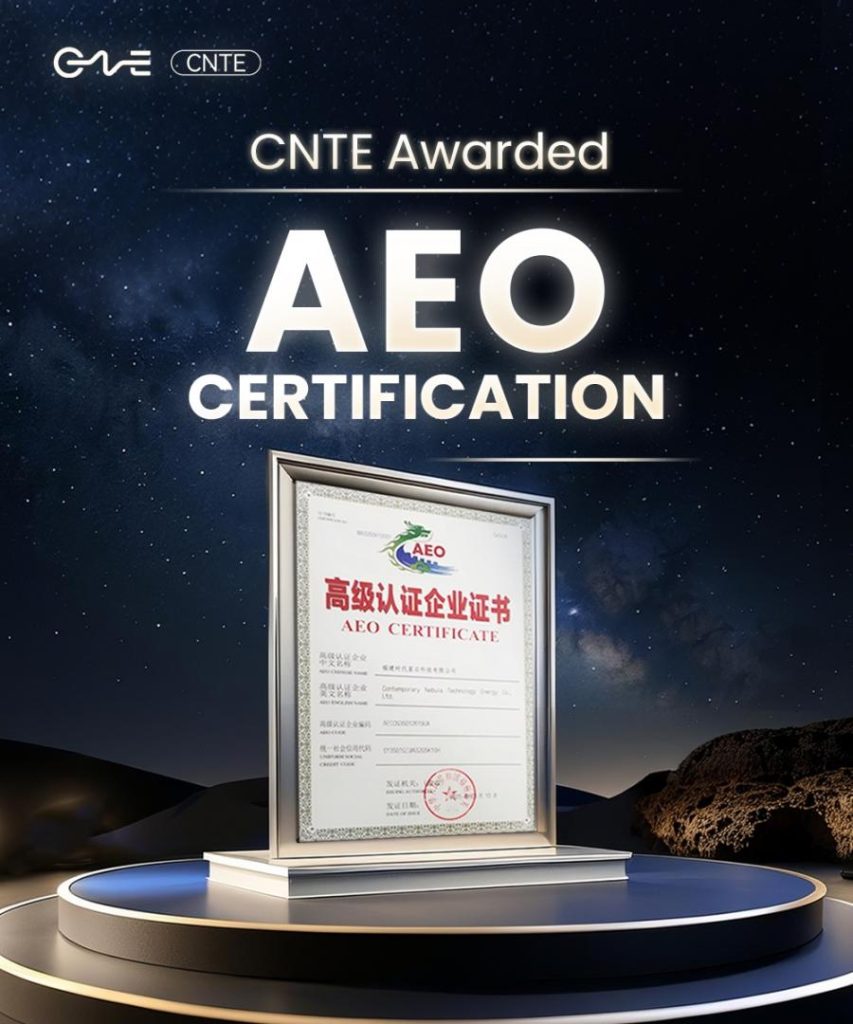
CNTE awarded AEO certification
Jul 06, 2026 -
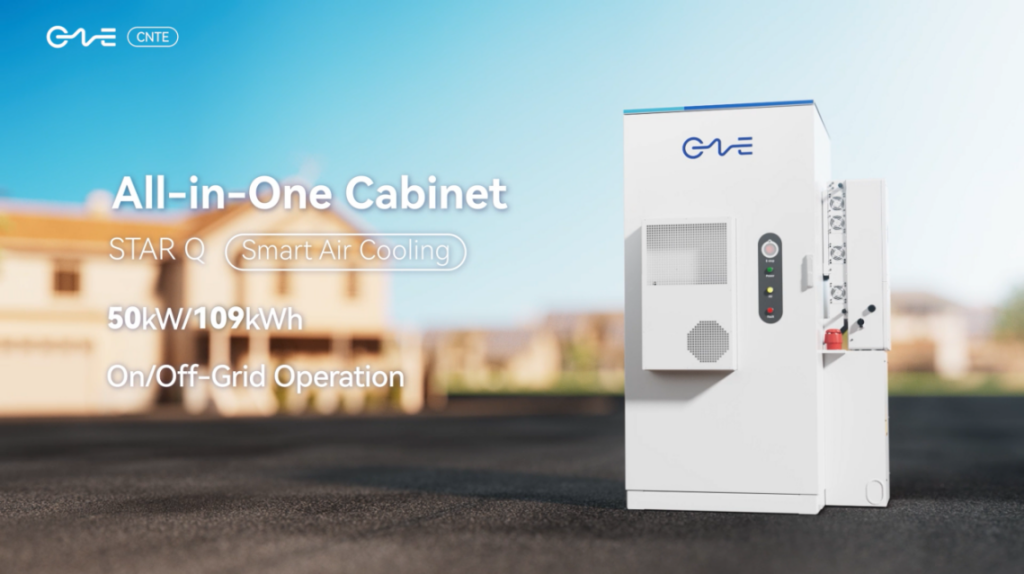
CNTE New Product Launch STAR Q
Jan 15, 2025 -
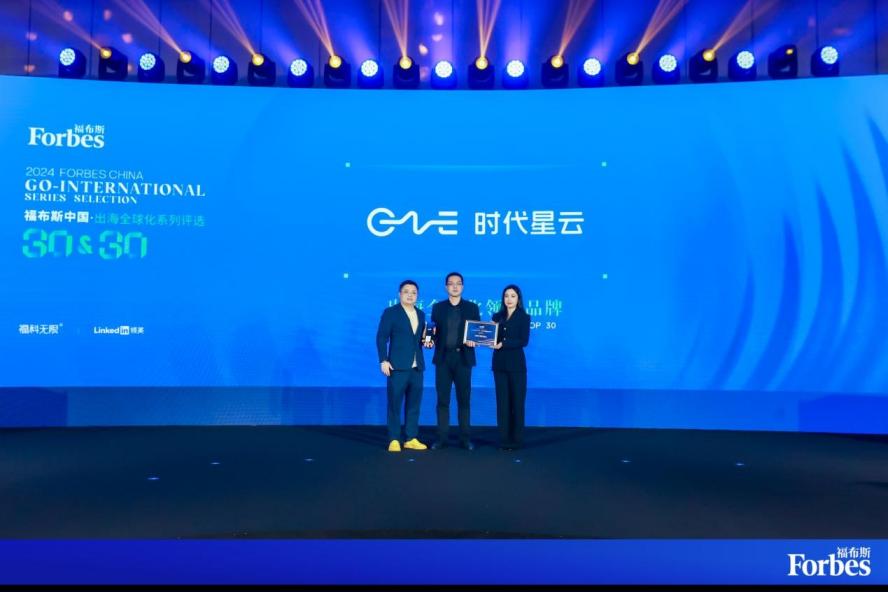
CNTE Named to Forbes China 2024 Top 30 Go-International Brands
Jul 06, 2026
