
Maximizing Grid Independence and Operational Stability via Industrial ESS -->
Modern manufacturing and production operations face unprecedented challenges regarding power reliability, fluctuating energy tariffs, and carbon reduction mandates. To navigate these challenges, large-scale facilities require sophisticated energy storage solutions. Integrating an Industrial ESS within a factory’s electrical network provides a scalable method to manage electricity consumption, reduce operational expenses, and secure backup power during grid anomalies. By acting as a buffer between the utility grid and localized demand, these systems allow operations managers to control their energy profiles with high precision.
For industrial enterprises seeking to secure their energy supply, understanding the engineering principles behind battery energy storage is highly beneficial. Contemporary Nebula Technology Energy Co., Ltd. (CNTE) provides engineered systems designed to withstand heavy industrial cycles, helping factories maintain productivity despite volatile grid conditions. Rather than relying solely on traditional utility inputs, modern factories use localized storage to create resilient, self-sufficient energy microgrids.
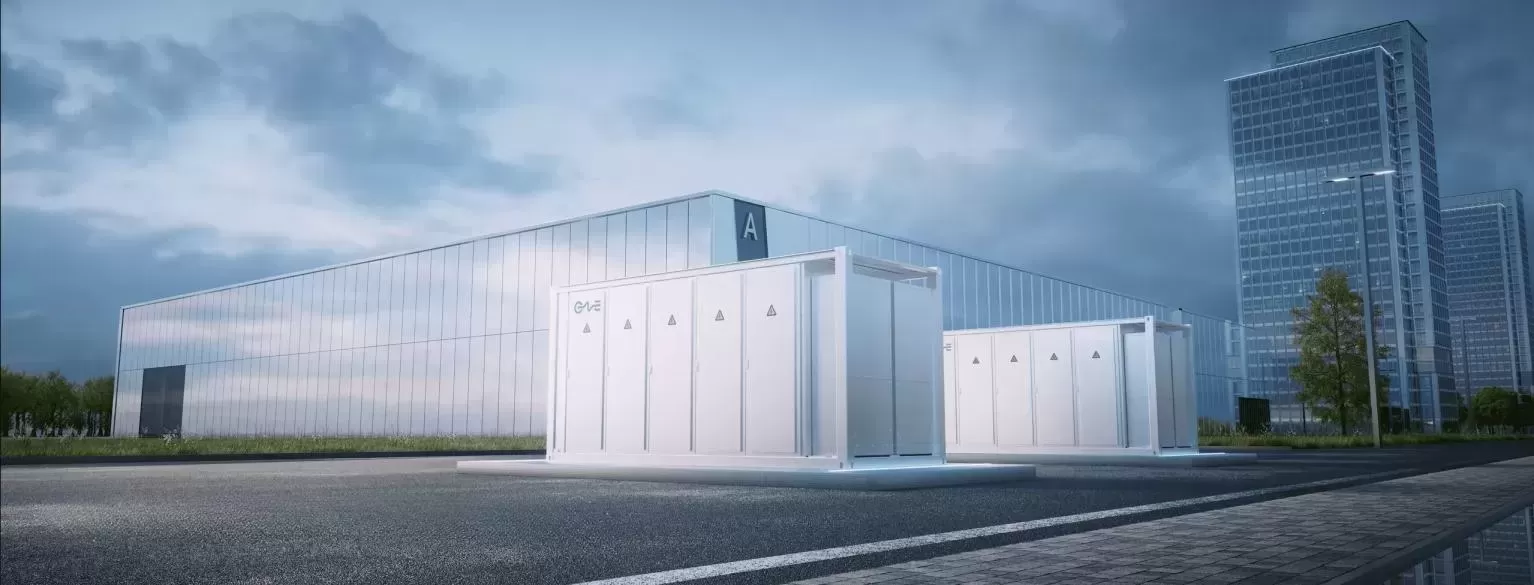
The System Architecture of an Industrial ESS
To understand how an Industrial ESS stabilizes a facility's power supply, it is helpful to examine its core components. These systems are not merely oversized batteries; they are highly integrated, multi-layered platforms designed for continuous power conversion and monitoring.
1. Lithium Iron Phosphate (LFP) Battery Racks
Most modern industrial storage projects utilize Lithium Iron Phosphate (LFP) chemistry. LFP is selected for its high thermal stability, long cycle life, and reliable performance under deep discharge cycles. These cells are configured into modules, which are subsequently stacked into high-voltage racks to achieve the necessary megawatt-hour (MWh) capacities required by heavy industry.
2. Bi-Directional Power Conversion Systems (PCS)
The PCS serves as the bridge between the battery racks and the facility’s alternating current (AC) distribution network. During charging cycles, the PCS converts AC electricity from the grid or onsite renewables into direct current (DC) for storage. When discharging, it reverses this process, feeding synchronized AC power back into the factory's main switchgear. Modern PCS units utilize high-speed insulated-gate bipolar transistors (IGBTs) to execute these transitions with minimal conversion losses.
3. Hierarchical Battery Management Systems (BMS)
A multi-tiered BMS monitors parameters such as state of charge (SoC), state of health (SoH), cell temperatures, and voltage balances. By implementing a three-tier architecture—monitoring at the cell, module, and system levels—the BMS prevents overcharging, overdischarging, and uneven thermal distribution across the battery bank. This monitoring is important to prevent degradation and extend the system’s operational lifespan.
4. Intelligent Energy Management Systems (EMS)
The EMS acts as the digital controller of the entire installation. It runs proprietary algorithms that analyze historical load profiles, real-time electricity pricing, and weather forecasts for onsite solar arrays. By processing this data, the EMS determines the most cost-effective times to charge and discharge the Industrial ESS, automating utility cost reduction without requiring manual intervention from facility engineers.
Addressing Industrial Power Pain Points
Industrial operations operate under tight margins where unexpected power fluctuations can lead to scrap material, damaged machinery, and missed production deadlines. Implementing localized storage addresses several systemic issues inherent to industrial energy consumption.
High peak demand charges represent a significant portion of a factory’s utility bill. Utilities calculate these charges based on the highest level of electricity used during a specific short window, often 15 minutes, within the billing cycle. Even if a facility operates efficiently most of the time, brief spikes in power usage—such as starting heavy machinery simultaneously—can elevate energy bills for months. An Industrial ESS mitigates this issue by discharging stored energy during these peak periods, a strategy known as peak shaving, which effectively caps the peak demand recorded by the utility meter.
Voltage instability and brief power outages present another severe challenge. Automated assembly lines, CNC machinery, and semiconductor fabrication equipment are highly sensitive to power quality. A voltage sag lasting only a fraction of a second can cause automated systems to trigger emergency stops, resulting in hours of downtime and product loss. Integrating high-speed storage systems allows the facility to transition to islanded power within milliseconds, maintaining steady voltage levels and protecting sensitive machinery from grid irregularities.
Many factories have installed onsite solar photovoltaic (PV) arrays to reduce carbon footprints and lower operating costs. However, solar generation is inherently intermittent and often peaks when factory energy demand is low. Without a dedicated storage system, excess solar generation is either curtailed or exported to the grid at low feed-in tariffs. Utilizing an Industrial ESS allows factories to store excess solar energy generated during midday hours and discharge it during peak afternoon shifts, maximizing the financial return on renewable energy investments.
Primary Application Scenarios in Industrial Settings
The application of large-scale storage systems varies depending on the operational goals of the facility. Different industrial sectors configure their systems to prioritize specific functions.
Demand Response Program Participation: Many grid operators offer financial incentives to industrial consumers who agree to reduce their grid draw during times of high grid stress. By utilizing stored energy, factories can participate in these programs and generate revenue without shutting down production lines.
Dynamic Capacity Expansion: When an industrial facility adds a new production line or installs high-power equipment, the existing grid connection may lack the capacity to handle the increased load. Upgrading utility transformers and transmission lines is expensive and often delayed by bureaucratic approvals. An Industrial ESS can act as a virtual expansion tool, providing the necessary supplementary power during high-load operations and charging during low-demand periods.
Microgrid Configuration for Remote Operations: Mines, chemical processing plants, and remote agricultural facilities often operate in regions with weak grid infrastructure. By combining solar, wind, diesel generators, and localized storage, these facilities can establish stable microgrids. The storage system balances the fluctuating output of renewables, reducing reliance on expensive diesel fuel.
Engineering Considerations for System Deployment
Deploying a large-scale energy storage system requires careful planning and engineering to ensure long-term performance and safety. Every facility has a unique energy signature, meaning that standard solutions rarely provide the best results.
Load profiling is the foundation of system sizing. Engineers must analyze at least 12 months of high-resolution interval billing data to understand the peak demands, average base loads, and seasonal variations of the facility. This data helps determine the appropriate power-to-energy ratio. For example, a facility requiring high power for short durations needs a system optimized for high discharge rates, whereas a facility looking to run independently overnight requires a high-capacity energy-shifting system.
Thermal management is another key engineering factor. Battery cells generate heat during both charge and discharge cycles. Maintaining an even, moderate temperature across all cells is necessary to prevent accelerated degradation. Air cooling is suitable for light-duty cycles, but liquid-cooled systems are increasingly preferred for heavy-duty industrial applications. Liquid cooling provides uniform temperature regulation, allowing the batteries to operate continuously under high loads without overheating.
Safety systems must be integrated at every level of the design. CNTE implements advanced structural designs and multi-stage mitigation protocols to prevent thermal events. This includes physical barriers between battery compartments, specialized exhaust venting, and integrated fire suppression systems that deploy clean agent gases or specialized water mists at the first sign of off-gassing. By prioritizing physical containment and early detection, the system remains a secure asset within the industrial facility.
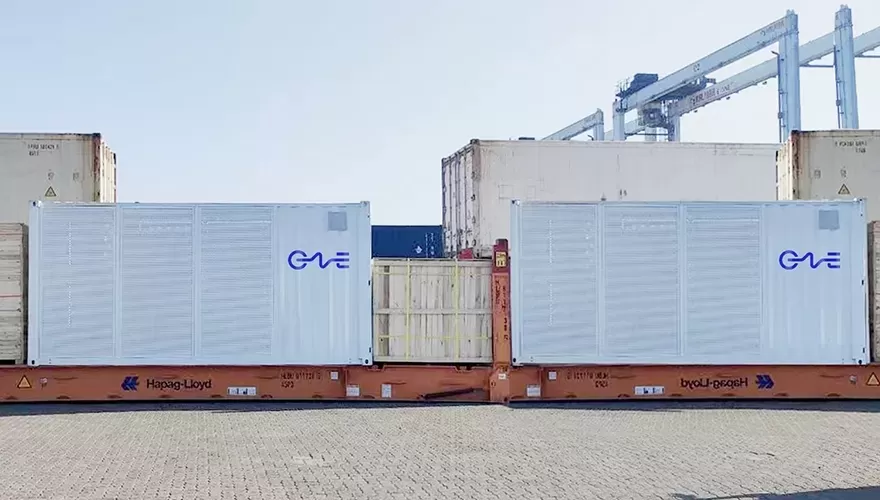
How CNTE Enhances Industrial Infrastructure
CNTE (Contemporary Nebula Technology Energy Co., Ltd.) focuses on developing robust, high-performance energy storage solutions tailored for demanding industrial environments. By utilizing advanced cell technology and intelligent control systems, CNTE engineered systems deliver high round-trip efficiency and long cycle lives. This ensures that industrial enterprises can confidently deploy storage assets to manage operational costs and safeguard their power supplies.
The system integration capabilities of CNTE allow for smooth compatibility with existing factory energy management platforms, building automation systems, and renewable energy installations. This unified approach simplifies operations, enabling facility managers to monitor energy flows, track savings, and manage system health through a single interface.
Contact CNTE for a Professional Energy Consultation
Implementing an energy storage system is a significant step toward achieving energy independence and cost control. Because every industrial facility operates under unique load constraints and tariff structures, a customized engineering analysis is required to determine the optimal system configuration.
If you are looking to mitigate high demand charges, stabilize factory voltage, or improve the utilization of onsite renewables, CNTE is ready to assist. Contact our team of B2B application engineers today to request a comprehensive load profile evaluation and feasibility study for your facility. Let us assist you in designing a solution that matches your operational requirements.
Frequently Asked Questions
Q1: How does an Industrial ESS differ from commercial or residential storage systems?
A1: An Industrial ESS is designed for high-voltage, heavy-duty applications. Unlike residential or light commercial systems, industrial units must interface with high-voltage utility grids (often 10kV to 35kV or higher) via dedicated step-up transformers. They feature high charge and discharge rates, advanced liquid cooling systems to handle continuous cycling, and sophisticated industrial-grade EMS software designed to integrate with factory automation platforms.
Q2: What is the expected operational lifespan of these battery storage systems?
A2: The lifespan of a high-quality LFP-based storage system is typically between 10 to 15 years, or approximately 6,000 to 8,000 complete cycles at 80% Depth of Discharge (DoD). The actual operational life depends on system operating temperatures, charge and discharge rates, and the effectiveness of the thermal management system.
Q3: Can these storage systems operate during a complete grid blackout?
A3: Yes, provided the system is configured with black-start capabilities and a grid-forming inverter. In this configuration, the storage system can isolate the facility from the failed utility grid and establish a local microgrid, supplying continuous power to key manufacturing equipment until grid service is restored.
Q4: How do liquid cooling systems compare to air cooling in industrial environments?
A4: Liquid cooling systems circulate specialized coolant directly through plates in contact with the battery cells, providing faster and more uniform heat dissipation than air-based systems. This is highly beneficial for industrial applications that involve rapid charging or discharging, as uniform cell temperatures help prevent localized hot spots and slow down battery degradation.
Q5: What information is needed to begin designing a system for a factory?
A5: To begin designing a system, engineers require 12 months of historical electricity billing data (ideally with 15-minute interval data), details on existing onsite generation (such as solar PV capacity), a copy of the utility tariff structure, and a list of key loads that require backup power during grid interruptions.
Get in Touch
Recent Posts
-
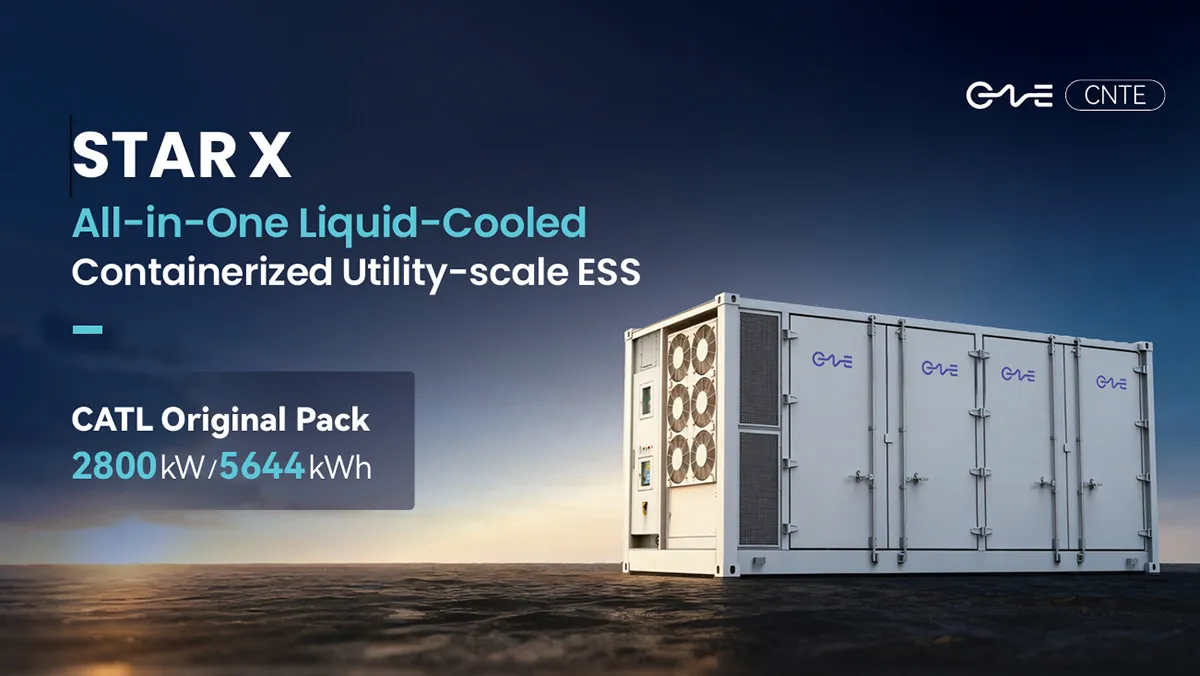
CNTE Launches STAR X Liquid-Cooled DC/AC Integrated Energy Storage System at Intersolar Europe 2026
Jul 06, 2026 -
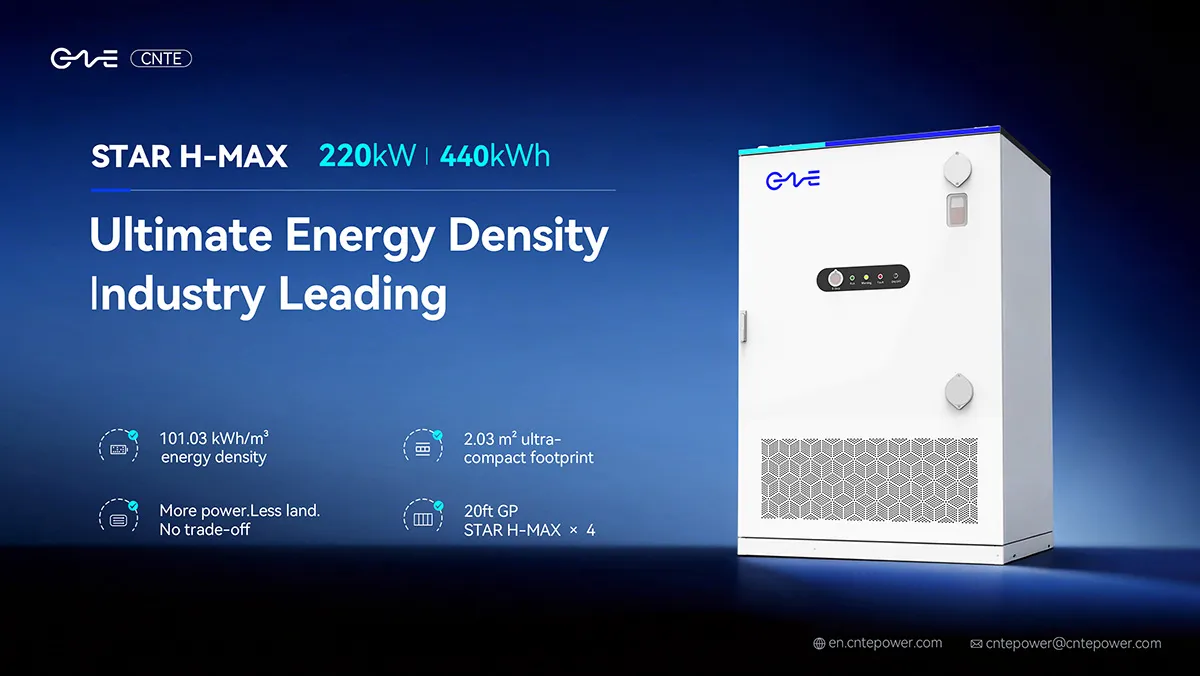
CNTE Unveils New STAR H-MAX Liquid-Cooled C&I ESS at Intersolar Europe 2026
Jun 23, 2026 -
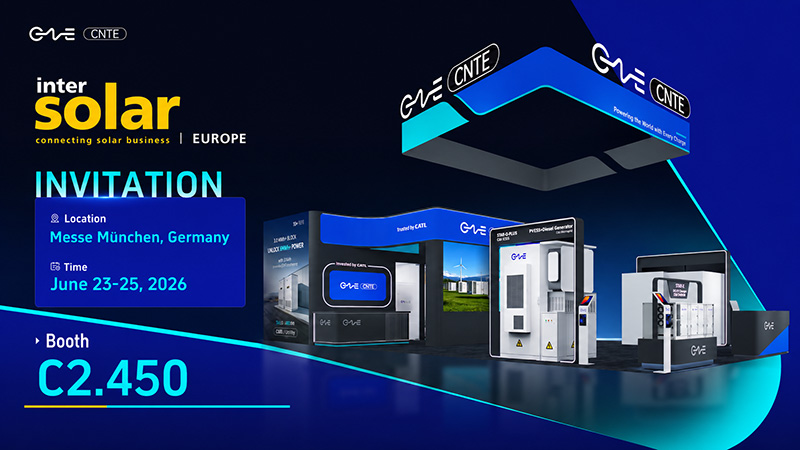
CNTE to Participate in Intersolar Europe 2026
May 20, 2026 -
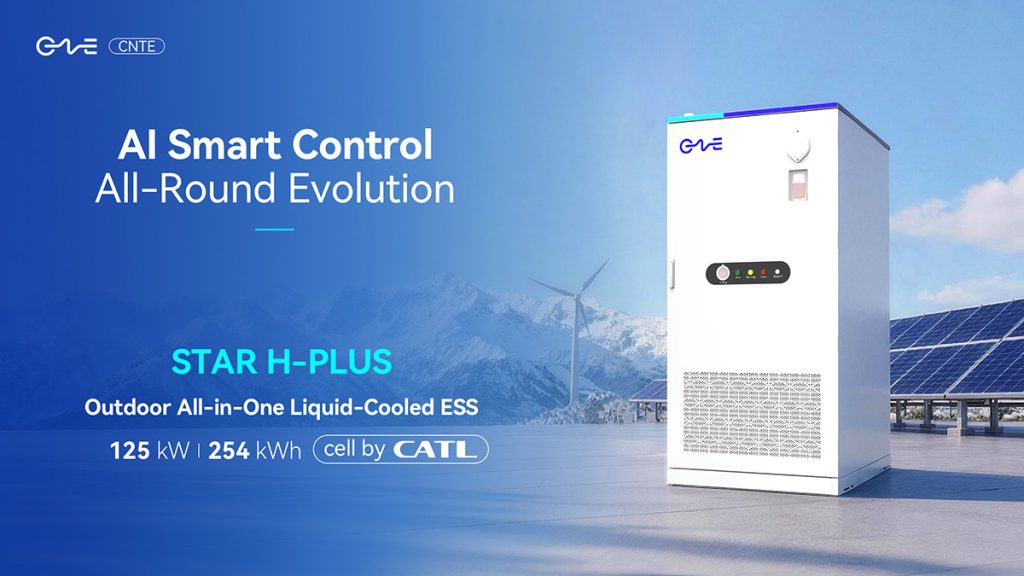
CNTE at KEY ENERGY 2026: Showcases STAR H-PLUS Outdoor Liquid-Cooled Energy Storage System
Mar 05, 2026 -

CNTE Honored as 2025 Forbes China Leading Global Brand
Jul 06, 2026 -

CNTE & YOU.ON Partner to Expand Storage Markets
May 19, 2025 -

CNTE Unveils Energy Storage Lineup at Solartech 2025
May 19, 2025 -
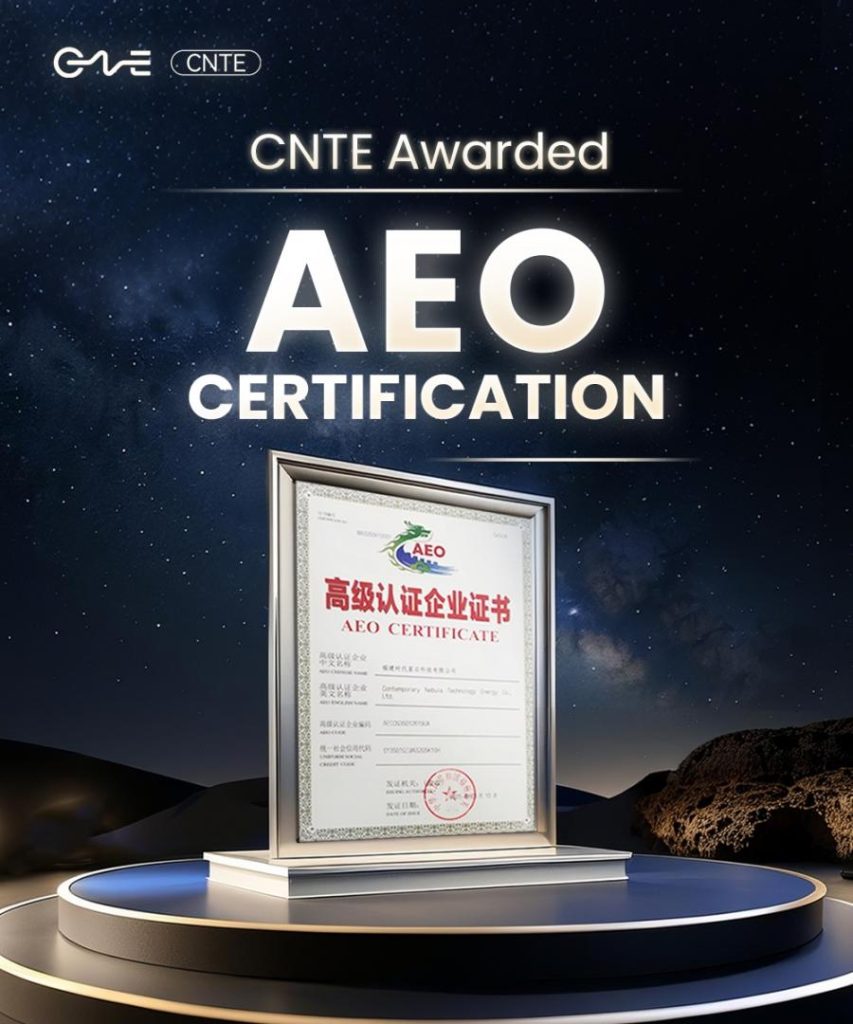
CNTE awarded AEO certification
Jul 06, 2026 -
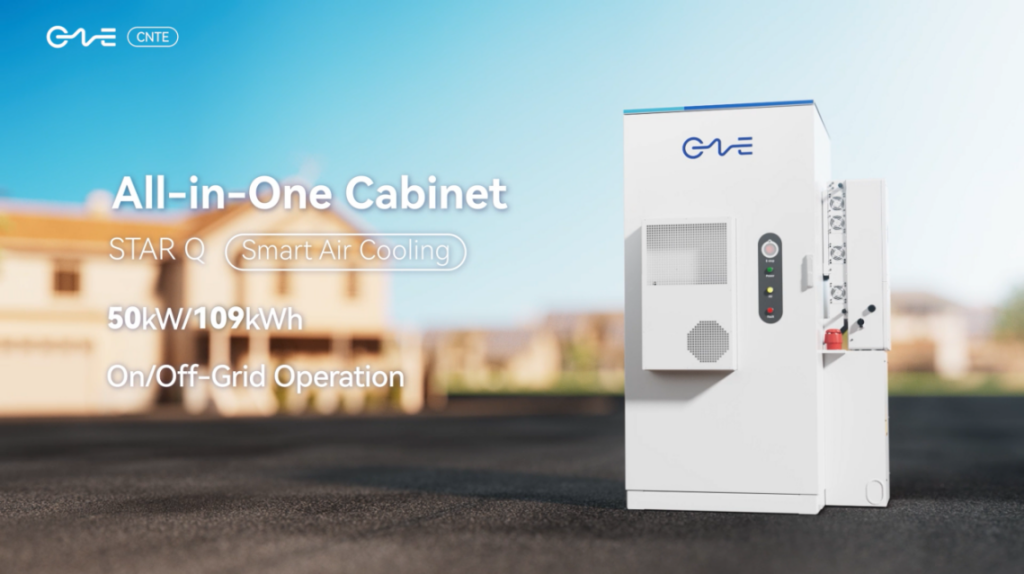
CNTE New Product Launch STAR Q
Jan 15, 2025 -

CNTE Named to Forbes China 2024 Top 30 Go-International Brands
Jul 06, 2026
