
Why is Stand Alone Energy Storage Pivotal for Modern Grid Stability?
Global electrical grids are experiencing a structural shift. The retirement of conventional thermal generation assets combined with the rapid integration of intermittent renewable energy sources introduces substantial operational challenges. As the supply of synthetic inertia decreases, grid vulnerability to rapid frequency deviations and voltage fluctuations increases. Resolving these challenges requires highly responsive, localized assets that can decouple generation from consumption. A stand alone energy storage facility offers a versatile answer, serving as a flexible grid resource that operates independently of specific generation facilities.
Unlike co-located systems that are tied directly to wind or solar farms, stand alone energy storage installations connect directly to transmission or distribution networks. This structural independence allows grid operators and project developers to place these installations at locations characterized by high congestion, localized demand growth, or electrical weak points. By operating on a purely merchant or contracted basis, these facilities help balance supply and demand variations across the broader power grid.
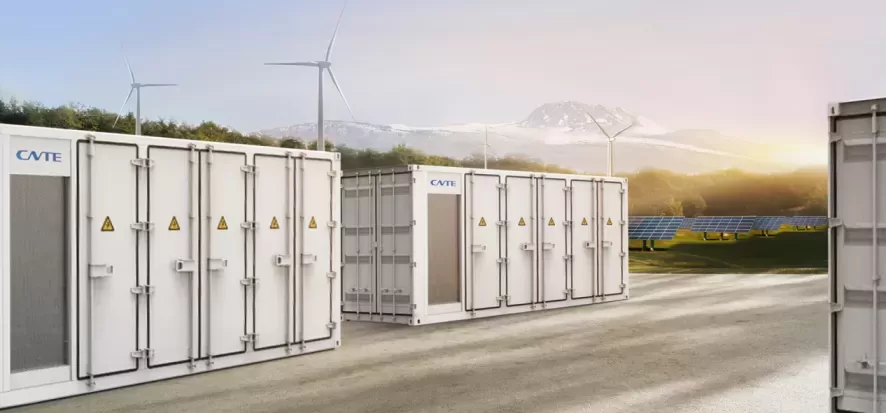
The Engineering Architecture of a Stand Alone Energy Storage Facility
To evaluate the efficacy of these facilities, it is necessary to examine their core engineering subsystems. A stand alone energy storage installation is not merely a collection of batteries; it is a complex, integrated electrical plant designed to interact dynamically with high-voltage utility networks.
Battery Energy Storage System (BESS)
The core storage medium typically consists of Lithium Iron Phosphate (LFP) battery chemistry. LFP is selected for large-scale utility applications due to its thermal stability, long cycle life, and high round-trip efficiency. These cells are configured into modules, racks, and ultimately high-capacity containers designed to withstand outdoor environmental conditions.
Power Conversion System (PCS)
The PCS consists of bi-directional inverters that facilitate the exchange of energy between the DC battery racks and the AC utility grid. These inverters must feature rapid response times, switching from full charging to full discharging within milliseconds. Modern systems employ grid-forming inverters, which can establish voltage and frequency reference points, simulating the physical inertia historically provided by heavy rotating turbines.
Energy Management System (EMS) and Battery Management System (BMS)
The control hierarchy is split into cell-level management and plant-level dispatch. The BMS monitors cell voltages, state-of-charge, state-of-health, and temperature parameters, preventing operations outside safe boundaries. Simultaneously, the EMS acts as the intelligence of the system. It communicates with utility SCADA systems, analyzes wholesale market pricing signals, and dispatches the PCS to execute profitable charge and discharge cycles.
Mitigating Operational Vulnerabilities in Modern Power Networks
Grid operators face significant hurdles maintaining system equilibrium. Traditional infrastructure was built for predictable, centralized generation, whereas current realities involve highly decentralized, weather-dependent power sources. This change causes several systemic complications:
Transmission Line Congestion: High solar or wind generation in remote regions often exceeds the thermal capacity of existing transmission lines, leading to forced curtailment of clean energy.
Frequency Deviation: The lack of physical inertia in non-synchronous renewable generators leads to rapid rate-of-change-of-frequency (RoCoF) during unexpected generation outages.
Voltage Instability: Localized load changes and reactive power deficits cause voltage sags that can damage industrial equipment and disrupt regional power quality.
Deploying a stand alone energy storage asset directly addresses these issues. By absorbing excess power during generation peaks and injecting it back into the grid during periods of localized deficit, these facilities reduce the need to build expensive new transmission lines. This localized congestion relief improves transmission efficiency and prevents clean energy from being wasted.
Value Stacking and Revenue Models in Wholesale Electricity Markets
The economic viability of stand alone energy storage depends on its ability to participate in multiple wholesale electricity markets. Project developers maximize returns by stacking different service agreements, ensuring the system is continuously generating revenue.
Wholesale Arbitrage
This is the fundamental process of purchasing power during low-price periods (often during high solar output or low nighttime demand) and selling it back during peak-demand hours. Effective arbitrage requires a highly efficient system with minimal round-trip energy losses to ensure the price spread covers operational wear and depreciation.
Ancillary Services and Frequency Response
Grid operators pay premium rates for rapid frequency regulation services. Systems must respond instantly to keep grid frequency within narrow tolerances (e.g., 50Hz or 60Hz). Stand alone assets can participate in fast frequency response (FFR) markets, delivering full power output in less than a second, which is far faster than conventional gas peaking plants.
Capacity Markets
In many regions, utilities pay capacity payments to asset owners simply for guaranteeing that their systems will be available to discharge power during extreme peak-demand events. This provides a predictable, long-term revenue stream that supports project financing.
Engineering Challenges: Thermal Management and Degradation
Implementing utility-scale storage requires resolving complex physical and thermal challenges. High-capacity battery enclosures operating at high C-rates generate substantial heat. If this heat is not managed uniformly, localized hot spots can develop, leading to accelerated cell degradation or, in extreme scenarios, thermal runaway events.
To prevent these issues, modern engineering relies on advanced liquid cooling systems. Liquid-cooled plates maintain uniform temperatures across all battery cells, ensuring a temperature deviation of less than 2 degrees Celsius across the entire enclosure. This uniform thermal environment is vital for maintaining the battery system's capacity over its expected 15-to-20-year operational life.
Degradation management also requires sophisticated state-of-charge balancing. Continuous deep discharging accelerates capacity loss. Operators must use smart EMS dispatch algorithms that balance high-revenue market participation with conservative cycle depths to preserve the physical health of the battery cells.
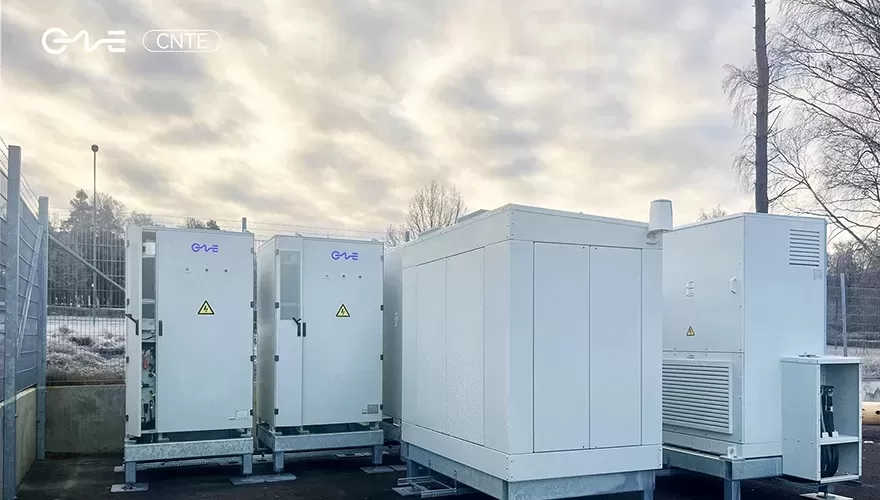
The CNTE Approach to Utility-Scale Storage Solutions
As a specialized provider in this sector, CNTE (Contemporary Nebula Technology Energy Co., Ltd.) focus on delivering high-durability BESS solutions designed for challenging utility environments. By combining advanced liquid cooling designs with high-density battery integration, CNTE systems offer consistent thermal control and high round-trip efficiency.
The systems engineered by CNTE (Contemporary Nebula Technology Energy Co., Ltd.) feature comprehensive safety architectures, incorporating multi-level fire suppression, off-gas detection, and structural isolation. This ensures compliance with rigorous international safety codes and facilitates smoother permitting and grid interconnection processes for global developers.
Ancillary Grid Services Comparison
The following table outlines how different storage applications contribute to grid stability and project profitability:
| Service Type | Response Time Required | Primary Benefit | Revenue Predictability |
|---|---|---|---|
| Fast Frequency Response (FFR) | Sub-second (< 500ms) | Stabilizes system frequency during sudden outages | Variable (Market-driven tariff) |
| Arbitrage (Energy Shifting) | Minutes to Hours | Balances daily supply-demand discrepancies | High (Based on wholesale price spreads) |
| Voltage Support (Reactive Power) | Milliseconds | Maintains local voltage profiles on distribution lines | Contract-based (Stable utility payments) |
| Capacity Reserves | 10 to 30 Minutes | Provides emergency backup during extreme grid strain | High (Fixed monthly capacity contracts) |
Future Integration: Grid-Forming Capabilities
As traditional fossil-fuel plants retire, the loss of physical spinning inertia becomes an acute challenge. Future stand alone energy storage installations must do more than simply inject active power; they must actively support grid structure. This is accomplished through grid-forming inverter technology.
Grid-forming inverters behave like virtual synchronous generators. They regulate voltage and frequency autonomously, even in weak grids with low short-circuit ratios. This capability allows storage facilities to assist in black-start scenarios, providing the reference voltage required to restart surrounding generation facilities after a widespread outage. This function is expected to become a mandatory requirement in many grid connection agreements in the coming years.
Frequently Asked Questions
Q1: What defines a stand alone energy storage system compared to a co-located storage system?
A1: A stand alone system is connected directly to the transmission or distribution grid independently of any generation asset. It charges from the grid and discharges back into it based on market pricing and utility needs. Co-located storage is physically built alongside a generation source, such as a solar farm, sharing the same interconnection point and primarily storing that specific plant's excess generation.
Q2: How do grid-forming inverters improve the performance of stand alone energy storage facilities?
A2: Grid-forming inverters allow the system to act as a virtual synchronous generator. Instead of relying on the grid's existing voltage and frequency signals to operate, grid-forming systems can establish these reference parameters independently. This capability stabilizes weak grids, manages voltage drops, and supports black-start recovery procedures.
Q3: What are the main causes of battery degradation in large-scale storage facilities?
A3: Battery degradation is primarily driven by operating temperatures, high charge/discharge rates (C-rates), high average state-of-charge levels, and deep cycles. Implementing high-efficiency liquid cooling and utilizing smart energy management algorithms help control these factors, extending the operational life of the asset.
Q4: Why is Lithium Iron Phosphate (LFP) preferred over other chemistries for utility projects?
A4: LFP chemistry offers a superior safety profile due to its high thermal runaway threshold. It also provides a significantly longer cycle life (often exceeding 6,000 to 8,000 cycles) and does not require cobalt, which reduces supply chain concerns and lowers overall manufacturing costs compared to nickel-based chemistries.
Q5: How does revenue stacking work for stand alone energy storage operators?
A5: Revenue stacking involves using the same storage system to participate in different market services simultaneously. For example, an operator can reserve a portion of the capacity for a fixed-rate capacity contract, use another portion for active frequency regulation, and use the remaining capacity for daily price arbitrage, maximizing the asset's total yield.
Project Inquiries and Consultations
Developing a utility-scale storage asset requires careful alignment of engineering design, safety compliance, and regional grid regulations. CNTE (Contemporary Nebula Technology Energy Co., Ltd.) provides robust, high-performance battery storage systems engineered to meet these precise demands. If you are planning a utility-scale installation, seeking to upgrade existing substation capacity, or requiring a customized storage solution, please contact our engineering team to discuss your project requirements and request a detailed system proposal.
Get in Touch
Recent Posts
-
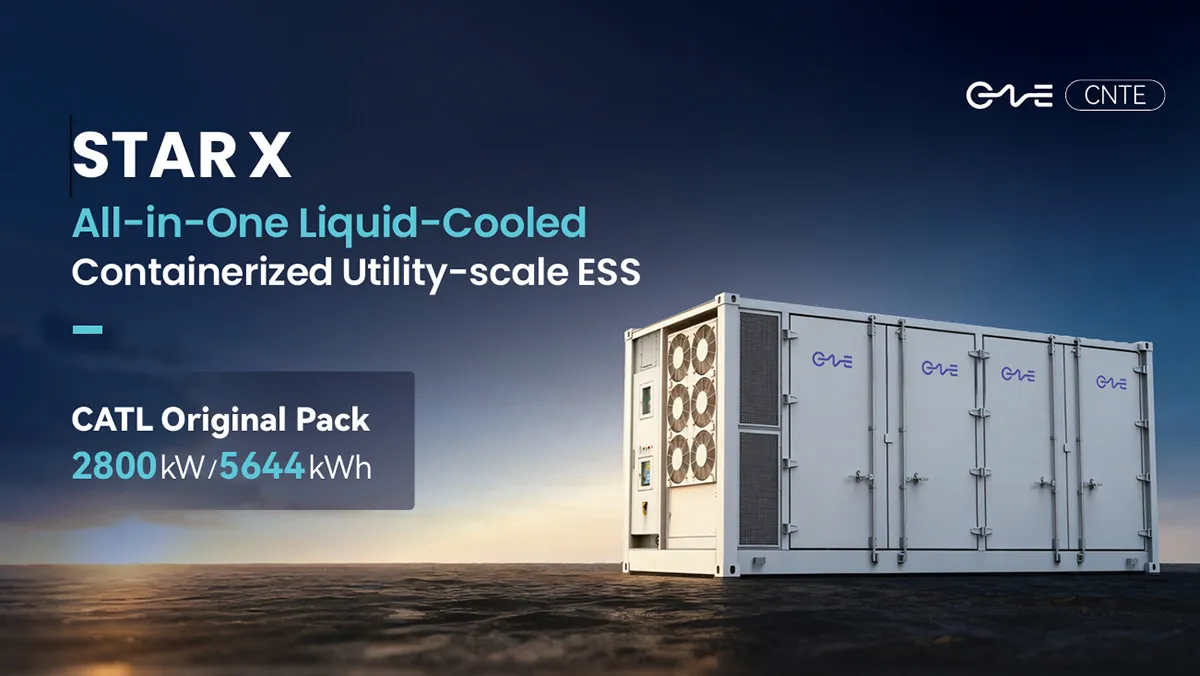
CNTE Launches STAR X Liquid-Cooled DC/AC Integrated Energy Storage System at Intersolar Europe 2026
Jul 06, 2026 -
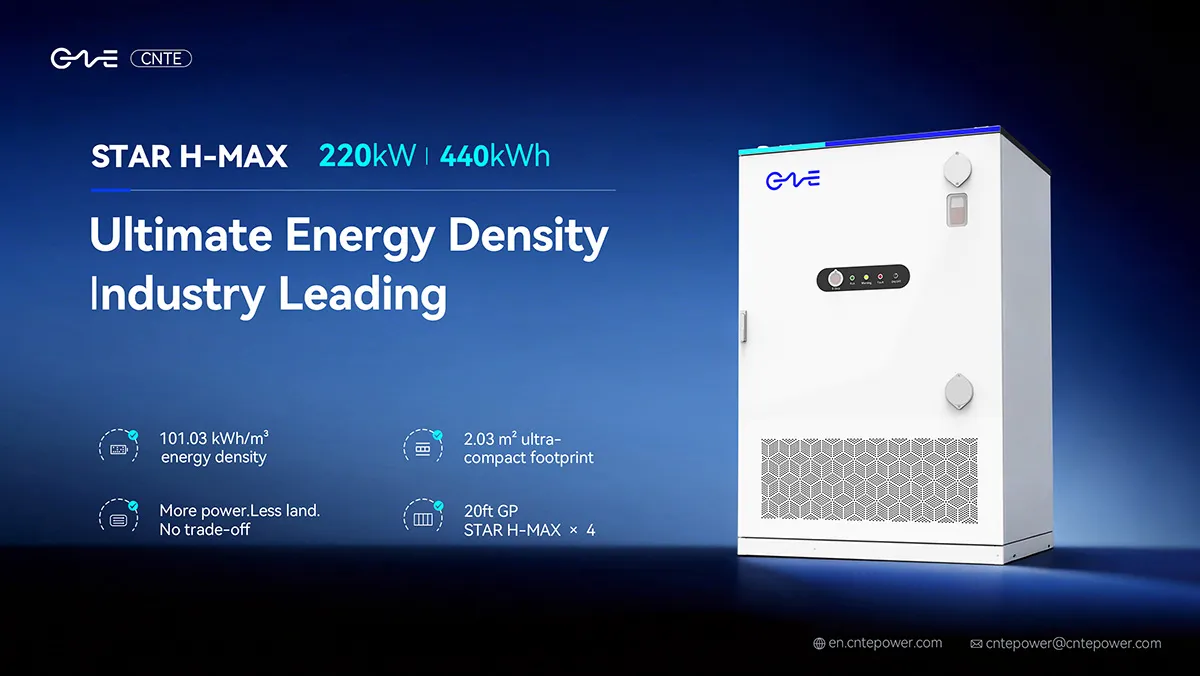
CNTE Unveils New STAR H-MAX Liquid-Cooled C&I ESS at Intersolar Europe 2026
Jun 23, 2026 -
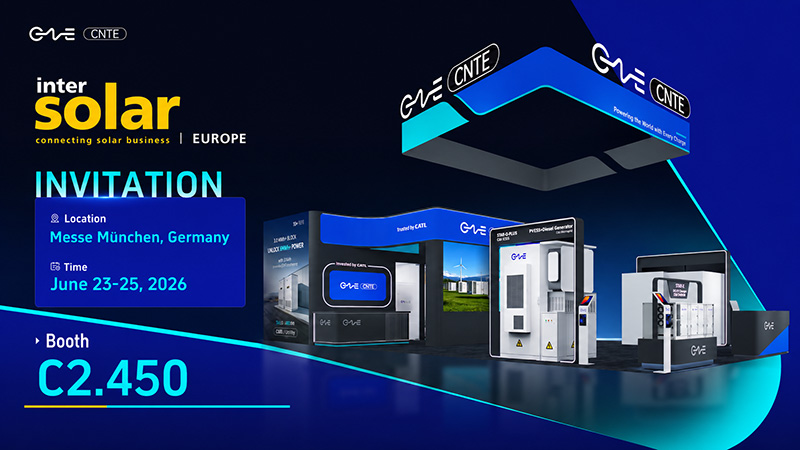
CNTE to Participate in Intersolar Europe 2026
May 20, 2026 -
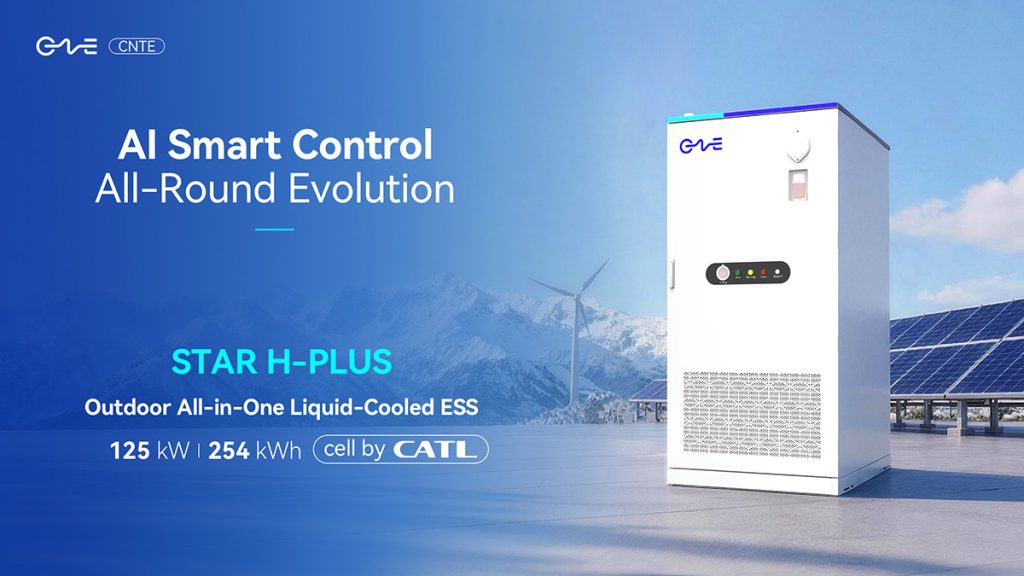
CNTE at KEY ENERGY 2026: Showcases STAR H-PLUS Outdoor Liquid-Cooled Energy Storage System
Mar 05, 2026 -

CNTE Honored as 2025 Forbes China Leading Global Brand
Jul 06, 2026 -
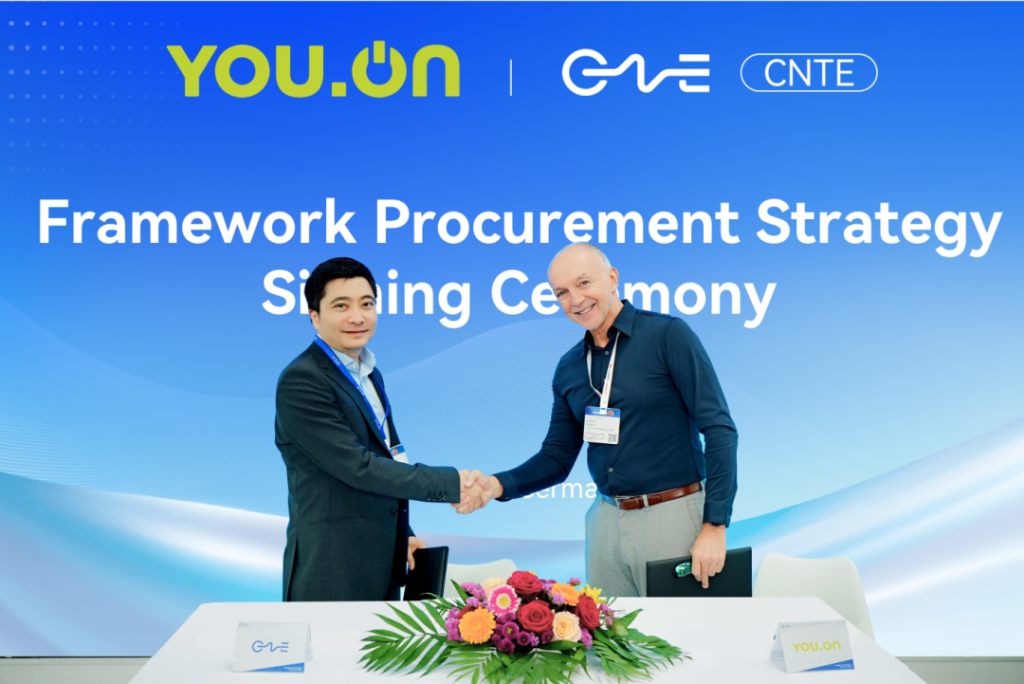
CNTE & YOU.ON Partner to Expand Storage Markets
May 19, 2025 -
CNTE Unveils Energy Storage Lineup at Solartech 2025
May 19, 2025 -
CNTE awarded AEO certification
Jul 06, 2026 -
CNTE New Product Launch STAR Q
Jan 15, 2025 -
CNTE Named to Forbes China 2024 Top 30 Go-International Brands
Jul 06, 2026
