
Reducing Operational Downtime and Energy Demand Fees with Energy Storage and Batteries
The global transition toward decentralized energy networks presents complex operational challenges for industrial and commercial enterprises. High demand charges, power quality fluctuations, and the intermittent nature of on-site solar generation require robust engineering solutions. To address these vulnerabilities, modern infrastructure relies on the systematic integration of energy storage and batteries. These systems act as a buffer, balancing supply and demand in real time while protecting sensitive industrial equipment from voltage sags.
CNTE (Contemporary Nebula Technology Energy Co., Ltd.) develops system-level platforms designed to manage these exact thermal and electrical loads, ensuring long-term operational continuity for global enterprises. By analyzing the engineering parameters of battery chemistry, thermal containment, and microgrid coordination, facilities can design stable, high-efficiency energy systems that align with local utility regulations.
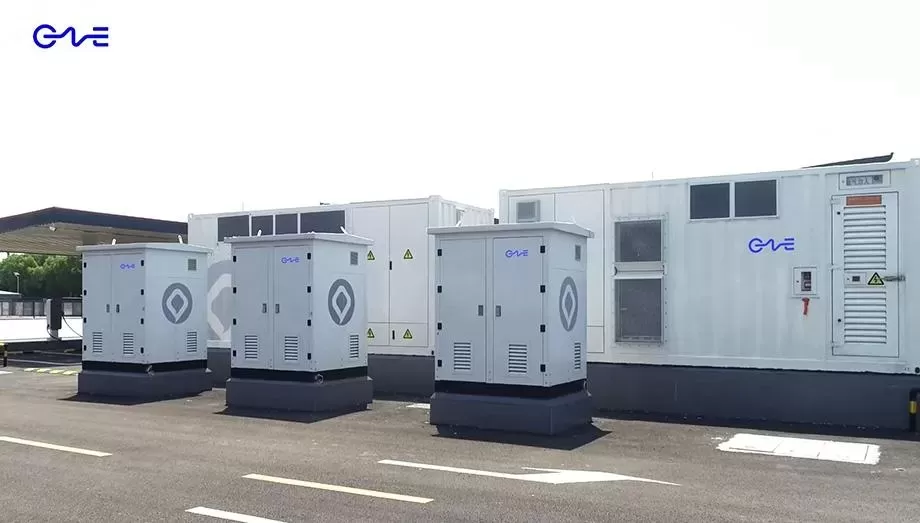
Chemical and Material Engineering in Industrial Battery Systems
When evaluating energy storage and batteries for heavy industrial applications, selecting the appropriate chemical composition is the primary step. Lithium Iron Phosphate (LFP) has emerged as the industry standard for stationary installations, primarily due to its chemical stability and long life cycle.
Lithium Iron Phosphate (LFP) vs. Nickel Manganese Cobalt (NMC)
LFP chemistry offers safety advantages over NMC. The thermal runaway temperature for LFP is approximately 270°C, compared to NMC's lower threshold of around 210°C. LFP cells also exhibit lower degradation rates, often maintaining over 80% capacity after 6,000 cycles at 100% Depth of Discharge (DoD). This thermal and mechanical resilience makes LFP highly suitable for dense urban and industrial environments where safety protocols are stringent. The olivine crystal structure of LFP provides robust structural integrity during lithiation and delithiation, which minimizes the mechanical stress experienced by the electrodes over years of continuous operation.
Mitigating Capacity Fade and Degradation
Battery degradation occurs through chemical and mechanical pathways. These processes must be managed to preserve system value over the project lifecycle:
Solid Electrolyte Interphase (SEI) layer growth, which consumes active lithium ions.
Mechanical stress from volume expansion during charging and discharging cycles.
Micro-cracking in electrode active materials under high charge and discharge currents (C-rates).
Lithium plating on the anode when charging at lower ambient temperatures.
To manage these degradation vectors, advanced battery management systems (BMS) carefully regulate charging profiles. CNTE integrates high-precision state-of-charge (SoC) and state-of-health (SoH) algorithms into its control platforms, keeping cells within safe operating limits and extending physical service life. By accurately measuring voltage, current, and temperature at the cell level, the BMS prevents overcharging and localized stress, which are the primary drivers of premature capacity loss.
Thermal Management and System Integration Challenges
Deploying energy storage and batteries at scale involves far more than simply wiring cells together. Thermal management remains a primary engineering challenge, as uneven temperature distribution across a pack can lead to localized cell aging and, in severe cases, thermal propagation.
Liquid Cooling vs. Forced Air Cooling
Traditional air-cooling designs are simple but struggle to maintain uniform temperatures in high-capacity systems. Liquid cooling systems utilize a closed-loop glycol-water mixture to absorb and dissipate heat directly from the cell faces. This approach achieves temperature differentials across the entire pack of less than 3°C, compared to the 8°C or higher typically observed in air-cooled configurations. By maintaining a uniform thermal profile, liquid cooling reduces localized degradation, preventing weak cells from limiting the capacity of the entire string.
Furthermore, liquid-cooled systems allow for a more compact footprint, which is invaluable for commercial facilities with limited physical space. The higher heat capacity of liquid coolants compared to air means that heat can be extracted much more rapidly during high-rate discharge events, such as when a microgrid must suddenly absorb a large industrial motor startup load.
System-Level Safety and Fire Suppression
Industrial battery enclosures must incorporate multi-layered safety mechanisms to prevent containment breach. This involves early-stage gas detection, localized aerosol or water-mist suppression systems, and structural containment barriers. Integrating these physical containment structures ensures that a localized cell failure does not escalate into a facility-wide event.
Modern safety designs focus on detecting off-gas products, such as carbon monoxide and hydrogen, before visible temperature increases or smoke generation occur. This early detection provides the control system with a vital window to isolate the affected battery rack electrically, halting the progression of thermal runaway before physical containment is breached.
Microgrids, Peak Shaving, and Grid-Tied Applications
The financial viability of installing energy storage and batteries depends on active participation in multiple value streams. Facility operators can stack benefits to accelerate payback periods and secure operational resilience.
Demand Charge Management and Peak Shaving
For industrial facilities, peak demand charges can represent up to 50% of the monthly utility bill. By deploying energy storage, enterprises can monitor incoming grid power and discharge batteries when local demand exceeds a predetermined threshold. This shaving of peak demand lowers utility fees without requiring operational changes to the facility's production schedule.
This process, known as peak-to-valley arbitrage, also allows facilities to charge their battery units during low-tariff hours (such as at night) and discharge them during peak periods when energy costs are highest. The success of this strategy relies on the coordination between the local facility load profile and the system energy management system (EMS).
Microgrids and Power Quality Assurance
Manufacturing plants, semiconductor fabs, and data centers require continuous, high-quality power. Voltage sags lasting only milliseconds can disrupt sensitive processes and cause significant financial loss. A localized microgrid pairing batteries with an energy management system can disconnect from the utility grid during a disturbance and transition to island mode in under 100 milliseconds, maintaining continuous power quality.
Voltage Regulation: Stabilizing voltage fluctuations caused by heavy machinery startup or grid instability.
Frequency Support: Injecting or absorbing power to maintain grid frequency within nominal limits.
Black Start Capability: Providing the initial power required to energize local microgrid transformers after a complete utility outage.
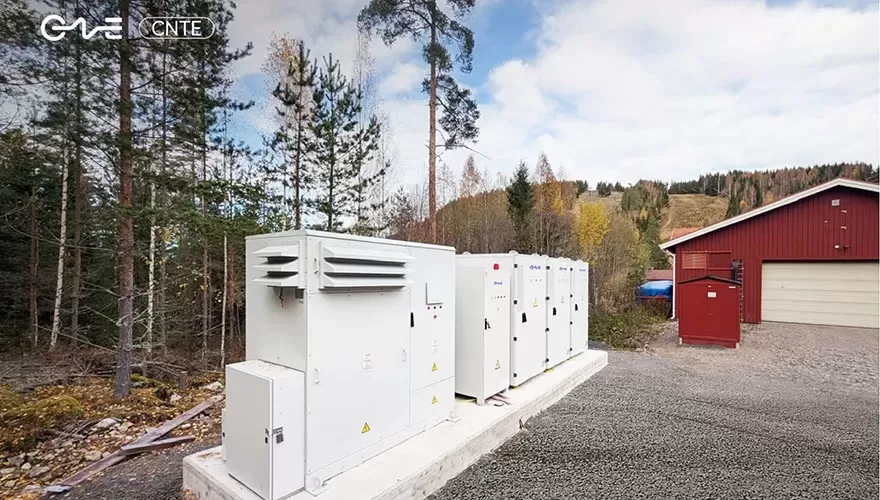
System-Level Solutions by CNTE
Addressing these complex integration issues requires a unified approach. CNTE (Contemporary Nebula Technology Energy Co., Ltd.) designs integrated energy storage solutions that combine cell-level monitoring, liquid-cooled thermal management, and advanced power conversion systems into single-enclosure designs.
By focusing on the interaction between hardware and software, CNTE platforms balance thermal loads and regulate charge-discharge cycles dynamically. This system-level engineering minimizes auxiliary power consumption—the energy required to run cooling fans and pumps—thereby improving the overall round-trip efficiency (RTE) of the facility. These platforms provide commercial operators with predictable performance across varying environmental conditions, reducing long-term maintenance costs and protecting the underlying physical investment.
Additionally, the modular design of these enclosures allows for scalable installation, making it possible for enterprises to expand their capacity as electrical loads grow or as more renewable generation resources are integrated on-site. This structural flexibility reduces initial capital expenditure while preserving the option for future system expansion.
Frequently Asked Questions (FAQ)
Q1: What is the average expected lifespan of industrial energy storage and batteries?
A1: The average operational lifespan of LFP-based systems is typically between 10 to 15 years, corresponding to 6,000 to 8,000 cycles at 80% depth of discharge. Actual longevity depends on operating temperatures, average charge-discharge rates, and the effectiveness of the thermal management system.
Q2: How does liquid cooling compare to air cooling in commercial battery enclosures?
A2: Liquid cooling provides significantly higher heat transfer coefficients and maintains uniform temperatures across cell groups (typically within a 3°C variance). Air cooling is less complex but can lead to uneven thermal distribution, accelerating the degradation of specific cells and shortening the lifespan of the overall system.
Q3: How do these systems protect against thermal runaway?
A3: Multi-layered safety protocols prevent and contain thermal runaway. This involves cell-level venting designs, real-time monitoring of internal resistance and temperature by the BMS, off-gas detection sensors, and integrated fire suppression agents like clean-agent gas or targeted water mist inside the cabinet.
Q4: What is the significance of round-trip efficiency (RTE) in battery projects?
A4: Round-trip efficiency measures the ratio of energy retrieved from the battery system to the energy used to charge it. High efficiency (typically 85% to 92% for modern systems) reduces the cost of lost energy, directly improving the return on investment for peak-to-valley arbitrage applications.
Q5: Can an industrial battery system be integrated with existing on-site solar PV?
A5: Yes. An Energy Management System (EMS) coordinates the power flow between the solar inverter, the battery power conversion system (PCS), and the facility load. This allows excess solar generation to charge the batteries for later use during peak hours rather than exporting it to the grid at low feed-in tariffs.
Request a Technical Feasibility Analysis
Selecting and configuring the correct scale of energy storage and batteries requires detailed analysis of facility load profiles, utility tariff structures, and specific operational demands. CNTE (Contemporary Nebula Technology Energy Co., Ltd.) provides customized engineering support to help determine the optimal configuration for your commercial or industrial application. Contact our application engineering team today to submit an inquiry and receive a detailed feasibility study and system proposal tailored to your facility's requirements.
Get in Touch
Recent Posts
-
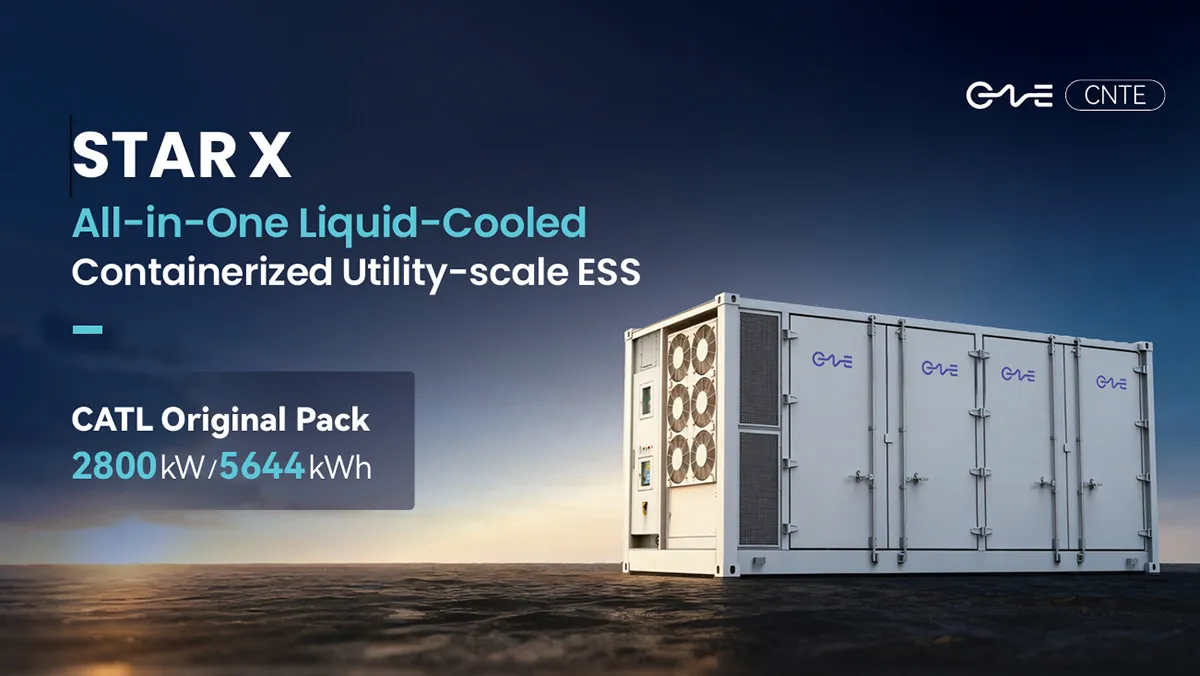
CNTE Launches STAR X Liquid-Cooled DC/AC Integrated Energy Storage System at Intersolar Europe 2026
Jul 06, 2026 -
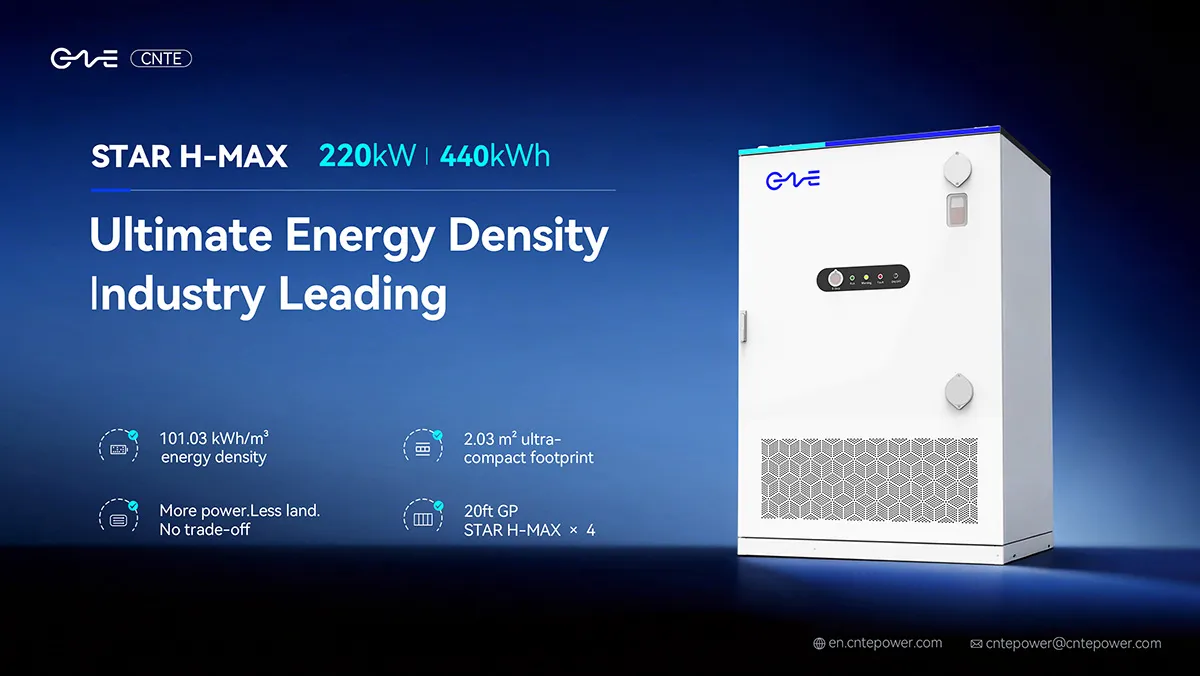
CNTE Unveils New STAR H-MAX Liquid-Cooled C&I ESS at Intersolar Europe 2026
Jun 23, 2026 -
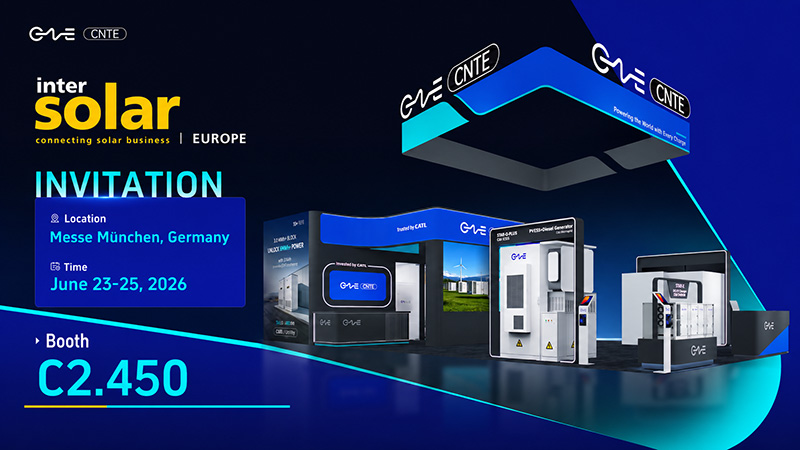
CNTE to Participate in Intersolar Europe 2026
May 20, 2026 -
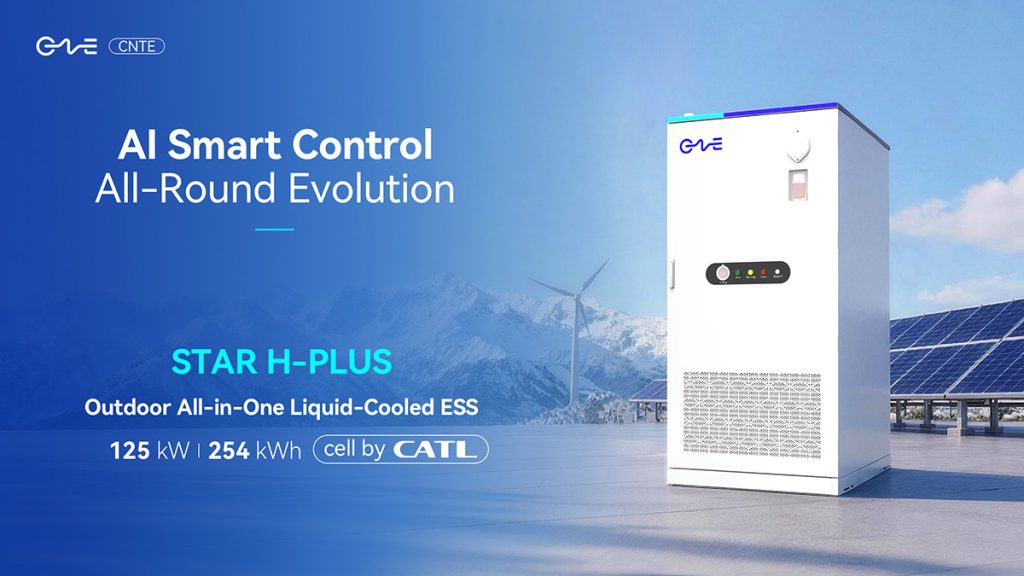
CNTE at KEY ENERGY 2026: Showcases STAR H-PLUS Outdoor Liquid-Cooled Energy Storage System
Mar 05, 2026 -

CNTE Honored as 2025 Forbes China Leading Global Brand
Jul 06, 2026 -

CNTE & YOU.ON Partner to Expand Storage Markets
May 19, 2025 -
CNTE Unveils Energy Storage Lineup at Solartech 2025
May 19, 2025 -
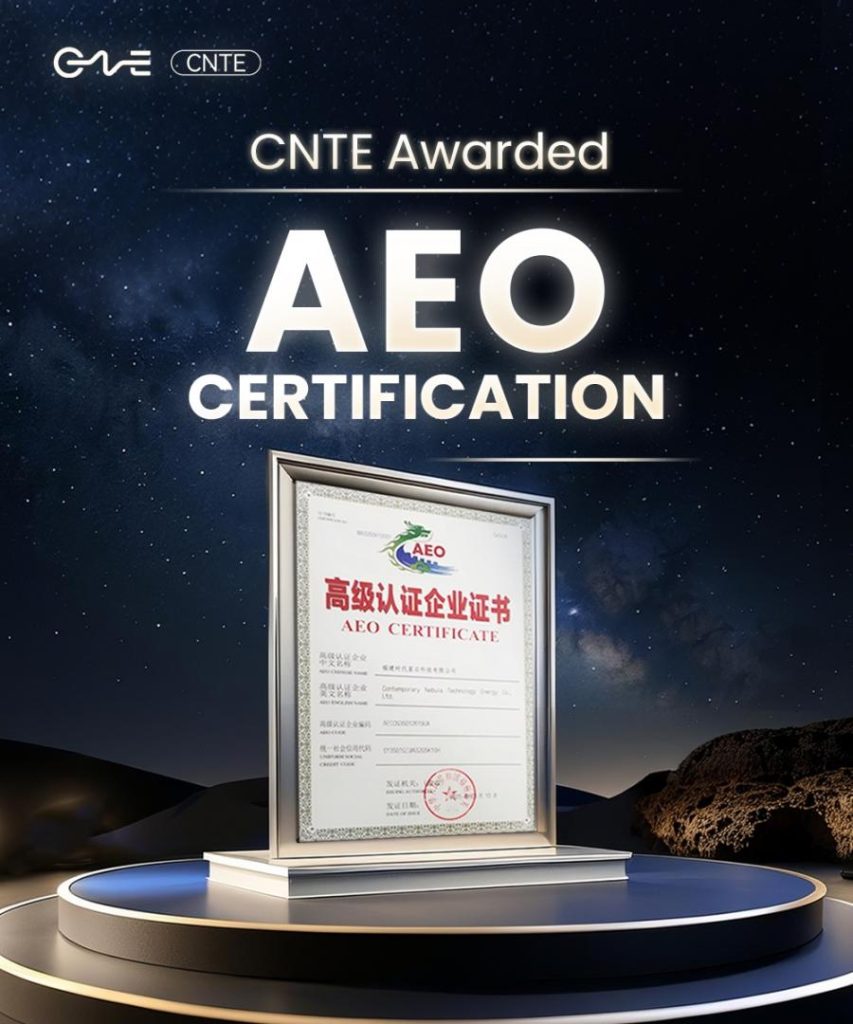
CNTE awarded AEO certification
Jul 06, 2026 -
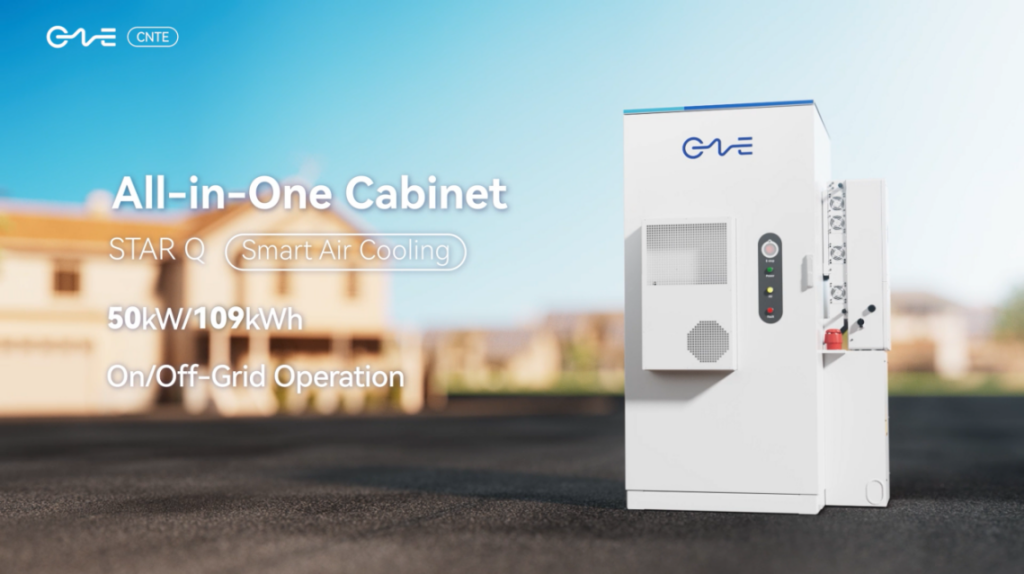
CNTE New Product Launch STAR Q
Jan 15, 2025 -
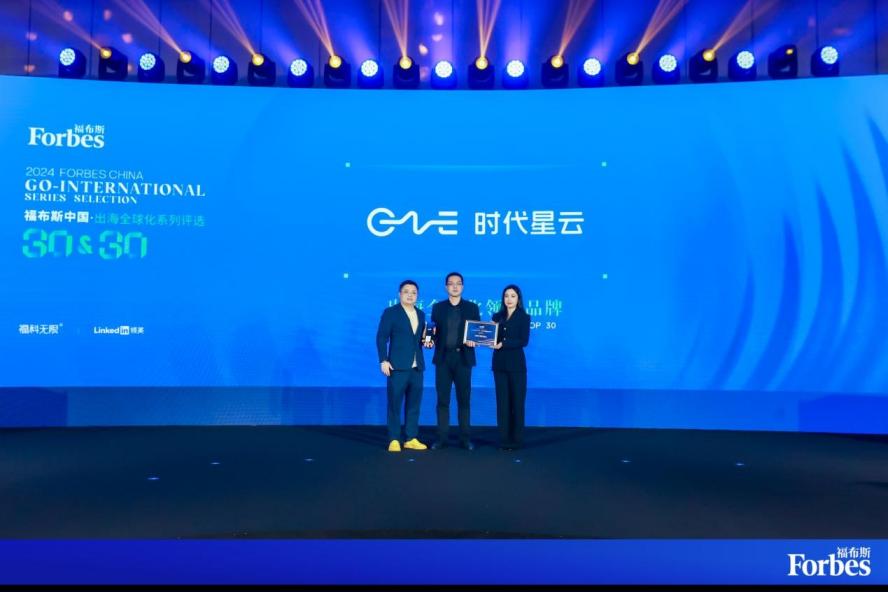
CNTE Named to Forbes China 2024 Top 30 Go-International Brands
Jul 06, 2026
