
Why Is Smart Energy Storage Becoming the Standard for Industrial Power Reliability?
Modern industrial facilities face fluctuating energy costs, strict carbon emission mandates, and the continuous pressure of grid instability. Traditional energy infrastructure struggles to maintain operational continuity under highly dynamic load demands. Integrating advanced battery systems with digital monitoring platforms addresses these challenges directly. This approach is commonly referred to as smart energy storage, a system-level integration of electrochemical storage, bidirectional power conversion, and advanced control algorithms designed to stabilize power distribution and lower operational expenditures.
For high-demand sectors such as manufacturing, data centers, and heavy processing plants, energy is no longer just a utility cost; it is a variable that directly influences production throughput and margin preservation. Transitioning from passive energy consumption to dynamic energy management allows businesses to mitigate utility demand charges, participate in grid ancillary services, and secure an uninterrupted power supply during unexpected outages.
The Evolution of Industrial Power Demand and Core Bottlenecks
The decentralization of modern energy grids requires commercial users to re-evaluate how they interact with local power distribution networks. Industrial plants frequently run high-power machinery that creates sudden load spikes during start-up cycles. Local utilities impose steep demand charges based on the single highest peak recorded within a billing cycle. These peak demand charges can represent up to half of an enterprise's monthly electricity bill, presenting a significant financial burden.
Traditional backup power systems rely heavily on diesel-fueled generators. While reliable for long-duration outages, these generators feature slow startup times, generate high levels of local particulate emissions, and require intensive maintenance programs. Electro-chemical systems offer a cleaner, faster-acting alternative. Simple battery installations without intelligent controls fail to maximize return on investment. Standard batteries cannot anticipate price fluctuations or adjust output based on real-time grid conditions, which limits their utility to basic backup scenarios.
Systemic failures in regional grids also present persistent operational issues. Voltage sags, frequency deviations, and momentary power interruptions damage sensitive electronic equipment and disrupt precise automated assembly lines. Resolving these challenges requires an automated, responsive energy asset capable of microsecond response times and intelligent load forecasting.
Engineering Architecture of Smart Energy Storage Systems
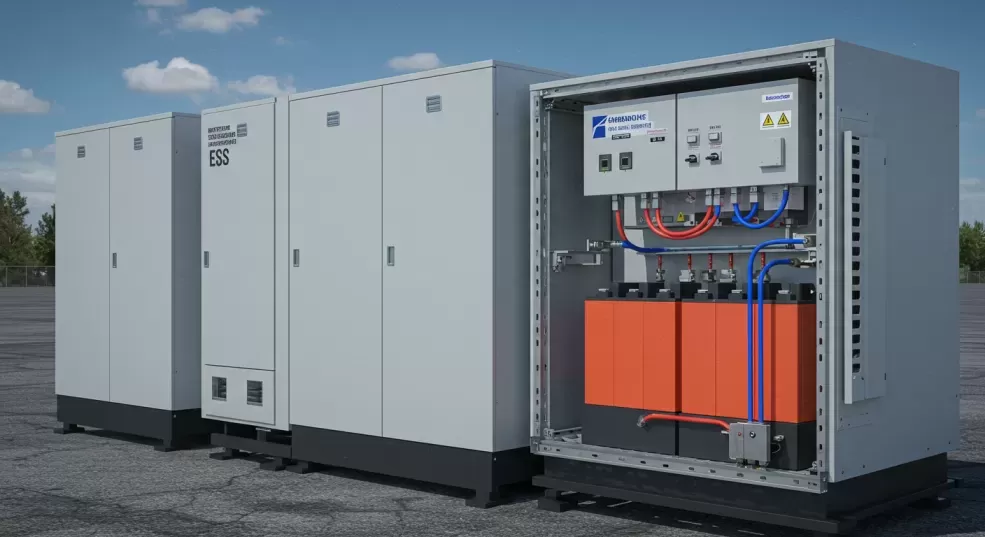
Understanding how smart energy storage delivers system-level reliability requires a detailed examination of its physical and software layers. Rather than operating as a simple collection of battery cells, a commercial-scale storage installation functions as an integrated ecosystem.
The Electrochemical and Physical Layer
At the foundation of the physical layer, Lithium Iron Phosphate (LiFePO4) chemistry has become the preferred choice for commercial installations. LiFePO4 chemistry provides high thermal stability, long cycle life, and a low degradation rate under deep cycling conditions. The cells are housed in specialized enclosures equipped with liquid cooling plates instead of standard forced-air ventilation. Liquid cooling maintains temperature variations across all cells within a narrow margin of less than three degrees Celsius. This uniform temperature profile prevents localized thermal stress, which is a major driver of premature battery degradation.
The Multi-Tier Monitoring Hierarchy
Above the physical battery cells sits the Battery Management System (BMS). The BMS operates on a multi-tier hierarchy to monitor cell-level voltage, current, and temperature. It calculates crucial operational metrics, including:
State of Charge (SoC): The real-time available capacity of the battery system.
State of Health (SoH): The remaining capacity of the battery relative to its nominal rating, indicating system wear.
State of Power (SoP): The maximum charge or discharge current the system can sustain without exceeding safety parameters.
To prevent localized cell degradation, the BMS performs active cell balancing, transferring energy from high-voltage cells to lower-voltage cells during the charging cycle. This process maintains uniform cell performance across the entire battery pack.
Bidirectional Power Conversion System
The Power Conversion System (PCS) serves as the bridge between the battery array and the facility's electrical distribution network. The PCS is a bidirectional inverter capable of switching from charging mode (converting AC grid power to DC battery power) to discharging mode (converting DC battery power to synchronized AC power) in less than ten milliseconds. Modern PCS units utilize silicon carbide (SiC) semiconductors, which minimize heat generation and yield conversion efficiencies exceeding 98%.
The Energy Management System
The highest level of control is administered by the Energy Management System (EMS). The EMS coordinates the operations of the PCS and the BMS. By utilizing machine learning models that analyze historical load patterns, weather forecasts, and spot market electricity prices, the EMS predicts upcoming load profiles. This allows the system to determine the most cost-effective times to store energy and the most profitable times to discharge it back into the facility or grid.
Key Commercial and Industrial Application Scenarios
Industrial facilities utilize smart energy storage across several key operational scenarios, each targeting a specific financial or operational bottleneck.
Peak Shaving and Load Shifting
Under peak shaving protocols, the system monitors the facility’s instantaneous power draw. When the draw approaches a predefined threshold, the system discharges the batteries to meet the excess load, keeping the grid-drawn power flat. Load shifting builds on this by charging the batteries during low-tariff off-peak periods and discharging them fully during high-tariff peak periods. This strategy reduces utility expenses without requiring changes to production schedules.
Microgrid Integration and Renewable Coupling
Many commercial facilities install on-site solar photovoltaic (PV) arrays to reduce carbon intensity. However, solar generation is inherently intermittent, shifting with cloud cover and seasonal changes. Integrating smart energy storage creates a localized microgrid where the battery buffers solar output. The EMS smooths the generation curve, storing excess solar power during midday peaks and deploying it during late afternoon shifts, maximizing the utilization of on-site clean energy.
Dynamic Grid Support and Ancillary Services
In regions with deregulated energy markets, industrial facilities can monetize their storage assets. By participating in frequency regulation programs, the system responds to automated signals from the transmission system operator, absorbing or injecting power to help stabilize grid frequency. This provides a secondary source of revenue, accelerating project amortization.
CNTE Solution Framework: Integrating Hardware and Intelligent Management
Contemporary Nebula Technology Energy Co., Ltd. (CNTE) develops integrated energy systems tailored for demanding industrial applications. The CNTE solution integrates high-capacity liquid-cooled battery hardware with intelligent software controllers to maximize both safety and system longevity.
The hardware architecture utilizes a multi-level containment system designed to suppress thermal anomalies before they propagate. CNTE systems feature localized fire suppression agents within each battery cabinet, combined with electrical isolation devices that disconnect malfunctioning strings without shutting down the entire installation. This design ensures that commercial facilities maintain continuous operations even during maintenance intervals.
On the software side, the CNTE management platform features adaptive algorithm control. The software monitors historical battery usage trends and adjusts charging profiles to match the specific degradation state of the battery modules. By avoiding rapid high-current charging when the battery chemistry is under thermal stress, the platform extends the operational lifespan of the system, helping to preserve the asset’s value over its lifecycle.
Economic Evaluation and Investment Analysis of Storage Deployment
Deploying energy systems requires a detailed assessment of capital expenditure (CAPEX) compared to long-term operational savings (OPEX). A thorough financial analysis must evaluate multiple revenue and savings streams to calculate the true payback period.
| Cost/Benefit Component | Primary Financial Driver | Impact on Facility Payback Period |
|---|---|---|
| CAPEX (System Acquisition) | Battery modules, PCS, installation, engineering | Determines the baseline investment threshold |
| Demand Charge Reduction | Peak shaving during high-tariff intervals | Typically reduces payback period by 2 to 3 years |
| Energy Arbitrage Savings | Charging off-peak, discharging during peak hours | Provides steady monthly utility savings |
| Asset Protection Value | Prevention of downtime during utility outages | Protects against catastrophic production loss |
| Maintenance & Degradation Costs | Active thermal management, scheduled service | Preserves capacity to extend system lifespan |
When assessing these variables, facilities must calculate the Levelized Cost of Storage (LCOS). LCOS measures the cost per megawatt-hour of energy delivered over the lifetime of the system, accounting for initial capital costs, charging costs, operational maintenance, and capacity degradation. By using active thermal management and predictive charging logic, advanced installations reduce degradation rates, which lowers the LCOS and shortens the path to a positive return on investment.
Inquiry and Consultative Engineering Services
Every commercial facility features a unique electrical layout, load profile, and regional regulatory landscape. Implementing an effective energy solution requires an analysis of historic load profile data, tariff structures, and space availability. Contemporary Nebula Technology Energy Co., Ltd. (CNTE) provides comprehensive engineering assessment services to identify the optimal configuration for your enterprise.
If you are looking to lower your facility's utility costs, secure power backup capabilities, or integrate renewable energy resources, our engineering team can provide a tailored feasibility study. Contact the CNTE technical sales division directly to submit an inquiry and receive a detailed system layout and ROI analysis based on your operational data.
Frequently Asked Questions
Q1: What are the primary differences between standard battery storage and smart energy storage?
A1: Standard battery storage operates on simple, predetermined timers or manual inputs to charge and discharge cells. Smart energy storage integrates an advanced Energy Management System (EMS) that utilizes real-time spot market pricing, load-forecasting algorithms, and automated grid signals to dynamically adjust system operation. This active management minimizes utility demand charges and prevents unnecessary degradation of the battery chemistry.
Q2: How does CNTE manage safety across high-density battery systems?
A2: CNTE uses a multi-tier safety architecture that combines physical, chemical, and electrical protection systems. This includes high-efficiency liquid cooling that limits temperature differences between cells to less than three degrees Celsius, structural isolation to prevent thermal runaway propagation, and cell-level electrical monitoring through the BMS. These integrated safety systems isolate anomalous components without interrupting overall system operation.
Q3: Can these systems be integrated into facilities that use on-site backup generators?
A3: Yes, these systems can be integrated alongside existing diesel generators within a localized microgrid. The system’s EMS coordinates operations so that the battery responds instantly to sudden load fluctuations. This dynamic response allows diesel generators to run at stable, high-efficiency operating points, reducing overall fuel consumption and wear on the mechanical units.
Q4: What is the typical operational lifespan of a commercial LiFePO4 battery installation?
A4: Under standard commercial operating profiles with proper thermal management, high-quality LiFePO4 systems typically achieve 6,000 to 8,000 cycles at an 80% depth of discharge. Depending on daily cycling frequency and operating conditions, this translates to an operational lifespan of 10 to 15 years before the battery capacity degrades to 80% of its initial nominal value.
Q5: How does a commercial facility calculate its expected payback period for an energy storage project?
A5: The payback period is calculated by comparing the total initial CAPEX against the annual savings generated from peak shaving, energy arbitrage, avoided utility penalties, and potential revenue from grid ancillary services. Depending on the local utility tariff structure, regional energy price volatility, and available incentives, most commercial and industrial installations achieve full amortization within five to seven years.
Get in Touch
Recent Posts
-
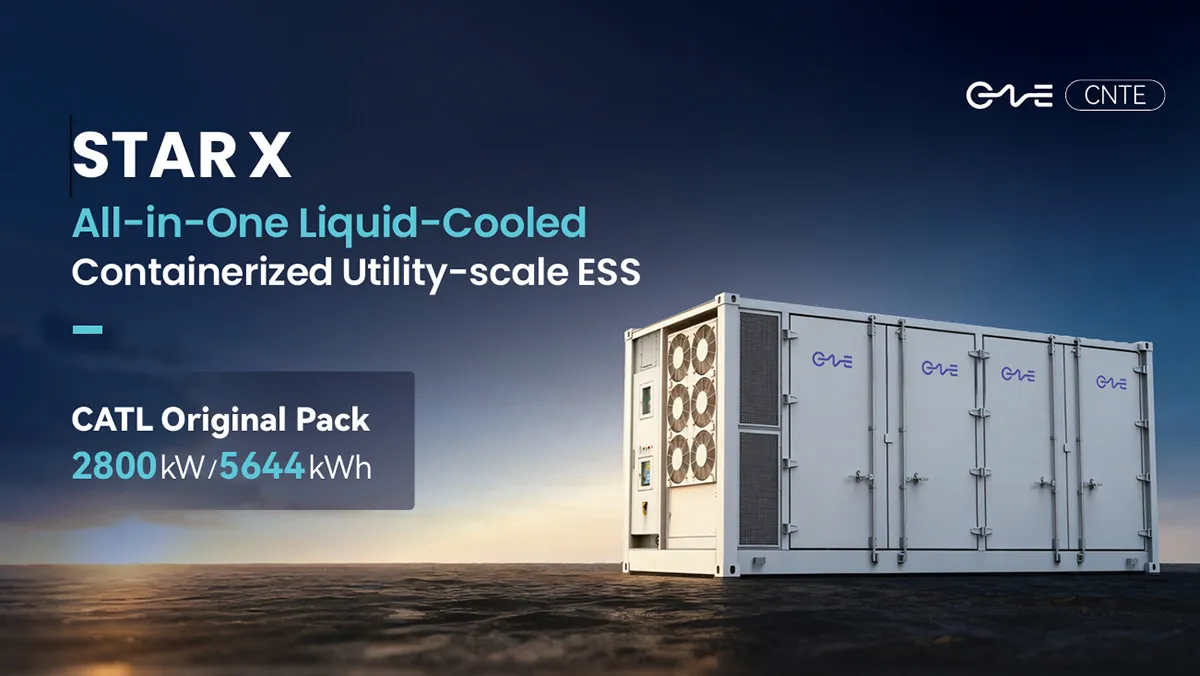
CNTE Launches STAR X Liquid-Cooled DC/AC Integrated Energy Storage System at Intersolar Europe 2026
Jul 06, 2026 -
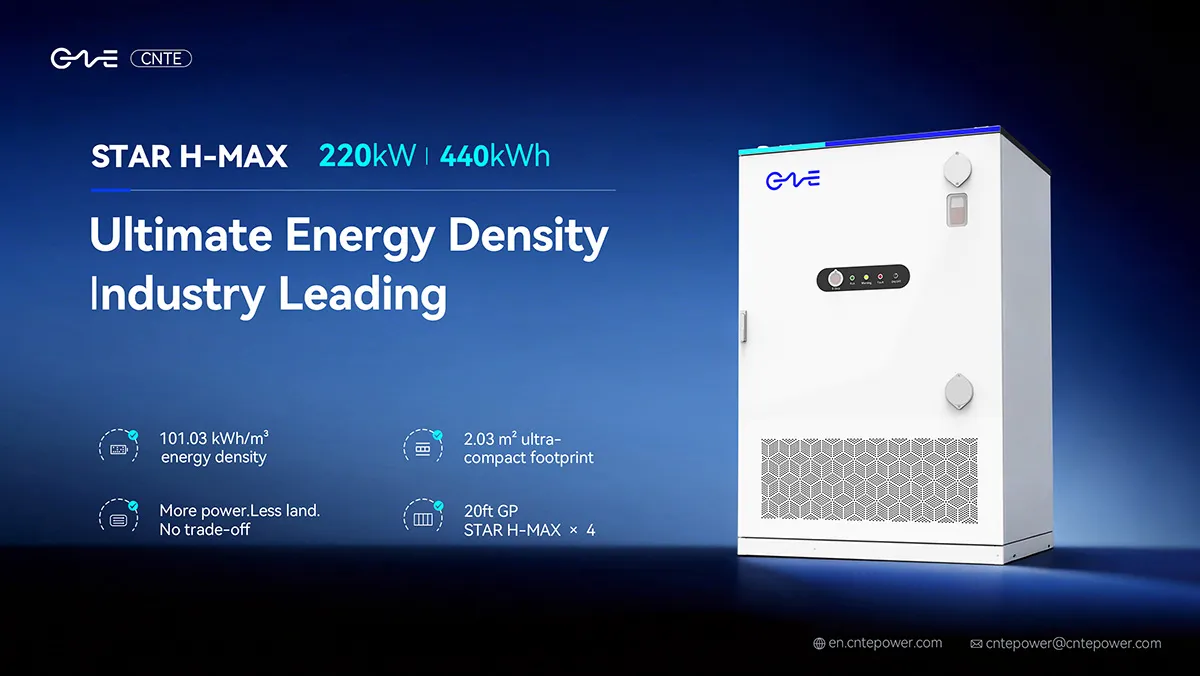
CNTE Unveils New STAR H-MAX Liquid-Cooled C&I ESS at Intersolar Europe 2026
Jun 23, 2026 -
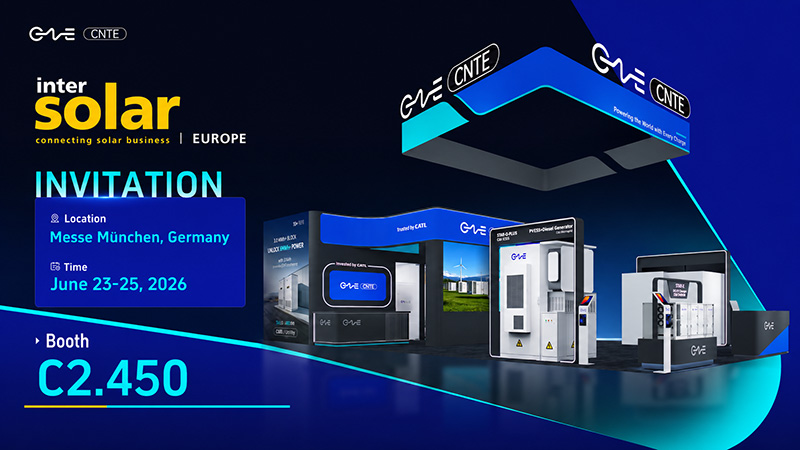
CNTE to Participate in Intersolar Europe 2026
May 20, 2026 -
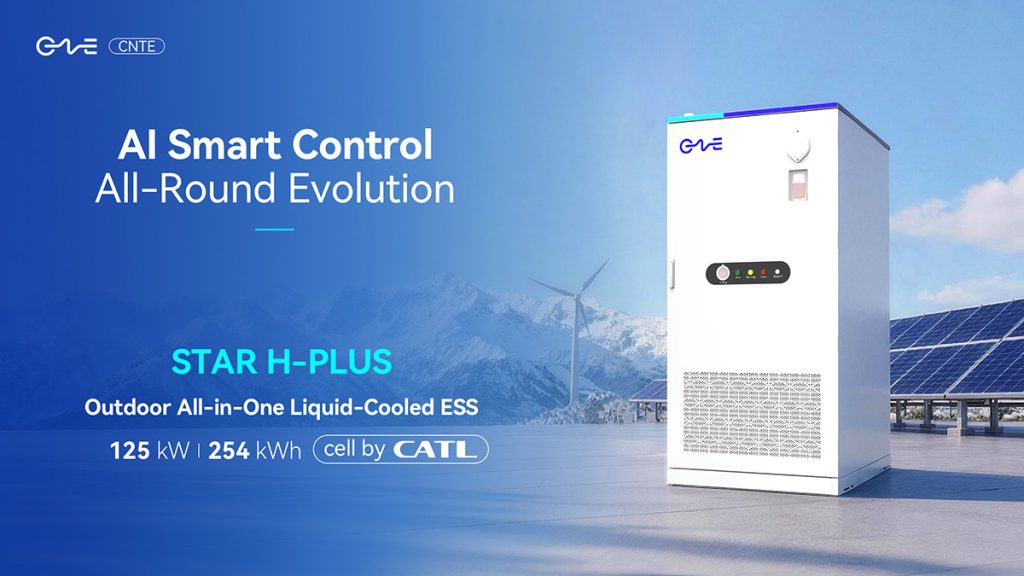
CNTE at KEY ENERGY 2026: Showcases STAR H-PLUS Outdoor Liquid-Cooled Energy Storage System
Mar 05, 2026 -

CNTE Honored as 2025 Forbes China Leading Global Brand
Jul 06, 2026 -

CNTE & YOU.ON Partner to Expand Storage Markets
May 19, 2025 -

CNTE Unveils Energy Storage Lineup at Solartech 2025
May 19, 2025 -

CNTE awarded AEO certification
Jul 06, 2026 -
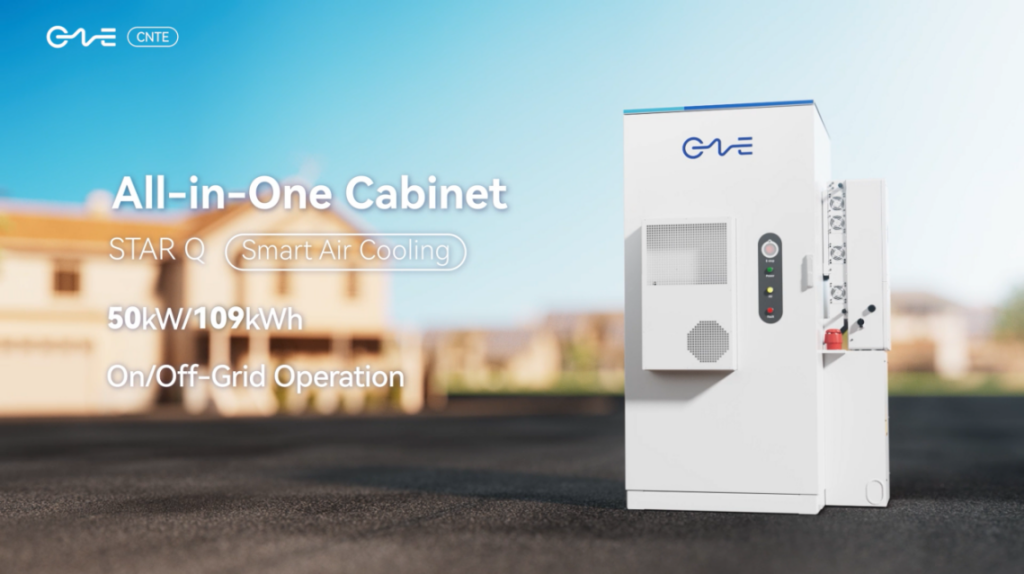
CNTE New Product Launch STAR Q
Jan 15, 2025 -

CNTE Named to Forbes China 2024 Top 30 Go-International Brands
Jul 06, 2026
