
Maximizing Grid Efficiency and Revenue with Large Scale Battery Storage Systems
Power generation patterns are undergoing structural changes globally. Renewable energy penetration introduces high volatility to transmission grids, causing supply-demand imbalances that traditional infrastructure was not built to handle. To maintain grid frequency and manage peak demand, grid operators and utilities require high-capacity, dispatchable energy resources. This requirement has positioned large scale battery storage systems as central components of modern infrastructure projects. These megawatt-level installations bridge the temporal gap between energy generation and consumption. By deploying these assets, power developers can stabilize distribution networks, mitigate transmission congestion, and capture value from energy arbitrage markets. CNTE (Contemporary Nebula Technology Energy Co., Ltd.) provides utility-grade systems designed to address these requirements, offering robust reliability across diverse operational environments.
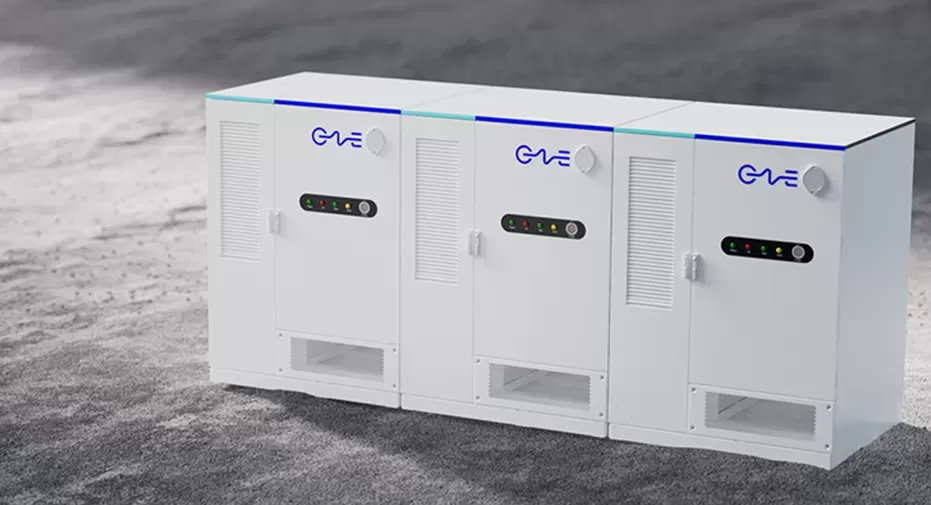
Core Engineering Architecture of Large Scale Battery Storage Systems
To understand the performance of utility-scale storage, one must evaluate the mechanical, electrical, and thermal subsystems that constitute a complete installation. Rather than viewing a battery container as a simple collection of cells, engineers must treat it as an integrated power plant designed for continuous operation under variable loads.
Battery Chemistry and Degradation Mitigation
Lithium Iron Phosphate (LFP) chemistry has become the industry standard for stationary applications. Its thermal stability, high cycle life, and safety profile make it preferable to nickel-manganese-cobalt (NMC) chemistries. Under continuous daily cycling, high-quality LFP cells can exceed 6,000 to 8,000 cycles before reaching 80% State of Health (SoH). Managing degradation requires precise control over charging profiles, operational temperatures, and depth of discharge (DoD). Keeping the operating state within moderate parameters prevents lithium plating and mechanical stress within the electrodes, extending the asset's useful life.
Multi-Tier Battery Management Systems (BMS)
A robust BMS architecture operates on three distinct levels to maintain system safety and performance. The local slave controller monitors cell-level voltage and temperature, identifying early signs of internal cell wear. The rack master controller balances state of charge (SoC) across individual modules, preventing individual weak cells from limiting the capacity of the entire string. Finally, the system-level controller aggregates data across multiple containers, communicating directly with the energy management system (EMS). This hierarchy ensures real-time diagnostic reporting and prevents localized cell imbalances from propagating into system-wide performance drops.
Liquid Cooling Thermal Management
Traditional air cooling struggles to maintain uniform temperatures across dense container designs. Modern systems utilize closed-loop liquid cooling plates directly contacting the battery modules. This design maintains internal temperature differentials within ±2°C, significantly reducing cell degradation rates and mitigating the hazard of localized thermal runaways. By utilizing glycol-water mixtures pumped through targeted flow paths, liquid-cooled systems achieve higher heat transfer coefficients than air, ensuring stable operation even in extreme ambient temperatures.
Power Conversion System (PCS)
The PCS serves as the bidirectional interface between the direct current (DC) battery bank and the alternating current (AC) grid. Modern bi-directional inverters must support grid-forming capabilities, allowing the storage facility to establish voltage and frequency reference points during black-start events. These systems must also manage reactive power independently of active power, providing rapid voltage support to the local grid during transient disturbances.
Primary Applications in Grid and Industrial Sectors
Large scale battery storage systems serve multiple functions across both utility and industrial scales, often executing multiple operational profiles simultaneously to maximize return on investment.
Frequency Regulation and Ancillary Services: Modern electrical grids require instantaneous active power balance. Battery storage assets respond to frequency deviations within milliseconds, far outpacing gas-peaking plants. This rapid response capability allows operators to participate in high-value secondary frequency control markets, stabilizing the grid against sudden load changes.
Renewable Integration and Capacity Firming: Intermittent wind and solar generation often lead to curtailment during peak production hours. By storing surplus energy and releasing it during peak demand windows, storage installations transform intermittent generation into a dispatchable, reliable asset. This process reduces reliance on fossil-fuel backup units and optimizes the utilization of existing transmission lines.
Behind-the-Meter (BTM) Peak Shaving for Heavy Industry: Large manufacturing facilities face substantial demand charges based on their highest consumption intervals. Implementing local containerized storage allows these enterprises to discharge stored energy during peak tariff hours, lowering operational expenditures. CNTE (Contemporary Nebula Technology Energy Co., Ltd.) designs systems that integrate directly with existing industrial microgrids, coordinating solar PV arrays and diesel generators to achieve optimal efficiency.
Overcoming Integration Challenges in Megawatt-Scale Projects
Deploying high-voltage DC architectures brings specific challenges that demand rigorous engineering solutions to ensure safety, efficiency, and grid compliance.
Thermal Runaway Propagation Prevention
Safety protocols have evolved beyond basic fire suppression. Modern containers incorporate multi-layered safety mechanisms. This includes early off-gas detection (detecting carbon monoxide and hydrogen before visible smoke appears), integrated water-mist or aerosol suppression systems, and physical barriers between cells to prevent thermal cascading. Compliance with international safety standards such as UL 9540 and UL 9540A is mandatory for utility interconnection, proving that a single cell failure will not lead to container-wide propagation.
Grid Code Compliance
Interconnecting a megawatt-scale battery system requires adherence to regional grid codes, such as IEEE 1547 in North America or EN 50549 in Europe. Systems must support low-voltage ride-through (LVRT) and high-voltage ride-through (HVRT) to maintain stability during localized grid faults. Inverters must also provide reactive power support (VAR compensation) to assist with voltage regulation at the point of common coupling (PCC), requiring complex control algorithms in the local EMS.
Improving Round-Trip Efficiency (RTE)
Every stage of energy conversion—from the AC grid, through the transformer, the PCS, the battery modules, and back—incurs thermal losses. Auxiliary loads, particularly the thermal management system, consume a portion of the stored energy. Designing high-efficiency liquid-to-liquid heat exchangers and utilizing low-loss silicon carbide (SiC) switches in the PCS are primary methods used to keep systemic RTE above 86-88%, which directly impacts the financial feasibility of arbitrage operations.
System Lifecycle Analysis and Levelized Cost of Storage (LCOS)
The economic viability of utility-scale storage projects depends on the Levelized Cost of Storage (LCOS), which accounts for capital expenditure (CAPEX), operating expenditure (OPEX), charging costs, and degradation.
While initial procurement costs for LFP cells and advanced power electronics represent a significant investment, assessing the total cost of ownership over a 15-to-20-year operational life is necessary. High-quality manufacturing standards reduce the frequency of premature cell replacements. Battery capacity naturally degrades over time, meaning operators must choose between overbuilding the initial battery capacity or planning periodic capacity augmentations. A planned augmentation strategy—adding new battery racks in years 5 and 10—allows project developers to defer capital expenditures while taking advantage of future reductions in battery cell costs. Additionally, utilizing cloud-based diagnostics allows operators to monitor cell degradation trends in real time. Advanced algorithms analyze historical state of health data to predict potential component failures before they cause unscheduled downtime, protecting the asset's revenue streams.
Key Engineering Considerations for EPC Selection
When evaluating suppliers for large scale battery storage systems, engineering, procurement, and construction (EPC) contractors must focus on system integration capabilities rather than individual component specifications.
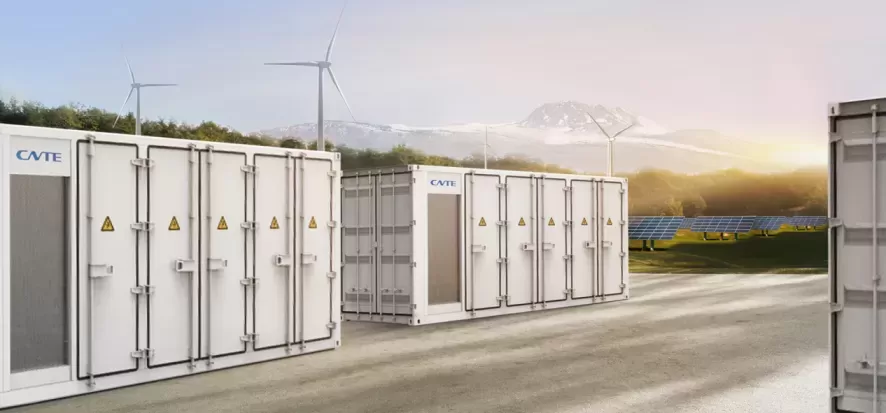
Utilizing pre-assembled, factory-tested containers minimizes field installation errors, reduces civil works on-site, and shortens the commissioning timeline. Projects located in extreme climates—such as high-altitude regions, coastal environments with high salinity, or desert environments with extreme temperature swings—require specialized HVAC and protective coatings. CNTE provides customizable container platforms rated for harsh conditions, featuring C5-high corrosion protection and IP55 or IP66 electrical enclosures to ensure long-term durability. A single-point warranty covering the cells, BMS, PCS, and thermal management system simplifies operations and maintenance (O&M) processes, reducing administrative complexity for the asset owner.
Inquiry for Custom Grid Solutions
To successfully implement utility-scale storage projects, selecting the appropriate configuration for your specific grid environment is a necessary step. The engineering team at CNTE (Contemporary Nebula Technology Energy Co., Ltd.) is available to assist you in designing a solution tailored to your system's load profile, environmental conditions, and regulatory framework. Please contact our engineering consultation department to request a detailed system design proposal or to receive information on our current utility-scale product line.
Frequently Asked Questions
Q1: What is the expected operational lifespan of a large scale battery storage system?
A1: A standard system using high-quality Lithium Iron Phosphate (LFP) cells typically has an operational lifespan of 15 to 20 years, depending on the daily cycling profile and operating conditions. Under normal operating parameters with one full charge and discharge cycle per day, the cells are designed to retain approximately 70% to 80% of their original capacity after 6,000 to 8,000 cycles. Proper thermal management and planned capacity augmentation further extend the functional life of the overall facility.
Q2: How do liquid cooling systems compare to air cooling in large scale battery storage systems?
A2: Liquid cooling systems offer superior heat dissipation efficiency compared to traditional air-cooled setups. By direct heat transfer through liquid-cooling plates, these systems maintain internal cell temperature variations within a narrow range of ±2°C. This thermal uniformity reduces cell degradation, prevents localized hot spots, and lowers auxiliary power consumption by the cooling unit itself. In contrast, air cooling often results in temperature gradients that accelerate uneven cell aging and decrease overall round-trip efficiency.
Q3: What safety standards must utility-scale battery installations comply with?
A3: To ensure safe deployment, large scale installations must meet strict international safety standards. The most widely recognized standards include UL 1973 (for battery packets), UL 9540 (for the complete energy storage system and equipment), and UL 9540A (evaluating thermal runaway fire propagation). Additionally, compliance with local grid-connection standards, such as IEEE 1547 and various NFPA codes (such as NFPA 855 for installation safety), is required to obtain permits and secure grid connection.
Q4: How is battery degradation managed over the lifetime of a 15-year project?
A4: Battery degradation is managed through a combination of physical, operational, and financial strategies. Operationally, the Energy Management System (EMS) prevents deep discharges and keeps operating temperatures within optimal limits. Physically, developers can either over-provision the initial capacity (overbuilding) or utilize a capacity augmentation strategy. Augmentation involves adding new battery racks to empty slots within the container at scheduled intervals (such as year 5 or year 10) to compensate for natural capacity loss over time.
Q5: What are the primary revenue streams for grid-scale battery storage assets?
A5: Grid-scale storage assets generate revenue through several mechanisms depending on local market regulations. Key revenue streams include energy arbitrage (buying electricity when prices are low and selling during peak hours), frequency regulation (providing rapid power adjustments to maintain grid stability), capacity markets (receiving payments to guarantee power availability during grid stress), and transmission deferral services (supporting localized grid nodes to delay expensive infrastructure upgrades).
Get in Touch
Recent Posts
-
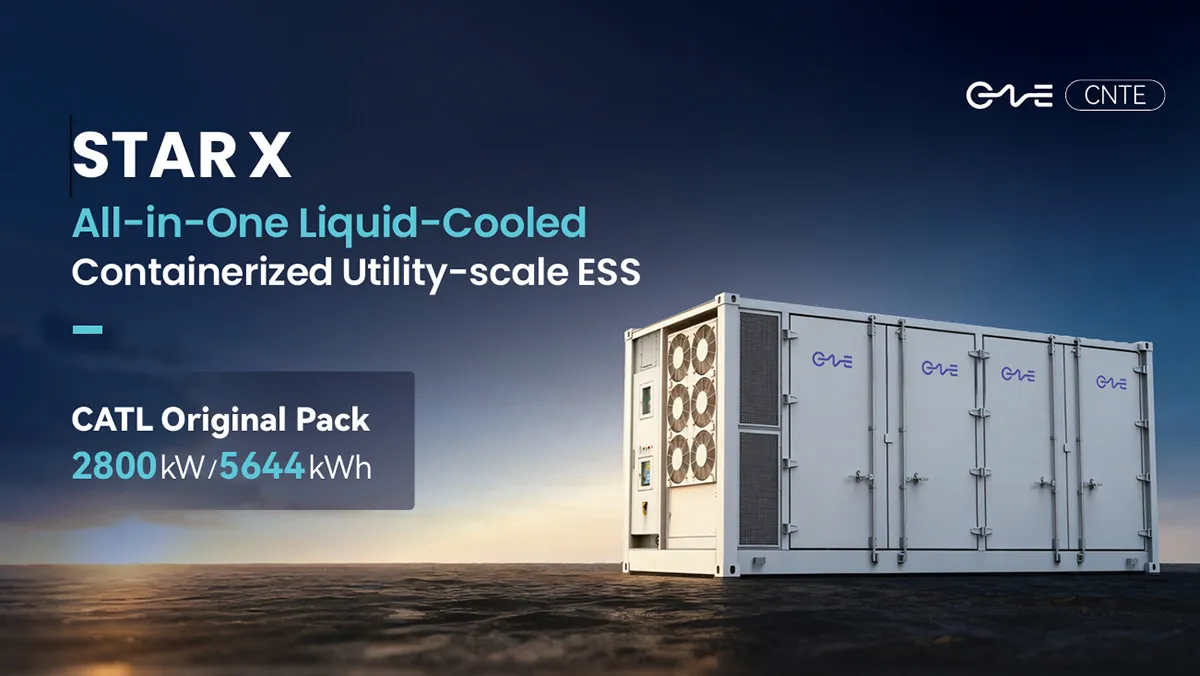
CNTE Launches STAR X Liquid-Cooled DC/AC Integrated Energy Storage System at Intersolar Europe 2026
Jul 06, 2026 -
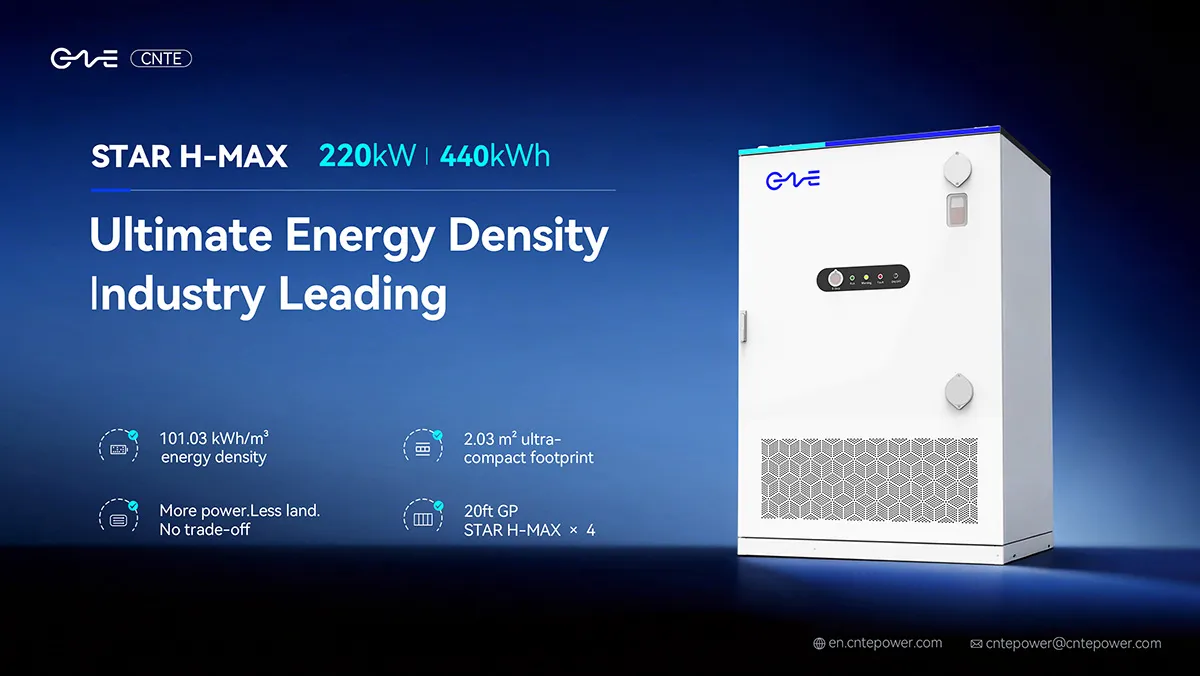
CNTE Unveils New STAR H-MAX Liquid-Cooled C&I ESS at Intersolar Europe 2026
Jun 23, 2026 -
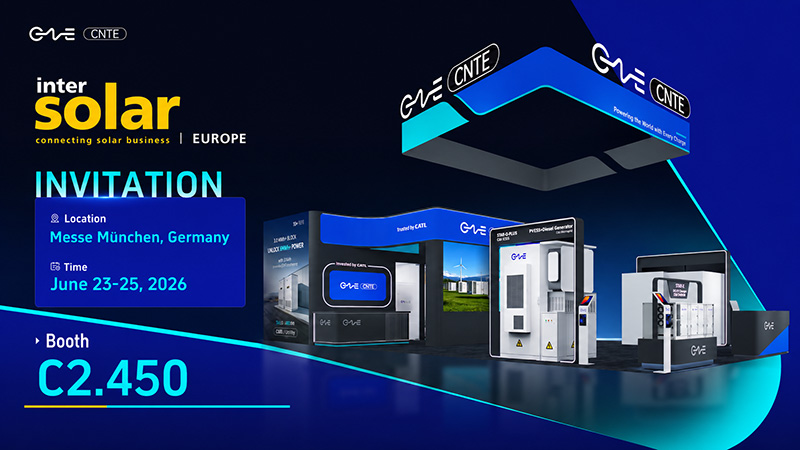
CNTE to Participate in Intersolar Europe 2026
May 20, 2026 -
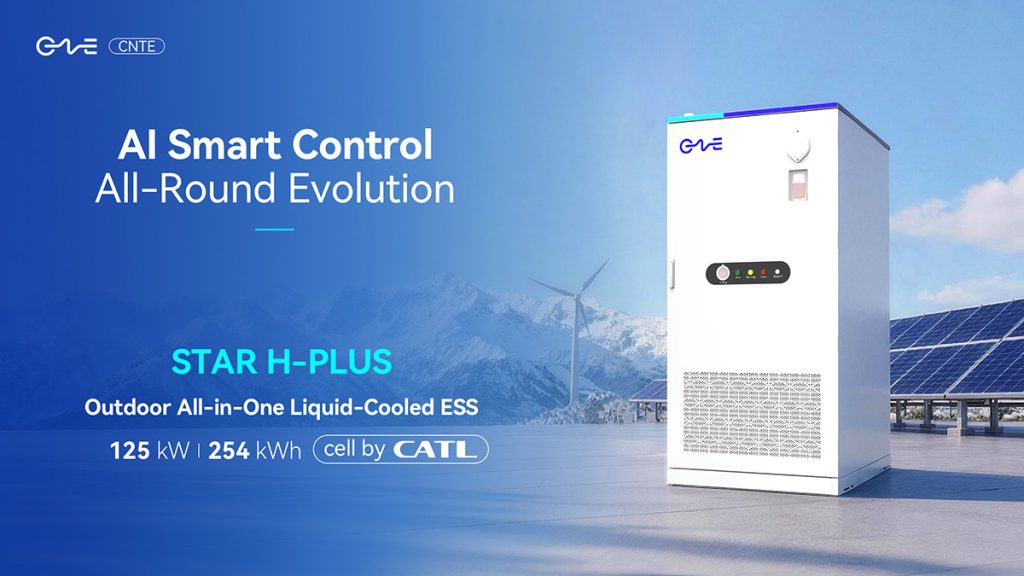
CNTE at KEY ENERGY 2026: Showcases STAR H-PLUS Outdoor Liquid-Cooled Energy Storage System
Mar 05, 2026 -

CNTE Honored as 2025 Forbes China Leading Global Brand
Jul 06, 2026 -

CNTE & YOU.ON Partner to Expand Storage Markets
May 19, 2025 -
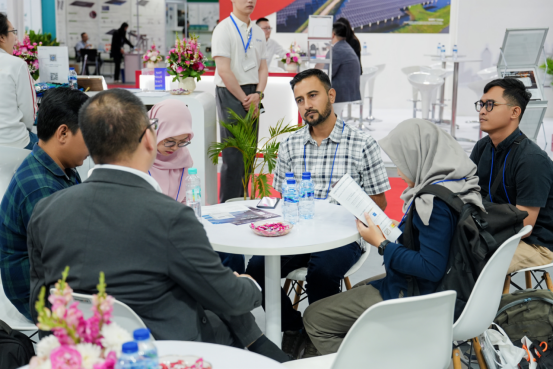
CNTE Unveils Energy Storage Lineup at Solartech 2025
May 19, 2025 -
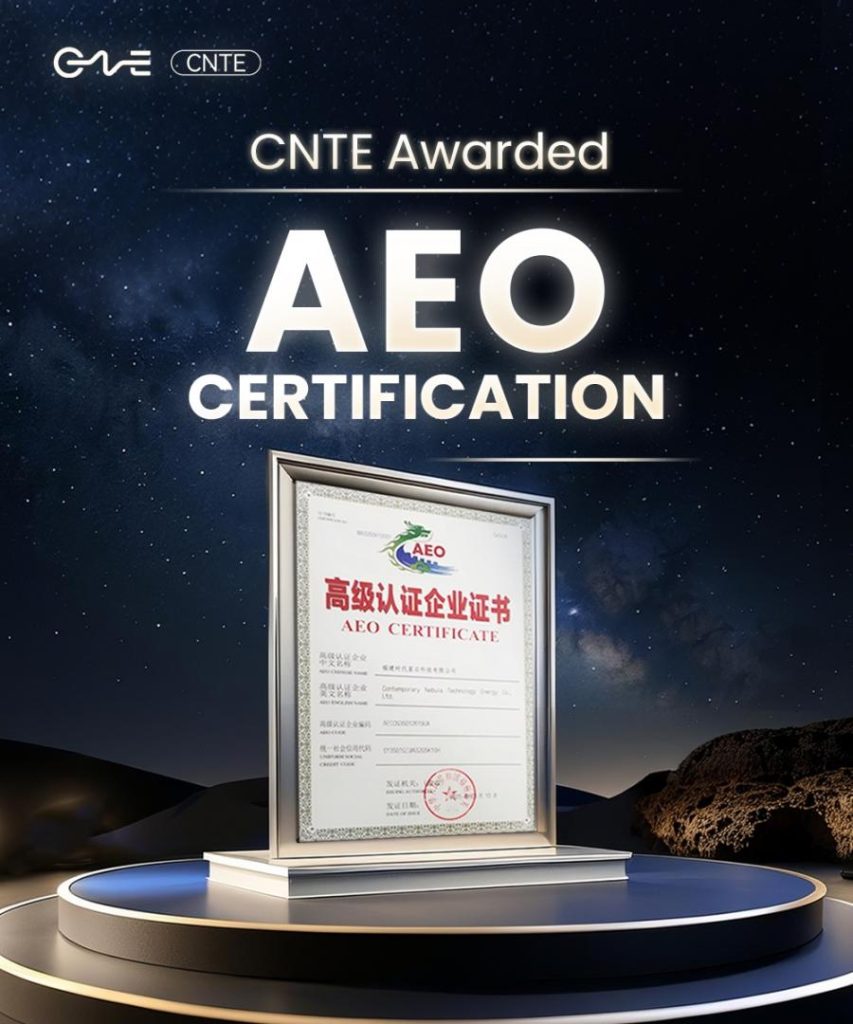
CNTE awarded AEO certification
Jul 06, 2026 -
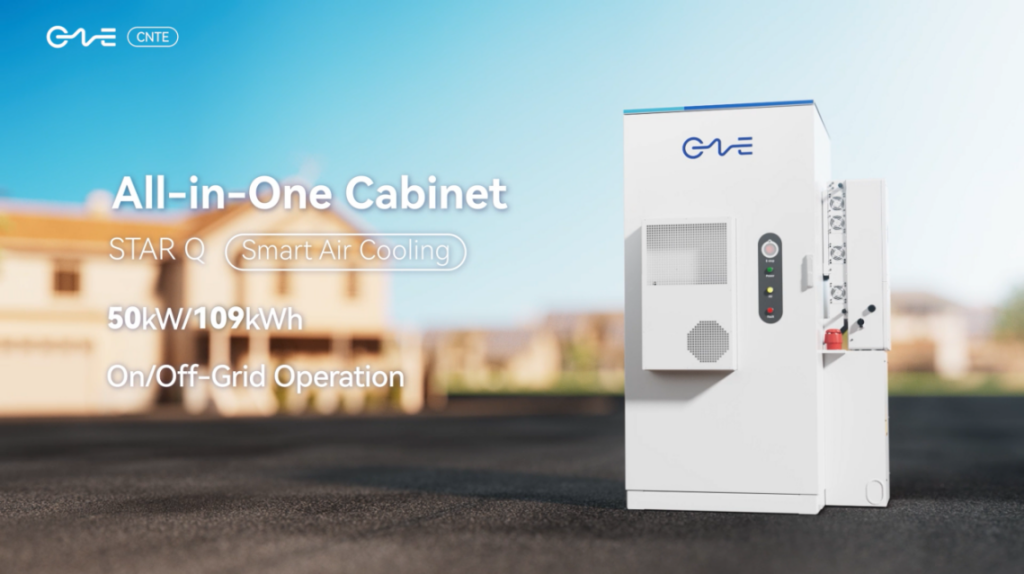
CNTE New Product Launch STAR Q
Jan 15, 2025 -
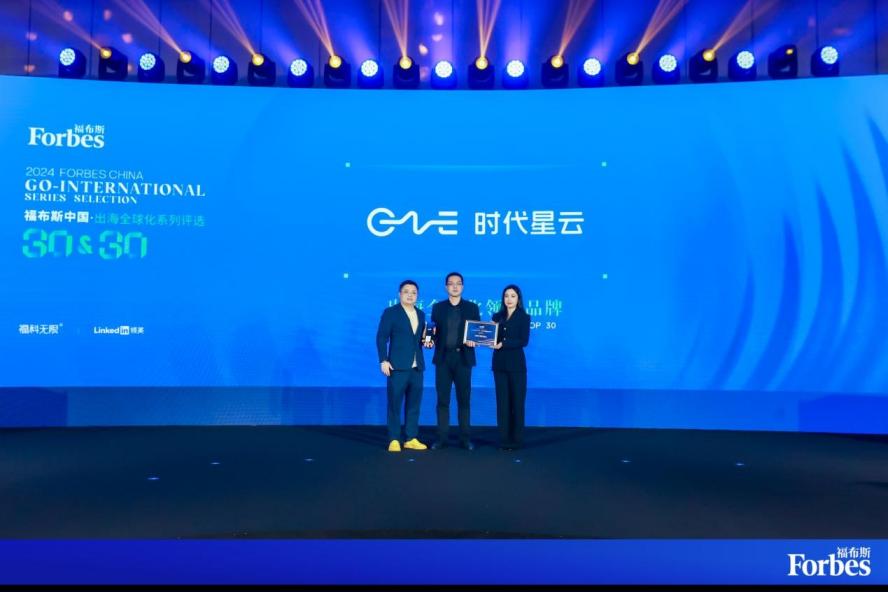
CNTE Named to Forbes China 2024 Top 30 Go-International Brands
Jul 06, 2026
