
Top Solar Energy Battery Storage Companies: C&I & Utility Selection Guide
Decarbonizing industrial operations and stabilizing electrical networks require advanced energy storage architectures capable of handling dynamic load shifts and intermittent generation profiles. Renewable power developers, EPC contractors, and industrial facility directors evaluate solar energy battery storage companies not merely on hardware nameplate capacity, but on complete system integration, thermal control mechanics, and multi-tier controls. The shift from basic energy time-shifting to multi-application grid support demands hardware longevity, high round-trip efficiency (RTE), and bankable lifecycle asset management.
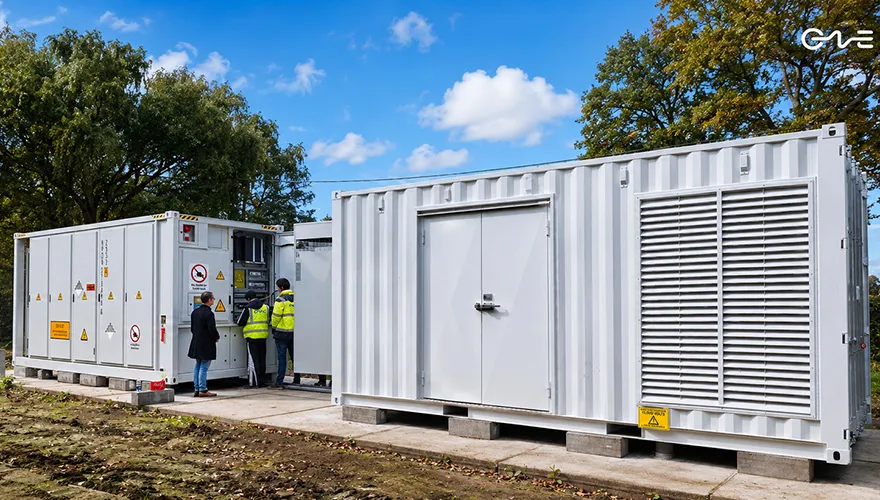
Architectural Evolution in Solar-Plus-Storage Engineering
Solar energy storage systems have transitioned from passive backup assets to active grid assets operating across complex market mechanisms. Selecting the right hardware requires understanding internal component coordination across battery modules, power conversion, and system software.
Coupling Topologies: DC-Coupled vs. AC-Coupled Arrays
System topology directly dictates round-trip efficiency, balance of plant (BOP) expenditures, and operational flexibility:
DC-Coupled Systems: PV arrays and battery racks connect to a shared DC bus behind a central inverter. This configuration minimizes conversion stages (DC-DC-AC), curbing round-trip losses and allowing the capture of clipped PV energy that exceeds the inverter's AC rating. It is particularly suited for new, greenfield utility-scale installations.
AC-Coupled Systems: Battery strings and solar arrays operate via separate inverters on the AC bus. While introducing an additional power conversion step, this architecture provides unmatched modularity for retrofitting existing commercial and industrial (C&I) solar arrays without modifying installed solar inverter infrastructure.
Cell Chemistry and Degradation Trajectories
Lithium Iron Phosphate (LFP) remains the prevailing chemistry across stationary storage due to its structural stability, low thermal runaway potential, and extended cycle life (often exceeding 6,000 to 8,000 cycles at 80% Depth of Discharge). When reviewing solar energy battery storage companies, procurement teams must look past nominal cycle metrics and analyze degradation curves under varying C-rates, ambient thermal loads, and average State of Charge (SoC) operating windows.
Advanced cell matching, uniform internal resistance, and active cell balancing prevent premature degradation loops within series strings. Tier-1 manufacturers implement automated formation processes and precision impedance testing to guarantee module-level consistency throughout the multi-decade operating lifecycle.
Engineering Criteria for Evaluating Solar Energy Battery Storage Companies
Vetting equipment vendors requires rigorous evaluation of thermal design, control hierarchy, and standards compliance. Top-tier providers distinguish themselves through integrated safety and system-level engineering rather than simple component assembly.
Thermal Management: Liquid Cooling vs. Forced-Air Mechanisms
Thermal stability directly governs cell longevity, safety, and operational capacity. While forced-air cooling remains standard for low-capacity, low-C-rate distributed setups, industrial-grade applications increasingly demand liquid-cooled configurations:
Temperature Uniformity: Liquid cooling systems maintain intra-rack cell temperature differentials within ≤2°C to ≤3°C, preventing localized hot spots that accelerate individual cell aging.
Parasitic Load Reductions: Coolant loops consume significantly less auxiliary power compared to high-volume HVAC air circulation, yielding a net increase in system-level round-trip efficiency.
Footprint Density: Liquid-cooled enclosures achieve higher energy density (kWh/m²), lowering civil site-preparation costs and land acquisition requirements.
Multi-Layer Control Architectures: BMS, PCS, and EMS Integration
Reliable operation depends on deterministic communication between three distinct control layers:
Battery Management System (BMS): Operates at cell, module, and rack tiers to monitor voltage, surface temperature, and internal impedance. The BMS executes microsecond-level fault isolation to prevent electrical overstress.
Power Conversion System (PCS): Bidirectional inverters engineered with advanced silicon carbide (SiC) or IGBT power stacks. Modern systems must support four-quadrant operation, grid-forming (GFM) virtual synchronous generator capabilities, and fast frequency response (FFR).
Energy Management System (EMS): The master orchestration layer executing revenue-stacking algorithms, market bidding schedules, demand peak shaving, and solar-smoothing logic via standard protocols such as Modbus TCP/IP, DNP3, and IEC 61850.
Comprehensive integrators like CNTE (Contemporary Nebula Technology Energy Co., Ltd.) focus on tight coupling between BMS safety telemetry and EMS dispatch commands, reducing latency and maximizing revenue generation across varied operating conditions.
Commercial, Industrial, and Microgrid Application Profiles
The economics of energy storage vary significantly based on end-use architecture and regional tariff structures. Commercial and industrial facilities utilize stationary batteries to avoid punitive utility expenses, while remote microgrids require continuous voltage and frequency stabilization.
Demand Charge Reduction and Dynamic Peak Shaving
Industrial facilities operating heavy machinery, arc furnaces, or high-capacity processing units frequently incur demand charges that comprise up to 50% of their total utility invoices. Integrated battery storage systems mitigate these expenses by instantly discharging when on-site loads surpass contracted threshold levels. Advanced EMS software continuously tracks facility load trajectories, executing sub-second load shifting without disrupting industrial throughput.
Microgrids and Islanding Operational Resilience
In islanded or weak-grid environments, storage systems act as the primary grid-forming voltage source. Paired with solar arrays, energy storage establishes local voltage and frequency baselines, dynamically balancing instantaneous solar output fluctuations with facility demand. When evaluating solar energy battery storage companies for microgrid deployments, engineers verify black-start capability, seamless static transfer switch (STS) response times (<20ms), and stable operation during severe load steps.
Procurement Metrics: Beyond Initial Capital Expenditure
Evaluating capital proposals based solely on initial dollar-per-kilowatt-hour ($/kWh) metrics obscures long-term operational costs. Project developers evaluate solar energy battery storage companies by modeling total Levelized Cost of Storage (LCOS) across a 15-to-25-year asset lifecycle.
The core variables driving LCOS include:
Auxiliary Power Consumption: The power required by internal chillers, pumps, heating elements, and monitoring boards over the project's life.
System Round-Trip Efficiency (AC-to-AC): True system efficiency encompassing inverter losses, transformer conversions, wiring resistance, and thermal control loads.
Capacity Retention and Augmentation Strategies: The vendor's approach to battery augmentation. This includes whether the balance-of-plant design supports future DC-side expansion to offset capacity fade without requiring wholesale PCS replacements.
Warranty Underwriting: The balance sheet strength of the manufacturer, backed by insurance wraps and clearly defined throughput warranties (MWh delivered per nominal kWh rated).
Full-scenario energy storage solution providers like CNTE (Contemporary Nebula Technology Energy Co., Ltd.) address these financial models through vertical integration, manufacturing both the high-voltage energy storage enclosures and the underlying diagnostic equipment to lower operational expenditure.
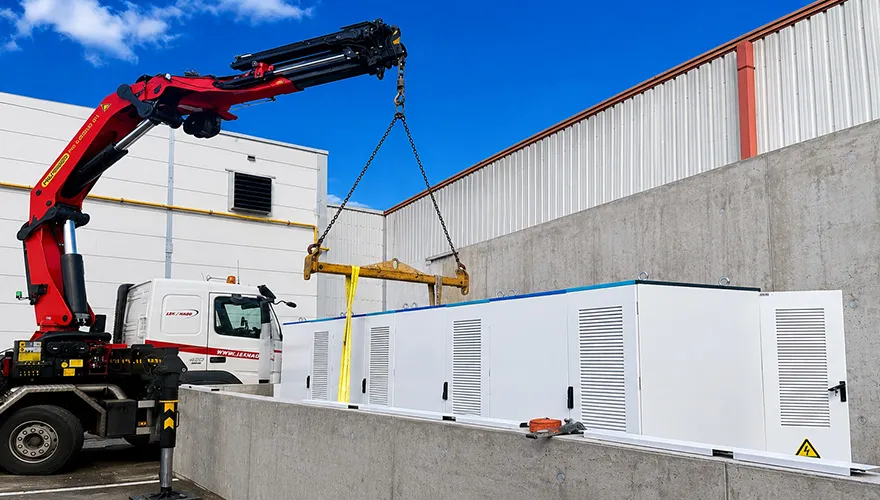
Safety Mandates and Compliance Benchmarks
Safety certifications govern both municipal permitting approvals and project insurance underwriting. Commercial and utility installations require rigorous verification across internationally recognized testing standards:
UL 9540 / UL 9540A: System-level safety certification and destructive test methods assessing thermal runaway fire propagation behavior within battery arrays.
NFPA 855: Standard for the Installation of Stationary Energy Storage Systems, establishing strict unit separation distances, deflagration venting requirements, and water supply capacities.
IEC 62619 / IEC 62933: International benchmarks outlining safety, performance, and durability parameters for industrial secondary lithium cells and complete utility installations.
High-tier solar energy battery storage companies design enclosure compartments with integrated early gas detection (detecting off-gas aerosols before smoke or thermal runaway occurs), aerosol fire suppression agents, automated mechanical ventilation, and dry-pipe sprinkler integration.
Frequently Asked Questions (FAQ)
What separates tier-1 solar energy battery storage companies from standard hardware packagers?
Tier-1 companies maintain end-to-end quality control across cell manufacturing, module integration, BMS firmware development, and full-load container testing. They provide comprehensive third-party test reports (such as UL 9540A unit and module data), maintain long-term bankability ratings, and offer direct engineering support, rather than sourcing disconnected components from varied third-party vendors.
How does liquid cooling improve the financial returns of commercial energy storage?
Liquid cooling stabilizes cell operating temperatures within narrow tolerances, reducing the rate of chemical capacity degradation. This extended cell life, combined with lower auxiliary power consumption compared to standard HVAC units, delivers higher lifetime energy throughput and increases overall project net present value (NPV).
What is the difference between grid-following and grid-forming inverters?
Grid-following inverters require an existing external AC voltage waveform to synchronize their output. Grid-forming inverters create their own stable voltage and frequency references. This allows them to act as virtual synchronous generators, support black-start operations, and stabilize microgrids or weak-grid environments during complete transmission line outages.
How is battery degradation managed over a 20-year project lifetime?
Degradation is managed through overbuilding initial capacity, optimizing daily C-rates and depth-of-discharge parameters, and executing planned battery augmentations. Augmentation involves adding fresh battery racks at predetermined project years (e.g., Year 7 and Year 14) to maintain total contracted facility capacity without overcapitalizing the project during initial construction.
Which communication protocols are standard for integrating battery systems with solar SCADA?
Standard protocols include Modbus TCP/IP for local hardware-to-controller telemetry, DNP3 for utility-scale substation communications, and IEC 61850 for modern digital power plant and substation automation networks. REST APIs and secure MQTT protocols are increasingly used for cloud-based fleet monitoring and predictive maintenance analytics.
Initiating Your System Specification and Procurement Plan
Selecting the optimal energy storage platform requires precise alignment between facility load curves, available solar generation profiles, utility interconnection limits, and localized revenue mechanisms. Whether deploying behind-the-meter peak shaving systems or front-of-the-meter grid support infrastructure, thorough due diligence across cell chemistry, thermal architecture, and control integration is mandatory.
CNTE provides complete, full-scenario energy storage solutions engineered for industrial and utility installations worldwide. Contact our engineering team today to review your project single-line diagrams (SLD), model lifecycle LCOS projections, and specify custom-engineered storage architectures tailored to your application requirements.
Get in Touch
Recent Posts
-
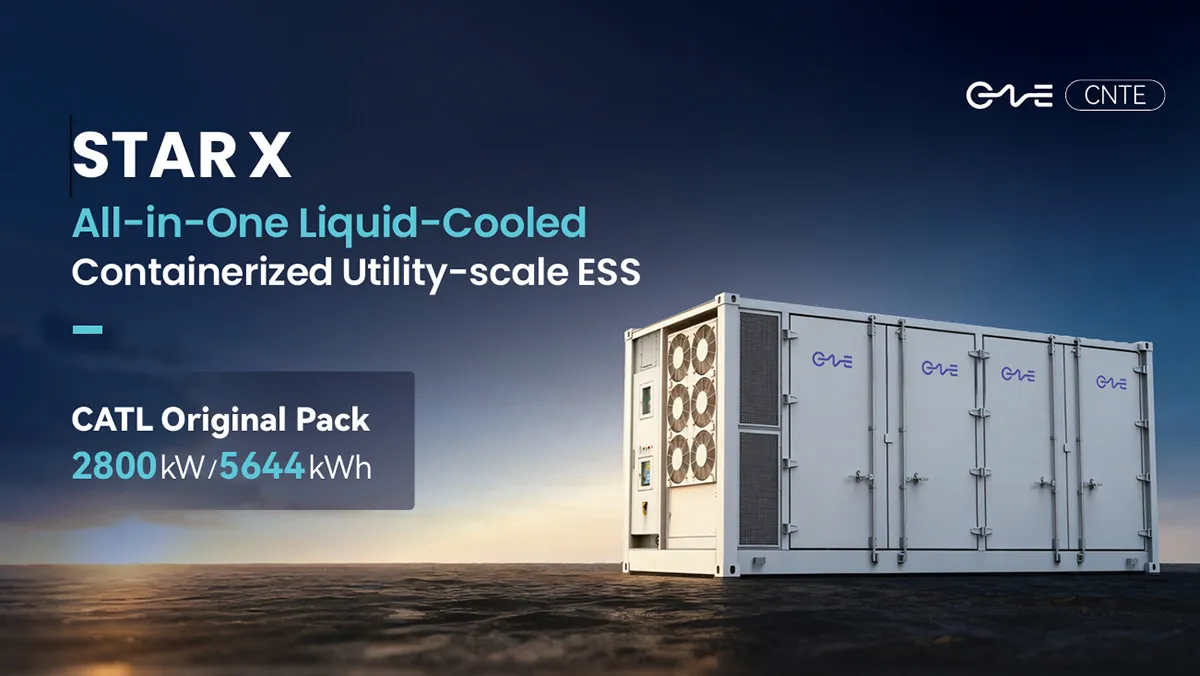
CNTE Launches STAR X Liquid-Cooled DC/AC Integrated Energy Storage System at Intersolar Europe 2026
Jul 06, 2026 -
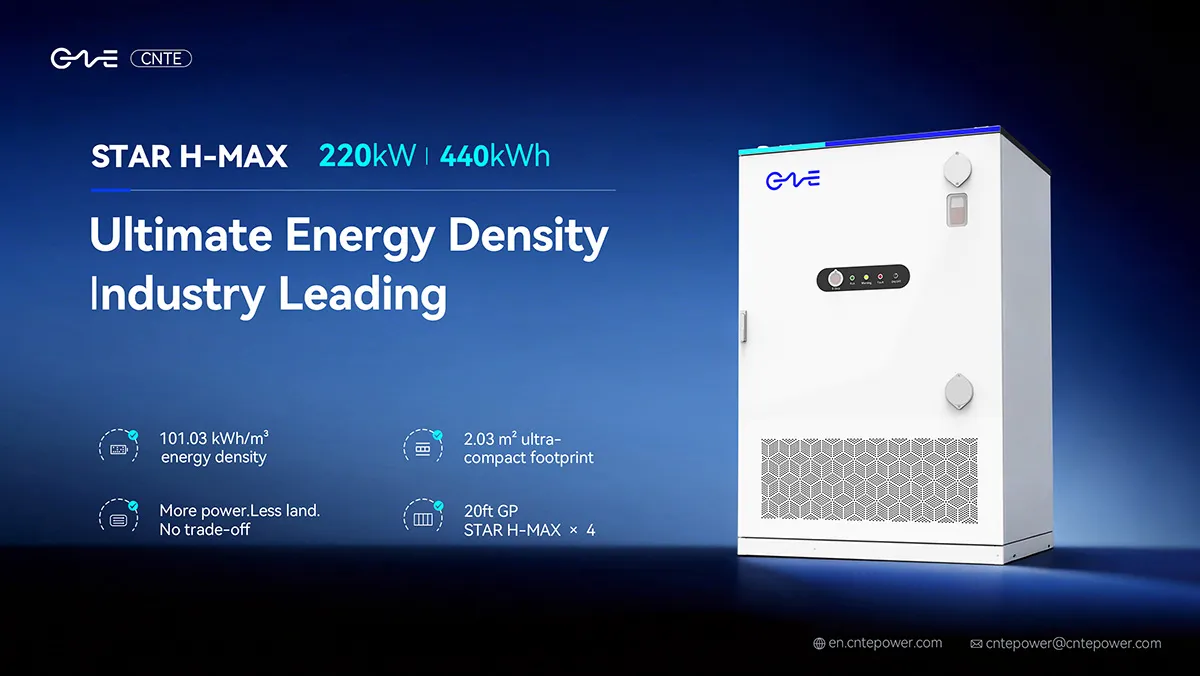
CNTE Unveils New STAR H-MAX Liquid-Cooled C&I ESS at Intersolar Europe 2026
Jun 23, 2026 -
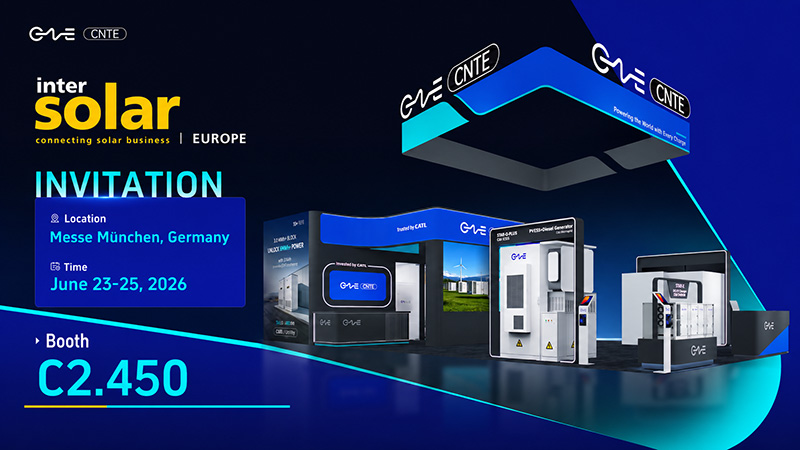
CNTE to Participate in Intersolar Europe 2026
May 20, 2026 -
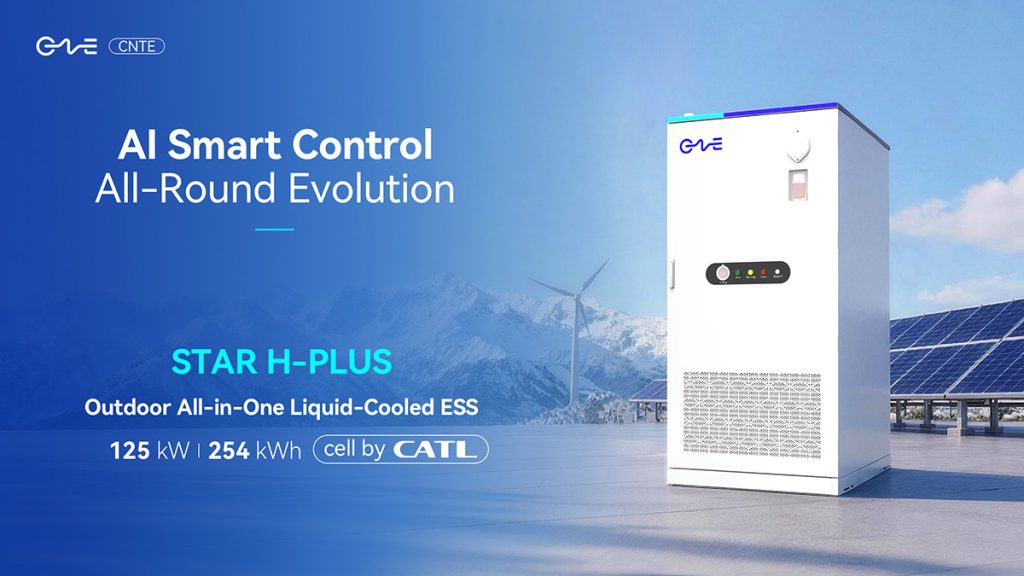
CNTE at KEY ENERGY 2026: Showcases STAR H-PLUS Outdoor Liquid-Cooled Energy Storage System
Mar 05, 2026 -

CNTE Honored as 2025 Forbes China Leading Global Brand
Jul 06, 2026 -
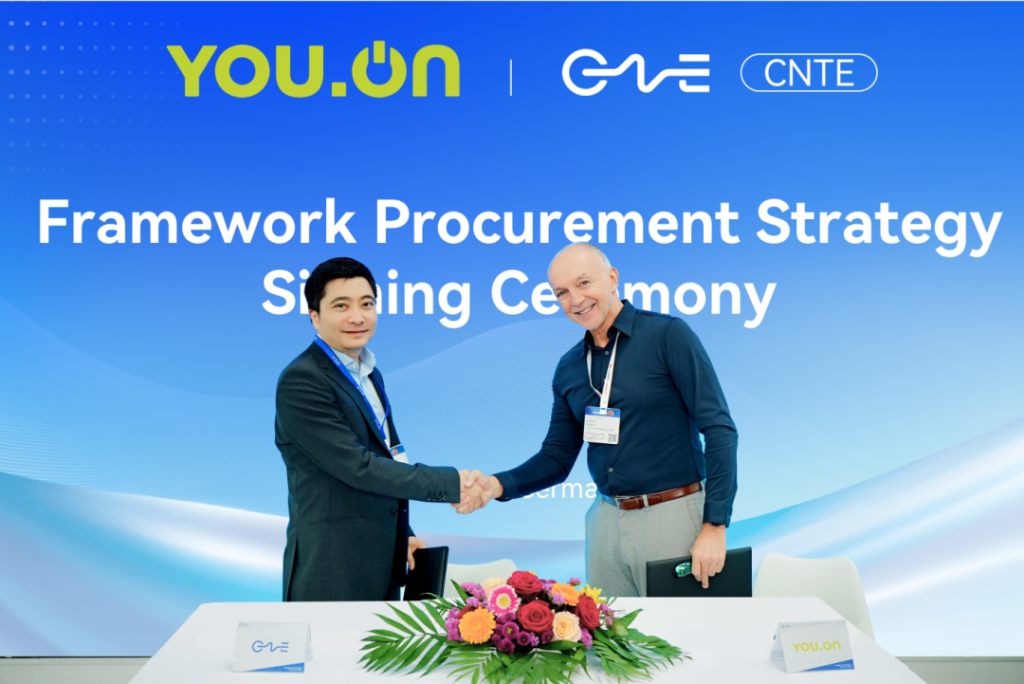
CNTE & YOU.ON Partner to Expand Storage Markets
May 19, 2025 -

CNTE Unveils Energy Storage Lineup at Solartech 2025
May 19, 2025 -
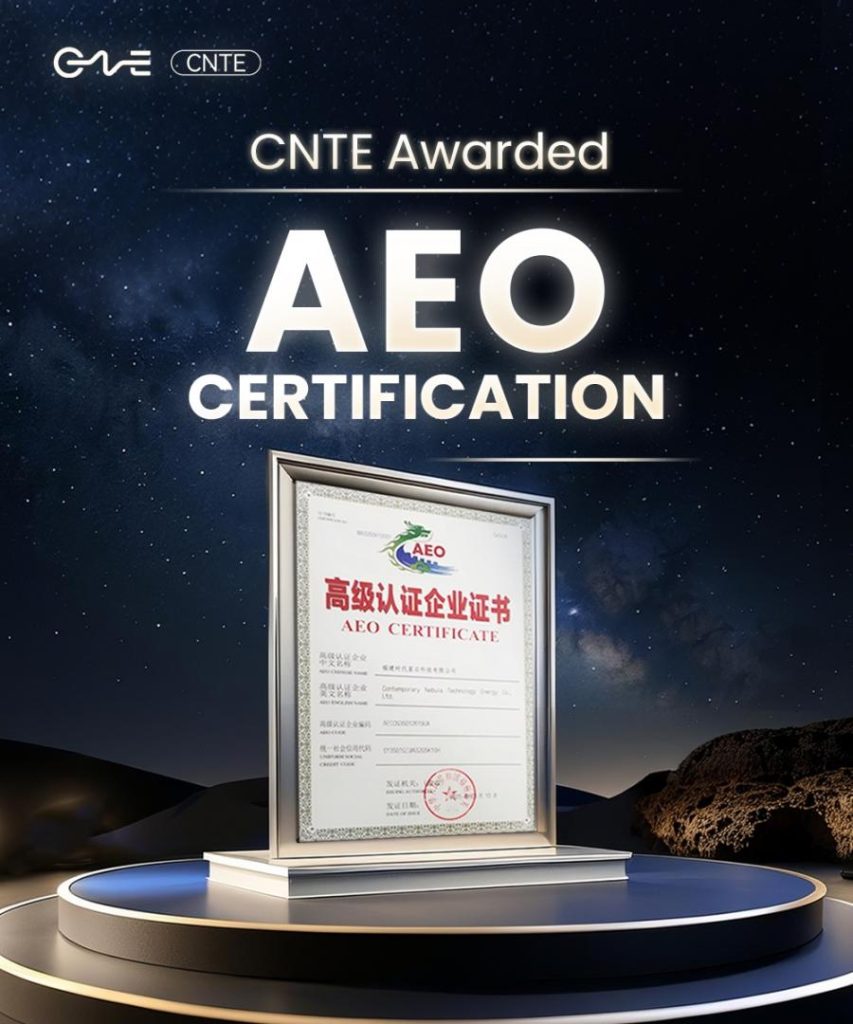
CNTE awarded AEO certification
Jul 06, 2026 -
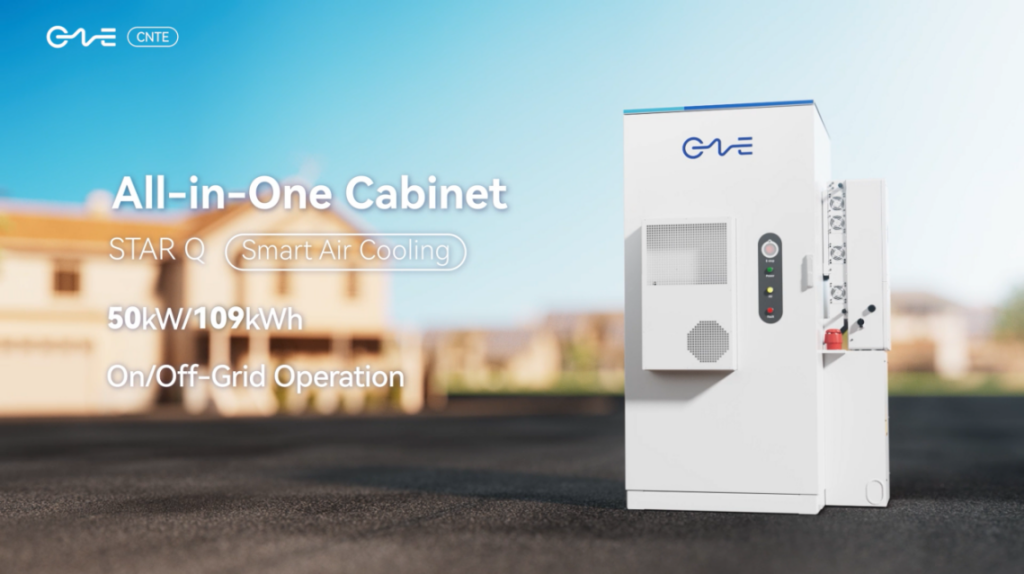
CNTE New Product Launch STAR Q
Jan 15, 2025 -
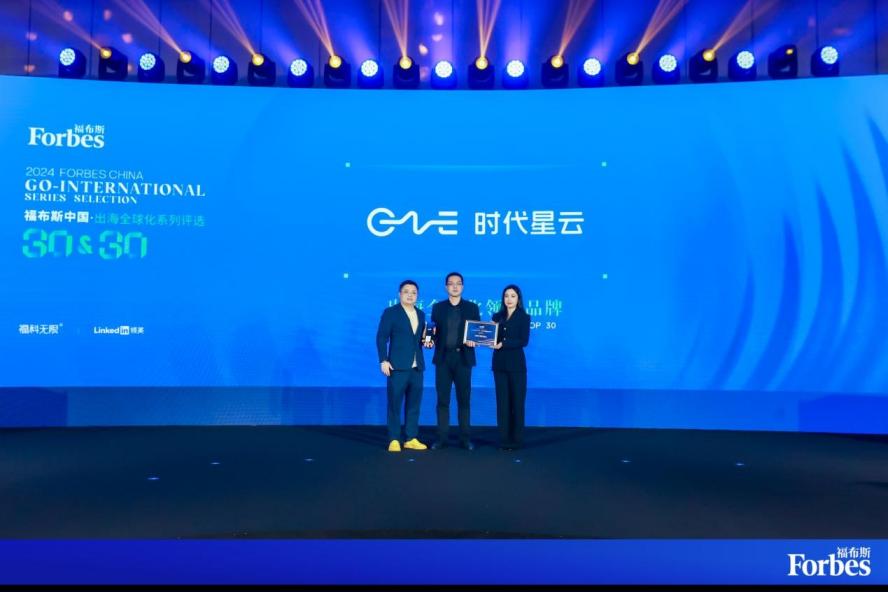
CNTE Named to Forbes China 2024 Top 30 Go-International Brands
Jul 06, 2026
