
Top 5 Reasons CATL Lithium Iron Phosphate Dominates All-Scenario Energy Storage in 2026
Global energy grids face unprecedented shifts in 2026. Solar and wind generation continue to surge, yet grid operators face severe curtailment and frequency stability issues. In response, project developers and commercial enterprises focus heavily on three metrics: safety, cycle life, and the Levelized Cost of Storage (LCOS).
Lithium iron phosphate (LFP) has firmly established itself as the baseline chemistry for stationary energy storage systems (BESS). Within this domain, CATL leads the industry in cell innovation, manufacturing consistency, and thermal stability. Today, catl lithium iron phosphate technology powers everything from kilowatt-scale residential backups to multi-megawatt industrial installations.
As a leading energy storage enterprise invested in by CATL, CNTE (Contemporary Nebula Technology Energy Co., Ltd.) brings these advanced cells to market. By integrating CATL cell technology with proprietary balance-of-plant engineering, CNTE delivers field-proven systems across all operational scenarios.
Here are the top five reasons CATL lithium iron phosphate chemistry dominates the global energy storage sector in 2026.
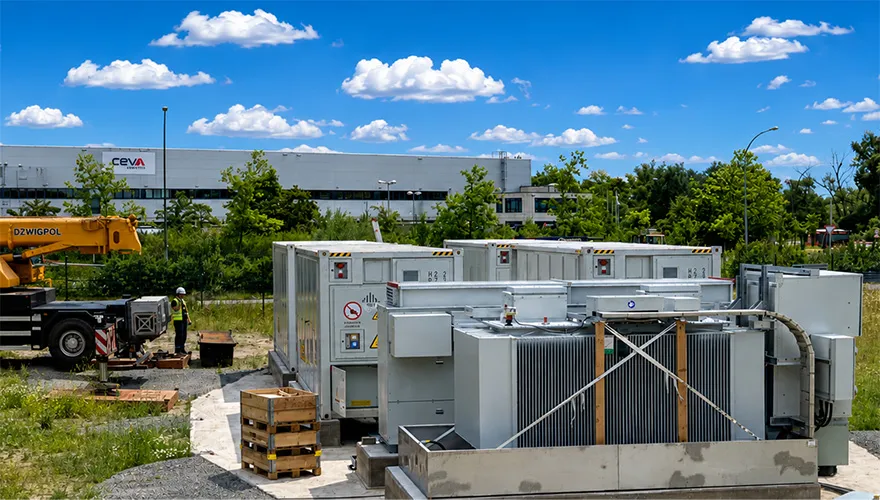
1. Intrinsic Safety and 10,000+ Deep Cycle Longevity
Safety remains the non-negotiable metric for any large-scale BESS deployment. The fundamental appeal of catl lithium iron phosphate lies in its olivine crystal structure. The strong covalent P-O chemical bonds provide robust structural integrity under high electrical and thermal stress.
Unlike nickel-based chemistries (such as NMC or NCA), CATL LFP cells release virtually no oxygen during internal fault events. This structural stability prevents rapid thermal runaway, drastically reducing the risk of catastrophic fires in dense battery enclosures.
In addition to cell safety, lifespan determines asset profitability:
Extended Service Life: In 2026, CATL utility and C&I grade LFP cells regularly achieve 10,000 to 12,000 cycles at 80% Depth of Discharge (DoD).
Low Degradation Rates: Advanced cathode coating and electrolyte additives maintain a uniform solid electrolyte interphase (SEI) layer, suppressing lithium loss over years of heavy daily cycling.
Optimized LCOS: Pushing battery life past 15 to 20 operational years slashes the lifetime cost per kilowatt-hour stored, ensuring higher returns for asset owners.
CNTE standardizes genuine, tier-1 catl lithium iron phosphate cells across its entire product catalog. This guarantees that every modular pack inherits maximum safety right from the raw material level.
2. Intelligent Liquid Cooling Combined with CNTE's 5 Core Tech Matrices
Even the best battery chemistry degrades rapidly if operated outside its ideal temperature window. Modern utility and industrial systems require precise thermal management to prevent localized hotspots and cell-to-cell imbalance.
Liquid cooling has overtaken legacy forced-air cooling as the industry standard for high-capacity systems. By using micro-channel thermal plates and real-time flow regulation, liquid-cooled systems maintain cell temperature variations within ≤2.5°C across an entire containerized block.
CNTE maximizes the performance of catl lithium iron phosphate cells through its proprietary 5 Core Technology Matrices:
Multi-tier Battery Management System (BMS): Millivolt-level voltage sampling and real-time internal resistance tracking prevent over-charge and over-discharge conditions.
Smart Energy Management System (EMS): Embedded algorithmic dispatch optimizes peak-shaving, frequency regulation, and dynamic grid support based on live tariff signals.
Adaptive Liquid Thermal Loop: Bi-directional heating and cooling loops ensure uniform cell temperatures even in extreme ambient environments ranging from -30°C to 55°C.
Precision Structural Engineering: Robust IP54/IP67 enclosure designs incorporate explosion-proof pressure relief vents, aerosol suppression, and structural crash barriers.
Cloud-Based Health Diagnostics: Big-data analytics continuously calculate State of Charge (SoC) and State of Health (SoH) metrics to predict faults before they trigger downtime.
3. True All-Scenario Adaptability: From Kilowatts to Megawatts
Energy storage requirements vary wildly depending on the application. A factory needs heavy peak-shaving capability, an off-grid home demands quiet reliability, and a remote field station requires portable power. The wide operational window of catl lithium iron phosphate allows it to serve every segment efficiently.
CNTE transforms this versatile cell chemistry into modular hardware engineered for specific market sectors:
Commercial & Industrial (C&I) Liquid Cooling BESS
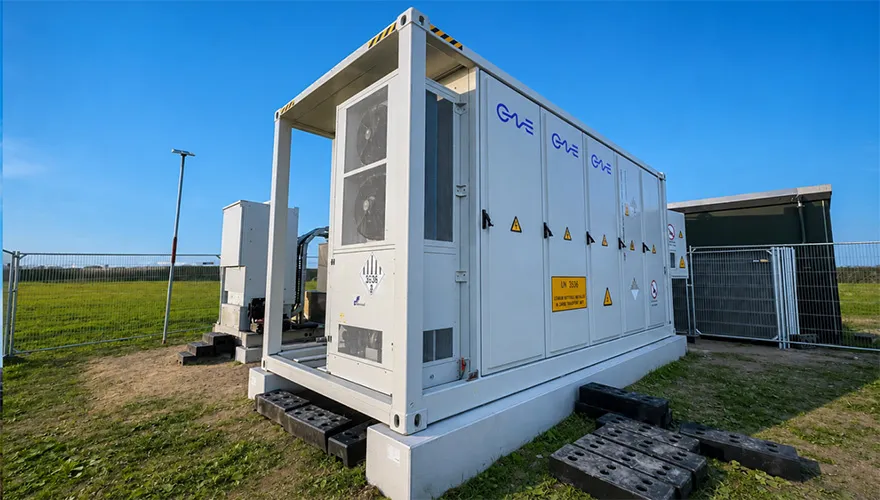
Designed for factories, data centers, and commercial real estate, CNTE delivers liquid-cooled C&I cabinets scalable from 206 kWh up to 4 MWh container units. These units fit into compact footprints, lower facility demand charges, and integrate directly with rooftop solar arrays.
Residential Energy Storage Systems
Modern households require clean, noise-free backup during outages. CNTE residential units integrate CATL high-safety LFP cells into sleek, stackable modular enclosures. Paired with intelligent hybrid inverters, they maximize self-consumption from residential PV arrays and guarantee 24/7 power independence.
Modular Portable Power Stations
For mobile workforces, emergency rescue teams, and outdoor commercial operations, CNTE scales CATL industrial-grade safety down into portable units. These rugged power packs feature high-output AC inverters, rapid solar recharging inputs, and modular expansion packs for extended field runtimes.
4. Smart BESS EV Charging Stations with On-Site Battery Inspection
The rapid adoption of electric vehicles puts enormous pressure on local distribution grids. Installing multi-megawatt DC fast-charging hubs often demands costly utility grid upgrades, causing multi-year project delays.
The solution lies in decentralized buffer storage. A Smart BESS EV charging station acts as an energy reservoir, slowly pulling power from the grid or on-site solar canopies, then discharging at high power rates (360 kW to 600 kW) directly into vehicles.
CNTE leads this sector with its innovative "Optical-Storage-Charging-Inspection" integrated charging solution:
Grid Relief: High-capacity catl lithium iron phosphate battery buffers shave peak demand, allowing high-power charging plazas to operate on constrained grid connections.
Ultra-Fast Dispatch: Dynamic power routing delivers high current to multiple EV charging dispensers simultaneously without triggering grid demand penalties.
Real-Time Battery Health Diagnostics: While the vehicle charges, CNTE's specialized testing algorithms perform a rapid non-destructive health inspection on the EV's traction pack, generating an instant battery health report for the vehicle driver.
5. Tier-1 Bankability and Comprehensive OEM/ODM Manufacturing
For institutional investors, Independent Power Producers (IPPs), and EPC contractors, balance-sheet security is just as critical as technical specifications. Tier-1 project financing requires equipment backed by proven field reliability data, robust warranty reserves, and international safety certifications.
The global reputation of catl lithium iron phosphate streamlines project financing and insurance underwriting. Systems utilizing these cells meet the most stringent international compliance standards, including UL9540, UL9540A, IEC 62619, and CE directives.
As a global OEM/ODM energy storage manufacturer, CNTE provides end-to-end production flexibility:
Custom Mechanical & Electrical Architecture: Tailored battery rack configurations, bespoke liquid cooling manifolds, and custom voltage ranges (400V to 1500V DC).
Software Localization: Custom BMS/EMS protocols compatible with local grid codes, Modbus, CAN, and cloud API integrations.
Turnkey Manufacturing: Fully automated pack assembly lines, robotic laser welding, and rigorous multi-stage end-of-line (EOL) testing ensure consistent quality across every batch.
Frequently Asked Questions (FAQ)
Q1: Why is CATL lithium iron phosphate preferred over ternary (NMC) batteries for stationary storage?
A1: Stationary energy storage prioritizes safety, cycle life, and low levelized cost over raw gravimetric energy density. LFP chemistry offers higher thermal runaway resistance (withstanding temperatures up to 270°C before decomposing) and provides more than double the operational lifespan of NMC cells, making it far safer and more cost-effective for stationary systems.
Q2: How does liquid cooling improve the performance of CATL LFP battery storage systems?
A2: Liquid cooling provides superior thermal conductivity compared to air cooling. It maintains an ultra-low temperature gradient (≤2.5°C) across all cells in a pack. This uniform temperature prevents uneven cell aging, eliminates localized hot spots, improves round-trip efficiency (RTE) above 90%, and prevents thermal throttling in high-ambient climates.
Q3: What makes CNTE's C&I liquid-cooled BESS suitable for industrial facilities?
A3: CNTE commercial systems feature a compact footprint, integrated fire suppression (aerosol and water sprinkler systems), smart EMS for demand-charge management, and modular scalability from 206 kWh up to multi-megawatt blocks. They easily connect with on-site solar systems, providing both economic optimization and emergency backup power.
Q4: How does the battery inspection feature work in CNTE's Smart BESS EV charging stations?
A4: As the DC fast charger delivers current to the EV, CNTE's diagnostic algorithms analyze electrical feedback, voltage response curves, and impedance characteristics from the vehicle's battery. This real-time data allows the system to assess the traction battery's state of health, capacity loss, and safety status without disassembling the vehicle.
Q5: Can international developers order customized OEM/ODM energy storage systems from CNTE?
A5: Yes. CNTE provides complete OEM and ODM engineering services for global clients. This includes custom enclosure design, system-level voltage matching, customized BMS/EMS communication protocols, and full support for regional regulatory certifications such as UL9540, NFPA 855, and IEC standards.
Power Your Next Energy Storage Project with CNTE
Selecting the right battery chemistry and integration partner determines the technical and financial success of your energy storage project. By combining the cycle life and safety of catl lithium iron phosphate cells with advanced system engineering, CNTE (Contemporary Nebula Technology Energy Co., Ltd.) delivers bankable energy storage solutions tailored to global standards.
Whether you are developing a utility-scale solar-plus-storage site, upgrading a commercial facility to reduce peak demand charges, or planning an ultra-fast EV charging hub, our engineering team is ready to assist.
Contact the CNTE engineering team today to request technical datasheets, discuss customized OEM/ODM specifications, and receive a detailed project feasibility quote.
Get in Touch
Recent Posts
-
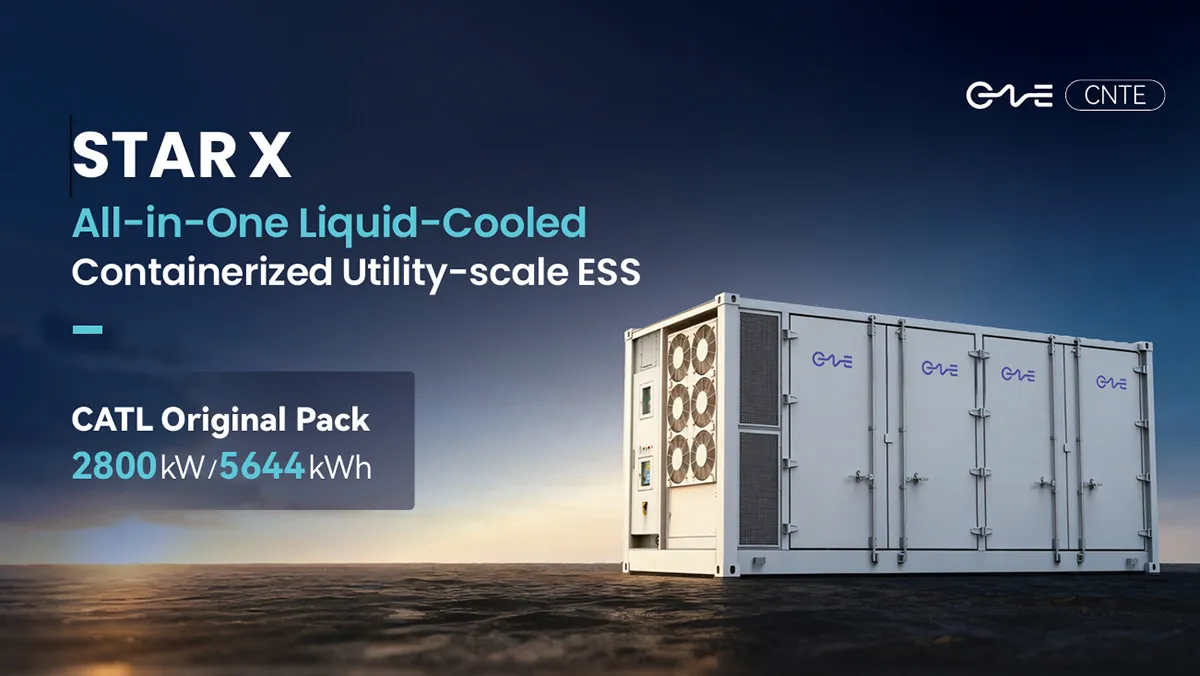
CNTE Launches STAR X Liquid-Cooled DC/AC Integrated Energy Storage System at Intersolar Europe 2026
Jul 06, 2026 -
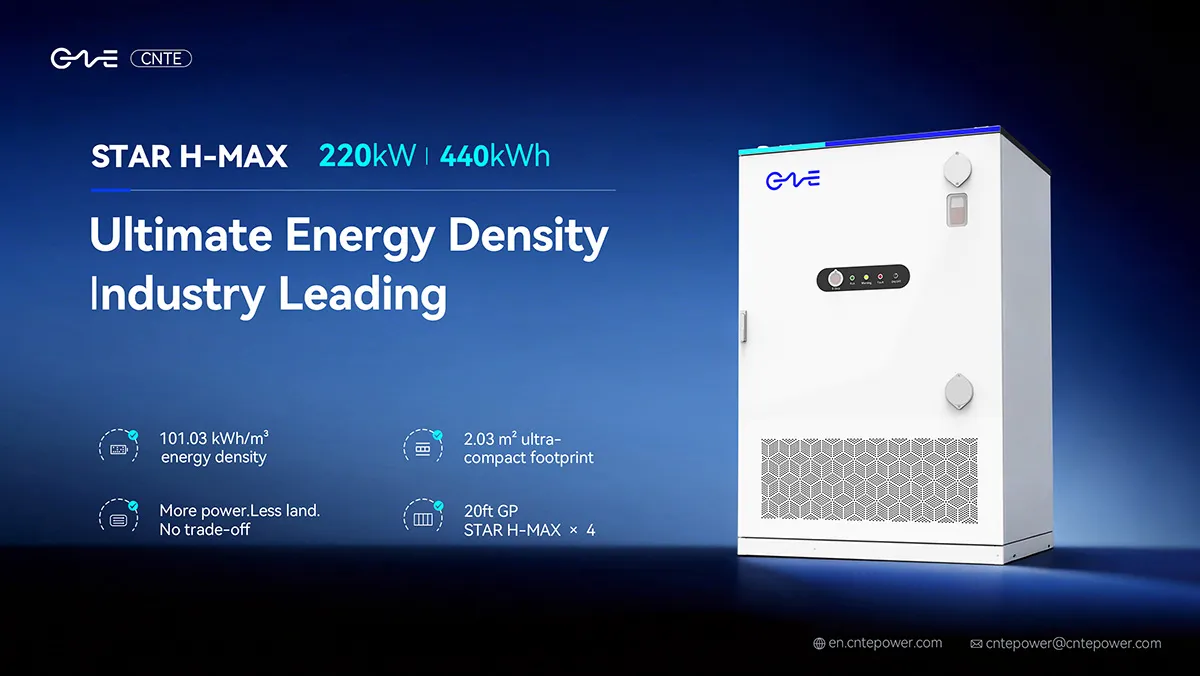
CNTE Unveils New STAR H-MAX Liquid-Cooled C&I ESS at Intersolar Europe 2026
Jun 23, 2026 -
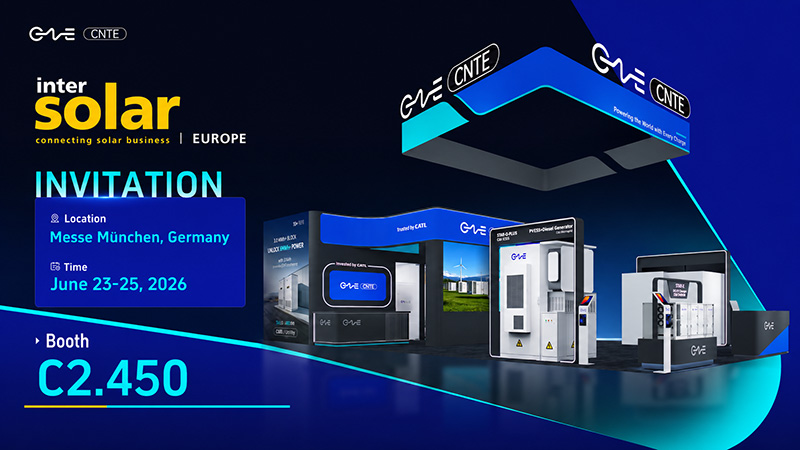
CNTE to Participate in Intersolar Europe 2026
May 20, 2026 -
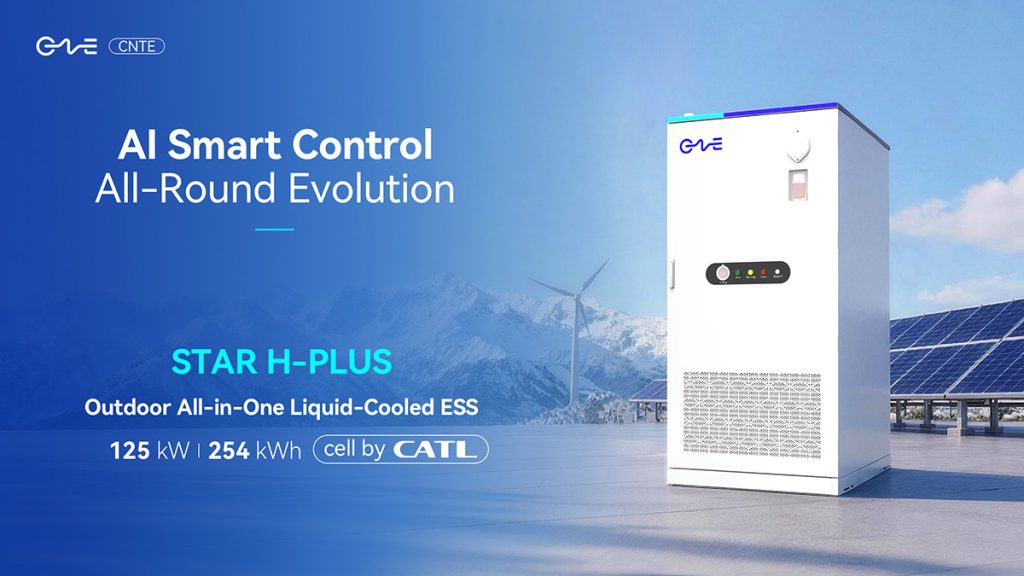
CNTE at KEY ENERGY 2026: Showcases STAR H-PLUS Outdoor Liquid-Cooled Energy Storage System
Mar 05, 2026 -

CNTE Honored as 2025 Forbes China Leading Global Brand
Jul 06, 2026 -
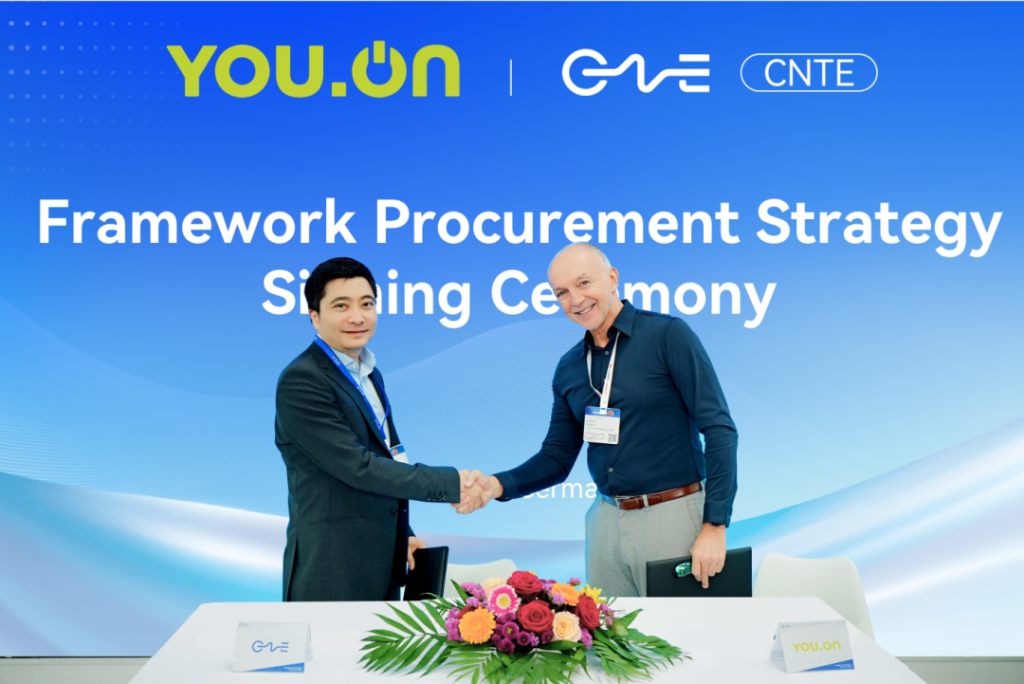
CNTE & YOU.ON Partner to Expand Storage Markets
May 19, 2025 -
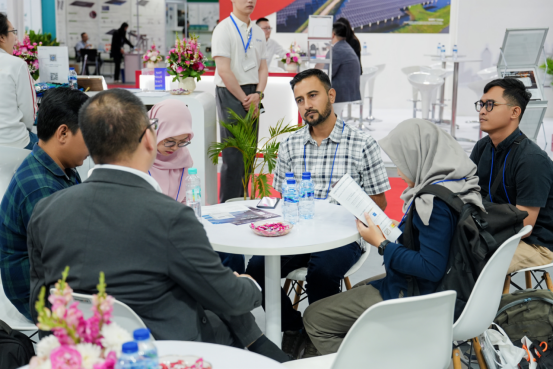
CNTE Unveils Energy Storage Lineup at Solartech 2025
May 19, 2025 -
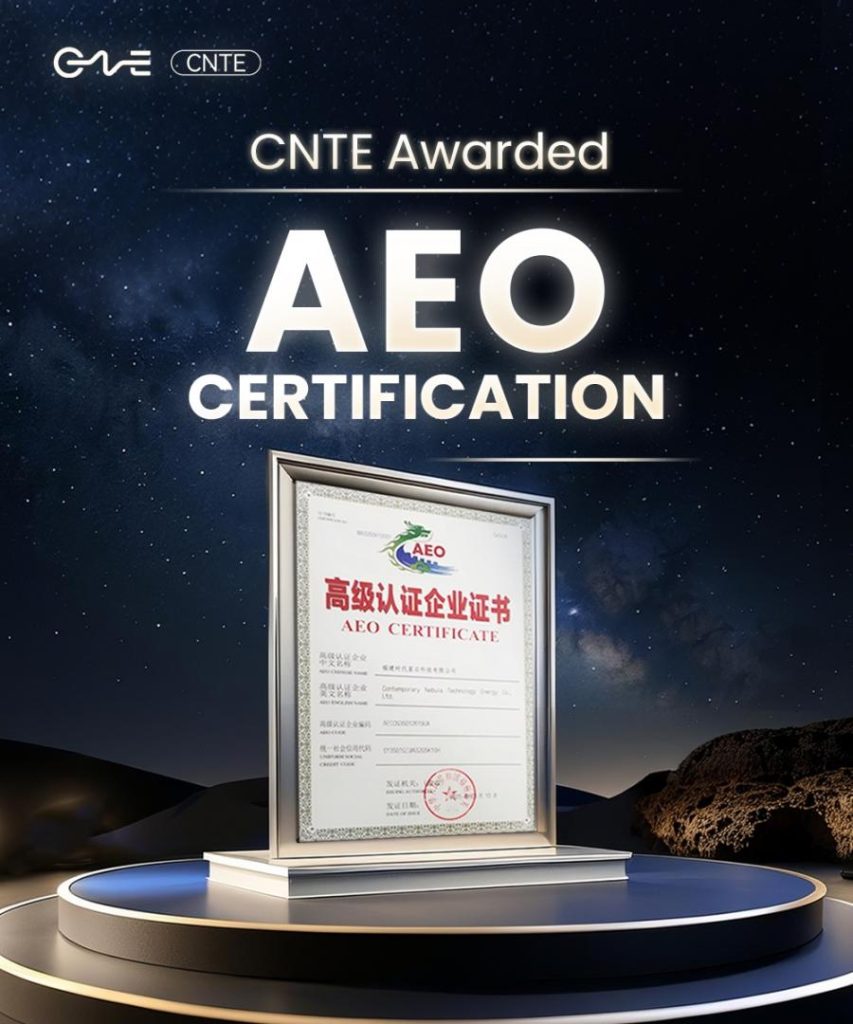
CNTE awarded AEO certification
Jul 06, 2026 -
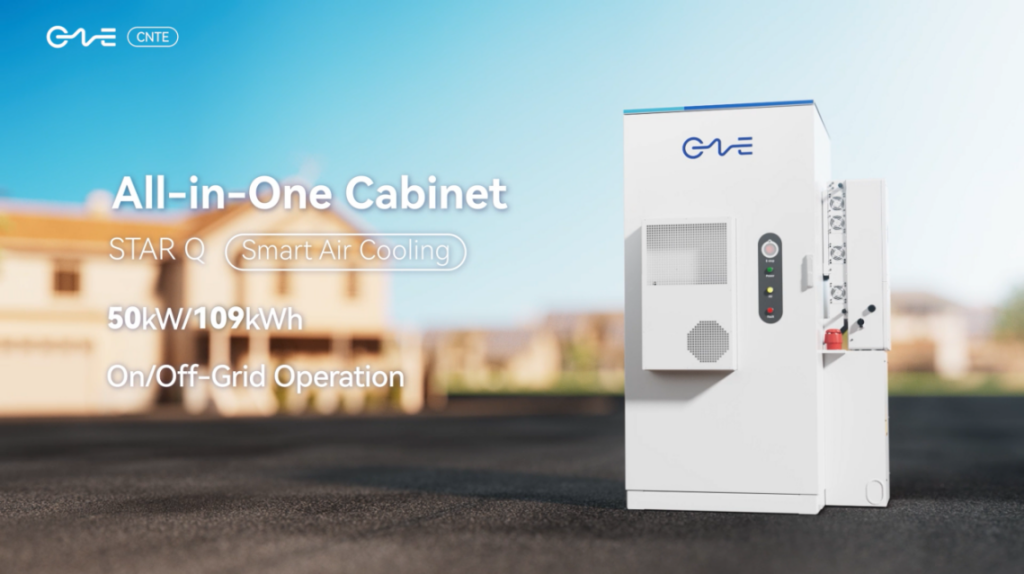
CNTE New Product Launch STAR Q
Jan 15, 2025 -
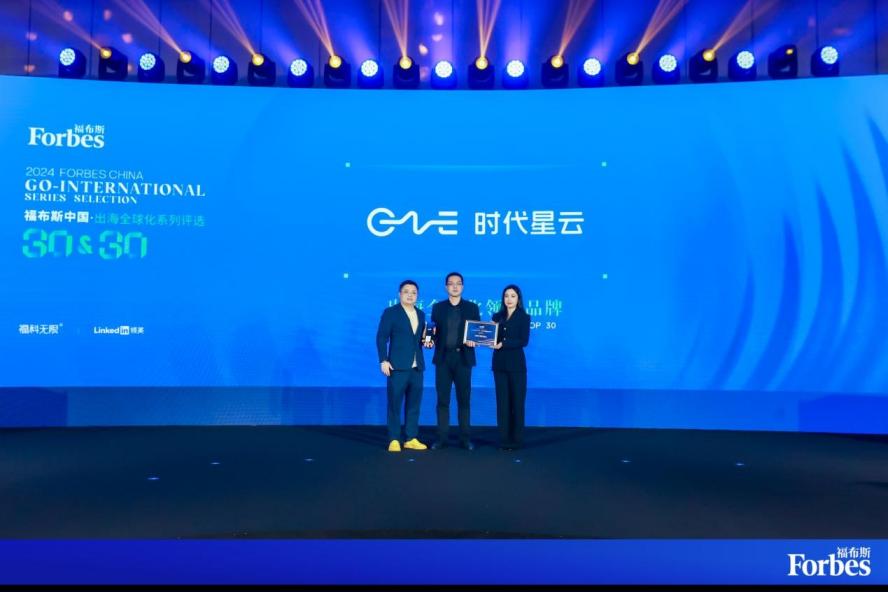
CNTE Named to Forbes China 2024 Top 30 Go-International Brands
Jul 06, 2026
