
Engineering Guide to Commercial BESS Architecture: Evaluating Solar Storage Companies
Solar photovoltaic generation without battery integration introduces fundamental grid challenges, characterized by intermittency, curtailment during peak irradiance, and steep ramping requirements when solar production declines. Commercial facilities and grid operators increasingly turn to specialized solar storage companies to bridge the gap between generation profiles and dynamic load demands. Integrating utility-scale and commercial & industrial (C&I) battery energy storage systems (BESS) transforms intermittent solar arrays into dispatchable, firm capacity assets capable of delivering revenue through multiple grid services.
Selecting an energy storage partner requires assessing deep hardware topology, energy management algorithms, cell-level safety architectures, and lifecycle degradation curves. A standard photovoltaic vendor lacks the electrochemical and power conversion expertise needed to design systems that endure decades of continuous cycling. System integrators like CNTE (Contemporary Nebula Technology Energy Co., Ltd.) provide full-scenario energy storage solutions that match specialized battery chemistries and thermal systems with advanced grid-forming inverters, establishing stable operating parameters for complex microgrids and utility substations.
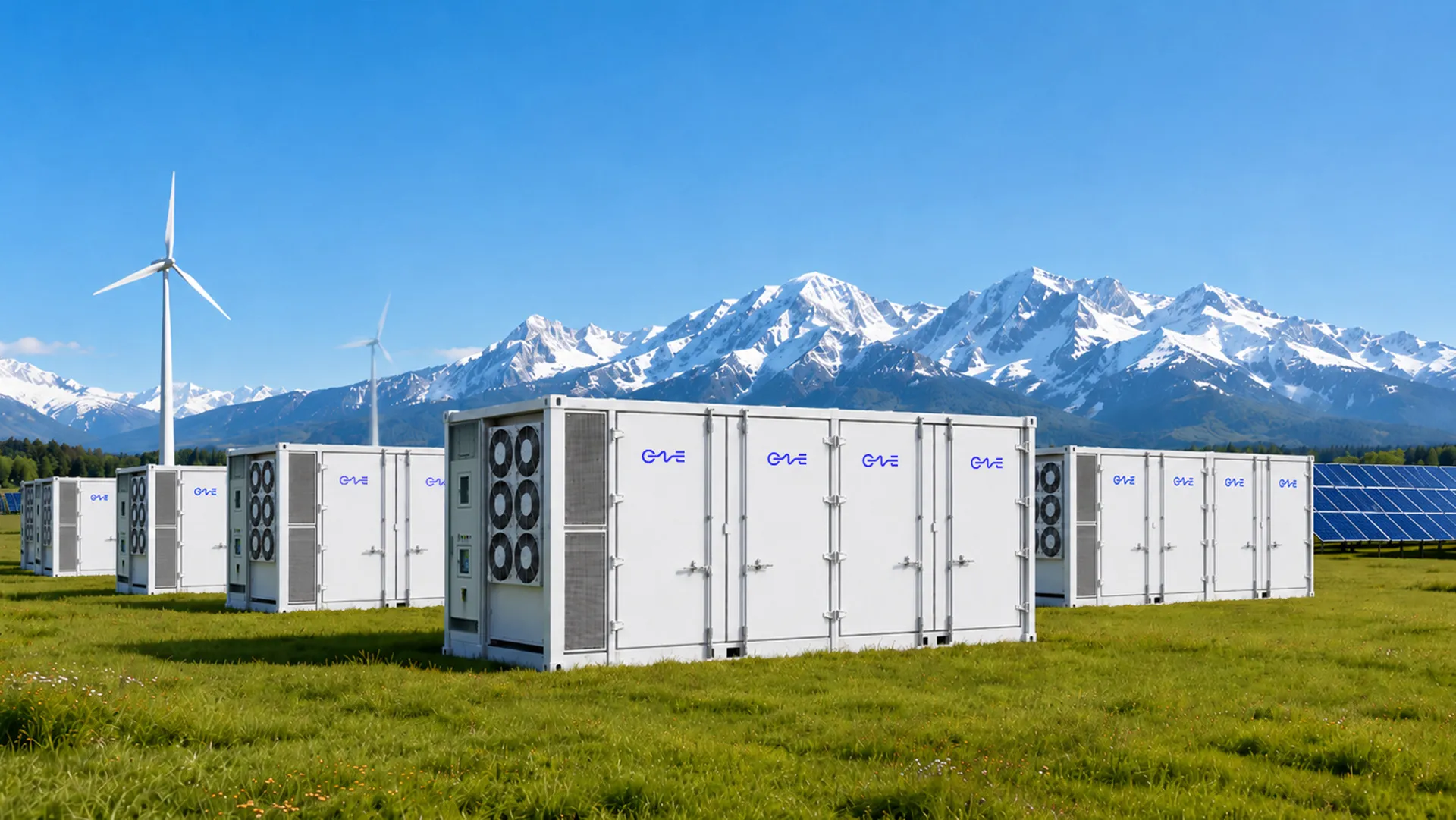
System Topologies: DC-Coupled vs. AC-Coupled Solar-Plus-Storage
The primary architectural decision in utility-scale and commercial projects involves selecting between DC-coupled and AC-coupled configurations. Each topology dictates system efficiency, power conversion losses, and operational flexibility under varying solar conditions.
DC-Coupled Architecture Mechanics
In a DC-coupled configuration, photovoltaic strings and the battery storage system share a common DC bus behind a central, bi-directional inverter. Power from the solar array routes directly to the battery through a DC-DC buck/boost converter without undergoing intermediate DC-AC-DC conversion stages. This arrangement yields significant advantages:
Clipping Energy Recapture: When solar irradiance drives photovoltaic production beyond the inverter's maximum AC output rating, the excess energy routes directly into the battery pack rather than being curtailed, maximizing kilowatt-hour utilization.
Higher Round-Trip Efficiency for Charging: Charging batteries directly from DC solar avoids the dual-conversion losses inherent in inverter and rectifier stages, maintaining single-path conversion efficiencies above 97%.
Reduced Balance of System Footprint: Combining solar and storage onto a shared power conversion unit lowers the footprint of switchgear, step-up transformers, and medium-voltage grid interconnections.
AC-Coupled Architecture Mechanics
AC-coupled topologies connect the solar array and the BESS to separate, dedicated inverters on the AC bus. This layout isolates generation from storage, offering modular expansion paths for pre-existing solar assets.
Retrofit Compatibility: Existing grid-tied solar installations integrate storage without replacing certified solar inverters, preserving legacy interconnect agreements.
Independent Subsystem Sizing: System designers adjust battery charging and discharging rates independently of simultaneous photovoltaic power delivery to the facility bus.
Redundant Power Paths: A failure in the solar inverter or battery power conversion system (PCS) does not force an entire substation offline, allowing continuous operation of the unaffected subsystem.
Core Hardware and Electrochemistry Selection Criteria
Top-tier solar storage companies distinguish themselves through rigorous cell chemistry selection, cell balancing mechanisms, and high-efficiency thermal architectures that prevent accelerated capacity fade.
Electrochemical Stability: Lithium Iron Phosphate (LFP)
Modern commercial BESS deployments rely predominantly on Lithium Iron Phosphate (LiFePO4 or LFP) chemistries. Compared to Nickel Manganese Cobalt (NMC) alternatives, LFP delivers higher thermal stability, an elevated runaway temperature threshold (exceeding 270 degrees Celsius), and an absence of cobalt-associated ethical supply bottlenecks. LFP cells demonstrate prolonged cycle lives, consistently sustaining 6,000 to 10,000 complete cycles at 80% Depth of Discharge (DoD) before hitting their end-of-life capacity thresholds.
Liquid Thermal Management vs. Forced-Air Cooling
Operating temperature directly governs cell degradation, internal resistance, and capacity retention. Uneven heat dissipation across large-format battery racks causes localized cell aging, leading to string imbalance and early module replacement.
Direct Liquid Cooling Systems: Modern BESS designs implement closed-loop liquid cooling plates directly beneath or between prismatic cells. Liquid coolant exhibits a heat capacity over four times greater than air, maintaining temperature variances across thousands of cells within plus or minus 2 degrees Celsius.
Parasitic Load Reductions: Liquid systems reduce the auxiliary power required by external HVAC units, lowering total auxiliary consumption by up to 30% and improving net round-trip efficiency (RTE).
Ingress Protection: Sealed liquid-cooled enclosures eliminate the need for high-volume outside air intake, mitigating dust, humidity, and corrosive particulate exposure in coastal or desert environments.
C&I and Utility-Scale Value Streams
Integrating utility and commercial energy storage creates stacked revenue models and operational improvements across diverse electrical infrastructures.
Peak Shaving and Demand Charge Mitigation
Industrial commercial power tariffs enforce heavy demand charges based on the single highest fifteen-minute power spike recorded during billing periods. Energy storage systems continuously monitor facility load profiles at the utility meter. When automated algorithms detect factory loads approaching contractual thresholds, the BESS discharges instantaneously, supplying the peak demand locally and shaving the recorded grid draw. This demand mitigation reduces utility bills without requiring operational downtime or machinery load shedding.
Arbitrage and Real-Time Energy Shifting
In wholesale and time-of-use (TOU) power markets, energy prices fluctuate drastically based on system-wide supply. Automated battery systems charge during periods of negative pricing or mid-day solar abundance, storing low-cost power. When evening peak demand spikes electricity prices, the system discharges back into the facility or directly onto the regional transmission grid, capturing the pricing spread.
Frequency Regulation and Ancillary Grid Services
Grid stability requires maintaining nominal system frequency (50 Hz or 60 Hz). Sudden generation dropouts or unexpected transmission trips disrupt this balance. Modern four-quadrant inverters provide sub-second frequency containment reserves (FCR), dynamically absorbing or injecting active and reactive power (VAR support) to stabilize grid voltage and frequency within milliseconds of a detected aberration.
Software Integration: Multi-Tiered EMS and Battery Management Systems
Hardware capabilities remain underutilized without integrated, multi-tier software architectures orchestrating microsecond-level safety responses and market dispatch algorithms.
Three-Tier BESS Software Hierarchy
Battery Management System (BMS): Operates at the cell, module, and rack levels. The BMS monitors voltage, temperature, state of charge (SoC), and state of health (SoH). It executes active balancing by shuttling energy between individual cells, preventing weak cells from limiting total string capacity, and triggers instant contactor isolation upon over-voltage or thermal deviations.
Power Conversion System (PCS) Control: Governs the bi-directional power electronics, orchestrating four-quadrant active and reactive power flows, managing black-start synchronization, and executing grid-following or grid-forming inverter modes.
Energy Management System (EMS): Interfaces with the local SCADA, cloud analytics, weather forecasting models, and utility tariff feeds. The EMS decides when to charge, hold, or discharge assets to maximize asset longevity and financial return.
Leading solar storage companies integrate edge-computing devices capable of autonomous, disconnected operation. If communications with remote cloud servers drop, local site controllers maintain grid-compliance profiles and safety functions uninterrupted.
Vetting Solar Storage Companies: Engineering and Bankability Criteria
Long asset operational lifespans demand comprehensive vetting of system integrators to guarantee system performance across 15 to 25 years.
Safety Certifications and Compliance Standards
Industrial installations must meet stringent international safety standards:
UL 9540 and UL 9540A: Evaluates system-level safety and assesses thermal runaway fire propagation at the module, unit, and installation levels.
IEC 62619 / IEC 62933: Dictates safety requirements for secondary lithium cells used in industrial and utility applications, specifying functional electrical safety protocols.
NFPA 855: Standard for the Installation of Stationary Energy Storage Systems, governing physical separation distances, deflagration venting, and fire suppression integration.
Warranty Structures and Degradation Modeling
Battery performance degrades over time via calendar fade (storage time, temperature, and average SoC) and cycling fade (C-rate, depth of discharge, and cumulative energy throughput). Reliable manufacturers provide linear degradation warranties backed by extensive empirical testing rather than standard mathematical approximations. Vetted agreements explicitly guarantee minimum retained capacity (typically 70% after 10 years or a predetermined Megawatt-hour throughput volume) under specified thermal and operational limits.
CNTE (Contemporary Nebula Technology Energy Co., Ltd.) addresses these multi-decade operational demands by manufacturing fully integrated, industrial-grade storage platforms that align with rigorous global testing standards. By uniting advanced battery module manufacturing with full-scenario engineering capabilities, CNTE delivers reliable power reliability, fast dynamic response, and predictable lifecycle economics for complex projects worldwide.
Frequently Asked Questions (FAQ)
What differentiates industrial BESS from residential solar storage systems?
Industrial BESS installations operate at substantially higher DC voltage levels (often 1000V to 1500V DC compared to 48V or 400V in residential setups) to minimize transmission currents and resistive losses. They integrate multi-rack master BMS architectures, require direct integration into plant SCADA systems, utilize industrial liquid thermal management, and adhere to strict utility interconnection standards such as IEEE 1547 and high-level NFPA fire suppression mandates.
How does C-rate influence battery energy storage design?
The C-rate defines the rate at which a battery charges or discharges relative to its maximum capacity. A 1C rate discharges the full battery capacity in one hour, while a 0.5C rate requires two hours. Ancillary grid stabilization and peak-power machinery demand high C-rates (1C to 2C) for fast power injection, whereas daily commercial energy shifting and solar capacity firming typically use 0.25C to 0.5C architectures (4-hour to 2-hour duration) to optimize system balance and slow cell degradation.
Can solar storage systems operate completely off-grid during utility outages?
Yes, provided the system incorporates grid-forming inverters with black-start capabilities. Standard grid-following inverters shut down when grid voltage disappears to prevent islanding workers. Grid-forming PCS units independently establish local voltage and frequency references, allowing the microgrid to maintain power supply to critical facility loads using solar generation and battery reserves without utility support.
Why is liquid cooling preferred over air cooling in large storage containers?
Liquid cooling provides superior heat transfer coefficients, allowing for tight temperature control across densely packed battery racks. This minimizes thermal gradients among individual cells, preventing accelerated localized aging and preserving total string efficiency. Liquid cooling also eliminates external air intake, protecting internal components against ambient moisture, dust, and corrosive salts.
How do battery warranties handle capacity fade from continuous cycling?
Industrial warranties tie capacity retention guarantees to both operational years and cumulative energy throughput (total MWh discharged). If an operator cycles a system multiple times daily under high thermal stress, the throughput threshold prevents warranty misuse, while clear contractual stipulations define the required operating parameters (average SoC, maximum C-rate, and ambient temperature) to maintain valid coverage.
Deploy Full-Scenario Solar Storage Infrastructures
Transitioning from standard photovoltaic generation to resilient, dispatchable energy infrastructure requires robust engineering, deep knowledge of power electronics, and high-performance battery integration. Successful project execution depends on partnering with solar storage companies capable of delivering comprehensive design, installation, and lifecycle support.
Connect with the engineering specialists at CNTE (Contemporary Nebula Technology Energy Co., Ltd.) to discuss project sizing, electrical topology modeling, and commercial integration. Submit your site specifications and single-line diagrams to receive a comprehensive technical proposal and BESS feasibility evaluation tailored to your operational demands.
Get in Touch
Recent Posts
-
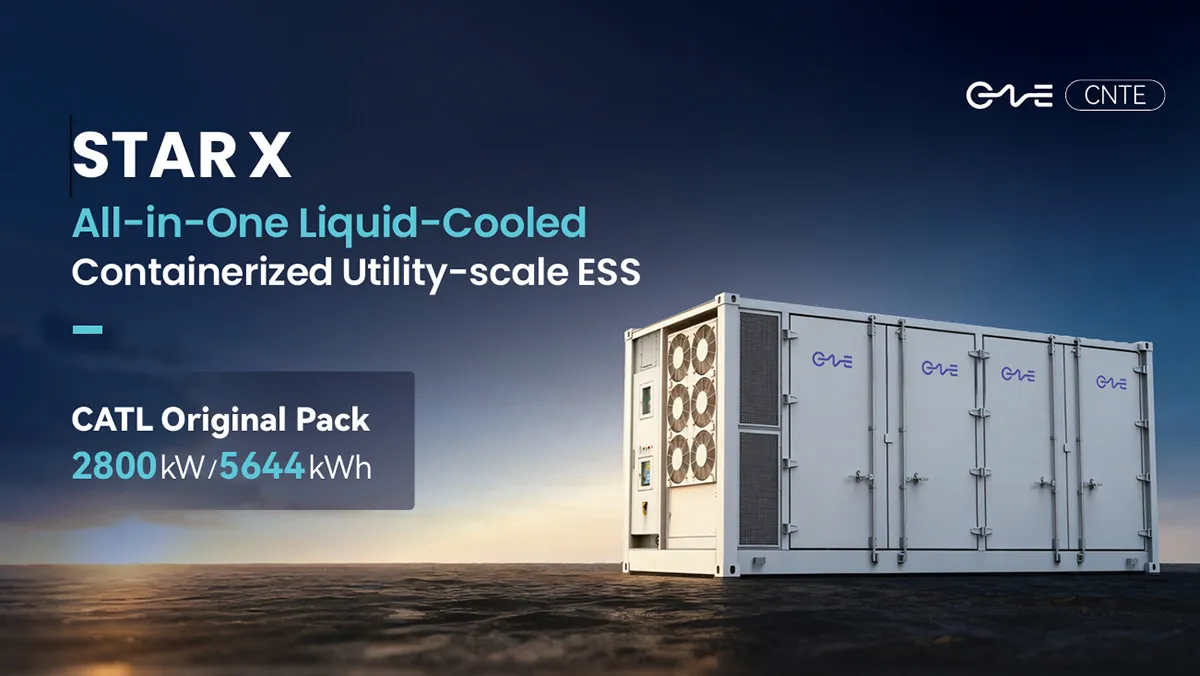
CNTE Launches STAR X Liquid-Cooled DC/AC Integrated Energy Storage System at Intersolar Europe 2026
Jul 06, 2026 -
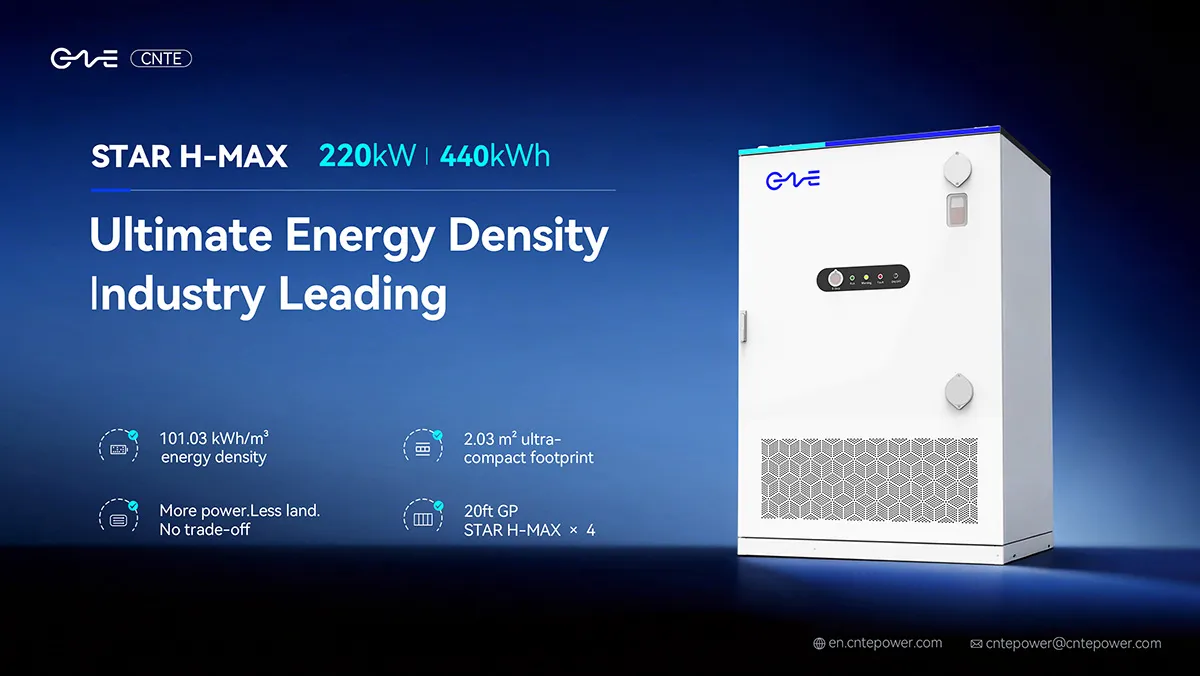
CNTE Unveils New STAR H-MAX Liquid-Cooled C&I ESS at Intersolar Europe 2026
Jun 23, 2026 -
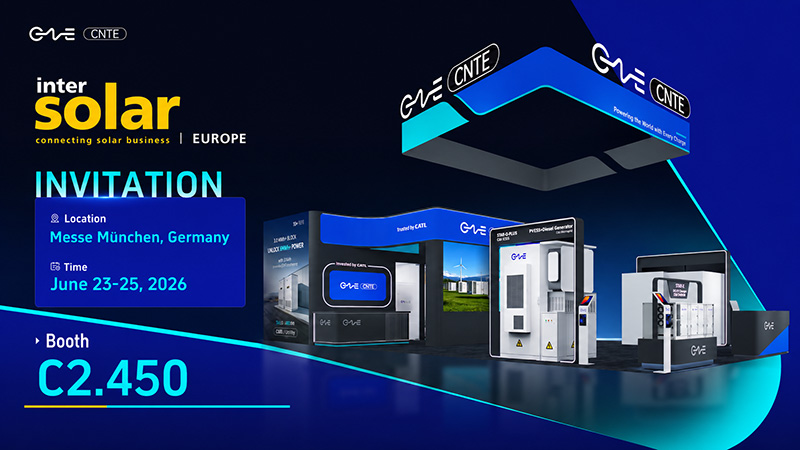
CNTE to Participate in Intersolar Europe 2026
May 20, 2026 -
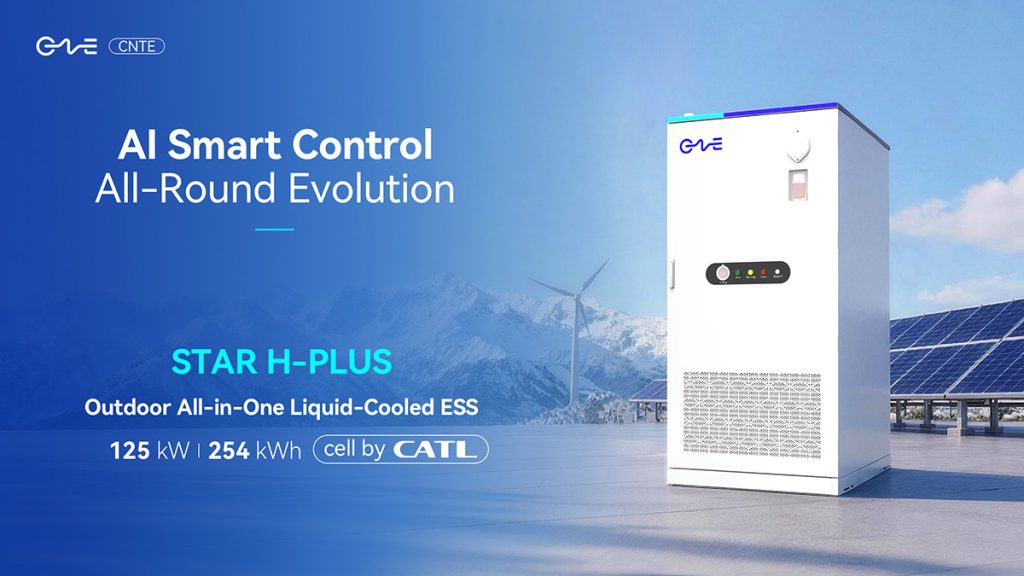
CNTE at KEY ENERGY 2026: Showcases STAR H-PLUS Outdoor Liquid-Cooled Energy Storage System
Mar 05, 2026 -

CNTE Honored as 2025 Forbes China Leading Global Brand
Jul 06, 2026 -
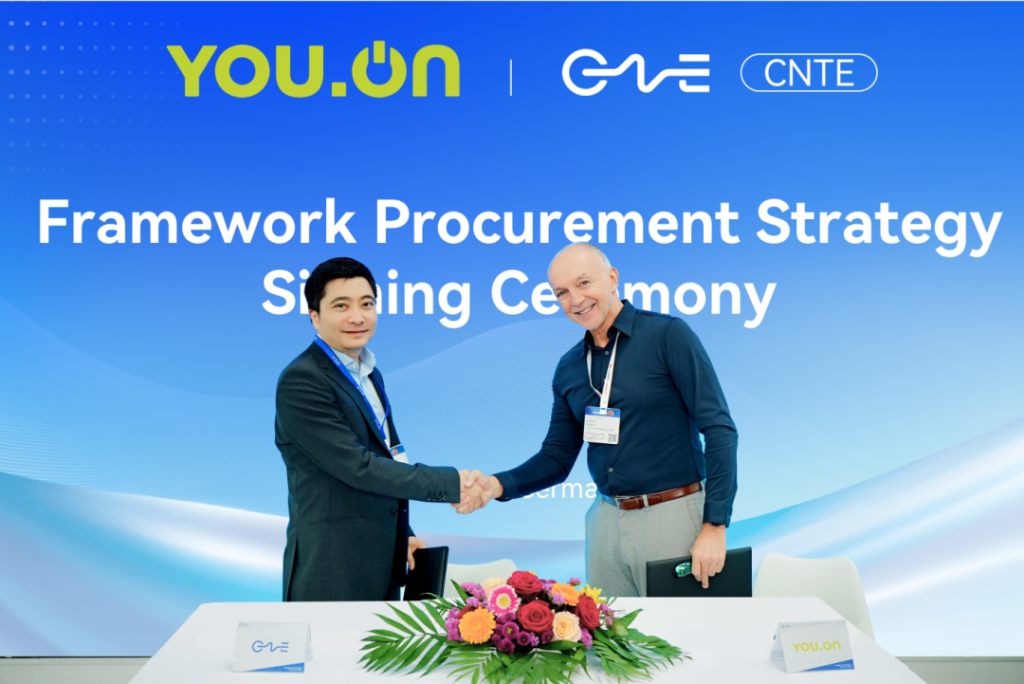
CNTE & YOU.ON Partner to Expand Storage Markets
May 19, 2025 -

CNTE Unveils Energy Storage Lineup at Solartech 2025
May 19, 2025 -
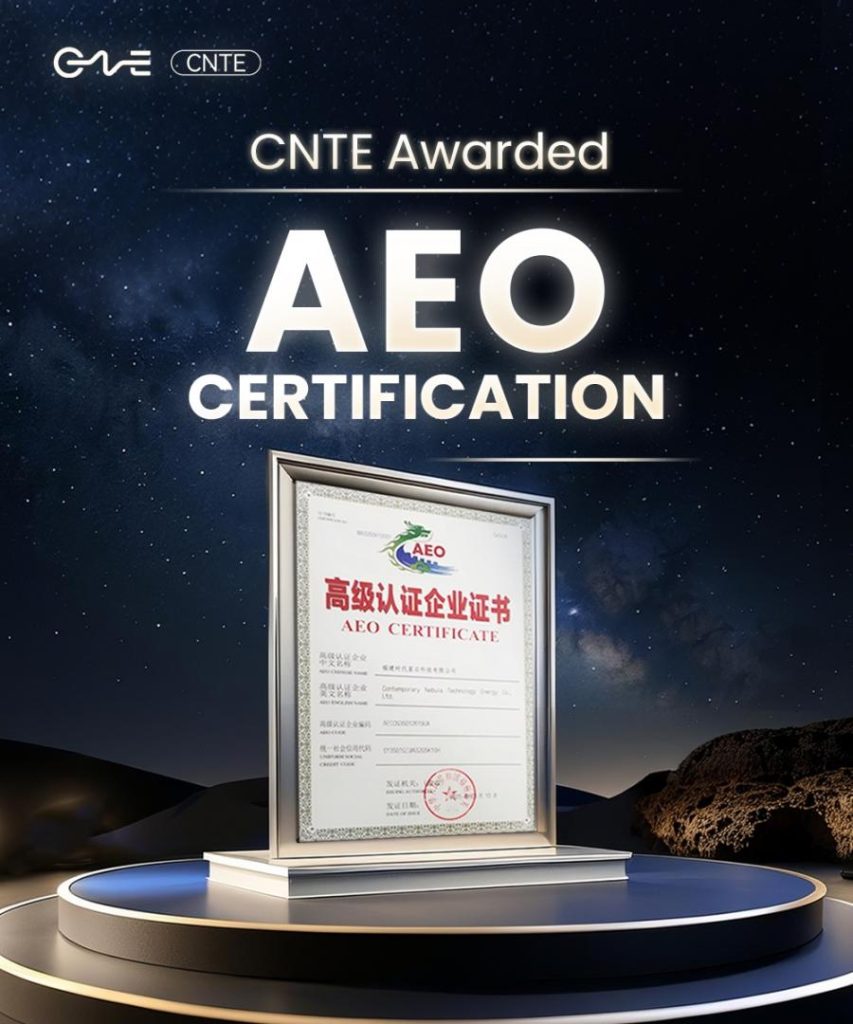
CNTE awarded AEO certification
Jul 06, 2026 -
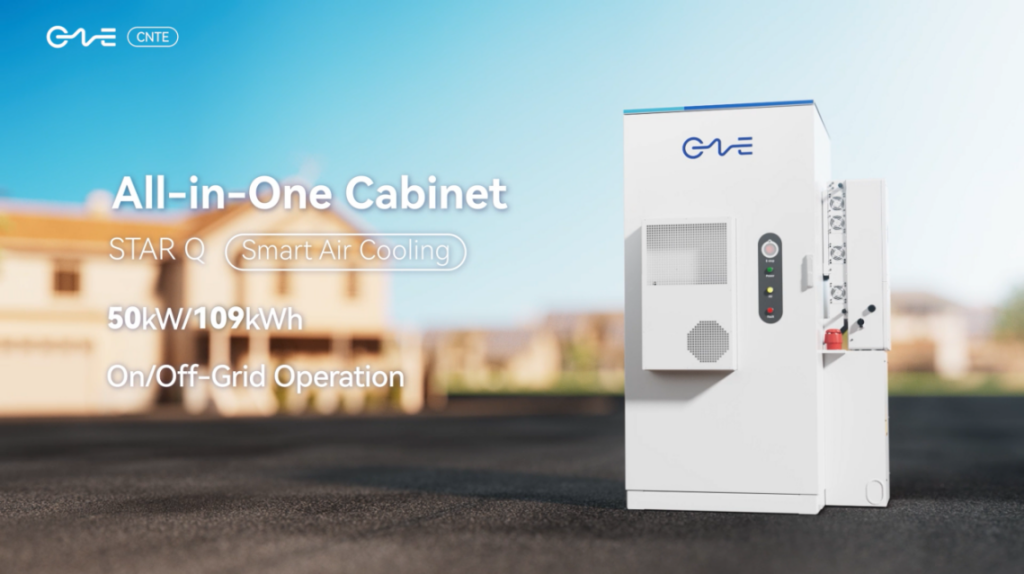
CNTE New Product Launch STAR Q
Jan 15, 2025 -
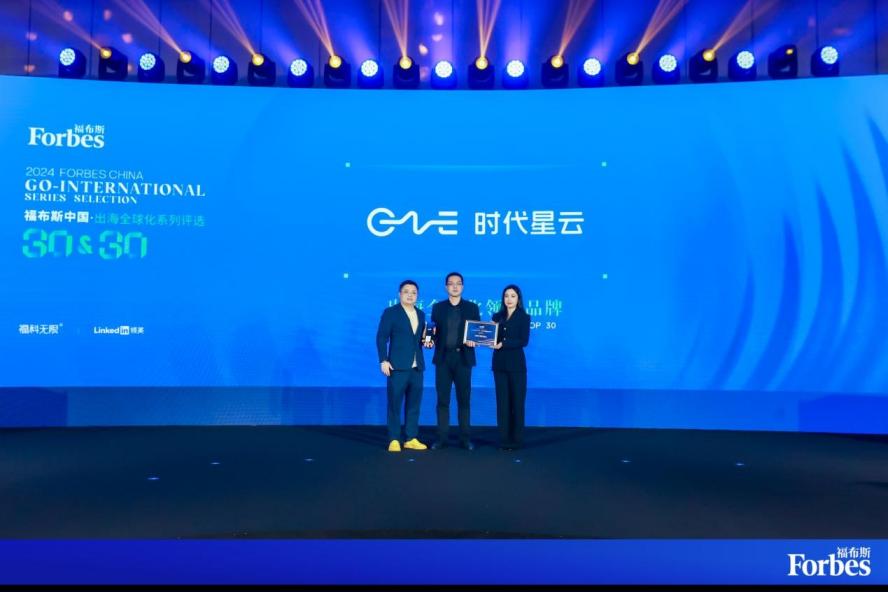
CNTE Named to Forbes China 2024 Top 30 Go-International Brands
Jul 06, 2026
