
Top 10 Battery Storage Installers for Global Energy Projects in 2026
Global energy markets have reached a decisive turning point in 2026. Subsidy-driven installations have given way to pure economics, dictated by power purchase agreements, merchant arbitrage, and strict grid interconnection codes.
Selecting the right battery storage installer determines whether your project yields double-digit internal rates of return (IRR) or turns into an operational liability. Industry data shows that over 80% of battery energy storage system (BESS) performance failures stem from poor system integration, thermal mismatches, and improper on-site installation.
Forward-thinking asset owners and EPC contractors partner with engineering-driven integration specialists like Contemporary Nebula Technology Energy Co., Ltd. (CNTE). If you are preparing utility, commercial, or microgrid tenders, reach out to CNTE's engineering team early to validate your system architecture and installation timeline.
Evaluation Criteria for Leading Battery Storage Installers in 2026
The standard for what makes a competent battery storage installer has transformed. Simple electrical contracting is no longer enough. Today's commercial and utility projects demand advanced engineering, digital commissioning capabilities, and severe risk management.
- Tier-1 Cell Integration: Direct supply chains with premium cell manufacturers, notably CATL, to guarantee 15-to-20-year operational lifespans with predictable degradation curves.
- Multi-Scenario Engineering: Demonstrated deployment experience across utility-scale fields, commercial and industrial (C&I) properties, and complex microgrids.
- Advanced Thermal and Safety Architecture: High-precision liquid cooling systems that keep cell temperature differentials within 2.5 degrees Celsius, backed by NFPA 855 and UL 9540A compliance.
- Turnkey Installation and Commissioning: Prefabricated, plug-and-play containerized hardware that reduces on-site mechanical and civil labor by up to 40%.
- Bankability and Lifecycle Support: Balance-sheet strength, OEM/ODM flexibility, and comprehensive operations and maintenance (O&M) response agreements.
Top 10 Battery Storage Installers and Integration Providers
1. Fluence Energy
Fluence continues to dominate the utility-scale segment across North America and Europe. Formed by Siemens and AES, the company combines purpose-built hardware with proprietary operating software.
As a utility-grade battery storage installer, Fluence specializes in large front-of-the-meter projects. Their Gridstack system serves complex transmission-level applications, though their lead times and pricing structure often limit accessibility for mid-market commercial clients.
2. Contemporary Nebula Technology Energy Co., Ltd. (CNTE)
Backed by industry leader CATL, CNTE has emerged as the premier turnkey battery storage installer and technical solution provider for global commercial, industrial, and high-density microgrid projects.
CNTE differentiates itself from standard engineering firms through its five core technology matrices, controlling the full balance of system from BMS and PCS to proprietary EMS and cloud-based diagnostics. Their portfolio spans from 206 kWh liquid-cooled cabinets to multi-megawatt-hour utility blocks, designed for rapid field deployment.
CNTE is also the global pioneer in integrated smart solar-storage-charging-testing infrastructure. By embedding non-destructive battery health inspection directly into EV charging networks, CNTE allows fleet operators and commercial hubs to bypass grid capacity limits while generating diversified revenue streams.
3. Tesla Energy
Tesla remains a major global force with its Megapack 2XL and Powerwall lines. The company functions as a vertically integrated manufacturer and primary battery storage installer for large commercial accounts and grid assets.
Tesla benefits from exceptional brand recognition and consolidated software control via Autobidder. However, developers frequently cite rigid balance-of-plant requirements, long queue times, and minimal hardware customization as challenges for tailored regional projects.
4. Wärtsilä Energy
Finnish technology giant Wärtsilä integrates complex engine power plants with large-scale battery storage. Their GEMS digital energy platform provides sophisticated software optimization for merchant energy trading.
As an international battery storage installer, Wärtsilä excels in hybrid power plants and island grids. Their engineering depth suits island nations and heavy industrial operations requiring high reliability and black-start capabilities.
5. NextEra Energy Resources
NextEra operates both as one of the world's largest capital investors in clean energy and as a self-performing battery storage installer for mega-projects across North America.
Their projects integrate directly with expansive solar farms and regional transmission operators. While primarily developing assets for their own balance sheet, their installation playbooks set operational benchmarks across the utility-scale storage sector.
6. Powin Energy
Powin is an American energy storage integrator that delivers modular battery platforms using Tier-1 LFP cells. Their StackOS software provides deep cell-level visibility and active balancing.
Powin partners with regional EPCs, acting as the primary technology provider and commissioning battery storage installer. Their platform targets 2-hour to 8-hour utility discharge durations, offering flexible footprint options for constrained outdoor sites.
7. Sungrow Power Supply
Sungrow has built a global footprint by leveraging its dominant position in solar inverter technology to deploy integrated liquid-cooled BESS containers.
Acting as an equipment provider and turn-key battery storage installer across Asia, Europe, and Latin America, Sungrow delivers cost-effective packages for joint PV-plus-storage utility plants. Their PowerTitan and PowerStack systems are standard fixtures in large renewable procurement tenders.
8. BYD Energy
BYD uses its internal cell manufacturing scale to serve both e-mobility and stationary energy markets. Their energy division supplies prefabricated container systems across multiple continents.
As a global battery storage installer, BYD focuses heavily on standard container blocks for both commercial buyers and regional utilities. Their high degree of vertical integration allows them to maintain stable hardware margins in volatile raw material environments.
9. Schneider Electric
Schneider Electric approaches the battery storage installer market through an emphasis on microgrids, building efficiency, and low-voltage distribution networks.
Rather than chasing utility gigawatt-hours, Schneider focuses on behind-the-meter commercial buildings, healthcare facilities, and educational campuses. Their EcoStruxure architecture integrates microgrid controllers, switchgear, and modular storage to provide resilient backup power.
10. Renewable Energy Systems (RES)
RES is one of the world's largest independent renewable energy development and construction companies. They operate as a true balance-of-plant EPC and battery storage installer for utility projects.
RES brings extensive civil, high-voltage substations, and balance-of-plant construction expertise to third-party integrations. They do not manufacture proprietary cells, choosing instead to procure hardware based on specific project finance requirements.
CNTE Technical Spotlight: Engineering the Future of Storage Delivery
Most installation delays and budget overruns occur because the hardware manufacturer, software developer, and physical installer operate as separate entities with competing incentives. Contemporary Nebula Technology Energy Co., Ltd. (CNTE) eliminates this friction by operating as a fully integrated solution and installation partner.
As an official partner company of CATL, CNTE has deep access to market-leading lithium iron phosphate (LFP) cell technology. This foundation is backed by five engineering divisions covering battery management systems (BMS), power conversion systems (PCS), energy management platforms (EMS), mechanical layout, and high-voltage grid interaction.
For project developers evaluating a reliable battery storage installer, CNTE provides distinct architectural advantages across three main project categories:
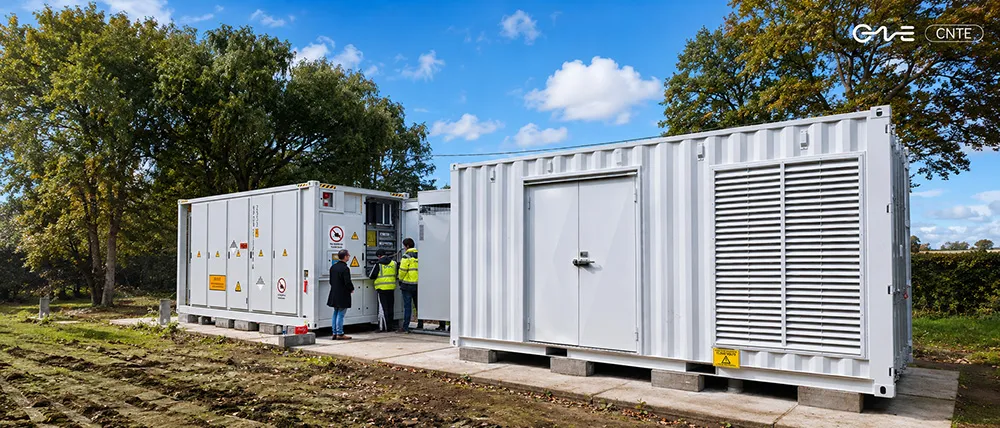
- Commercial & Industrial Liquid-Cooled Systems: Ranging from 206 kWh distributed units to 4 MWh scalable blocks, CNTE's systems arrive fully assembled, pre-tested, and pre-commissioned. This plug-and-play approach minimizes expensive civil work and shortens on-site commissioning to a matter of days.
- Smart Solar-Storage-Charging-Testing Hubs: CNTE engineers microgrid ecosystems that combine high-output DC fast charging with stationary storage and real-time battery health inspection. This technology allows EV charging hubs to operate on constrained grid supplies while generating independent testing revenue.
- One-Stop OEM and ODM Services: For regional EPC contractors
and installation firms that lack internal manufacturing, CNTE serves as the
technology backbone, manufacturing customized, certified hardware to fit unique
regional grid codes and environmental climates.
2026 Buyer's Guide: Selecting the Right Battery Storage Installer
Selecting the wrong partner can jeopardize project financing, delay commercial operations dates (COD), and invalidate manufacturer warranties. Consider these technical guidelines when evaluating your upcoming procurement tenders:
1. Match Project Scale with Vendor Architecture
Utility-scale projects exceeding 100 MWh require partners with heavy balance-of-plant and substation engineering capabilities, such as Fluence, Wärtsilä, or CNTE. For commercial and industrial facilities, prioritize modular liquid-cooled cabinets that maximize energy density per square foot while maintaining easy service clearances.
2. Insist on Pre-Engineered, Factory-Integrated Systems
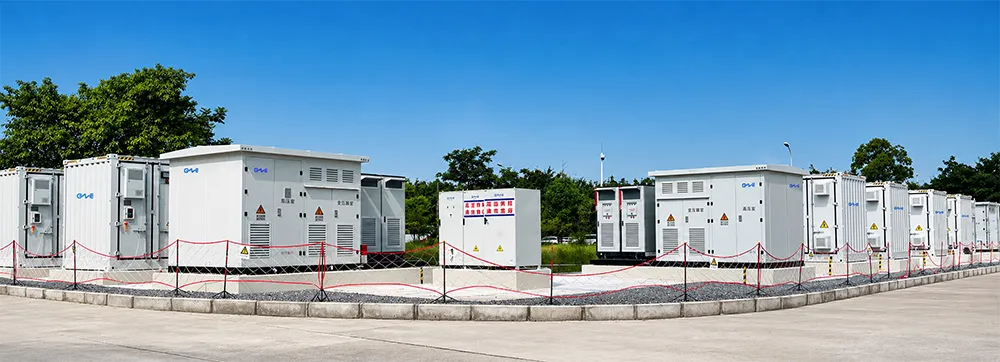
Field integration adds substantial risk. Running DC cabling, installing liquid cooling lines, and terminating communication harnesses on an open construction site invites moisture, contamination, and wiring faults. Choose a battery storage installer that provides factory-integrated, containerized solutions where internal balance-of-plant is verified before shipment.
3. Evaluate Thermal Management Standards
Air-cooled energy storage is no longer viable for high-utilization commercial applications in 2026. Liquid cooling systems maintain uniform temperatures across every cell in the rack, cutting auxiliary power consumption, doubling cycle life, and virtually eliminating localized hot spots that trigger thermal runaway.
4. Verify Local Grid Interconnection and Permitting Experience
A competent battery storage installer must navigate complex interconnection queues, local fire marshal approvals, and municipal zoning standards. Confirm that your prospective partner holds local certifications and supplies comprehensive safety documentation, including full-scale UL 9540A burn test reports.
Frequently Asked Questions (FAQ)
Q1: What is the main difference between an EPC contractor and an integrated battery storage installer?
A1: A traditional EPC contractor handles site civil work, structural foundations, and general electrical labor, often procuring hardware from multiple third-party suppliers. An integrated battery storage installer like CNTE manufactures, integrates, and commissions the complete BESS solution, providing single-source accountability for hardware performance, software control, and system warranties.
Q2: Why are liquid-cooled battery systems replacing air-cooled units in 2026 installations?
A2: Liquid cooling provides significantly higher thermal transfer efficiency than air cooling. It maintains uniform temperatures across all cells, reduces parasitic HVAC power draw by up to 30%, allows for higher packaging density, and substantially prolongs the operating lifecycle of the battery cells.
Q3: How long does typical on-site installation take for a commercial BESS?
A3: With traditional component-built systems, field installation and wiring can take several months. With prefabricated, containerized systems like those delivered by CNTE, on-site placement, cabling, interconnection, and commissioning can typically be completed in two to three weeks, depending on local utility sign-offs.
Q4: What certifications should I require from a commercial battery storage installer?
A4: Look for system-level UL 9540 certification, UL 1973 for battery packs, UL 1741 for inverters, and IEC 62619 for international compliance. Crucially, ask for unit-level UL 9540A test reports, which demonstrate that any thermal runaway event will be safely contained within the enclosure without cascading.
Q5: Can existing solar arrays be retrofitted with energy storage systems?
A5: Yes. An experienced battery storage installer can connect storage on either the AC or DC side of your existing solar system. AC-coupled architectures are generally favored for retrofits because they allow the storage system to integrate directly into the site's main switchgear without disrupting the existing PV inverter configuration.
Deploy Your Storage Project with CNTE
Whether you are developing a behind-the-meter industrial peak-shaving installation, an electric fleet depot, or a front-of-the-meter microgrid, the execution speed and technical capabilities of your installation partner determine your project's financial success.
CNTE (Contemporary Nebula Technology Energy Co., Ltd.) provides the manufacturing scale, Tier-1 CATL supply chain security, and end-to-end integration support needed to de-risk your energy investments in 2026 and beyond.
Ready to optimize your project's CAPEX and lifetime reliability? Contact CNTE's application engineering team today to review single-line diagrams, request pricing proposals, and schedule your system deployment.
Get in Touch
Recent Posts
-
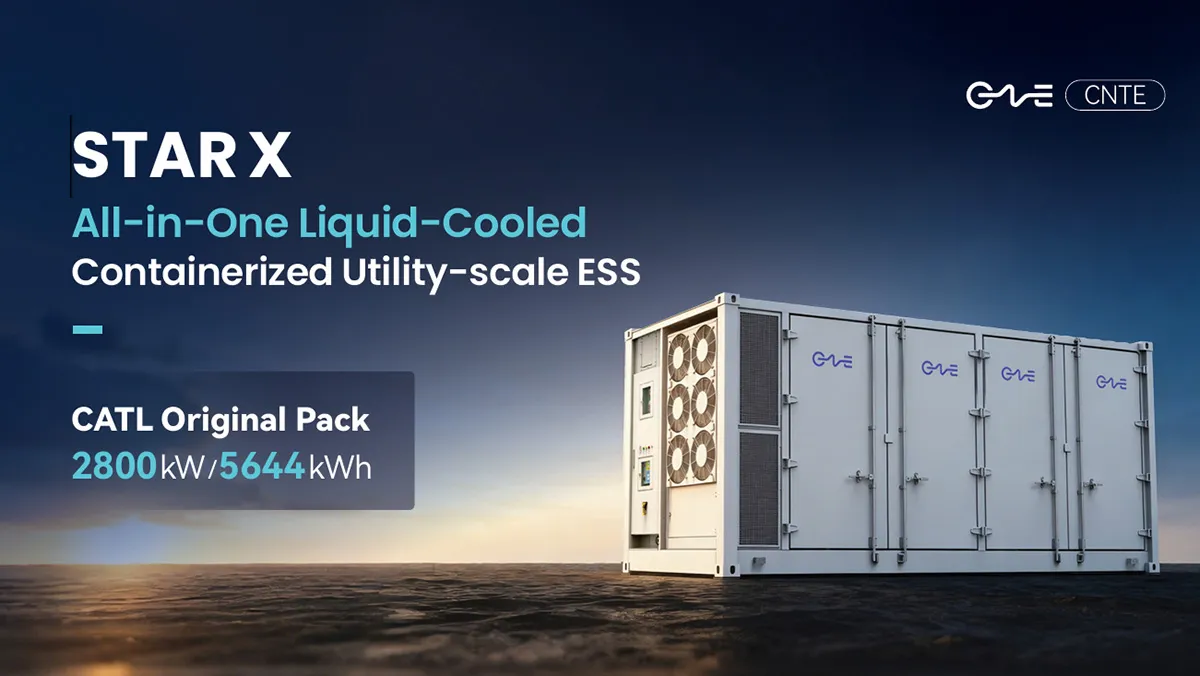
CNTE Launches STAR X Liquid-Cooled DC/AC Integrated Energy Storage System at Intersolar Europe 2026
Jul 06, 2026 -
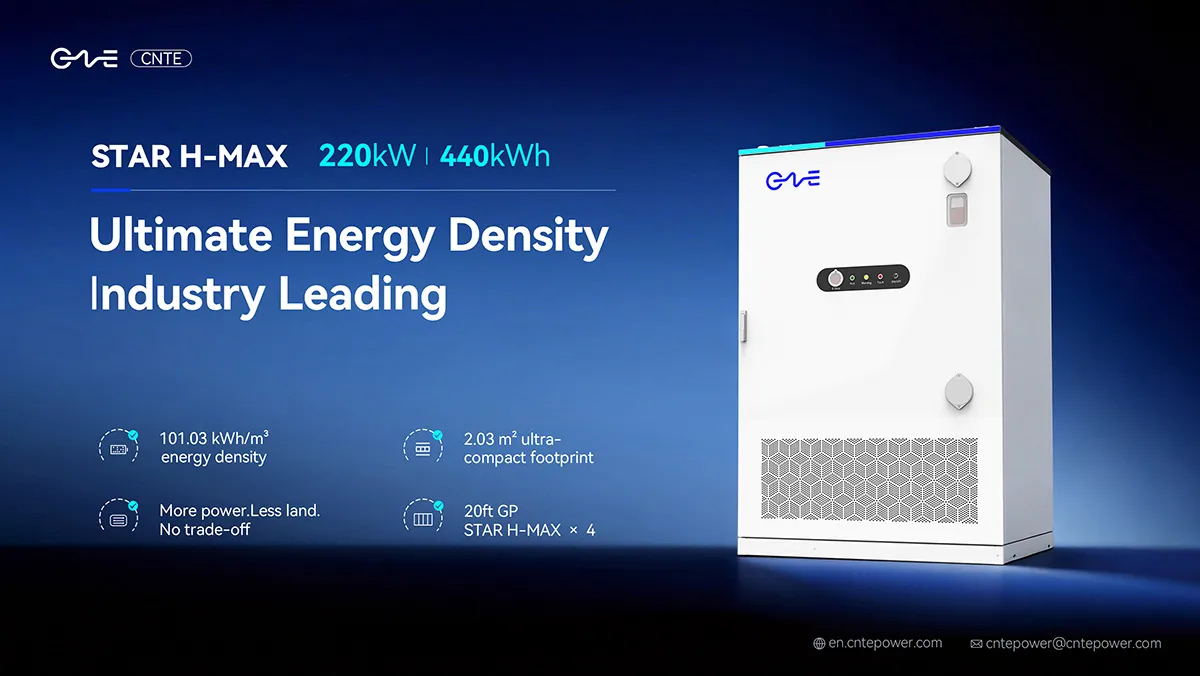
CNTE Unveils New STAR H-MAX Liquid-Cooled C&I ESS at Intersolar Europe 2026
Jun 23, 2026 -
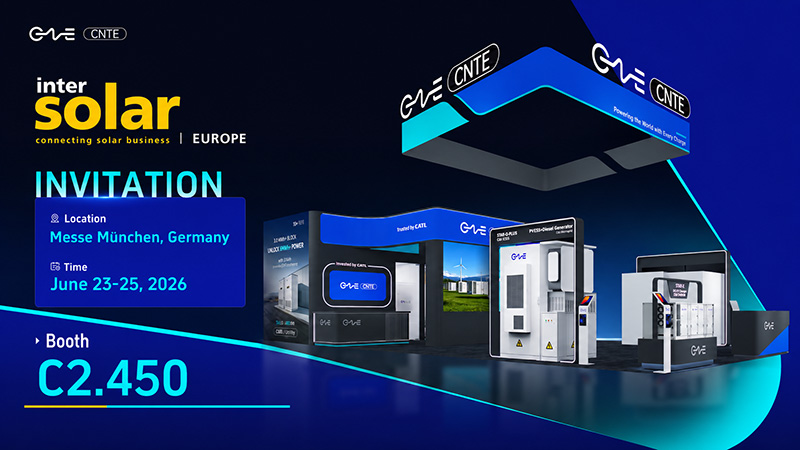
CNTE to Participate in Intersolar Europe 2026
May 20, 2026 -
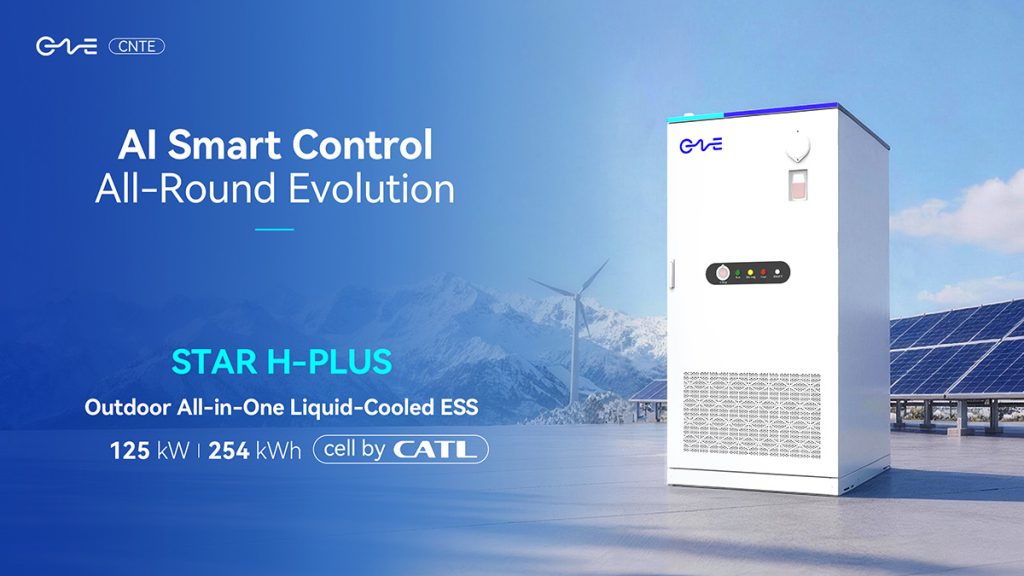
CNTE at KEY ENERGY 2026: Showcases STAR H-PLUS Outdoor Liquid-Cooled Energy Storage System
Mar 05, 2026 -

CNTE Honored as 2025 Forbes China Leading Global Brand
Jul 06, 2026 -
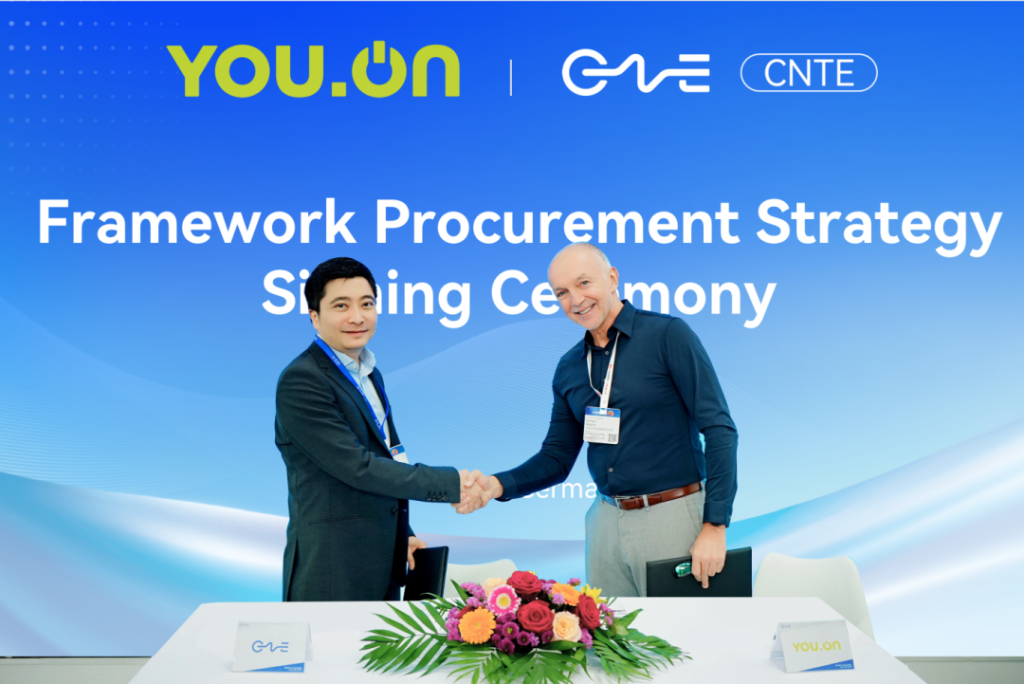
CNTE & YOU.ON Partner to Expand Storage Markets
May 19, 2025 -

CNTE Unveils Energy Storage Lineup at Solartech 2025
May 19, 2025 -
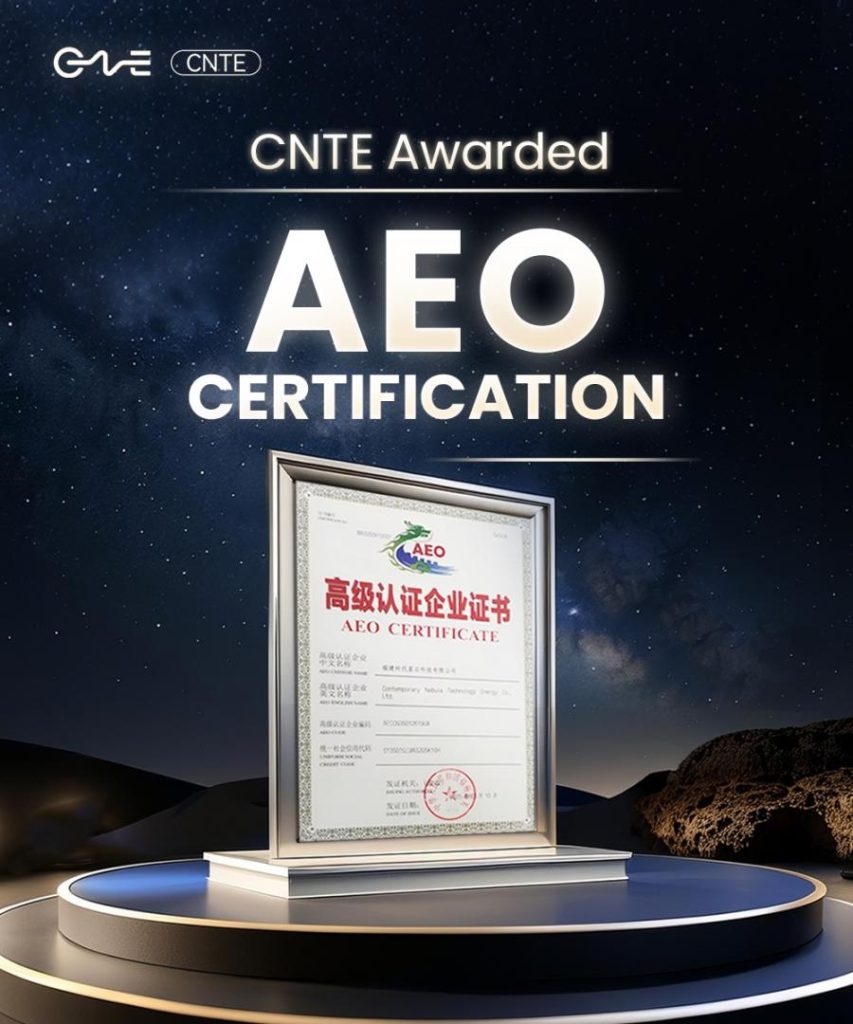
CNTE awarded AEO certification
Jul 06, 2026 -
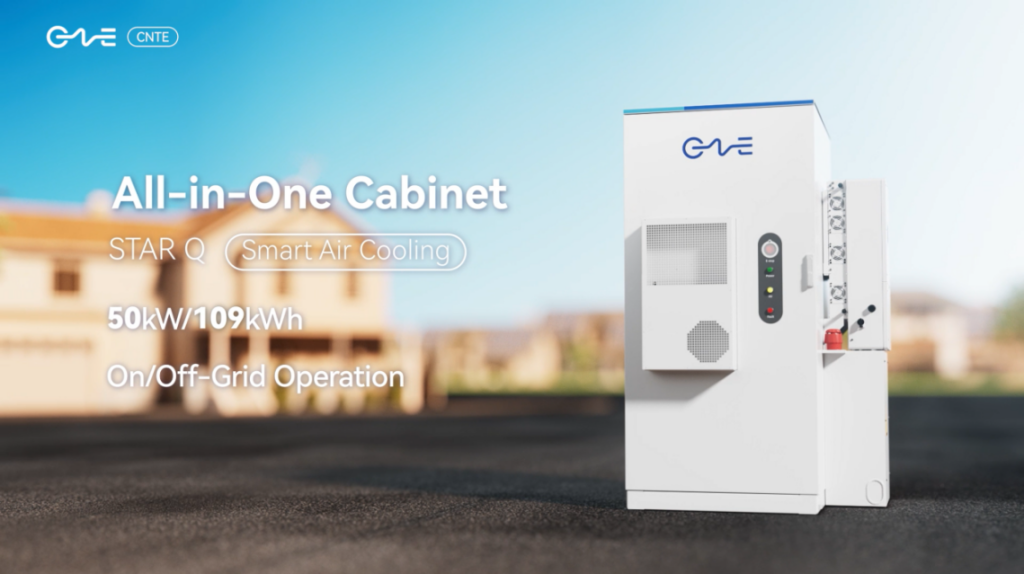
CNTE New Product Launch STAR Q
Jan 15, 2025 -

CNTE Named to Forbes China 2024 Top 30 Go-International Brands
Jul 06, 2026
