
Industrial Battery Storage Energy System Topologies & LCOS Optimization
Global power grids are experiencing an unprecedented operational pivot driven by intermittent renewable penetration and dynamic load profiles. Integrating intermittent gigawatts from solar photovoltaics and wind turbines demands high-speed, bi-directional flexibility that legacy rotating mass cannot economically deliver. Within this operational context, the modern battery storage energy system has emerged as the definitive asset class for industrial load balancing, microgrid stabilization, and wholesale market arbitrage.
Deploying multi-megawatt storage installations requires balancing electrochemistry, thermodynamics, power conversion, and digital orchestration. Plant developers and utility operators must navigate complex trade-offs between initial capital expenditures, round-trip efficiency (RTE), and cell degradation rates over fifteen- to twenty-year operational horizons. Understanding the fundamental physics and operational logic behind these multi-tiered systems determines the difference between an underperforming balance-of-plant and a bankable, high-availability generation asset.
Multi-Tiered Hardware and Control Topologies
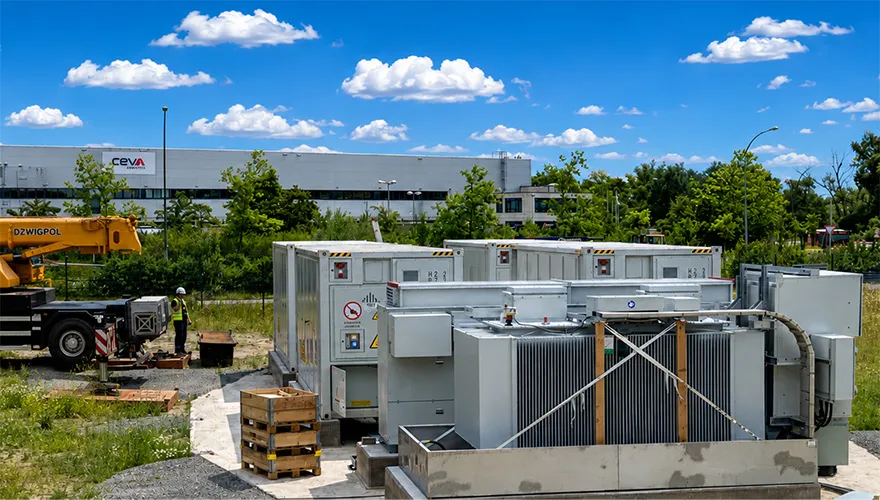
Every commercial and grid-scale storage installation relies on a tightly integrated hardware stack divided into electrochemistry, power conversion, and hierarchical monitoring. The battery pack forms the lowest physical tier, typically leveraging Lithium Iron Phosphate (LFP) chemistry due to its structural stability, high cycle life, and thermal tolerance relative to Nickel Manganese Cobalt (NMC) chemistries.
Individual cells are grouped in series to elevate system voltage—now universally transitioning toward 1500V DC architectures—minimizing resistive losses (I2R) across conductor runs and maximizing inverter power densities. Multiple series strings are then bridged in parallel within standardized, modular rack configurations.
- Battery Management System (BMS): Operates as a three-tier control loop (slave/module, master/rack, and system-level controller) monitoring real-time voltage, current, and module-level impedance. The BMS balances state-of-charge (SOC) across parallel strings and commands contactors open if operational boundaries drift past critical margins.
- Power Conversion System (PCS): Acts as the bi-directional bridge between the high-voltage DC bus and the medium-voltage AC grid. Modern utility designs adopt central four-quadrant inverters or modular string PCS architectures capable of sub-cycle four-quadrant active and reactive power (P-Q) injection.
- Energy Management System (EMS): Interfaces between field-level programmable logic controllers (PLCs) and grid operators or virtual power plant (VPP) aggregators. The EMS issues setpoints for active dispatch, frequency response, or peak clipping based on external pricing signals and telemetry.
Achieving system-level harmony across these subsystems requires sophisticated electrical design and deep hardware-software integration. Engineering leaders like CNTE (Contemporary Nebula Technology Energy Co., Ltd.) focus on closing the integration gap between module-level controls and the plant-level PCS, ensuring millisecond-level telemetry transmission to protect cell longevity while maintaining grid compliance.
Thermal Dynamics and Liquid-Cooling Architectures
Thermal stability dictates both the life cycle and the degradation profile of stationary electrochemical assets. Operational heat generation stems primarily from internal impedance during high C-rate cycling and resistive losses across interconnection busbars. In localized zones where heat fails to dissipate evenly, uneven cell aging accelerates, creating capacity imbalances that throttle the usable energy of the entire rack.
Legacy air-cooled systems utilize forced-convection blowers, which present distinct operational penalties: high auxiliary parasitic loads and substantial internal temperature gradients (often exceeding 5°C to 8°C across a single enclosure). Such temperature differentials induce non-uniform electrochemical stress, shortening operational life and degrading overall round-trip efficiency.
Consequently, current industry benchmarks favor closed-loop liquid-cooling plates directly integrated into the battery module floor. Liquid systems maintain tighter intra-rack temperature deltas—typically within 2°C to 3°C—while dramatically lowering auxiliary parasitic consumption. By utilizing glycol-water formulations pumped across cold plates, cooling loops absorb heat closer to the point of generation. This uniform thermal profile allows a battery storage energy system to sustain aggressive C-rate dispatches without triggering localized hot spots or premature capacity fade.
Optimizing the Levelized Cost of Storage (LCOS)
Asset bankability is determined through the Levelized Cost of Storage (LCOS), an analytical framework factoring initial CAPEX, cumulative throughput, balance-of-plant auxiliary power, degradation profiles, and salvage value. Minimizing LCOS requires extending functional lifetime while simultaneously driving down the cost per delivered megawatt-hour.
Degradation mitigation forms the analytical foundation of LCOS reduction. Lithium-ion degradation occurs via two distinct mechanisms: calendar aging (driven by baseline temperature and resting state-of-charge) and cycle aging (driven by depth of discharge, charge/discharge rates, and cumulative ampere-hour throughput). Operating cells constantly at 100% state-of-charge induces electrolyte oxidation and continuous growth of the solid electrolyte interphase (SEI) layer, which depletes active lithium inventory.
- Depth of Discharge (DOD) Constraints: Limiting continuous operational DOD to an 80-90% envelope preserves the host lattice structure, significantly extending the cycle life compared to 100% full-swing cycling.
- Dynamic C-Rate Governing: Employing predictive EMS algorithms that modulate ramp rates based on instantaneous cell temperature prevents lithium plating during high-voltage charging states.
- Auxiliary Efficiency: Reducing thermal management parasitic consumption directly elevates system-level round-trip efficiency, yielding more monetizable discharge megawatt-hours per installed nameplate unit.
Advanced system integrators, including CNTE (Contemporary Nebula Technology Energy Co., Ltd.), design systems with pre-emptive degradation modeling embedded directly into rack-level monitoring hardware. By optimizing both the physical heat dissipation pathways and the predictive software layer, operators can compress baseline LCOS metrics over the entire multi-decade project lifecycle.
Commercial, Industrial, and Utility Application Vectors
The flexibility of bi-directional electrochemical systems enables multi-stacked value propositions across varied deployment environments. Rather than serving a single functional use case, modern deployments routinely combine generation-side services with local power quality enhancement.
Peak Demand Shaving and TOU Arbitrage
Large manufacturing plants, data centers, and heavy processing facilities face exorbitant peak demand charges based on short interval spikes in active power draw. Deploying a battery storage energy system behind the utility meter allows large energy consumers to self-curtail during peak intervals, discharging the battery array to supply site loads internally. In territories governed by complex Time-of-Use (TOU) tariffs, the facility charges the asset during low-cost or negative-pricing off-peak hours and discharges during peak tariff blocks, generating direct operating expenditure savings.
Grid-Forming and Frequency Ancillary Services
As conventional synchronous turbogenerators are decommissioned, bulk electric grids lose natural physical inertia. Modern utility-scale systems are now deployed with grid-forming inverters (GFM) operating on virtual synchronous machine (VSM) algorithms. Unlike grid-following inverters that track external voltage vectors, grid-forming storage synthesizes a stable voltage source, reacting instantaneously to frequency swings via synthetic inertia and fast frequency response (FFR). These sub-second dispatches stabilize the grid frequency during unexpected generation dropouts, commanding premium pricing within capacity and ancillary service markets.
Microgrid Stabilization and Resilient Black Start
In islanded or isolated industrial networks, electrochemical storage serves as the grid backbone. Coupled with on-site solar, hydro, or reciprocating engines, the storage system stabilizes transient voltage fluctuations caused by heavy motor starts or sudden cloud cover. Equipped with black-start capabilities, the system provides the initial excitation voltage required to re-energize local balance-of-plant transformers, eliminating the sole reliance on diesel generator strings during black-sky events.
Interconnection Standards and Regulatory Frameworks
Engineering a stationary energy asset requires strict alignment with rigorous international engineering standards and utility interconnection protocols. Meeting compliance benchmarks ensures the equipment withstands severe electrical anomalies without propagating field-level failures.
- UL 9540 and UL 9540A: The foundational benchmark for storage safety. UL 9540 evaluates the structural, electrical, and operational integration of the complete system, while the UL 9540A thermal runaway fire test methodology provides quantitative data on thermal propagation characteristics at the cell, module, and unit levels.
- NFPA 855: Dictates the physical layout, separation distances, deflagration venting, and fire suppression systems required to mitigate catastrophic events within battery rooms and outdoor enclosures.
- IEEE 1547-2018: Governs distributed energy resource (DER) interconnection, requiring strict operational envelopes for low/high voltage ride-through (L/HVRT), low/high frequency ride-through (L/HFRT), and intentional islanding detection.
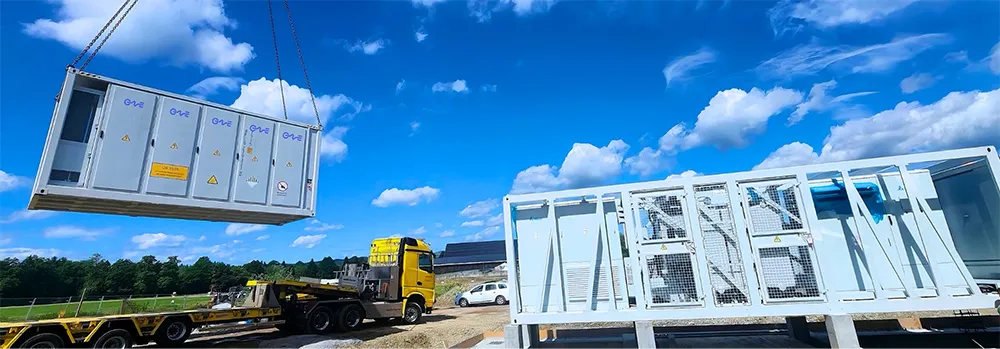
Executing compliant installations demands that developers specify pre-certified, factory-integrated enclosures. Utilizing pre-engineered, modular systems reduces field labor, simplifies structural permitting, and guarantees that medium-voltage interconnection approvals proceed through balance-of-system commissioning without regulatory friction.
Frequently Asked Questions
What is the typical operational round-trip efficiency of an industrial battery storage energy system?
AC-to-AC round-trip efficiency (RTE) for modern liquid-cooled lithium-iron-phosphate systems typically ranges between 85% and 88%. This metric accounts for all balance-of-plant conversion losses, including cell internal resistance, bi-directional inverter switching losses, isolation transformers, and the parasitic power consumed by thermal management chillers and control electronics.
How does liquid cooling outperform air cooling over extended lifecycles?
Liquid cooling provides a heat transfer coefficient significantly higher than air, keeping inter-cell temperature variations within 2°C to 3°C, compared to 5°C to 8°C in forced-air systems. Tighter temperature uniformity eliminates localized thermal stress, prevents uneven internal resistance buildup across the pack, preserves system capacity, and lowers auxiliary energy usage.
What is the functional difference between grid-following and grid-forming storage inverters?
Grid-following inverters require an existing external voltage and frequency signal from the utility grid to synchronize and inject current. Grid-forming inverters act as true independent voltage sources, establishing their own voltage and frequency reference frames. Grid-forming units provide synthetic inertia and black-start capabilities, allowing microgrids to operate stably without synchronous generation sources.
How do C-rate ratings impact storage system sizing and operational life?
The C-rate measures the rate at which a battery discharges relative to its maximum capacity. A 1C rate discharges the entire capacity in one hour, while a 0.5C rate discharges it over two hours. Higher C-rates induce greater internal resistive heating and mechanical strain on cell electrodes, which can accelerate capacity loss if the system lacks optimized thermal management and algorithmic current control.
What are the critical factors when calculating the Levelized Cost of Storage?
The primary inputs include total capital expenditure (cells, PCS, civil engineering, balance of plant), operational expenditures (scheduled maintenance, auxiliary electricity, augmentation), cycle life before reaching end-of-life thresholds (typically 70% to 80% remaining capacity), operational depth of discharge, and overall round-trip efficiency.
Procurement and Engineering Advisory
Specifying a commercial or utility-scale energy storage asset demands rigorous alignment between operational use cases, physical site constraints, and medium-voltage electrical architecture. Sub-optimal cell packaging, poor thermal dissipation, or mismatched inverter topologies will rapidly erode project economics and shorten usable asset life.
CNTE (Contemporary Nebula Technology Energy Co., Ltd.) delivers field-proven, fully integrated energy storage architectures designed for demanding utility, microgrid, and heavy industrial applications. Our engineering team assists developers, EPCs, and plant operators in modeling site-specific degradation profiles, optimizing power conversion topologies, and conducting technical feasibility analyses.
Connect with our technical application specialists today to request an engineering consultation, submit project specifications, and receive a comprehensive balance-of-plant system design tailored to your operational requirements.
Get in Touch
Recent Posts
-
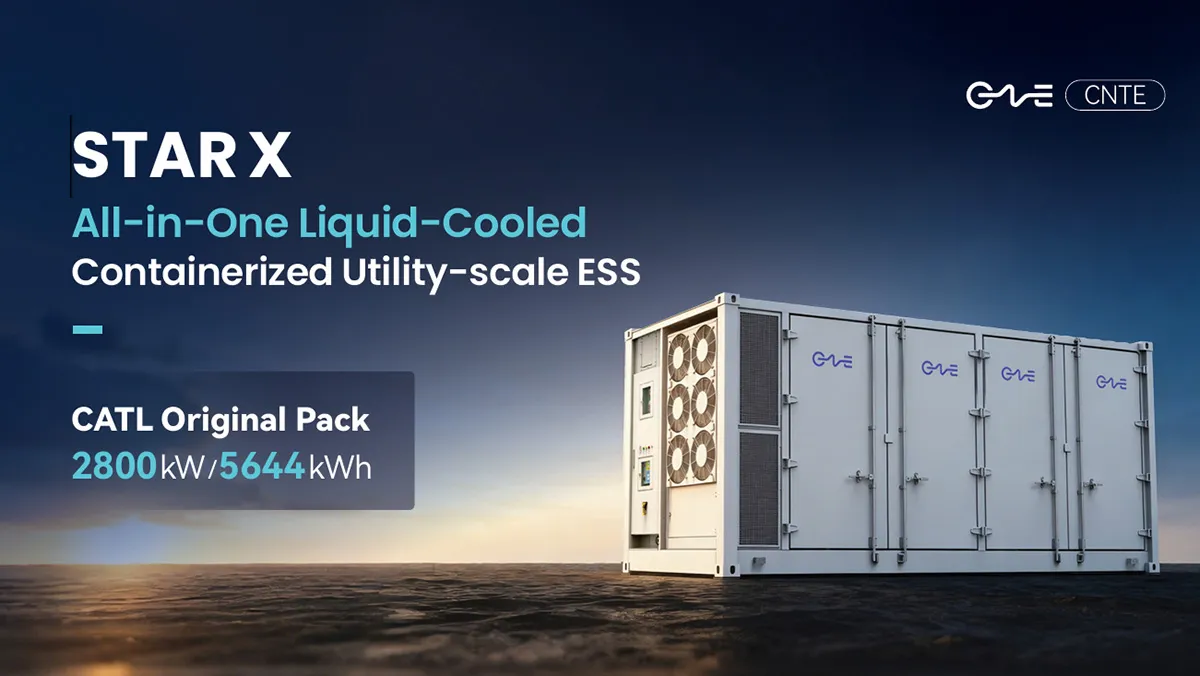
CNTE Launches STAR X Liquid-Cooled DC/AC Integrated Energy Storage System at Intersolar Europe 2026
Jul 06, 2026 -
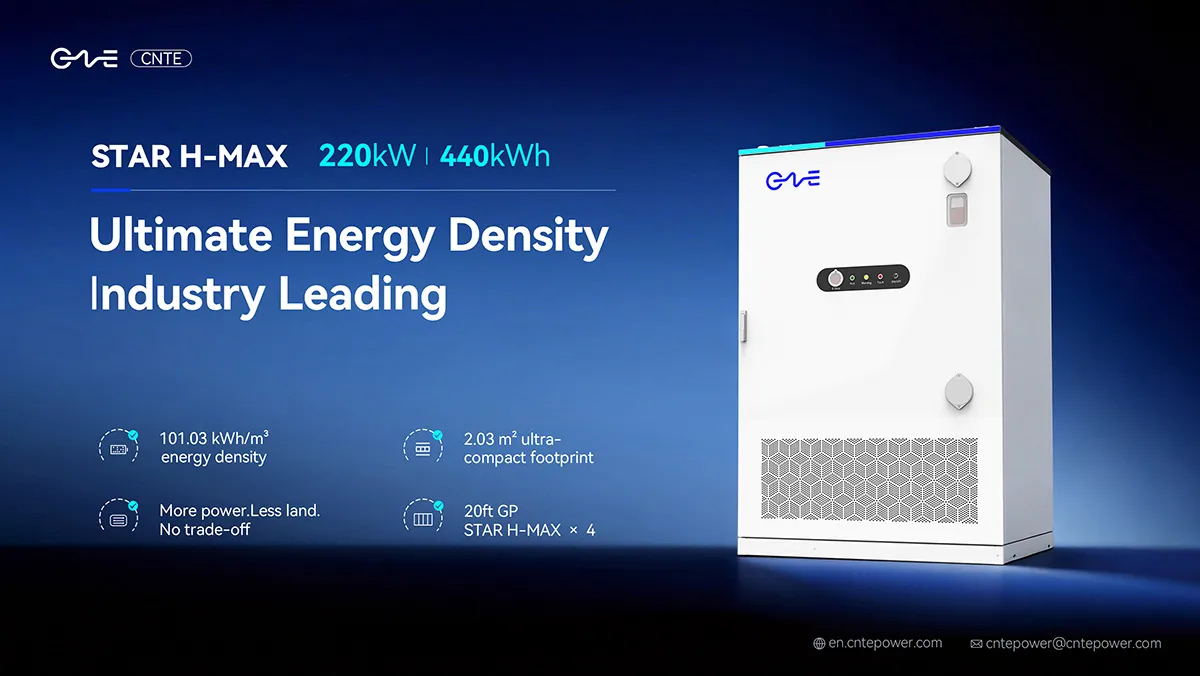
CNTE Unveils New STAR H-MAX Liquid-Cooled C&I ESS at Intersolar Europe 2026
Jun 23, 2026 -
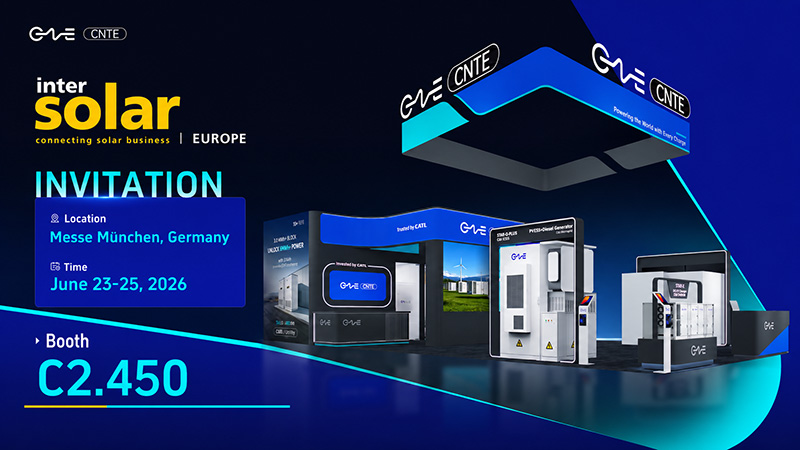
CNTE to Participate in Intersolar Europe 2026
May 20, 2026 -
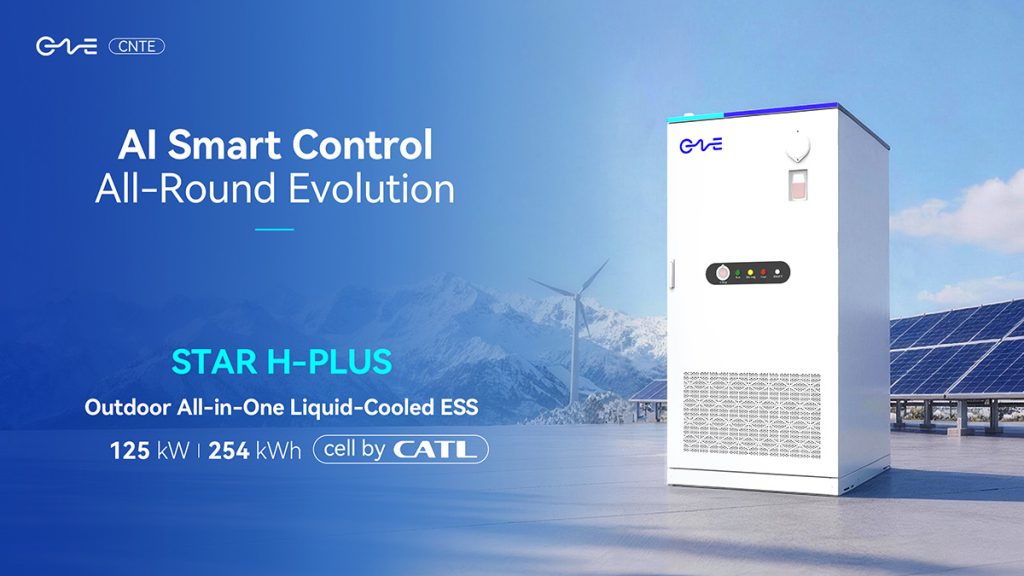
CNTE at KEY ENERGY 2026: Showcases STAR H-PLUS Outdoor Liquid-Cooled Energy Storage System
Mar 05, 2026 -

CNTE Honored as 2025 Forbes China Leading Global Brand
Jul 06, 2026 -
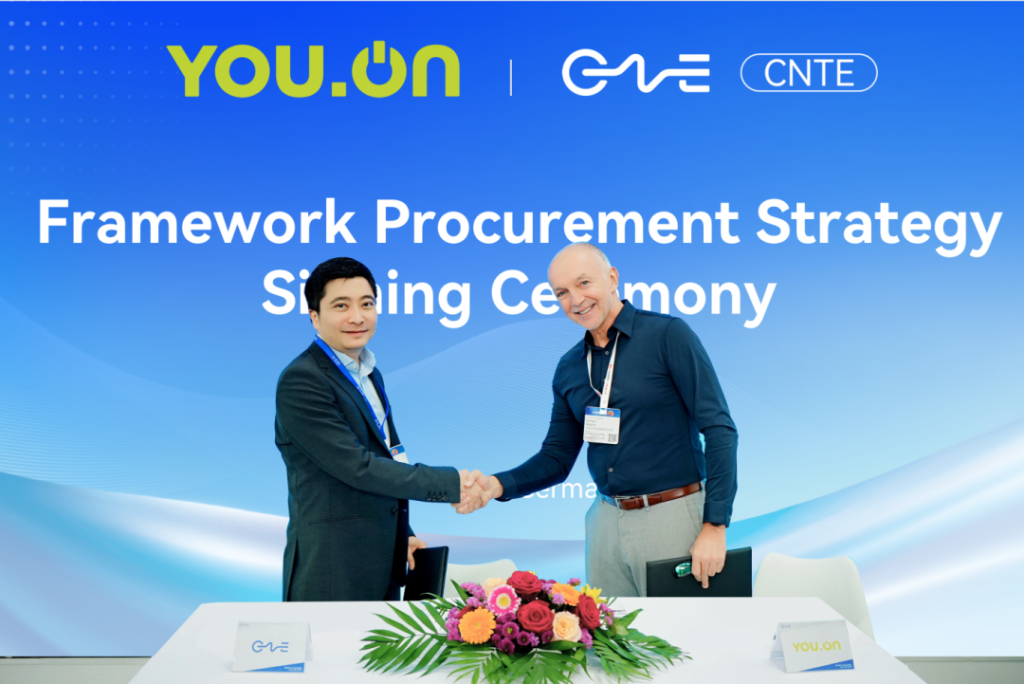
CNTE & YOU.ON Partner to Expand Storage Markets
May 19, 2025 -

CNTE Unveils Energy Storage Lineup at Solartech 2025
May 19, 2025 -
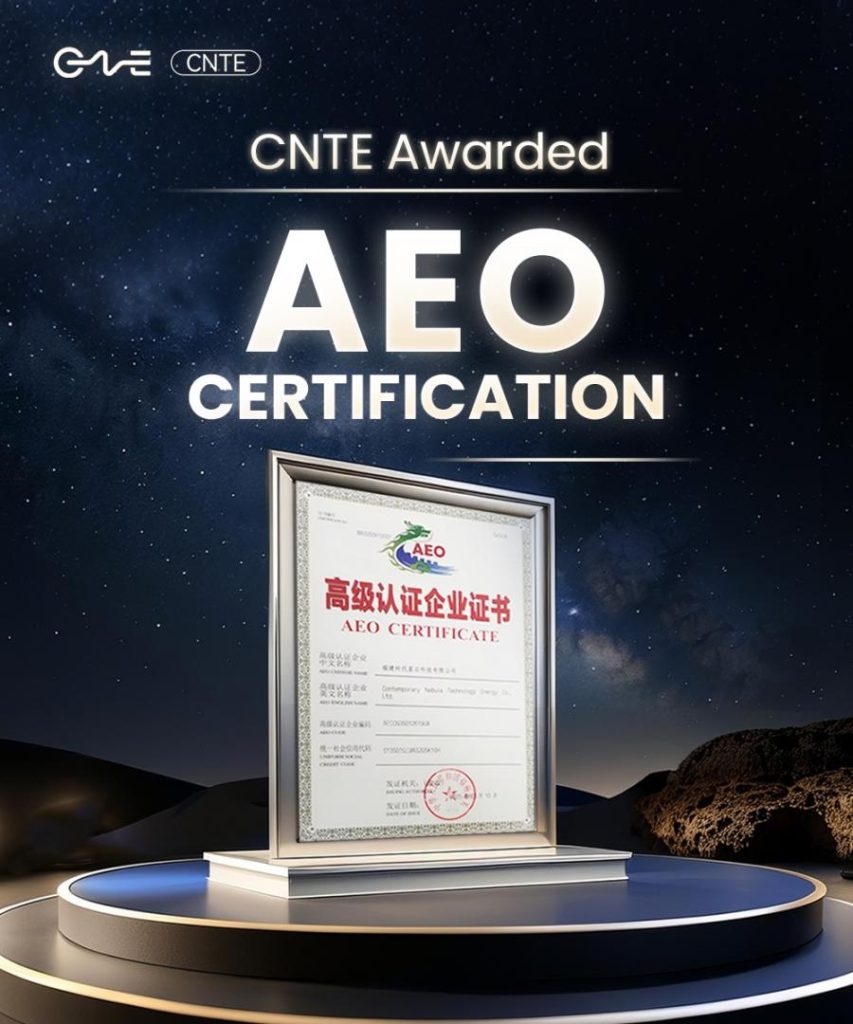
CNTE awarded AEO certification
Jul 06, 2026 -
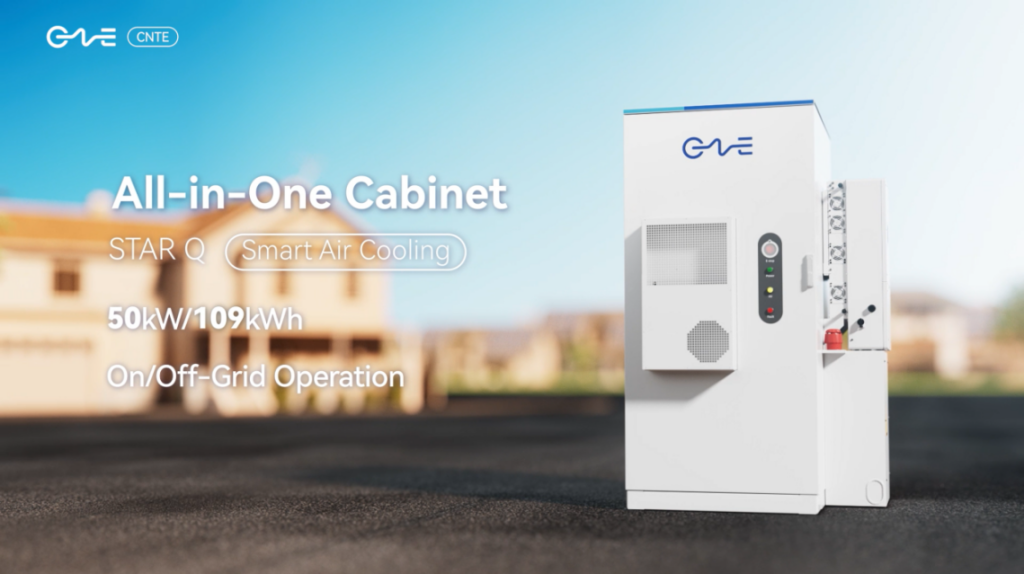
CNTE New Product Launch STAR Q
Jan 15, 2025 -

CNTE Named to Forbes China 2024 Top 30 Go-International Brands
Jul 06, 2026
