
Standalone Energy Storage Systems: Cost Analysis & Supplier Selection Strategies
The energy grid is undergoing a massive shift. For years, batteries were seen merely as an accessory to solar farms. Today, that narrative has flipped. Investors and grid operators are increasingly looking at standalone energy storage systems as independent assets capable of generating significant revenue and stabilizing national power networks.
Unlike co-located projects, these systems do not need to be physically paired with a wind turbine or solar array. They draw power from the grid when electricity is cheap and discharge it when demand peaks.
This flexibility allows developers to place assets exactly where the grid is most congested. However, navigating the hardware selection and integration process is complex. Leading manufacturers, such as CNTE (Contemporary Nebula Technology Energy Co., Ltd.), are currently defining the standards for these full-scenario solutions, focusing on safety and cycle life.
This article explores the economics, technology, and vendor selection criteria for independent battery assets.

What Are Standalone Energy Storage Systems?
At its core, a standalone storage setup is a battery electric storage system (BESS) connected directly to the transmission or distribution grid. It operates independently of local generation sources.
The primary advantage here is location flexibility. A co-located project must be built where the sun shines or the wind blows. A standalone system, however, can be built near high-load industrial zones or aging substations that need support.
The Shift from Ancillary to Primary Assets
In the past, batteries were expensive and mostly used for short-duration frequency regulation. Now, with lithium-ion costs stabilizing, these systems are used for “energy shifting” (arbitrage) over 2 to 4-hour durations.
This shift changes the hardware requirements. Systems now need robust thermal management to handle prolonged discharge cycles without overheating.
The Business Case: Revenue Streams and ROI
Investing in standalone energy storage systems is different from investing in solar. Solar revenue is relatively predictable based on weather. Storage revenue depends on market volatility.
Wholesale Market Arbitrage
This is the “buy low, sell high” model. The system charges from the grid at 2:00 AM when prices are rock bottom. It discharges at 6:00 PM when commuters return home and demand spikes. The spread between these two prices is the profit margin.
Capacity Markets and Resource Adequacy
Grid operators often pay storage owners just to be available. In markets like California or the UK, capacity payments provide a steady baseline of income, hedging the risk of volatile arbitrage markets.
Deferring Infrastructure Upgrades
Utilities often face a choice: spend millions upgrading a transmission line or pay for a battery to manage the peak load on that line. The latter is often cheaper. This “Non-Wire Alternative” is a growing market for standalone storage.
Technical Deep Dive: Composition and Architecture
A successful project relies on more than just battery cells. The integration of the Power Conversion System (PCS) and the Energy Management System (EMS) is critical.
Liquid Cooling vs. Air Cooling
For years, air cooling was the standard. Large fans blew air through battery containers. However, as energy density increases, air cooling is becoming less efficient.
Modern standalone energy storage systems are increasingly adopting liquid cooling plates. This technology circulates coolant directly against the battery modules. It maintains a tighter temperature range (often within 3°C difference across the pack). Consistent temperature extends the life of the lithium-ion cells significantly.
The Role of the EMS
The Energy Management System is the brain. It decides when to charge and discharge based on market signals. A poor EMS can miss revenue opportunities or overstress the battery. High-quality systems use predictive algorithms to balance battery health with profit maximization.
Choosing the Right Supplier and Manufacturer
The market is flooded with integrators, but not all are created equal. Since a battery asset needs to perform for 15 to 20 years, the bankability of your supplier is vital.
Vertical Integration Matters
Some suppliers simply buy cells from one company, inverters from another, and containers from a third, bolting them together. This can lead to software compatibility issues later.
Companies with strong vertical integration or strategic partnerships tend to offer better reliability. For instance, CNTE (Contemporary Nebula Technology Energy Co., Ltd.) leverages deep expertise in testing and automation. Because they understand the minute characteristics of battery cells (stemming from their background in testing equipment), their system integration tends to be more robust against thermal runaway and degradation.
Testing and Validation
Ask potential suppliers about their testing protocols. Do they test the full system container before shipping, or just the modules?
- Cell Consistency: If cells degrade at different rates, the whole system is limited by the weakest link.
- Fire Safety: Look for UL 9540A certification. This is non-negotiable for permitting in most developed markets.
Cost Analysis: CAPEX vs. OPEX
When evaluating standalone energy storage systems, the sticker price (CAPEX) is only half the story.
Upfront Capital Expenditures (CAPEX)
This includes the battery blocks, inverters, balance of plant (cabling, foundations), and interconnection costs. While battery prices have dropped over the last decade, transformer and switchgear prices have risen due to supply chain constraints.
Operational Expenditures (OPEX)
This is where the hidden costs lie. Batteries degrade. You will need to budget for “augmentation”—adding new battery modules in year 5 or year 8 to maintain capacity.
Cooling systems also require energy. A system with an inefficient cooling design will have a higher “auxiliary load,” eating into your round-trip efficiency and overall profits.

Key Applications in Industrial Settings
While utility-scale projects get the headlines, commercial and industrial (C&I) applications are growing.
Factories with heavy machinery often face high “demand charges” on their electric bills. A standalone battery can shave these peaks, resulting in immediate savings. Furthermore, these systems provide backup power during blackouts, preventing costly production stoppages.
Future Trends in Energy Storage
We are moving toward longer durations. While 2-hour systems are common now, the market is trending toward 4-hour and eventually 8-hour storage to fully replace fossil fuel peaker plants.
This evolution will likely see a mix of chemistries. LFP (Lithium Iron Phosphate) will dominate the short-duration market due to its safety profile. Flow batteries or other non-lithium tech may eventually take the long-duration slot, though they currently lag in commercial readiness.
In this evolving landscape, partnering with established players like CNTE (Contemporary Nebula Technology Energy Co., Ltd.) ensures that developers have access to technology that is not only cutting-edge but also rigorously tested for safety and longevity.
The transition to a renewable grid is impossible without storage. Standalone energy storage systems provide the necessary buffer to make wind and solar viable 24/7.
For developers and business owners, the opportunities are vast, ranging from energy arbitrage to demand charge management. However, success depends on looking beyond the initial price tag. Focusing on thermal management efficiency, software intelligence, and supplier bankability is the only way to ensure a high internal rate of return.
As the industry matures, solutions from specialized providers will likely become the standard for those seeking reliable, full-scenario energy storage system solutions.
Frequently Asked Questions (FAQ)
Q1: What is the main difference between standalone and co-located energy storage?
A1: A co-located system is physically paired with a generation source like a solar farm and usually shares a grid connection point. A standalone system connects directly to the grid independently, allowing it to be placed anywhere there is grid congestion, regardless of whether there is solar or wind generation nearby.
Q2: What is the typical lifespan of standalone energy storage systems?
A2: Most modern lithium-ion systems are designed for a project life of 15 to 20 years. However, the battery cells themselves will degrade over time. Operators usually plan for “augmentation” (adding fresh batteries) halfway through the project’s life to maintain the required energy capacity.
Q3: Are these systems safe to install near populated areas?
A3: Safety is a top priority. reputable systems undergo rigorous fire safety testing, such as UL 9540A. They employ advanced fire suppression systems, gas detection sensors, and thermal management designs to prevent thermal runaway. However, local zoning regulations will ultimately dictate where they can be placed.
Q4: How long does it take to build a standalone storage project?
A4: The construction of the battery site itself is relatively fast, often taking 6 to 12 months. However, the total timeline is usually much longer (2 to 4 years) due to the time required to secure grid interconnection approvals and local land-use permits.
Q5: Can standalone storage systems operate completely off-grid?
A5: Yes, technically they can. While “standalone” in this article refers to uncoupled grid-connected assets, the same hardware can be used in off-grid microgrids. In an off-grid scenario, the battery acts as the grid-forming anchor, usually paired with a diesel generator or solar array to charge it.
Get in Touch
Recent Posts
-

CNTE at KEY ENERGY 2026: Showcases STAR H-PLUS Outdoor Liquid-Cooled Energy Storage System
Mar 05, 2026 -

CNTE Honored as 2025 Forbes China Leading Global Brand
Nov 12, 2025 -
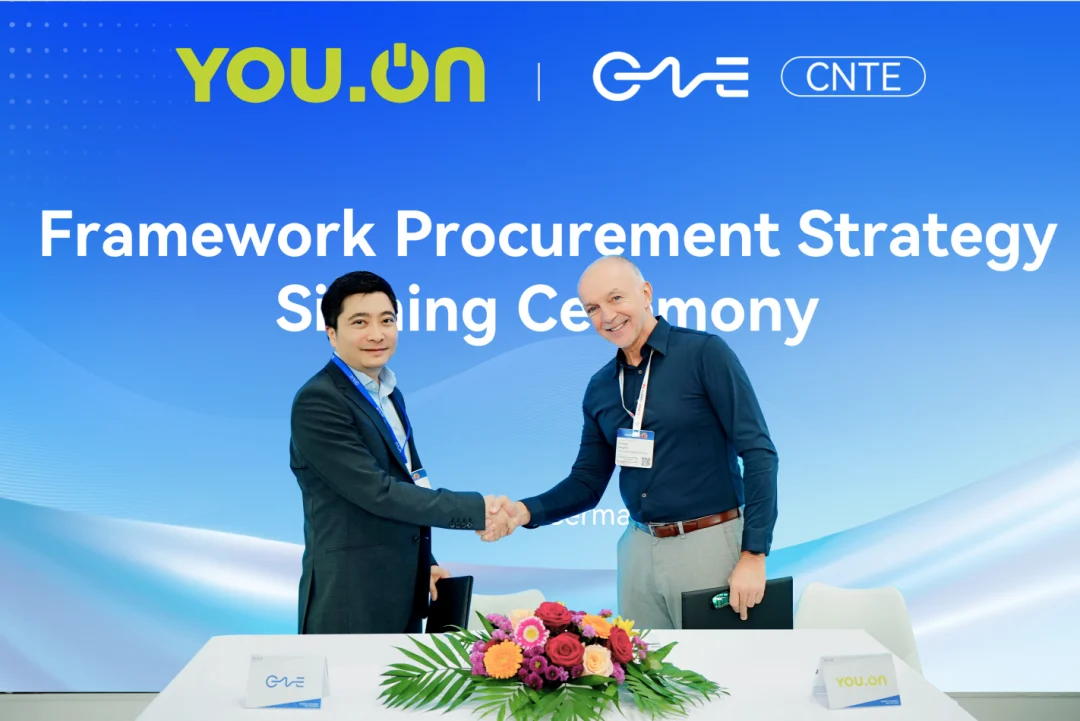
CNTE & YOU.ON Partner to Expand Storage Markets
May 19, 2025 -
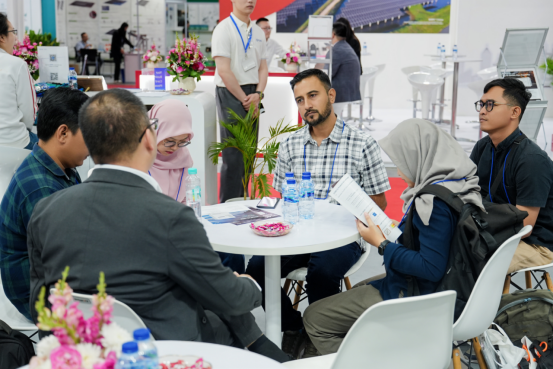
CNTE Unveils Energy Storage Lineup at Solartech 2025
May 19, 2025 -
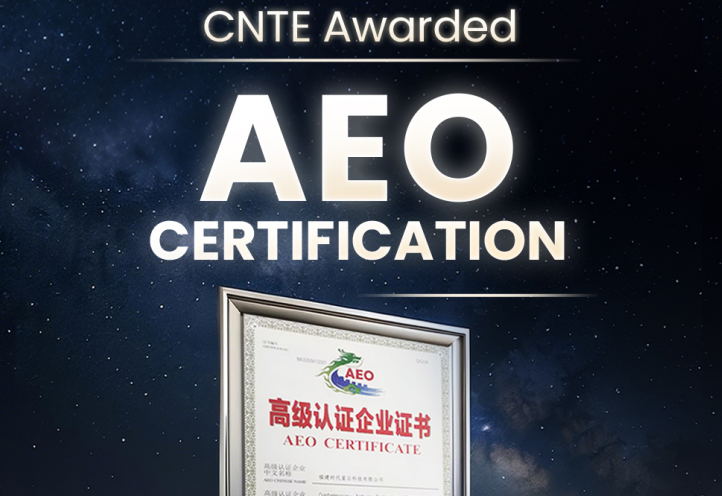
CNTE awarded AEO certification
Mar 14, 2025
Tags
- 1 mw battery storage
- 500 kw battery
- 500 kw battery storage
- 500 kwh battery price
- 500 kwh battery storage
- 50kw solar battery storage
- all in one solar battery
- at home battery
- battery based energy storage
- battery capacity for solar system
- battery electric storage system
- battery energy storage system price
- battery house solar
- battery installation for solar
- battery pack for home solar system
- battery pack for solar system
- battery pack house
- battery pack kwh
- battery power storage systems
- battery storage applications
- battery storage device
- battery storage kwh
- battery storage price per kwh
- battery storage suppliers
- battery storage system design
- battery that can power a house
- battery to grid
- bess battery energy
- bess solar system
- better battery renewable energy
- big battery storage
- buy battery storage
- buy solar battery storage
- charging station
- chinese solar batteries
- clean energy storage solutions
- commercial solar power battery storage
- cost of battery storage for solar panels
- cost of solar and battery system
- cost of solar power battery storage
- electric battery storage system
- electrical energy storage exhibition
- energy battery pack
- energy storage battery pack
- energy storage system lithium battery
- energy storage system malaysia
- energy storage system price
- energy storage system solar
- energy tech battery
- ess battery price
- ess battery system
- ess solar battery
- ess solar system
- ev battery for solar storage
- ev battery solar storage
- green energy lithium battery
- high capacity battery for solar panels
- hybrid battery storage
- its technology solar
- kwh battery storage
- large batteries for solar storage
- large battery for solar energy storage
- large battery storage container
- large battery storage systems
- large solar battery storage
- large solar battery storage systems
- large solar storage batteries
- largest commercial battery
- largest solar battery storage
- latest solar batteries
- lithium batteries for off grid solar system
- lithium batteries from china
- lithium battery for off grid solar
- lithium battery for solar system price
- lithium battery home storage
- lithium battery packs for solar panels
- megawatt battery storage
- new battery storage
- off grid solar battery storage
- on grid battery
- on grid battery storage
- optical storage integration
- outdoor energy storage
- outdoor solar battery cabinet
- pcs battery system
- power pack energy
- power storage cells
- price per kwh battery storage
- pv solar panels and battery storage
- q cell battery storage
- smart battery storage
- solar & battery system
- solar and lithium batteries
- solar batteries inside house
- solar battery battery
- solar battery container
- solar battery kwh
- solar battery manufacturers in china
- solar battery module
- solar battery storage cabinet
- solar battery storage capacity
- solar battery storage container
- solar battery storage manufacturers
- solar battery to power house
- solar cell storage
- solar energy battery storage capacity
- solar energy battery storage system
- solar energy lithium battery
- solar energy storage battery price
- solar energy storage system price
- solar energy storage technology
- solar ess system
- solar grid battery
- solar grid battery system
- solar house battery price
- solar installation battery
- solar installation with battery
- solar one batteries
- solar panel battery storage capacity
- solar panel battery storage price
- solar panel energy storage battery
- Solar panel energy storage systems
- solar panel lithium battery storage
- solar panel power storage system
- solar plant battery
- Solar Power Plant Battery
- solar pv and battery storage systems
- solar pv system with battery storage
- solar storage solutions
- solar system and battery storage
- solar with battery system
- solar with lithium battery storage
- standalone energy storage systems
- storage energy battery
- storedge battery
