
Solar PV Storage Systems: Engineering Guide to C&I and Utility Assets
The global transition toward non-synchronous renewable generation has shifted the engineering focus from intermittent kilowatt-hour volume to firm, dispatchable capacity. Solar generation profiles naturally diverge from diurnal load curves, presenting systemic transmission constraints, transformer congestion, and steep ramping requirements commonly known as the duck curve. Addressing these structural imbalances necessitates the deployment of robust electrochemical systems that transform variable solar generation into an on-demand, baseload-equivalent asset. Modern solar pv storage systems operate at the intersection of power electronics, electrochemistry, and algorithmic controls, providing the physical layer of inertia and stability required by evolving grid codes worldwide.
Maximizing the return on investment across multi-megawatt installations requires a granular comprehension of system balance, auxiliary parasitics, state-of-charge drift, and lifecycle degradation curves. As system integrators and asset managers scale deployments, selecting appropriate topologies and management platforms dictates long-term bankability.
Architectural Topologies: DC-Coupled vs. AC-Coupled Solar PV Storage Systems
The selection between direct current (DC) and alternating current (AC) coupling dictates balance-of-system (BOS) capital expenditures, round-trip efficiency (RTE), and operational flexibility. Each architecture addresses specific utility interconnect conditions and dispatch priorities.
DC-Coupled Configurations
In a DC-coupled topology, the solar array and the battery energy storage system share a common DC bus behind a central bidirectional inverter. Solar energy flows directly to the electrochemical cells via buck-boost DC-DC converters without undergoing conversion to AC.
- Clipping Recapture: When the photovoltaic array's direct current capacity exceeds the inverter's alternating current rating (high DC/AC ratio), the excess energy that would typically be curtailed is channeled directly into charging the battery system.
- Conversion Efficiency: Charging the battery directly from the PV array bypasses two stages of power conversion (DC-to-AC and AC-to-DC), yielding a round-trip charging efficiency gain between 2% and 4% compared to AC alternatives.
- Interconnection Economy: Requiring only a single grid-tied inverter and transformer reduces primary switchgear footprint and interconnection permitting complexity.
AC-Coupled Configurations
AC-coupled systems isolate the photovoltaic system and the battery storage system onto distinct inverter trains, synchronizing on the AC microgrid or utility medium-voltage busbar. This structure is prevalent in retrofit applications and scenarios demanding independent subsystem dispatch.
- Operational Independence: Inverter failure on the photovoltaic line does not compromise the energy storage asset's ability to participate in grid-support markets, black-start maneuvers, or frequency response programs.
- Equipment Standardization: Developers can deploy standardized, modular outdoor battery cabinets adjacent to existing solar arrays without re-engineering existing array combiners or DC string wiring.
- Sizing Flexibility: Charge and discharge ratings can scale independently of the solar array's instantaneous irradiance, enabling rapid dynamic discharge at full capacity during sudden utility load spikes.
Electrochemical Cell Chemistry and Thermal Management Engineering
Utility-scale and industrial solar pv storage depends heavily on lithium iron phosphate (LiFePO4, or LFP) chemistries due to intrinsic thermal stability, structural resilience across thousands of deep-discharge cycles, and the complete absence of cobalt or nickel supply constraints. Understanding cell behavior under varying C-rates determines both system footprint and balance-of-plant requirements.
The longevity of LFP cells correlates directly with uniform operational temperature distribution across the battery rack. Thermal gradients exceeding 3 degrees Celsius between cells inside a single module accelerate uneven impedance growth, resulting in premature module-level capacity loss and string imbalance.
Industry best practice has shifted decisively from forced-air HVAC cooling toward liquid-cooled cold plate architectures. Liquid cooling circuits utilizing water-glycol mixtures offer a volumetric heat capacity approximately 3,500 times higher than ambient air. Cold plates routed beneath or between prismatic cells maintain uniform core temperatures even under sustained 1C charge rates during peak solar noon. This mechanical design mitigates localized thermal hotspots, lowers auxiliary parasitic loads by up to 30%, and significantly extends operational lifespan without requiring oversized cell arrays to compensate for thermal fade.
Advanced BMS Integration and Digital Twin Analytics
Battery management systems (BMS) serve as the primary computing layer safeguarding electrochemical assets. Contemporary platforms employ a three-tier architecture: the Cell Monitoring Unit (CMU), the Rack Management Unit (RMU), and the Master System Controller. These tiers interface in real-time with bidirectional Power Conversion Systems (PCS) and supervisory Energy Management Systems (EMS).
Modern system architects demand millivolt-level accuracy in voltage sensing combined with active cell balancing. Active balancing shuttles charge from higher-capacity cells to lower-capacity cells within a series string during both resting and operational phases, avoiding the parasitic heat dissipation associated with traditional passive bleed resistors.
Cloud-connected platforms increasingly run parallel physics-informed digital twins. By aggregating continuous streams of impedance, temperature, voltage curve shifts, and current draw, digital twins simulate micro-scale degradation mechanisms, such as lithium plating and solid electrolyte interphase (SEI) growth. This data allows the EMS to dynamically recalibrate operational parameters, altering charge cutoff voltages or restricting maximum continuous C-rates during high-temperature ambient conditions. Tier-1 developers and system providers, such as CNTE (Contemporary Nebula Technology Energy Co., Ltd.), engineer these precision control layers directly into modular storage cabinets to ensure high reliability across multi-decade service agreements.
Grid Dynamics, Ancillary Services, and Revenue Stacking
The economic justification for utility and commercial solar pv storage projects extends beyond daytime peak-shaving into multi-market revenue stacking. Modern grid codes enforce stringent active and reactive power support capabilities, transforming passive storage assets into virtual synchronous generators.
Synthetic Inertia and Fast Frequency Response (FFR)
As conventional synchronous thermal generators retire, transmission systems lose mechanical rotational inertia. Advanced grid-forming inverters deployed within modern battery systems supply virtual inertia via sub-cycle droop control algorithms. When frequency variations breach deadbands, the power electronics can inject or absorb active power within tens of milliseconds, preventing rapid Rate of Change of Frequency (RoCoF) triggers from tripping system-wide transmission infrastructure.
Arbitrage and Capacity Markets
Wholesale market volatility creates high-value spreads. System operators execute automated day-ahead and real-time algorithmic trades, charging the storage arrays during negative or low-pricing intervals driven by midday solar peaks, and discharging into the evening net-demand peak. Simultaneously, systems can commit dedicated block capacity to regional transmission organization (RTO) resource adequacy markets, establishing stable baseload capacity revenue.
Dynamic Power Quality and Reactive Power Compensation
Equipped with four-quadrant inverters, commercial and industrial solar pv storage platforms generate or absorb reactive power (VAR) dynamically without drawing down active battery capacity. This operation corrects power factor imbalances at the point of common coupling (PCC), stabilizes distribution voltage swings caused by intermittent cloud cover, and prevents utility penalties associated with harmonic distortion and poor power factor metrics.
Industrial and Multi-Scenario Microgrid Deployments
High-energy-intensity manufacturing centers, remote mining sites, and data centers face unique power delivery constraints, including grid capacity bottlenecks, peak demand tariffs, and the threat of transmission blackouts. Microgrid architectures integrate localized solar generation with battery storage to guarantee operational resilience.
In islanded or weak-grid environments, solar pv storage operates as the grid-forming reference source. The system regulates voltage amplitude and frequency across the facility distribution network, coordinating with backup diesel generators only during extended solar deficits. By maintaining the grid voltage reference, the storage units allow existing grid-following solar inverters to continue generating power, drastically lowering operational diesel consumption and associated supply chain requirements.
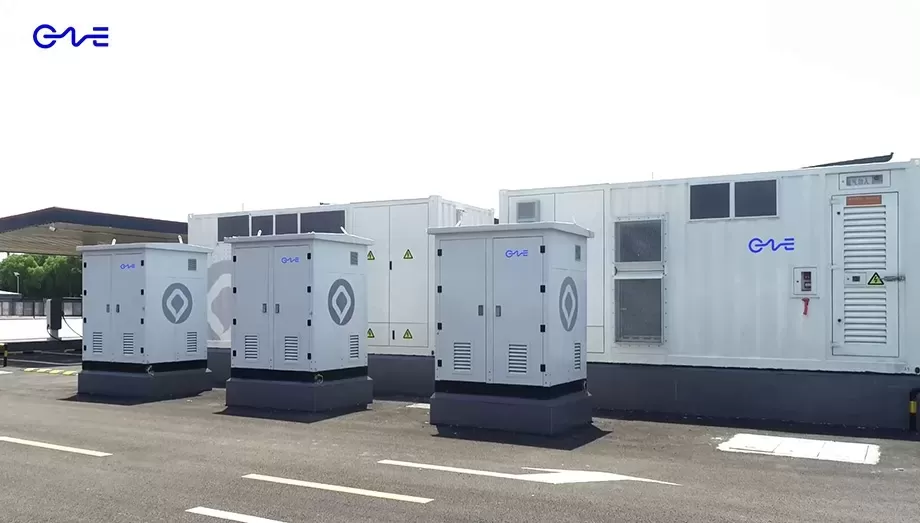
Deploying specialized platforms designed for all-scenario capability—such as the integrated systems engineered by CNTE (Contemporary Nebula Technology Energy Co., Ltd.)—allows commercial users to bridge the gap between high ambient operating conditions, seismic mechanical tolerances, and microsecond uninterruptible power supply (UPS) transfer requirements. These integrated hardware-software ecosystems simplify engineering work, reduce on-site civil commissioning schedules, and lower operational overhead.
Lifecycle Levelized Cost of Storage (LCOS) Optimization
Assessing the bankability of utility or C&I energy storage requires an evaluation of the Levelized Cost of Storage (LCOS) rather than initial capital expenditure alone. LCOS models incorporate equipment acquisition, civil engineering, degradation rate curves, auxiliary consumption, maintenance cycles, end-of-life recycling, and salvage value.
The core drivers of low LCOS include:
- Cycle Life Under Depth of Discharge (DoD): Cycling cells to 80% or 90% DoD daily while maintaining over 6,000 to 8,000 cycles to 70% remaining capacity directly dictates the amortization horizon of the capital outlay.
- Auxiliary Energy Ratios: Inefficient thermal systems consume significant energy merely maintaining operational envelope targets. Liquid-cooled platforms dramatically compress this parasitic load, leaving more kilowatt-hours available for billable grid export.
- Predictive Component Maintenance: Replacing contactors, fuses, and DC-link capacitors based on empirical runtime telemetry prevents unscheduled operational downtime and optimizes field labor dispatching.
Frequently Asked Questions
What is the typical degradation rate of a commercial solar pv storage system?
High-grade lithium iron phosphate systems typically experience an annual capacity degradation between 1.5% and 2.5% under standard cycling profiles (one to two full equivalent cycles per day at 25 degrees Celsius). Operating cells at elevated core temperatures or sustaining operations at continuous maximum C-rates accelerates degradation, highlighting the necessity of liquid thermal regulation and intelligent charge-management algorithms.
How does ambient operating temperature influence liquid cooling versus air cooling selection?
Air-cooled configurations struggle to dissipate heat efficiently when ambient dry-bulb temperatures exceed 35 degrees Celsius, often causing systems to throttle output to avoid thermal thresholds. Liquid-cooled systems utilize high-efficiency chillers and dedicated cold plates that directly contact battery cell casings, maintaining internal uniformity across ambient temperatures ranging from -30 degrees Celsius to well over 50 degrees Celsius.
What balance-of-system considerations are critical for utility interconnection?
Interconnecting multi-megawatt systems requires evaluation of the short-circuit ratio (SCR) at the point of common coupling, protection coordination involving directional overcurrent relays, arc flash detection, bidirectional revenue-grade metering, and dedicated medium-voltage step-up transformers (e.g., 0.69kV to 34.5kV) fitted with harmonic mitigation design features.
Can existing solar plants be retrofitted with energy storage without voiding existing inverter warranties?
Yes. AC-coupled architectures permit the installation of a completely independent storage subsystem that interfaces directly at the facility's medium-voltage AC busbar. This avoids splicing into existing DC string runs or modifying proprietary solar inverter firmware, keeping existing plant warranties intact while adding dispatch and ancillary capacity.
How do grid-forming inverters differ from traditional grid-following storage inverters?
Grid-following inverters rely on phase-locked loops (PLL) to track the voltage and frequency waveforms generated by traditional mechanical power plants. Grid-forming inverters generate their own voltage and frequency reference vectors using virtual synchronous machine algorithms. This capability allows the system to establish an electrical island, deliver true synthetic inertia, and execute black-start procedures following transmission failures.
Engineered Solutions for Modern Power Systems
The transition toward completely dispatchable clean energy requires industrial-grade reliability, intelligent controls, and deep integration expertise across all electrical domains. Commercial developers, independent power producers (IPPs), and EPC firms require hardware-software synergies that minimize commissioning delays and protect operational yields against changing grid requirements.
CNTE (Contemporary Nebula Technology Energy Co., Ltd.) delivers field-proven, multi-scenario energy storage architectures engineered to address the most demanding utility and industrial deployment profiles globally. Connect with our senior engineering team to review detailed technical specifications, run project-specific LCOS calculations, and submit an application inquiry for your upcoming energy infrastructure installation.
Get in Touch
Recent Posts
-
CNTE Included in BloombergNEF's Q4 2026 Tier 1 Energy Storage Manufacturers
Nov 03, 2026 -
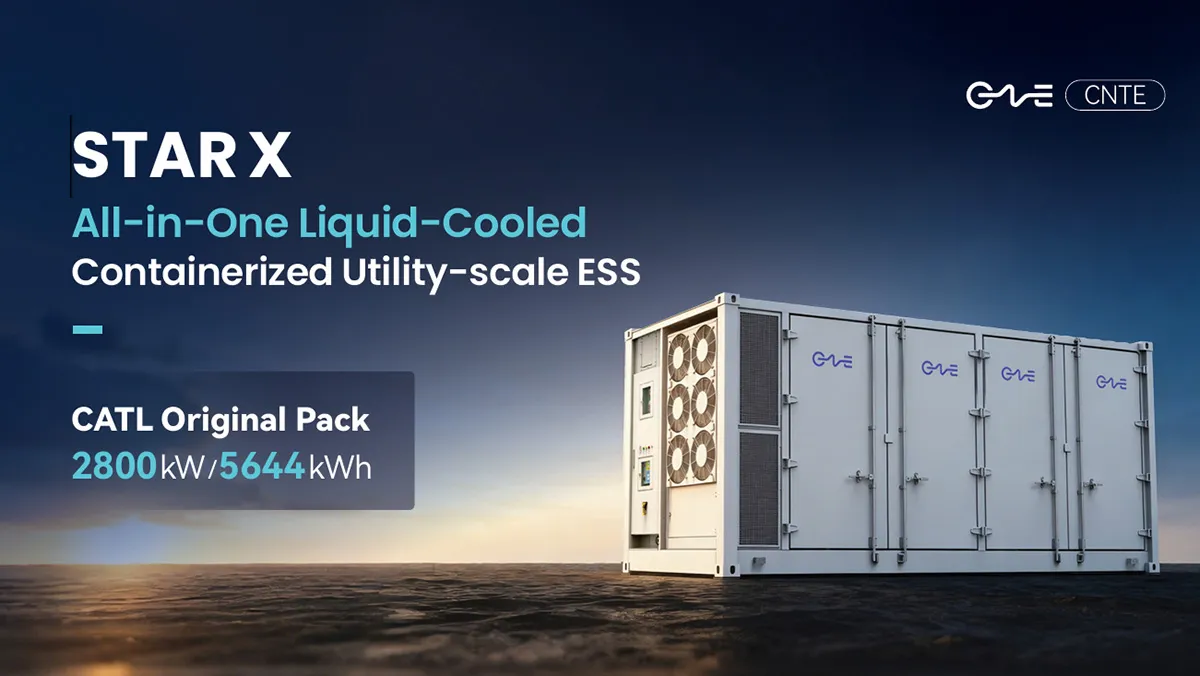
CNTE Launches STAR X Liquid-Cooled DC/AC Integrated Energy Storage System at Intersolar Europe 2026
Jul 06, 2026 -
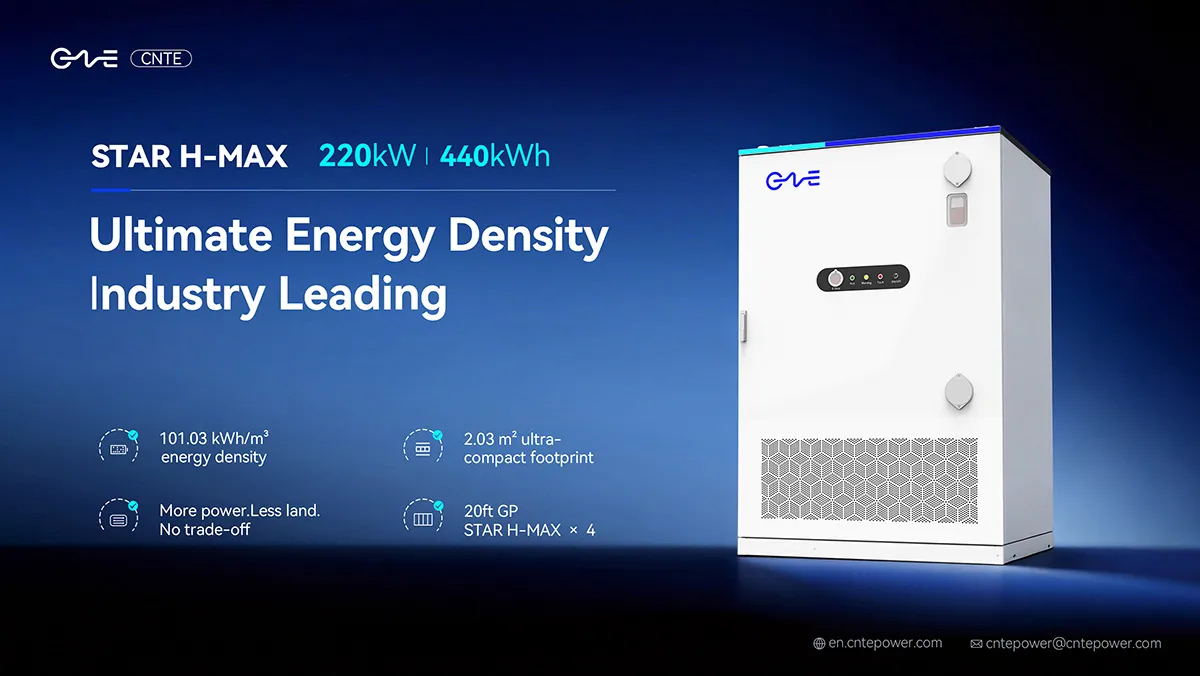
CNTE Unveils New STAR H-MAX Liquid-Cooled C&I ESS at Intersolar Europe 2026
Jun 23, 2026 -
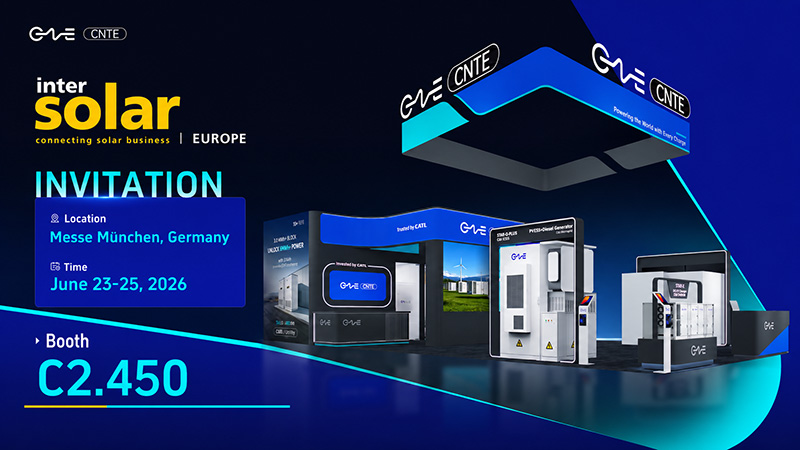
CNTE to Participate in Intersolar Europe 2026
May 20, 2026 -
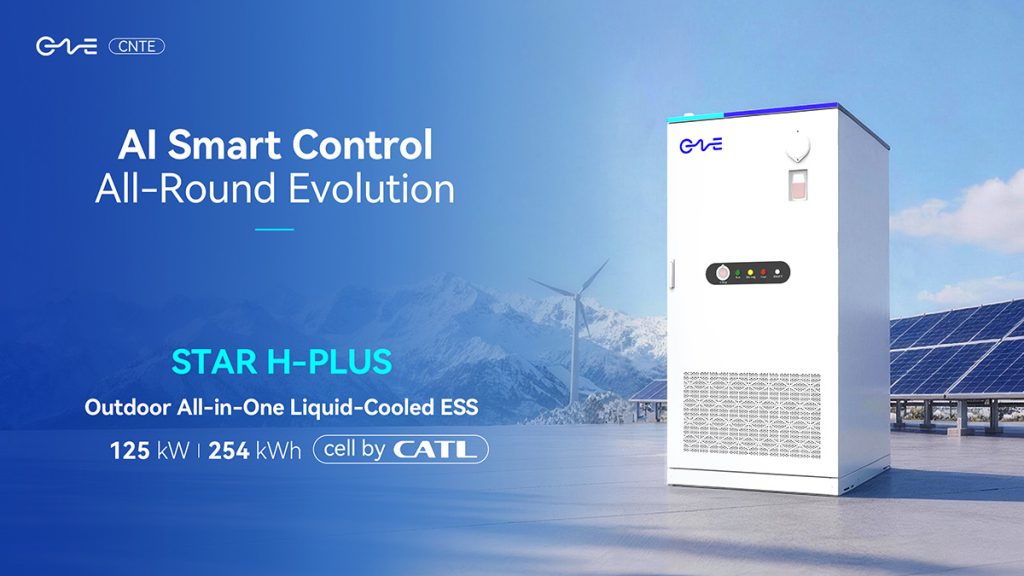
CNTE at KEY ENERGY 2026: Showcases STAR H-PLUS Outdoor Liquid-Cooled Energy Storage System
Mar 05, 2026 -

CNTE Honored as 2025 Forbes China Leading Global Brand
Jul 06, 2026 -
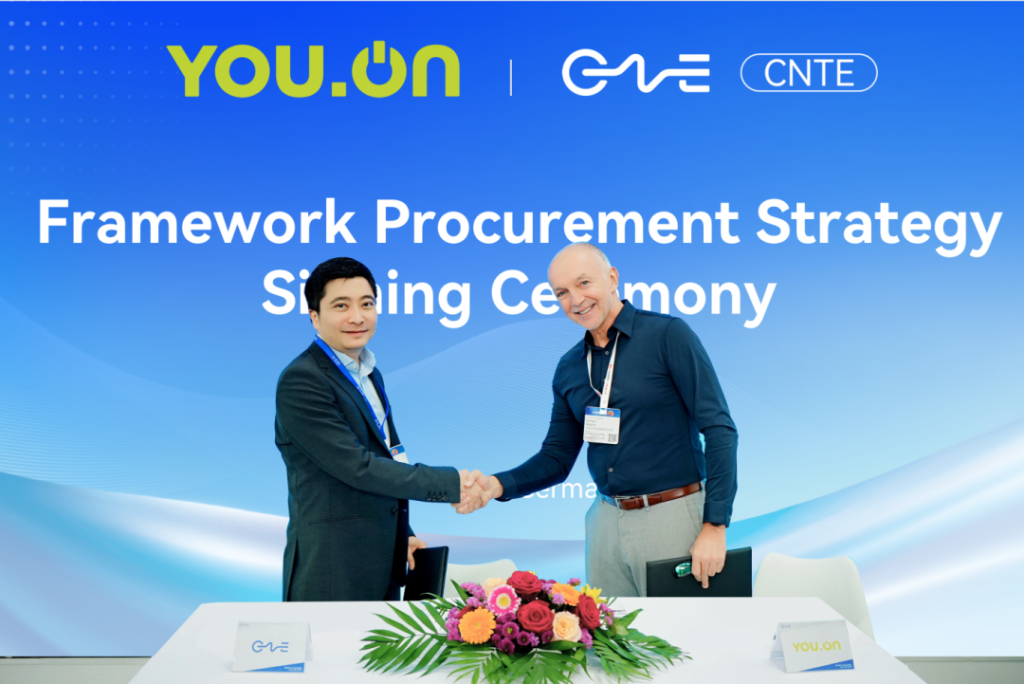
CNTE & YOU.ON Partner to Expand Storage Markets
May 19, 2025 -

CNTE Unveils Energy Storage Lineup at Solartech 2025
May 19, 2025 -
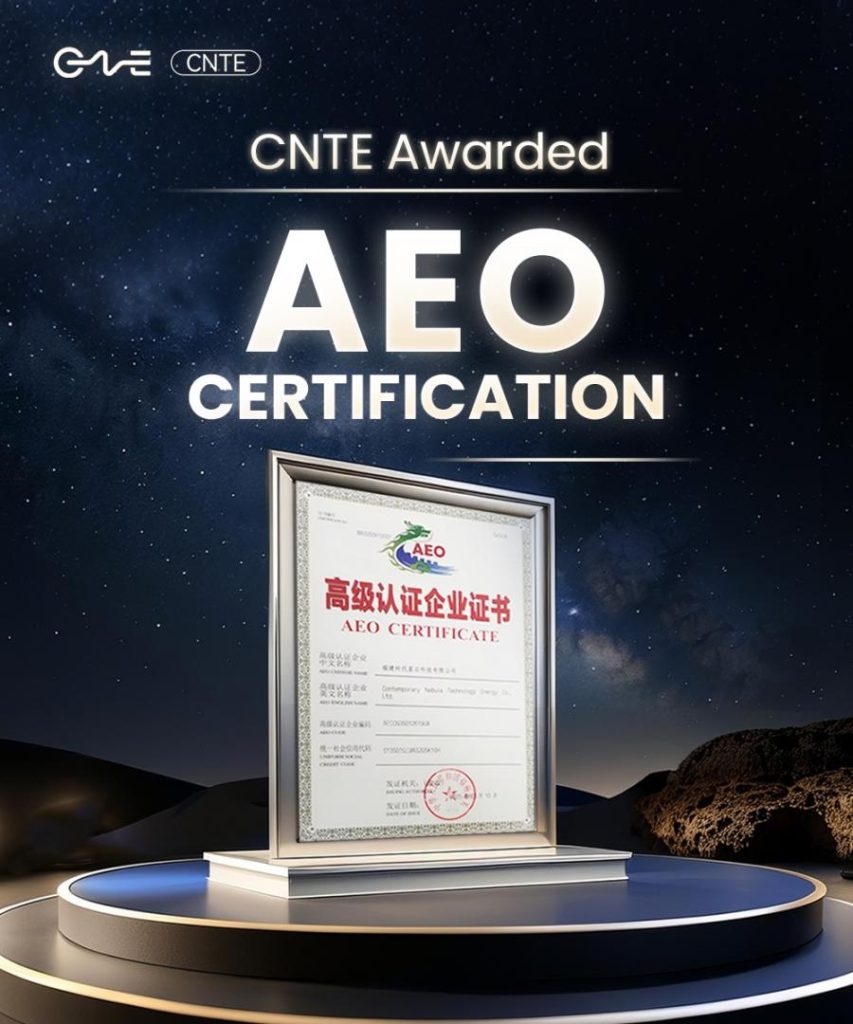
CNTE awarded AEO certification
Jul 06, 2026 -
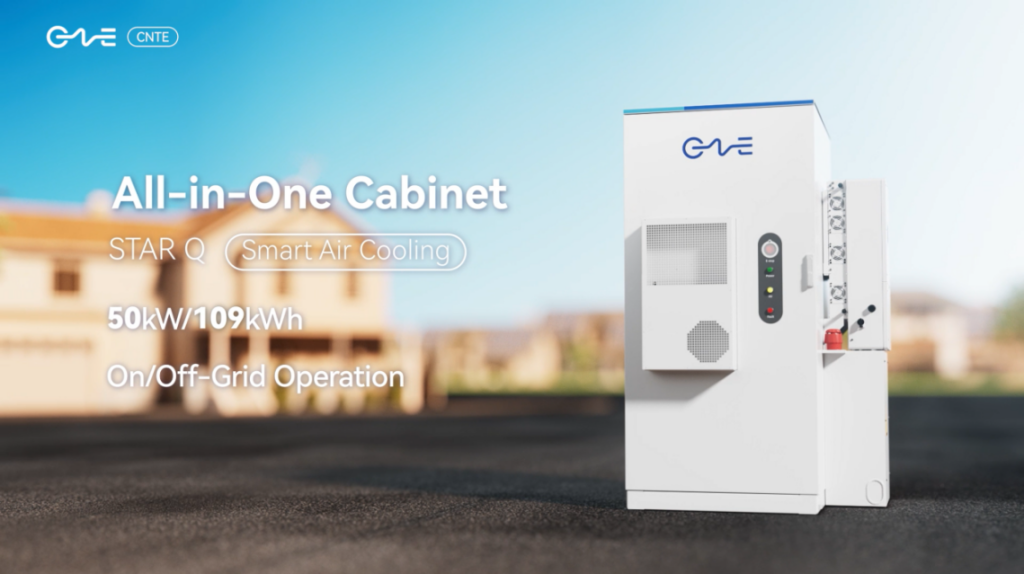
CNTE New Product Launch STAR Q
Jan 15, 2025
