
Global Energy Storage Price Analysis: Utility-Scale BESS Economics
The global transition toward decentralized power generation has positioned Battery Energy Storage Systems (BESS) as indispensable infrastructure for grid reliability, peak demand management, and renewable energy integration. For utility asset managers, commercial facility directors, and renewable project developers, navigating capital deployment requires an exhaustive understanding of hardware cost drivers, engineering balance-of-system (BOS) variables, and long-term operational expenditures. The baseline energy storage price serves not merely as a procurement line item, but as the core variable dictating project financial viability, internal rate of return (IRR), and overall system bankability across multi-decade lifecycles.
Recent volatility across upstream critical materials, coupled with substantial manufacturing expansions in Asia and North America, has radically transformed system-level quotes. Analyzing an energy storage price requires deconstructing the battery system into its core electrochemical, structural, and electrical constituent parts, moving past high-level cell-level indices to evaluate fully installed turnkey asset economics.
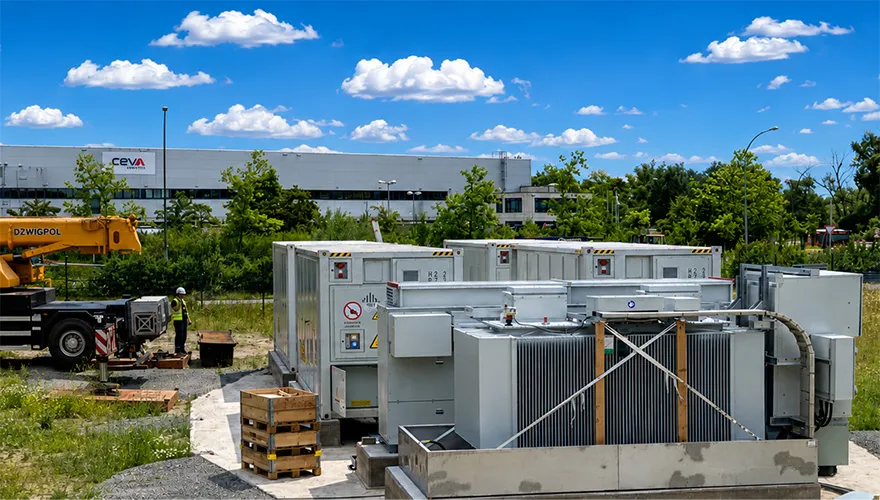
Anatomical Cost Breakdown of Utility and Industrial BESS
A BESS installation is an intricate integration of electrochemical hardware, power electronics, digital telemetry, and civil engineering works. Isolating specific expenditure categories reveals where capital is concentrated and where system optimization yields the highest financial return.
- Electrochemical DC Block (50% – 60% of Total CAPEX): The battery cells, packed into modules and stacked into high-voltage racks, constitute the majority of upfront equipment investment. This includes battery management systems (BMS) distributed across module, rack, and container tiers to regulate cell balance and thermal thresholds.
- Power Conversion System (PCS) (8% – 12% of Total CAPEX): Bidirectional inverters convert direct current from the battery blocks to alternating current compatible with medium- or high-voltage switchgear. Advanced grid-forming inverters capable of black-start and synthetic inertia command a marginal cost premium over basic grid-following topologies.
- Balance of Plant and Structural Components (10% – 15% of Total CAPEX): Enclosures, HVAC liquid-chilling loops, aerosol fire suppression systems (compliant with NFPA 855 / UL 9540A protocols), and internal auxiliary power distribution panels fall within this parameter.
- EPC, Interconnection, and Soft Costs (20% – 25% of Total CAPEX): Civil site preparation, foundation pouring, medium-voltage transformer integration, SCADA engineering, permitting, and high-voltage grid interconnection studies form the remaining balance of turnkey deployment.
Electrochemical Architectures and Cell-to-Grid Conversion Realities
Lithium Iron Phosphate (LFP) has decisively overtaken Nickel Manganese Cobalt (NMC) as the dominant chemistry across stationary energy storage applications. This transition was primarily driven by intrinsic chemical stability, superior thermal runaway resistance, and long-term operational economics. Raw material composition remains a major lever over the final energy storage price, as LFP bypasses volatile commodity chains tied to cobalt and class-1 nickel.
From an operational standpoint, modern utility and commercial energy projects demand cell capacities exceeding 280Ah and 314Ah. Transitioning to higher capacity prismatic cells increases volumetric energy density within standard ISO shipping containers, significantly reducing the required spatial footprint and structural steel volume. Consequently, fewer electrical interconnects and cooling interfaces are required per megawatt-hour, lowering assembly labor and maintenance overheads throughout the operational lifecycle.
Contemporary liquid-cooling architectures have largely displaced legacy forced-air cooling methods. While direct liquid cooling carries a moderately higher initial component expense, it minimizes parasitic power loads, maintains internal cell temperature deltas within a tighter window (often ≤2.5°C), and significantly curtails non-uniform degradation. This thermal stability directly suppresses operating expenses, ensuring that nominal system capacity degrades predictably in accordance with financial modeling expectations.
Beyond Hardware: Levelized Cost of Storage (LCOS) Dynamics
Focusing exclusively on upfront procurement metrics misrepresents the true cost profile of an energy storage installation. Institutional buyers increasingly frame valuation models around the Levelized Cost of Storage (LCOS), which accounts for every kilowatt-hour throughput over the technical lifetime of the installation.
Formulaic Parameters Influencing LCOS
LCOS integrates the net present value of capital expenses, recurring operational and maintenance costs, charging costs (determined by round-trip efficiency), end-of-life salvage or recycling yields, and the cumulative electricity discharged over the operational horizon. High round-trip efficiency (RTE) dramatically suppresses operating costs over time by reducing the parasitic energy needed to replenish electrochemical losses during charge and discharge cycles.
Degradation Trajectories and Augmentation Strategies
Battery capacity fades as a function of both calendar aging and cyclic aging (depth of discharge, operating temperature, and C-rate profile). Two primary engineering approaches govern project lifespans designed for 15 to 20 years:
- Initial Overbuild: Sizing the initial battery capacity significantly above the nominal utility rating, allowing natural degradation to stay within interconnection limits throughout the early operational phase without requiring additional hardware.
- Scheduled Augmentation: Deploying an initially smaller footprint to minimize day-one capital outlays, followed by planned DC block additions at year 7 to 10. This approach capitalizes on anticipated future hardware price declines while matching asset performance to long-term power purchase agreements.
Engineering innovations introduced by tier-one system integrators like CNTE (Contemporary Nebula Technology Energy Co., Ltd.) focus on optimizing module-level monitoring and dynamic balancing, directly reducing cell divergence and extending battery longevity without requiring excessive initial capital allocation.
Grid Interconnection, Regional Tariffs, and Supply Chain Factors
Geographic variance plays a substantial role in project budgets. While DC block manufacturing exhibits standard export benchmarks, the fully commissioned energy storage price varies substantially across North America, Europe, Australia, and emerging markets. Local regulatory compliance, structural seismic requirements, and grid interconnection queues present major variables that project developers must account for during pre-feasibility phases.
Soft costs frequently exceed hardware variance. Interconnection studies managed by regional transmission operators (RTOs) can impose significant grid upgrades, including dedicated substation transformers, utility-grade circuit breakers, and extensive telemetry upgrades. Additionally, regional supply chain tariffs and domestic content requirements increasingly incentivize near-shoring or local manufacturing integration to secure tax credits and regulatory exemptions, fundamentally reconfiguring supply chain procurement logic.
Comprehensive Capital Expenditure Breakdown
To contextualize current market parameters for a four-hour utility-scale system (e.g., 10 MW / 40 MWh) and a commercial and industrial (C&I) system (e.g., 500 kW / 1000 kWh), consider the indicative distribution of expenses outlined below.
| Subsystem / Expenditure Category | C&I Scale (1-2 Hour Duration) Share | Utility Scale (4-Hour Duration) Share | Cost Variance Drivers |
|---|---|---|---|
| Battery Modules & Racks (DC Block) | 45% – 52% | 52% – 60% | Cathode materials, cell form factor, pack assembly automation. |
| Power Conversion System (PCS) | 10% – 14% | 7% – 10% | Grid-forming features, silicon carbide components, liquid-cooled inverters. |
| Thermal & Safety Infrastructure | 6% – 9% | 5% – 8% | Liquid cooling loop efficiency, NFPA 855 suppression redundancy. |
| BMS, EMS & SCADA Integration | 4% – 7% | 3% – 5% | Cloud analytics, dynamic frequency regulation software, local edge controls. |
| EPC, Civil Works & Permitting | 18% – 25% | 15% – 22% | Site terrain, local labor rates, environmental reviews, setback rules. |
| Interconnection & Grid Upgrades | 8% – 15% | 6% – 14% | Substation distance, transformer lead times, RTO capacity studies. |
Technological Strategies for Lifecycle Cost Reduction
Lowering the Levelized Cost of Storage requires a coordinated approach spanning mechanical design, thermal regulation, and power electronics control. Advanced engineering systems developed by CNTE (Contemporary Nebula Technology Energy Co., Ltd.) leverage integrated intelligent management architectures that mitigate localized thermal hotspots within storage racks. Because operating a battery pack just 5°C above its optimal range accelerates parasitic reactions and SEI layer growth, sub-millimeter cooling channel designs directly protect capital investments from rapid degradation.
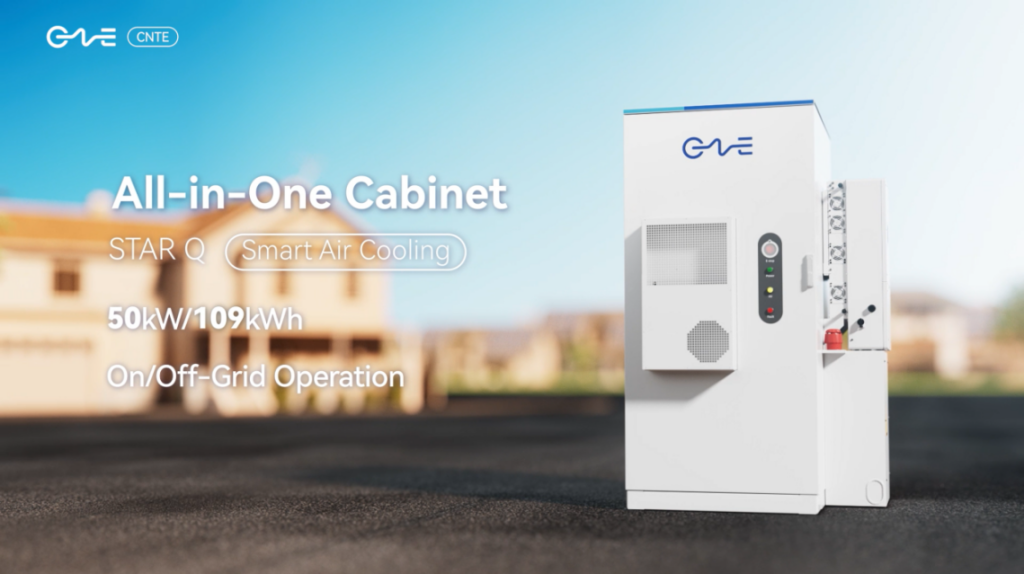
Simultaneously, containerized all-in-one solutions are redefining installation efficiency. Modern systems consolidate the DC battery enclosures, intelligent BMS, liquid-cooling matrix, PCS, and fire suppression systems into pre-engineered standard enclosures. Factory testing and pre-commissioning minimize mechanical and electrical tie-in times in the field, reducing on-site EPC labor requirements and compressing overall project construction schedules.
Software-driven predictive maintenance represents an additional technological lever. By applying automated diagnostics to analyze individual cell impedance, voltage discharge curves, and operating temperatures, facility operators can identify cell-level anomalies before thermal incidents or forced outages occur. This transition from reactive servicing to algorithmic maintenance directly lowers recurring OPEX over multi-year asset lifespans.
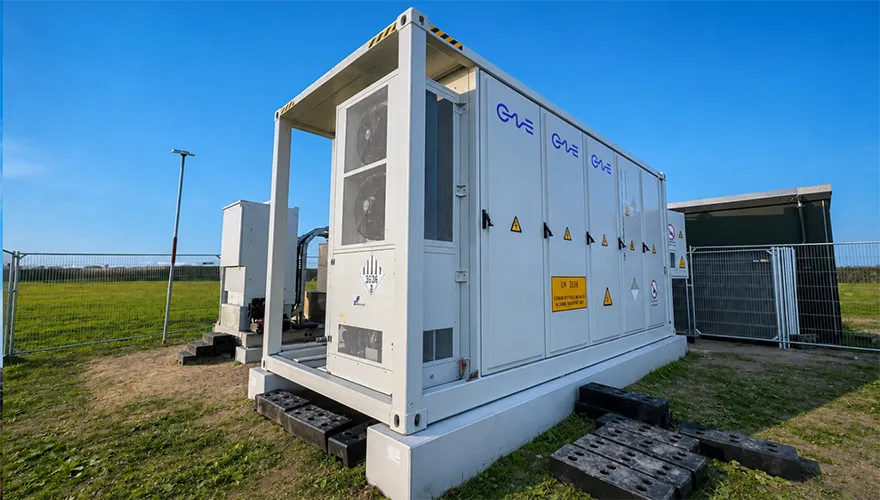
Future Trajectories: Energy Storage Price Trends Through 2030
Projected technological innovations and continuous manufacturing scaling suggest a stable downward trend for the global energy storage price across the remainder of the decade. As multi-gigawatt battery plants scale up global production, process automation and raw material yield improvements will continue to compress direct cell fabrication costs.
Alternative chemistries, notably sodium-ion (Na-ion), are entering early commercial deployment phases for stationary applications where energy density is secondary to operational cost. While current sodium-ion supply chains lack the massive scale of established LFP pipelines, their non-dependence on lithium carbonate will inject long-term cost stability into the bulk energy market. Concurrently, closed-loop hydrometallurgical battery recycling processes are progressively maturing, creating a circular supply of recovered lithium, iron phosphate, and copper foil that will insulate future equipment quotes from periodic raw material shortages.
Frequently Asked Questions
What is the typical difference between cell price and fully installed BESS price?
The raw battery cell represents roughly 35% to 45% of a fully installed, turnkey grid-scale storage installation. The remaining balance includes module construction, rack frames, thermal management, PCS, high-voltage switchgear, containerization, software controls, civil works, system engineering, permitting, and grid interconnection costs.
How does discharge duration (1-hour vs. 4-hour) impact the overall energy storage price?
Longer-duration systems (such as 4-hour systems) yield a lower cost per kilowatt-hour ($/kWh) because the expensive power-related infrastructure—including the inverter, transformer, and interconnection point—remains fixed while the less costly energy capacity (battery racks) increases. Conversely, a 1-hour system requires higher power throughput per energy unit, driving up the relative $/kWh metric while maintaining a lower $/kW metric.
What role does C-rate play in determining system longevity and replacement schedules?
Operating a system at continuous high C-rates (e.g., 1C to 2C charging or discharging) accelerates mechanical strain within the cathode and anode structures, raises internal operational temperatures, and shortens calendar life compared to slower 0.25C or 0.5C profiles. Systems designed for intensive frequency regulation or high-rate fast-charging applications require robust liquid-cooling architectures and tailored cell selection to prevent premature augmentation.
How do liquid-cooled systems compare economically against air-cooled installations?
Liquid cooling commands a modest premium in upfront hardware procurement due to chillers, internal piping, and precision valves. However, it delivers lower auxiliary parasitic power consumption, higher system-level energy density, and superior cell temperature uniformity. These operational efficiencies limit capacity degradation and maximize long-term round-trip efficiency, yielding a superior lifecycle return on investment.
How do standard warranties manage battery degradation over a 10-to-20-year term?
Industrial warranties generally guarantee a retained capacity threshold (typically 60% to 70%) over an agreed period or a defined energy throughput metric (total cumulative MWh discharged per megawatt of nameplate capacity). These warranties are strictly conditional on operating within documented thermal ranges, specified average states of charge (SoC), and defined cycling limits tracked via internal BMS telemetry.
Engineering Evaluation and Procurement Inquiry
Evaluating commercial and utility-scale energy assets requires aligning mechanical design, thermal dynamics, and grid constraints against your project's financial benchmarks. The engineering and applications team at CNTE offers granular technical assessments, lifecycle financial modeling, and fully integrated BESS system configurations built to strict international safety and performance standards. Submit your project requirements, target capacity parameters, and single-line diagrams to our technical sales division to receive a customized system engineering review and an optimized energy storage price proposal for your deployment.
Get in Touch
Recent Posts
-
CNTE Included in BloombergNEF's Q4 2026 Tier 1 Energy Storage Manufacturers
Nov 03, 2026 -
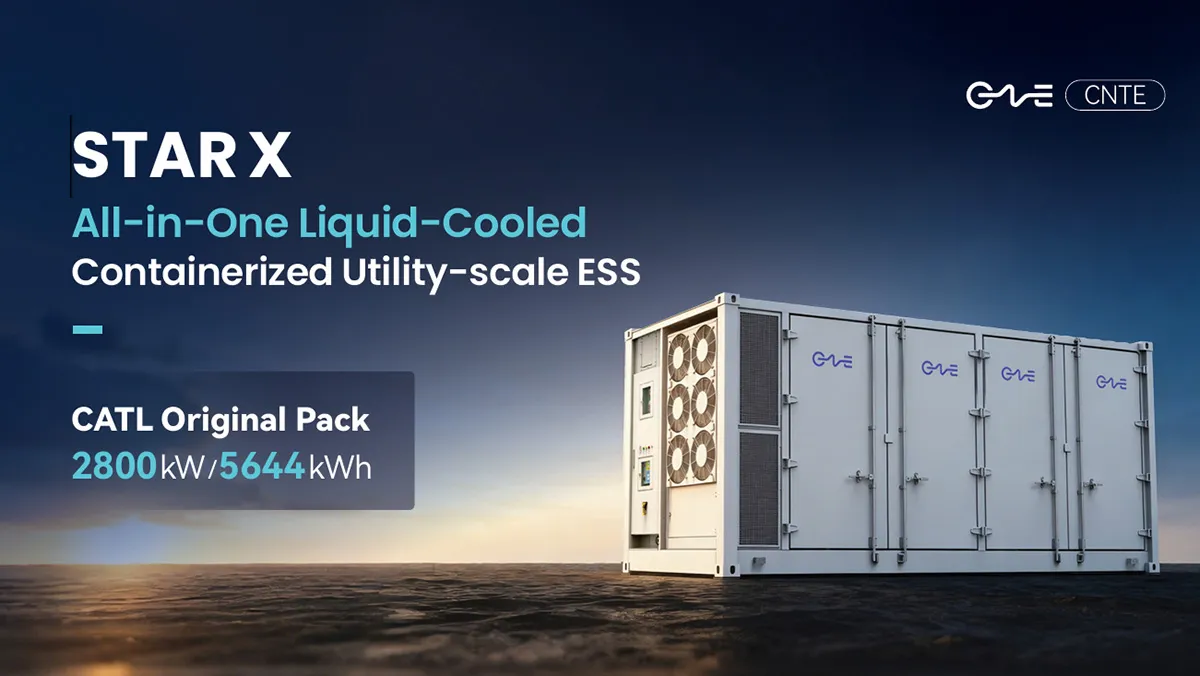
CNTE Launches STAR X Liquid-Cooled DC/AC Integrated Energy Storage System at Intersolar Europe 2026
Jul 06, 2026 -
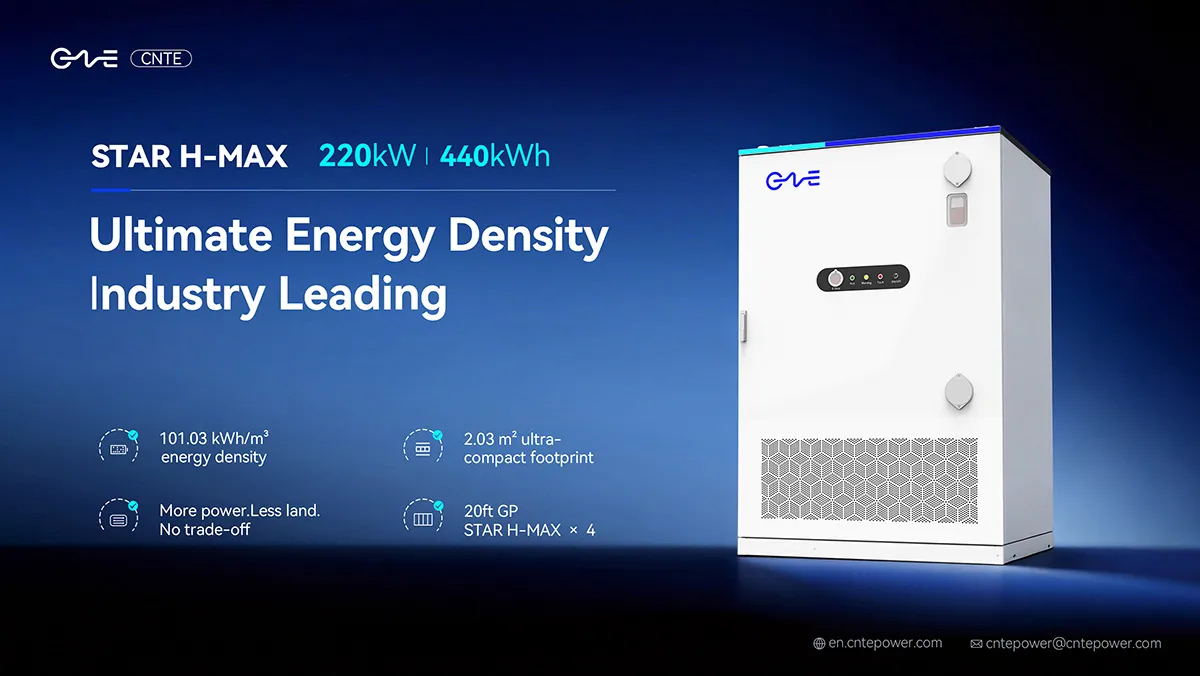
CNTE Unveils New STAR H-MAX Liquid-Cooled C&I ESS at Intersolar Europe 2026
Jun 23, 2026 -
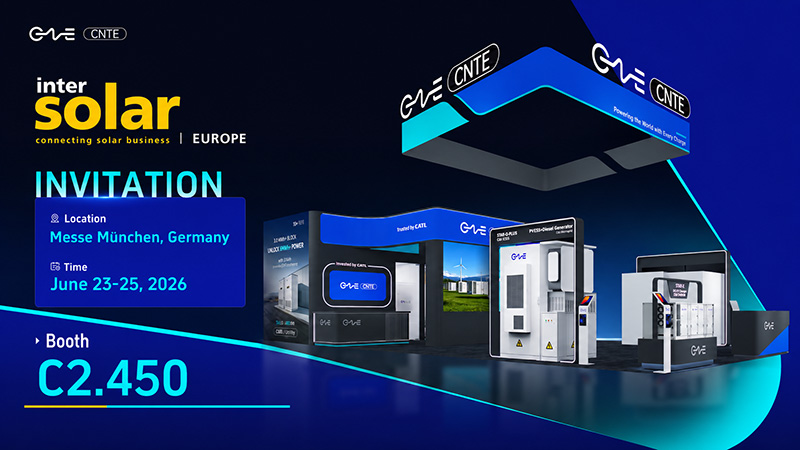
CNTE to Participate in Intersolar Europe 2026
May 20, 2026 -
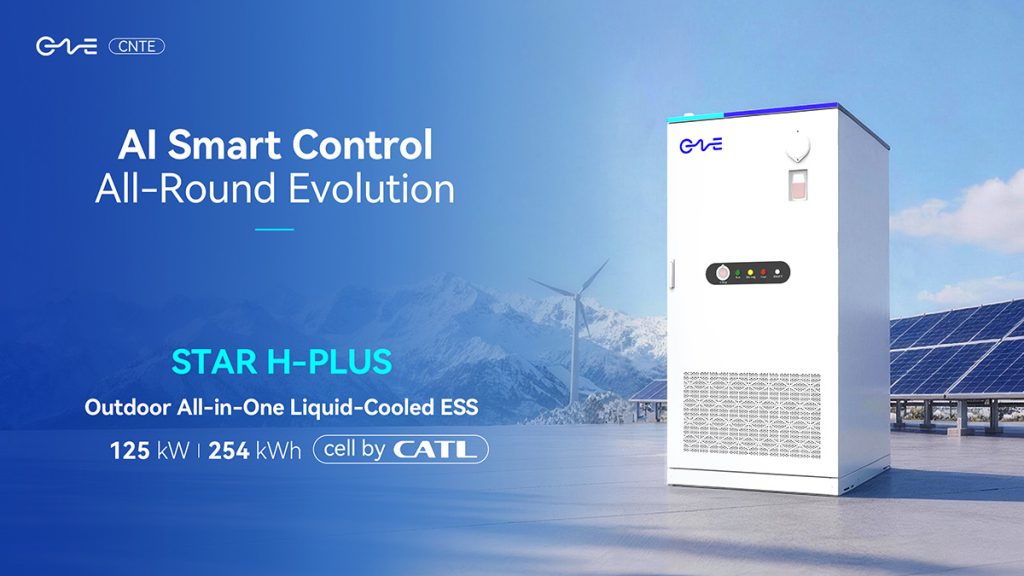
CNTE at KEY ENERGY 2026: Showcases STAR H-PLUS Outdoor Liquid-Cooled Energy Storage System
Mar 05, 2026 -

CNTE Honored as 2025 Forbes China Leading Global Brand
Jul 06, 2026 -

CNTE & YOU.ON Partner to Expand Storage Markets
May 19, 2025 -

CNTE Unveils Energy Storage Lineup at Solartech 2025
May 19, 2025 -
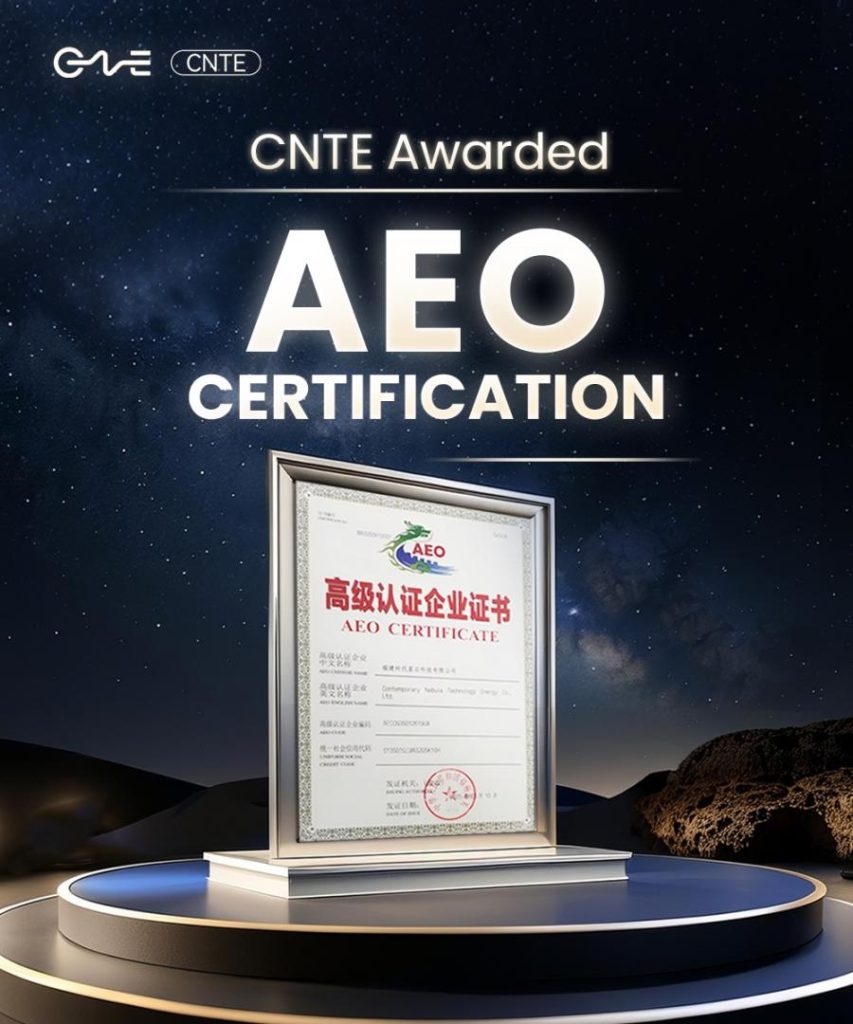
CNTE awarded AEO certification
Jul 06, 2026 -
CNTE New Product Launch STAR Q
Jan 15, 2025
