
Solar Battery Storage Units for High-Capacity Commercial Energy Management
The transition toward decentralized power generation across commercial and industrial operations has redefined site energy infrastructure. Deploying solar battery storage units has shifted from a auxiliary strategy to a core standard for enterprise energy resilience. Facility managers, engineering, procurement, and construction (EPC) contractors, and power utility developers face growing challenges regarding power quality, volatile electricity pricing, and grid capacity constraints. Addressing these operational demands requires deep analysis of energy storage architecture, battery degradation science, and dynamic grid interactions.
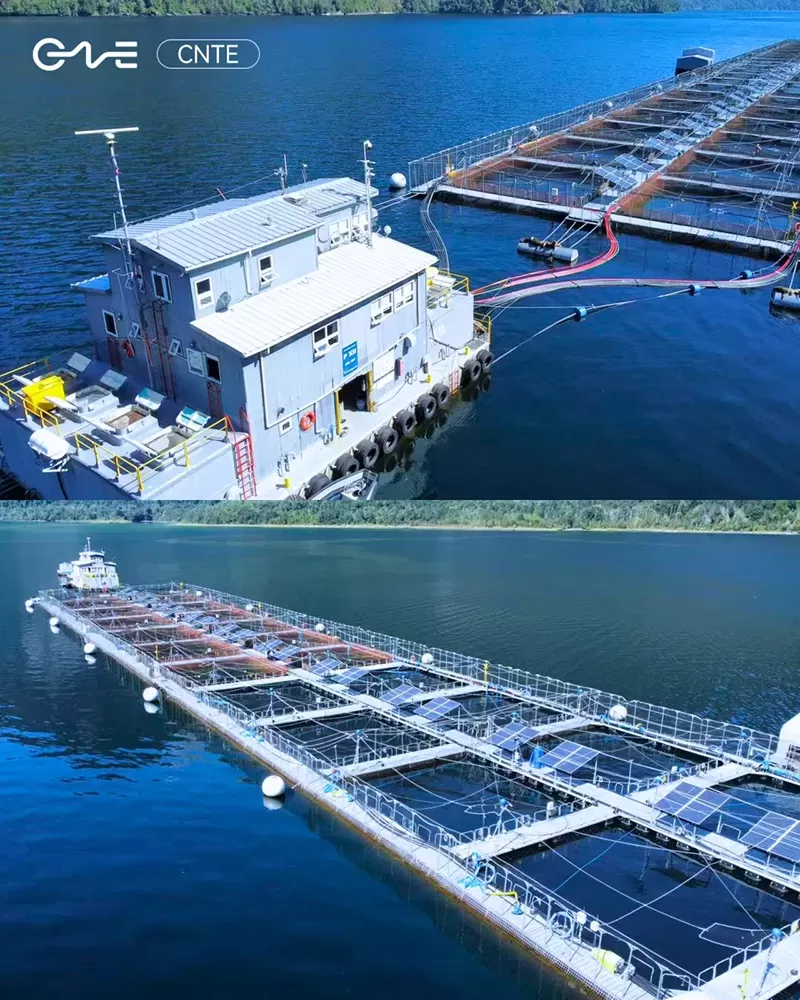
Engineering Foundations of Commercial Storage Systems
Selecting the right electrochemical composition dictates long-term performance and financial returns in enterprise power installations. Modern commercial storage platforms rely heavily on Lithium Iron Phosphate (LiFePO4 or LFP) chemistry due to its structural stability and superior thermal parameters. Unlike Nickel Manganese Cobalt (NMC) cells, LFP chemistry maintains chemical integrity during high-temperature operations, virtually eliminating chemical breakdown during rapid charge and discharge cycles.
Cell layout strategies have evolved beyond traditional modular configurations. Leading energy storage developers, including CNTE (Contemporary Nebula Technology Energy Co., Ltd.), focus on Cell-to-Pack (CTP) and direct system integration frameworks. Removing intermediate module housings reduces inactive weight and increases volumetric utilization by up to 20%. This spatial efficiency allows facilities to install higher energy densities within standard footprint limits, simplifying indoor and containerized outdoor deployments.
Cycle Longevity: Advanced LFP cells regularly achieve 6,000 to 10,000 cycles at 80% Depth of Discharge (DoD), extending system lifetime beyond 15 years under daily cycling protocols.
Volumetric Energy Density: High-density CTP designs maximize kilowatt-hour (kWh) capacity per square meter, lowering site preparation and civil engineering expenditures.
Chemical Safety Profile: LFP exhibits high thermal decomposition thresholds, maintaining stability under stress, high ambient temperatures, and continuous heavy loads.
Addressing Peak Demand and Grid Fluctuation Challenges
Industrial operations face severe financial penalties tied to peak demand charges. Utility pricing models frequently calculate monthly commercial bills based on the single highest 15-minute consumption spike. Uncontrolled equipment start-ups, heavy electrical manufacturing machinery, and centralized HVAC systems create abrupt load profiles that inflate utility expenses.
Integrating high-performance solar battery storage units allows commercial sites to execute precise peak shaving and load shifting. By monitoring incoming main line power in real time, the storage management system automatically discharges stored energy when demand breaches predetermined thresholds. This process caps grid drawn power at a constant profile without disrupting operational workflows.
Beyond peak management, high-capacity storage platforms solve significant local power quality issues. Rapid dynamic voltage variations, dynamic load imbalances, and line frequency variations can trigger automated machinery shutdowns and equipment wear. High-speed Power Conversion Systems (PCS) working alongside active battery management software supply dynamic reactive power support (VAR control) and millisecond-level load compensation, ensuring consistent power distribution across internal facility networks.
Thermal Management Architecture: Liquid Cooling vs. Forced Air Systems
Thermal control directly impacts system safety, dynamic round-trip efficiency (RTE), and cell degradation rates. Operating standard lithium-ion cells above designated thermal boundaries exponentially accelerates structural capacity loss and introduces operational variances. System engineering must prioritize uniform internal thermal regulation across thousands of connected individual cells.
While traditional forced air systems remain common in small-scale installations, large-scale commercial deployments favor advanced liquid cooling frameworks. Integrated cooling plates containing closed-loop glycol-water mixtures conduct heat directly from cell surfaces, ensuring precise thermal management across high-power operations.
Direct thermal management configurations developed by CNTE maintain cell-to-cell temperature variations under 2.5 degrees Celsius across large multi-megawatt-hour battery racks. Keeping thermal delta low prevents uneven cell degradation across parallel battery strings, maximizing usable runtime and maintaining stable round-trip performance.
Air Cooling Disadvantages: High auxiliary power consumption, lower heat transfer coefficients, and temperature gradients exceeding 8 degrees Celsius across large packs.
Liquid Cooling Benefits: Lower internal parasitic loads, silent dynamic operation, precise temperature control, and extended pack operational lifespans under continuous operational stress.
Auxiliary Energy Retention: Liquid systems reduce secondary fan power requirements, boosting overall net platform efficiency by 3% to 5%.
Financial Mechanics and Levelized Cost of Storage Calculations
Evaluating long-term economic returns on enterprise storage assets requires accurate Levelized Cost of Storage (LCOS) calculations rather than focusing solely on upfront capital expenditure (CAPEX). LCOS measures the total lifetime cost of delivered energy per kilowatt-hour, incorporating initial hardware, installation, maintenance, power degradation rates, and parasitic operational expenses.
System operational life relies on dynamic Depth of Discharge strategies and charging rates (C-rates). Operating solar battery storage units within an optimal 10% to 90% State of Charge (SoC) band mitigates internal mechanical stress within the battery electrodes, dramatically lowering annual degradation metrics. Pairing precise charging routines with automated solar generation curves lowers long-term unit costs.
Commercial facilities leverage Time-of-Use (TOU) arbitrage protocols to accelerate investment recovery. By storing clean electricity generated from onsite photovoltaic arrays during peak production hours—or charging from the main electrical grid during off-peak night periods—the system supplies electricity during peak pricing bands, delivering predictable and repeatable operational savings.
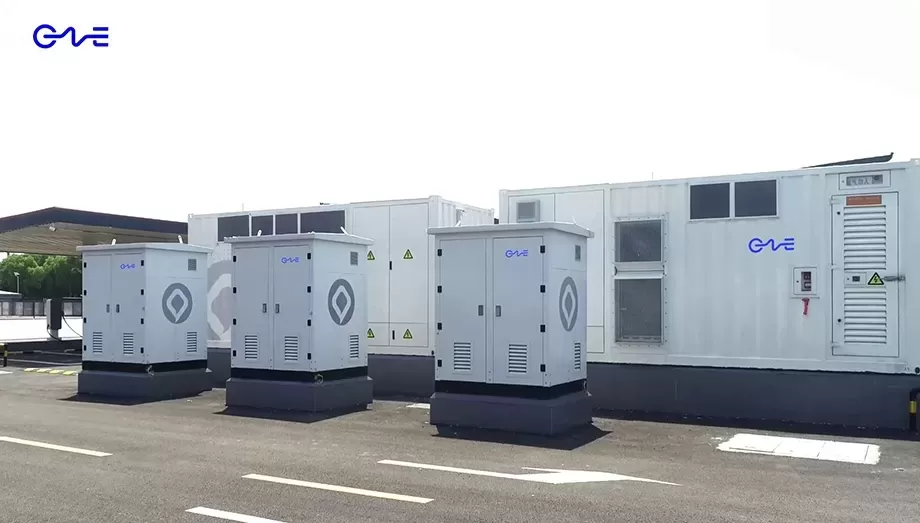
Multi-Scenario Industrial and Microgrid Deployments
Industrial applications present unique site demands, ranging from weak grid connections in rural operations to zero-export mandates in high-density urban zones. Modern storage solutions must operate flexibly across grid-tied, islanded, and hybrid generation environments.
When utility power fails, automated balance-of-plant switches isolate the facility network from the primary grid within 10 to 20 milliseconds. In this islanded state, microgrid controllers synchronize local solar generation, diesel backup generators, and energy storage reserves. Utility-grade enclosures designed by CNTE enable swift field integration, providing reliable power continuity for data centers, continuous manufacturing lines, and healthcare facilities.
Grid-tied installations also allow facilities to participate in utility ancillary service programs. By offering automated frequency response, operating reserves, and dynamic black-start support, site owners convert standard backup power infrastructure into proactive revenue-generating assets.
Frequently Asked Questions
Q1: What key operational factors influence the operational life of
industrial solar battery storage units?
A1: Operational lifespan
depends primary on operating thermal boundaries, cell C-rates, average Depth of
Discharge, and cell chemistry. Maintaining stable operating temperatures between
20°C and 25°C via active liquid cooling minimizes mechanical stress on internal
battery structures, extending service life.
Q2: How do modern storage architectures prevent thermal runaway
events?
A2: Safety mechanisms operate on multiple structural tiers.
At the chemical level, LFP offers high thermal stability. Architecturally,
real-time Battery Management Systems track cell voltages and temperatures
millisecond by millisecond. Physically, isolated fire-retardant barriers,
aerosol suppression, and dynamic liquid cooling prevent thermal issues from
propagating between individual cells.
Q3: Should commercial facilities select AC-coupled or DC-coupled
system architectures?
A3: Choice depends on project scope.
DC-coupled systems offer higher overall efficiency for new solar-plus-storage
projects by sharing a central power conversion interface. AC-coupled systems
suit existing facility retrofits, allowing independent placement and scaling of
solar battery storage units without disturbing existing
photovoltaic inverter setups.
Q4: How does a Battery Management System manage dynamic cell balance
in large storage installations?
A4: Modern systems use active
balancing mechanisms. During charging and discharging cycles, the system
transfers excess energy from higher-voltage cells to lower-voltage cells within
the string. This automated active balancing prevents individual low-capacity
cells from triggering premature system cutoffs, preserving full pack usable
capacity.
Q5: What standard compliance certifications are mandatory for
commercial storage procurement?
A5: Enterprise deployments require
compliance with internationally recognized safety and performance frameworks,
including UL 1973 for battery packs, UL 9540A for large-scale fire testing, IEC
62619 for industrial lithium energy systems, and local grid connection
guidelines (such as IEEE 1547).
Submit Your Facility Engineering Requirements
Designing an industrial energy storage setup requires precise analysis of site load profiles, peak consumption characteristics, dynamic utility rate structures, and local grid compliance criteria. Send your single-line diagrams, target operational parameters, and load requirement profiles to our application engineering team for detailed technical consultations, precise balance-of-plant sizing calculations, and customized system proposals.
Get in Touch
Recent Posts
-
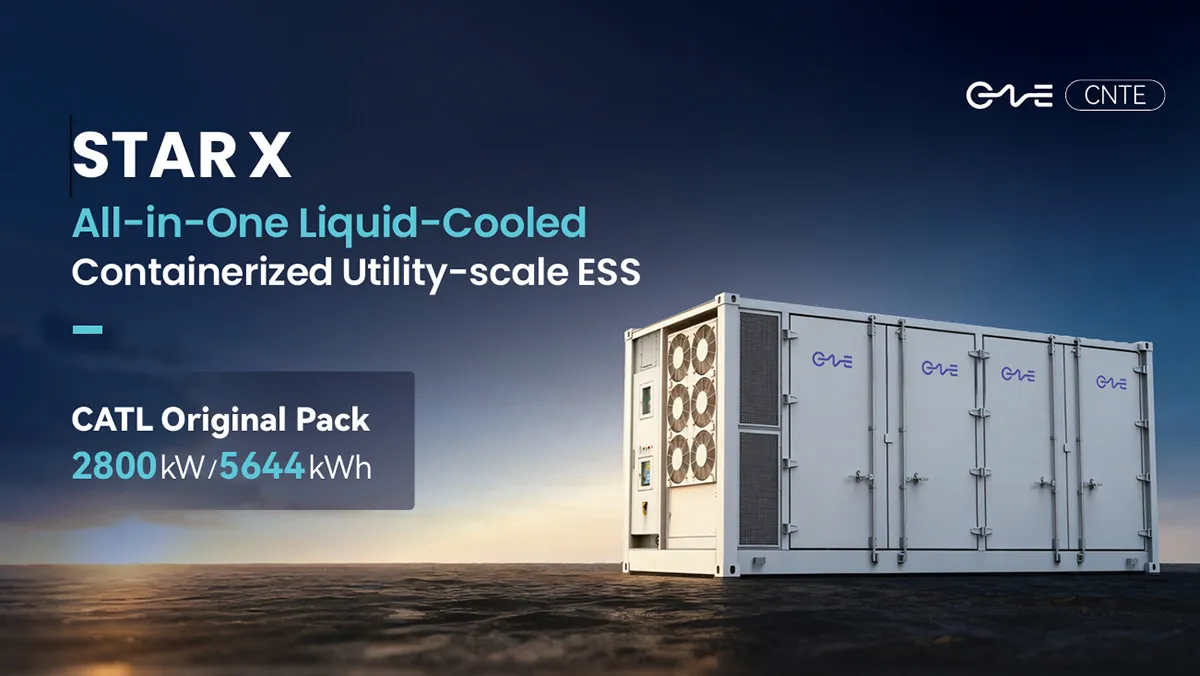
CNTE Launches STAR X Liquid-Cooled DC/AC Integrated Energy Storage System at Intersolar Europe 2026
Jul 06, 2026 -
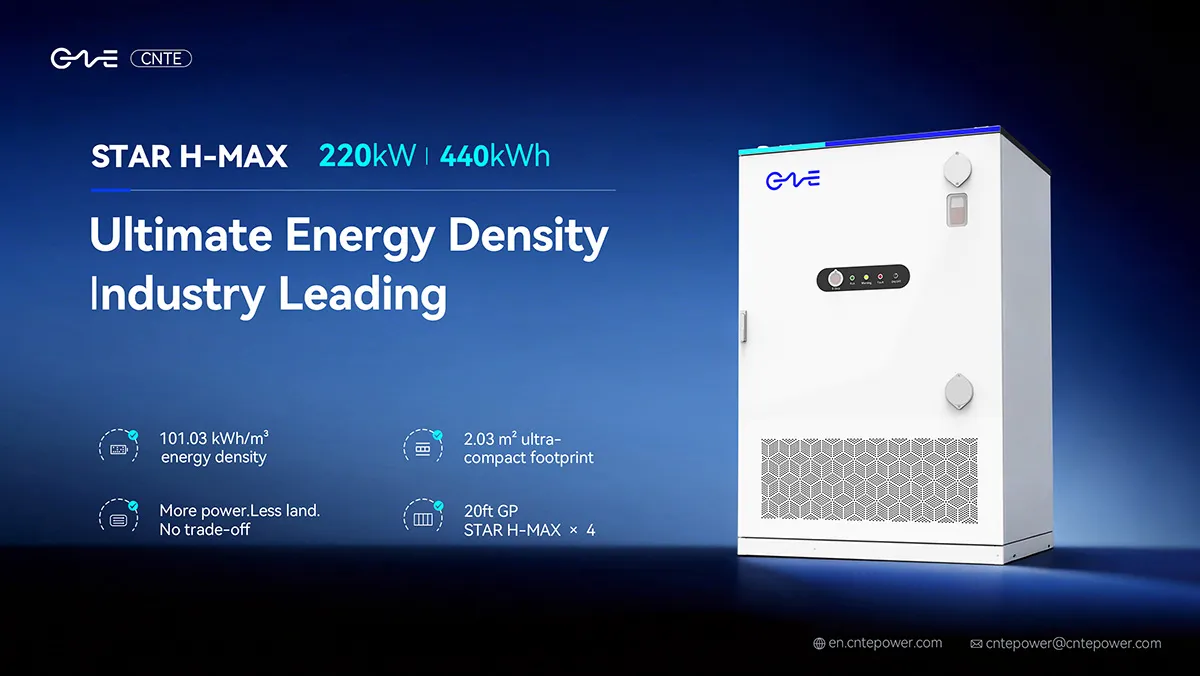
CNTE Unveils New STAR H-MAX Liquid-Cooled C&I ESS at Intersolar Europe 2026
Jun 23, 2026 -
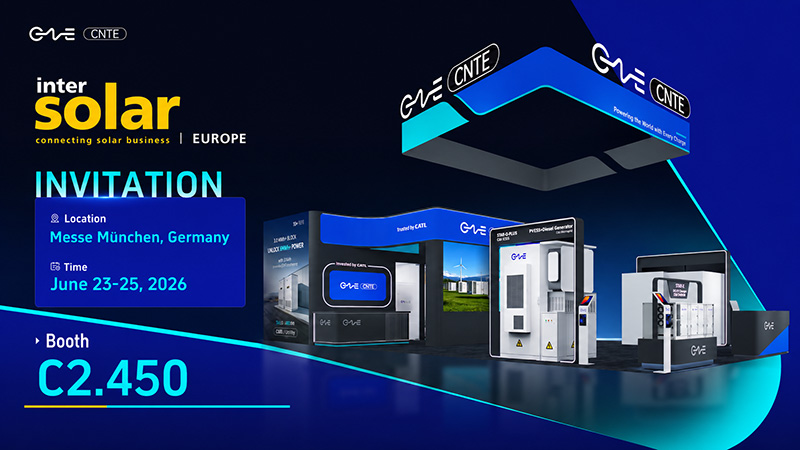
CNTE to Participate in Intersolar Europe 2026
May 20, 2026 -
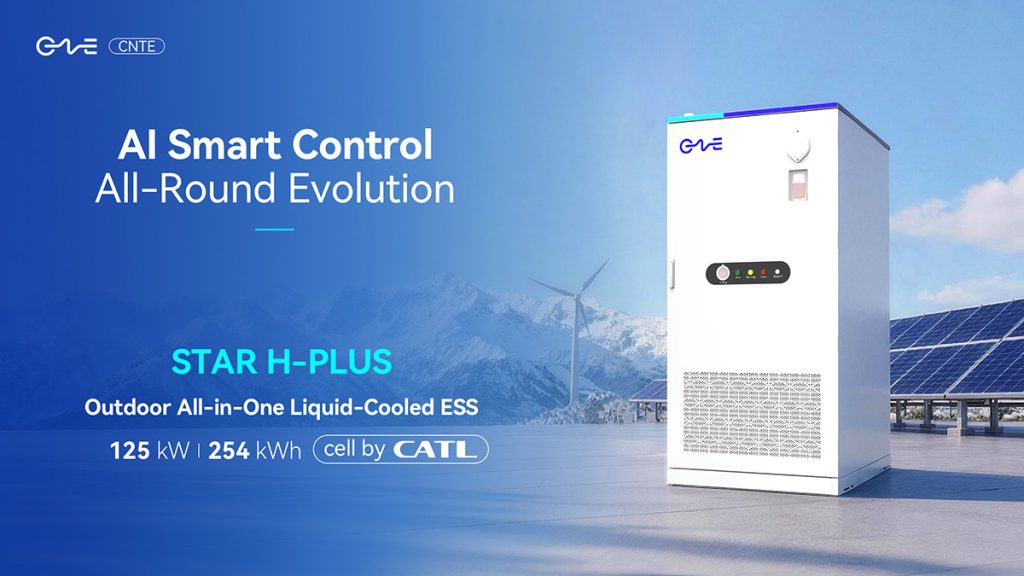
CNTE at KEY ENERGY 2026: Showcases STAR H-PLUS Outdoor Liquid-Cooled Energy Storage System
Mar 05, 2026 -

CNTE Honored as 2025 Forbes China Leading Global Brand
Jul 06, 2026 -
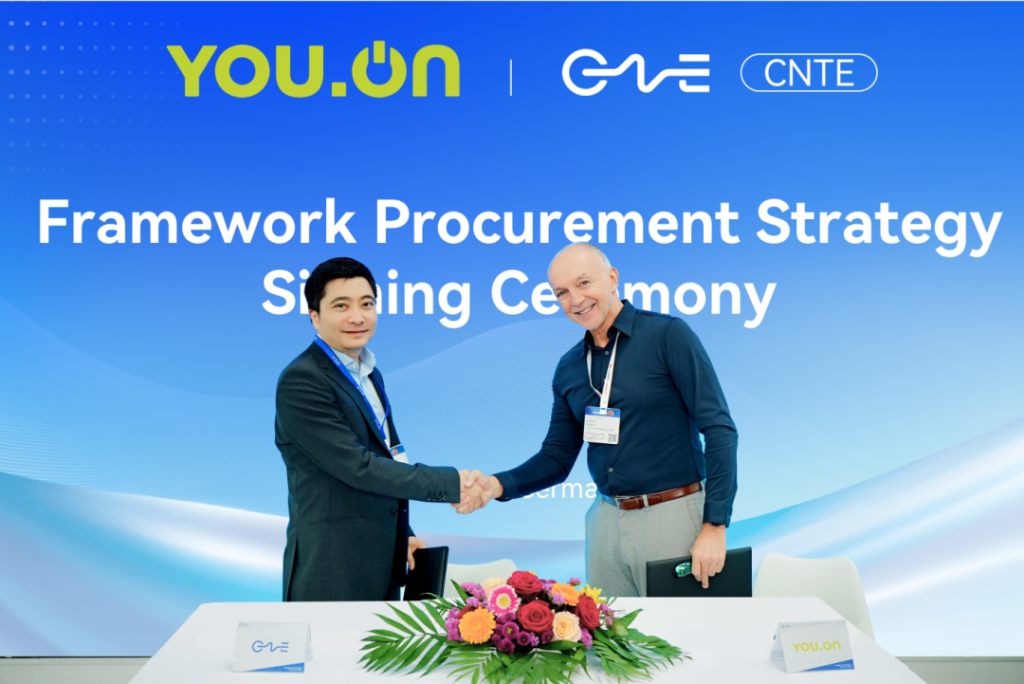
CNTE & YOU.ON Partner to Expand Storage Markets
May 19, 2025 -

CNTE Unveils Energy Storage Lineup at Solartech 2025
May 19, 2025 -
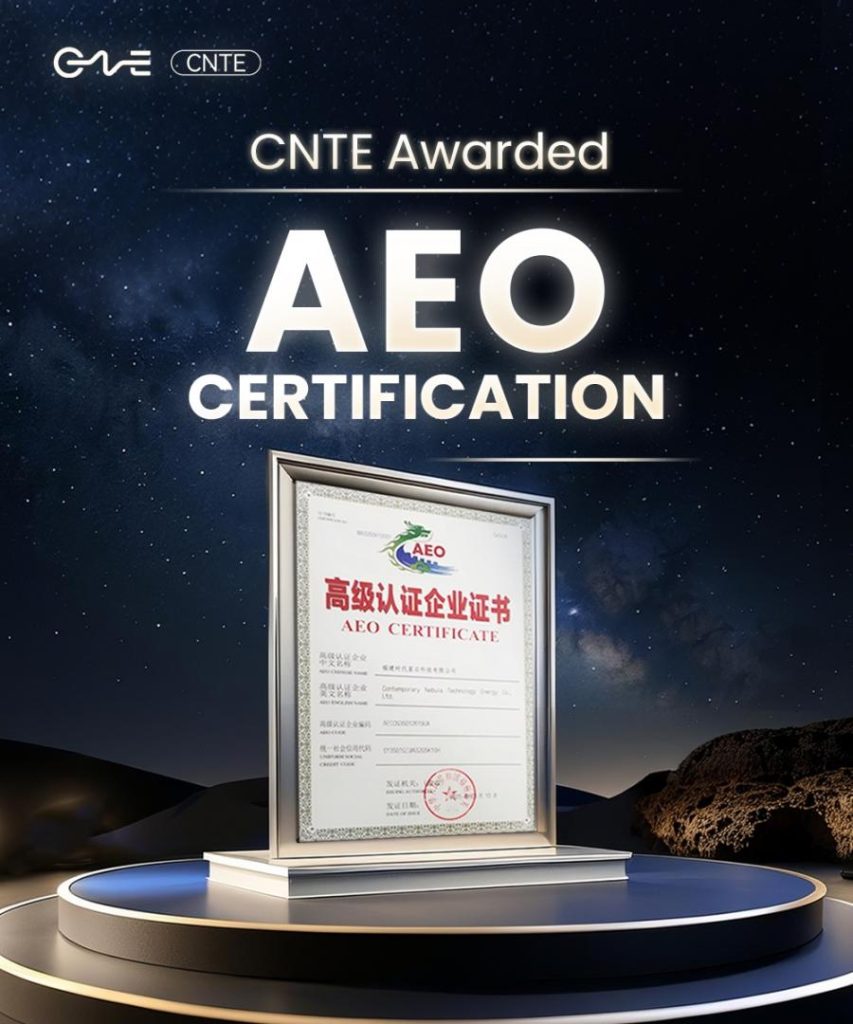
CNTE awarded AEO certification
Jul 06, 2026 -
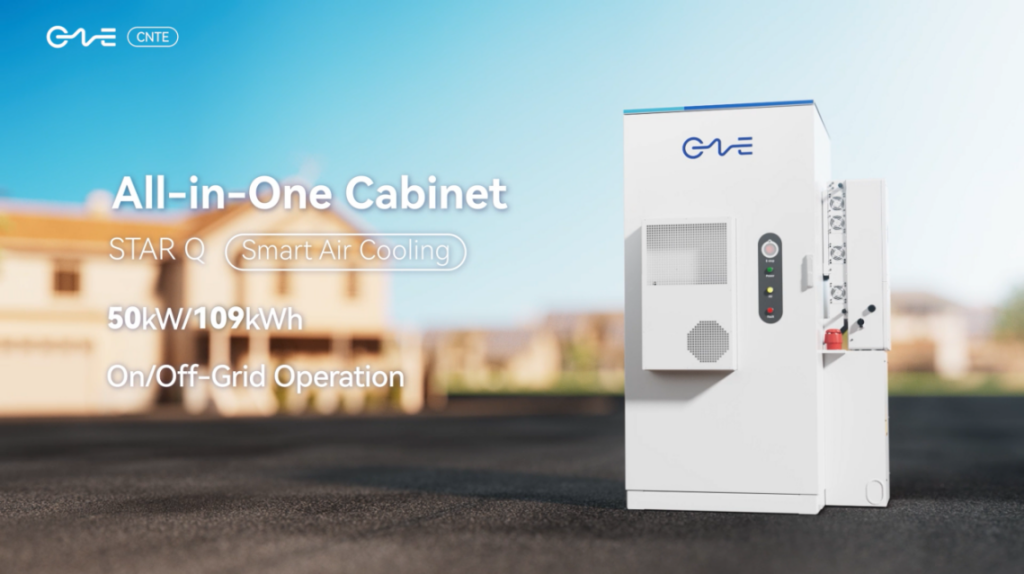
CNTE New Product Launch STAR Q
Jan 15, 2025 -
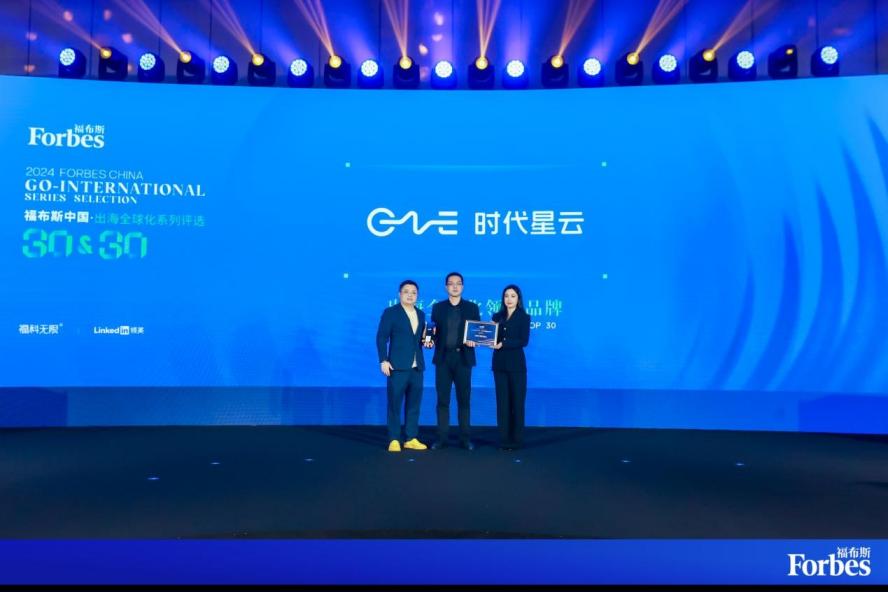
CNTE Named to Forbes China 2024 Top 30 Go-International Brands
Jul 06, 2026
