
How Solar Solutions Batteries Manage Peak Demand and Improve Grid Resilience
Commercial and industrial enterprises face ongoing challenges in managing rising electricity tariffs, peak demand charges, and localized grid instability. To address these issues, many facilities deploy on-site photovoltaic generation. However, the intermittent nature of solar energy means that solar generation rarely aligns perfectly with a facility’s load profile. To resolve this mismatch, integrating solar solutions batteries has become a standard approach for modern energy architecture, enabling businesses to store surplus power and stabilize their electrical infrastructure.
By implementing a well-engineered energy storage system, enterprises can transition from passive consumers to active participants in energy management. Contemporary Nebula Technology Energy Co., Ltd. (CNTE) develops integrated energy storage hardware designed to meet these complex operational demands. Understanding the electrochemical, engineering, and financial dynamics of these systems is the first step toward long-term energy self-sufficiency.
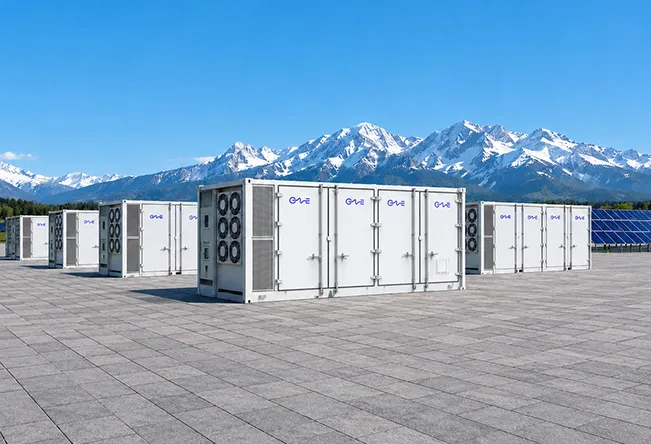
The Engineering Architecture of Industrial Storage Systems
A commercial-grade storage system is far more than a simple collection of battery cells. It is a highly integrated, multi-layered system designed to manage high voltages and currents safely and efficiently. The performance of these installations relies heavily on the synergy between chemistry selection, hardware integration, and software control layers.
Electrochemical Chemistry Selection
Modern industrial energy storage systems rely predominantly on Lithium Iron Phosphate (LFP) chemistry. LFP has become the industry standard for stationary storage due to several distinct advantages over Nickel Manganese Cobalt (NMC) formulations:
Thermal Stability: LFP cells exhibit a higher thermal runaway threshold (approximately 270°C compared to NMC’s 210°C), significantly reducing fire hazards in dense industrial areas.
Cycle Durability: Standard LFP cells offer a operational lifespan of 6,000 to 8,000 cycles at an 80% Depth of Discharge (DOD), translating to over 15 years of daily cycling.
Environmental Profile: LFP chemistry avoids the use of cobalt and nickel, simplifying the supply chain and reducing environmental concerns during decommissioning and recycling.
The Battery Management System (BMS)
The BMS operates as the primary safeguard of the battery pack, monitoring physical parameters at the individual cell, module, and rack levels. A high-performance BMS performs three main tasks: active balancing, state estimation, and safety isolation. Active balancing redistributes charge between cells to maximize usable capacity, while complex algorithms estimate the State of Charge (SOC) and State of Health (SOH). If voltage, current, or temperature thresholds are breached, the BMS triggers contactors to isolate the affected rack, preventing localized issues from spreading.
Power Conversion and Energy Management Integration
The Power Conversion System (PCS) handles bi-directional AC/DC conversion. During solar generation periods, the PCS converts excess AC power from the PV inverters into DC power to charge the batteries. When the facility requires support, the process is reversed. Working in tandem with the PCS is the Energy Management System (EMS), an intelligent software layer that monitors grid tariffs, weather forecasts, and historical load data to determine when to charge or discharge the system for maximum financial benefit.
Commercial Application Challenges and Solar Solutions Batteries
Industrial facilities encounter distinct operational challenges that directly impact their utility expenses and operational stability. Implementing solar solutions batteries allows operations managers to address these issues directly at the point of common coupling (PCC).
High demand charges represent a significant portion of a commercial facility’s monthly utility bill. Utilities charge these fees based on the highest average power consumption recorded during a short interval, typically 15 minutes, within the billing cycle. Even if a factory operates efficiently for most of the month, a single machinery startup sequence during peak hours can inflate costs. Utilizing solar solutions batteries to buffer peak energy demand—a strategy known as peak shaving—allows facilities to draw from stored energy instead of the utility grid, maintaining a flat demand profile.
Power quality is another major concern for facilities with sensitive machinery. Voltage sags, swells, and momentary interruptions can disrupt automated production lines, leading to scrapped materials and idle labor. Modern energy storage systems function as dynamic stabilizers, supplying reactive power support and active filtering. By responding to frequency variations within milliseconds, these systems shield internal distribution networks from external grid disturbances.
Application Scenarios for Solar Solutions Batteries
The operational profile of an energy storage system varies depending on its specific application scenario. Different industries deploy these systems to achieve varied operational outcomes.
Commercial and Industrial (C&I) Microgrids
For manufacturing plants, data centers, and agricultural facilities, microgrids offer a path toward energy independence. By combining rooftop PV arrays with solar solutions batteries and backup diesel generators, a facility can operate in islanded mode during prolonged grid outages. The EMS coordinates these resources, running the generator only when solar output is low and the battery is depleted, which significantly reduces fuel consumption and maintenance overhead.
Solar-Storage-Charging Infrastructure
The rapid adoption of electric vehicle (EV) fleets has placed a heavy burden on existing distribution transformers. When multiple high-power DC fast chargers operate simultaneously, they create severe load spikes. Integrating storage systems with EV charging plazas allows the station to buffer the grid. The batteries charge slowly during low-demand periods and discharge rapidly into vehicles during charging sessions, avoiding the need for expensive utility substation upgrades.
Remote and Off-Grid Industrial Operations
In remote areas such as mining sites or telecommunications hubs, grid connection is often unavailable or cost-prohibitive. Historically, these sites relied entirely on diesel generators, which incurred high fuel transport and maintenance costs. Integrating solar solutions batteries with localized PV arrays provides a stabilizing mechanism that allows generators to run at their peak efficiency points or shut down entirely during daylight hours.
Sizing and Selecting Your Solar Solutions Batteries
Sizing a commercial energy storage system requires a detailed engineering analysis of the facility’s historical load data, typically using 15-minute interval data collected over a full year. Oversizing a system leads to underutilized capital, while undersizing prevents the system from effectively managing peak loads.
The primary design parameter is the energy-to-power (E/P) ratio. A system designed for peak shaving usually requires a higher power capacity relative to its energy capacity (e.g., a 500 kW / 1,000 kWh system, representing a 2-hour duration or 0.5C rate). Conversely, a system aimed at maximizing solar self-consumption or providing long-duration backup power requires a larger energy reservoir (e.g., a 250 kW / 1,000 kWh system, representing a 4-hour duration or 0.25C rate). When evaluating solar solutions batteries, design engineers must calculate these variables alongside seasonal solar irradiance fluctuations to ensure reliable performance year-round.
Thermal management is another key engineering consideration. Battery cells operate most efficiently within a narrow temperature range (typically 15°C to 35°C). Operating outside this range accelerates degradation and reduces the system’s overall round-trip efficiency (RTE). Standard systems use either forced-air cooling or liquid-cooling designs. Liquid cooling is increasingly preferred for utility-scale and high-power C&I applications because it maintains uniform temperatures across all cells, extending the operating life of the battery racks.
Evaluating Economic Viability and Levelized Cost of Storage
To justify the capital expenditure of a storage installation, financial officers must look beyond initial procurement costs and evaluate the Levelized Cost of Storage (LCOS). This metric represents the total cost of operating the system over its planned lifespan, divided by the cumulative energy delivered.
LCOS calculations must account for several operational factors:
System Efficiency: AC-to-AC round-trip efficiency, which accounts for losses in the PCS, BMS, and thermal management systems, typically ranges from 85% to 90% for modern LFP configurations.
Capacity Degradation: All batteries experience capacity fade over time due to chemical aging and cycling. Financial models must factor in a predictable degradation curve, typically planning for augmentation (adding cells) or full replacement once the capacity drops below 70% to 80% of its initial rating.
Operation and Maintenance (O&M): Annual maintenance involves checking electrical connections, testing fire suppression systems, updating EMS software, and cleaning HVAC or liquid-cooling loops.
By offsetting peak demand charges, capturing arbitrage opportunities (charging when rates are low and discharging when high), and participating in utility demand response programs, commercial operators can generate a predictable return on investment, often achieving payback within five to eight years depending on local utility tariffs and incentive structures.
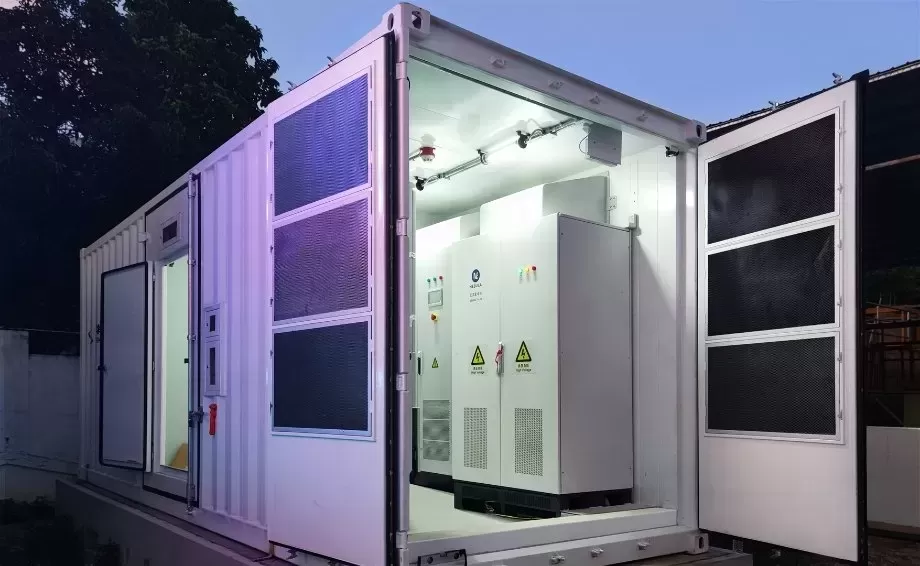
Engineering Integration by CNTE
CNTE (Contemporary Nebula Technology Energy Co., Ltd.) focuses on developing robust energy storage hardware that balances reliability with performance. Recognizing that every commercial facility has unique load characteristics, the company designs flexible, scalable systems that can be tailored to specific operational requirements.
By incorporating advanced liquid-cooling designs, intelligent BMS monitoring, and multi-layered safety mechanisms, CNTE develops solar solutions batteries capable of operating in demanding industrial environments. These systems are engineered to integrate smoothly with existing PV setups and local distribution networks, helping C&I operators manage energy costs, improve power quality, and maintain operational continuity.
Frequently Asked Questions
Q1: What are the main benefits of LFP chemistry in solar solutions batteries?
A1: Lithium Iron Phosphate (LFP) chemistry is preferred for commercial applications because of its excellent safety profile, high thermal runaway limit, and long cycle life, which often exceeds 6,000 cycles. It also avoids the use of cobalt and nickel, making it a more environmentally sustainable option.
Q2: How does a battery management system (BMS) protect commercial energy storage assets?
A2: The BMS continuously monitors parameters such as cell voltage, current, and temperature. If it detects anomalies like overcharging, deep discharging, or localized overheating, it automatically balances the cells or isolates the affected module to protect the system and maintain operational safety.
Q3: What is the typical lifespan of a commercial battery storage installation?
A3: Most commercial LFP storage installations are designed to operate for 10 to 15 years, depending on cycling frequency and environmental conditions. Proper thermal management and controlled depth of discharge can help maximize the system's operational lifespan.
Q4: How does liquid cooling compare to air cooling in commercial battery enclosures?
A4: Liquid cooling provides superior thermal uniformity, keeping temperature differences between cells within a narrower margin than air cooling. This reduces localized cell stress, improves round-trip efficiency, and extends the operational life of the battery cells.
Q5: Can these systems operate completely off-grid during extended utility outages?
A5: Yes, when equipped with grid-forming inverters, these systems can run in islanded mode during grid outages. They coordinate with local solar arrays and backup generators to maintain continuous power to the facility's critical loads.
Consult with an Energy Specialist
Selecting the right battery system requires a detailed evaluation of your facility's historical load curves, physical space constraints, and local utility regulations. Our application engineering team can assist you with system sizing, LCOS modeling, and integration planning. To explore how our storage systems can support your operational objectives, please submit an inquiry with your energy profile, and a representative will contact you with a preliminary system analysis.
Get in Touch
Recent Posts
-
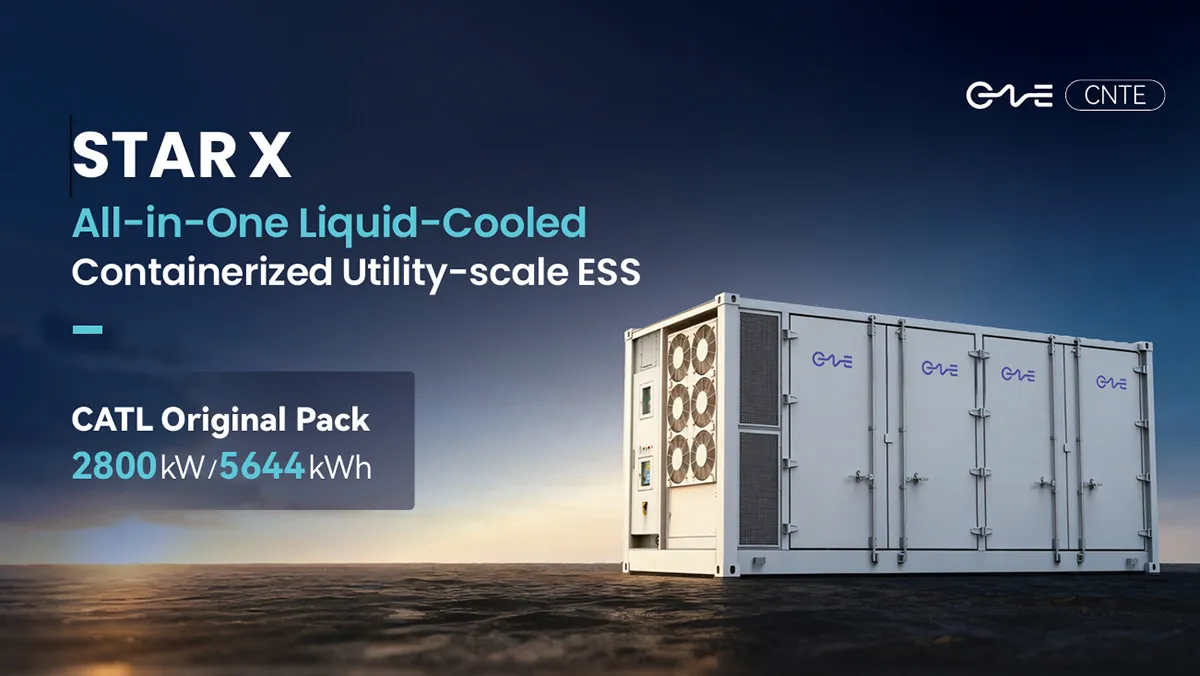
CNTE Launches STAR X Liquid-Cooled DC/AC Integrated Energy Storage System at Intersolar Europe 2026
Jul 06, 2026 -
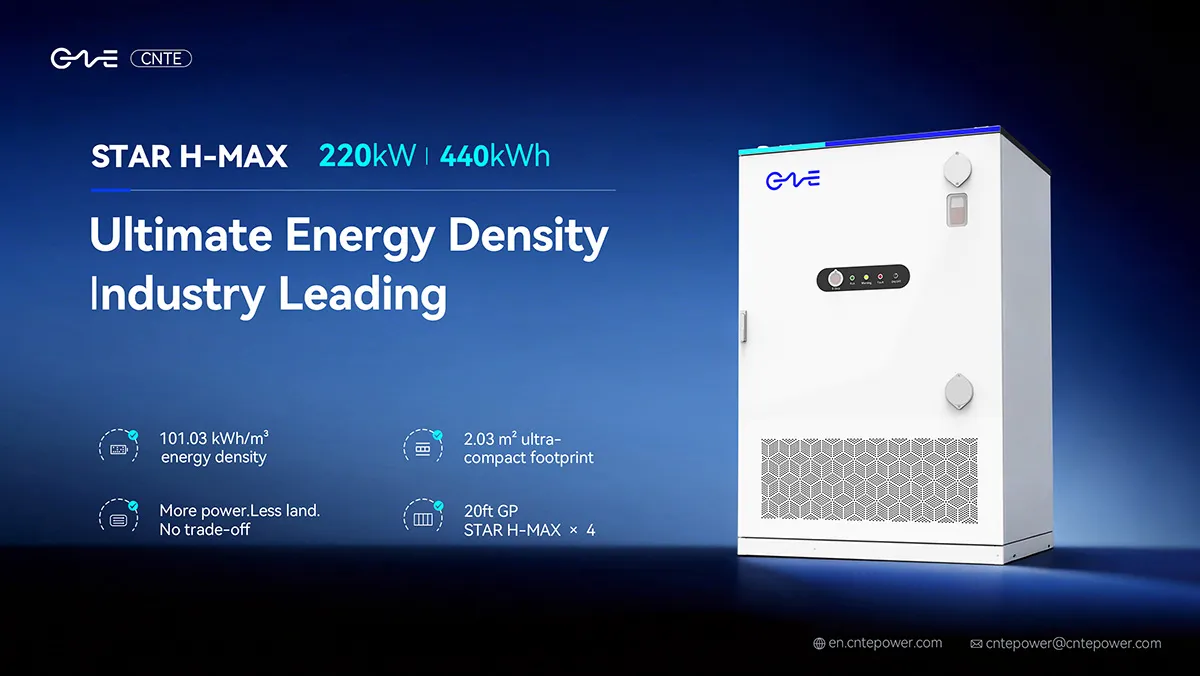
CNTE Unveils New STAR H-MAX Liquid-Cooled C&I ESS at Intersolar Europe 2026
Jun 23, 2026 -
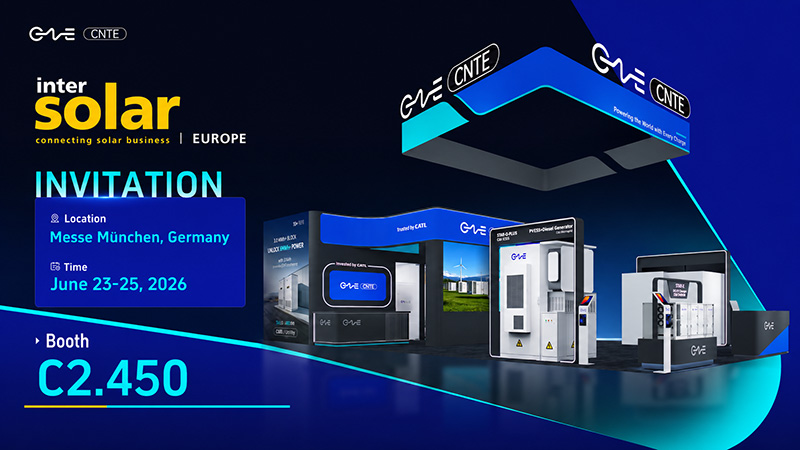
CNTE to Participate in Intersolar Europe 2026
May 20, 2026 -
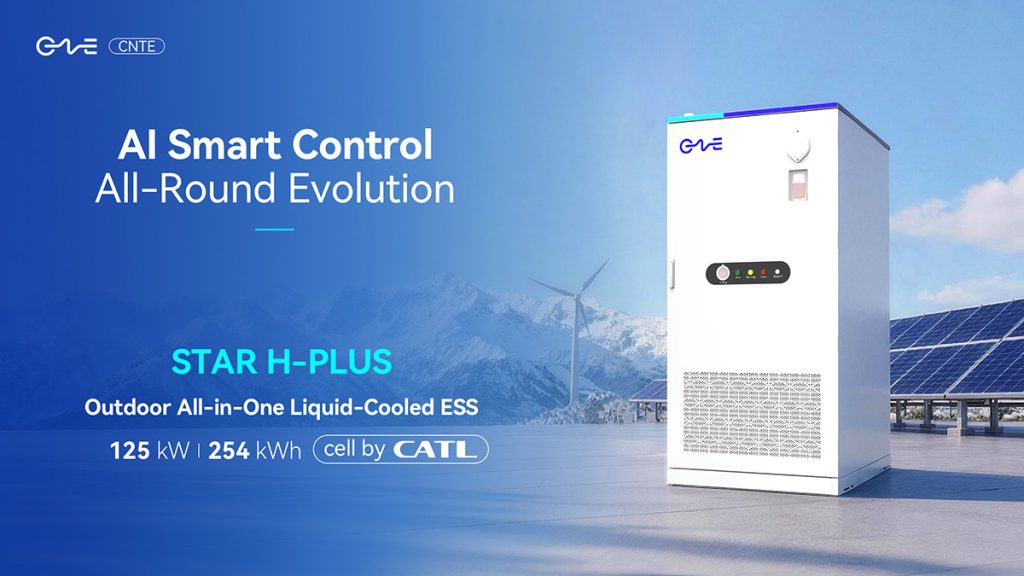
CNTE at KEY ENERGY 2026: Showcases STAR H-PLUS Outdoor Liquid-Cooled Energy Storage System
Mar 05, 2026 -

CNTE Honored as 2025 Forbes China Leading Global Brand
Jul 06, 2026 -

CNTE & YOU.ON Partner to Expand Storage Markets
May 19, 2025 -
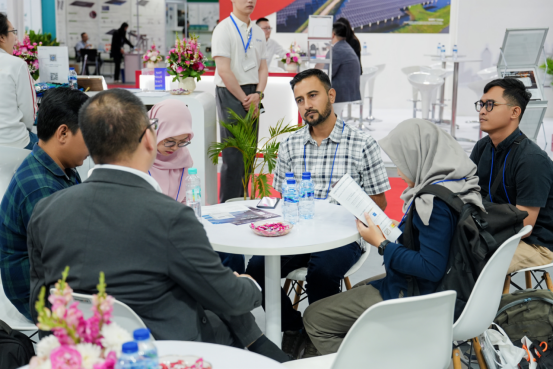
CNTE Unveils Energy Storage Lineup at Solartech 2025
May 19, 2025 -
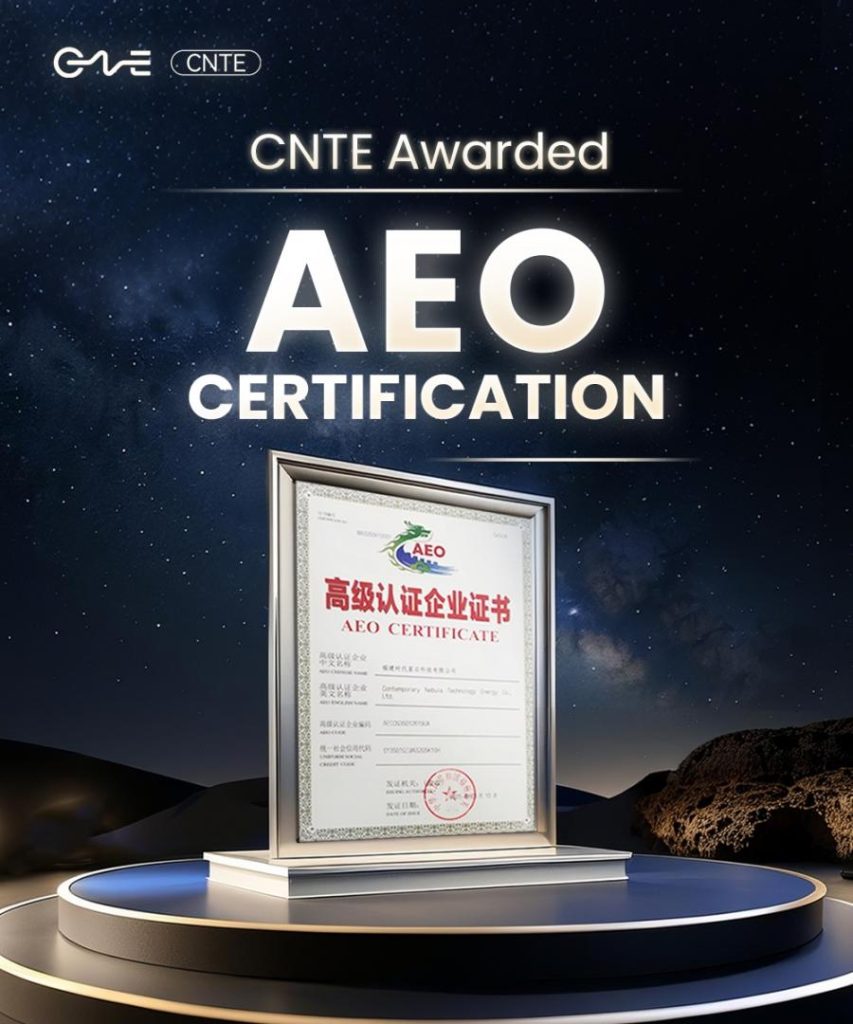
CNTE awarded AEO certification
Jul 06, 2026 -
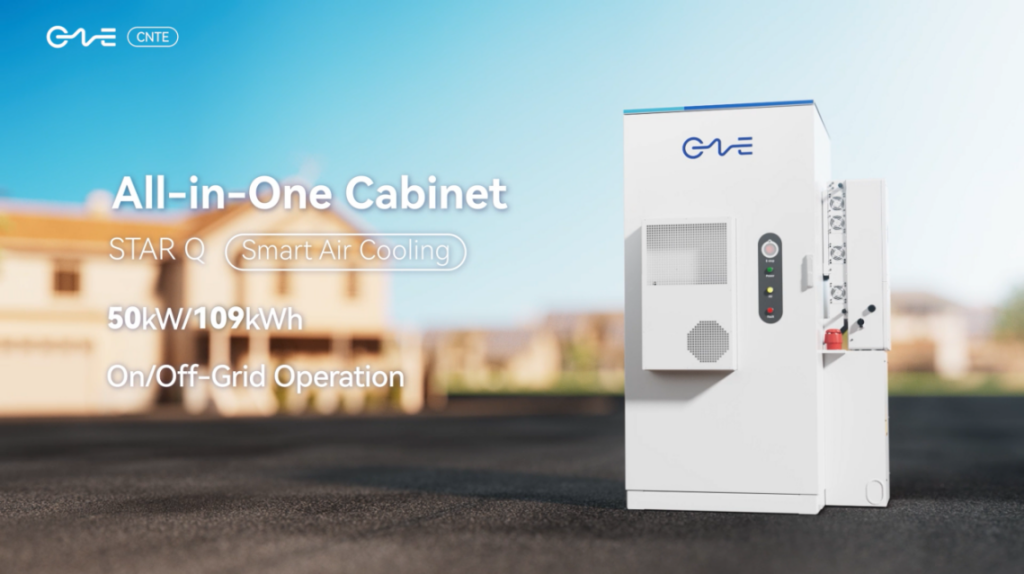
CNTE New Product Launch STAR Q
Jan 15, 2025 -
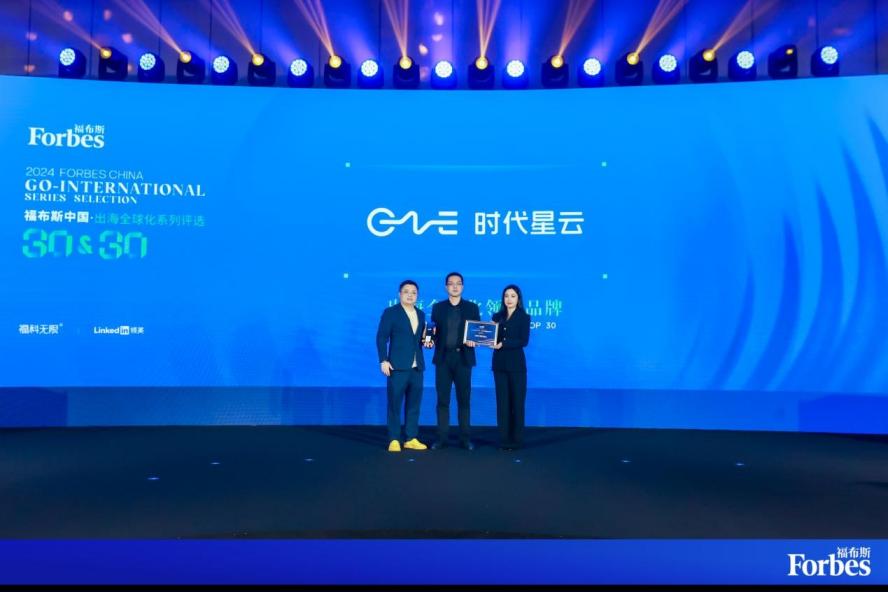
CNTE Named to Forbes China 2024 Top 30 Go-International Brands
Jul 06, 2026
