
Integrating the CATL Na Ion Battery for All-Scenario Energy Storage
Within the stationary energy storage sector, Lithium Iron Phosphate (LFP) has long served as the dominant electrochemical baseline. However, as global smart grid deployments scale into the gigawatt-hour range, systemic vulnerabilities within the lithium supply chain and severe operational limitations in freezing environments have surfaced. Driving the next evolution in grid-level storage is the commercialization of the CATL na ion battery. Utilizing abundant sodium elements rather than geologically constrained lithium, this technology structurally lowers the Levelized Cost of Storage (LCOS). Yet, deploying advanced cell chemistry requires more than simply swapping battery modules. Transforming raw sodium-ion cells into a reliable, grid-tied Energy Storage System (ESS) demands a complete overhaul of traditional electrical architecture, thermal management protocols, and control software. This technical analysis explores the engineering realities of integrating Na-ion technology across utility, commercial, and extreme-climate scenarios.
Electrochemistry and Performance Metrics of Na-Ion Cells
For system integrators and power engineers, evaluating the commercial viability of a new battery chemistry requires a strict analysis of its thermal resilience, energy density, and kinetic capabilities.
The first-generation CATL na ion battery utilizes a hard carbon anode structure combined with a Prussian white framework cathode. This specific molecular engineering allows the physically larger sodium ions to intercalate efficiently during charge and discharge cycles. The resulting cell achieves an energy density approaching 160 Wh/kg. While electric vehicle (EV) manufacturers may prioritize the absolute highest density available through Nickel Manganese Cobalt (NMC) cells, 160 Wh/kg is perfectly aligned with the mass-to-volume requirements of stationary Utility ESS, where spatial footprint is a secondary concern to raw material cost and safety.
The paramount engineering advantage of the Na-ion cell is its extreme thermal resilience. Standard LFP batteries experience severe internal resistance spikes and risk destructive lithium plating when charged below 0°C (32°F). To combat this, integrators must install high-draw HVAC systems inside battery containers, creating a massive parasitic load that drains system efficiency. The hard carbon architecture of the Na-ion cell allows it to retain over 90% of its nominal discharge capacity at -20°C (-4°F). For Alpine microgrids or Arctic research stations, this eliminates the need for aggressive active heating, drastically improving the overall round-trip efficiency (RTE) of the storage asset.
Furthermore, Na-ion electrochemistry supports incredibly fast charge kinetics. At room temperature, these cells can reach 80% State of Charge (SOC) in approximately 15 minutes. This high C-rate capability is highly desirable for applications requiring rapid power bursts, such as dynamic grid frequency regulation or absorbing sudden generation spikes from intermittent wind and solar farms.
Overcoming the Integrator’s Challenge: BMS and Voltage Dynamics
The assumption that sodium-ion cells can act as a drop-in replacement for existing lithium-ion infrastructure is fundamentally incorrect. The integration of a CATL na ion battery requires a completely redesigned control topology.
The Linear Voltage Discharge Curve
LFP cells possess a highly flat voltage discharge plateau, meaning the voltage remains relatively constant for the majority of the discharge cycle before dropping off sharply at the end. In contrast, Na-ion cells exhibit a sloped, linear voltage discharge curve. As the battery depletes, the voltage drops steadily and predictably.
BMS Calibration and Algorithm Overhaul
This linear curve fundamentally changes how the Battery Management System (BMS) operates. A legacy BMS calibrated for LFP will fail entirely if connected to a Na-ion pack, resulting in severe SOC and State of Health (SOH) miscalculations. Integrators like CNTE (Contemporary Nebula Technology Energy Co., Ltd.) must develop entirely new, highly sophisticated BMS algorithms. The linear voltage curve actually works to the engineer's advantage, as it allows the BMS to calculate the exact remaining capacity much more accurately than it could with LFP, enabling highly precise energy dispatching for the Energy Management System (EMS).
Deploying Na-Ion Across All-Scenario Energy Networks
The unique physical properties of natrium-based chemistry allow specialized integrators to deploy these assets across diverse, high-demand market verticals.
Utility-Scale Storage (Utility ESS)
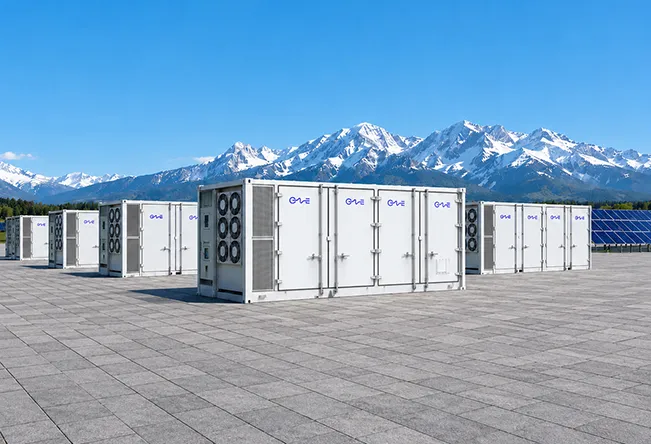
For massive megawatt-hour (MWh) projects, capital expenditure (CAPEX) dictates project feasibility. The raw material cost of sodium is a fraction of the cost of lithium. By integrating Na-ion technology, utility providers can deploy sprawling containerized battery farms at a significantly lower initial investment, preventing grid curtailment and stabilizing regional power distribution.
Commercial & Industrial Storage (C&I ESS)
Manufacturing facilities and data centers require immediate backup power and daily peak shaving to avoid exorbitant utility demand charges. Na-ion cells exhibit exceptional thermal stability and are highly resistant to thermal runaway. This non-flammable characteristic makes them incredibly safe for deployment in C&I cabinets located near densely populated factory floors or within commercial building basements.
Smart BESS EV Charging Stations
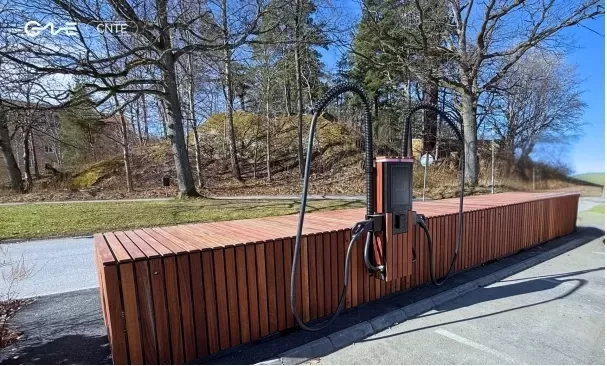
As the demand for ultra-fast DC EV charging surges, local power grids are often unable to supply the required instantaneous load. Integrating a Na-ion ESS alongside the charging station creates a high-power buffer. The battery absorbs energy slowly from the grid during off-peak hours and discharges it massively into the electric vehicle upon demand. The fast-charging kinetics and cold-weather reliability of Na-ion cells ensure these stations remain fully operational even during harsh winter conditions.
Frequently Asked Questions (FAQ)
Q1: Can Na-ion batteries be safely discharged to zero
volts?
A1: Yes. A critical advantage of Na-ion
chemistry is that the cells do not suffer from copper dissolution at zero volts.
Unlike lithium-ion batteries, Na-ion modules can be discharged entirely to 0V
for completely safe, short-circuit-proof international transportation without
degrading the internal cell structure.
Q2: Does Na-ion technology require specialized Power Conversion
Systems (PCS)?
A2: Na-ion cells typically operate
across a wider voltage window than standard LFP cells. While existing Power
Conversion Systems (PCS) hardware can often be utilized, the system integrator
must heavily reprogram the DC-thresholds and control software to ensure maximum
energy extraction without clipping the inverter.
Q3: How does the cycle life of utility-scale Na-ion packs compare to
lithium?
A3: Early commercial generations of Na-ion
cells achieve between 3,000 and 4,000 cycles. While currently lower than the
6,000+ cycles achievable with top-tier LFP cells, the significantly lower
initial CAPEX and operational savings from reduced thermal management often
result in a superior LCOS for specific grid applications.
Q4: What is the "AB Battery System Integration"
concept?
A4: To balance energy density with extreme
cold-weather performance, CATL developed a hybrid pack design that mixes both
sodium-ion and lithium-ion cells within the same physical enclosure. Managing
the energy dispatch from two chemically distinct cells on the same DC bus
requires top-tier, proprietary BMS and EMS software engineering.
Q5: Are Na-ion energy storage systems environmentally
friendly?
A5: Yes. Sodium is the sixth most
abundant element on Earth and is easily extracted from seawater, eliminating the
environmentally damaging mining processes and geopolitical supply chain
bottlenecks associated with lithium, cobalt, and nickel extraction.
Next-Generation Storage Architecture with CNTE
Capitalizing on the economic predictability and extreme operational safety of sodium-based chemistry requires an integration partner capable of bridging advanced cell technology with robust grid architecture. CNTE (Contemporary Nebula Technology Energy Co., Ltd.) delivers comprehensive all-scenario energy storage solutions engineered for maximum reliability. From proprietary BMS algorithms calibrated specifically for the CATL na ion battery to extreme-weather C&I containment structures, our R&D teams ensure your next project achieves exceptional operational efficiency. Contact our energy solutions desk today to request detailed technical data sheets, system sizing analysis, and specific LCOS modeling for your upcoming renewable infrastructure projects.
Get in Touch
Recent Posts
-
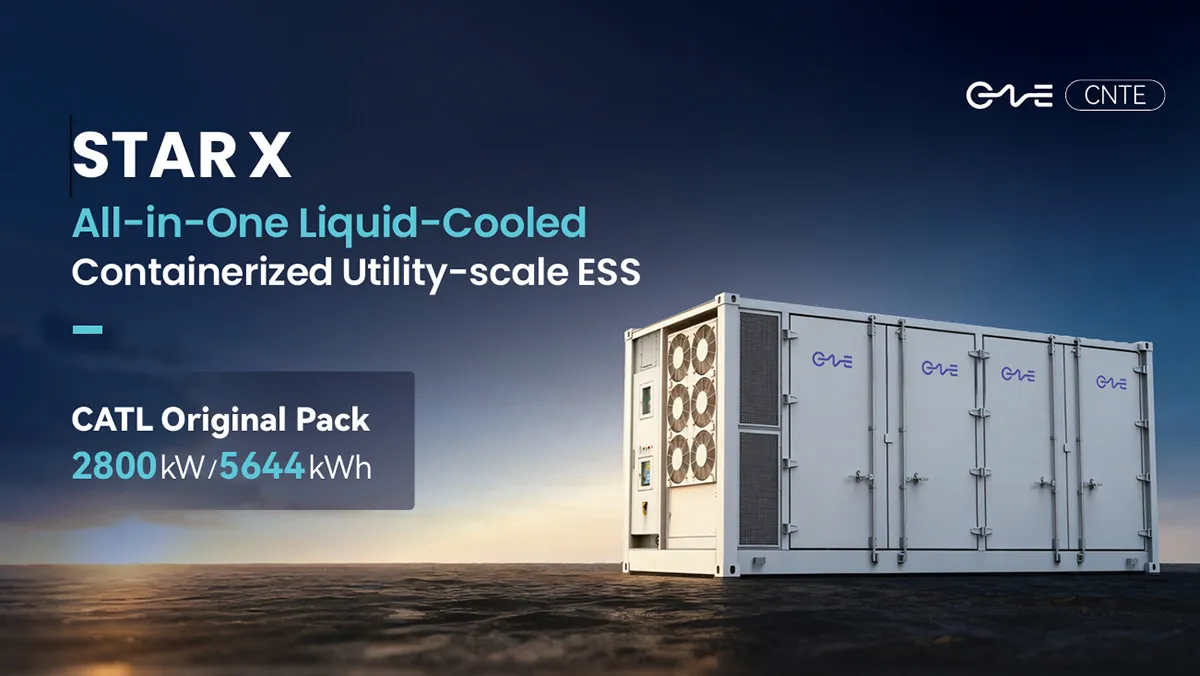
CNTE Launches STAR X Liquid-Cooled DC/AC Integrated Energy Storage System at Intersolar Europe 2026
Jul 06, 2026 -
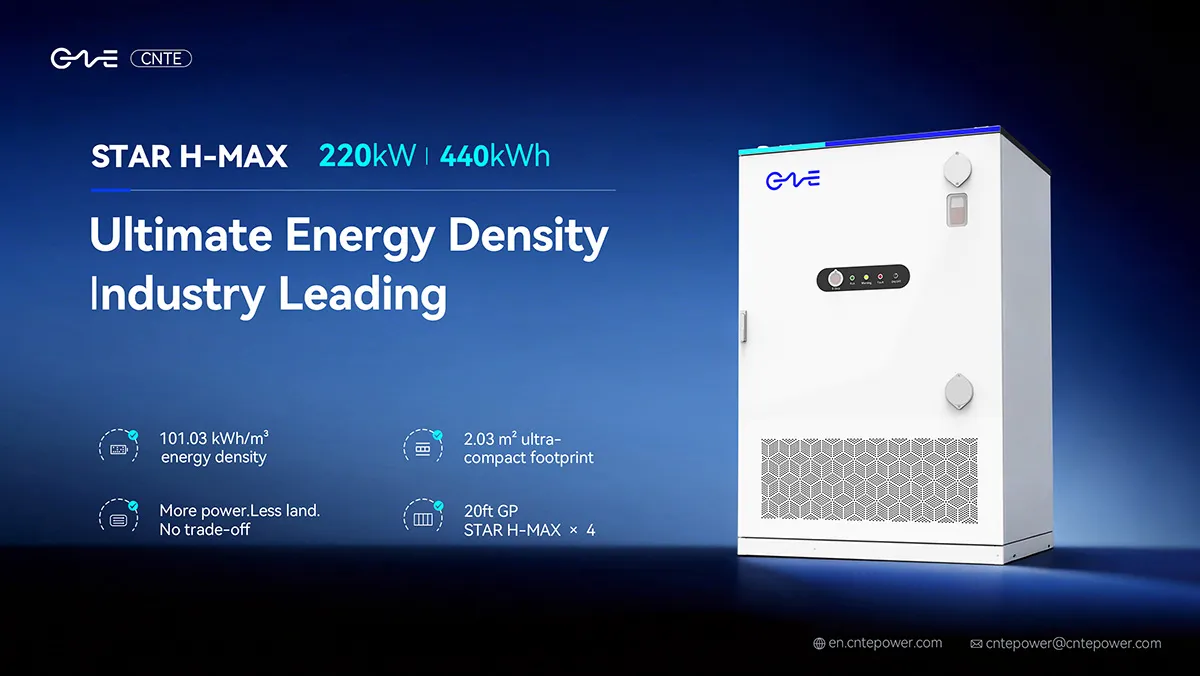
CNTE Unveils New STAR H-MAX Liquid-Cooled C&I ESS at Intersolar Europe 2026
Jun 23, 2026 -
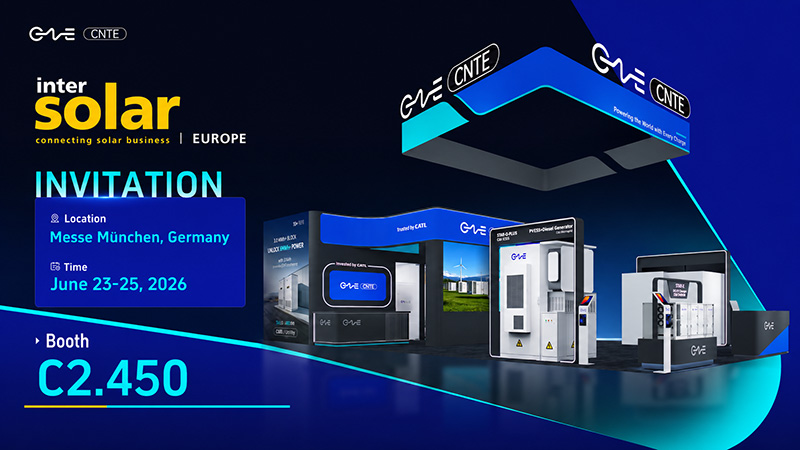
CNTE to Participate in Intersolar Europe 2026
May 20, 2026 -
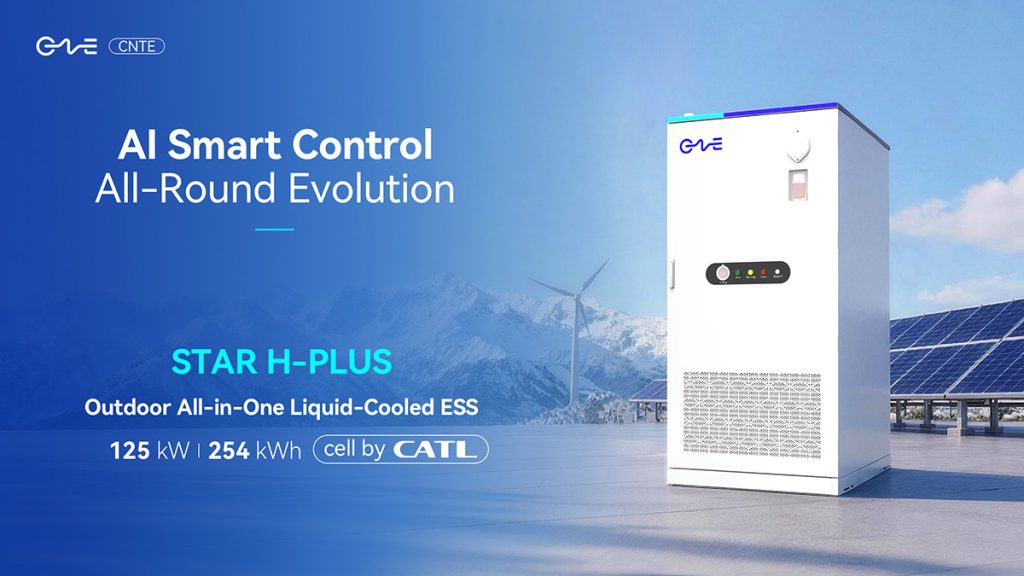
CNTE at KEY ENERGY 2026: Showcases STAR H-PLUS Outdoor Liquid-Cooled Energy Storage System
Mar 05, 2026 -

CNTE Honored as 2025 Forbes China Leading Global Brand
Jul 06, 2026 -

CNTE & YOU.ON Partner to Expand Storage Markets
May 19, 2025 -

CNTE Unveils Energy Storage Lineup at Solartech 2025
May 19, 2025 -
CNTE awarded AEO certification
Jul 06, 2026 -
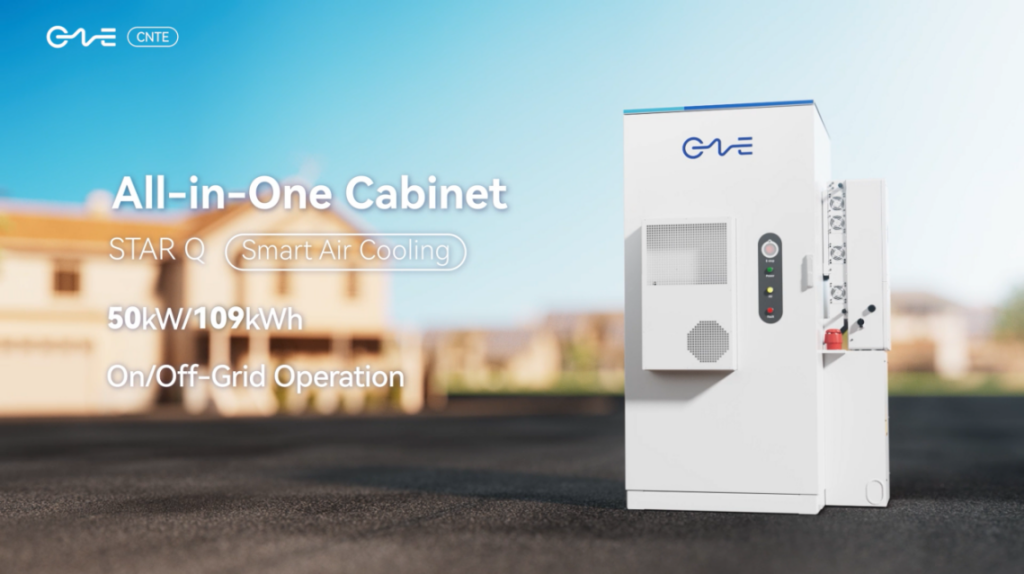
CNTE New Product Launch STAR Q
Jan 15, 2025 -
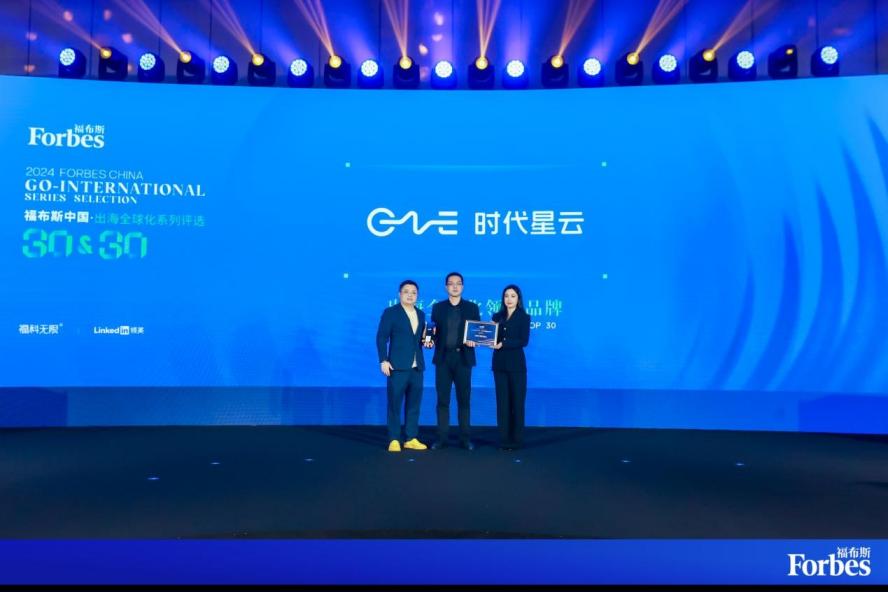
CNTE Named to Forbes China 2024 Top 30 Go-International Brands
Jul 06, 2026
