
CATL Natrium Ion Battery: Accelerating All-Scenario Energy Storage Integration
For more than a decade, Lithium Iron Phosphate (LFP) has served as the undisputed foundation of the stationary energy storage market. However, as global demand for renewable energy integration escalates, grid operators and facility managers are confronting the physical and economic limitations of lithium. Supply chain volatility, high raw material costs, and severe performance degradation in freezing climates have driven the industry to seek robust, scalable alternatives. Enter the CATL natrium ion battery (commonly referred to in international markets as the sodium-ion battery). Derived from highly abundant ocean salt, natrium-ion technology promises to reshape the Levelized Cost of Energy (LCOE) across the globe. However, bare electrochemical cells do not power a grid. Transitioning this next-generation chemistry into functional, bankable assets requires the specialized expertise of an all-scenario energy storage system (ESS) integrator.
Electrochemical Breakthroughs: What Makes Natrium-Ion Unique?
To understand the commercial value of the CATL natrium ion battery, procurement engineers must look at its fundamental electrochemistry. While sharing the "rocking-chair" working principle of lithium-ion—where ions shuttle between the cathode and anode during charge and discharge—natrium ions are physically larger than lithium ions. This previously presented structural challenges, which CATL resolved through advanced hard carbon anode materials and Prussian white framework cathodes.
The resulting first-generation commercial cells boast an energy density of up to 160 Wh/kg. While slightly lower than top-tier NMC lithium cells used in electric vehicles, this density is perfectly sufficient for stationary Utility ESS and C&I ESS deployments, where physical weight constraints are far less stringent. The true value proposition lies in its operational extremes.
Extreme Low-Temperature Resilience
LFP batteries experience severe capacity loss and internal resistance spikes at sub-zero temperatures, often requiring energy-intensive HVAC heating systems within the storage container to prevent lithium plating during charging. The natrium-ion chemistry excels in the cold, retaining over 90% of its nominal capacity at -20°C (-4°F). For Alpine microgrids or Arctic research stations, this eliminates heavy auxiliary power consumption, dramatically improving the overall round-trip efficiency (RTE) of the storage asset.
Rapid Charge Kinetics and Grid Frequency Regulation
Utility-scale storage must frequently respond to sudden grid anomalies. The CATL natrium ion battery exhibits exceptional fast-charging capabilities, reaching 80% State of Charge (SOC) in just 15 minutes at room temperature. This rapid kinetic response makes it an ideal medium for dynamic frequency regulation, peak shaving, and absorbing sudden spikes from intermittent wind and solar generation.
Comparative Analysis: Natrium-Ion vs. LFP in Stationary Storage
Evaluating capital expenditure (CAPEX) against operational reliability requires a direct comparison between emerging natrium technologies and established LFP systems.
Supply Chain and Cost Stability: Lithium is geographically concentrated and subject to extreme price volatility. Sodium is the sixth most abundant element on Earth, ensuring a highly localized, stable, and low-cost raw material supply chain. This translates to lower, predictable CAPEX for massive megawatt-hour (MWh) Utility ESS projects.
Safety and Transportation: Natrium-ion batteries demonstrate superior thermal stability. Crucially, they can be safely discharged to zero volts without damaging the internal cell structure. This allows modules to be shipped globally in a completely "dead" state, eliminating the thermal runaway risks associated with transporting charged lithium-ion batteries.
Voltage Discharge Profiles: LFP cells have a very flat discharge voltage plateau, making it difficult for standard Battery Management Systems (BMS) to estimate the exact remaining capacity. Natrium cells possess a sloped, linear discharge curve, allowing for highly accurate SOC calculations and more precise energy dispatching.
All-Scenario Deployment: From Utility Grids to Smart Charging Stations
The versatility of natrium-ion technology aligns perfectly with an all-scenario energy storage strategy. By pairing these cells with advanced thermal management and power conversion architecture, integrators can deploy them across multiple market verticals.
Utility-Scale Energy Storage Systems (Utility ESS)
Large-scale solar and wind farms require massive MWh containment to prevent grid curtailment. The low raw material cost and high safety profile of natrium-ion cells make them the premier choice for sprawling containerized battery farms, significantly reducing the initial capital investment required for utility providers to achieve net-zero targets.
Commercial & Industrial Storage (C&I ESS)
Manufacturing facilities face steep demand charges during peak operational hours. The fast-charging capability of natrium-ion allows C&I cabinets to recharge rapidly during off-peak windows and discharge instantaneously to shave power spikes. Furthermore, their high thermal stability makes them exceptionally safe for deployment near densely populated factory floors or commercial basements.
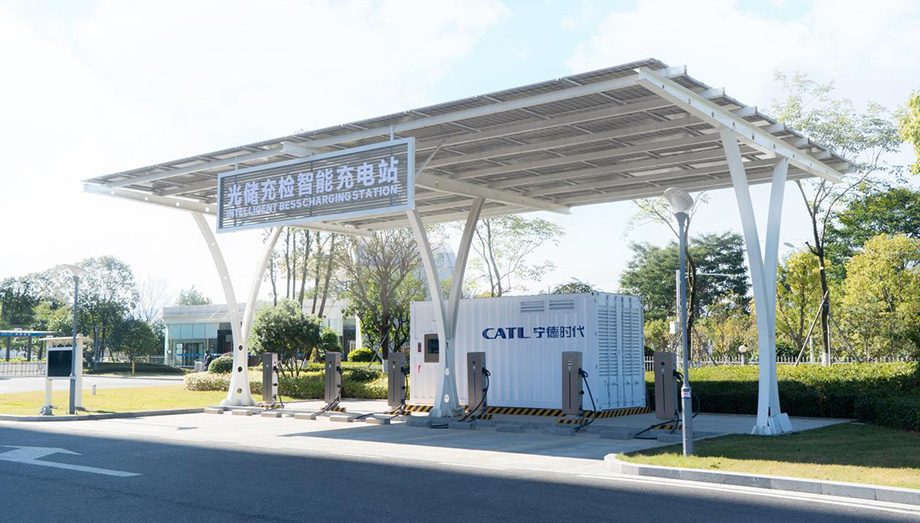
Smart BESS EV Charging Stations
As fast-charging infrastructure expands, local power grids often lack the capacity to support multiple DC fast chargers operating simultaneously. Integrating a natrium-based ESS alongside the charging station acts as a high-power buffer. The battery absorbs power slowly from the grid and discharges it massively into the electric vehicle, bypassing local grid constraints. The excellent low-temperature performance ensures these charging stations remain fully operational in freezing winter conditions.
The Integrator's Challenge: Advanced BMS Architecture and the AB Battery Pack
Purchasing bare cells is insufficient for establishing a functional power plant. Integrating a CATL natrium ion battery into a smart grid requires a complete overhaul of traditional electrical architecture.
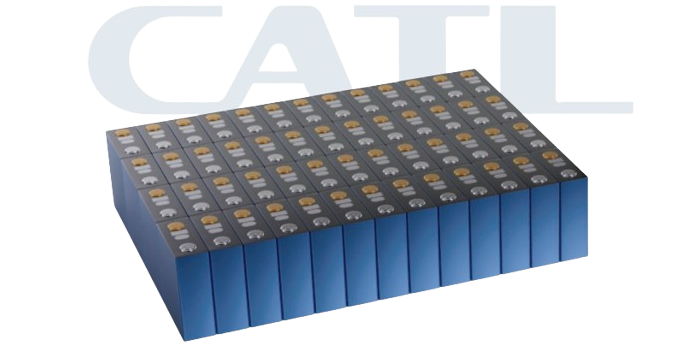
One of the most complex engineering feats is the "AB Battery System Integration." Because natrium-ion has a slightly lower energy density, CATL developed a solution that mixes both sodium-ion and lithium-ion cells within the exact same battery pack. This hybrid approach leverages the high energy density of lithium and the extreme cold-weather and high-power performance of sodium.
However, dispatching energy from two chemically distinct cells connected to the same DC bus requires a highly sophisticated Battery Management System (BMS) and Energy Management System (EMS). The algorithms must dynamically balance the load, prioritizing the natrium cells during freezing mornings and shifting to lithium cells as temperatures normalize. CNTE (Contemporary Nebula Technology Energy Co., Ltd.) excels in developing these exact control topologies. Our R&D teams design the proprietary BMS logic required to manage complex multi-chemistry arrays, ensuring safe, optimized power output regardless of external environmental stress.
Frequently Asked Questions (FAQ)
Q1: Will natrium-ion batteries completely replace lithium-ion
batteries?
A1: No. Natrium-ion and lithium-ion
technologies are highly complementary. Lithium will remain the standard for
applications requiring maximum energy density in limited spaces, such as
passenger EVs and Portable Power Stations. Natrium-ion will dominate heavy-duty,
stationary applications like Utility ESS and extreme-climate microgrids where
cost and temperature resilience are paramount.
Q2: Can existing LFP battery inverters (PCS) be used with natrium-ion
systems?
A2: Natrium-ion cells typically operate
across a wider voltage window than LFP cells. While standard Power Conversion
Systems (PCS) can often be used, the control software and DC voltage thresholds
must be heavily reprogrammed by the system integrator to prevent clipping or
inefficient energy conversion.
Q3: Are natrium-ion energy storage containers safe for residential
areas?
A3: Yes. Natrium-ion cells exhibit excellent
thermal stability and pass rigorous nail-penetration and overcharge tests
without catching fire. When housed in a professionally engineered Residential
ESS equipped with active fire suppression and liquid cooling, they provide an
extremely safe home backup solution.
Q4: How does the cycle life of natrium-ion compare to
LFP?
A4: Early generations of commercial
natrium-ion cells achieve between 3,000 and 4,000 cycles. While slightly lower
than top-tier LFP cells (which can reach 6,000+ cycles), ongoing R&D is
rapidly closing this gap. The lower initial CAPEX often makes natrium highly
competitive in LCOE calculations despite the current cycle life
differential.
Q5: Why is BMS design so critical for natrium-ion
integration?
A5: Natrium cells have a sloped
voltage curve. The BMS must process highly complex algorithms in real-time to
monitor cell voltages and balance the pack accurately. Using a legacy LFP BMS on
a natrium pack will result in severe state-of-charge (SOC) miscalculations,
leading to underutilization of the battery or unexpected power shutdowns.
Secure Your Next-Generation Energy Infrastructure
The transition toward natrium-based storage represents a strategic imperative for developers seeking lower levelized energy costs and absolute operational safety in harsh climates. Achieving these benchmarks requires a manufacturing partner with profound expertise in battery R&D, structural containment, and intelligent software dispatch. CNTE (Contemporary Nebula Technology Energy Co., Ltd.) leads the industry in the research, manufacturing, and servicing of comprehensive lithium and next-generation storage equipment. From massive Utility ESS containerization to Smart BESS EV Charging Stations, our engineering teams possess the integration capabilities to deploy advanced cell chemistries safely and profitably. Contact our commercial engineering team today to request detailed product specifications, system sizing modeling, and LCOE evaluations for your upcoming energy projects.
Get in Touch
Recent Posts
-
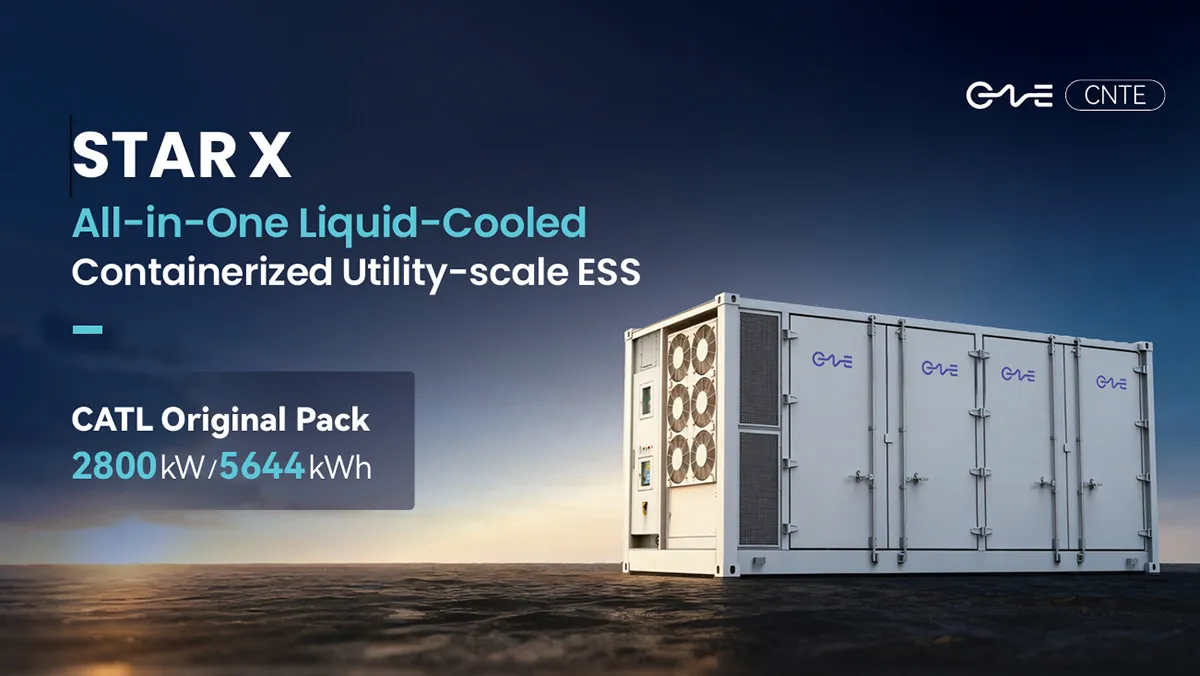
CNTE Launches STAR X Liquid-Cooled DC/AC Integrated Energy Storage System at Intersolar Europe 2026
Jul 06, 2026 -
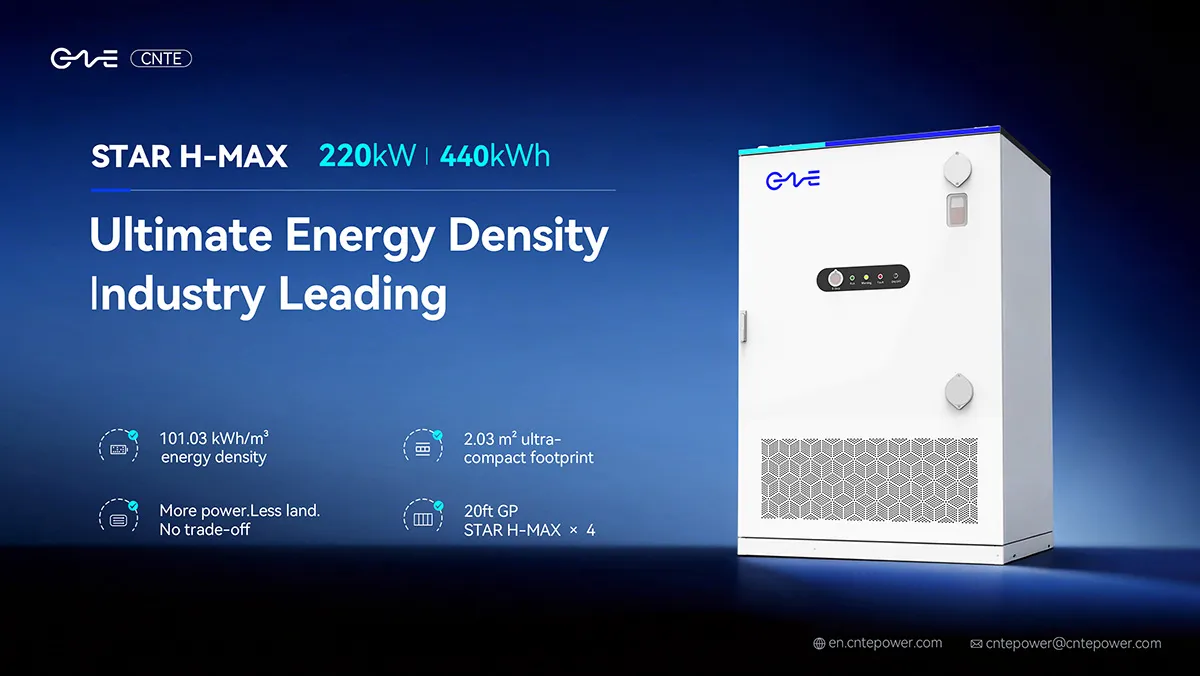
CNTE Unveils New STAR H-MAX Liquid-Cooled C&I ESS at Intersolar Europe 2026
Jun 23, 2026 -
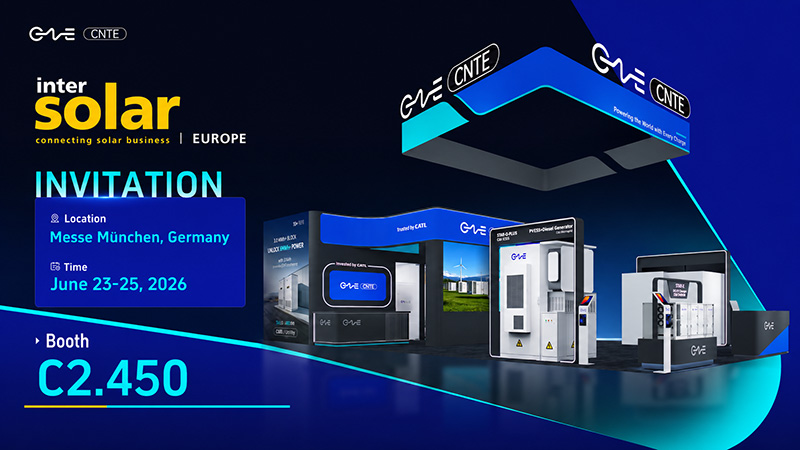
CNTE to Participate in Intersolar Europe 2026
May 20, 2026 -
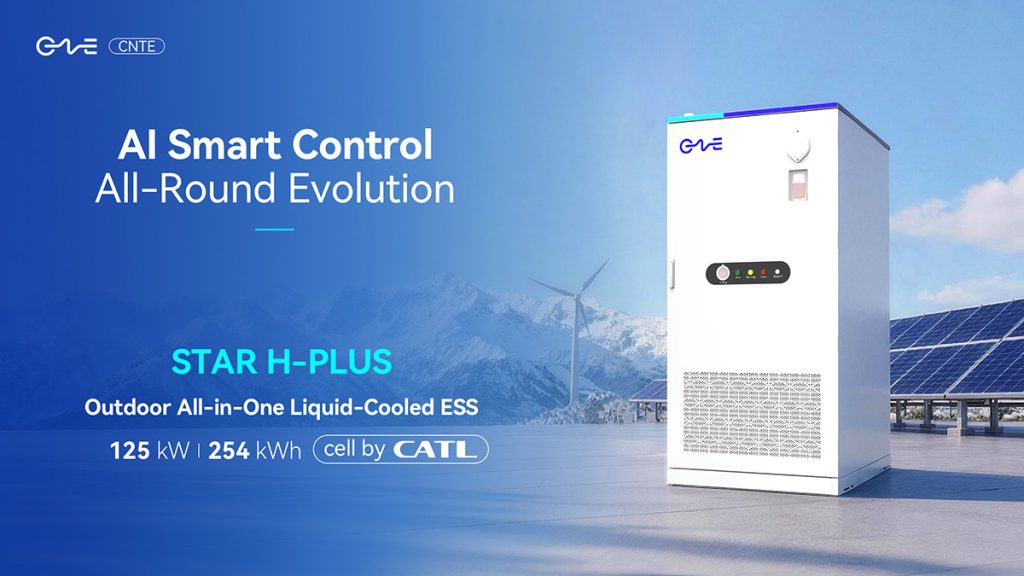
CNTE at KEY ENERGY 2026: Showcases STAR H-PLUS Outdoor Liquid-Cooled Energy Storage System
Mar 05, 2026 -

CNTE Honored as 2025 Forbes China Leading Global Brand
Jul 06, 2026 -
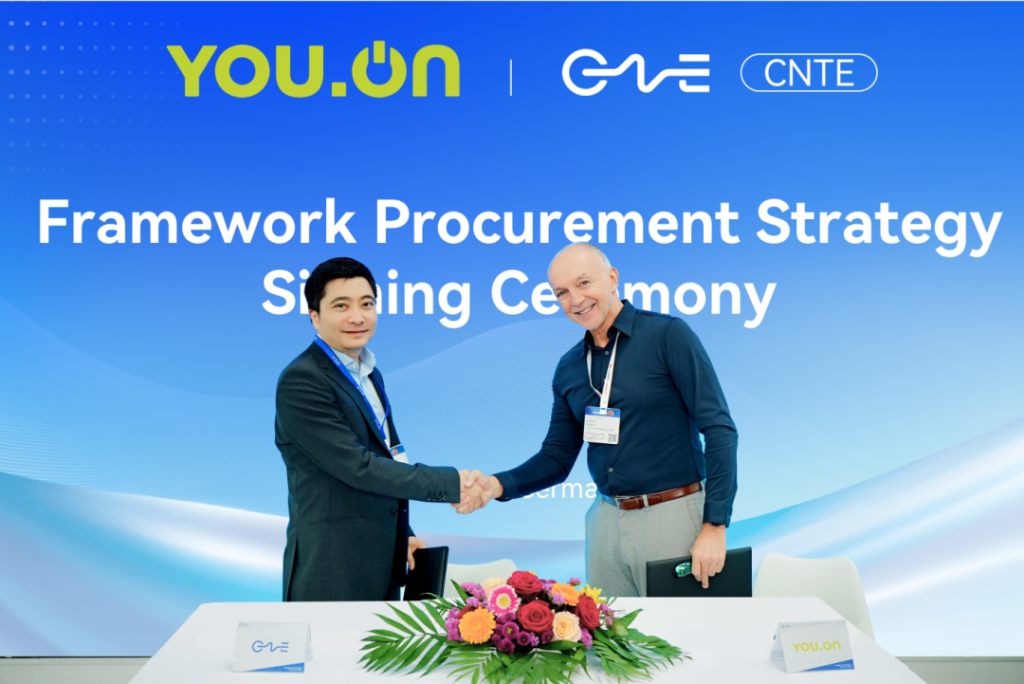
CNTE & YOU.ON Partner to Expand Storage Markets
May 19, 2025 -

CNTE Unveils Energy Storage Lineup at Solartech 2025
May 19, 2025 -
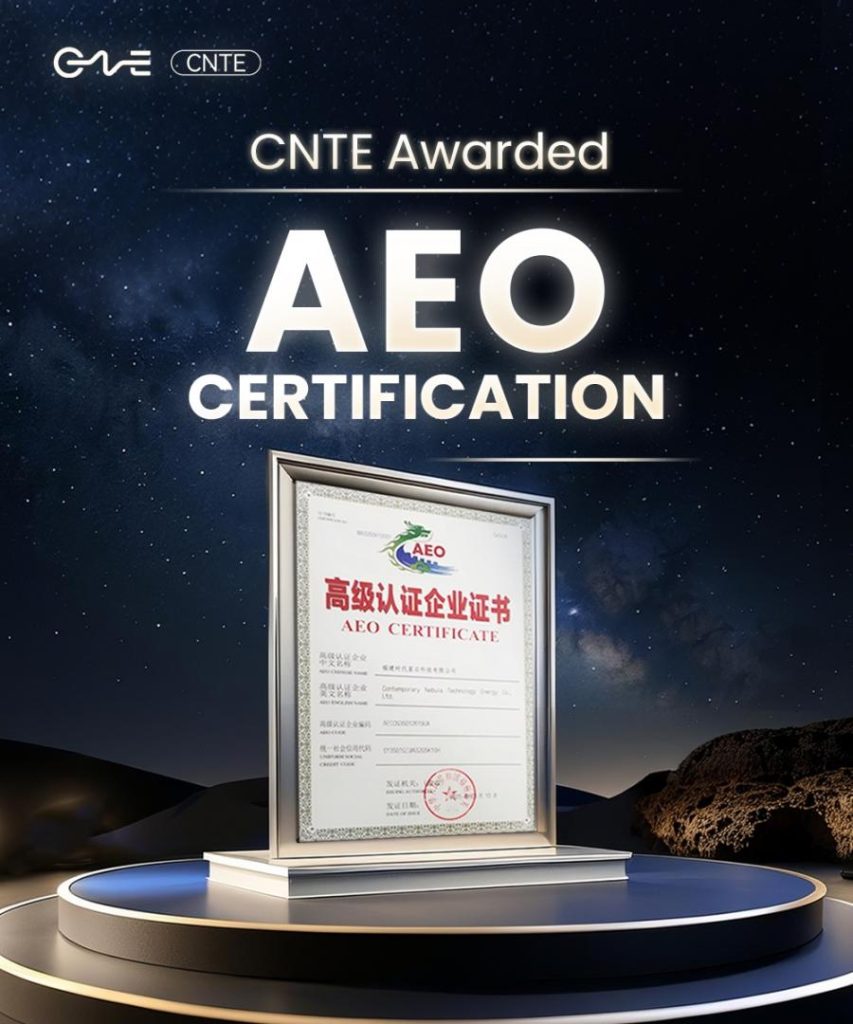
CNTE awarded AEO certification
Jul 06, 2026 -
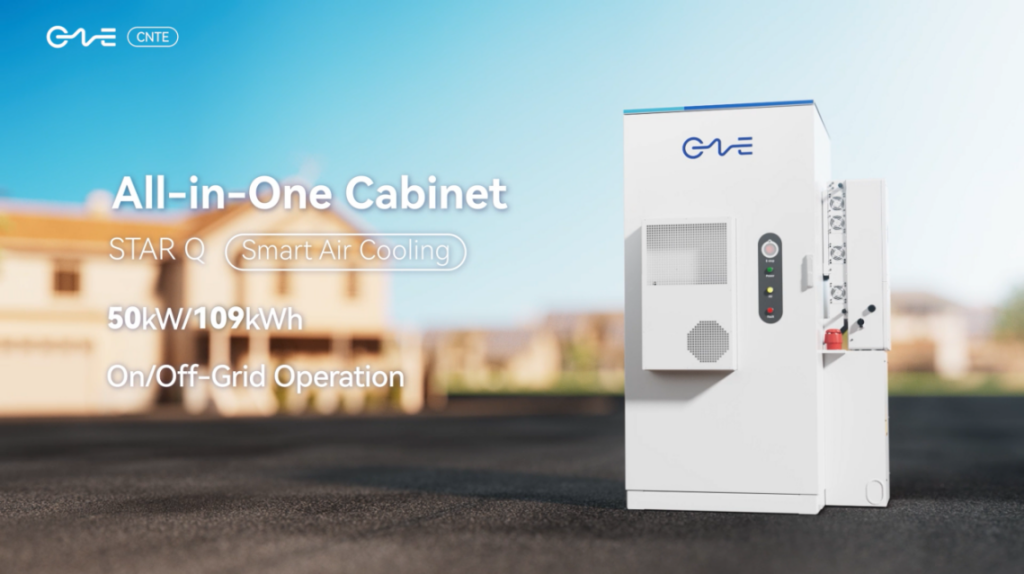
CNTE New Product Launch STAR Q
Jan 15, 2025 -
CNTE Named to Forbes China 2024 Top 30 Go-International Brands
Jul 06, 2026
