
How to Integrate Lithium CATL Cells for Commercial Battery Storage Systems
Modern commercial and industrial facilities face growing pressure to manage energy costs, stabilize local power quality, and reduce carbon emissions. To address these demands, energy storage system integrators are turning to high-capacity battery chemistries that deliver high cycle life and operational efficiency. Among the available options in the global supply chain, lithium catl cells have emerged as a prominent choice for utility-scale and commercial energy storage applications. Sourcing these high-performance cells is only the first step in building a reliable system. The core value lies in how these cells are packaged, managed, and integrated into complete, ready-to-deploy cabinet solutions.
As an experienced system integrator, Contemporary Nebula Technology Energy Co., Ltd. (CNTE) designs and manufactures comprehensive battery energy storage systems (BESS) that utilize premium lithium catl cell technology. Successfully integrating these cells requires deep engineering knowledge in thermodynamics, electrical safety, and battery management protocols. This analysis explores the systematic requirements of battery integration, detailing how high-grade components are transformed into dependable industrial power assets.
The Electrochemical Profile of Lithium CATL Cells
Understanding the internal characteristics of lithium catl cells is necessary for any engineering team designing an energy storage solution. Most utility-scale systems utilize the Lithium Iron Phosphate (LFP) chemistry variant due to its inherent structural stability and high thermal threshold. Unlike nickel-based chemistries, LFP cells maintain a highly robust crystal structure during charge and discharge cycles, which minimizes the degradation of the active materials.
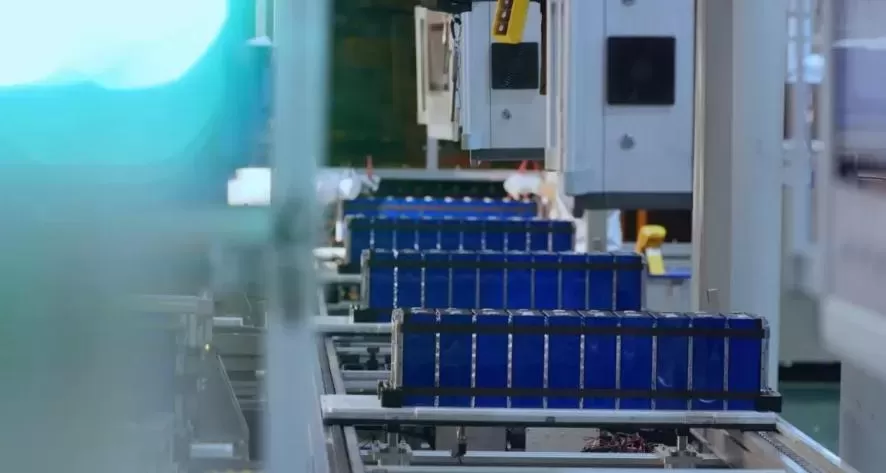
These cells are typically manufactured in a prismatic format. The prismatic design offers several structural advantages over cylindrical cells, including superior packing efficiency inside battery modules and a larger surface area for heat dissipation. Standard capacities for modern energy storage applications frequently center around 280Ah, 306Ah, and the newer 314Ah form factors. Each of these cells operates at a nominal voltage of approximately 3.2V, meaning hundreds of cells must be connected in series to reach the high-voltage levels (often between 1000V and 1500V) required by modern industrial power conversion systems (PCS).
To prevent accelerated capacity loss, the integration design must respect the cell's physical constraints. Factors such as localized pressure, cell expansion during charging, and the rate of solid electrolyte interphase (SEI) layer growth must be monitored and controlled. When properly housed in modular enclosures designed by CNTE, these cells can deliver thousands of cycles before dropping to 80% of their original capacity, providing a reliable foundation for long-term capital investments.
System-Level Thermal Management Challenges
Thermal stability is a primary factor in determining the operational lifespan of high-density battery packs. When lithium catl cells undergo high-current charging or discharging, internal resistance generates heat. If this heat is not removed evenly across the entire battery rack, temperature variations occur. Such variations lead to uneven cell aging, localized hot spots, and accelerated capacity divergence among cells connected in series.
Traditional forced-air cooling designs often struggle to maintain uniform temperatures in high-capacity storage cabinets, especially when environmental temperatures are high or when the system operates at a high C-rate. Air has a low heat capacity, meaning that cells positioned near the exhaust vent often run significantly warmer than those near the cool air intake. This temperature gradient is a primary driver of premature pack degradation.
To overcome these limitations, advanced energy storage systems utilize liquid cooling architectures. Liquid cooling plates are routed beneath or between the battery modules, using a mixture of water and glycol to absorb heat directly from the cell terminals and casings. This method allows for precise temperature control, keeping the temperature difference between any two cells in the system within a narrow 3°C window. By maintaining the entire battery array at its optimal operating temperature, the overall system degradation rate is substantially minimized.
CNTE Liquid-Cooled Energy Storage Architectures
CNTE has developed specialized engineering methodologies to integrate lithium catl cells into highly efficient liquid-cooled energy storage cabinets. These systems are engineered to isolate electrical circuits from the coolant paths while maximizing thermal conductivity. The thermal management system is built around several key design parameters:
Optimized Flow Distribution: The piping network inside each cabinet is balanced to ensure that coolant flow is distributed evenly across all integrated modules, preventing localized heat build-up.
Dual-Loop Isolation: The cooling system separates the internal battery cabinet fluid loop from the external chiller loop, protecting the battery modules from external pressure surges or contamination.
Condensation Prevention: Environmental sensors monitor humidity and dew points inside the cabinet, dynamically adjusting the coolant temperature to prevent moisture condensation on electrical components.
By controlling the microclimate inside the cabinet, CNTE ensures that the integrated battery cells operate under conditions that preserve their electrochemical health. This level of physical protection is paired with a highly responsive, multi-tiered control system to ensure consistent operation across varying climates and load profiles.
Multi-Tiered Battery Management System (BMS) Architecture
A battery management system is the primary control interface of any advanced BESS. When integrating lithium catl cells, the BMS must provide continuous monitoring and precise cell-balancing algorithms. Because small manufacturing variations exist in every cell, minor differences in internal resistance and capacity can cause the state of charge (SoC) of individual cells to drift over time. Without active intervention, the overall capacity of the entire string is limited by the weakest cell in the series.
The BMS designed by CNTE utilizes a three-tiered hierarchical structure to manage this complexity:
Local Module Management (BMU): Every battery module contains a dedicated monitoring board that reads individual cell voltages and temperatures. These boards perform passive or active balancing to keep the cells aligned during the charging cycle.
Rack-Level Controller (CBMS): This unit aggregates data from multiple BMUs within a single vertical rack. It calculates the overall state of health (SoH), state of charge (SoC), and monitors insulation resistance to detect potential electrical ground faults.
System-Level Master (GBMS): In multi-container or multi-cabinet installations, the master controller coordinates communication between the individual battery racks and the external Power Conversion System (PCS) and Energy Management System (EMS).
This tiered architecture ensures that any deviation in voltage, current, or temperature is detected within milliseconds. If an anomaly occurs, the BMS can safely command the high-voltage contactors to isolate the affected rack, allowing the rest of the system to continue operating without interruption.
Industrial and Commercial Application Scenarios
Integrating lithium catl cells into CNTE energy storage platforms provides commercial and industrial users with a highly versatile energy asset. These systems are deployed across various scenarios, each requiring specific control algorithms and operational profiles:
Peak Shaving and Demand Charge Management
Many commercial facilities are subject to high demand charges based on their peak electricity usage during the month. By deploying a liquid-cooled battery system, the facility can charge the batteries during periods of low demand and discharge them when the building load spikes. This reduces the peak draw from the utility grid, leading to lower monthly operating expenses.
Renewable Energy Integration
On-site solar photovoltaic (PV) arrays often produce peak power during the middle of the day, which may not align with the facility’s actual energy consumption. Integrating a CNTE storage system allows excess solar energy to be stored and discharged during evening hours or during periods of cloud cover, maximizing the self-consumption of clean energy and stabilizing the local microgrid.
Emergency Backup and Microgrid Support
For operations where power interruptions can lead to lost production or equipment damage, energy storage systems provide a reliable backup power source. Working in tandem with local generation assets like diesel generators or solar arrays, the integrated battery storage system can transition to off-grid mode seamlessly, supplying stable power to critical facility loads.
Long-Term Durability and Reliability Profiles
When selecting a B2B energy storage partner, long-term durability is the most significant factor affecting the return on investment. The life cycle of a lithium catl cell is highly dependent on how well it is protected from operational stressors. Factors such as overcharging, over-discharging, thermal stress, and high mechanical pressure can all shorten the lifespan of the battery assets.
CNTE addresses these challenges by incorporating physical protection barriers, heavy-duty structural steel frames, and advanced electrical safety components into every enclosure. From high-rupture-capacity fuses to automatic fire suppression systems, every layer of the system is designed to isolate faults and protect the surrounding infrastructure. This rigorous approach to engineering ensures that the investment remains functional and reliable for years to come, minimizing maintenance overhead and unexpected downtime.
Frequently Asked Questions
Q1: What are the main benefits of using lithium catl cells in commercial energy storage systems?
A1: These cells are highly regarded for their high energy density, excellent cycle life, and thermal stability when integrated into properly engineered modular enclosures. Their chemical formulation provides consistent power delivery across diverse operating environments.
Q2: How does liquid cooling compare to air cooling in these storage systems?
A2: Liquid cooling provides far more uniform temperature control across the battery pack. It minimizes temperature differences between individual cells to within 3°C, which reduces uneven aging and extends the operational lifespan of the entire system compared to standard air-cooled systems.
Q3: Can these battery storage systems be customized for specific industrial voltage requirements?
A3: Yes, CNTE designs battery racks and modules that can be configured in series and parallel configurations to match the specific DC input voltage requirements of various power conversion systems, ranging from 1000V up to 1500V systems.
Q4: How does the battery management system prevent individual cell degradation?
A4: The BMS continuously monitors individual cell voltages and temperatures, applying active or passive balancing to ensure all cells operate within safe thresholds. This prevents individual cells from being overcharged or over-discharged, maintaining pack uniformity.
Q5: What safety features are integrated into CNTE energy storage cabinets?
A5: Every cabinet features physical cell expansion barriers, multi-tiered BMS monitoring, rapid-acting electrical fuses, insulation monitoring devices, and built-in automatic fire suppression systems designed to handle battery fires safely.
Inquire About Your Energy Storage Integration Project
Selecting the right partners and components is vital for the long-term success of your energy storage project. CNTE possesses the engineering capability and manufacturing resources to deliver customized, highly reliable liquid-cooled energy storage cabinets using premium lithium catl cell technology. If you are developing a commercial microgrid, planning a utility-scale installation, or looking to reduce demand charges at an industrial facility, our engineering team can provide a detailed system proposal tailored to your application parameters. Contact CNTE today to discuss your technical specifications and request a detailed project quotation.
Get in Touch
Recent Posts
-
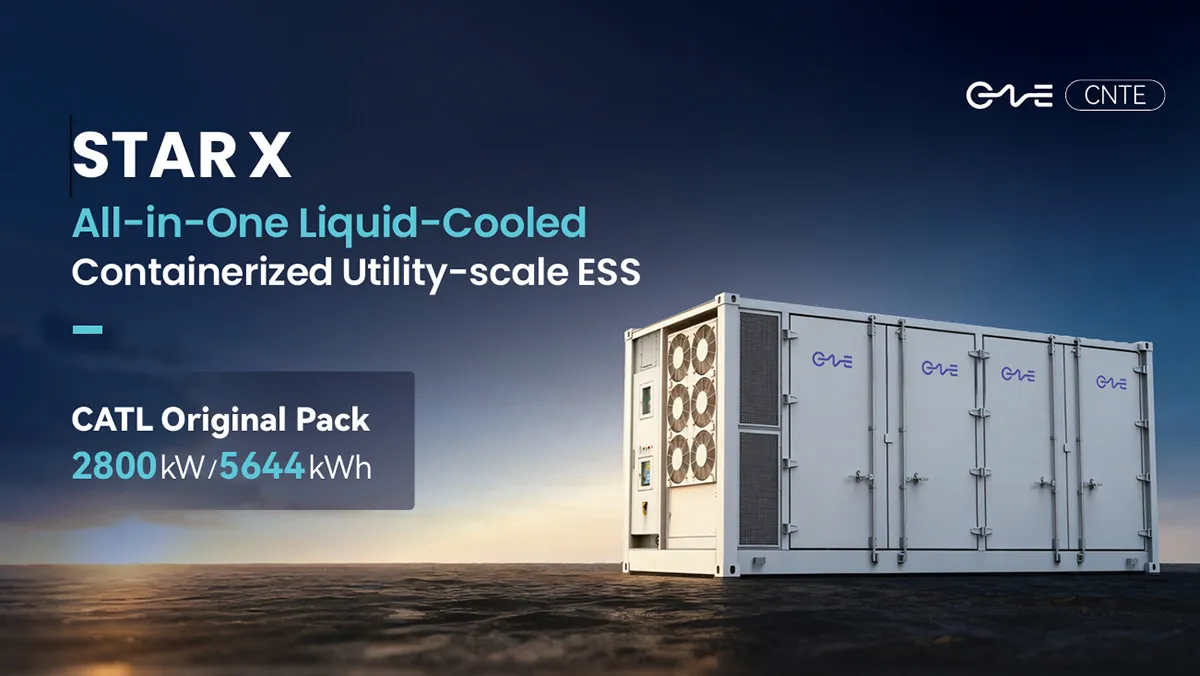
CNTE Launches STAR X Liquid-Cooled DC/AC Integrated Energy Storage System at Intersolar Europe 2026
Jul 06, 2026 -
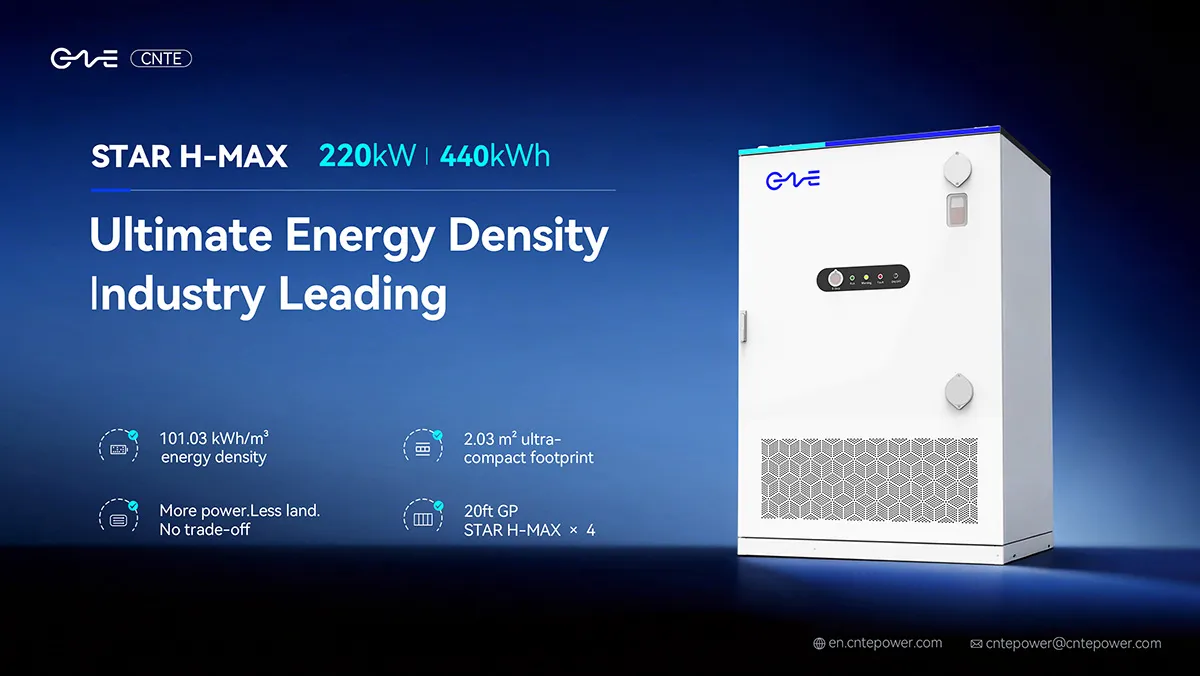
CNTE Unveils New STAR H-MAX Liquid-Cooled C&I ESS at Intersolar Europe 2026
Jun 23, 2026 -
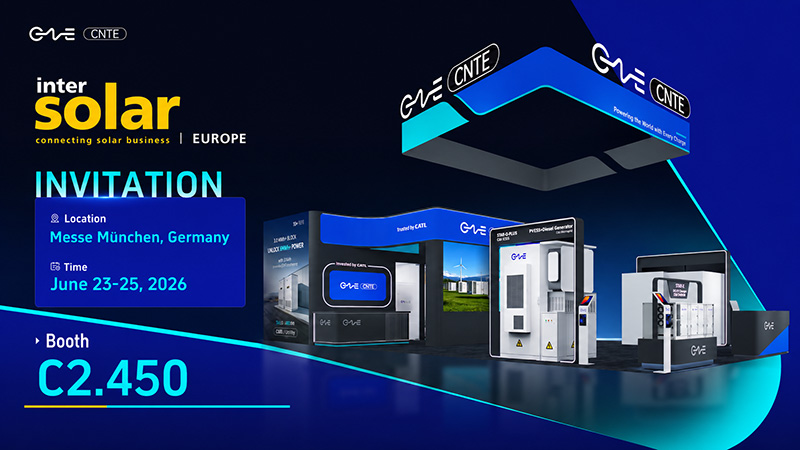
CNTE to Participate in Intersolar Europe 2026
May 20, 2026 -
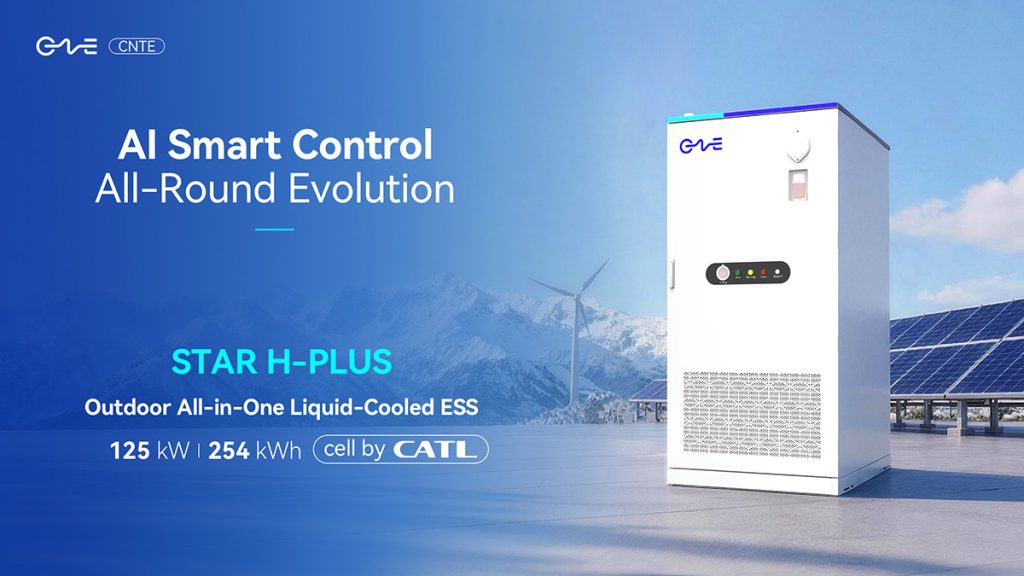
CNTE at KEY ENERGY 2026: Showcases STAR H-PLUS Outdoor Liquid-Cooled Energy Storage System
Mar 05, 2026 -

CNTE Honored as 2025 Forbes China Leading Global Brand
Jul 06, 2026 -

CNTE & YOU.ON Partner to Expand Storage Markets
May 19, 2025 -
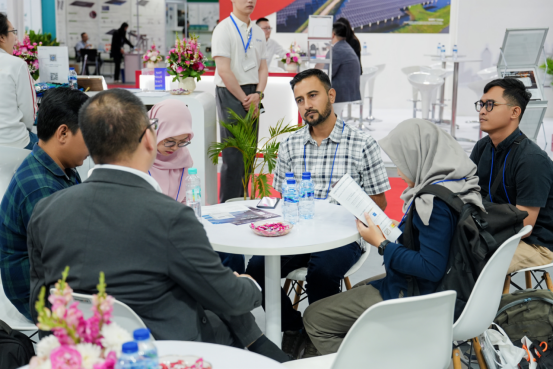
CNTE Unveils Energy Storage Lineup at Solartech 2025
May 19, 2025 -
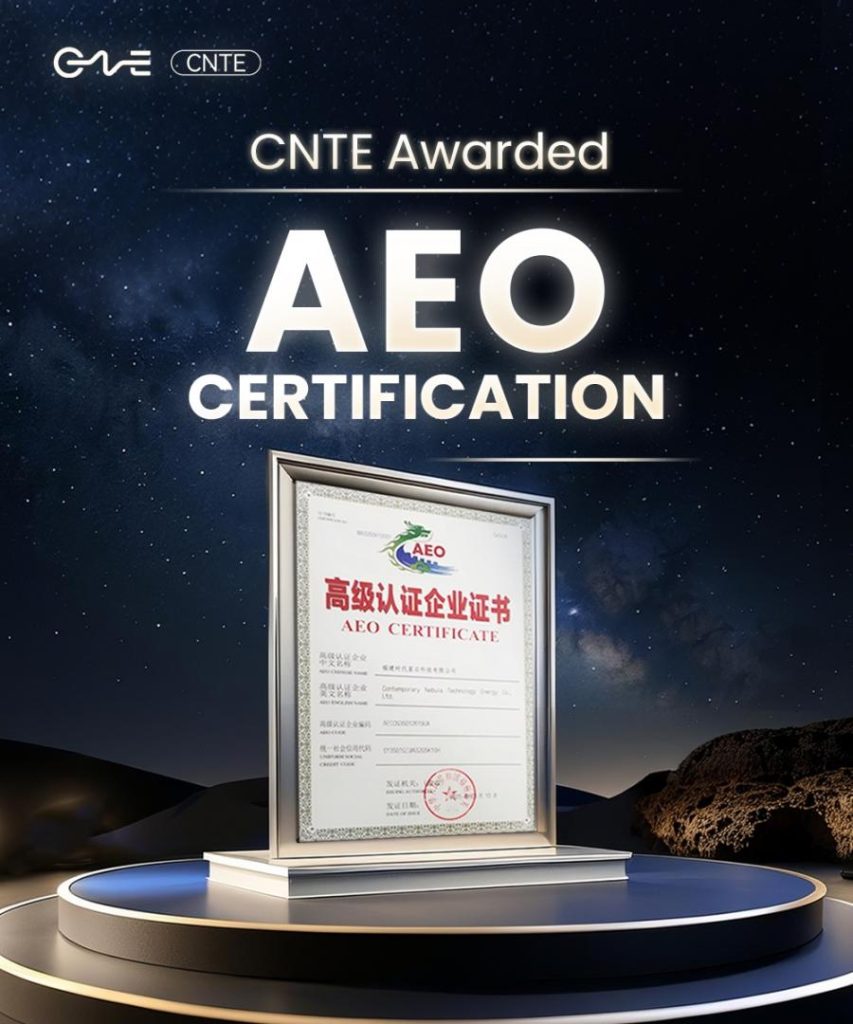
CNTE awarded AEO certification
Jul 06, 2026 -
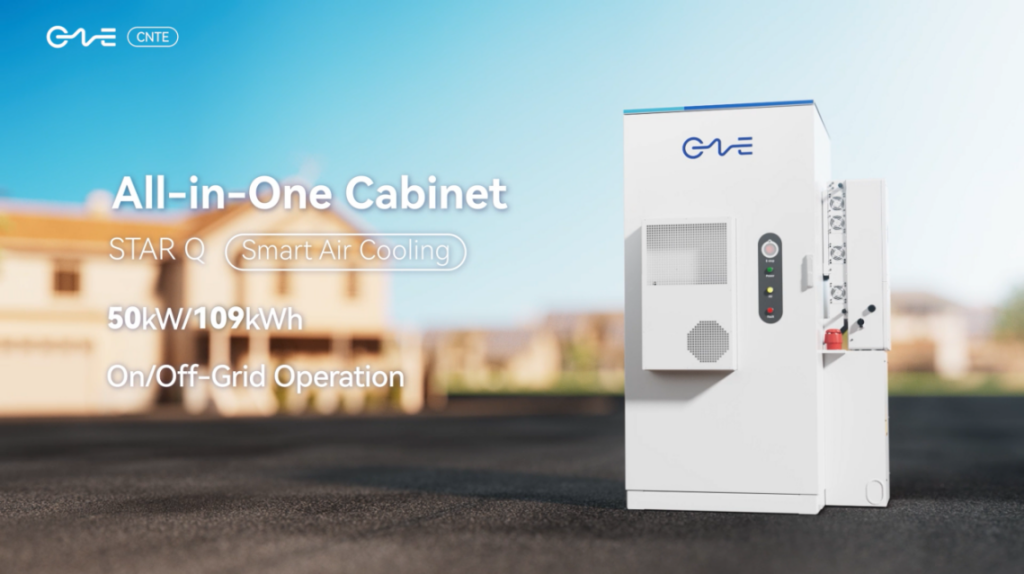
CNTE New Product Launch STAR Q
Jan 15, 2025 -
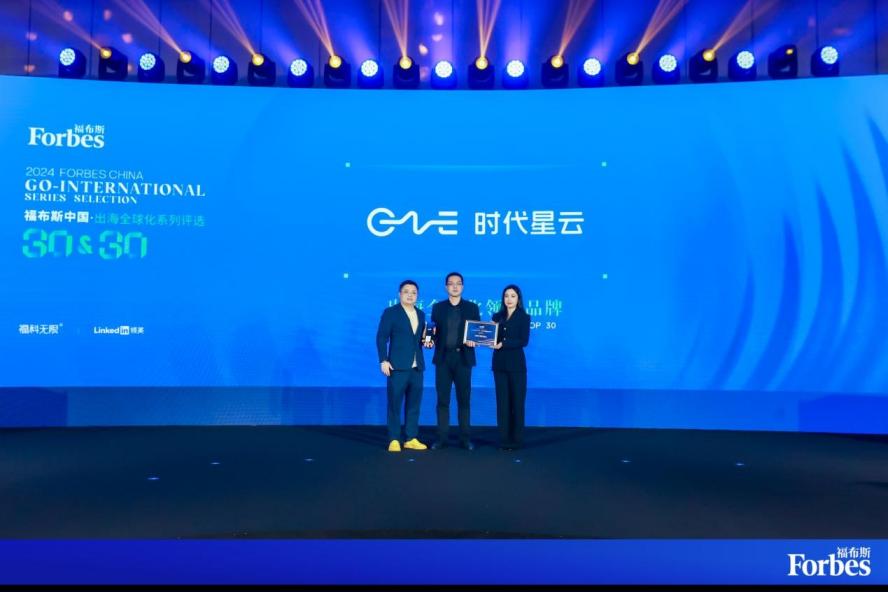
CNTE Named to Forbes China 2024 Top 30 Go-International Brands
Jul 06, 2026
