
How lifepo4 catl 302ah Battery Technology Impacts Commercial System Efficiency
Large-scale energy storage requires robust, stable, and long-lasting battery chemistries to handle the daily demands of grid stabilization, peak shaving, and renewable energy integration. Prismatic lithium iron phosphate (LiFePO4) chemistry has emerged as the preferred choice for these applications. Among the various cell capacities available, high-capacity variants have gained significant market share. Investigating the parameters of the lifepo4 catl 302ah cell provides valuable insights into how modern commercial battery storage systems achieve high performance while maintaining cost-effectiveness.
For system integrators like CNTE (Contemporary Nebula Technology Energy Co., Ltd.), selecting the right battery cell is a foundational decision that influences thermal management design, safety protocols, and overall system lifetime. Understanding the electrochemical properties and mechanical integration factors of these cells allows engineers to build more reliable and efficient energy storage systems (BESS) for industrial applications.
Electrochemical Characteristics and Battery Architecture
The transition from lower-capacity cells to larger form factors represents a logical progression in battery engineering. By increasing individual cell capacity to 302Ah, manufacturers reduce the total number of cells required in a high-voltage battery string. This reduction simplifies the battery management system (BMS) wiring and reduces the number of structural connections within the pack, lowering the potential points of failure.
Chemical Stability of Lithium Iron Phosphate
The primary advantage of the lithium iron phosphate cathode is its structural stability during charge and discharge cycles. Unlike nickel-rich chemistries (such as NMC or NCA), LFP cells possess a strong olivine crystal structure. The covalent bonds between phosphorus and oxygen atoms are highly stable, resisting oxygen release even at elevated temperatures. This characteristic minimizes the probability of thermal runaway, making LFP the standard for safety-conscious industrial facilities.
Under continuous cycling, the lifepo4 catl 302ah cell exhibits low capacity fading. The degradation of the active materials is mitigated by the stable host structure of the cathode and the formation of a robust Solid Electrolyte Interphase (SEI) layer on the graphite anode. This stable SEI layer prevents continuous consumption of lithium ions, preserving the long-term energy capacity of the storage system.
Prismatic Cell Design and Mechanical Construction
Prismatic aluminum-cased cells offer several mechanical advantages over cylindrical or pouch formats in large-scale storage configurations:
Rigid Protection: The aluminum casing provides strong physical protection against external mechanical stress, puncture, and swelling forces.
Space Efficiency: The rectangular block shape of the prismatic cell allows for dense stacking within battery modules, maximizing the volumetric energy density of the complete rack.
Integrated Safety Vents: High-quality cells feature built-in pressure relief valves that safely release gas in the rare event of internal pressure buildup, preventing violent casing rupture.
Thermal Performance and Degradation Mechanics
Managing the temperature profile of high-capacity cells is a primary focus of battery pack engineering. When operating a lifepo4 catl 302ah cell at high charge or discharge rates, internal resistance generates heat that must be systematically dissipated to prevent accelerated degradation.
The internal resistance of these cells is typically low, usually under 0.25 milliohms. However, due to the large capacity and high currents involved, even minimal resistance can produce significant localized heat during peak operations. Liquid cooling plates are often integrated directly into the module frames of CNTE systems to maintain uniform cell temperatures, preventing hot spots that can cause uneven aging across the battery pack.
The relationship between temperature, state of charge (SoC), and degradation rate can be structured as follows:
| Operating Temperature Range | Impact on Cycle Life | Mitigation Strategy |
|---|---|---|
| 15°C to 25°C (Optimal) | Maximum longevity; predictable capacity retention across thousands of cycles. | Standard cooling and heating cycles regulated by the thermal control system. |
| 25°C to 40°C (Moderate Elevated) | Slight increase in SEI growth rate; minor acceleration of capacity loss. | Active liquid cooling to draw heat away from the core of the prismatic stack. |
| Above 45°C (High Temperature) | Accelerated side reactions; degradation of electrolyte components and active lithium loss. | Automated current derating and maximum cooling pump engagement. |
To preserve the health of the cells over a operational life of 10 to 15 years, thermal management systems must keep the temperature variance between any two cells in a string to less than 3°C. Large variations in temperature lead to mismatched impedance, causing some cells to discharge faster than others, which eventually limits the usable capacity of the entire string.
Integrating High-Capacity Cells into Commercial Battery Management Systems
Integrating a lifepo4 catl 302ah cell into a utility-scale battery rack involves sophisticated electronic monitoring and balancing. Because individual cells operate at a nominal voltage of 3.2V, hundreds of cells must be connected in series to achieve the high voltages (often ranging from 600V to 1500V) required by modern commercial power inverters.
Active and Passive Balancing Strategies
Manufacturing variations can result in slight differences in capacity and internal resistance between individual cells. Over time, these small variations cause the state of charge of the cells in a series string to drift apart. A robust BMS is necessary to manage this divergence through balancing:
Passive Balancing: Dissipates excess energy from the highest-charged cells as heat through resistors. This method is cost-effective but slow and produces additional heat within the enclosure.
Active Balancing: Transfers energy from high-capacity cells to lower-capacity cells within the string. This method is highly efficient, generates less heat, and maximizes the overall usable energy of the battery pack.
Using a mix of active and passive balancing allows commercial systems to operate efficiently, ensuring that the weakest cell in a string does not prematurely trigger low-voltage cutoffs during discharge cycles.
State of Charge (SoC) and State of Health (SoH) Estimation
The discharge curve of lithium iron phosphate is exceptionally flat across most of its operating range. While this provides highly stable voltage to the connected load, it makes SoC estimation based on voltage alone very difficult. The BMS must use advanced algorithms, such as Coulomb counting combined with Kalman filtering, to track current flow and calculate the remaining charge accurately.
Accurate SoC estimation prevents overcharging (which damages the anode chemistry) and over-discharging (which can cause copper dissolution from the anode current collector, leading to internal short circuits). High-capacity cells require highly precise current sensors and high-resolution voltage monitoring channels to maintain operational boundaries.
Applications in Modern Energy Systems
The balance of safety, high capacity, and cycle life makes these cells suitable for demanding commercial and industrial energy storage scenarios.
Commercial and Industrial Peak Shaving
Many commercial facilities are subject to demand charges based on their highest power usage during a billing period. By deploying a BESS configured with lifepo4 catl 302ah cells, businesses can store energy during low-cost, off-peak hours and discharge it when facility demand spikes. This application requires cells that can handle daily cycling over many years without significant capacity loss.
Microgrids and Renewable Energy Integration
Solar and wind generation are inherently intermittent. Microgrids utilize large battery storage arrays to smooth out power fluctuations, ensuring a continuous energy supply to local loads. The stable voltage output and fast response times of LFP batteries allow them to step in instantly during cloud cover or sudden wind drops, stabilizing frequency and voltage parameters within the microgrid environment.
In these setups, CNTE designs specialized enclosures that protect the battery systems from environmental elements while maintaining optimal internal conditions. Proper integration ensures that the high-capacity cells operate within their designed physical limits, even when subjected to unpredictable renewable generation profiles.
Designing for Longevity: Key Mechanical and Thermal Considerations
Achieving the maximum return on investment for a battery storage asset requires careful system-level engineering. Packing high-capacity cells tightly together introduces challenges related to physical expansion and thermal dissipation.
LFP cells undergo subtle volume changes during charging and discharging due to the intercalation of lithium ions into the anode and cathode materials. System designers must apply a controlled amount of compression to the cell faces using structural endplates and compression bands. This pressure prevents the active materials from delaminating over years of cycling, which would otherwise result in increased internal resistance and reduced capacity.
Furthermore, air gaps, insulation barriers, and mechanical spacing between cells must be carefully calibrated. Insufficient spacing can lead to heat transfer between adjacent cells, creating localized hot zones. High-quality module designs incorporate thermal insulation materials between cells to prevent thermal cascading in the unlikely event of an individual cell failure.
Frequently Asked Questions
Q1: What makes the lifepo4 catl 302ah cell suitable for grid-scale energy storage?
A1: The cell combines high energy density in a prismatic format with the inherent safety and stability of lithium iron phosphate chemistry. Its 302Ah capacity reduces system complexity by minimizing the total number of cells, electrical connections, and monitoring channels required in large-scale battery systems, leading to lower assembly and maintenance costs.
Q2: What is the nominal voltage and typical operational voltage window of this LFP cell?
A2: The nominal voltage of the cell is 3.2V. The typical safe operating voltage window ranges from 2.5V (fully discharged) to 3.65V (fully charged). Operating within these voltage thresholds is necessary to prevent accelerated degradation of the internal active materials.
Q3: How does the thermal management system affect the overall lifespan of these battery cells?
A3: Lithium iron phosphate cells are sensitive to temperature extremes. Maintaining cell temperatures between 15°C and 25°C minimizes degradation. A high-quality thermal management system, such as liquid cooling, prevents hot spots and ensures temperature uniformity across the pack, which is directly linked to maintaining balanced cell impedance and extending cycle life.
Q4: Why is precise cell balancing required in large battery packs containing high-capacity cells?
A4: In a series-connected battery string, the overall capacity of the system is limited by the weakest cell. Slight manufacturing variations or uneven thermal exposure can cause cells to drift out of alignment. Active or passive balancing systems redistribute or dissipate charge to ensure all cells remain at equivalent states of charge, maximizing usable energy and preventing localized overcharging.
Q5: How does CNTE integrate these high-capacity cells to ensure system-level performance?
A5: CNTE integrates cells into complete energy storage solutions by engineered structural modules, robust battery management systems, and advanced liquid cooling thermal designs. This comprehensive engineering approach ensures that physical compression, thermal control, and electronic monitoring work in unison to provide a stable, long-lasting storage platform.
Request a Customized Energy Storage Configuration
Designing a commercial or industrial energy storage system requires precise alignment between energy capacity, physical space limitations, and thermal management parameters. For specialized engineering support and detailed inquiries regarding how these high-capacity cells can be integrated into your next project, please contact the engineering team at CNTE. We provide tailored technical consultations to match your specific power and energy requirements.
Get in Touch
Recent Posts
-
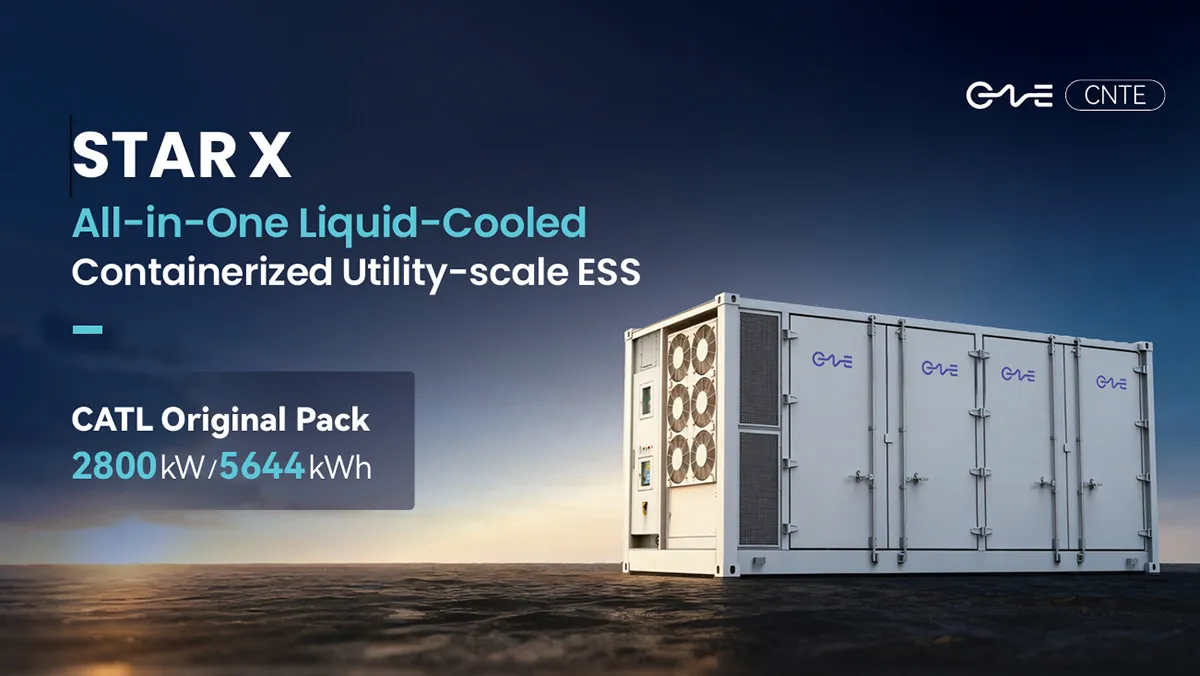
CNTE Launches STAR X Liquid-Cooled DC/AC Integrated Energy Storage System at Intersolar Europe 2026
Jul 06, 2026 -
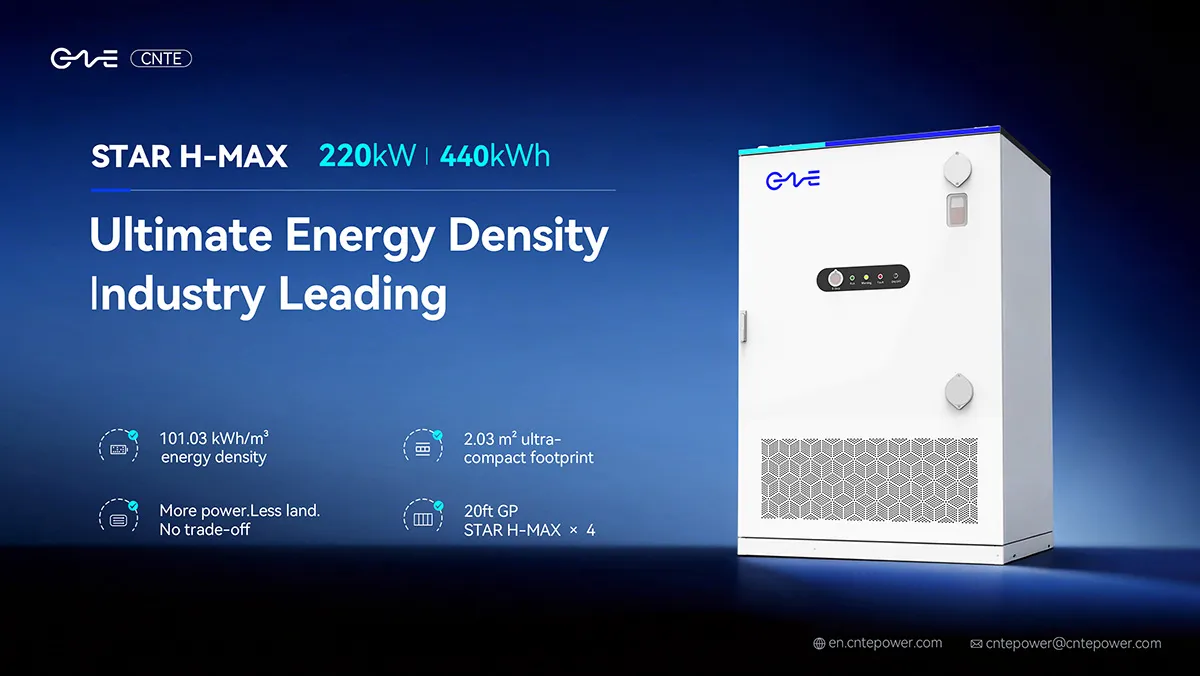
CNTE Unveils New STAR H-MAX Liquid-Cooled C&I ESS at Intersolar Europe 2026
Jun 23, 2026 -
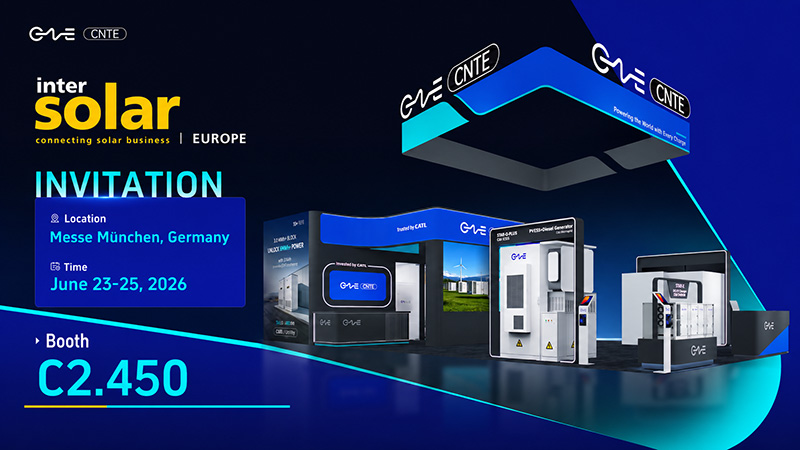
CNTE to Participate in Intersolar Europe 2026
May 20, 2026 -
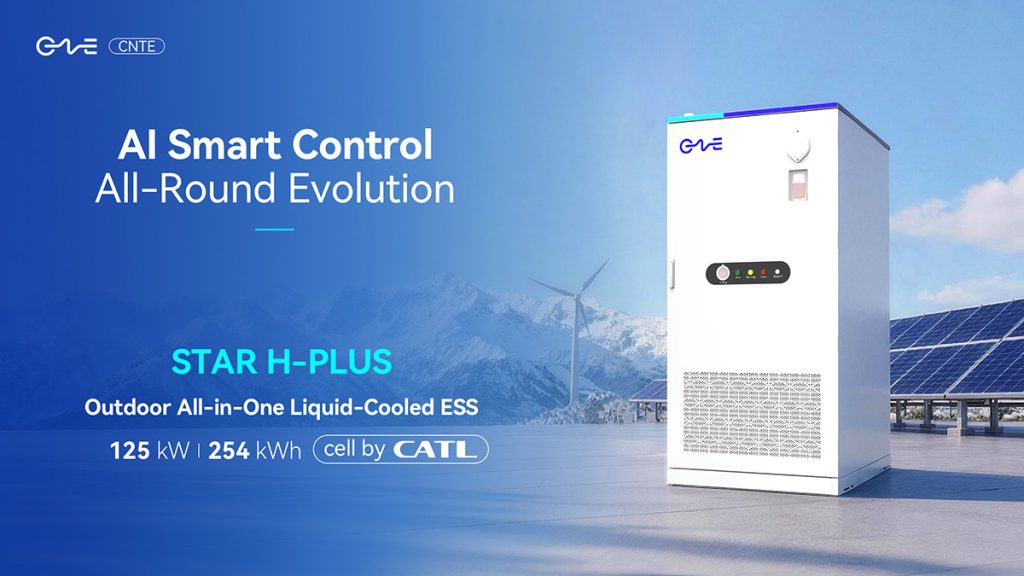
CNTE at KEY ENERGY 2026: Showcases STAR H-PLUS Outdoor Liquid-Cooled Energy Storage System
Mar 05, 2026 -

CNTE Honored as 2025 Forbes China Leading Global Brand
Jul 06, 2026 -

CNTE & YOU.ON Partner to Expand Storage Markets
May 19, 2025 -
CNTE Unveils Energy Storage Lineup at Solartech 2025
May 19, 2025 -
CNTE awarded AEO certification
Jul 06, 2026 -
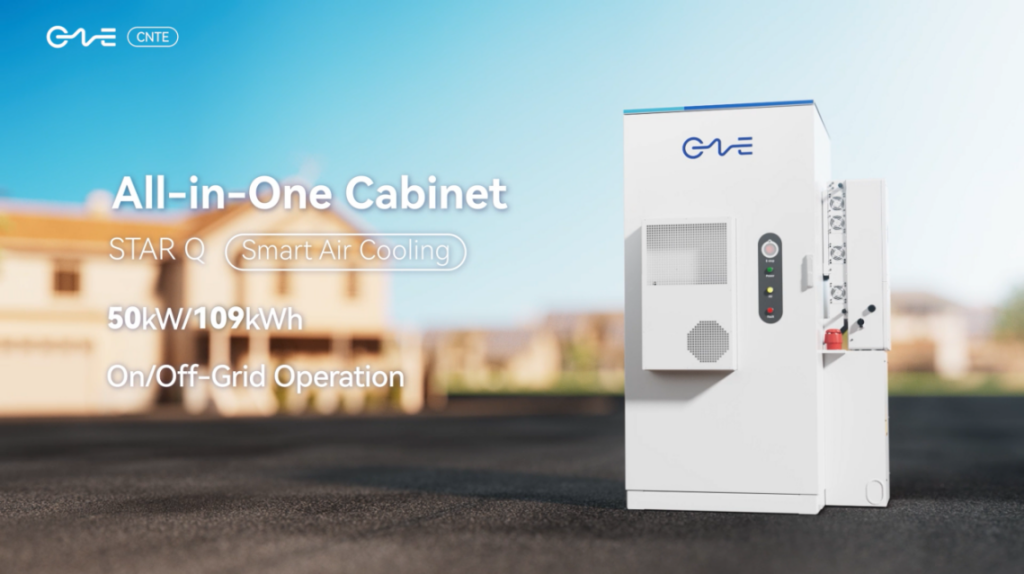
CNTE New Product Launch STAR Q
Jan 15, 2025 -
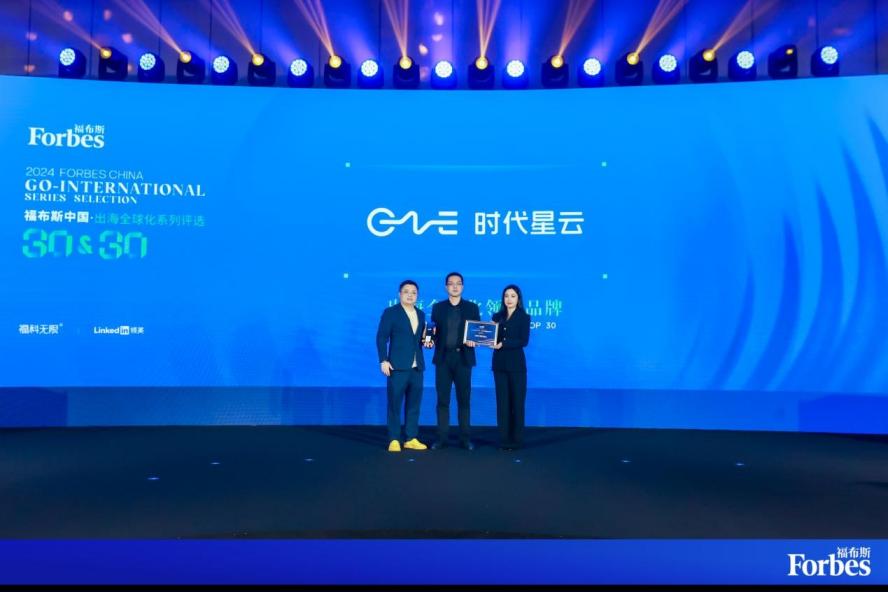
CNTE Named to Forbes China 2024 Top 30 Go-International Brands
Jul 06, 2026
