
5 Factors to Evaluate When Choosing a Commercial Energy Storage Supplier
Energy infrastructure within the commercial and industrial (C&I) sectors is undergoing a structural transition. Rising grid tariffs, volatile energy markets, and grid capacity constraints force enterprises to re-evaluate their power consumption strategies. For many facilities, managing peak demand charges and ensuring uninterrupted power quality are high priorities. A reliable commercial energy storage supplier plays a pivotal role in this sector by delivering high-capacity Battery Energy Storage Systems (BESS) designed to stabilize local grid interactions.
CNTE (Contemporary Nebula Technology Energy Co., Ltd.) addresses these complex demands through engineered energy storage configurations. By deploying modern battery storage solutions, commercial enterprises can store low-cost energy during off-peak periods and discharge it during peak demand intervals. This dynamic shifting of loads mitigates high utility tariffs and supports localized power grids during periods of instability.
The Engineering Architecture of Industrial Battery Energy Storage Systems
Understanding the underlying engineering of a commercial battery energy storage system is vital for long-term operational success. At the cell level, lithium iron phosphate (LFP) chemistry remains the preferred choice for stationary applications. LFP provides stable electrochemical properties, a high thermal runaway threshold, and an extended cycle life compared to other lithium-ion chemistries.
To maintain system health, advanced thermal management is integrated into the enclosure design. Modern systems utilize liquid cooling loops rather than traditional air cooling. Liquid cooling maintains uniform temperature distribution across all battery cells, limiting variations to within 2 degrees Celsius. This precise thermal regulation slows down degradation and enhances overall system safety.
The bidirectional Power Conversion System (PCS) acts as the bridge between the DC battery racks and the AC facility grid. The efficiency of the PCS, coupled with its response time—often measured in milliseconds—determines how effectively the system can respond to voltage sags or unexpected outages. A highly responsive PCS allows the system to transition to backup power smoothly, maintaining the operational integrity of sensitive industrial loads.
Mitigating Grid Challenges and Managing Demand Charges
Utility bills for commercial and industrial facilities often consist of energy consumption charges (kWh) and peak demand charges (kW). Demand charges are calculated based on the highest rate of energy usage during a specific billing cycle. For factories operating heavy machinery, these charges can constitute a large portion of the total monthly utility cost.
A BESS mitigates these costs through peak shaving. When the facility's power demand approaches a predefined threshold, the energy storage system automatically discharges power to meet the excess load. This prevents the peak demand from registering with the utility provider, lowering the overall monthly bill.
Beyond demand management, power factor correction and voltage stabilization are key functions. Large inductive loads, such as industrial motors and compressors, can cause phase shifts and voltage fluctuations on the local grid. By injecting reactive power dynamically, the storage system helps maintain a stable power factor, avoiding utility penalties and preventing damage to delicate manufacturing equipment.
Engineering Application Scenarios for Commercial Energy Storage
The requirements for energy storage vary significantly depending on the operational environment. A competent commercial energy storage supplier must adapt system topologies to meet these diverse needs.
Manufacturing Facilities: Heavy machinery creates high inrush currents during startup. The battery storage system must be configured to support short-duration, high C-rate discharges. This localized power delivery prevents voltage dips that could trigger safety shutdowns on adjacent production lines.
Data Centers: Continuous power availability is mandatory. Traditional lead-acid uninterruptible power supply (UPS) systems are increasingly being replaced or augmented by LFP battery systems. These modern lithium systems offer higher energy density, a smaller physical footprint, and a longer operational lifespan, reducing the total cost of ownership for data center operators.
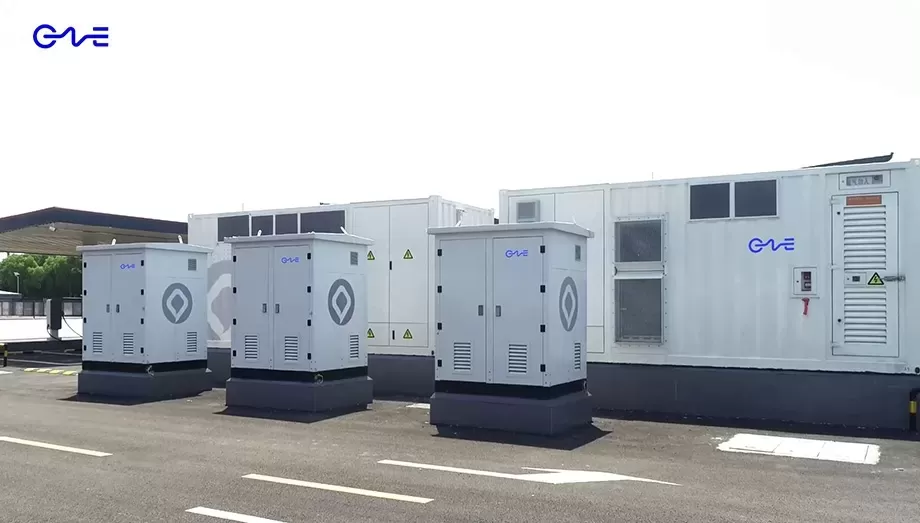
Electric Vehicle Fleet Hubs: The expansion of electric vehicle (EV) charging hubs presents another application scenario. When multiple high-power DC fast chargers operate simultaneously, they put immense stress on local distribution transformers. Integrating a battery storage system with local solar arrays allows the station to buffer the peak charging demand. CNTE provides integrated containerized solutions that combine these components, shielding the grid from sudden power surges.
Selecting a Commercial Energy Storage Supplier: Key Criteria
When selecting a commercial energy storage supplier, evaluating engineering certifications and integration capability is necessary to ensure long-term reliability. Battery systems must comply with international safety standards such as UL 1973 for battery packs and UL 9540 for the complete energy storage system. These standards require rigorous thermal abuse and short-circuit testing to prevent hazardous events in commercial environments.
Interoperability with existing infrastructure is another key metric. The energy storage system must communicate seamlessly with facility-level building management systems (BMS) and SCADA systems. Utilizing standardized protocols like Modbus TCP/IP or CAN bus allows for real-time monitoring of State of Charge (SoC), State of Health (SoH), and system alarms.
An advanced Energy Management System (EMS) acts as the operational brain, utilizing predictive algorithms to forecast load profiles based on historical data and weather forecasts. This forecasting allows the system to determine the most cost-effective times to charge and discharge, maximizing the return on investment over the system's operational life.
Grid Interaction and Localized Microgrids
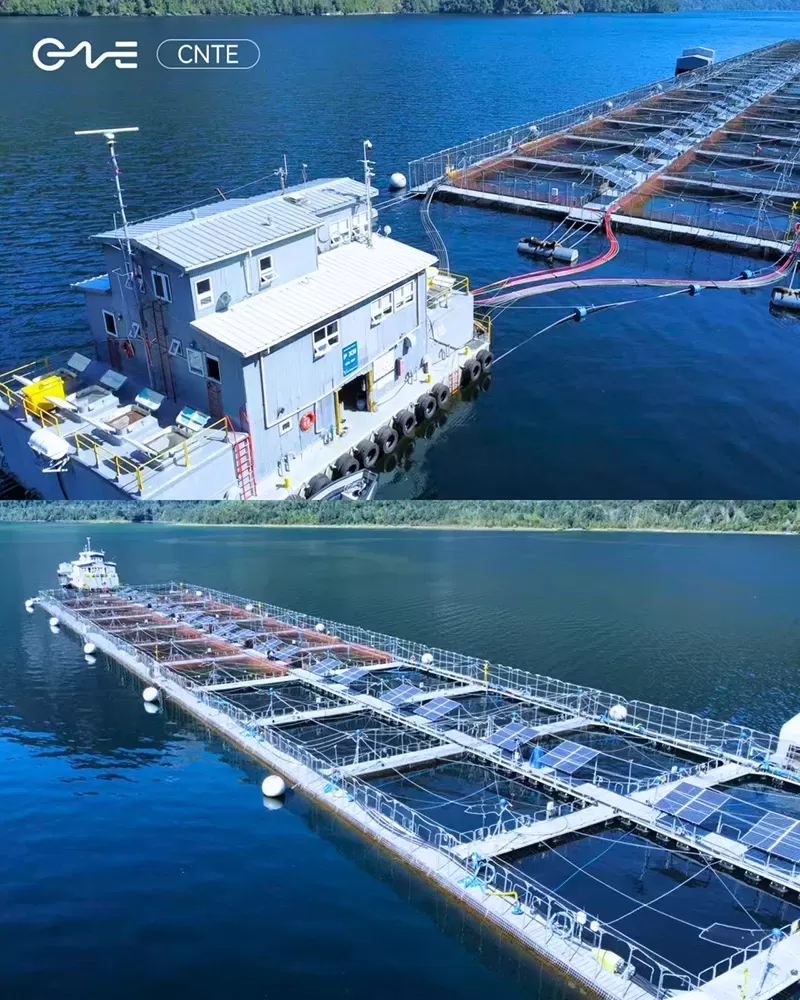
In regions with unstable grid infrastructure, facilities often transition to microgrid operations. A microgrid allows a facility to operate in islanded mode, disconnected from the primary utility grid. During a grid failure, the system's static transfer switch (STS) isolates the local electrical network within milliseconds.
The battery system then establishes the local voltage and frequency, acting as a grid-forming source. This capability allows local solar panels to continue generating power, even when the utility grid is down. Working with a skilled commercial energy storage supplier ensures that the protection settings and grounding systems are configured correctly to manage transitions between grid-tied and islanded states.
Project Assessment and Inquiries
Implementing a commercial battery energy storage system requires a detailed understanding of your facility's load profile, peak demand patterns, and local utility tariff structures. Partnering with an experienced commercial energy storage supplier like CNTE ensures that your system is sized correctly to deliver measurable operational savings and reliable backup capabilities.
To discuss your project parameters, load characteristics, or system integration needs, contact our engineering team. We provide comprehensive load profile analysis and system sizing evaluations to assist in your procurement process. Please submit an inquiry today to schedule a detailed project consultation with our application engineers.
Frequently Asked Questions
Q1: How does a commercial energy storage system reduce demand charges?
A1: A commercial energy storage system reduces demand charges through a process called peak shaving. The system monitors the facility's real-time electricity consumption. When the demand is about to exceed a pre-set threshold, the battery discharges stored energy to support the load. This prevents the peak demand from registering with the utility meter, reducing the peak demand charge on the monthly utility bill.
Q2: What battery chemistry is used in CNTE commercial energy storage solutions?
A2: CNTE utilizes Lithium Iron Phosphate (LFP) chemistry for its commercial and industrial energy storage systems. LFP is selected for its superior thermal stability, safety profile, and long cycle life, making it highly suitable for stationary energy storage applications where continuous cycle performance is required.
Q3: Can these systems operate during a complete utility grid outage?
A3: Yes, when configured with a static transfer switch (STS) and grid-forming inverters, the system can operate in islanded mode. During a grid outage, the system isolates the facility from the utility grid and provides immediate backup power, maintaining continuous operation for key electrical loads.
Q4: What certifications are necessary for commercial energy storage systems?
A4: Reputable systems should hold certifications such as UL 1973 (for battery packs), UL 9540 (for the integrated system), IEC 62619 (safety for industrial applications), and UN38.3 (for transport safety). These certifications verify that the equipment has undergone thermal, mechanical, and electrical testing to ensure safe operation.
Q5: How does liquid cooling compare to air cooling in commercial battery applications?
A5: Liquid cooling provides more efficient thermal management than air cooling. It maintains highly uniform temperatures across all battery cells, typically keeping cell-to-cell temperature variations under 2 degrees Celsius. This uniform temperature regulation reduces localized battery degradation, extends the lifespan of the system, and lowers the risk of thermal issues.
Get in Touch
Recent Posts
-
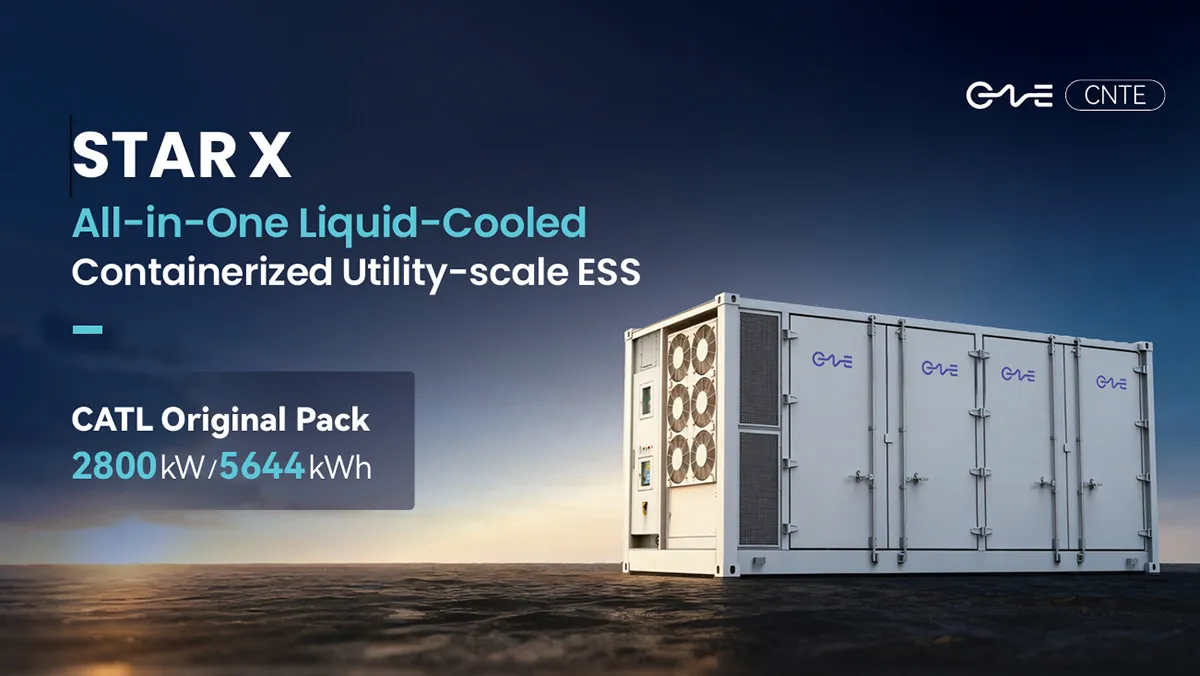
CNTE Launches STAR X Liquid-Cooled DC/AC Integrated Energy Storage System at Intersolar Europe 2026
Jul 06, 2026 -
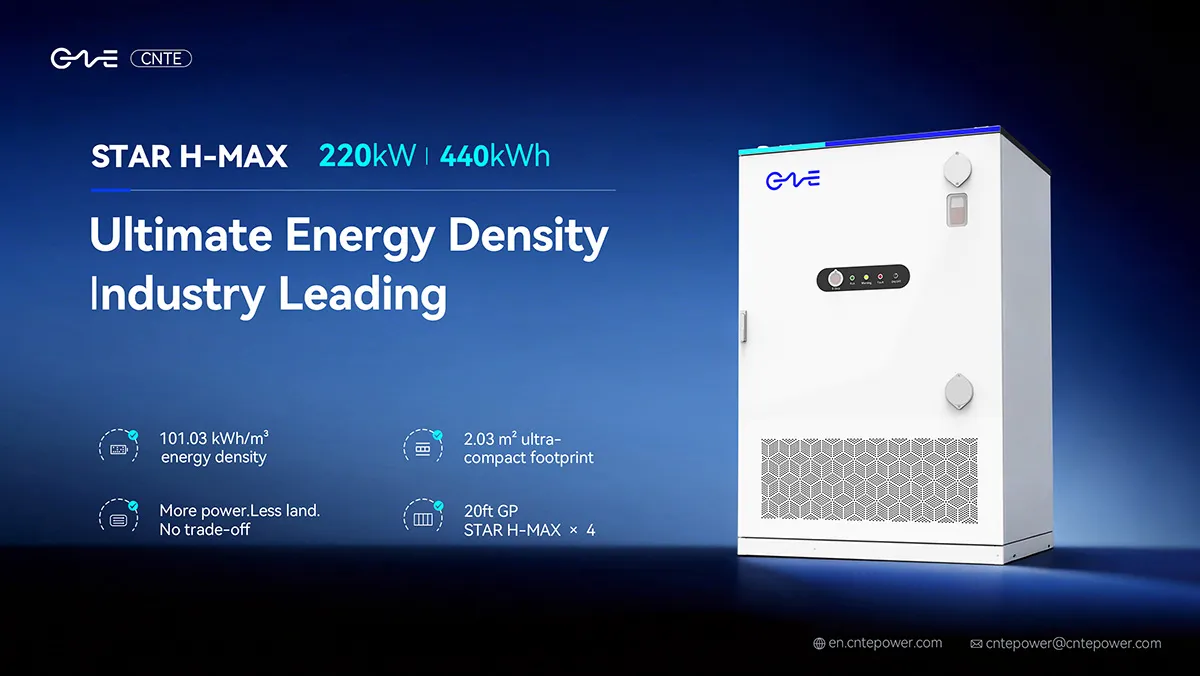
CNTE Unveils New STAR H-MAX Liquid-Cooled C&I ESS at Intersolar Europe 2026
Jun 23, 2026 -
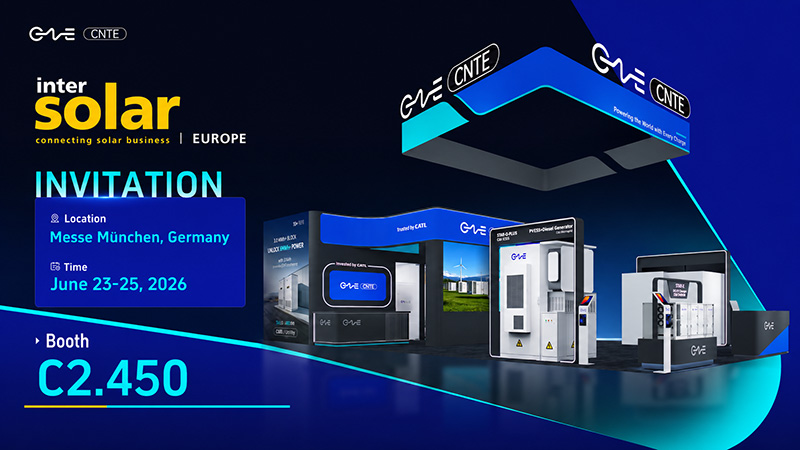
CNTE to Participate in Intersolar Europe 2026
May 20, 2026 -
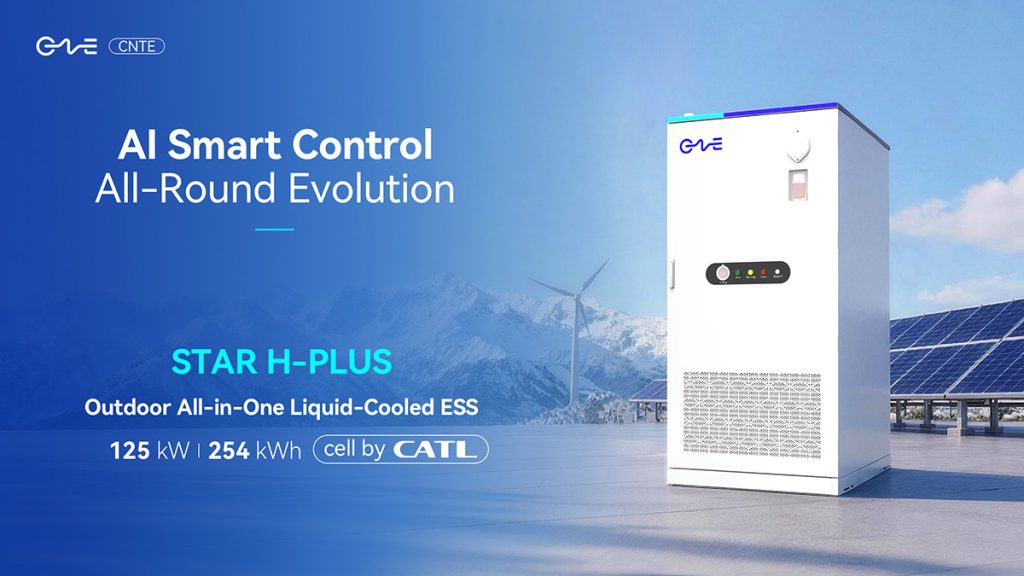
CNTE at KEY ENERGY 2026: Showcases STAR H-PLUS Outdoor Liquid-Cooled Energy Storage System
Mar 05, 2026 -

CNTE Honored as 2025 Forbes China Leading Global Brand
Jul 06, 2026 -
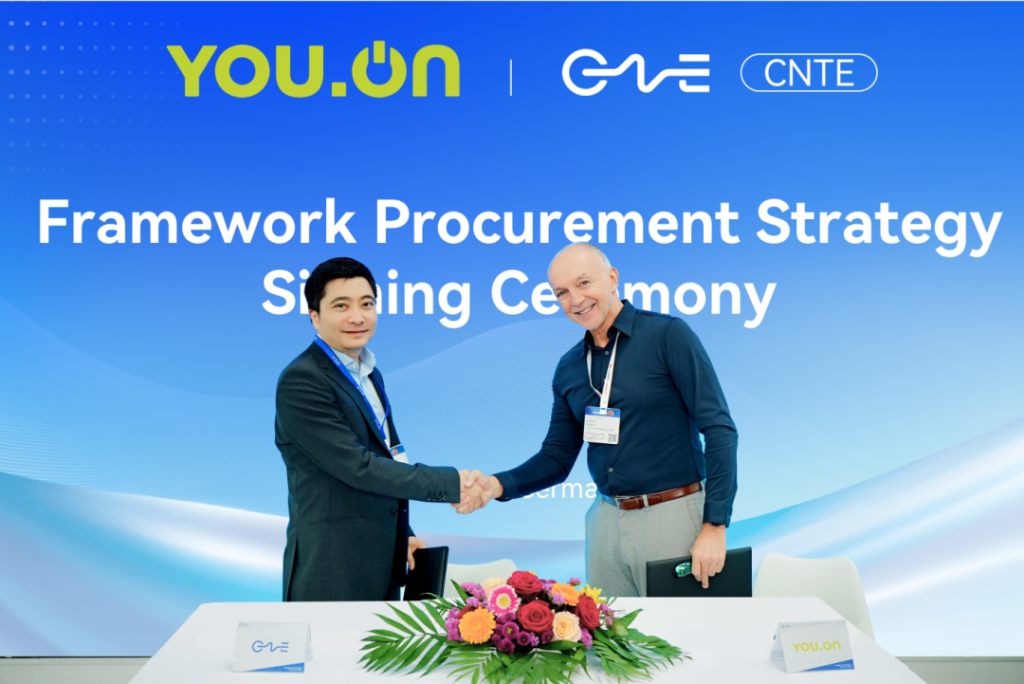
CNTE & YOU.ON Partner to Expand Storage Markets
May 19, 2025 -

CNTE Unveils Energy Storage Lineup at Solartech 2025
May 19, 2025 -
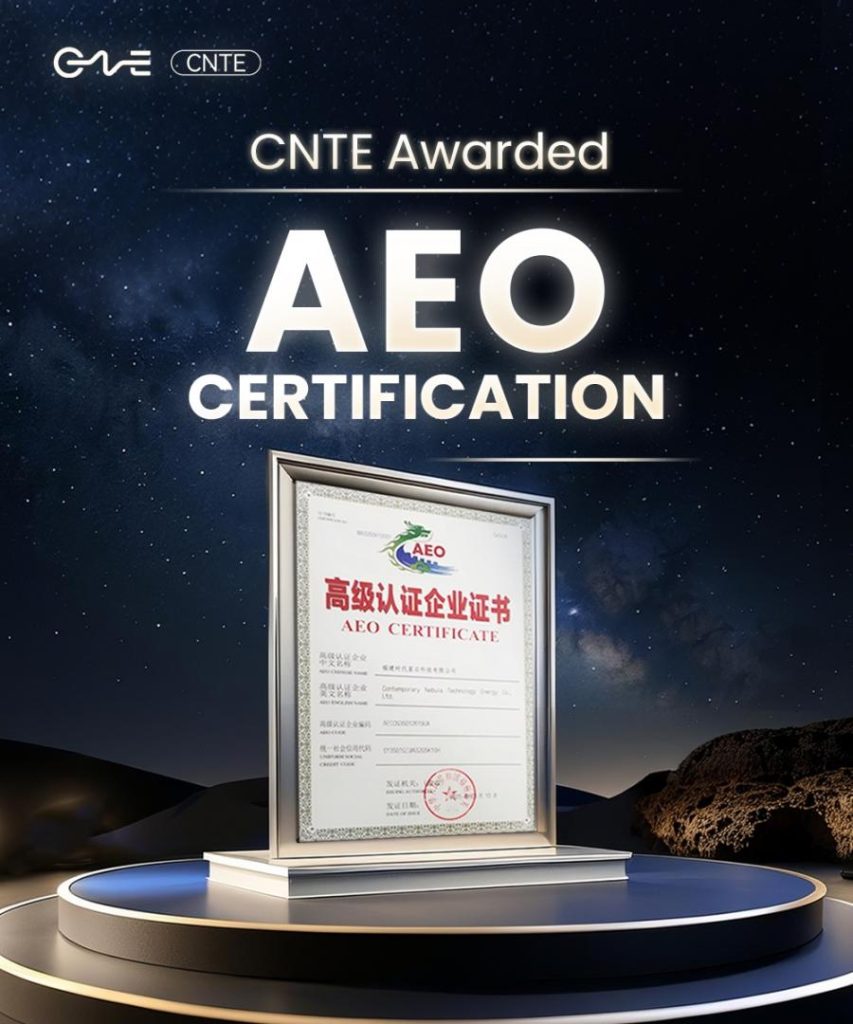
CNTE awarded AEO certification
Jul 06, 2026 -
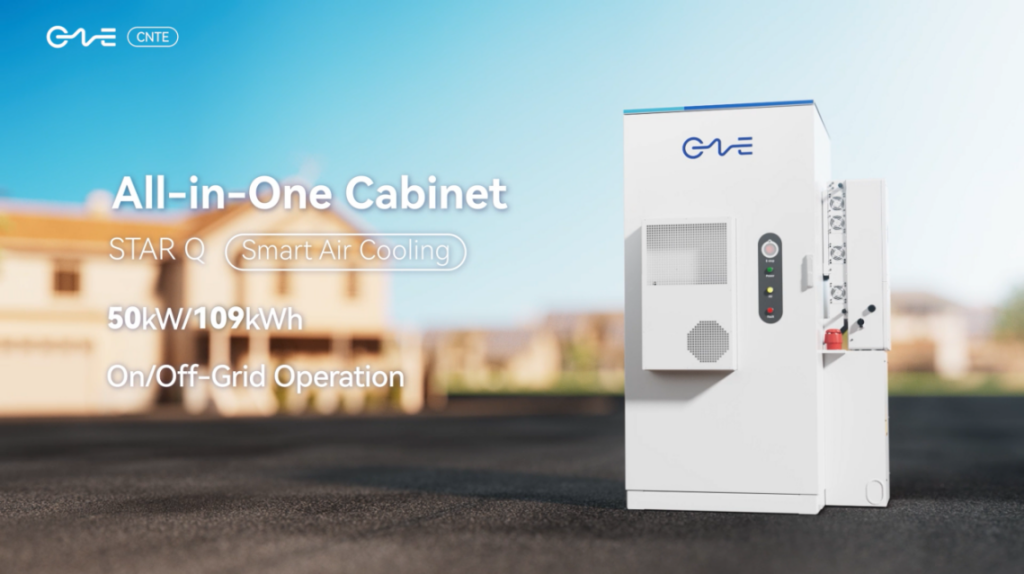
CNTE New Product Launch STAR Q
Jan 15, 2025 -
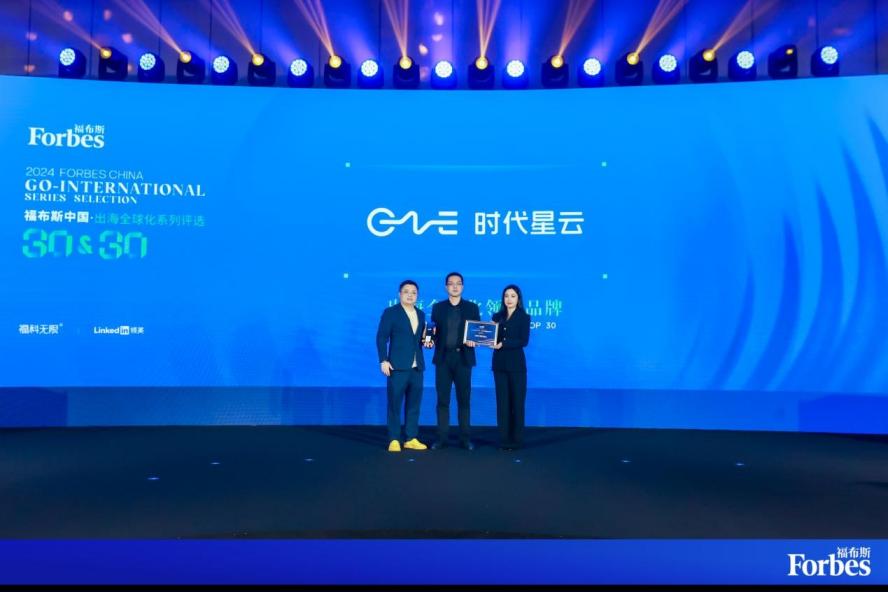
CNTE Named to Forbes China 2024 Top 30 Go-International Brands
Jul 06, 2026
