
5 Reasons Commercial Developers Adopt LFP CATL Cells for Grid-Scale Energy Storage
The transition of the global power sector toward decentralized, sustainable energy infrastructure has highlighted the need for robust battery storage. High-capacity battery energy storage systems (BESS) are now required to stabilize grids, manage industrial peak demand, and support renewable integration. Lithium Iron Phosphate (LFP) chemistry has established itself as the leading technology for stationary storage due to its safety profile, long cycling capacity, and thermal stability. Among current market offerings, the lfp catl partnership represents a high standard of manufacturing precision and electro-chemical reliability.
By utilizing raw materials that are free from scarce metals such as cobalt and nickel, this cell technology offers stable performance parameters under varying operational conditions. Contemporary Nebula Technology Energy Co., Ltd. (CNTE) leverages these cells to construct high-efficiency battery systems that help industrial and commercial enterprises manage grid challenges. Understanding the engineering behind these cells and how they are integrated into complete utility systems is necessary for making informed asset procurement decisions.
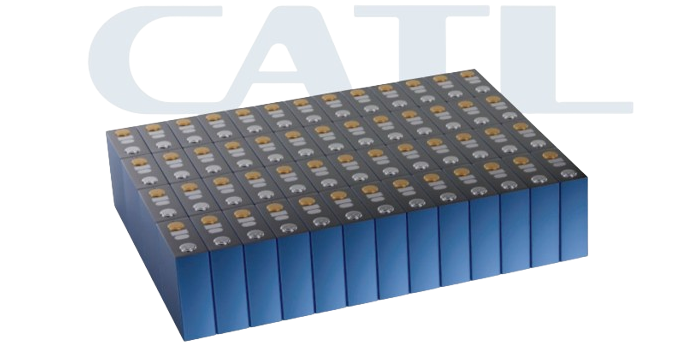
Molecular Stability of Lithium Iron Phosphate Chemistry
The performance of modern lithium iron phosphate cells is rooted in their molecular design. The olivine crystal structure of LFP provides strong covalent bonds between phosphorus, oxygen, and iron atoms. This structural configuration is highly stable compared to the layered metal oxide structures found in nickel-manganese-cobalt (NMC) chemistries. Under thermal stress, this stable crystal framework prevents the release of oxygen, significantly reducing the likelihood of thermal runaway.
The refinement of manufacturing processes has enabled high levels of coulombic efficiency and uniform cell aging. CATL employs advanced electrode slurry coating methods and strict particle-size management for the active materials to maintain consistent ion transport paths. This precise manufacturing process results in prismatic cells that exhibit exceptionally low internal resistance. Consequently, heat generation during continuous charge and discharge cycles is minimized, protecting the integrity of the cell elements.
Space utilization within energy storage cabinets has been greatly improved through the adoption of Cell-to-Pack (CTP) structural designs. Traditional battery architectures pack cells into modules, which are subsequently integrated into larger containment structures. CTP eliminates the module-level casing and wiring harnesses, allowing the cells to be integrated directly into the system pack. This design provides several distinct advantages:
Improves volumetric energy density by over 20% within the same physical enclosure footprint.
Reduces overall system weight, lowering shipping and installation costs.
Simplifies the structural Bill of Materials, reducing potential points of mechanical failure.
Enhances heat dissipation efficiency by bringing liquid cooling plates into direct contact with the pack.
CNTE utilizes this high-density architecture to manufacture commercial storage cabinets that deliver high storage capacity while occupying minimal footprint at industrial sites.
Resolving Commercial Obstacles in Large-Scale Energy Storage
B2B energy storage projects require long operational lifespans to recover initial capital expenditures. Standard battery storage options often suffer from rapid capacity fade when subjected to continuous deep discharge cycles or high ambient temperatures. These demanding operational parameters require durable cell technology combined with smart system integration.
Degradation Profiles and Cycling Longevity
Standard battery chemistries typically degrade to 80% of their initial capacity after 3,000 to 5,000 cycles. By comparison, the lfp catl cell design offers a cycling lifespan exceeding 8,000 to 10,000 cycles under standard operating conditions. This performance is achieved through proprietary electrolyte additives that control the growth of the solid electrolyte interphase (SEI) layer on the graphite anode.
The stable SEI layer prevents the ongoing loss of active lithium ions over years of operation. Slow degradation translates directly to a lower Levelized Cost of Storage (LCOS). Commercial operators can count on steady capacity retention over decades, avoiding the high cost of early battery replacement or system augmentation. This long-term degradation profile provides predictable financial modeling for project developers.
Thermal Uniformity and Safety Integration
Uneven temperature distribution across large battery arrays is a primary cause of unbalanced cell aging. If one cell operates at a higher temperature than adjacent cells, its internal resistance drops, causing it to carry a disproportionate current load and age prematurely. CNTE addresses this issue by pairing lfp catl cells with custom-engineered liquid cooling systems.
By utilizing cold plates with balanced flow channels, the temperature differential between any two cells in the cabinet is kept below 3 degrees Celsius. This uniform temperature environment prevents localized hot spots, matches cell aging rates, and maintains balanced state-of-charge limits across the entire string. This physical regulation is a fundamental aspect of maintaining system safety and capacity availability.
Strategic Applications of CNTE Systems with LFP CATL Chemistry
Industrial and commercial power consumers have distinct requirements depending on their geographical and operational contexts. CNTE integrates high-quality cell technology to meet these varied challenges across multiple application fields.
Commercial and Industrial Peak Shaving
In many utility regions, peak demand charges can account for more than half of an industrial facility's monthly electricity bill. CNTE energy storage systems allow enterprises to store grid energy during low-demand, low-tariff hours and discharge that energy during peak usage periods. This operational flexibility reduces utility bills and provides a reliable backup power supply for facilities that operate continuous manufacturing lines. The low degradation rate of the battery ensures that dual-cycling strategies do not excessively deplete the asset value.
Microgrid Integration and Remote Power Systems
Remote mining operations, agricultural centers, and off-grid facilities often rely on expensive diesel generation. Integrating solar photovoltaic (PV) arrays with lfp catl storage platforms enables the formation of reliable microgrids. The high round-trip efficiency of these battery systems, often exceeding 90% at the system level, ensures that excess solar power is preserved and utilized with minimal conversion loss. This setup helps off-grid operators decrease their fuel dependence and achieve greater energy autonomy.
EV Charging Station Buffer Systems
The rapid deployment of high-power electric vehicle chargers can strain local distribution transformers. CNTE provides battery-buffered charging solutions that supply the high currents required for fast-charging while maintaining a constant, low-power draw from the main utility grid. The thermal stability and high power output of these systems make them highly suited for handling the frequent, high-current pulses associated with fleet charging. This buffering capability prevents costly grid upgrades and mitigates peak demand spikes.
Investment Viability and Long-Term Value
Financial decision-makers look beyond initial installation costs to evaluate total lifecycle value. The lack of cobalt and nickel in LFP chemistry helps insulate the supply chain from price volatility, leading to more predictable pricing for project planners. The long physical lifespan of these components minimizes the need for maintenance interventions, reducing long-term operational costs.
The safety characteristics of LFP cells also simplify local permitting processes and can reduce insurance costs. The low fire hazard associated with this chemistry allows for simplified installation protocols near commercial buildings. CNTE designs its BESS installations to meet international safety standards, including UL 9540A, ensuring compliance with local fire codes and municipal building regulations. This proactive approach to safety certification helps project developers accelerate commissioning timelines.
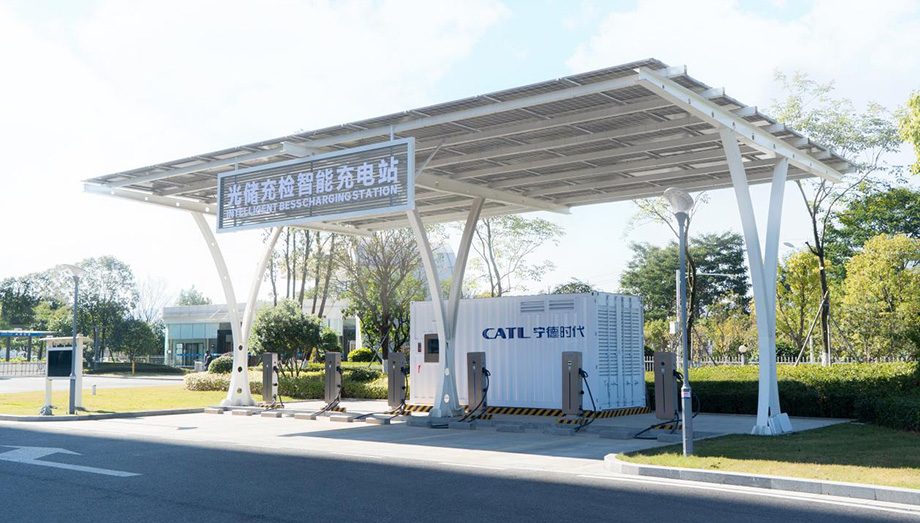
Systemic Integration for Balanced Battery Performance
High-quality battery cells are only as reliable as the systems that manage them. A complete BESS requires close integration between the battery cells, the Battery Management System (BMS), and the Power Conversion System (PCS).
CNTE has designed a proprietary three-tier BMS architecture that monitors voltage, current, and temperature at the cell level. By implementing high-frequency balancing algorithms, the BMS prevents cells from operating outside their recommended limits, protecting them from overcharging and over-discharging. This level of system control ensures that the lfp catl modules perform reliably throughout their operational life.
The integration process also includes highly efficient power converters and intelligent software controls. By matching cell dynamics with rapid-response power electronics, CNTE systems can transition from grid-charging to islanded backup mode in milliseconds, protecting sensitive industrial equipment from voltage dips and power interruptions. The resulting combination of robust chemistry and sophisticated system design delivers reliable power security.
Frequently Asked Questions
Q1: Why do commercial projects favor lfp catl cells over nickel-based alternatives?
A1: Commercial projects prioritize operating life, safety, and levelized cost over lightweight packaging. LFP chemistry offers a much higher thermal runaway threshold and does not release oxygen during high-temperature events. The cells also deliver a much longer cycle life, often up to 10,000 cycles, which makes them more financially viable for long-term stationary storage compared to nickel-manganese-cobalt options.
Q2: How does the Cell-to-Pack (CTP) design improve system-level performance?
A2: Traditional battery packaging groups individual cells into modular housings, which are then wired together. CTP technology eliminates these intermediate module housings, allowing cells to be integrated directly into the system rack. This approach increases volumetric energy density, reduces system weight, and simplifies thermal management by putting liquid-cooling elements in direct contact with the cells.
Q3: How does the Battery Management System (BMS) protect the battery lifecycle?
A3: The BMS monitors cell voltage, current, and temperature in real time. It uses active and passive balancing to equalize charge across all cells in a series, preventing individual cells from being overcharged or over-discharged. This continuous management prevents localized cell degradation, ensuring the entire system ages uniformly.
Q4: How do cold climates impact the performance of these storage systems?
A4: Low temperatures can slow down chemical reactions and increase internal resistance, which temporarily reduces capacity. CNTE resolves this by integrating advanced liquid thermal management systems with internal heating capabilities. This keeps the internal battery temperature within an optimal operational range, ensuring consistent performance in cold regions.
Q5: Can these storage systems be integrated with pre-existing solar PV installations?
A5: Yes, CNTE designs its BESS with flexible power conversion options that support both AC-coupled and DC-coupled configurations. This compatibility allows commercial facilities to add energy storage to pre-existing solar arrays, enabling self-consumption, peak shaving, and backup power functionality.
Request a Customized Project Evaluation
Every commercial and industrial facility has a unique energy load profile and distinct operational requirements. To find the right solution for your site, contact the system design team at CNTE (Contemporary Nebula Technology Energy Co., Ltd.). Our engineers are available to review your load profiles, calculate system sizing, and provide detailed specification proposals that align with your operational goals. Reach out today to start your inquiry.
Get in Touch
Recent Posts
-
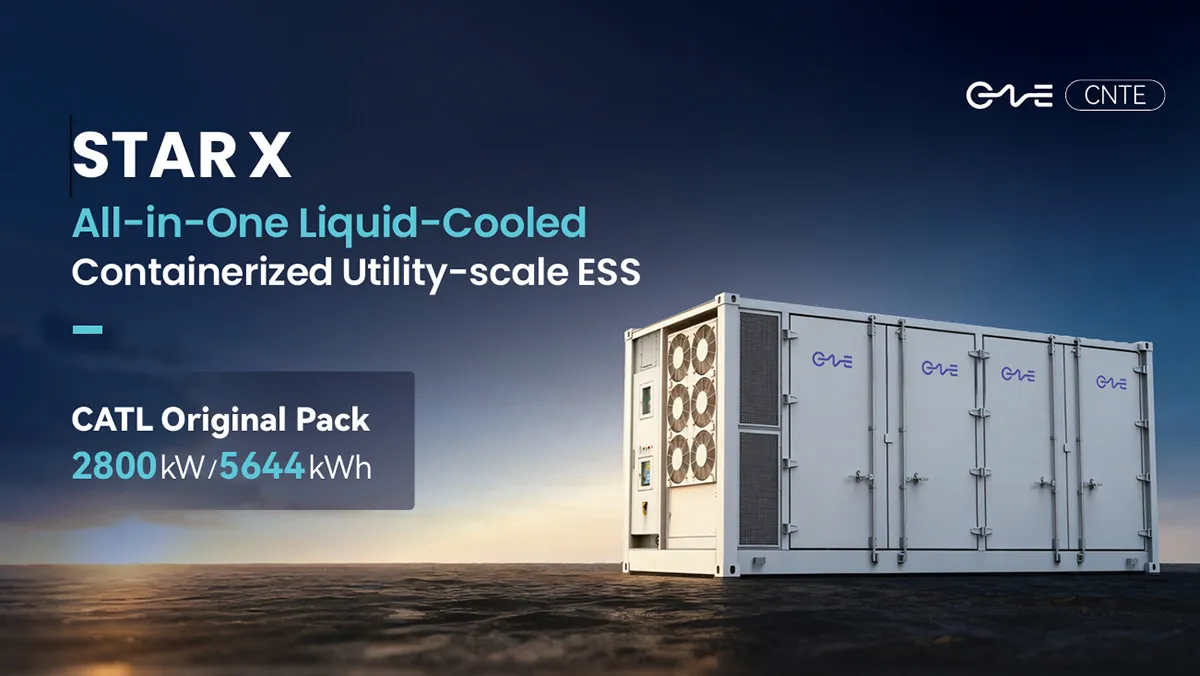
CNTE Launches STAR X Liquid-Cooled DC/AC Integrated Energy Storage System at Intersolar Europe 2026
Jul 06, 2026 -
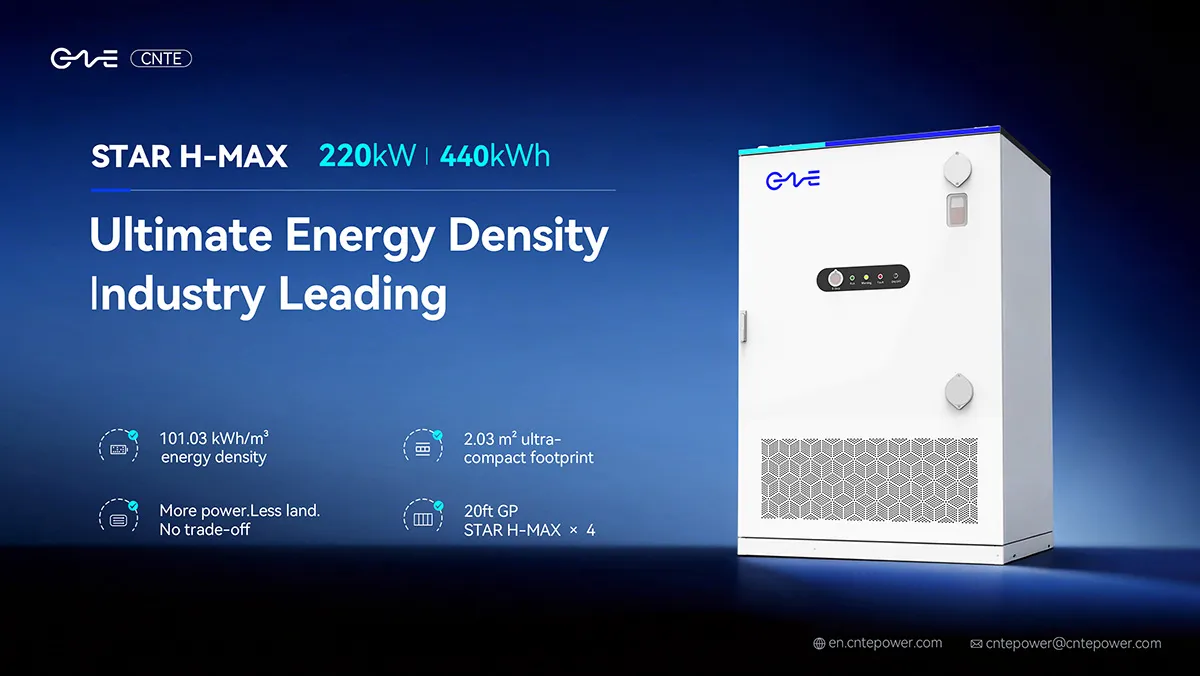
CNTE Unveils New STAR H-MAX Liquid-Cooled C&I ESS at Intersolar Europe 2026
Jun 23, 2026 -
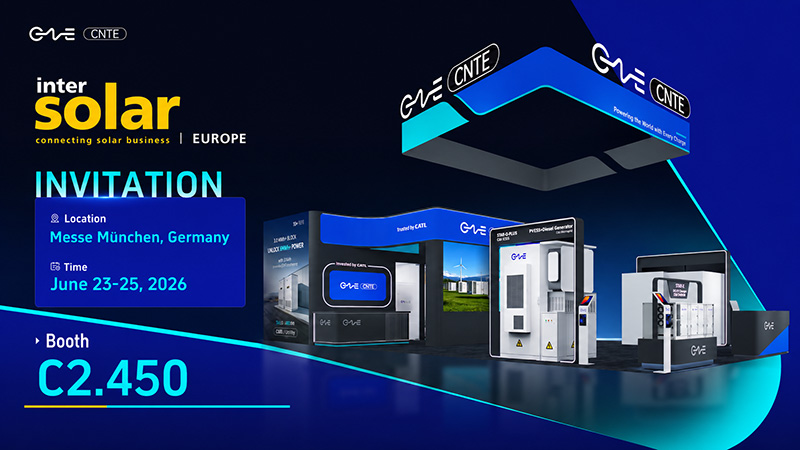
CNTE to Participate in Intersolar Europe 2026
May 20, 2026 -
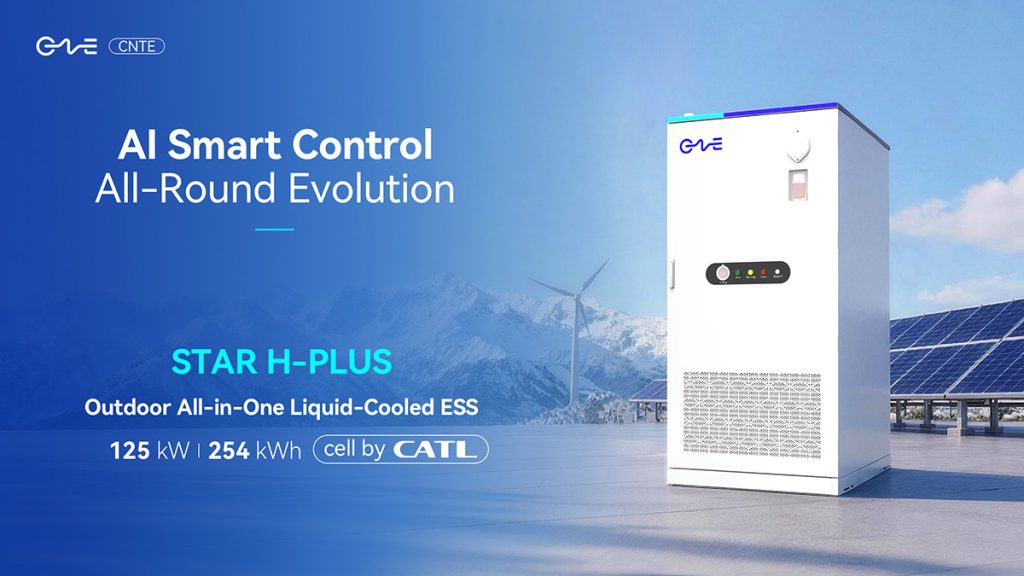
CNTE at KEY ENERGY 2026: Showcases STAR H-PLUS Outdoor Liquid-Cooled Energy Storage System
Mar 05, 2026 -

CNTE Honored as 2025 Forbes China Leading Global Brand
Jul 06, 2026 -

CNTE & YOU.ON Partner to Expand Storage Markets
May 19, 2025 -
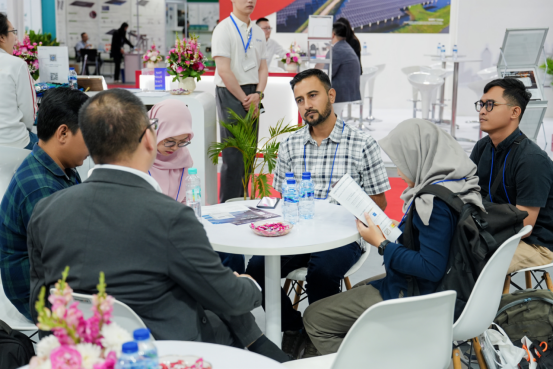
CNTE Unveils Energy Storage Lineup at Solartech 2025
May 19, 2025 -
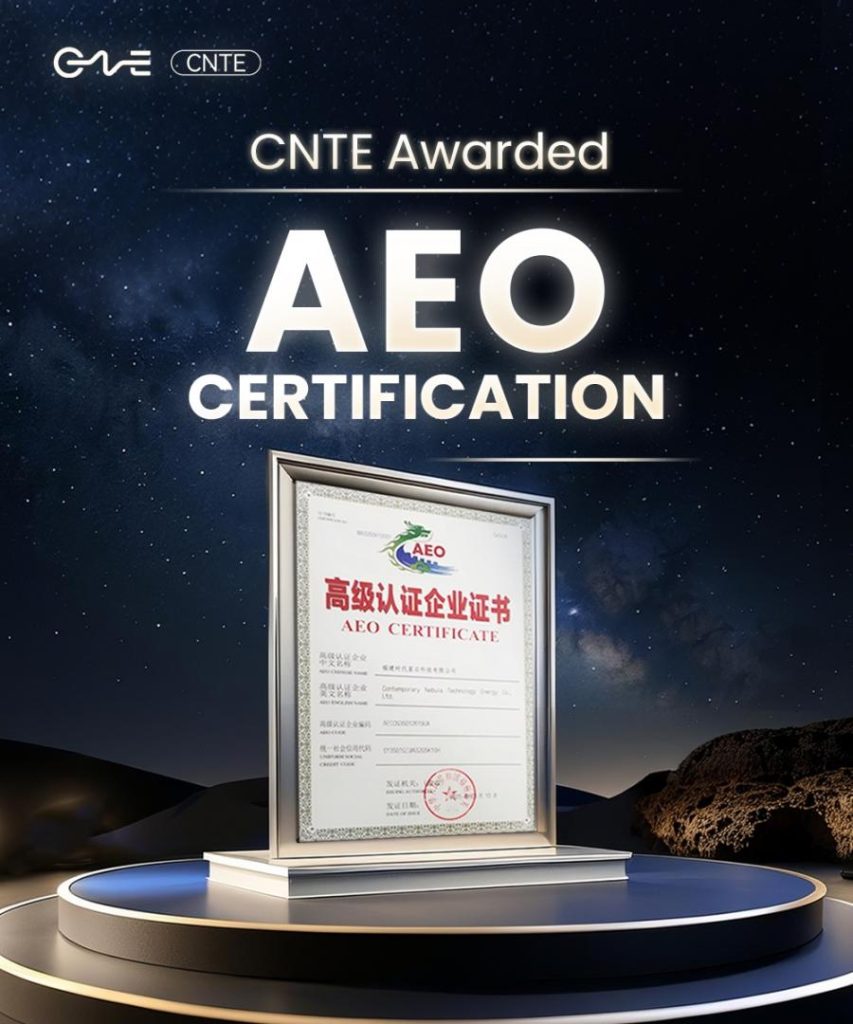
CNTE awarded AEO certification
Jul 06, 2026 -
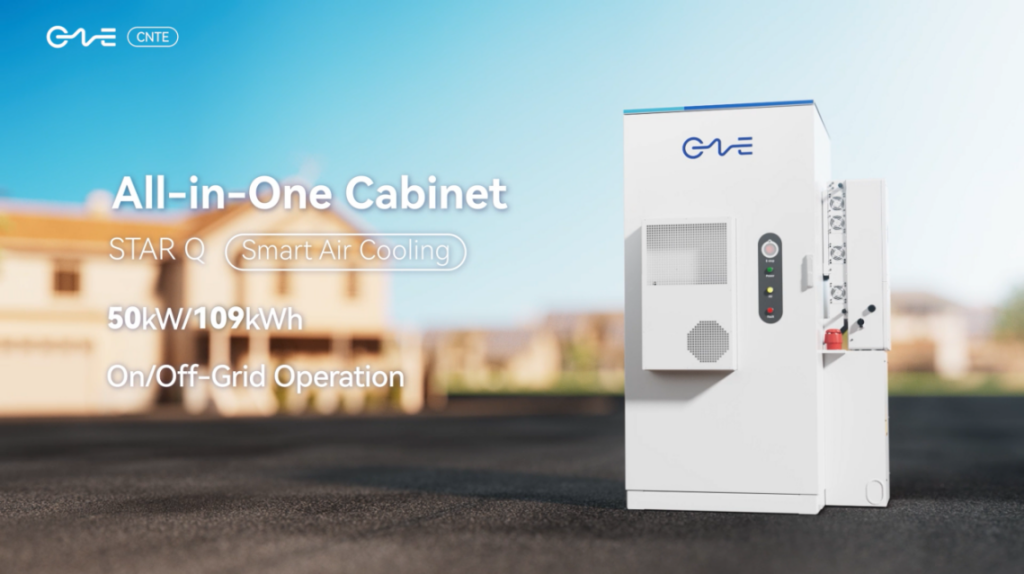
CNTE New Product Launch STAR Q
Jan 15, 2025 -
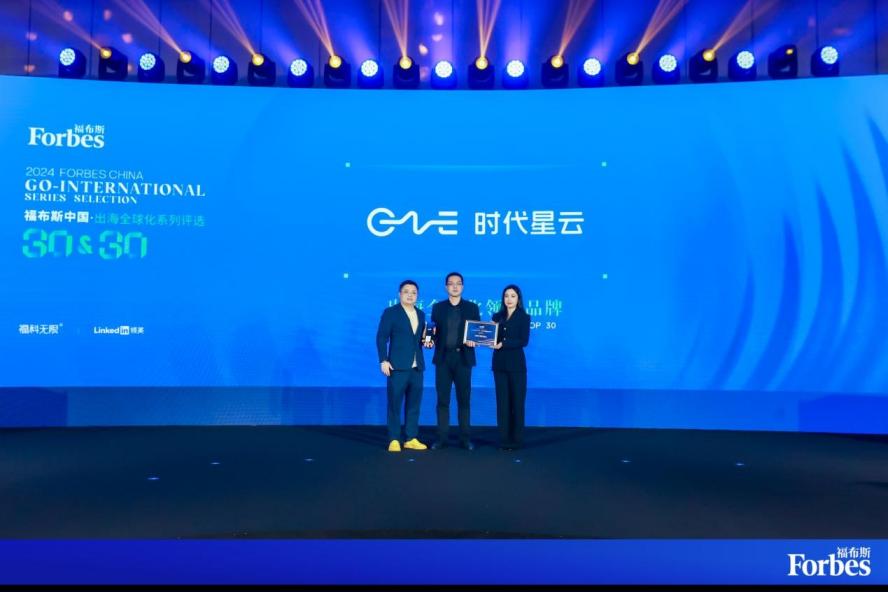
CNTE Named to Forbes China 2024 Top 30 Go-International Brands
Jul 06, 2026
