
How Does Contemporary Amperex Technology Battery Cell Chemistry Improve Utility Grid Stability?
Global energy transition mandates robust, scalable, and thermally stable energy storage architectures. Commercial and industrial facilities, paired with utility-scale power installations, require electrochemical platforms that balance energy density, thermal safety, and long cycle operational life. At the center of modern industrial energy storage systems sits the advanced lithium iron phosphate (LFP) chemistry developed for high-rate, long-duration applications. Integrating a contemporary amperex technology battery into containerized and modular energy storage deployments allows project developers to maintain stable capacity retention across thousands of operational cycles under demanding charge-discharge profiles.
CNTE (Contemporary Nebula Technology Energy Co., Ltd.) designs and manufactures complete, multi-scenario energy storage solutions that harness high-performance cell chemistries. By pairing industrial-grade power conversion systems with advanced cell manufacturing standards, storage architectures achieve operational longevity while minimizing round-trip efficiency losses. Evaluating the structural design, thermal characteristics, and battery management logic of these storage assets provides a roadmap for engineers and project managers specifying storage hardware for complex microgrid and grid-support infrastructure.
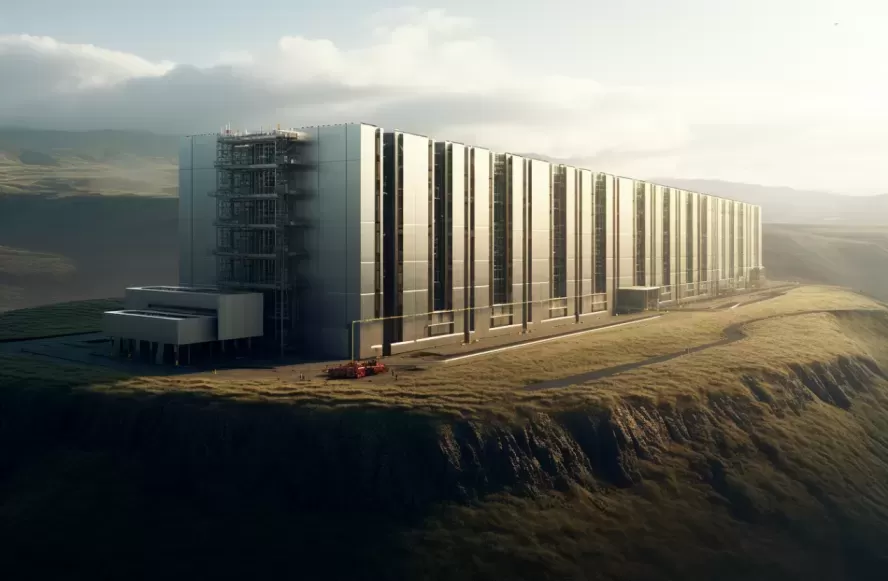
Electrochemical Foundations and Cell Mechanics
The operational performance of a high-capacity energy storage installation relies heavily on internal cell mechanics. High-density LFP cells built within modern automated manufacturing lines utilize structured olivine crystal lattices. This crystal structure exhibits strong iron-phosphate bonds, which maintain structural integrity under continuous lithium-ion insertion and extraction. Consequently, phase transitions during rapid charging or discharging cycles do not strain the crystal frame, leading to reduced volume expansion compared to alternative chemistries.
Solid-electrolyte interphase (SEI) stability remains a key driver of multi-thousand cycle endurance. Advanced cell designs incorporate engineered electrolyte additives that form a thin, uniform SEI layer on the synthetic graphite anode. This layer prevents ongoing electrolyte degradation while permitting rapid lithium-ion transport. Reduced charge-transfer resistance across the anode-electrolyte interface minimizes internal heat generation, which directly enhances dynamic efficiency during heavy charge-discharge operation.
Current collectors, internal tabs, and cell packaging further influence energy retention. High-precision laser welding reduces electrical contact resistance across structural busbars, decreasing parasitic heat buildup inside battery modules. Thin-profile aluminum-clad casing materials offer mechanical rigidity while reducing dead weight, enabling maximum volumetric energy density within standard 20-foot and 40-foot ISO container footprint dimensions.
Thermal Architecture and Active Cooling Integration
Heat dissipation dictates the operational lifecycle of energy storage systems. Uncontrolled thermal variances across module packs lead to localized degradation, capacity imbalance, and degraded dynamic response. Liquid cooling systems integrated by CNTE address thermal gradients by routing dielectric coolants directly through cold plates located adjacent to high-rate cell blocks.
Compared to traditional forced-air HVAC cooling configurations, direct-to-plate liquid cooling provides significant operational benefits:
Uniform Temperature Distribution: Liquid cooling maintains intra-pack temperature deviations under 3 degrees Celsius, preventing premature degradation of specific series-connected cells.
Reduced Auxiliary Power Consumption: Liquid circulation pumps operate at higher thermal transfer efficiencies than high-CFM air fans, reducing internal auxiliary power usage and raising overall system round-trip efficiency.
Compact Form Factor: Eliminating bulky air-duct pathways allows higher packing density within the enclosure, yielding elevated megawatt-hour (MWh) metrics per square meter of footprint.
Environmental Isolation: Sealed liquid cooling loops protect internal electronics from moisture, dust, and corrosive salt air environments in coastal installations.
Thermal management algorithms monitor localized real-time thermistor readings within every module. When localized temperature spikes occur during high-current peak shaving events, variable-speed pumps adjust coolant flow rates dynamically. This proactive thermal control maintains the operational envelope between 20 degrees Celsius and 30 degrees Celsius, preserving maximum usable capacity over long operating lifespans.
Addressing Engineering Challenges in Commercial and Industrial Applications
Commercial and industrial (C&I) facility managers face operational demands including peak demand charges, intermittent renewable generation, and power quality anomalies. Deploying a contemporary amperex technology battery platform inside C&I energy storage systems provides the continuous power capacity required to mitigate expensive power draw spikes.
A primary challenge in industrial energy management involves managing high-power surge loads caused by large electrical motors, inductive equipment, or manufacturing lines starting simultaneously. Battery storage systems must deliver rapid response times, moving from standby mode to full-power output within milliseconds. High C-rate capability, backed by low internal resistance cell engineering, enables seamless load balancing without inducing high thermal stress within the cell structure.
System capacity matching presents another engineering obstacle. Uneven degradation across series-connected strings can reduce overall pack capacity over time. Advanced active balancing systems inside CNTE power enclosures address this issue by redistributing charge between individual cells during both operational rest and active duty cycles. Balancing current across adjacent cells preserves string equilibrium, eliminating capacity bottlenecks and maximizing accessible energy reserves.
Utility-Scale Grid Integration and Ancillary Services
Utility-scale energy storage facilities support grid resilience through dynamic frequency response, spinning reserve capacity, and voltage support. Power grids featuring high percentages of variable renewable generation experience frequency fluctuation due to sudden shifts in solar radiance or wind velocity. Containerized systems built with a contemporary amperex technology battery deliver four-quadrant power control, supporting grid stability through instantaneous active and reactive power injection.
Continuous sub-second cycling places unique stresses on grid-scale energy storage modules. Frequency regulation protocols require constant small-amplitude charging and discharging, generating dynamic micro-cycles. The structural stability of modern LFP cell designs prevents mechanical degradation under these continuous shallow cycles, allowing utility operators to deliver ancillary services continuously without compromising long-term asset availability.
System architecture for utility deployments relies on high-voltage system strings, typically operating between 1000 Volts DC and 1500 Volts DC. Operating at elevated system voltages reduces current magnitude, which diminishes I-squared-R resistive losses across high-power interconnects and cabling. Matching these high-voltage DC arrays with liquid-cooled central power conversion units yields high systemic energy density and streamlined utility-scale interconnectivity.
Multi-Layer System Controls and Smart Diagnostics
System reliability requires multi-tier software and hardware control loops monitoring every level of the energy storage platform. Modern Energy Management Systems (EMS) and Battery Management Systems (BMS) work synchronously to evaluate health telemetry and adjust power limits in real time.
Level 1 Cell Sensing: Localized circuit boards sample individual cell voltages and thermistor readings at high speeds, identifying micro-volts of deviation before anomalies affect pack performance.
Level 2 Pack Analytics: Master BMS units collect stack telemetry, computing precise State of Charge (SoC) and State of Health (SoH) metrics using dynamic mathematical models rather than simple voltage lookup tables.
Level 3 System EMS: Upper-level controllers coordinate local power conversion hardware, balancing grid dispatch signals, site load demands, and real-time operational limits set by lower-level management layers.
Predictive maintenance algorithms analyze cumulative operational telemetry to detect subtle trends in cell internal resistance and capacity fade rates. By evaluating historical voltage curves during specific charging cycles, diagnostic software identifies potential degradation factors early. Facility operators can schedule planned maintenance routines without unexpected system downtime, preserving asset profitability across long term service contracts.
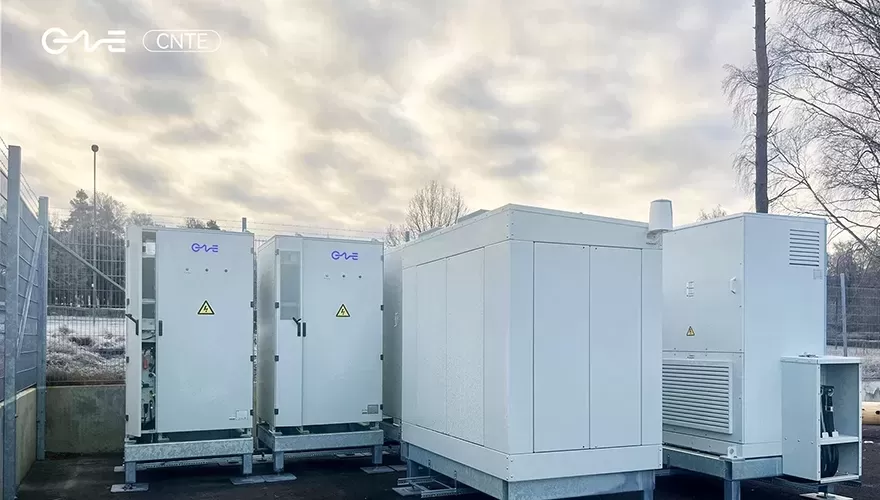
Industrial Procurement, Structural Standards, and Engineering Selection
Specifying battery storage hardware for industrial projects requires matching application duty cycles with appropriate mechanical and electrical safety parameters. Project developers must evaluate factors beyond upfront capital expenditure, focusing heavily on total cost of ownership, auxiliary power requirements, and multi-year capacity degradation guarantees.
System enclosure standards must conform to harsh operating environments. Outdoor-rated NEMA 4X or IP65 enclosures feature localized fire suppression, gas detection, and structural blast relief panels. CNTE integrates comprehensive multi-stage defense mechanisms—including off-gas detection sensors, aerosol fire suppression systems, and localized pack-level isolation switches—to maintain site stability across all operational conditions.
Matching system parameters to specific duty cycles ensures long-term operational success. Facilities requiring daily deep discharge cycles for energy time-shifting benefit from liquid-cooled, high-capacity cell arrays that prioritize minimal capacity fade over thousands of 100% Depth of Discharge (DoD) events. Facilities prioritizing short-duration back-up power or peak shaving require higher power-to-energy ratios and high C-rate surge handling.
Frequently Asked Questions
Q1: What are the primary advantages of utilizing LFP cell chemistry
in large-scale energy storage systems?
A1: LFP chemistry offers
inherent structural stability due to strong iron-phosphate bonds within its
crystal lattice. This leads to exceptional cycle life, high thermal stability,
minimal capacity degradation over extended operational years, and lower raw
material procurement impact compared to nickel or cobalt-based chemistries.
Q2: How does liquid cooling improve energy storage system longevity
compared to air cooling?
A2: Liquid cooling provides superior
thermal conduction, maintaining narrow cell-to-cell temperature variations
(under 3 degrees Celsius) across large battery packs. Consistent temperature
distribution prevents localized cell degradation, reduces auxiliary cooling
power consumption, and maintains system capacity retention under continuous duty
cycles.
Q3: Why is State of Health (SoH) estimation vital for C&I energy
storage management?
A3: Accurate SoH estimation allows energy
management software to adjust charge and discharge power limits dynamically
based on actual cell degradation profiles. This prevents over-stressing aged
cells, maintains system stability, and provides predictable asset lifespan
tracking for financial planning and warranty compliance.
Q4: What is the significance of 1500V DC system architecture in
modern utility-scale energy storage?
A4: Raising DC system operating
voltage to 1500V reduces current flow for a given power output. Lower current
minimizes resistive transmission losses, allows smaller conductor
cross-sections, simplifies containerized cabling layout, and increases overall
power output per inverter channel.
Q5: How does active cell balancing preserve usable capacity in
series-connected battery strings?
A5: Active balancing redistributes
charge between cells with slightly higher and lower states of charge during both
active cycling and idle states. This keeps every cell operating within identical
voltage boundaries, preventing weak cells from limiting the discharge or charge
limits of the entire battery string.
Partnering with CNTE for Custom Energy Storage Deployments
Selecting the optimal battery technology and system architecture is crucial for commercial, industrial, and utility energy storage projects. CNTE (Contemporary Nebula Technology Energy Co., Ltd.) delivers custom, fully integrated energy storage systems designed around high-performance cell chemistries and sophisticated liquid-cooling infrastructure. Contact our senior engineering team to discuss your project requirements, request detailed system specs, or initiate a comprehensive technical inquiry for your next energy storage installation.
Get in Touch
Recent Posts
-
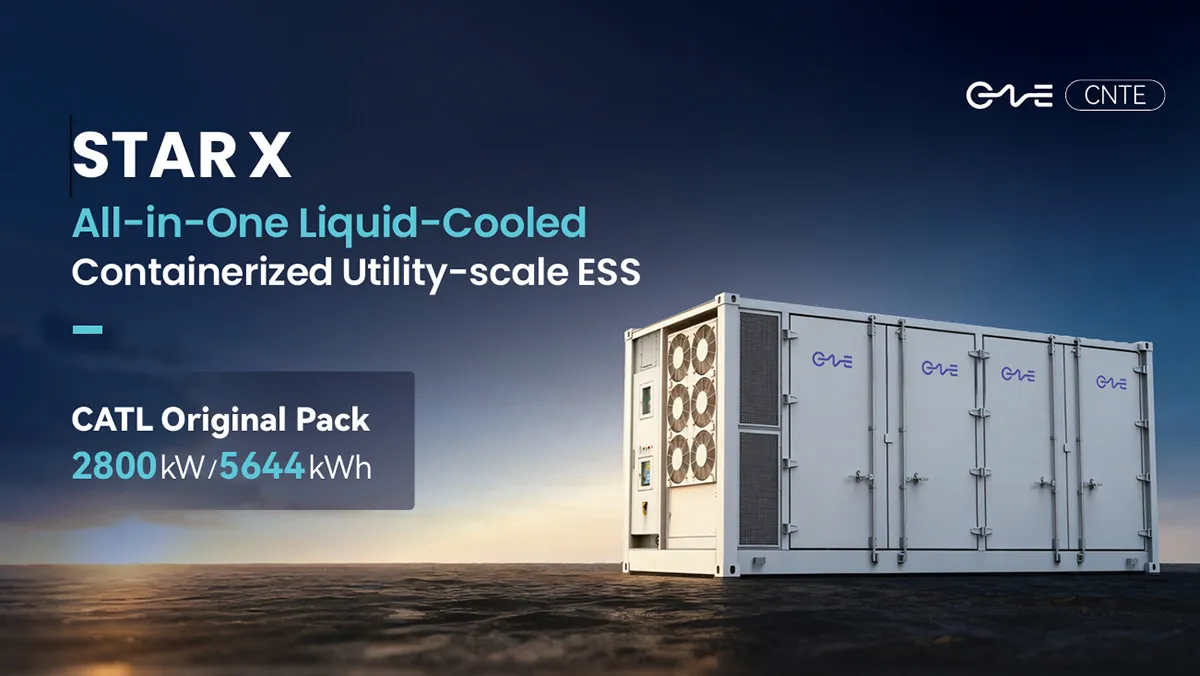
CNTE Launches STAR X Liquid-Cooled DC/AC Integrated Energy Storage System at Intersolar Europe 2026
Jul 06, 2026 -
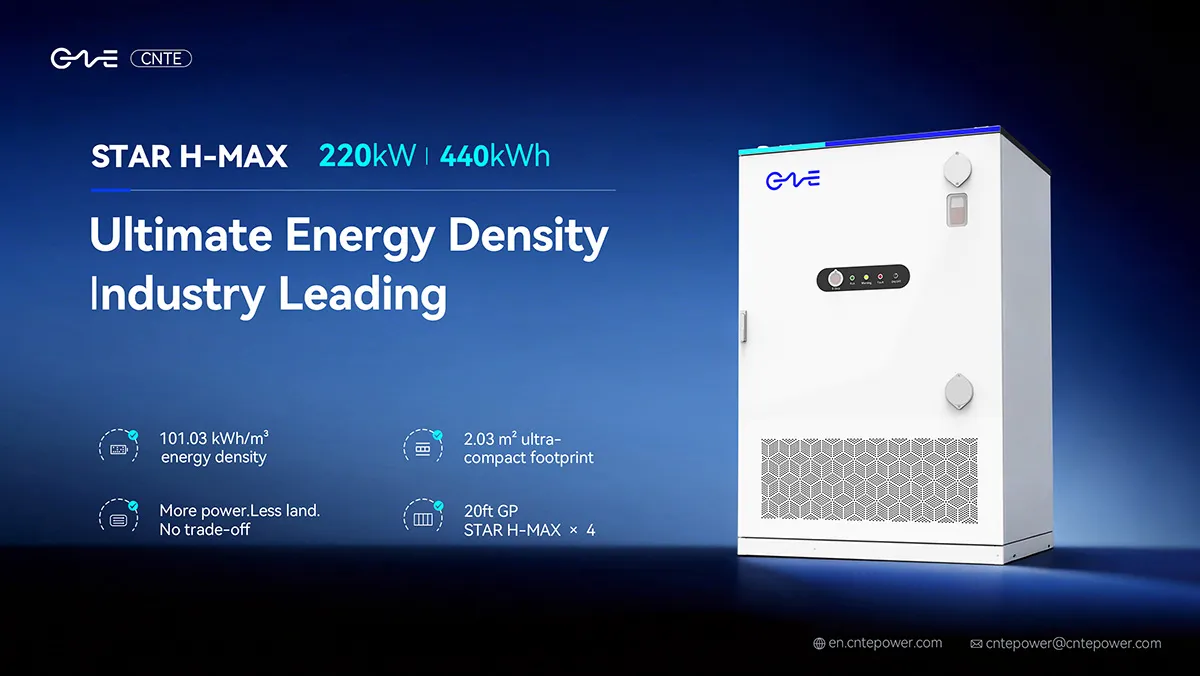
CNTE Unveils New STAR H-MAX Liquid-Cooled C&I ESS at Intersolar Europe 2026
Jun 23, 2026 -
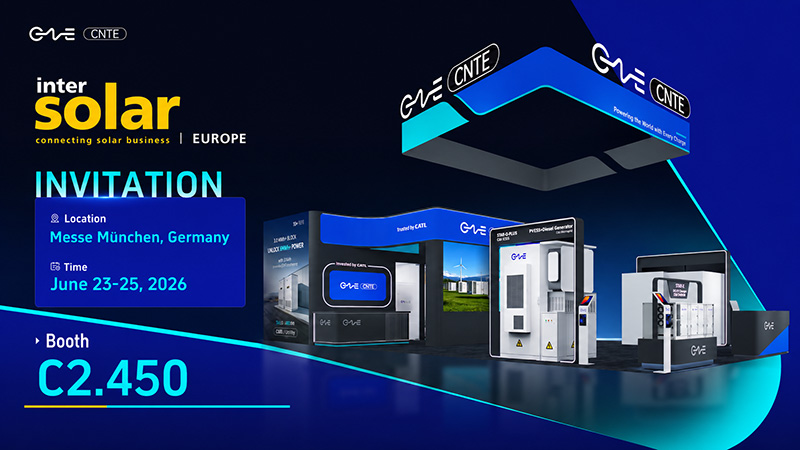
CNTE to Participate in Intersolar Europe 2026
May 20, 2026 -
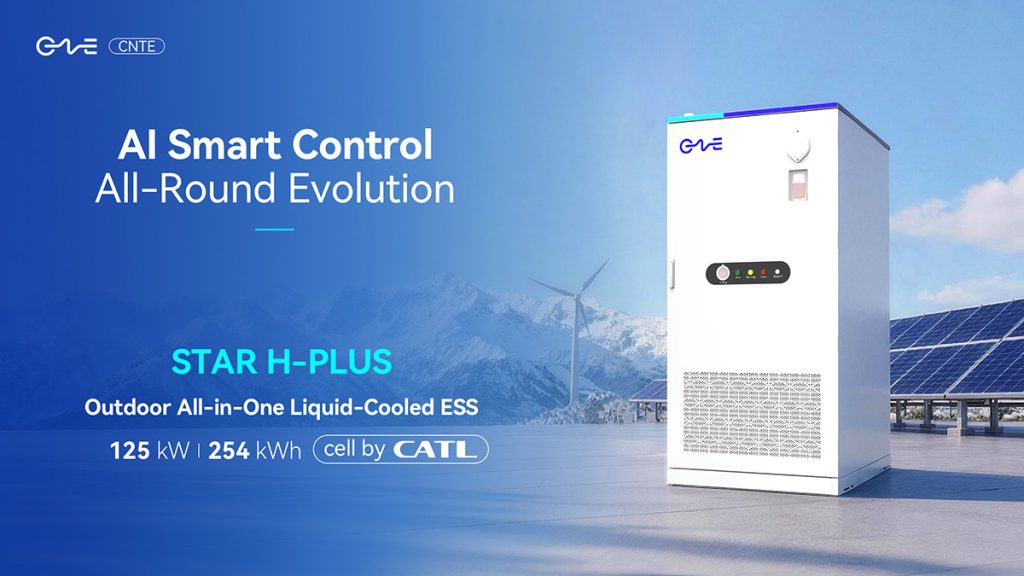
CNTE at KEY ENERGY 2026: Showcases STAR H-PLUS Outdoor Liquid-Cooled Energy Storage System
Mar 05, 2026 -

CNTE Honored as 2025 Forbes China Leading Global Brand
Jul 06, 2026 -

CNTE & YOU.ON Partner to Expand Storage Markets
May 19, 2025 -
CNTE Unveils Energy Storage Lineup at Solartech 2025
May 19, 2025 -
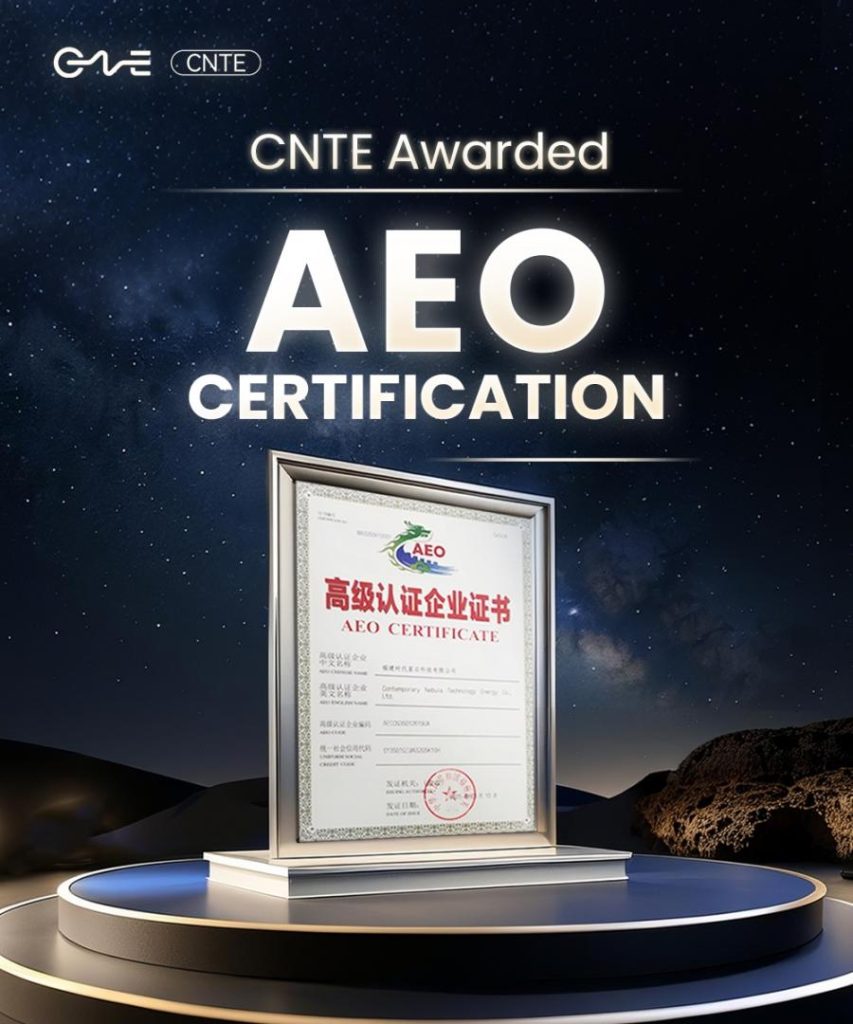
CNTE awarded AEO certification
Jul 06, 2026 -
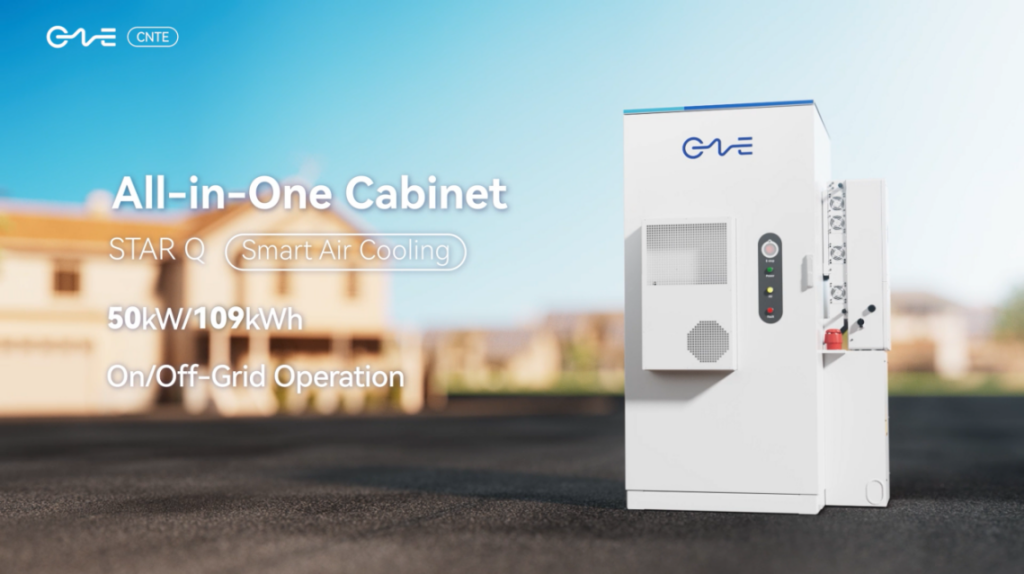
CNTE New Product Launch STAR Q
Jan 15, 2025 -
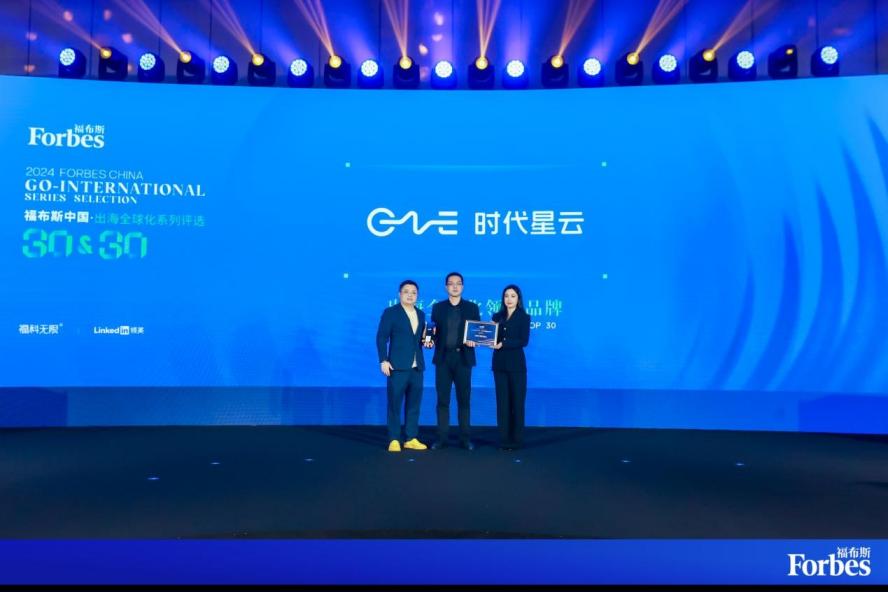
CNTE Named to Forbes China 2024 Top 30 Go-International Brands
Jul 06, 2026
