
How Can a Storage System for Solar Energy Resolve Grid Instability for Industrial Facilities?
The global transition toward decentralized power generation has positioned solar photovoltaics (PV) as a primary source of industrial electricity. However, the inherent variability of solar generation presents significant integration challenges for high-demand operations. Without a mechanism to balance supply and demand in real time, industrial facilities suffer from voltage instability, peak demand charges, and wasted excess generation. Implementing an advanced storage system for solar energy offers a structured path to address these challenges, establishing operational resilience and stabilizing energy expenditures.
For commercial and industrial (C&I) enterprises, energy storage is no longer just a backup option; it is a fundamental component of the modern energy infrastructure. By capturing surplus power generated during peak solar hours, these systems allow facilities to maintain a consistent power supply even when solar output drops. This analysis examines the engineering design, deployment scenarios, and performance factors that define modern commercial battery storage systems.
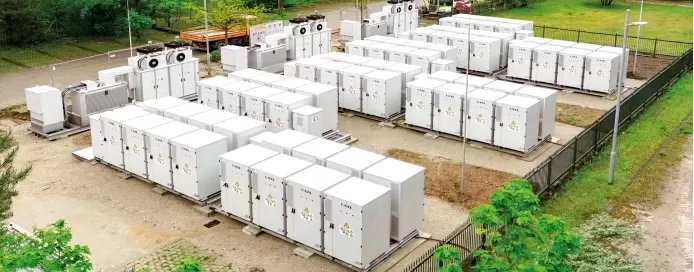
Architectural Components of Commercial Energy Storage
A commercial-scale storage system for solar energy relies on the integration of electrochemistry, power electronics, and control software. Understanding how these components interact is key to specifying a system that aligns with facility-specific load profiles and operational goals.
Battery Chemistry and Cell Selection
Lithium Iron Phosphate (LiFePO4 or LFP) chemistry has become the industry standard for stationary B2B storage applications. Compared to Nickel Manganese Cobalt (NMC) alternatives, LFP cells offer superior thermal stability, a longer cycle life, and a lower environmental footprint. Typical industrial cells operate reliably for 6,000 to 8,000 cycles at an 80% Depth of Discharge (DoD). This longevity is important for facilities that cycle their systems daily to manage demand charges and shift loads.
Power Conversion Systems (PCS)
The PCS, or bidirectional inverter, manages the conversion of direct current (DC) from the solar panels and battery cells to alternating current (AC) for the facility’s electrical distribution system. In modern C&I setups, the PCS must support rapid, seamless transitions between grid-tied and islanded modes. It must also provide ancillary services like reactive power compensation and voltage support. High-efficiency PCS units operate at peak efficiencies exceeding 98.5%, minimizing conversion losses during charging and discharging cycles.
Battery Management Systems (BMS) and Energy Management Systems (EMS)
Control systems operate on a multi-tiered architecture:
BMS (Cell-Level Control): Monitors voltage, temperature, and State of Charge (SoC) for individual cells. It prevents overcharging, over-discharging, and cell imbalance, which can lead to accelerated degradation.
EMS (System-Level Control): Interfaces with the facility’s local grid, weather forecasting models, and utility pricing structures. The EMS runs dispatch algorithms to determine when to store solar energy, when to feed it to the load, and when to export it to the utility grid.
Thermal Management and Safety Engineering
Large-scale energy storage installations generate significant heat during rapid charge and discharge cycles. Efficient thermal management is a key factor in extending battery life and preventing safety hazards such as thermal runaway.
Traditional air-cooling designs often struggle to maintain uniform cell temperatures in high-capacity enclosures, leading to uneven aging across the battery pack. To address this, advanced liquid-cooling systems circulate dielectric fluid or water-glycol mixtures through cooling plates placed in direct contact with the battery cells. This approach keeps cell-to-cell temperature variations within a narrow margin (frequently under 3°C), which helps preserve capacity and ensures stable performance over years of operation.
Safety engineering also requires multi-layered mitigation features, such as integrated deflagration venting, aerosol-based fire suppression systems, and strict compliance with global standards such as UL 1973 and UL 9540A. These standards verify that even if a cell failure occurs, it remains isolated and does not escalate into a larger safety hazard.
Key Industrial Application Scenarios
Integrating a storage system for solar energy serves different operational purposes depending on the facility's load profile, local utility tariffs, and grid reliability.
Peak Shaving and Demand Charge Management
Industrial utility bills often include high demand charges based on the peak electricity usage recorded during a billing cycle. By deploying storage, a facility can cap its grid draw during these peak times. The EMS monitors real-time demand and discharges the batteries whenever the facility's power consumption crosses a predefined threshold, lowering overall utility costs.
Solar Self-Consumption Optimization
In regions where feed-in tariffs are low or net-metering policies are unfavorable, exporting surplus solar energy to the grid is not financially advantageous. Under these conditions, the EMS directs excess daytime solar production into the battery storage unit. This stored energy is then used during evening hours or periods of low solar irradiation, maximizing the utilization of on-site clean energy.
Microgrid Resiliency and Backup Power
For manufacturing plants, data centers, and cold-storage facilities, momentary power interruptions can lead to production downtime and material losses. When paired with a grid-forming inverter, the storage system can establish a local microgrid. If the main grid fails, the system transitions the facility to backup power within milliseconds, ensuring continuous operation of key equipment.
The CNTE Solution Framework
Meeting the strict operational demands of C&I facilities requires customized engineering. Contemporary Nebula Technology Energy Co., Ltd. (CNTE) develops integrated energy storage systems designed for demanding industrial environments. By combining advanced battery technology with intelligent control platforms, CNTE systems help businesses manage operational variations and meet clean energy objectives.
CNTE focus areas include:
Modular Liquid-Cooled Enclosures: Engineered to provide uniform temperature control, these systems reduce auxiliary power consumption and prolong cell life under harsh environmental conditions.
Intelligent BMS Platforms: Delivering high-precision data collection to monitor cell health, predict degradation trends, and prevent potential system issues before they disrupt operations.
Flexible System Integration: Designed to interface with existing solar PV arrays and complex industrial distribution networks, reducing installation time and commissioning costs.
By prioritizing reliability and long-term performance, CNTE helps enterprises build robust energy architectures that handle peak loads while maintaining a stable on-site power profile.
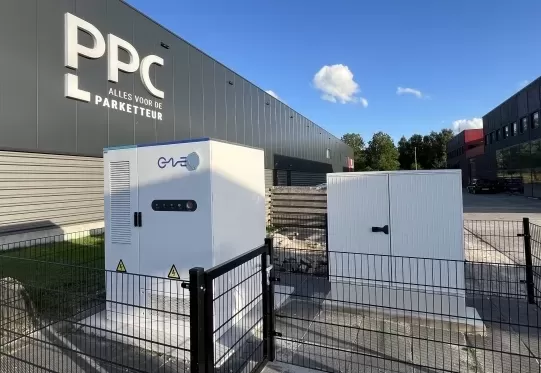
Evaluating Economic Performance and Lifecycle Value
A thorough evaluation of an industrial storage system for solar energy requires analyzing both initial capital expenditures (CAPEX) and long-term operational costs (OPEX). The Levelized Cost of Storage (LCOS) serves as a valuable metric for calculating the cost per megawatt-hour (MWh) of discharged energy over the system’s expected lifespan.
To calculate the true economic return, engineers must factor in:
Degradation Rates: System capacity naturally declines over time. Choosing systems with high-quality cells and efficient thermal management helps maintain higher usable capacity over longer periods.
Round-Trip Efficiency (RTE): The ratio of energy retrieved from storage to the energy used to charge it. Higher RTE reduces energy losses, improving the overall financial return of solar self-consumption strategies.
Local Regulatory Incentives: Utilizing available investment tax credits, accelerated depreciation benefits, and demand-response program participation can significantly shorten the payback period for new installations.
Frequently Asked Questions
Q1: What are the primary differences between liquid-cooled and air-cooled storage systems for solar energy?
A1: Liquid-cooled systems utilize a liquid medium to transfer heat away from the cells, offering higher thermal conductivity than air-cooled systems. This allows for tighter control over cell temperatures, reduces temperature differentials within the pack, and saves space by enabling higher energy density. Air-cooled systems are often less complex but can lead to uneven cell aging in high-capacity setups.
Q2: How does a commercial storage system for solar energy manage peak shaving?
A2: The local EMS continuously monitors the facility’s power draw from the grid. When the load approaches a set peak threshold, the system automatically discharges the stored solar power to cover the excess demand. This keeps the grid-supplied power below the threshold, helping avoid high demand charges on the utility bill.
Q3: What is the expected lifespan of a LiFePO4 battery system in C&I applications?
A3: High-quality LiFePO4 systems typically deliver between 6,000 and 8,000 cycles at an 80% Depth of Discharge before their capacity drops to 80% of its original rating. Under typical daily cycling conditions, this translates to an operational lifespan of 15 to 20 years, depending on the ambient conditions and thermal management efficiency.
Q4: Can a storage system for solar energy operate in off-grid conditions?
A4: Yes. When paired with a grid-forming PCS and a microgrid controller, the system can island itself from the main grid during an outage. It establishes a local voltage and frequency reference, allowing the facility to run on a combination of solar generation and battery power until grid services are restored.
Q5: How does the EMS coordinate with existing solar PV inverters?
A5: The EMS communicates with solar inverters using standard protocols such as Modbus TCP/IP or RTU. This connection allows the EMS to monitor generation levels in real time and throttle or direct solar output to either the battery bank, the facility load, or the utility grid based on current priorities.
Project Evaluation and Engineering Consultation
Designing a reliable energy storage system requires a detailed evaluation of your facility’s load profiles, utility rate structures, and space availability. A poorly specified system can lead to premature degradation, insufficient backup capacity, or suboptimal financial returns.
Our engineering team at CNTE (Contemporary Nebula Technology Energy Co., Ltd.) is ready to help you analyze your operational requirements and configure a durable solution tailored to your site. To receive a detailed system analysis and technical proposal, please contact our integration specialists to submit your project inquiry today.
Get in Touch
Recent Posts
-
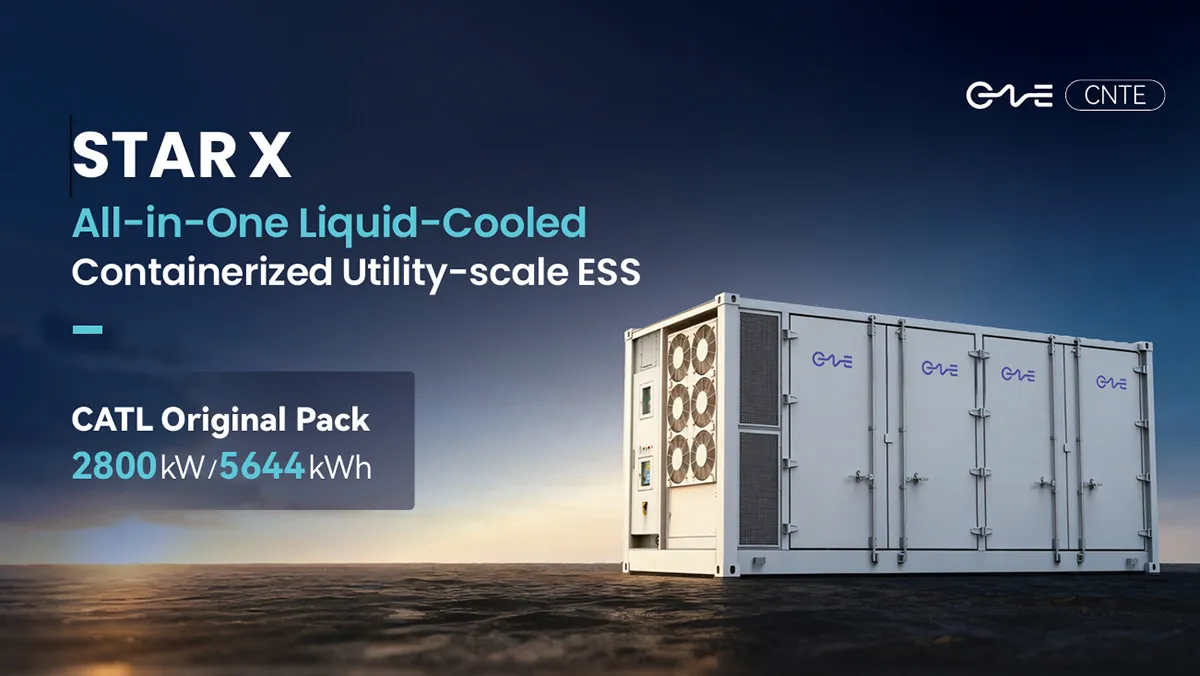
CNTE Launches STAR X Liquid-Cooled DC/AC Integrated Energy Storage System at Intersolar Europe 2026
Jul 06, 2026 -
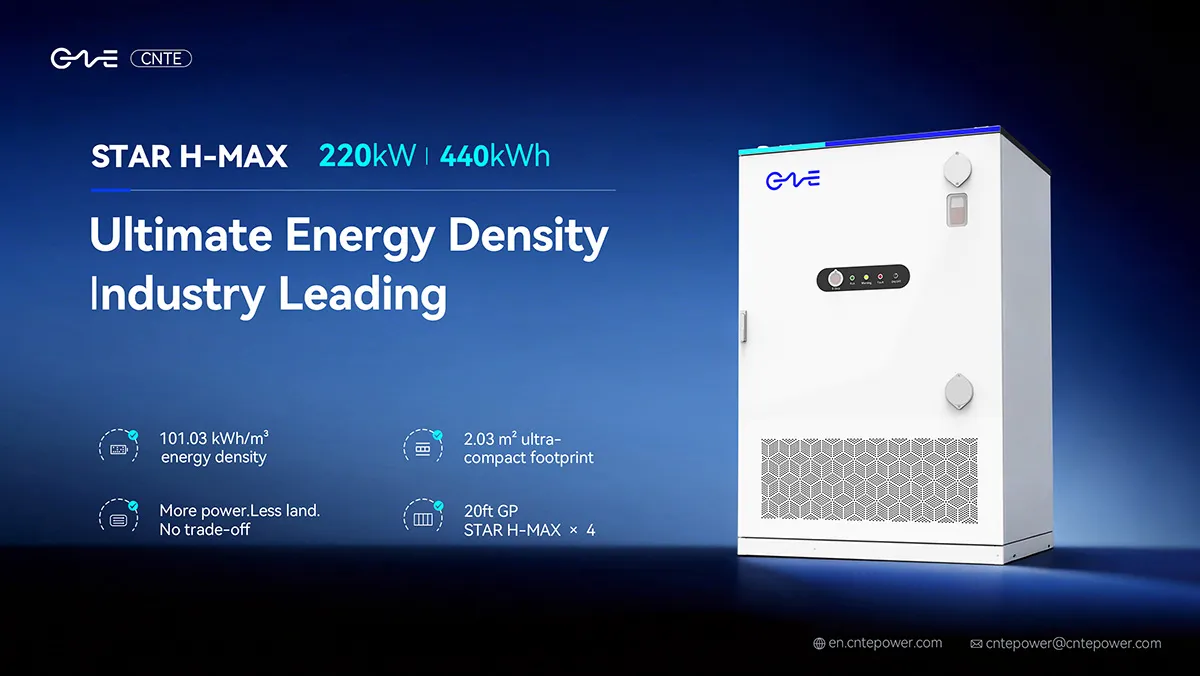
CNTE Unveils New STAR H-MAX Liquid-Cooled C&I ESS at Intersolar Europe 2026
Jun 23, 2026 -
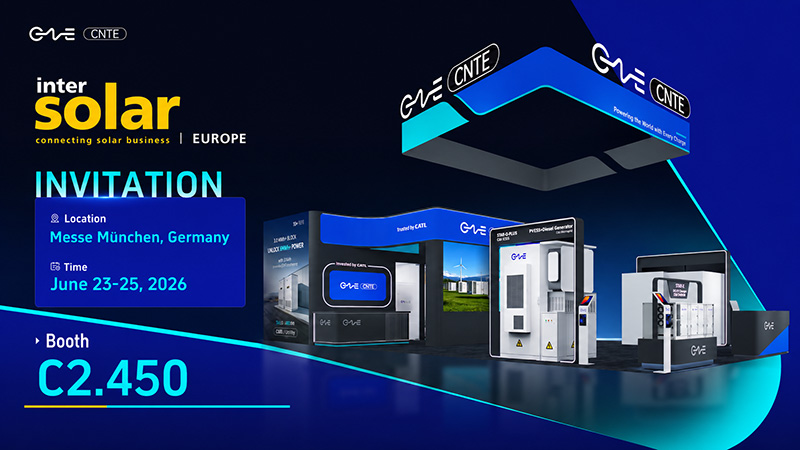
CNTE to Participate in Intersolar Europe 2026
May 20, 2026 -
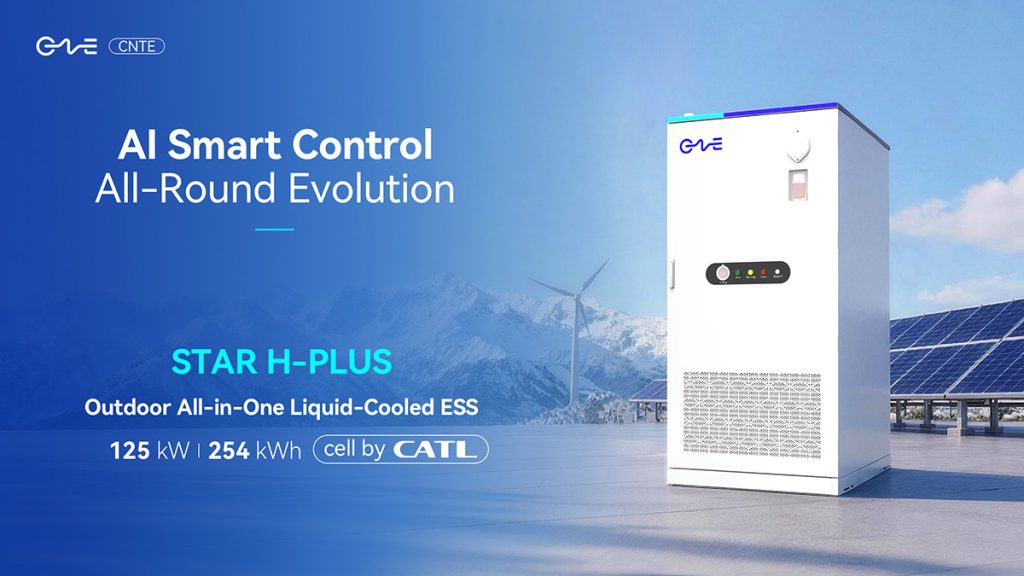
CNTE at KEY ENERGY 2026: Showcases STAR H-PLUS Outdoor Liquid-Cooled Energy Storage System
Mar 05, 2026 -

CNTE Honored as 2025 Forbes China Leading Global Brand
Jul 06, 2026 -
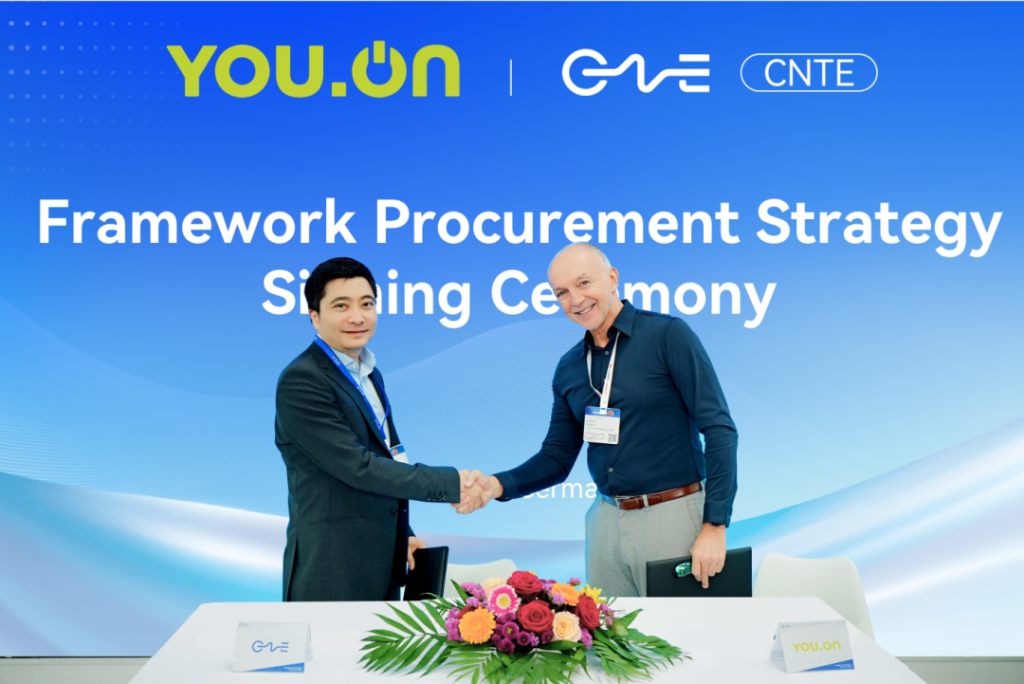
CNTE & YOU.ON Partner to Expand Storage Markets
May 19, 2025 -

CNTE Unveils Energy Storage Lineup at Solartech 2025
May 19, 2025 -
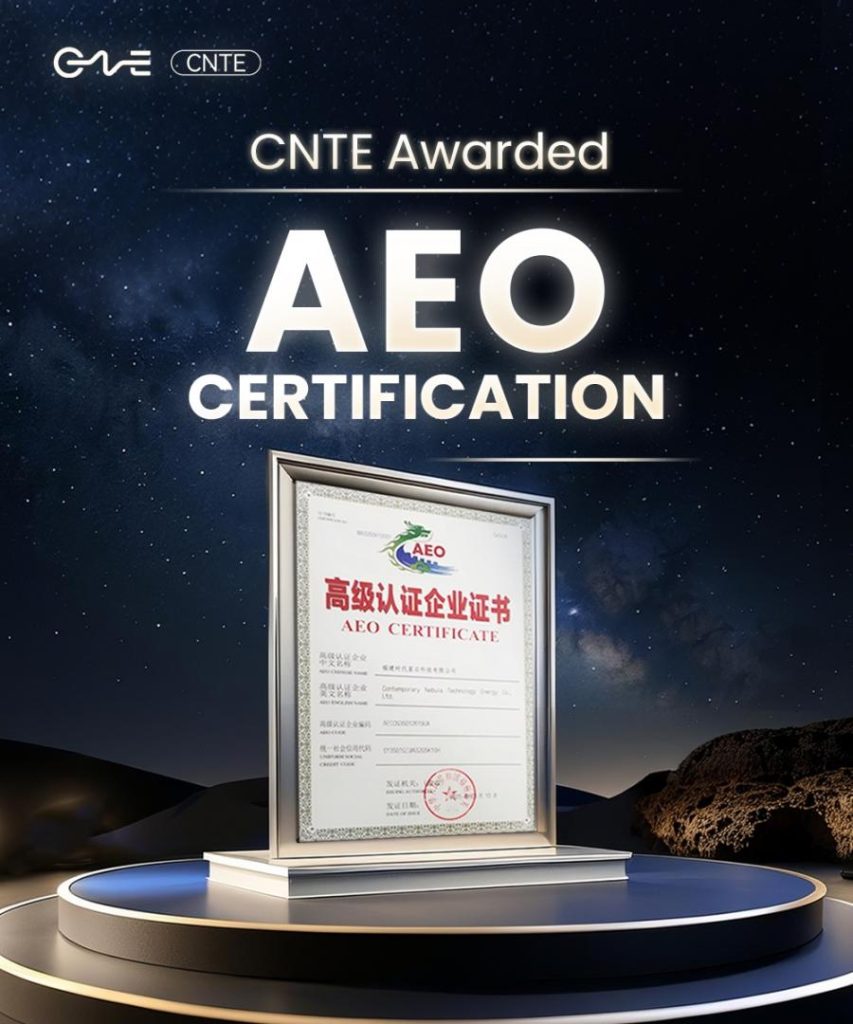
CNTE awarded AEO certification
Jul 06, 2026 -
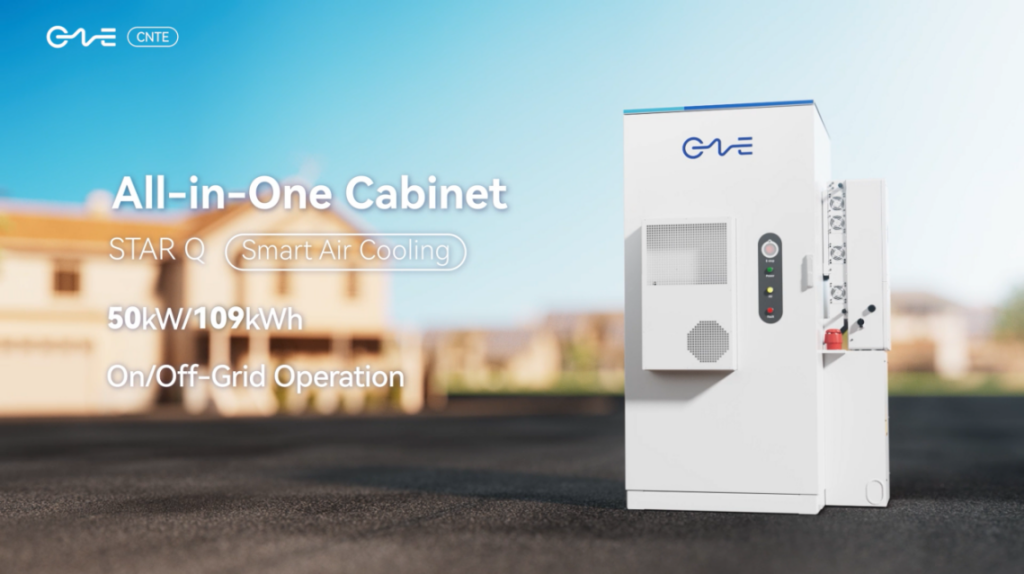
CNTE New Product Launch STAR Q
Jan 15, 2025 -
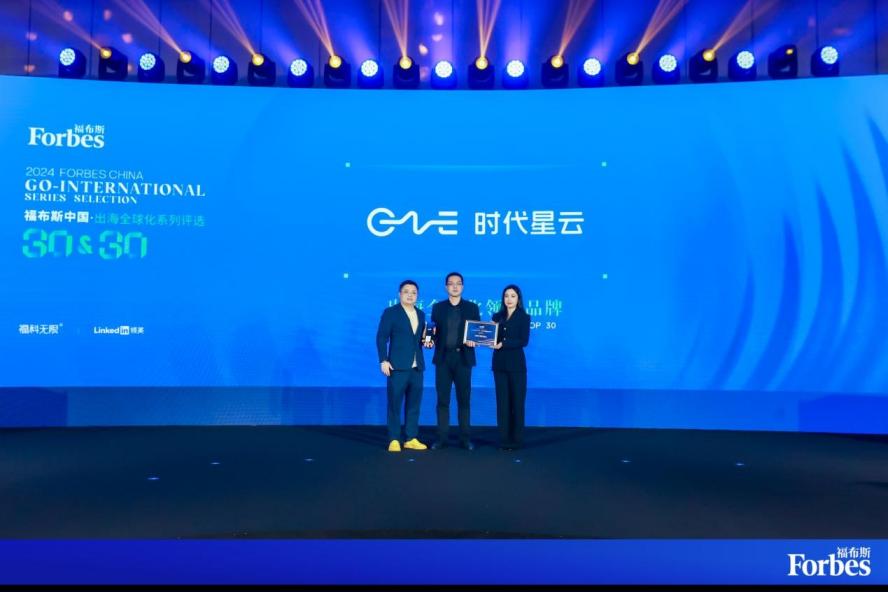
CNTE Named to Forbes China 2024 Top 30 Go-International Brands
Jul 06, 2026
