
How Commercial Solar Energy Storage Lowers Operational Costs and Enhances Grid Resilience
Commercial enterprises and industrial facilities face a complex energy environment defined by rising grid tariffs, stringent decarbonization mandates, and localized grid instability. To manage these operational challenges, organizations are shifting away from passive energy consumption. Modern energy strategies prioritize self-generation and localized control over power distribution. Integrating commercial solar energy storage into existing facility infrastructures represents a practical method to mitigate peak utility charges while establishing long-term energy independence.
By pairing local photovoltaic generation with structured battery assets, businesses can transition from simple consumers to active participants in localized power networks. This shift addresses high utility billing structures and provides a reliable buffer against power interruptions that can halt automated production lines. As organizations evaluate these infrastructure investments, understanding the engineering principles, economic drivers, and deployment strategies of these integrated systems becomes necessary.
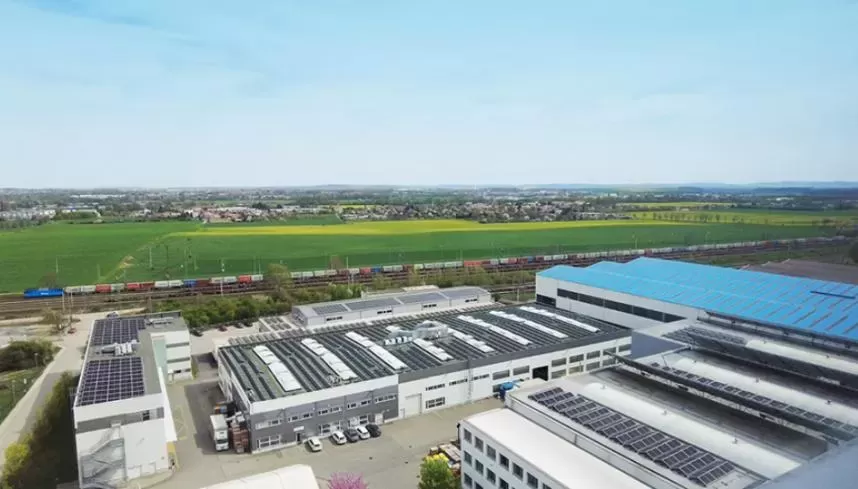
The Structural Architecture of Commercial Battery Storage Systems
An industrial-grade energy storage setup is not merely a collection of batteries. It is an engineered system consisting of electrochemical components, thermal control units, power conversion electronics, and control software working in unison. Contemporary commercial solar energy storage platforms rely on specific sub-assemblies to convert, store, and dispatch electricity efficiently.
Electrochemical Energy Storage: LFP Chemistry
Lithium Iron Phosphate (LFP) chemistry has become the preferred choice for commercial and industrial applications. Compared to Nickel Manganese Cobalt (NMC) formulations, LFP chemistry provides distinct advantages in cycle life, thermal stability, and safety. A typical commercial LFP cell sustains between 6,000 to 8,000 cycles at an 80% Depth of Discharge (DoD) before its capacity degrades to 80% of its original rating. This longevity aligns with the ten-to-fifteen-year depreciation cycles common in commercial real estate and industrial asset management.
LFP batteries exhibit a high thermal runaway threshold (approximately 270°C), reducing the likelihood of self-sustaining fire events. This safety profile is particularly valuable for indoor installations or systems positioned close to high-value industrial machinery. The absence of cobalt also simplifies supply chain auditing and aligns with corporate sustainability initiatives.
Power Conversion Systems (PCS) and Inverters
The Power Conversion System (PCS) functions as the bridge between the direct current (DC) power generated by solar arrays and stored in batteries, and the alternating current (AC) power utilized by facility loads and the public grid. Modern commercial solar energy storage designs utilize bi-directional inverters capable of changing AC to DC during charging cycles, and DC to AC during discharge cycles.
These systems are specified by their response times and grid-interaction capabilities:
Grid-Following Mode: The PCS synchronizes with the voltage and frequency of the local utility grid, operating as a current source.
Grid-Forming Mode: During grid outages, the PCS establishes a local voltage and frequency reference, allowing the facility to operate in islanded mode.
Four-Quadrant Operation: The inverter manages both active power (measured in kilowatts) and reactive power (measured in kilovars) to maintain voltage stability and correct power factors within the facility.
Thermal Management Implementations
Operating temperature directly affects both the round-trip efficiency and the operational lifespan of lithium-ion batteries. Commercial systems use two primary thermal management methods: forced-air cooling and liquid cooling.
Forced-air designs use high-volume fans and internal ducting to manage temperature. While simpler to maintain, they can struggle to prevent localized hot spots within high-density battery racks. Liquid cooling systems pump glycol-based coolants through cooling plates positioned adjacent to individual cells. This approach keeps cell-to-cell temperature variations within 2°C to 3°C, extending the calendar life of the battery pack and reducing internal resistance losses during rapid charge and discharge events.
Key Application Scenarios in Commercial Operations
Industrial facilities utilize commercial solar energy storage to address specific operational and economic objectives. The configuration of the system varies depending on the targeted application scenario.
Peak Shaving and Demand Charge Reduction
Commercial utility tariffs often include demand charges based on the highest rate of electricity consumption recorded during a single 15-minute or 30-minute interval within a billing cycle. For manufacturing plants, cold storage facilities, and heavy fabrication shops, these charges can represent up to 50% of the total monthly energy bill.
Through peak shaving, the storage system monitors facility load in real time. When demand approaches a predetermined threshold, the batteries discharge to absorb the spike, keeping the utility-drawn power below the target level. This application requires battery chemistry with a high C-rate (typically 0.5C to 1C) to deliver significant power over short intervals without damaging the cell structure.
Load Shifting and Time-of-Use (ToU) Optimization
Utility providers often structure electricity prices based on the time of day, charging premium rates during peak demand hours. Load shifting involves charging the battery storage assets when utility rates are low—typically during off-peak night hours or periods of high local solar production—and discharging them during peak rate hours.
This application relies heavily on predictive algorithms integrated into the site's energy management software. The software analyzes historical load patterns, weather forecasts for solar yield, and real-time utility tariff structures to calculate the most cost-effective charge and discharge schedules.
Microgrid Integration and Backup Power
For operations where brief power interruptions can lead to material spoilage or equipment damage, relying solely on utility grids is a operational liability. Integrating commercial solar energy storage with local generation sources creates a self-sustaining microgrid.
When the main grid fails, a static transfer switch isolates the facility's internal electrical network within milliseconds. The storage system immediately assumes the role of grid former, maintaining power to critical circuits without the start-up delay typical of diesel backup generators. Once local solar generation resumes, the microgrid utilizes excess solar output to recharge the battery banks while supplying the operational load.
Addressing Technical Challenges in System Integration
Deploying a large-scale commercial solar energy storage system requires addressing technical integration challenges. These include maintaining grid compliance, ensuring physical safety, and establishing stable software communication protocols.
System Safety and Fire Mitigation Protocols
Modern commercial energy storage systems must comply with international safety standards, such as UL 9540 and UL 9540A. These standards verify safety across the cell, module, and containerized levels.
Safety designs focus on early thermal runaway detection. Advanced systems, such as those integrated by CNTE (Contemporary Nebula Technology Energy Co., Ltd.), feature multi-tier monitoring architectures. Off-gas sensors detect trace concentrations of carbon monoxide and hydrogen released during early cell degradation, well before temperature sensors indicate a rise in heat. This early warning triggers automated shutdown sequences and initiates localized inert gas suppression systems to isolate the compromised modules.
Grid Compliance and Power Quality Management
Connecting a commercial solar energy storage system to the distribution grid requires approval from the local utility provider. Utilities must ensure the installation does not destabilize the local feeder line. The power conversion system must manage harmonic distortion, voltage flicker, and phase balance.
To meet these requirements, contemporary systems utilize advanced digital signal processing within the PCS. This allows the system to actively compensate for non-linear loads within the facility, filtering out harmonics and maintaining clean sinusoidal voltage waveforms at the point of common coupling.

Evaluating Economic Viability and Lifetime Value
An investment in commercial solar energy storage must be justified by clear financial returns. Calculating the return on investment (ROI) requires analyzing capital expenditure (CAPEX), operational expenditure (OPEX), and the system's Levelized Cost of Storage (LCOS).
| Cost Category | Key Components | Primary Influencing Factors |
|---|---|---|
| CAPEX | Battery cells, PCS, balance of system (BOS), civil works, engineering and installation. | System capacity (kWh), power rating (kW), site accessibility, grid connection requirements. |
| OPEX | Routine inspections, liquid coolant replacement, software updates, capacity degradation management. | Environmental conditions, depth of discharge, cycle frequency. |
| Revenue / Savings | Demand charge reduction, ToU arbitrage, ancillary grid service revenue. | Utility tariff structures, regional grid incentive programs. |
Determining the LCOS involves dividing the total lifecycle costs of the storage system by the cumulative energy delivered over its operational life. Lowering this metric requires maintaining high round-trip efficiency (RTE) and extending battery cycle life through proper thermal and operational management. By implementing active balancing at the cell level and limiting operating temperatures to recommended ranges, operators can maintain system capacity for longer periods, reducing the need for premature cell augmentation or replacement.
Strategic Integration with CNTE
Designing a system that balances power output, storage capacity, and thermal stability requires specialized expertise. CNTE (Contemporary Nebula Technology Energy Co., Ltd.) develops and delivers integrated energy storage solutions tailored for demanding industrial and commercial environments. By combining advanced battery management technologies with robust physical containment designs, CNTE helps organizations manage energy transition challenges effectively.
CNTE platforms are engineered to support multiple operational objectives, from simple demand charge reduction to complex off-grid microgrid installations. This adaptability ensures that as facility energy requirements grow, the storage assets can scale accordingly, maintaining a balanced relationship between local generation, battery storage capacity, and facility load requirements.
Frequently Asked Questions
Q1: How long do commercial solar energy storage systems typically last in active industrial environments?
A1: Under typical operational loads, modern LFP-based commercial systems are designed to last between 10 and 15 years. This longevity is achieved by keeping operating parameters within specified ranges and utilizing liquid cooling systems to limit cell degradation. Cycle life is highly dependent on depth of discharge, daily cycle frequency, and temperature management.
Q2: What is the typical physical footprint required for a 500kW / 1MWh battery system?
A2: A containerized 500kW / 1MWh system is typically housed in a standard 20-foot shipping container or a series of modular outdoor cabinets. The actual physical footprint is approximately 15 to 20 square meters. However, additional clearance is required around the perimeter to meet local safety and maintenance access regulations.
Q3: Can these systems be retrofitted into existing commercial solar PV installations?
A3: Yes, retrofitting is achievable through either AC-coupling or DC-coupling configurations. AC-coupled systems integrate the battery storage directly into the facility's main AC distribution panel, requiring minimal modification to the existing solar inverter setup. This is often the preferred path for retrofits due to its design simplicity.
Q4: How does liquid cooling compare to air cooling in commercial applications?
A4: Liquid cooling provides superior thermal uniformity, keeping the temperature delta between cells to within 2°C to 3°C, whereas air-cooled systems may experience variations up to 10°C. This precise temperature control directly improves round-trip efficiency, reduces parasitic power draw from fans, and significantly extends the overall lifespan of the battery modules.
Q5: What safety certifications should a commercial system have before installation?
A5: Commercial installations should meet rigorous international safety standards. Key certifications include UL 1973 for battery packs, UL 9540 for the complete integrated system, and UL 9540A evaluation to assess thermal runaway fire propagation. Compliance with local electrical codes and NFPA 855 installation standards is also required.
Request an Engineering Consultation
Implementing a commercial solar energy storage system requires a precise understanding of your facility's load profile and local grid conditions. Contact the engineering team at CNTE (Contemporary Nebula Technology Energy Co., Ltd.) to receive a detailed system analysis and custom-engineered solution proposal tailored to your enterprise's operational goals.
Get in Touch
Recent Posts
-
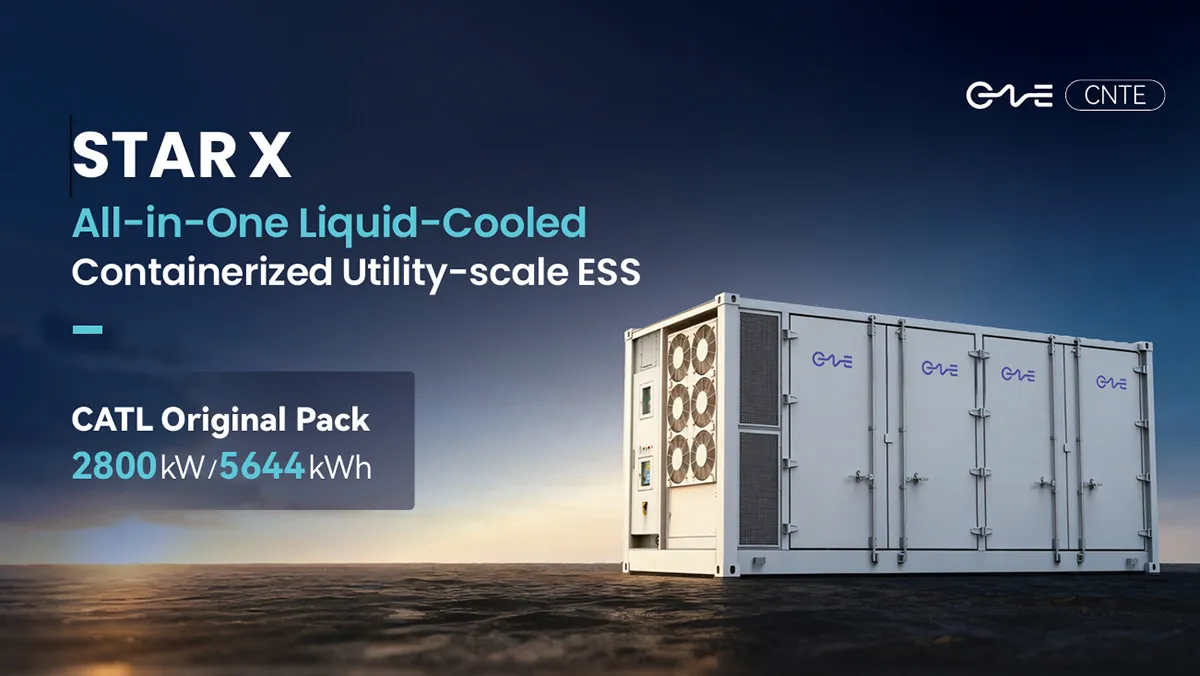
CNTE Launches STAR X Liquid-Cooled DC/AC Integrated Energy Storage System at Intersolar Europe 2026
Jul 06, 2026 -
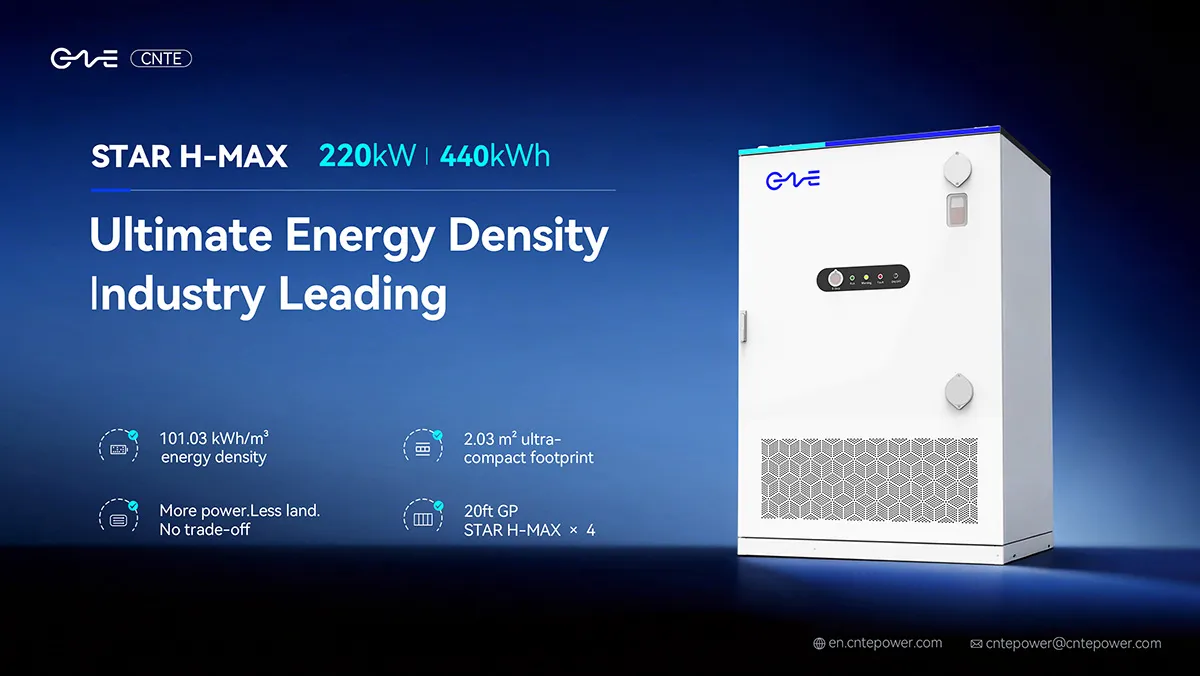
CNTE Unveils New STAR H-MAX Liquid-Cooled C&I ESS at Intersolar Europe 2026
Jun 23, 2026 -
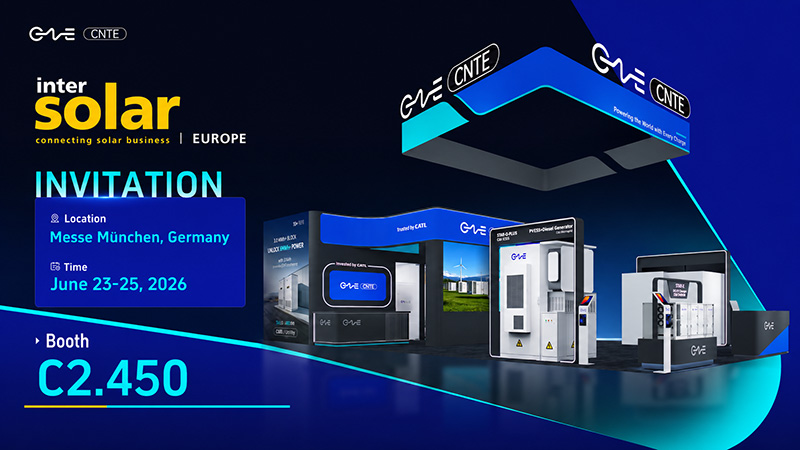
CNTE to Participate in Intersolar Europe 2026
May 20, 2026 -
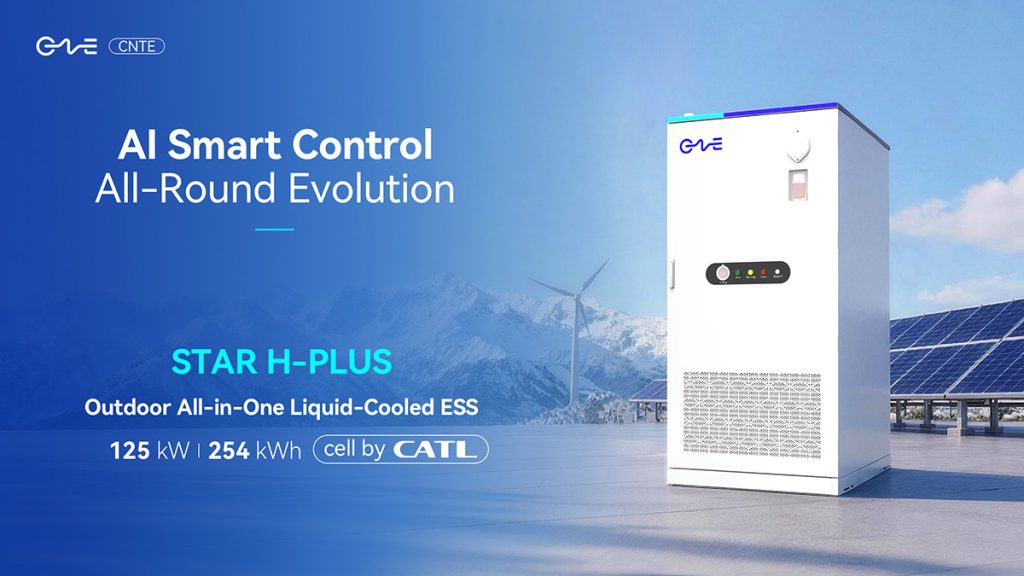
CNTE at KEY ENERGY 2026: Showcases STAR H-PLUS Outdoor Liquid-Cooled Energy Storage System
Mar 05, 2026 -

CNTE Honored as 2025 Forbes China Leading Global Brand
Jul 06, 2026 -
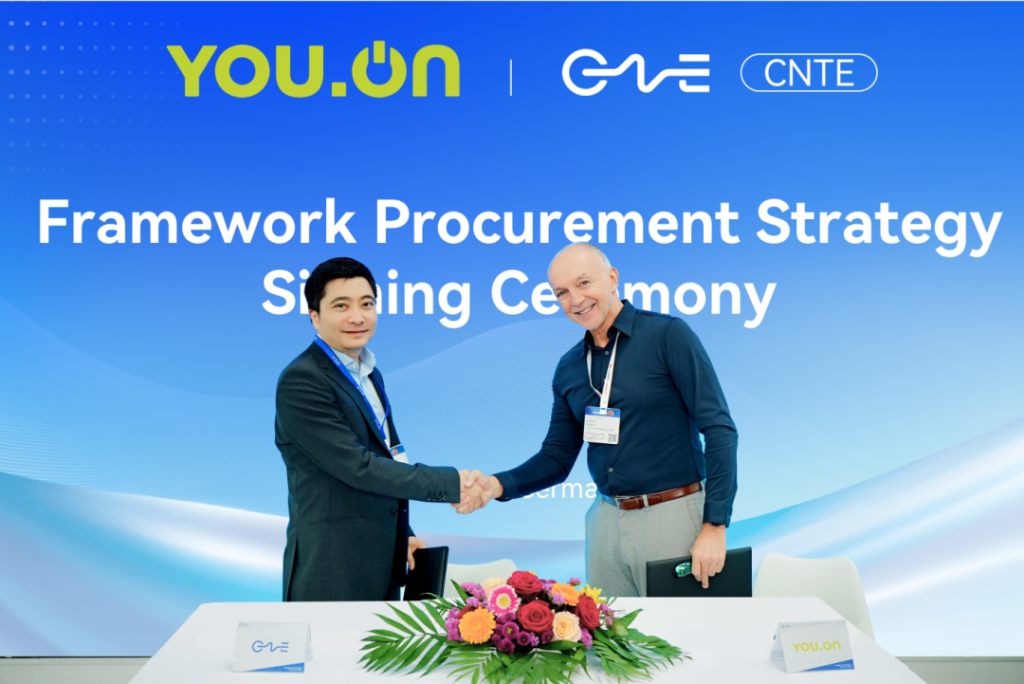
CNTE & YOU.ON Partner to Expand Storage Markets
May 19, 2025 -

CNTE Unveils Energy Storage Lineup at Solartech 2025
May 19, 2025 -
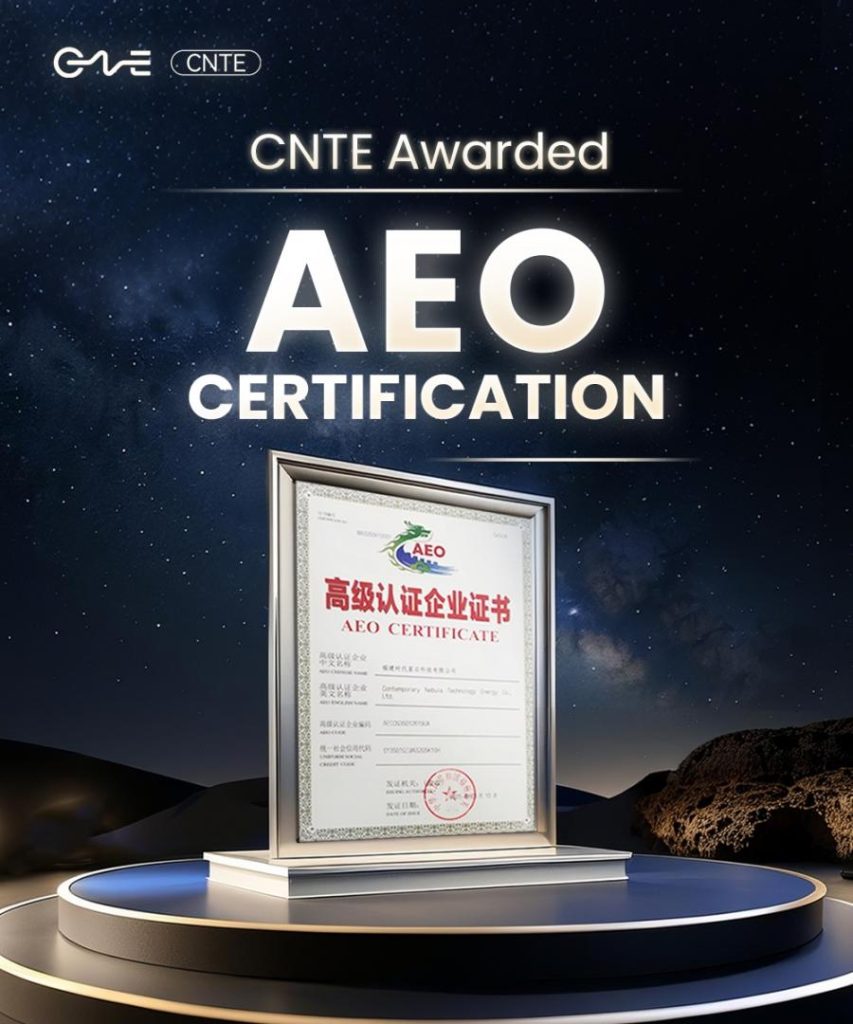
CNTE awarded AEO certification
Jul 06, 2026 -
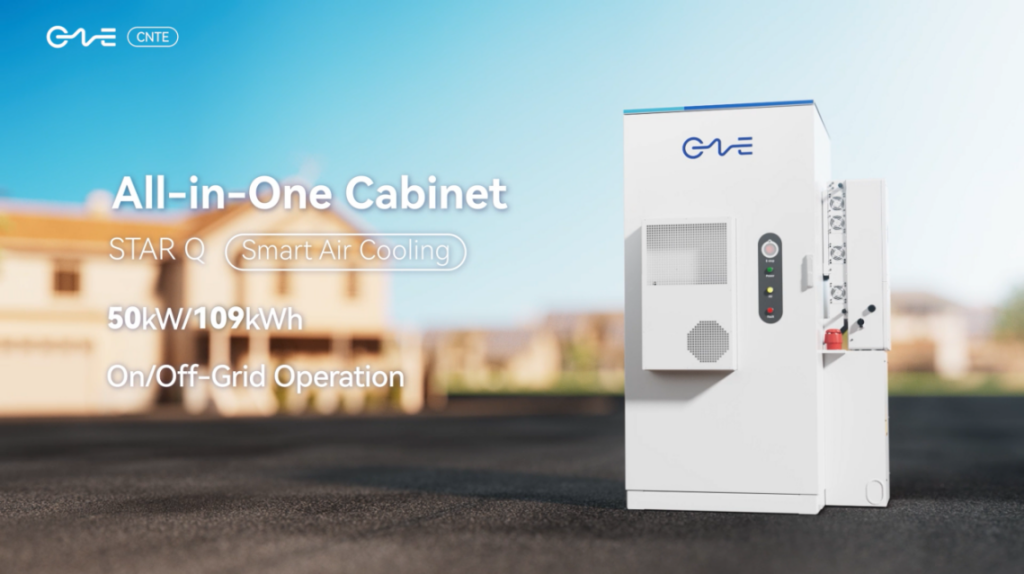
CNTE New Product Launch STAR Q
Jan 15, 2025 -
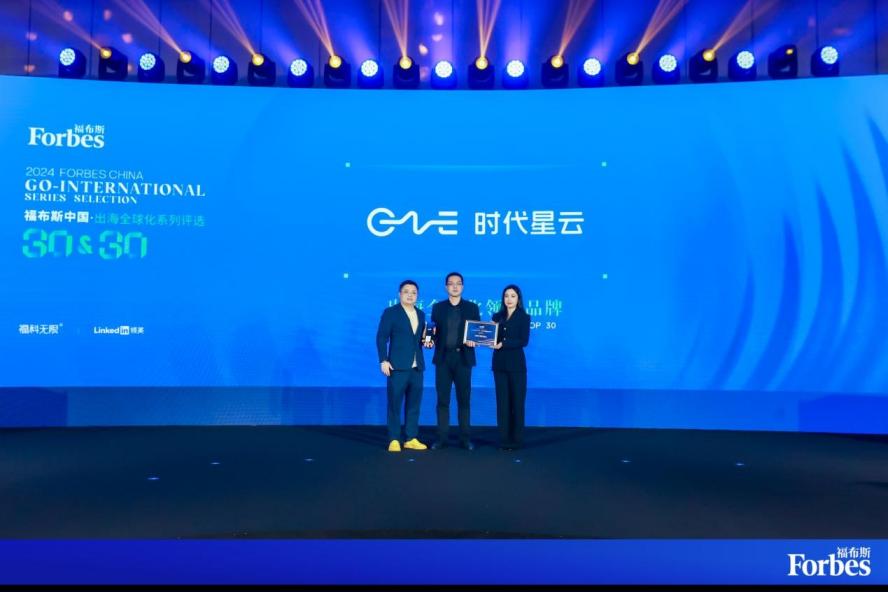
CNTE Named to Forbes China 2024 Top 30 Go-International Brands
Jul 06, 2026
