
2026 Buyer’s Blueprint: Deploying CATL Lithium Iron Phosphate Battery Across Utility, C&I, and Residential ESS
Energy storage procurement has shifted permanently from upfront capital cost evaluation to full lifecycle levelized cost of storage (LCOS). Global decarbonization targets and extreme grid volatility require energy storage systems (BESS) that deliver predictable returns over 15 to 20 years. Battery degradation, fire safety liabilities, and supply chain instability represent the primary risks for asset owners.
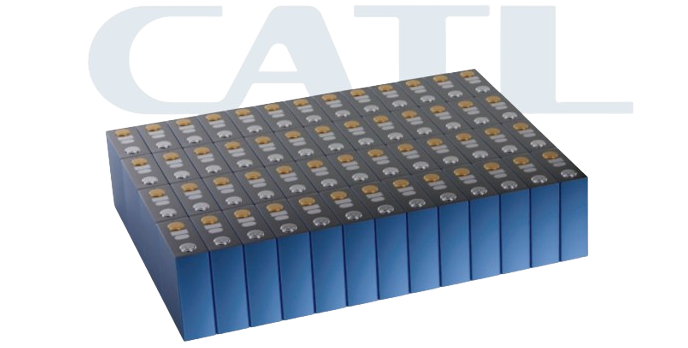
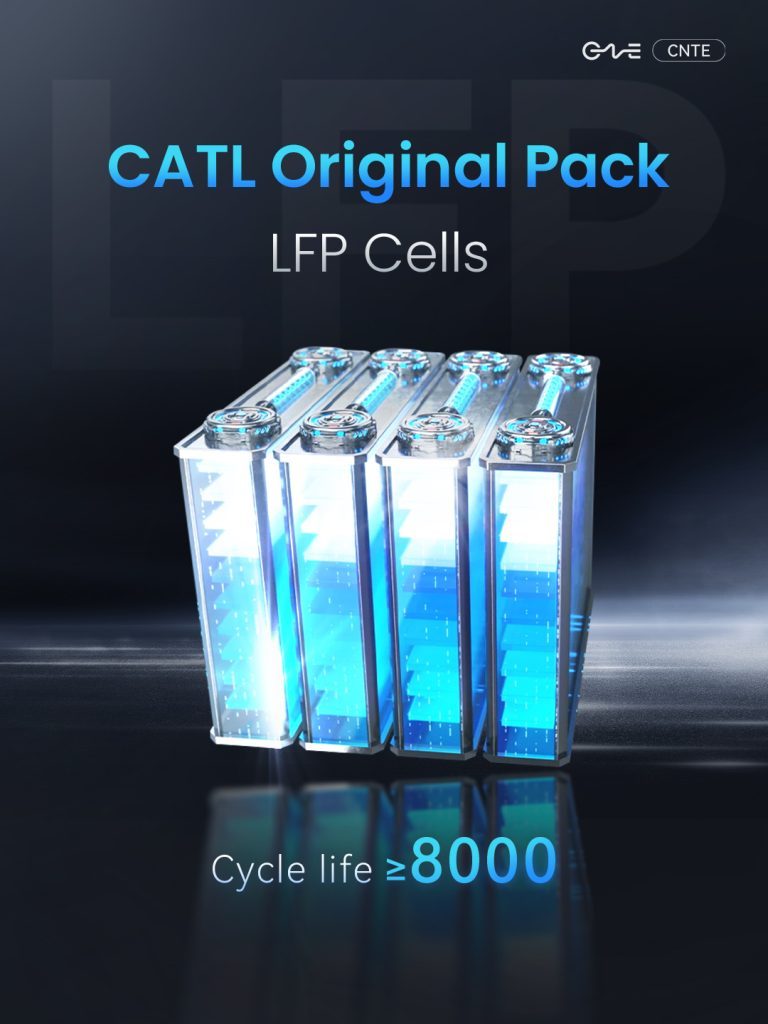
At the center of utility and commercial energy storage stands the CATL lithium iron phosphate battery. Recognized for superior thermal stability, high energy throughput, and cycle lives exceeding 8,000 cycles, CATL chemistry serves as the global benchmark. Contemporary Nebula Technology Energy Co., Ltd. (CNTE), established as an enterprise backed by CATL, translates these tier-1 cells into fully engineered energy storage platforms across utility, commercial, and residential applications.
This blueprint outlines technical benchmarks, integration methodologies, and financial mechanics for asset managers deploying CATL-based storage solutions through 2026 and beyond.
1. Engineering the Core: CATL Lithium Iron Phosphate Battery System
Architecture
Selecting premium battery cells is only the first step in building a reliable BESS. The operational lifespan of a CATL lithium iron phosphate battery pack depends directly on mechanical packaging, thermal mitigation, and battery management system (BMS) controls.
Thermal Uniformity and Intelligent Liquid Cooling
Air-cooled battery enclosures often suffer from uneven thermal distribution. Internal pack temperature variations wider than 5°C accelerate localized cell degradation, triggering premature capacity loss across the entire string.
Precision liquid thermal loops: CNTE integrates bidirectional liquid cooling plates that contact cell surfaces directly, maintaining cell-to-cell temperature differentials at 2°C or lower.
Extended cycle life: Keeping operational temperatures between 20°C and 30°C extends the usable life of the CATL lithium iron phosphate battery core by more than 20% compared to standard forced-air systems.
Parasitic power reduction: Variable-frequency pumps and smart thermal logic reduce auxiliary energy consumption by up to 35% during low-load intervals.
Multi-Tier Electrical Safety and Fire Mitigation
LFP chemistry offers an inherently higher thermal runaway threshold (exceeding 270°C) than nickel-based alternatives. However, multi-megawatt installations demand deterministic multi-layer protection.
CNTE platforms combine cell-level fusing, pack-level rapid disconnects, and module-level gas detection. If the system detects off-gas precursors such as carbon monoxide or hydrogen, the integrated safety matrix triggers targeted aerosol suppression, isolates the affected string electrically, and safely vents excess pressure within milliseconds.
2. Commercial and Industrial (C&I) Storage Deployment (206 kWh – 4 MWh)
Commercial facilities, industrial plants, and microgrids require flexible storage blocks to tackle peak demand charges, enable arbitrage, and provide uninterrupted backup power.
Modular Capacities for Scalable Topologies
Modern C&I installations rarely fit a uniform footprint. CNTE manufactures scalable hardware lines powered by genuine CATL cells, ranging from compact 206 kWh all-in-one outdoor cabinets up to 4 MWh containerized solutions.
Outdoor cabinet series (206 kWh – 372 kWh): Designed for manufacturing facilities and commercial properties with limited physical footprints. These systems feature integrated liquid cooling, an internal inverter, and safety sub-systems within a compact footprint.
Modular containerized platforms (1 MWh – 4 MWh): Geared toward heavy industrial consumers, large campuses, and microgrids. They support direct parallel coupling on the DC bus to simplify balance-of-plant (BOP) engineering.
Financial Returns and LCOS Optimization
The high operational throughput of a CATL lithium iron phosphate battery allows industrial users to complete two full duty cycles per day without violating degradation warranties. When paired with CNTE energy management software (EMS), the platform automatically prioritizes:
Dynamic peak shaving against real-time utility rate thresholds.
Time-of-use (TOU) energy arbitrage.
Power factor correction and reactive power injection to eliminate utility penalties.
Most commercial operators achieve full capital payback within 3.5 to 5 years, depending on local tariff structures and demand charge intensity.
3. Next-Generation Microgrids: Integrated Solar-Storage-EV Charging and Diagnostics
Ultra-fast DC electric vehicle charging plazas place immense strain on local distribution grids. Upgrading substation transformers is often cost-prohibitive and plagued by multi-year utility delays.
The Four-in-One Infrastructure Architecture
CNTE solves localized grid congestion by coupling high-rate storage with solar generation and ultra-fast charging hardware. This unified architecture integrates four primary operational layers:
Photovoltaic generation: Captures on-site renewable energy directly to supply charging demands or recharge local storage.
Battery buffer: Deploys a high-throughput CATL lithium iron phosphate battery bank to absorb 360 kW to 480 kW charging spikes, shielding the local grid from demand penalties.
Supercharging dispensers: Delivers high-voltage DC power to modern commercial and passenger electric vehicles.
Dynamic battery health inspection: Automatically analyzes vehicle battery impedance, internal resistance, and state of health (SOH) during normal DC charging sessions.
Commercial Value of Battery Health Diagnostics
The built-in battery diagnostic layer provides actionable health reports to fleet managers and EV owners while vehicles charge. Fleet operators can identify early cell anomalies, prevent on-road thermal failures, and optimize trade-in values based on verified capacity data.
4. Residential ESS and High-Durability Portable Power
Residential property owners and remote field operations require the same tier-1 battery reliability found in utility-scale systems, scaled down for smaller loads.
High-Voltage Stackable Home Storage
Residential battery installations must balance indoor fire safety, aesthetic design, and high round-trip efficiency. CNTE home storage units use automotive-grade CATL lithium iron phosphate battery cells housed in stackable, modular chassis.
High-voltage series configuration: Eliminates large DC-to-DC conversion losses, achieving system round-trip efficiencies above 95%.
Sub-10ms UPS switching: Critical home circuits remain powered during blackout events without dropped connections or appliance resets.
Modular capacity scaling: Homeowners can expand their storage capacity from 5 kWh to over 40 kWh as their household loads grow.
Heavy-Duty Portable Power Stations
For mobile work crews, emergency response units, and remote telecom sites, portable power solutions built with premium LFP cells deliver dependable power without fuel logistics, maintenance overhead, or carbon emissions. These units handle heavy inductive loads and support rapid solar recharging in demanding field environments.
5. Global Strategic Sourcing: CNTE OEM/ODM Engineering Capabilities
System integrators, clean energy EPCs, and regional brand owners face strict compliance standards and short project delivery timelines. Sourcing uncertified white-label hardware introduces severe execution risks.
CNTE acts as an end-to-end OEM/ODM manufacturing partner, supplying fully certified systems powered by genuine CATL cells. Production flows align with rigorous automotive-grade quality standards:
Certifications: Full project compliance with UL 9540, UL 9540A, IEC 62619, CE, and UN 38.3 transport standards.
Custom engineering: Comprehensive design services covering BMS communication protocols, mechanical enclosure modifications, HVAC cooling loops, and branded EMS interfaces.
Reliable supply continuity: Direct industrial alignment guarantees transparent cell origin, batch-level traceability, and predictable delivery timelines for multi-megawatt pipelines.
6. 2026 Buyer Decision Matrix: Frequently Asked Questions
Q1: What is the relationship between CNTE and CATL, and how does it protect the supply chain?
A1: Contemporary Nebula Technology Energy Co., Ltd. (CNTE) is an energy storage enterprise jointly invested in and strategically backed by CATL. This structural partnership gives CNTE direct access to tier-1 CATL lithium iron phosphate battery supply lines, direct cell-level engineering support, and transparent batch traceability. Buyers avoid middleman markups and grey-market cell risks.
Q2: How does CNTE liquid cooling improve project economics compared to standard air-cooled systems?
A2: Liquid cooling maintains internal cell operating temperatures within an optimal 2°C window across the entire pack. This thermal consistency reduces internal resistance degradation, prevents hot-spot formation, and preserves usable capacity. As a result, the operational life of the battery system increases by 20% to 25%, directly lowering the project LCOS over a 15-year horizon.
Q3: How does the integrated EV battery diagnostic feature generate revenue for charging station operators?
A3: CNTE charging systems analyze vehicle battery health parameters in real time during standard DC fast-charging sessions. Charging station operators can monetize this service via subscription models for commercial fleets, provide certified SOH reports for used-car transactions, or offer premium diagnostic services to retail consumers.
Q4: What are the typical lead times and minimum order quantities (MOQ) for OEM/ODM projects?
A4: Standard commercial storage cabinets typically carry an 8 to 12-week delivery timeline depending on final customization requirements. Minimum order quantities vary by format: standard C&I units start at single-container volumes (or small cabinet batches), while specialized custom OEM enclosures require project-based engineering reviews.
Q5: Can CNTE commercial BESS integrate directly with legacy on-site energy management systems?
A5: Yes. CNTE hardware supports open industrial protocols including Modbus TCP/RTU, CAN bus, and standard IEC communication layers. The systems interface smoothly with third-party distributed energy management software (DERMS), existing microgrid controllers, and utility supervisory control and data acquisition (SCADA) platforms.
Secure Your 2026 Project Allocation
Selecting the right energy storage architecture determines whether your project achieves its financial targets or runs into maintenance overhead. Using certified systems engineered around the CATL lithium iron phosphate battery platform gives commercial operators, EPCs, and utility developers durable technical and economic advantages.
Contemporary Nebula Technology Energy Co., Ltd. (CNTE) delivers complete, scalable energy storage systems tailored to your specific load profiles, utility tariffs, and grid constraints. Contact our engineering team today to review your project layout, request detailed CAD/single-line drawings, and secure your system manufacturing allocation.
Get in Touch
Recent Posts
-
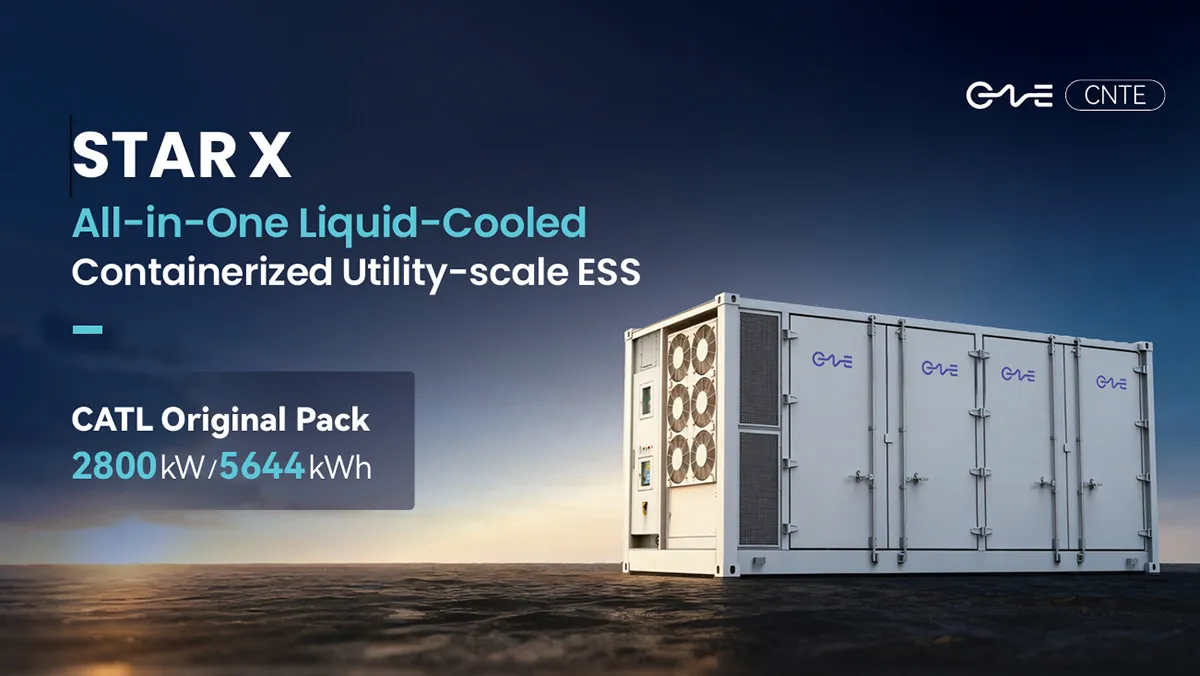
CNTE Launches STAR X Liquid-Cooled DC/AC Integrated Energy Storage System at Intersolar Europe 2026
Jul 06, 2026 -
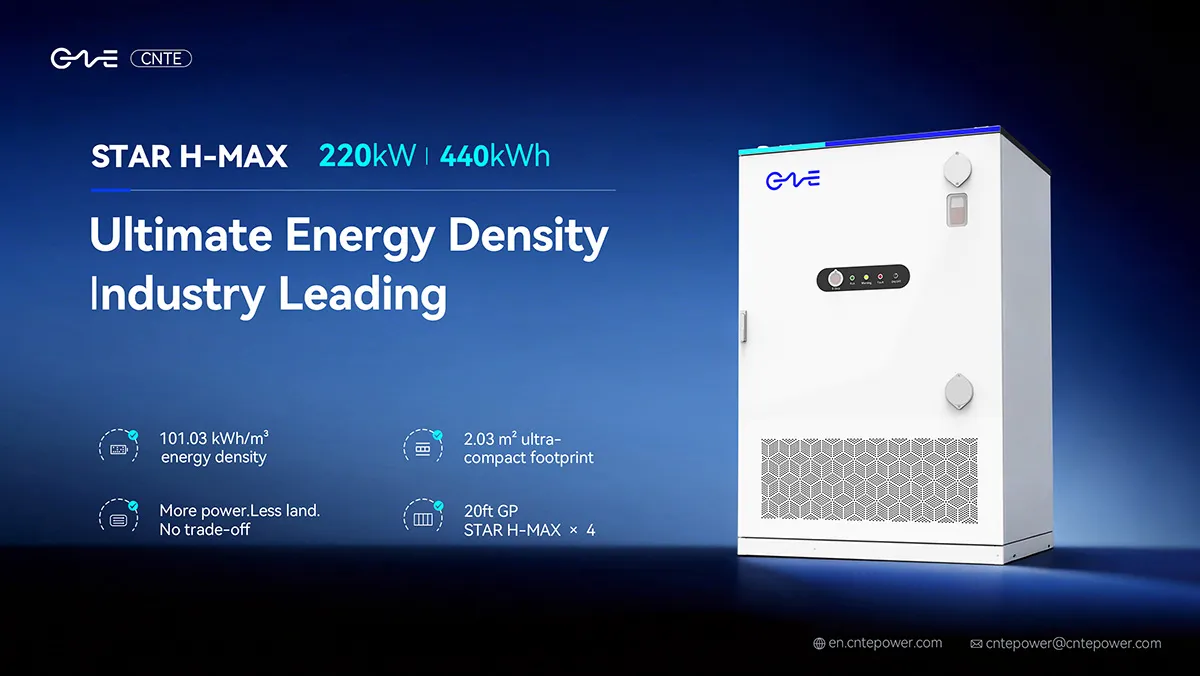
CNTE Unveils New STAR H-MAX Liquid-Cooled C&I ESS at Intersolar Europe 2026
Jun 23, 2026 -
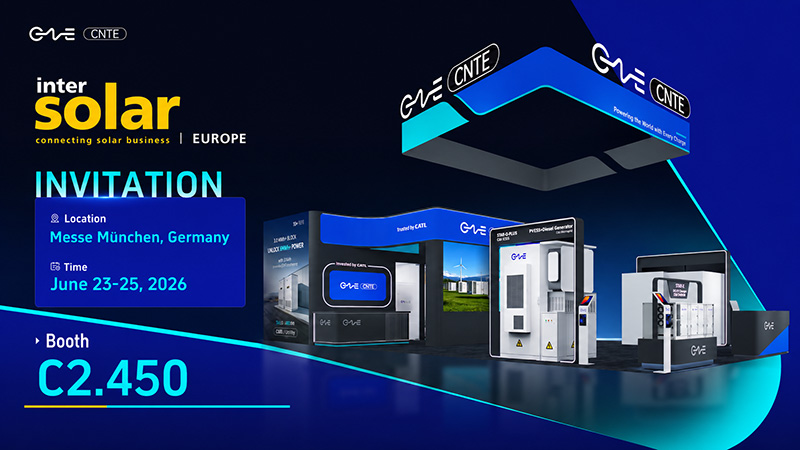
CNTE to Participate in Intersolar Europe 2026
May 20, 2026 -
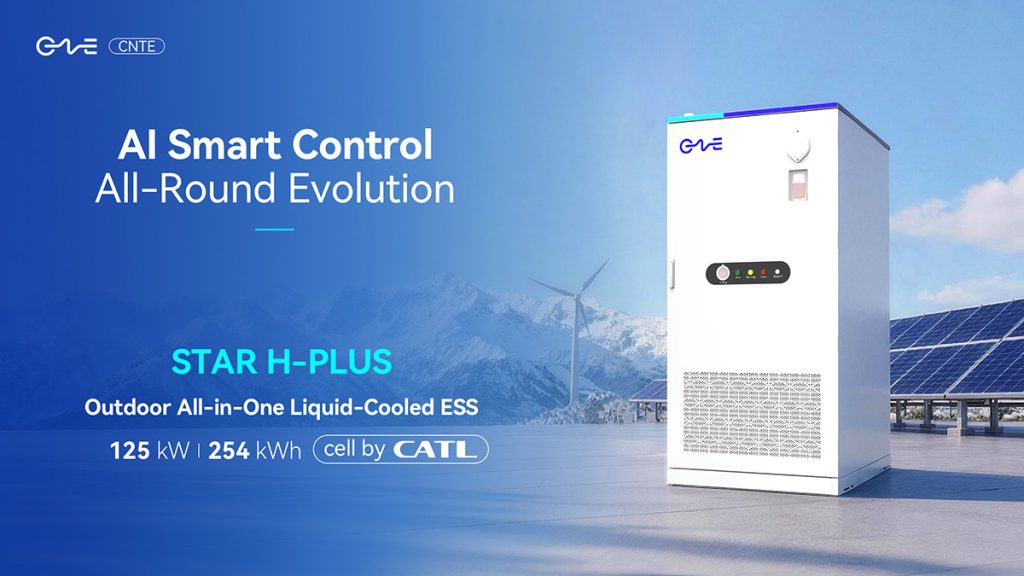
CNTE at KEY ENERGY 2026: Showcases STAR H-PLUS Outdoor Liquid-Cooled Energy Storage System
Mar 05, 2026 -

CNTE Honored as 2025 Forbes China Leading Global Brand
Jul 06, 2026 -
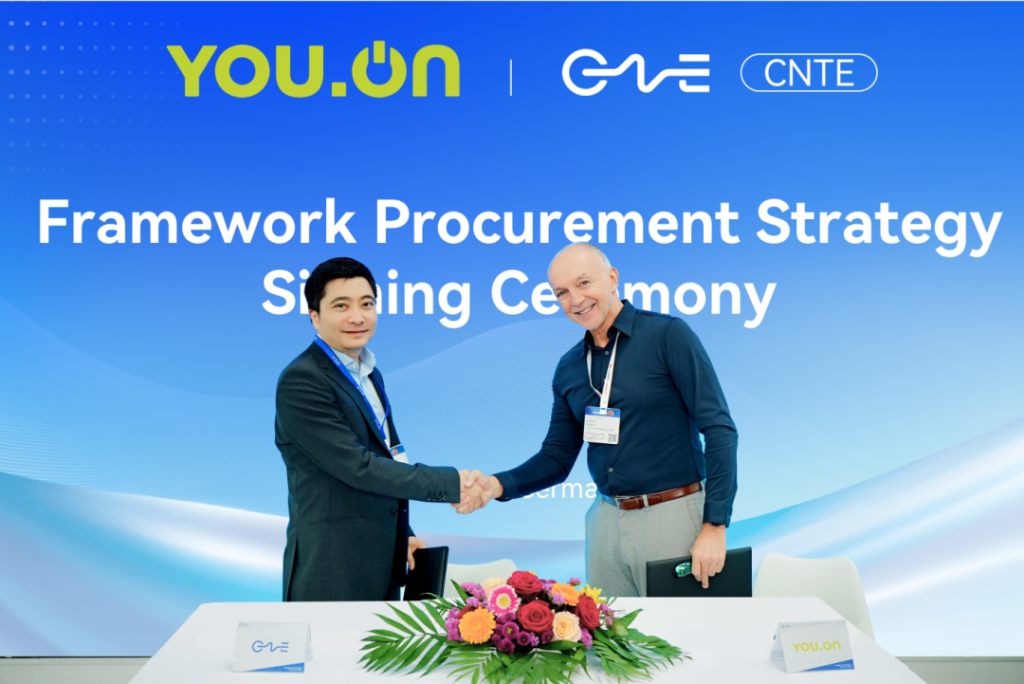
CNTE & YOU.ON Partner to Expand Storage Markets
May 19, 2025 -
CNTE Unveils Energy Storage Lineup at Solartech 2025
May 19, 2025 -
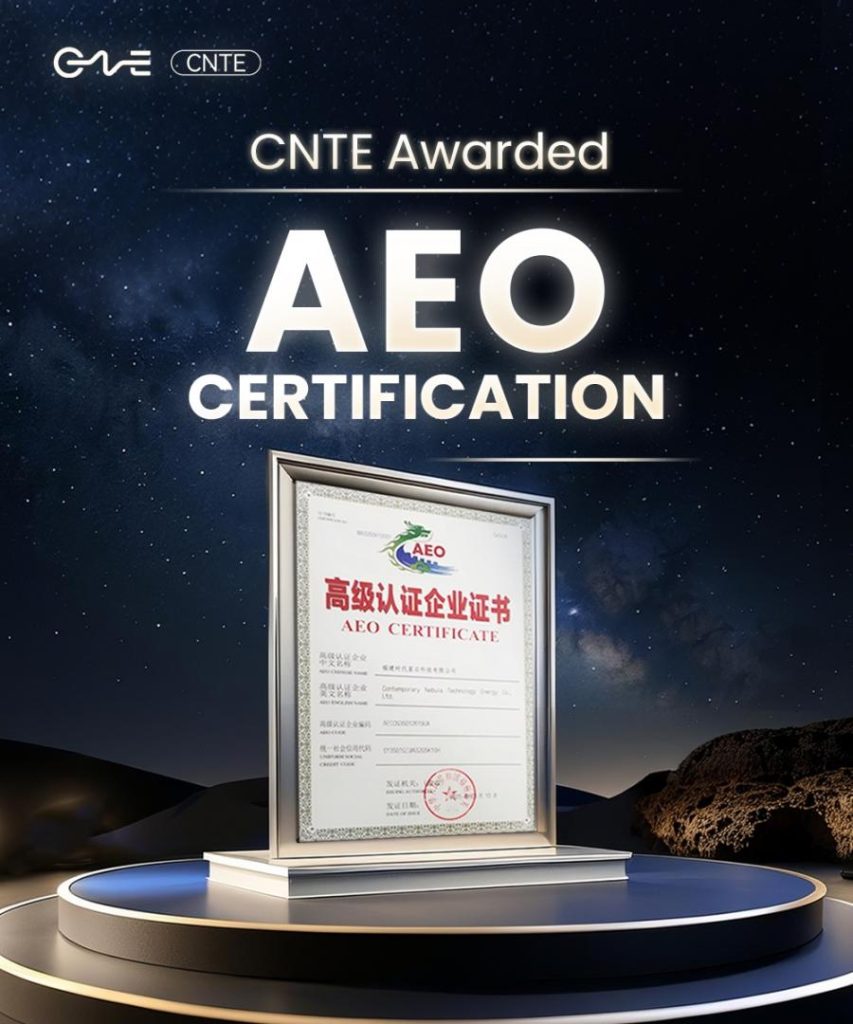
CNTE awarded AEO certification
Jul 06, 2026 -
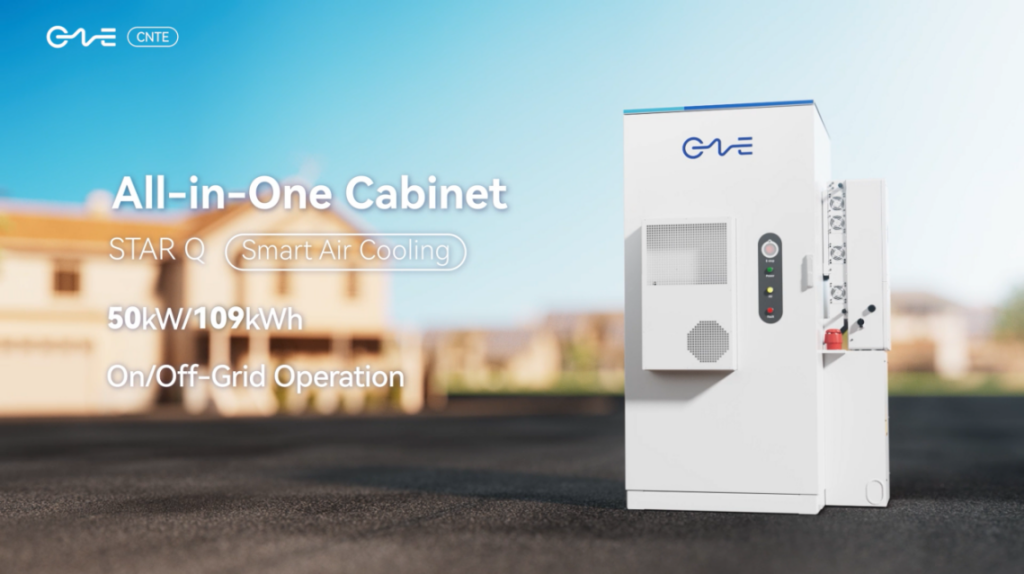
CNTE New Product Launch STAR Q
Jan 15, 2025 -
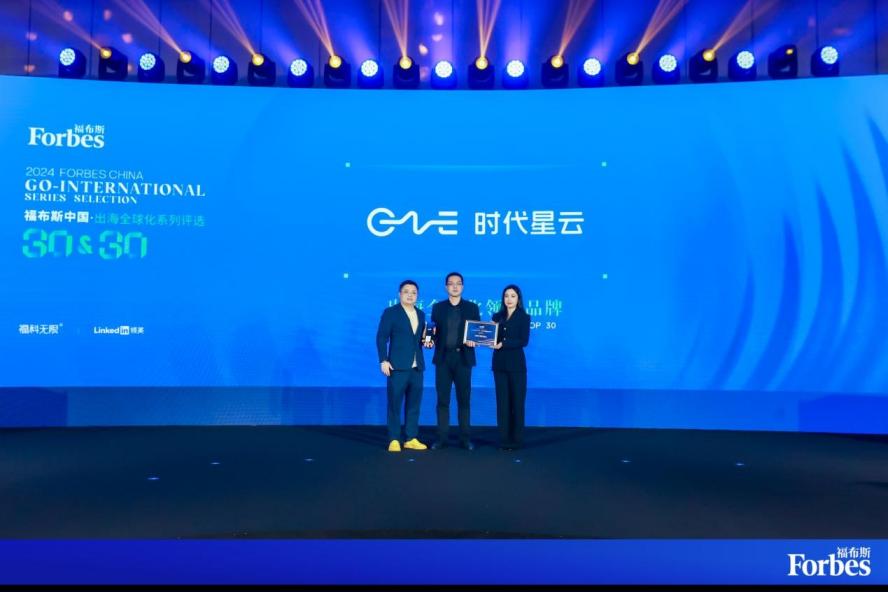
CNTE Named to Forbes China 2024 Top 30 Go-International Brands
Jul 06, 2026
