
Delivering Firm Power: Energy Storage Systems for Grid Stability
Decarbonizing modern power systems requires reconciling the natural intermittency of wind and solar generation with the rigid demand profiles of industrial and utility networks. Variable generation creates significant discrepancies between supply availability and real-time consumption, exposing power producers to curtailment, wholesale price cannibalization, and contractual penalties. To resolve this imbalance, the delivery of reliable firm power has shifted from centralized combustion assets to modular energy storage systems designed for fast-response dispatch, capacity preservation, and voltage stabilization.
Achieving guaranteed output requires a deep understanding of electrochemical storage, power conversion topologies, dynamic degradation management, and wholesale market mechanisms. Storage assets no longer operate merely as energy buffers; they serve as active power generation resources that supply continuous capacity, synthetic inertia, and frequency stabilization under demanding grid conditions.
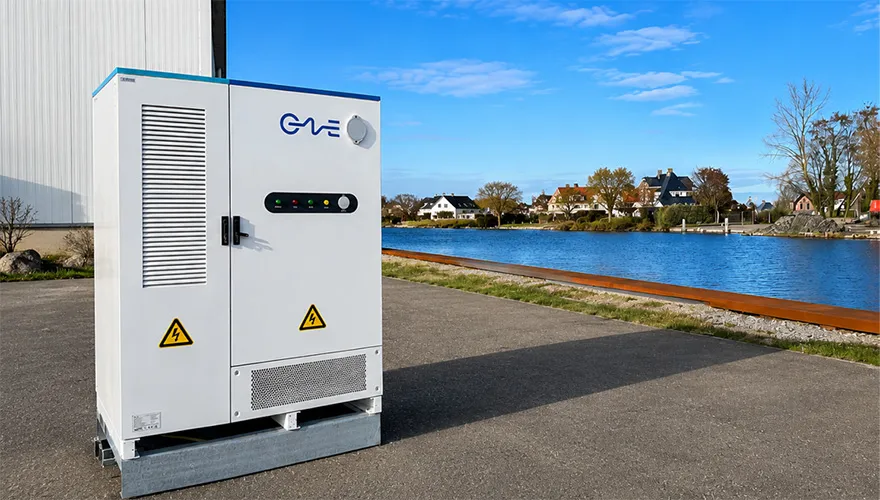
Engineering System Architectures to Guarantee Firm Power from Renewable Assets
Converting variable renewable generation into a predictable capacity resource demands precision engineering across both physical and digital layers. System integrators must balance battery chemistry, power conversion system (PCS) responsiveness, and thermal regulation to sustain targeted MW and MWh output profiles without accelerating hardware degradation.
Modern utility-scale and commercial projects utilize DC-coupled or AC-coupled battery energy storage systems (BESS) configured with lithium iron phosphate (LFP) chemistry due to its thermal stability and extended cycle life. When paired with high-efficiency liquid-cooling systems, cell-to-cell temperature variations remain below 2 degrees Celsius, preserving uniform degradation across thousands of series-parallel cell strings. Hardware innovators such as CNTE (Contemporary Nebula Technology Energy Co., Ltd.) have pioneered modular liquid-cooled enclosures that combine high energy density with multi-stage fire mitigation and smart cell-balancing algorithms, maintaining multi-hour availability throughout the lifecycle of the asset.
To satisfy long-duration delivery commitments, system developers size the power and energy ratios based on detailed dispatch modeling:
Sizing for Continuous Baselines: Configuring energy-to-power (E/P) ratios of 4:1 to 8:1 allows storage systems to cover extended low-generation windows caused by seasonal shifts or prolonged cloud cover.
Augmentation Overbuild Strategies: Installing additional DC capacity upfront, or scheduling modular battery rack additions in years 5 and 10, compensates for capacity fade without failing contractual dispatch thresholds.
State of Charge (SOC) Window Management: Operating within a 10% to 90% SOC envelope prevents excessive mechanical stress on battery cathodes and anodes, extending system longevity while holding reserved energy for unexpected dispatch calls.
Dynamic Round-Trip Efficiency (RTE) Preservation: Employing silicon-carbide (SiC) semiconductor switches in PCS units minimizes auxiliary conversion losses during heavy continuous discharge cycles.
Grid Interconnection, Synthetic Inertia, and System Strength
Traditional thermal plants inherently support power networks through the physical inertia of heavy spinning turbines. As synchronous machines retire, power systems lose rotational kinetic energy, leading to higher rates of change of frequency (RoCoF) during major generation trips. To establish true capacity parity with conventional plants, storage facilities must supply dynamic electrical stability alongside raw kilowatt-hours.
Advanced power conversion units now operate in grid-forming (GFM) mode rather than standard grid-following (GFL) mode. Instead of merely synchronizing with an existing voltage angle, grid-forming inverters act as independent voltage sources, generating their own internal voltage phasor. This operational mode allows the BESS to provide instantaneous synthetic inertia within milliseconds of a grid disturbance, dampening frequency oscillations and bolstering localized short-circuit ratios.
System operators rely on these rapid-response capabilities to execute multiple grid services:
Fast Frequency Response (FFR): Delivering full rated power within 200 to 500 milliseconds following an under-frequency event to arrest frequency decay before standard spinning reserves activate.
Primary and Secondary Frequency Regulation: Continuously modulating active power output in response to automatic generation control (AGC) signals from transmission system operators.
Dynamic Reactive Power and Voltage Control: Supplying or absorbing reactive power (kVAR) at the point of common coupling (PCC) to maintain transmission voltage levels, independent of active power discharge.
Black Start Capabilities: Energizing unpowered transmission lines and auxiliary systems to restore regional power grids following catastrophic outages.
Wholesale Market Integration and Capacity Valuation
Wholesale electricity markets worldwide are restructuring tariffs to reward dispatchable assets that guarantee availability during peak net-load hours. The integration of advanced energy management systems (EMS) enables storage operators to stack revenue streams, assuring that contractual firm power obligations are met even during multi-day resource deficits.
In competitive markets such as PJM, CAISO, and ERCOT in North America, as well as European and Australian networks, storage assets participate across capacity, energy, and ancillary services markets simultaneously. Schedulers deploy predictive analytics to model day-ahead weather forecasts, marginal prices, and transmission congestion patterns, calculating the opportunity cost of battery cycling against real-time capacity penalties.
Structuring bilateral Power Purchase Agreements (PPAs) now commonly involves shape-and-firm contracts. Under these structures, the renewable generator agrees to deliver a specified load profile—such as a steady 50 MW block during afternoon and evening peaks—regardless of actual real-time wind or solar production. The storage asset absorbs mid-day overgeneration to avoid curtailment and subsequently discharges during high-value peak windows, eliminating volumetric delivery shortfalls and securing superior capacity revenue.
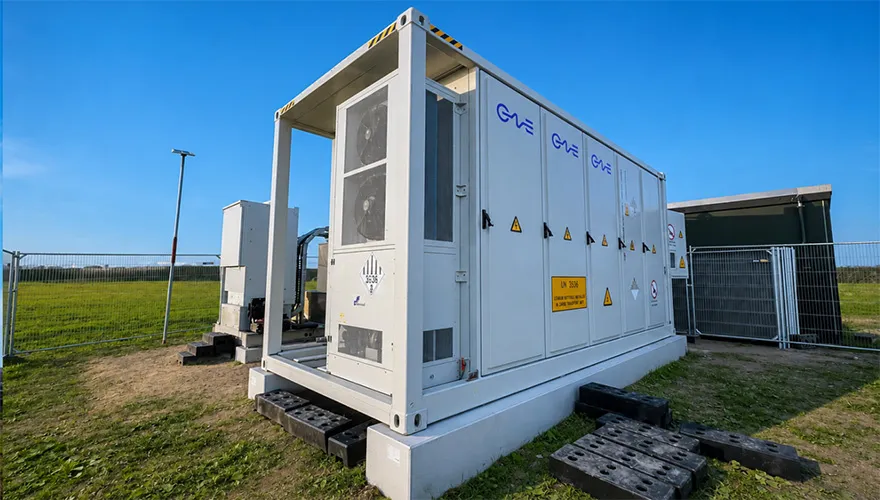
Commercial and Microgrid Deployments for Heavy Industry
For energy-intensive industrial facilities, continuous and reliable electricity is paramount to avoid production halts, equipment damage, and exorbitant demand charges. Industrial microgrids combining on-site generation with storage provide an autonomous infrastructure capable of seamless islanding during utility grid disruptions.
Industrial applications present distinct load profiles characterized by large inductive motor starts, harmonic distortion, and abrupt load step changes. Storage architectures deployed in these environments require robust overload capabilities and sub-cycle static transfer switches (STS) to transition between grid-connected and islanded modes without interrupting sensitive manufacturing processes. Solutions developed by CNTE integrate intelligent power distribution units with high-power density storage blocks, enabling industrial facilities to execute peak shaving while securing resilient, uninterruptible power.
Deploying dedicated on-site capacity provides several distinct operational advantages:
Demand Charge Reduction: Automatically capping utility peak demand spikes by discharging stored power during facility ramp-up intervals.
Power Quality Correction: Active filtering of harmonics, voltage sag mitigation, and power factor correction to protect precision machinery.
Resilient Off-Grid Operation: Sustaining full manufacturing operations through extended regional blackout events via coordinated microgrid control.
Self-Consumption Optimization: Storing on-site rooftop or ground-mounted solar generation for use during high-tariff tariff periods.
Frequently Asked Questions
How does a storage-backed generation facility differ from a conventional peaker plant?
While peaker plants rely on fossil fuel combustion and require ramp-up periods ranging from 10 minutes to several hours, battery storage systems respond within milliseconds. Storage assets produce zero direct emissions, consume no water for cooling during operation, and deliver bidirectional services—both absorbing surplus generation and discharging during deficits—securing a reliable supply of firm power across peak demand hours.
What role do grid-forming inverters play in modern renewable energy systems?
Grid-forming inverters set their own voltage and frequency references rather than locking onto the grid's existing waveform. This allows them to supply synthetic inertia, improve system strength in weak grid areas, and support black start recovery, transforming variable renewables into reliable baseload-equivalent capacity.
How do engineering teams prevent capacity fade from undermining long-term supply contracts?
Developers use a combination of advanced thermal management, conservative operational windows (maintaining intermediate SOC levels), and planned overbuild or multi-stage battery augmentation. Sophisticated EMS platforms continually monitor electrochemical health metrics to schedule charge and discharge rates that minimize internal resistance growth and lithium plating.
What is the difference between energy arbitrage and capacity market participation?
Energy arbitrage involves buying power at low or negative prices and selling it during high-price intervals to capture wholesale spreads. Capacity market participation involves receiving availability payments from grid operators in exchange for guaranteeing that the system can dispatch a predetermined megawatt output whenever called upon during peak grid stress events.
Can industrial microgrids transition to islanded mode without disrupting production?
Yes. By utilizing high-speed static transfer switches paired with grid-forming inverters, modern microgrid systems detect grid faults and isolate the facility in under 20 milliseconds. This rapid transition prevents voltage sags from tripping sensitive variable frequency drives, programmable logic controllers, and robotic manufacturing lines.
Engineering Resilient and Dispatchable Energy Infrastructure
The transformation of variable renewable resources into guaranteed capacity represents the cornerstone of modern energy transition strategies. By coupling high-durability battery chemistries with grid-forming conversion hardware and predictive control software, project developers and industrial operators can secure dispatch predictability, maximize revenue stacking, and build long-term power autonomy, enabling renewable energy developers to supply steady firm power directly to industrial off-takers.
To evaluate system designs, review storage hardware specifications, or discuss tailored solutions for utility and industrial applications, connect with our engineering team at CNTE to discuss your deployment requirements.
Contact our Engineering Team at CNTE
Get in Touch
Recent Posts
-
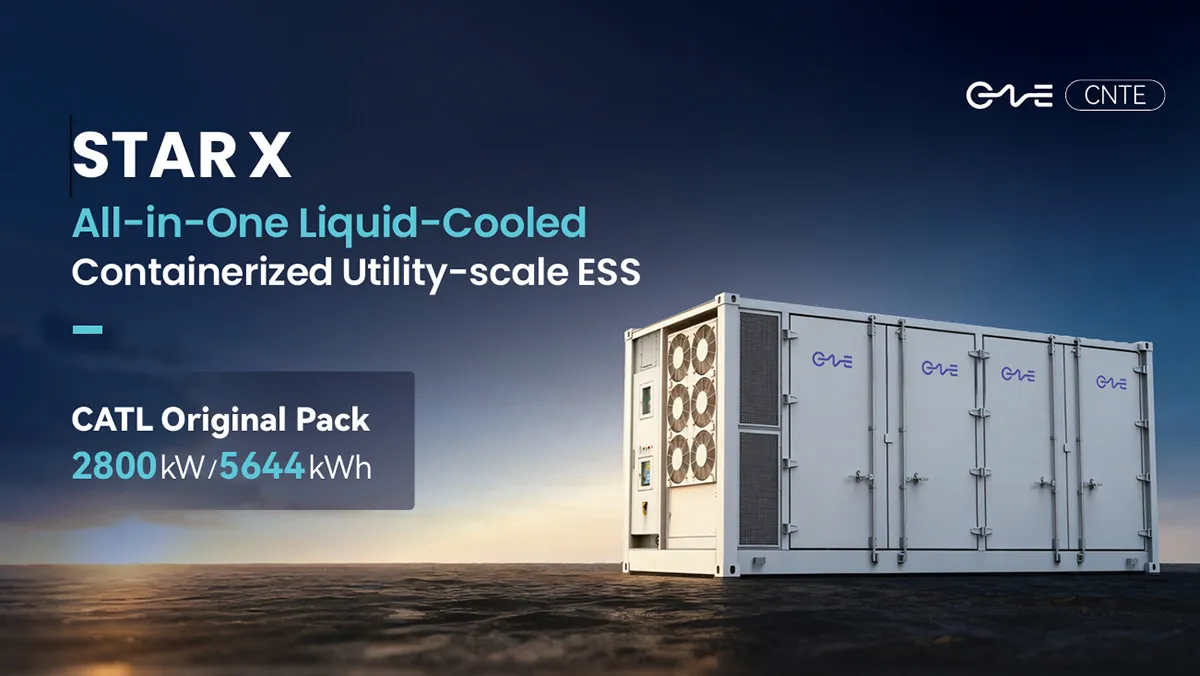
CNTE Launches STAR X Liquid-Cooled DC/AC Integrated Energy Storage System at Intersolar Europe 2026
Jul 06, 2026 -
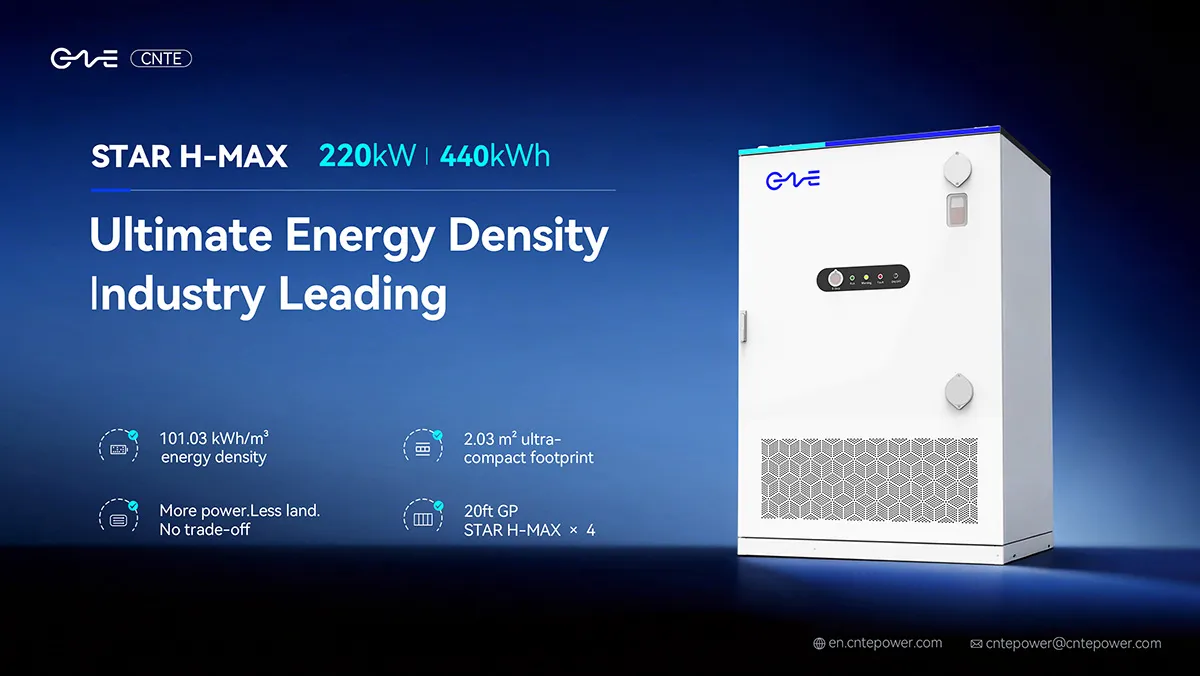
CNTE Unveils New STAR H-MAX Liquid-Cooled C&I ESS at Intersolar Europe 2026
Jun 23, 2026 -
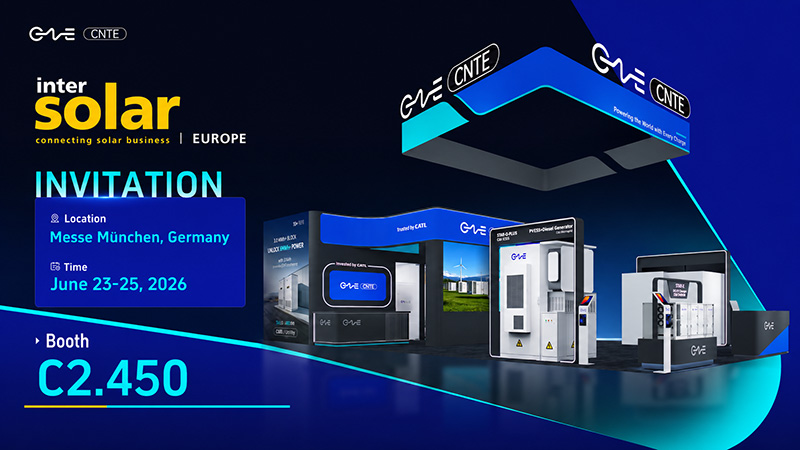
CNTE to Participate in Intersolar Europe 2026
May 20, 2026 -
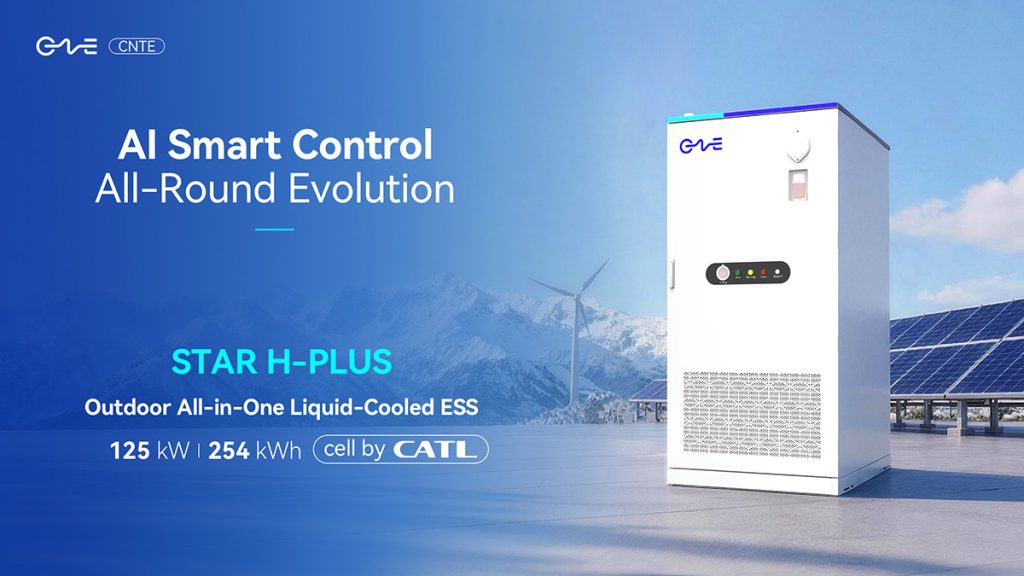
CNTE at KEY ENERGY 2026: Showcases STAR H-PLUS Outdoor Liquid-Cooled Energy Storage System
Mar 05, 2026 -

CNTE Honored as 2025 Forbes China Leading Global Brand
Jul 06, 2026 -

CNTE & YOU.ON Partner to Expand Storage Markets
May 19, 2025 -

CNTE Unveils Energy Storage Lineup at Solartech 2025
May 19, 2025 -

CNTE awarded AEO certification
Jul 06, 2026 -
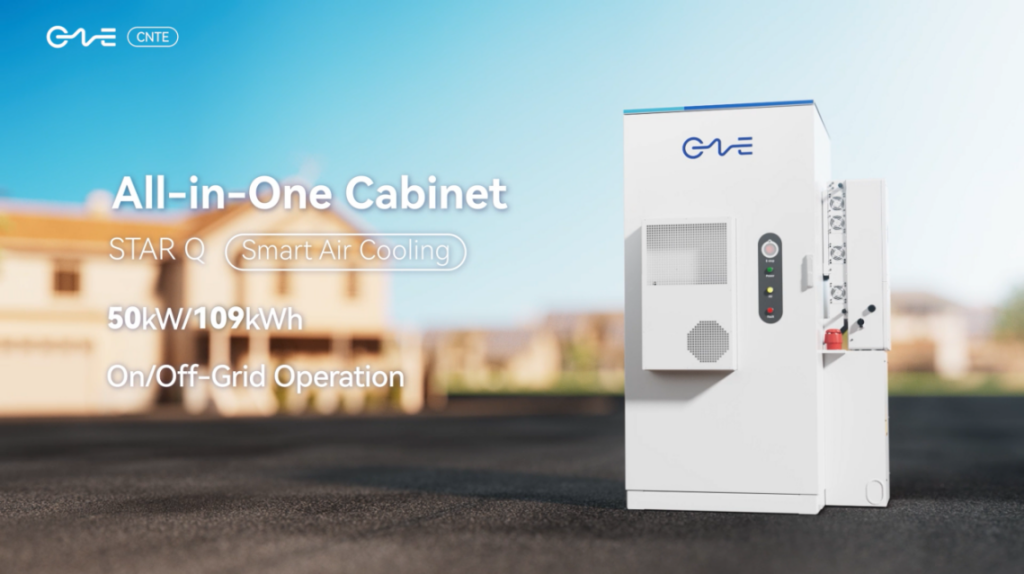
CNTE New Product Launch STAR Q
Jan 15, 2025 -

CNTE Named to Forbes China 2024 Top 30 Go-International Brands
Jul 06, 2026
