
CATL Lithium Battery Price in 2026: Trends, LCOE Impact, and Full-Scenario ESS Solutions
Energy storage procurement is shifting fast. For system integrators, project developers, and EPCs worldwide, one question dictates planning budgets: Where will raw cell and pack pricing settle over the next business cycle?
Contemporary Nebula Technology Energy Co., Ltd. (CNTE), an energy solution provider founded with strategic investment from CATL, monitors these market shifts daily. Understanding cell costs is necessary, but designing for overall system performance is what protects your capital.
This market analysis projects the catl lithium battery price through 2026, examines how cell-level savings translate into project Levelized Cost of Energy (LCOE), and details how integrated hardware creates long-term value.
1. 2026 CATL Lithium Battery Price Forecast: Market Stabilization and Cell
Economics
Between 2023 and 2025, battery energy storage systems experienced historic price corrections. Battery-grade lithium carbonate tumbled from its record high of nearly $80,000 per metric ton to under $15,000 per ton. This correction cleared out marginal manufacturers and stabilized factory-gate cell quotes.
Looking into 2026, the catl lithium battery price for flagship commercial and utility LFP cells will likely balance within a predictable, competitive band: $0.050 to $0.062 per watt-hour (Wh) at the bare cell level.
| Period | Average CATL LFP Cell Price ($/Wh) | Dominant Form Factor | Industry Cycle Life Baseline |
|---|---|---|---|
| 2023 (Peak Correction) | $0.110 - $0.130 | 280Ah | 6,000 - 8,000 cycles |
| 2024 - 2025 (Consolidation) | $0.065 - $0.080 | 314Ah | 8,000 - 10,000 cycles |
| 2026 (Projected Baseline) | $0.050 - $0.062 | 314Ah - 500Ah+ | 10,000 - 15,000 cycles |
Three primary operational forces dictate this pricing trajectory:
Migration to High-Capacity Cells: The industry has moved decisively past the standard 280Ah cell. CATL has optimized its 314Ah cell lines and is pushing larger formats into mass production. Larger formats reduce the number of internal connections, simplify module assembly, and lower structural hardware costs per kilowatt-hour.
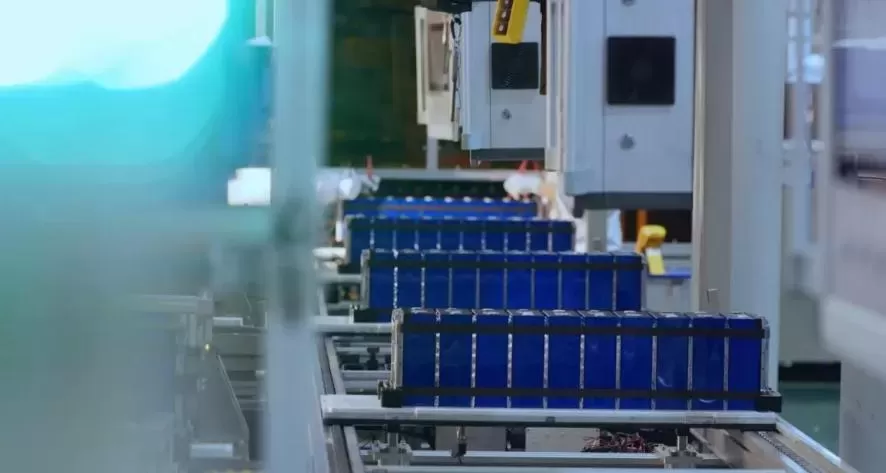
Yield Gains from Extreme Manufacturing: Automated production lines now operate with single-digit defect rates per billion components (PPB standard). High manufacturing yields cut scrap rates and drop unit costs without compromising safety.
Vertical Supply Integration: Direct ownership or stakes in mining, refining, cathode production, and end-of-life recycling shield production facilities from spot-market price spikes. This operational hedge ensures supply certainty for global tier-one deployments.
2. Moving Past Cell CapEx: Why LCOE Matters More Than Initial Price
Procuring cells at a record-low cost per watt-hour looks appealing on paper. However, raw cell pricing makes up only one component of a successful balance sheet. Energy storage assets operate for 15 to 20 years, making lifetime performance far more important than initial component discounts.
True financial returns depend on the Levelized Cost of Energy (LCOE)—the total cost to build, run, and maintain the storage asset divided by its lifetime throughput:
LCOE = (Total Lifecycle CapEx + OpEx) / Total Lifetime Energy Discharged (kWh)
Focusing entirely on the upfront catl lithium battery price creates several blind spots:
Cycle Life and Degradation Rates: A cell purchased at $0.050/Wh that degrades after 5,000 cycles results in a far worse LCOE than a cell rated for 12,000 cycles operating under steady thermal control. Longevity reduces the need for expensive battery augmentation down the road.
Thermal Management: Inadequate cooling creates temperature differentials across battery racks. If temperature gradients exceed 3°C between modules, cell degradation accelerates unevenly. This mismatch reduces the usable capacity of the entire string.
Balance of System (BOS) Safety: Low-cost integration often cuts corners on fire detection, multi-tier Battery Management Systems (BMS), and enclosure-level deflagration management. A single thermal runaway event wipes out years of operating revenue.
To capture maximum returns, project owners work with certified system integrators who pair genuine CATL cells with purpose-built power electronics and thermal management platforms.
3. CNTE: Core Ecological Partner and 5 Core Technology Matrices
Contemporary Nebula Technology Energy Co., Ltd. (CNTE) was established in 2019 through a joint strategic partnership involving CATL. CNTE functions as a core systems integration and equipment manufacturing partner, applying CATL's strict safety standards and manufacturing philosophy to complete energy storage solutions.
While generic pack integrators simply buy cells on the open market, CNTE builds from five proprietary technology foundations:
Advanced Liquid-Cooling Thermal Management: Custom-engineered cold plates maintain system-wide cell temperature variations within 2.5°C, even under sustained 1C charge and discharge cycles.
Intelligent Microgrid EMS: High-speed energy management systems coordinate peak shaving, frequency response, dynamic load balancing, and spot-market arbitrage with millisecond response times.
Full Lifecycle Battery Diagnostics: Proprietary hardware measures internal impedance changes, state-of-charge (SoC) drift, and early safety warnings before thermal events can initiate.
Modular Architecture: Standardized, scalable DC blocks simplify transport, speed up on-site commissioning, and lower civil installation costs.
Cloud-Native O&M: Cloud monitoring platforms provide predictive maintenance warnings, automated performance reports, and remote firmware adjustments over-the-air.
This technical architecture allows CNTE to serve generation-side, grid-side, and commercial/industrial applications with reliable performance.
4. Full-Scenario ESS Solutions Powered by CATL LFP Chemistry
CNTE integrates tier-one cells into engineered hardware platforms tailored to specific grid and commercial applications.
Commercial & Industrial (C&I) Energy Storage Systems
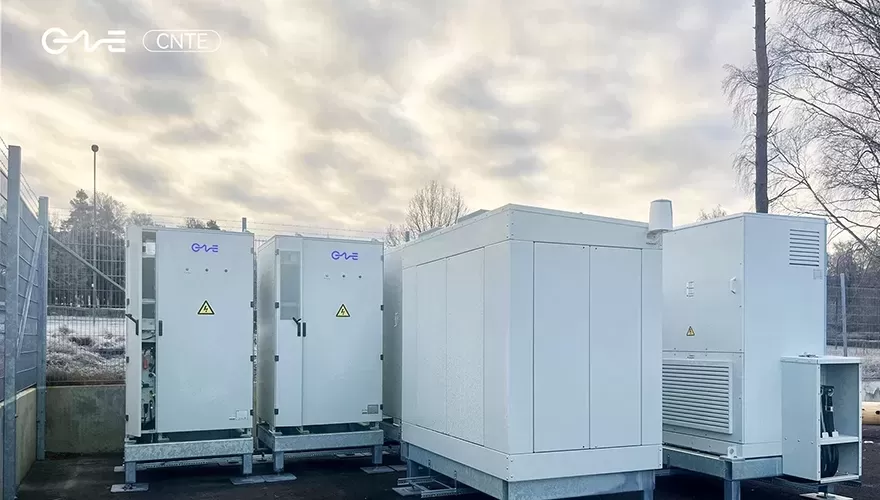
Commercial facilities face escalating peak-demand charges and local grid constraints. CNTE's outdoor liquid-cooled C&I cabinets scale from 206 kWh up to multi-megawatt-hour configurations.
Cell Integration: High-density CATL LFP cells deliver 10,000+ cycle life.
Thermal Stability: Uniform liquid cooling keeps pack-level temperature deviations under 2.5°C, minimizing capacity loss.
System Value: Supports peak shaving, demand management, emergency backup power, and self-consumption of rooftop solar, substantially lowering commercial LCOE.
Smart "Solar-Storage-Charging-Inspection" EV Supercharging Stations
Modern mega-watt EV charging hubs place heavy stress on local distribution transformers. CNTE solves this challenge with an integrated four-in-one system architecture.
Infrastructure Balancing: Photovoltaics, energy storage cabinets, ultra-fast DC dispensers, and vehicle diagnostic tools operate as a self-balancing microgrid.
Non-Invasive Battery Health Testing: While the vehicle draws power, CNTE’s charging hardware reads internal battery conditions in real time, delivering a health diagnostics report to the driver's phone.
Revenue Maximization: Station owners avoid grid transformer upgrade fees, capture off-peak electricity tariffs, and generate charging margins simultaneously.
Residential Energy Storage Systems (All-in-One)
For residential solar expansion, CNTE builds high-voltage, stackable home batteries equipped with CATL LFP chemistry. These quiet, indoor-rated units include built-in smart BMS protection, hybrid inverter compatibility, and instant islanding capabilities during blackouts.
Portable & Mobile Power Stations
Off-grid operations, emergency service teams, and mobile worksites require rugged, field-tested power. CNTE manufactures modular, stackable portable power units. These systems feature fast solar recharge times, pure sine wave outputs, and ruggedized drop-tested enclosures.
5. End-to-End OEM/ODM Manufacturing for Global Energy Partners
Sourcing dependable ESS hardware presents significant engineering hurdles for international system integrators and EPC firms. Sourcing individual parts across multiple vendors increases warranty risks and delays timelines.
CNTE provides comprehensive, one-stop OEM and ODM production lines from its automated facilities:
Direct CATL Supply Chain Priority: As an ecosystem partner, CNTE secures certified Grade-A cells with verified batch traceability and transparent bill-of-materials (BOM) auditing.
Custom Mechanical and Electrical Engineering: Enclosures can be customized to comply with regional seismic, structural, and electrical safety standards (such as UL9540, UL9540A, IEC 62619, and CE).
Turnkey Manufacturing: Services cover initial industrial design, BMS protocol development, thermal duct simulations, full-power factory testing, and customized brand packaging.
This integrated manufacturing setup helps overseas brands launch verified, high-performance ESS products quickly without building multi-million-dollar pack assembly plants from scratch.
Frequently Asked Questions (FAQ)
Q1: What is the estimated CATL lithium battery price per kWh for energy storage projects in 2026?
A1: Industry forecasts indicate that bare CATL LFP cell costs will likely range between $50 and $62 per kWh ($0.050 to $0.062/Wh) by 2026. Fully integrated DC liquid-cooled energy storage containers are projected to range from $95 to $125 per kWh, depending on total project scale, enclosure certifications, and BOS selections.
Q2: Why is the Levelized Cost of Energy (LCOE) more important than cell purchase price?
A2: Initial cell purchase price makes up only the upfront CapEx. If cheap cells suffer from early degradation, thermal divergence, or BMS faults, maintenance costs and capacity loss ruin overall project returns. High-spec cells integrated with liquid cooling deliver 10,000+ cycles, cutting the overall cost per kilowatt-hour discharged across the asset's operating life.
Q3: How does CNTE's relationship with CATL benefit equipment buyers?
A3: CNTE was established with strategic investment from CATL. This corporate relationship gives CNTE direct access to premium Grade-A cells, deep engineering knowledge sharing, and prioritized production schedules. Customers receive authentic cell components integrated within advanced system-level cooling and safety architectures.
Q4: What makes the "Solar-Storage-Charging-Inspection" model unique?
A4: Traditional EV chargers simply pass energy from the grid to the car. CNTE’s model unites rooftop solar, a buffer storage battery, and ultra-fast DC chargers, while running real-time battery health checks on the vehicle during the charging cycle. This design removes the need for expensive grid infrastructure upgrades and introduces new revenue streams.
Q5: Can CNTE develop customized OEM/ODM energy storage products for overseas brands?
A5: Yes. CNTE works closely with system integrators, developers, and global commercial brands. Our engineering team delivers full-stack design services, custom software protocols, enclosure adaptations for regional compliance (UL, IEC, CE), and automated volume manufacturing.
Secure Your 2026 Energy Storage Systems with CNTE
A competitive catl lithium battery price creates new project opportunities, but verified integration ensures long-term return on investment. Avoid the operational pitfalls of uncertified pack assemblies and unreliable thermal balance.
Contemporary Nebula Technology Energy Co., Ltd. (CNTE) combines tier-one cell quality with validated system safety. Whether you are developing utility-scale microgrids, C&I installations, or regional EV charging hubs, our engineering team can review your project specs.
Plan your storage deployments with confidence. Contact our project engineering team today to review your system requirements, model your project LCOE, and receive a competitive quotation.
Email: cntepower@cntepower.com
Website: en.cntepower.com
Get in Touch
Recent Posts
-
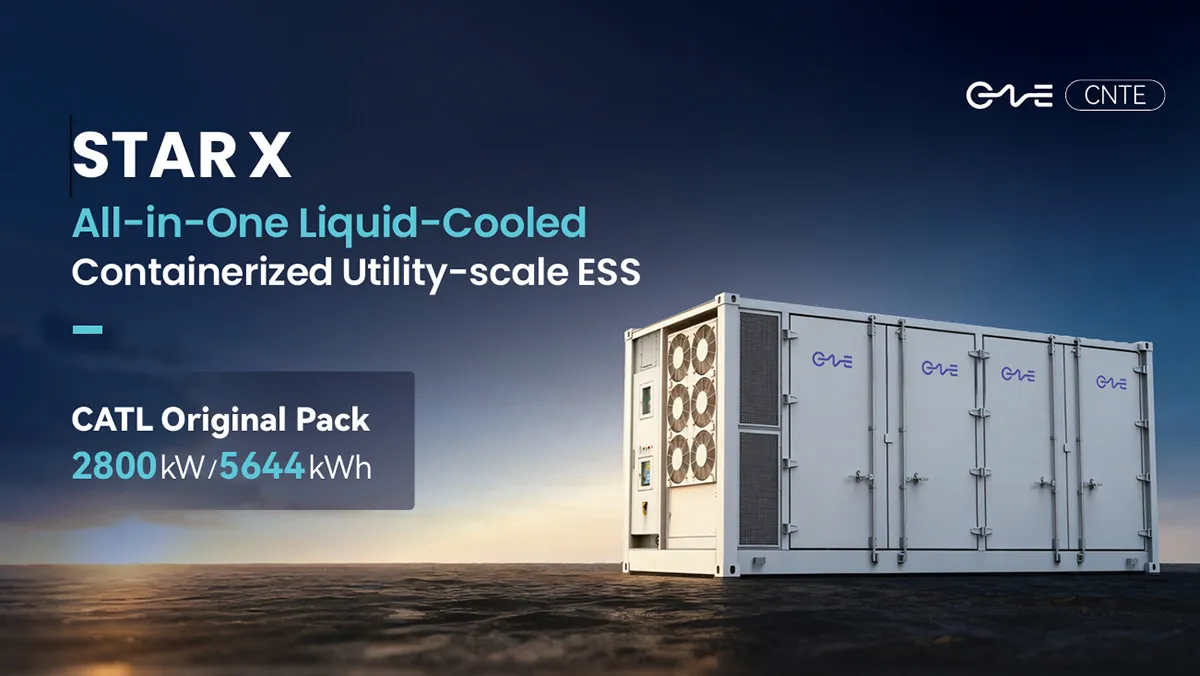
CNTE Launches STAR X Liquid-Cooled DC/AC Integrated Energy Storage System at Intersolar Europe 2026
Jul 06, 2026 -
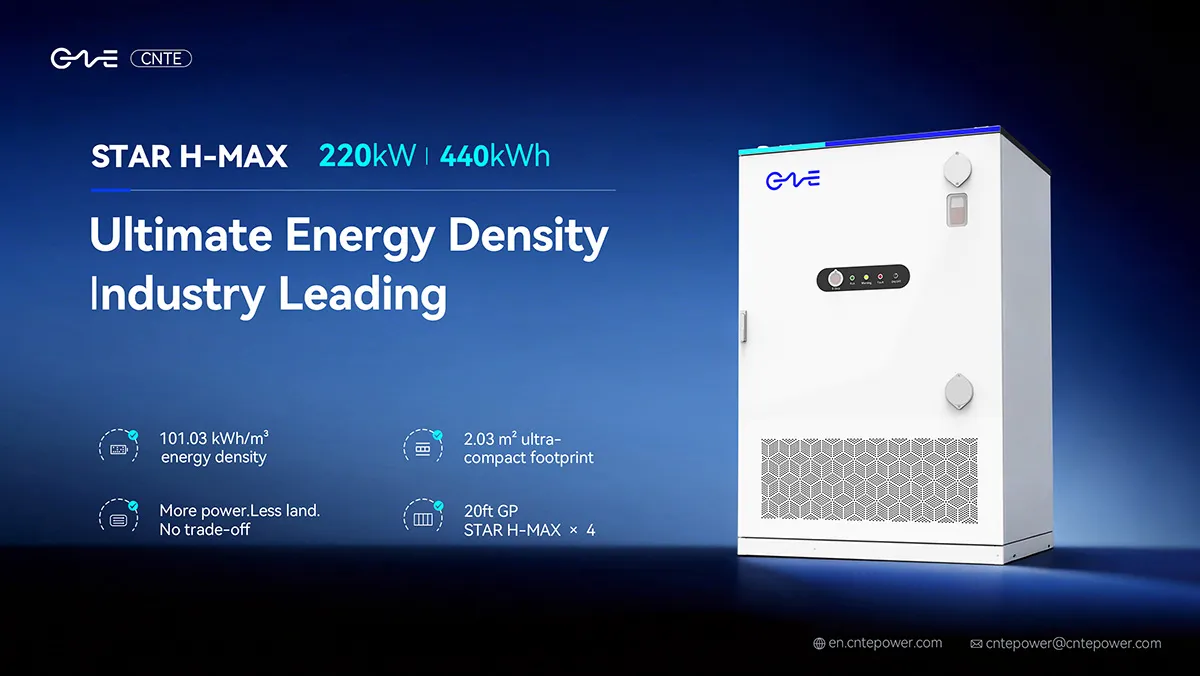
CNTE Unveils New STAR H-MAX Liquid-Cooled C&I ESS at Intersolar Europe 2026
Jun 23, 2026 -
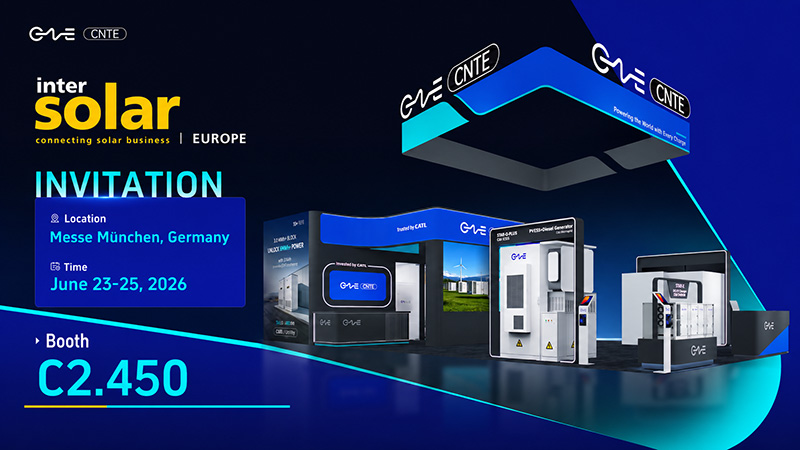
CNTE to Participate in Intersolar Europe 2026
May 20, 2026 -
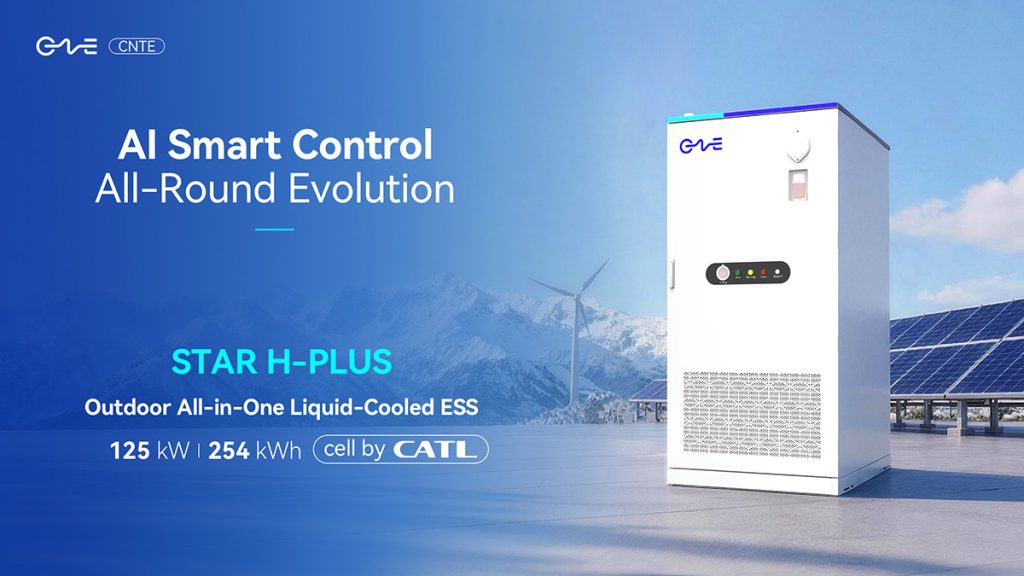
CNTE at KEY ENERGY 2026: Showcases STAR H-PLUS Outdoor Liquid-Cooled Energy Storage System
Mar 05, 2026 -

CNTE Honored as 2025 Forbes China Leading Global Brand
Jul 06, 2026 -
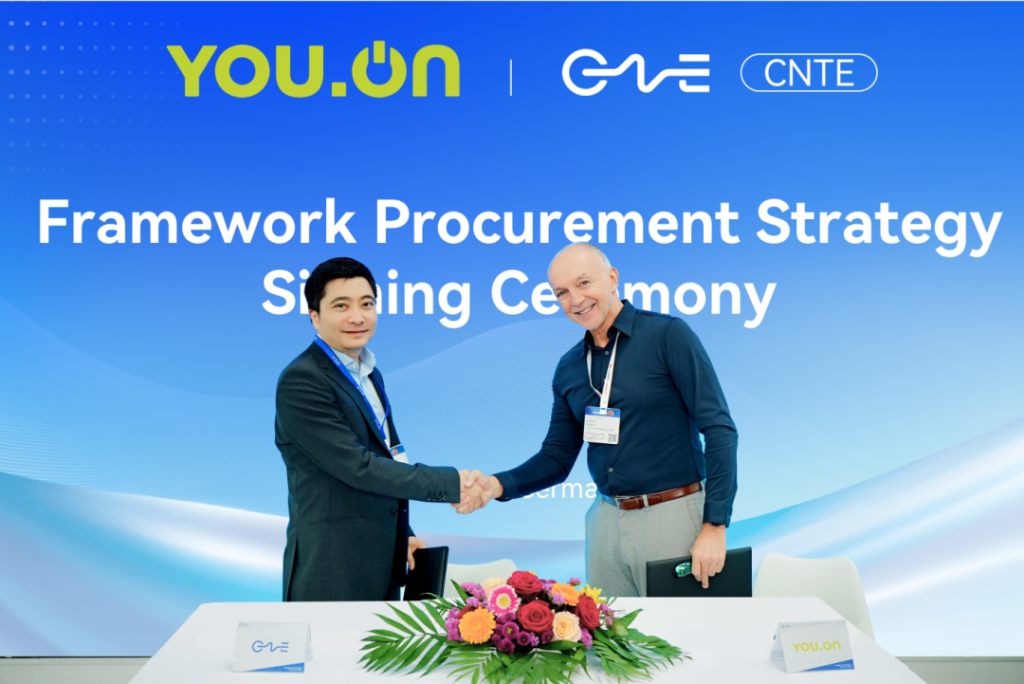
CNTE & YOU.ON Partner to Expand Storage Markets
May 19, 2025 -

CNTE Unveils Energy Storage Lineup at Solartech 2025
May 19, 2025 -
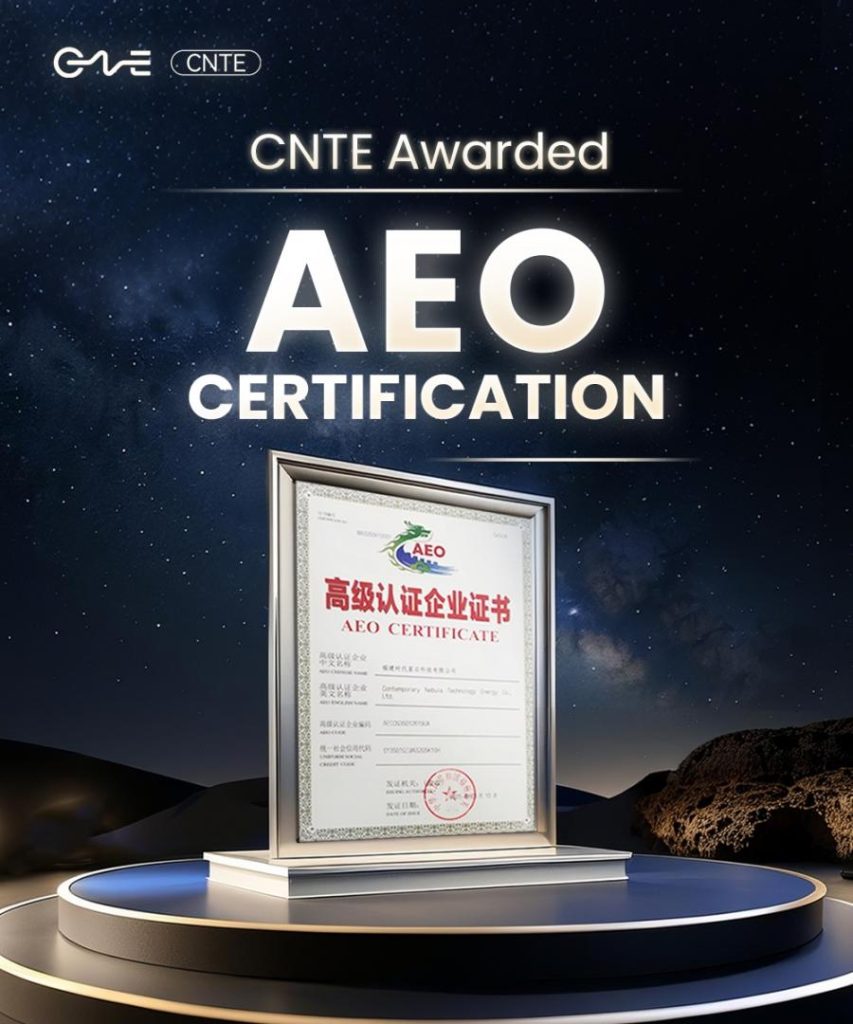
CNTE awarded AEO certification
Jul 06, 2026 -
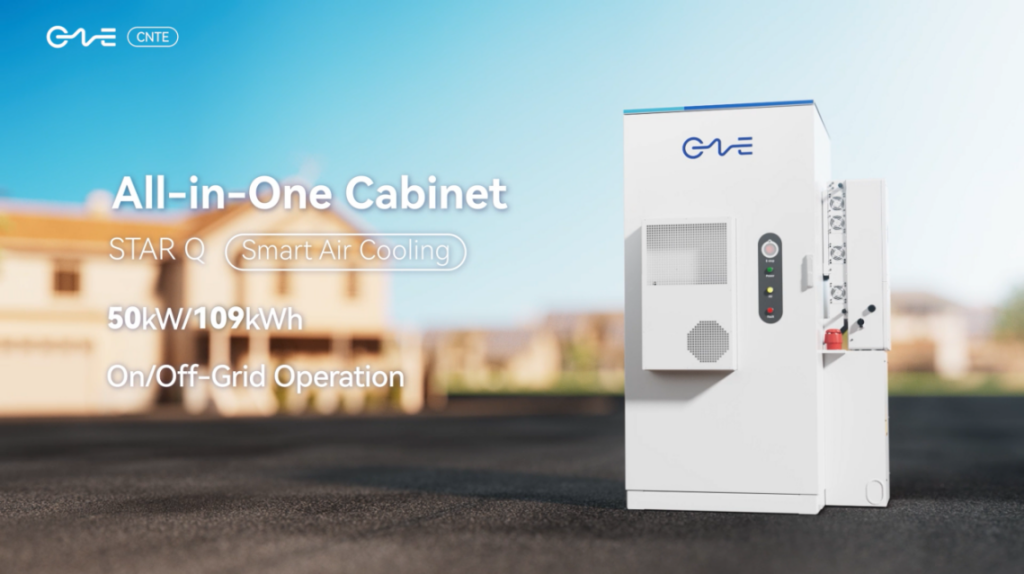
CNTE New Product Launch STAR Q
Jan 15, 2025 -
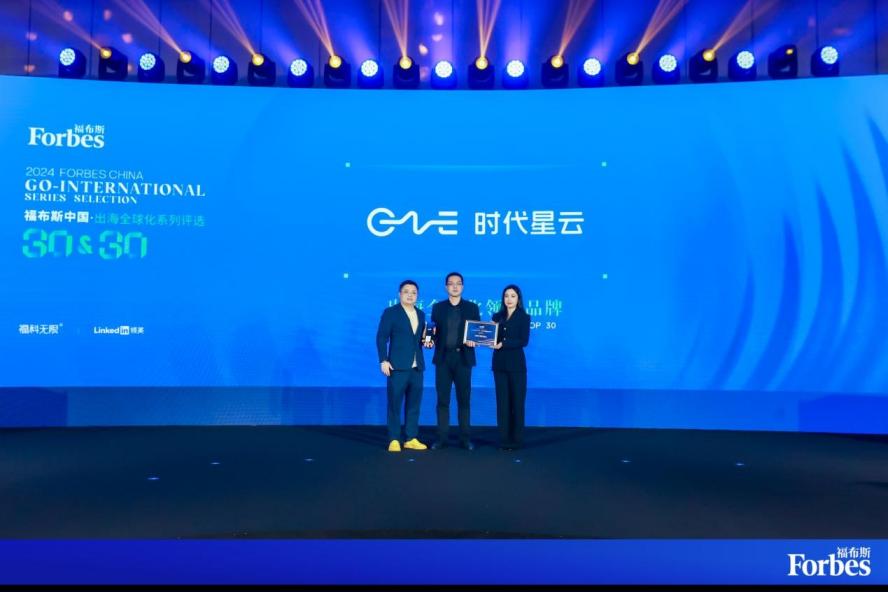
CNTE Named to Forbes China 2024 Top 30 Go-International Brands
Jul 06, 2026
