
Commercial Solar Battery Storage Systems: Engineering Architecture, Application Engineering, and Financial Returns
Industrial and commercial facility operators face mounting energy cost pressures alongside increasing grid instability. Peak demand charges, fluctuating Time-of-Use (TOU) tariffs, and corporate decarbonization mandates require a move toward localized energy management. Deploying commercial solar battery storage systems offers a clear path toward operational continuity and cost control. Modern commercial energy storage equipment acts as a buffer between fluctuating onsite solar generation and high facility loads, transforming energy from an uncontrolled operating expense into a strategic, manageable asset.
Integrating localized storage enables facilities to maintain continuous production cycles during voltage sags or utility outages while actively cutting peak electrical loads. High-capacity energy assets permit commercial enterprises to capture low-cost renewable generation and deploy it precisely during high-tariff billing windows, establishing structural control over utility overhead.
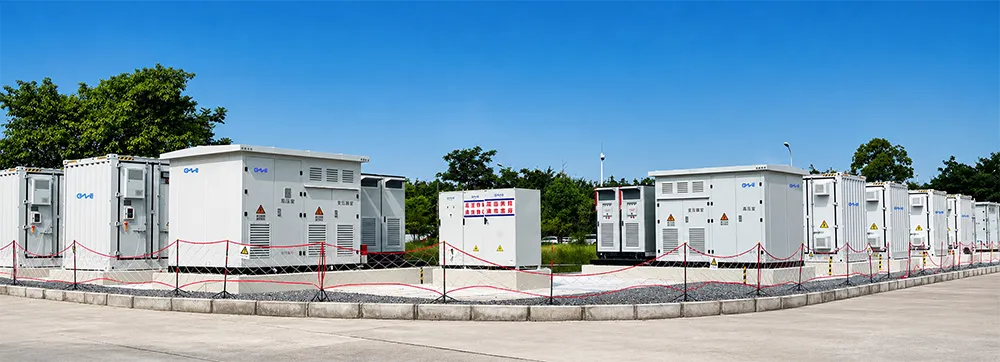
Economic Mechanisms Driving C&I Energy Storage
The economic return on commercial solar battery storage systems relies on several primary financial streams, depending on regional market structures, tariff rates, and facility load profiles.
Demand Charge Reduction
Utility billing structures for commercial and industrial (C&I) clients typically feature two main components: volumetric consumption charges (measured in kilowatt-hours) and peak demand charges (measured in kilowatts). Demand charges are calculated based on the highest average power draw during a brief window—often 15 minutes—within a billing cycle. In heavy manufacturing or logistics operations, high-power machinery startup spikes create expensive demand peaks that can account for 30% to 50% of the total monthly electricity bill.
Battery energy storage systems continuously monitor building load at the point of common coupling (PCC). When building load crosses a predetermined threshold, the energy storage system discharges immediately to cover the excess load. This process, known as peak shaving, lowers the peak recorded by the utility meter without requiring operational changes to facility equipment.
Time-of-Use Tariff Arbitrage
Commercial electricity tariffs often vary significantly throughout the day. Peak hours coincide with broad grid stress, resulting in high volumetric energy rates, whereas off-peak hours feature low rates. By integrating commercial solar battery storage systems, facilities can capture surplus solar generation produced during midday hours or absorb energy from the grid during low-cost off-peak periods. This stored energy is then dispatched during peak price windows, cutting baseline operational expenditures.
Power Quality and Microgrid Operations
Voltage fluctuations, frequency variations, and momentary power interruptions can stop production lines, damage sensitive machinery, and cause material loss. Energy storage systems equipped with grid-forming bidirectional power conversion systems (PCS) deliver millisecond-level response times to stabilize localized voltage and frequency. During complete grid failures, the system automatically isolates the facility from the primary utility connection and enters island mode, sustaining operations alongside onsite solar arrays.
Core Hardware Architecture and Thermal Engineering
Commercial-grade storage systems require robust engineering to withstand continuous heavy-duty cycling over 15 to 20-year lifespans. The performance of these installations relies directly on cell technology, thermal regulation, power electronics, and high-level control software.
Lithium Iron Phosphate (LFP) Cell Engineering
Lithium Iron Phosphate chemistry serves as the industry standard for commercial stationary storage applications. Compared to Nickel Manganese Cobalt (NMC) formulations, LFP chemistry delivers superior chemical stability, extended cycle life, and high thermal resistance. LFP cells typically maintain high capacity retention over 6,000 to 10,000 charge-discharge cycles under standard operating conditions.
The core structural safety of LFP stems from its strong iron-phosphate chemical bond, which prevents oxygen release at elevated temperatures. Advanced commercial energy storage solutions engineered by CNTE (Contemporary Nebula Technology Energy Co., Ltd.) utilize advanced cell-level monitoring to maintain precise physical and operational boundaries, preventing thermal runaway and maximizing service life across complex operational profiles.
Thermal Management: Liquid Cooling vs. Forced Air
Maintaining balanced internal temperatures across thousands of individual battery cells is vital for system longevity and performance. Temperature imbalances cause non-uniform internal resistance, leading to localized cell aging and reduced pack capacity.
Forced Air Cooling: Relies on HVAC units to circulate cooled air through battery enclosures. While simpler to construct, air cooling can create temperature gradients across large cabinets and consumes significant parasitical power in hot environments.
Liquid Cooling Systems: Circulate a liquid coolant through aluminum cold plates directly contacting the battery cell faces. Liquid cooling provides significantly higher thermal conductivity, maintaining cell-to-cell temperature variations within 2 to 3 degrees Celsius. This precise temperature control reduces auxiliary parasitic power draw and extends system cycle life.
Power Conversion and Inverter Topology
The Power Conversion System (PCS) converts direct current (DC) stored in the batteries into alternating current (AC) compatible with facility loads and the local utility grid. High-efficiency commercial installations utilize transformerless, bidirectional PCS units featuring Silicon Carbide (SiC) semiconductor switches. These components yield conversion efficiencies above 98% while reducing overall physical footprints.
Modular inverter topologies allow individual power modules to operate in parallel. If a single module requires maintenance, the remaining units continue running, maintaining full facility uptime and operational resilience.
Multi-Scenario Application Engineering
Commercial energy storage installations vary based on the electrical demand profiles and operational priorities of different facility types.
Heavy Manufacturing and Processing Facilities
Manufacturing facilities routinely operate high-inductance equipment, heavy motor drives, and arc welding units that create sudden demand spikes and power factor imbalances. High-capacity commercial solar battery storage systems stabilize localized supply by supplying rapid reactive and active power compensation. Reducing internal electrical stress shields sensitive automated production systems from unexpected shut-downs.
EV Fleet Charging Infrastructure
As commercial logistics fleets transition to electric platforms, depot charging infrastructure introduces substantial localized grid loads. Installing multiple 180 kW or 360 kW DC fast chargers can easily exceed facility service transformer capacities. Upgrading regional transformer infrastructure is expensive and subject to long utility interconnection delays.
Energy storage systems installed behind-the-meter buffer high-power charger demands. The storage system charges slowly from the grid or solar array during low-demand periods and delivers high-rate power output during rapid vehicle charging, eliminating the need for immediate grid infrastructure upgrades.
Commercial Real Estate and Data Centers
Office parks, logistics centers, and edge data centers require clean, uninterrupted power coupled with verifiable sustainability metrics. Combining rooftop solar arrays with localized energy storage allows property developers to meet stringent green building standards while offering tenants reliable backup power services. Modern systems engineered by CNTE incorporate high-density power modules that integrate into existing utility rooms or outdoor parking infrastructure, maximizing site layout efficiency.
Lifecycle Asset Performance and Financial Modeling
Evaluating the financial return of commercial energy storage projects requires detailed analysis of key performance metrics over the operating lifespan of the system.
Round-Trip Efficiency (RTE) Impact
Round-trip efficiency measures the percentage of energy injected into the storage system that is successfully recovered during discharge. Total RTE accounts for losses across the battery cells, internal wiring, thermal management systems, and PCS AC/DC conversions. Modern high-efficiency commercial storage systems target an overall AC-to-AC RTE between 85% and 90%.
Higher RTE directly impacts project financial returns. Greater efficiency means less energy lost during thermal conversion, allowing facilities to capture more revenue from price arbitrage and peak shaving activities.
Battery Degradation Management
All electrochemical storage systems experience gradual capacity reduction over time, caused by calendar aging and cyclic usage. Degradation rates depend on operational factors, including operating temperatures, charge/discharge rates (C-rates), and average state of charge (SOC) levels.
To slow capacity loss, intelligent Energy Management Systems (EMS) execute smart controls that prevent deep cell discharges and adjust charge rates based on real-time ambient temperatures and historical operational data. Maintaining operating parameters within design limits helps ensure long-term operational performance through year 15 of project life.
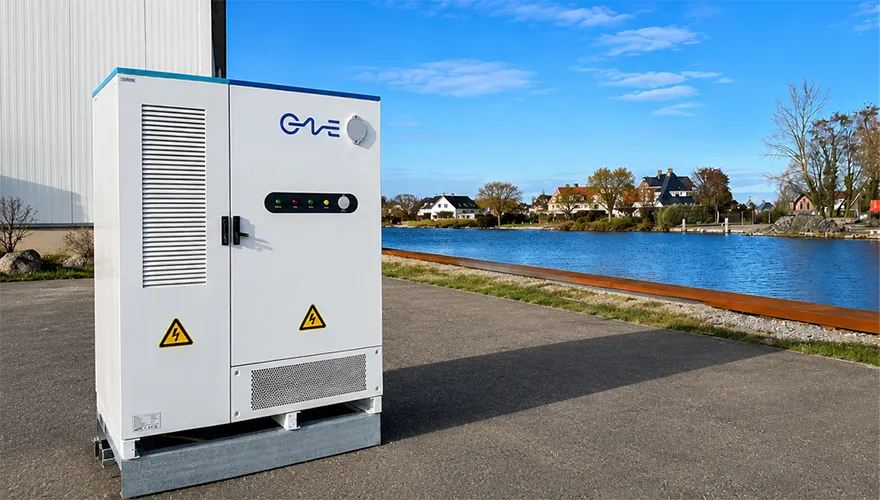
Industrial Inquiries and Custom Project Architecture
Selecting and sizing commercial energy storage solutions requires detailed evaluation of historical interval load data, physical space availability, regional utility interconnection regulations, and localized tariff structures. Off-the-shelf equipment rarely delivers maximum return on investment; long-term financial performance requires custom system design matched to facility operating profiles.
Engineering teams seeking custom-engineered commercial solar battery storage systems can consult with the technical engineering group at CNTE. Our team provides detailed load profile analysis, financial modeling, structural system sizing, and hardware integration support optimized for complex industrial applications. Reach out to CNTE to schedule a structural load and financial return assessment for your facility.
Frequently Asked Questions
Q1: What is the typical lifespan of commercial solar battery storage systems?
A1: Modern systems utilizing high-grade Lithium Iron Phosphate (LFP) cells typically feature a design lifespan of 15 to 20 years. System longevity relies on effective thermal management, proper operational parameters, and preventive maintenance regimes for cooling units and power electronics.
Q2: How do commercial solar battery storage systems prevent thermal runaway?
A2: System protection involves multiple safety layers. LFP cell chemistry delivers high baseline thermal stability. At the physical level, multi-stage battery management systems monitor cell voltage, current, and temperature in real time. Enclosures feature liquid cooling channels, automated isolation contactors, and dedicated fire detection and suppression systems that meet international safety standards such as UL 9540A and NFPA 855.
Q3: What is the difference between behind-the-meter (BTM) and front-of-the-meter (FTM) storage?
A3: Behind-the-meter systems sit on the facility side of the utility billing meter. Their primary purpose is serving localized energy needs, cutting demand charges, backing up loads, and managing onsite solar production. Front-of-the-meter systems connect directly to utility distribution or transmission networks to provide grid-scale support services.
Q4: Can commercial energy storage operate without an onsite solar array?
A4: Yes. While pairing storage with onsite solar provides localized energy generation, standalone battery storage systems deliver significant financial returns purely through grid tariff arbitrage and peak demand charge management. Standalone storage charges from the utility grid during cheap off-peak hours and discharges during expensive peak windows.
Q5: How do liquid-cooled energy storage systems compare to air-cooled models in hot climates?
A5: Liquid cooling provides superior heat transfer efficiency compared to air cooling. In high ambient temperature environments, liquid cooling maintains tight thermal uniformity across battery modules, preventing localized cell degradation and consuming up to 30% less auxiliary power for thermal control compared to traditional HVAC air systems.
Get in Touch
Recent Posts
-
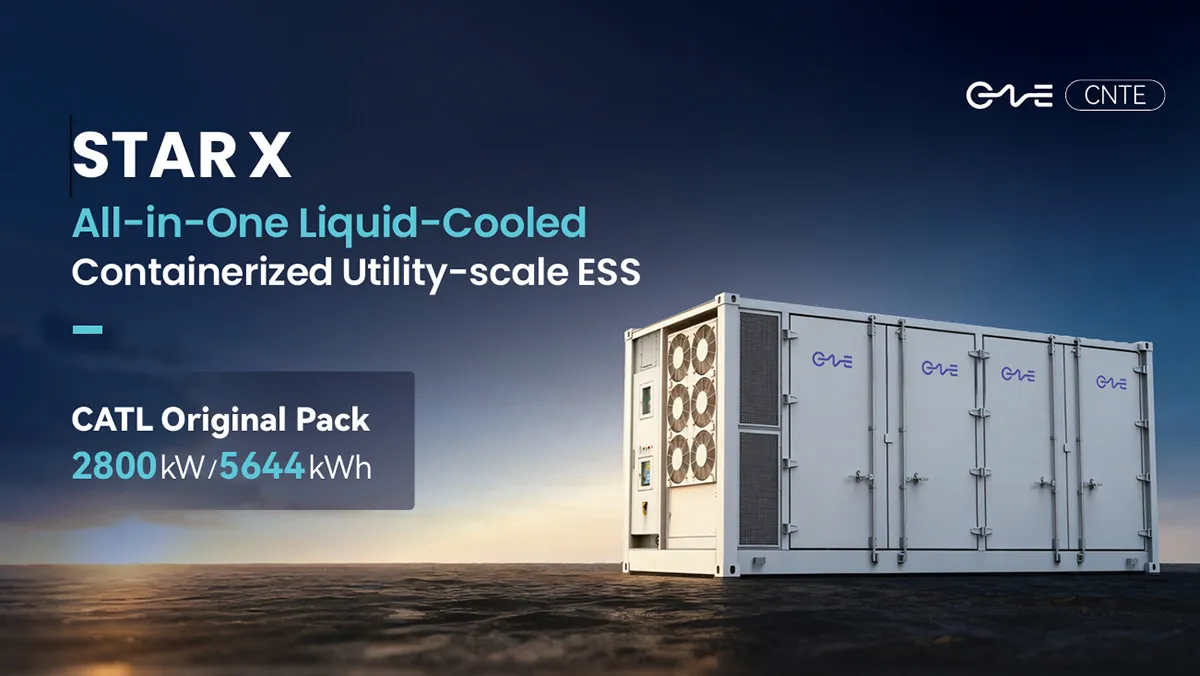
CNTE Launches STAR X Liquid-Cooled DC/AC Integrated Energy Storage System at Intersolar Europe 2026
Jul 06, 2026 -
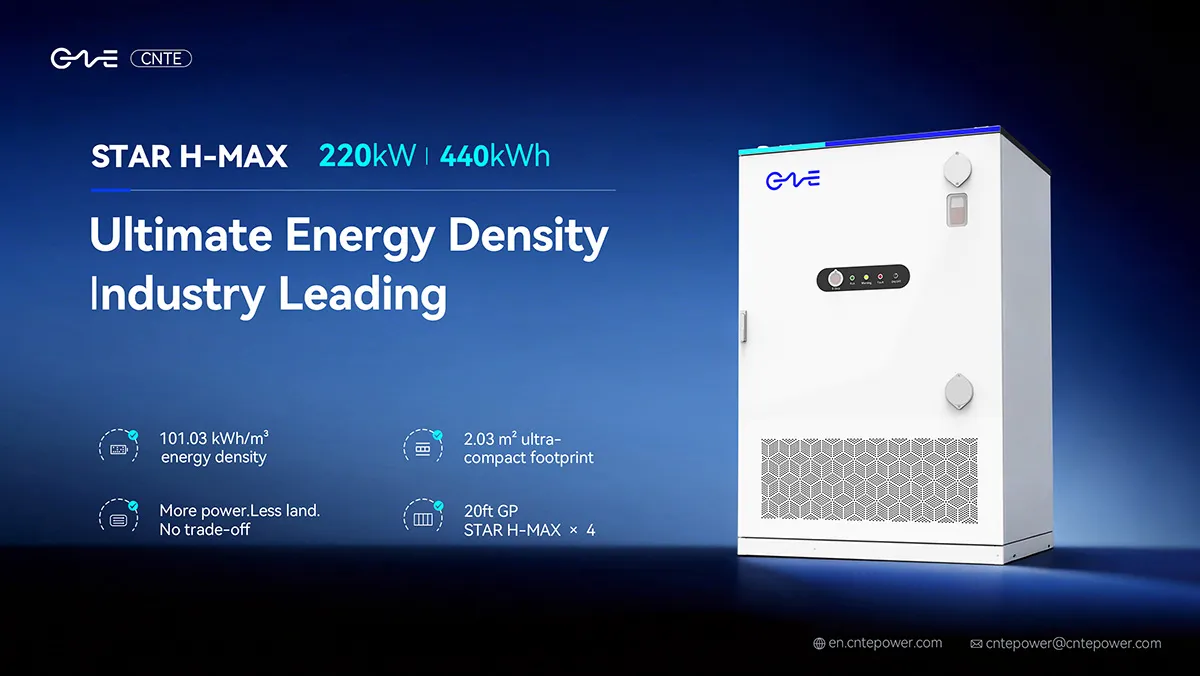
CNTE Unveils New STAR H-MAX Liquid-Cooled C&I ESS at Intersolar Europe 2026
Jun 23, 2026 -
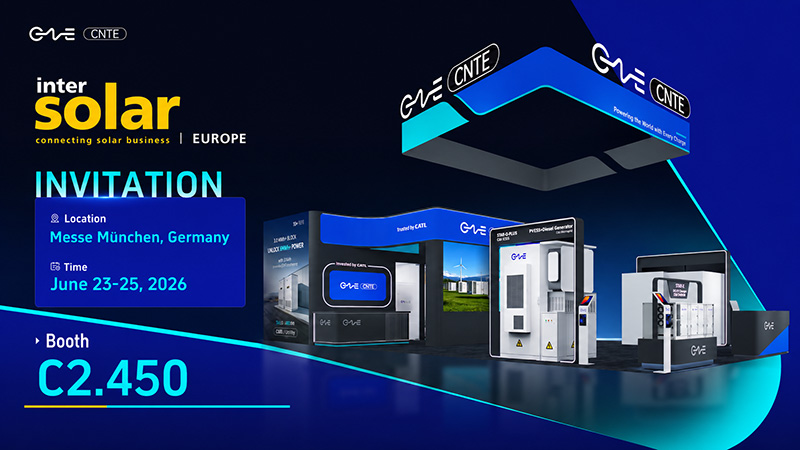
CNTE to Participate in Intersolar Europe 2026
May 20, 2026 -
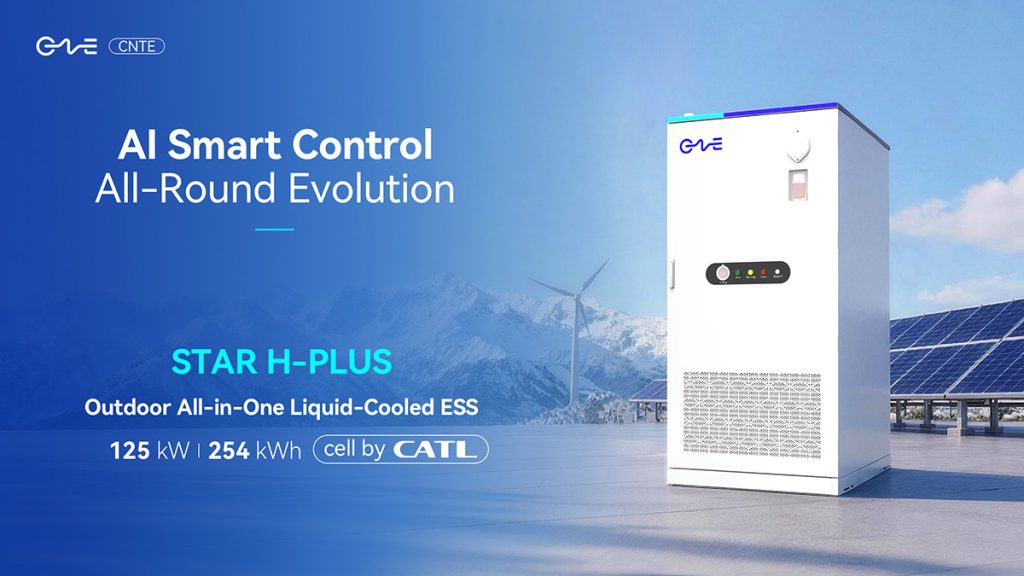
CNTE at KEY ENERGY 2026: Showcases STAR H-PLUS Outdoor Liquid-Cooled Energy Storage System
Mar 05, 2026 -

CNTE Honored as 2025 Forbes China Leading Global Brand
Jul 06, 2026 -

CNTE & YOU.ON Partner to Expand Storage Markets
May 19, 2025 -

CNTE Unveils Energy Storage Lineup at Solartech 2025
May 19, 2025 -
CNTE awarded AEO certification
Jul 06, 2026 -
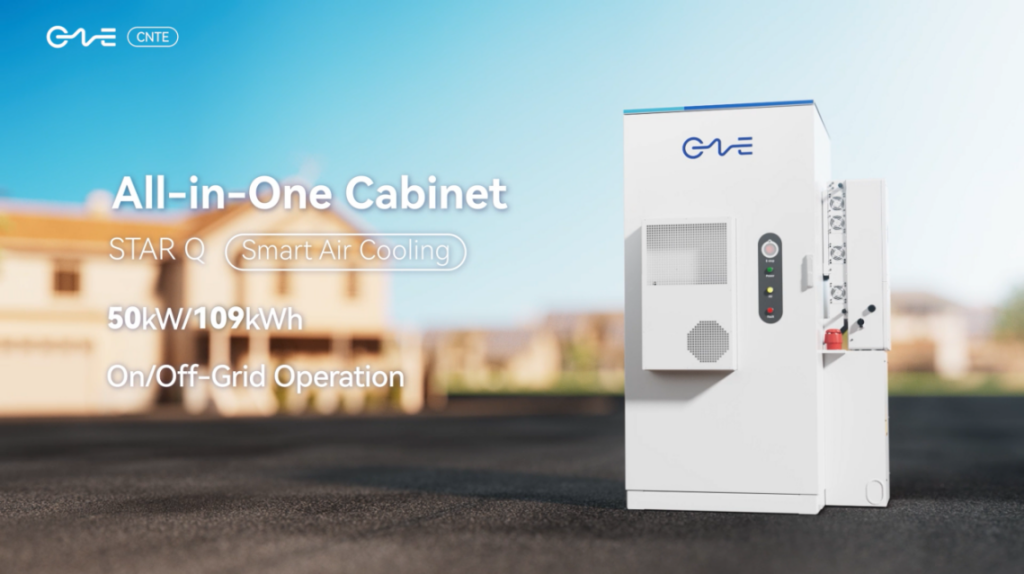
CNTE New Product Launch STAR Q
Jan 15, 2025 -

CNTE Named to Forbes China 2024 Top 30 Go-International Brands
Jul 06, 2026
