
2026 Buyer’s Guide: What to Look for in a Large Capacity Battery Storage Supplier
Renewable energy integration is accelerating worldwide. By 2026, high-capacity energy storage will move from an operational option to a baseline mandate for utility networks and commercial facilities.
Project developers, grid operators, and EPC contractors face a market crowded with system integrators. Choosing the wrong hardware or partner leads to severe downtime, thermal hazards, and financial underperformance.
Selecting a long-term partner requires looking beyond simple upfront equipment costs. Leading energy technology firms like CNTE (Contemporary Nebula Technology Energy Co., Ltd.) are establishing new benchmarks for reliability, technical depth, and system longevity.
This guide outlines five key criteria every buyer must evaluate when selecting a large capacity battery storage vendor for 2026 and beyond.
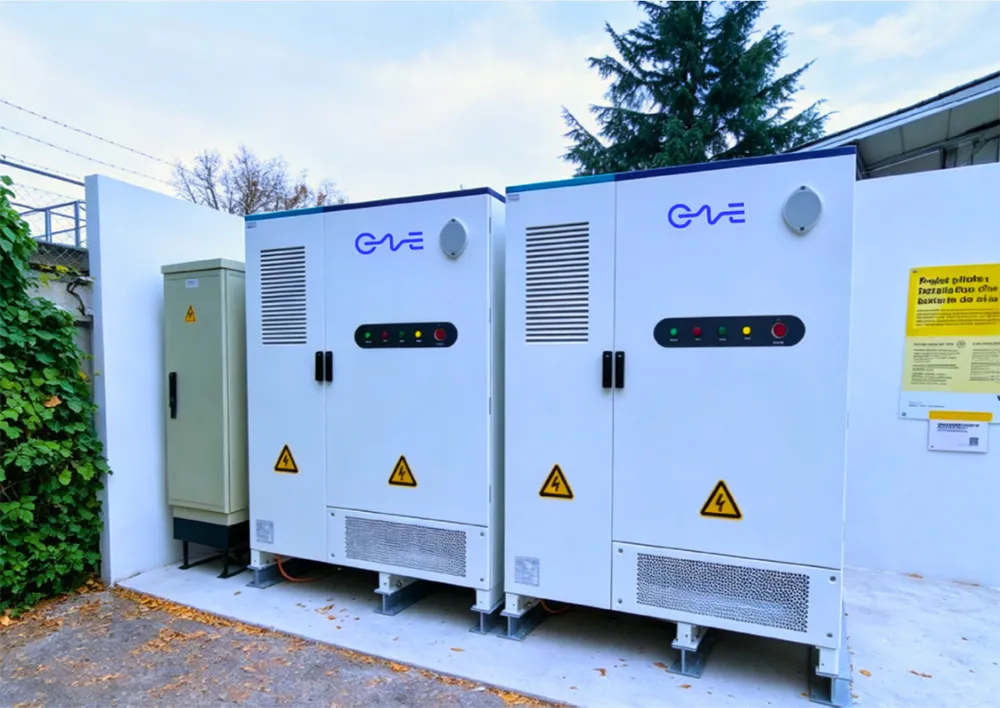
1. Tier-1 Cell Lineage & Ultimate Safety Architecture
The core of any battery energy storage system (BESS) lies in its chemical cell foundation. Minor manufacturing defects inside individual cells can compound across megawatt-scale installations, resulting in catastrophic system failures.
Buyers must audit a supplier’s raw material sourcing, cell engineering background, and multi-tier hazard mitigation capabilities.
Cell Sourcing & Traceability: Ask if your vendor manufactures their own cells or sources from proven Tier-1 suppliers. High-volume manufacturing consistency prevents early module mismatching.
Multi-Layer Thermal Safety: Ensure safety mechanisms exist at the cell, module, rack, and container levels. Seek gas detection, off-gas monitoring, and targeted liquid cooling.
Thermal Runaway Containment: Verify that module designs prevent thermal propagation to adjacent cells if a localized failure occurs.
The CNTE Advantage: Formed in 2019 with strategic investment from battery industry leader CATL, CNTE leverages top-tier lithium iron phosphate (LFP) chemistry and cell manufacturing standards. This deep technical foundation allows CNTE to build safety features directly into the core system structure rather than adding them as external retrofits.
2. Deep R&D Strength: The "5 Core Technology Matrices"
Simple system assembly is no longer enough for utility projects. In 2026, high-capacity storage demands fully proprietary hardware and software stacks that operate seamlessly together.
Avoid suppliers that merely bundle off-the-shelf components from disparate vendors. Look for companies controling their core technology matrices in-house:
The 5 Critical Tech Matrices for 2026:
Advanced Battery Management Systems (BMS): High-precision state-of-charge (SOC) and state-of-health (SOH) algorithms that prevent accelerated degradation.
High-Efficiency Thermal Management: Precision liquid cooling systems that maintain internal temperature variations within 2°C to 3°C across all modules.
Smart Energy Management Systems (EMS): Real-time dispatching software capable of dynamic multi-market arbitrage and automated frequency response.
Grid-Forming Inverters (PCS): Modern power conversion systems capable of delivering synthetic inertia and black-start capabilities to unstable grids.
Integrated Structural System Design: High-density containerized architectures built to withstand harsh weather, seismic shocks, and saline corrosion.
By owning these five core technologies, CNTE delivers balanced systems that lower the Levelized Cost of Storage (LCOS) while boosting round-trip efficiency (RTE) over a 15-year operational lifespan.
3. All-Scenario Adaptability (Gen, Grid & User-Side)
Different installation sites present completely different operational stresses. A high-voltage grid substation demands fast power response, while a remote solar plant needs long-duration discharge cycles under extreme ambient temperatures.
Top-tier suppliers build adaptable system architectures suitable for diverse power sector deployments.
When assessing a large capacity energy storage supplier, review their project history across three key domains:
Generation-Side (Renewable Integration): Ramp-rate control, capacity firming, and renewable curtailment reduction for utility-scale solar and wind farms.
Grid-Side (Transmission & Distribution): Frequency regulation (FFR), voltage control, dynamic peak shaving, and sub-second grid stabilization.
User-Side (C&I & Microgrids): Demand charge reduction, peak-valley tariff arbitrage, critical backup power, and EV fast-charging support.
CNTE builds versatile, all-scenario energy storage solutions configured specifically for these varied deployment requirements. Their flexible engineering approach ensures rapid project delivery whether installed in high-altitude regions or high-humidity coastal zones.
4. Full-Lifecycle Capability: R&D, Manufacturing, to Global Service
A high-capacity BESS is a long-term capital asset expected to generate revenue for 15 to 20 years. Partnering with a component broker or start-up integrator introduces long-term operational risks.
Buyers need a vendor capable of supporting the asset throughout its entire lifecycle.
In-House Manufacturing Scale: Dedicated, automated production lines ensure tight quality control and predictable delivery timelines.
Rigorous Testing Protocols: Full-system factory acceptance testing (FAT) reduces commissioning delays at the project site.
Global Field Service Network: On-site operational support, rapid spare parts fulfillment, and dedicated local field engineers prevent extended downtime.
CNTE manages the entire product pipeline in-house. From initial electrochemical R&D and enclosure assembly to global field service deployment, CNTE maintains total quality control over every deliverable.
5. Future-Proofing for 2026: Smart O&M & Grid-Forming Capabilities
Grid standards are evolving rapidly. By 2026, traditional grid-following storage systems will struggle to meet stringent interconnection requirements in markets with high renewable penetration.
Forward-thinking procurement teams must demand future-ready BESS capabilities before signing equipment purchase agreements.
Grid-Forming Technology: Modern BESS units must act as voltage sources rather than simple current sources, providing synthetic inertia, fault current contribution, and black-start capability.
AI-Driven Predictive Maintenance: Advanced cloud platforms analyze cell telemetry in real time to spot thermal anomalies weeks before a fault occurs.
Modular Augmentation Engineering: Containerized layouts must support seamless DC augmentation as cells naturally age over time, preserving project capacity without requiring full system replacement.
CNTE integrates predictive digital-twin diagnostics and grid-forming conversion options directly into its large-scale product offerings, ensuring client assets remain compliant with shifting grid rules for decades to come.
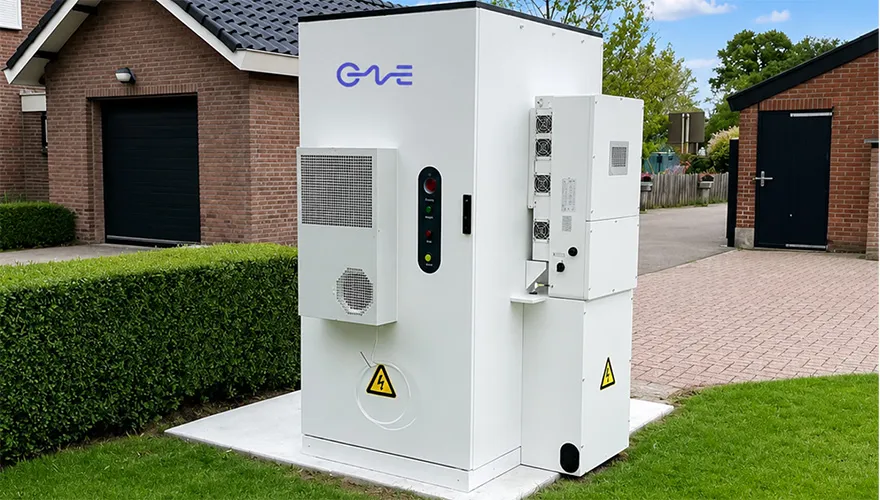
2026 Vendor Evaluation Checklist
Use this convenient checklist during your final technical and commercial vendor evaluations:
Cell Safety & Lineage: Are the underlying cells sourced from top-tier, field-proven LFP manufacturers like CATL?
Proprietary Technology: Does the vendor develop their own BMS, EMS, and liquid cooling systems in-house?
Thermal Management: Does the liquid cooling setup hold cell-to-cell temperature variances below 3°C?
Scenario Versatility: Has the supplier deployed field-proven systems across generation, grid, and C&I sites?
Service Infrastructure: Does the vendor provide direct end-to-end support from initial design through long-term field O&M?
Conclusion & Next Steps
Procuring large capacity battery storage systems for 2026 projects requires looking beyond basic initial price quotes. Prioritizing cell heritage, core technological independence, multi-scenario flexibility, and comprehensive operational service guarantees strong long-term project yields.
As an industry leader in energy storage innovations backed by CATL, CNTE provides bankable, safety-first energy storage solutions tailored to your unique site requirements.
Ready to design your 2026 energy storage strategy? Contact the engineering team at CNTE today to request system specifications, whitepapers, or a customized project quotation.
Frequently Asked Questions (FAQ)
Q1: What defines a large capacity battery storage system in 2026?
A1: In 2026, large capacity energy storage systems typically refer to utility-scale and large commercial containerized BESS installations with capacities ranging from several megawatt-hours (MWh) to gigawatt-hours (GWh). These systems use high-density LFP chemistries and centralized or string liquid-cooling architectures to optimize footprint and performance.
Q2: Why is cell lineage critical when choosing a utility-scale BESS manufacturer?
A2: Cell lineage determines the baseline safety, energy density, and degradation curve of the overall energy storage system. Tier-1 cell technology, such as the chemistry provided through CNTE’s strategic relationship with CATL, delivers uniform quality, lower thermal risk, and predictable financial returns over long project lifetimes.
Q3: How does liquid cooling compare to air cooling in large capacity energy storage systems?
A3: Liquid cooling offers far higher thermal transfer efficiency than air cooling. It maintains tighter temperature uniformity across battery cells (typically within a 2°C to 3°C range), consumes less auxiliary power, saves physical footprint, and significantly extends total cell cycle life in high-capacity installations.
Q4: What is grid-forming technology, and why is it important for 2026 projects?
A4: Grid-forming technology allows the BESS power conversion system (PCS) to establish grid voltage and frequency, acting as a virtual synchronous generator. As fossil-fuel plants retire, grid operators in 2026 will increasingly mandate grid-forming capabilities to deliver synthetic inertia, short-circuit capacity, and black-start support.
Q5: How does CNTE support long-term operations for utility and C&I assets?
A5: CNTE provides end-to-end lifecycle coverage, including initial system modeling, full-system integration, factory testing, commissioning, and long-term O&M. Through smart cloud diagnostics and local field service teams, CNTE assists operators in maximizing system uptime and executing scheduled battery augmentation seamlessly.
Get in Touch
Recent Posts
-
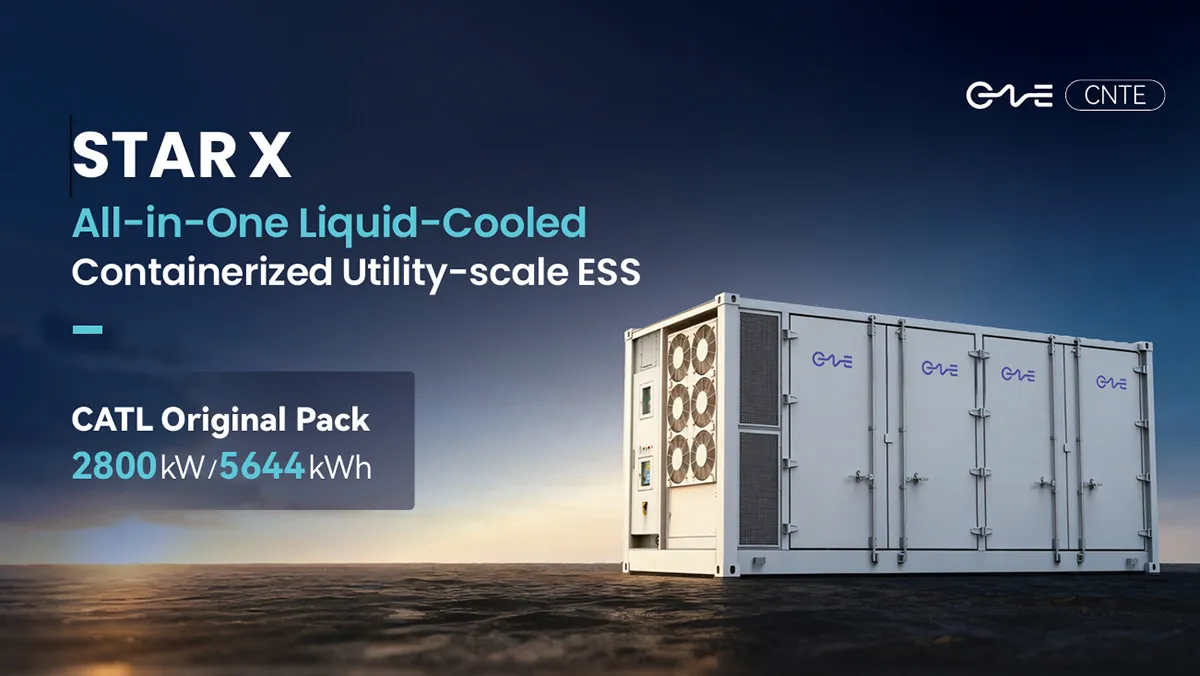
CNTE Launches STAR X Liquid-Cooled DC/AC Integrated Energy Storage System at Intersolar Europe 2026
Jul 06, 2026 -
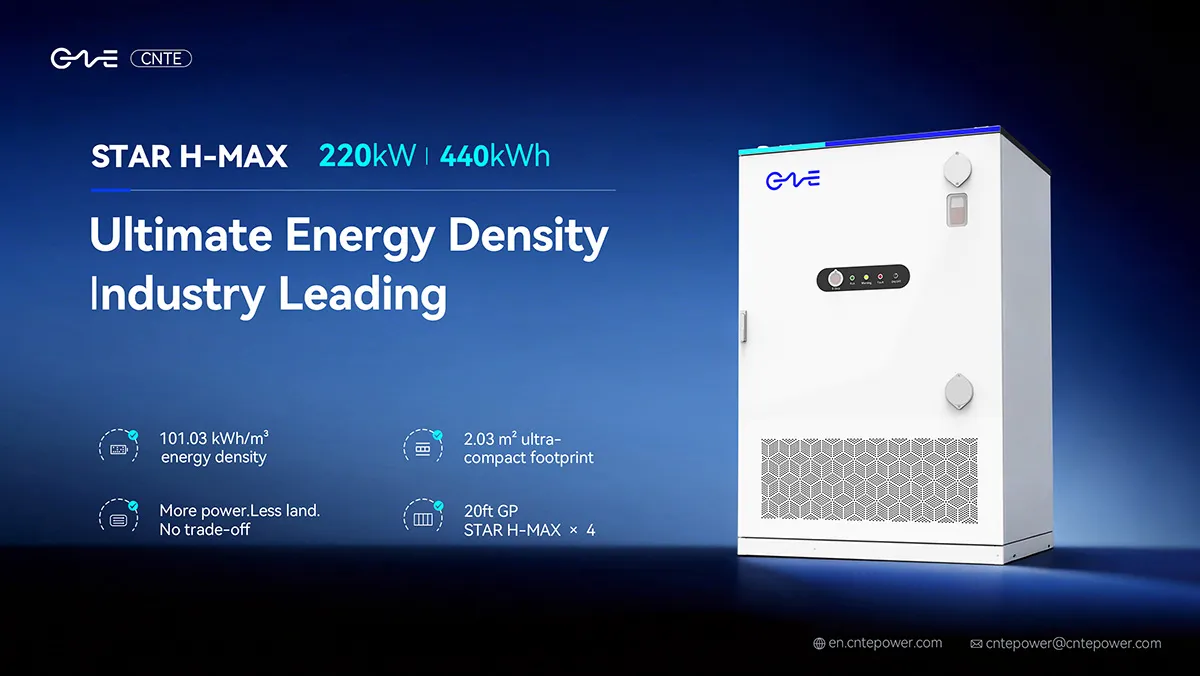
CNTE Unveils New STAR H-MAX Liquid-Cooled C&I ESS at Intersolar Europe 2026
Jun 23, 2026 -
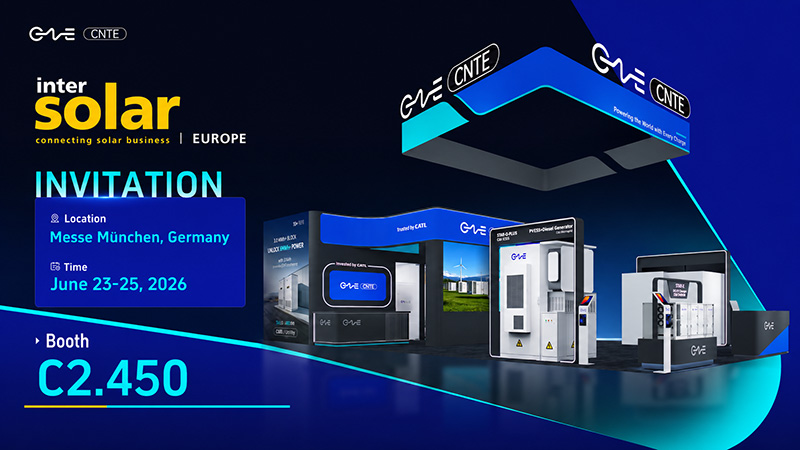
CNTE to Participate in Intersolar Europe 2026
May 20, 2026 -
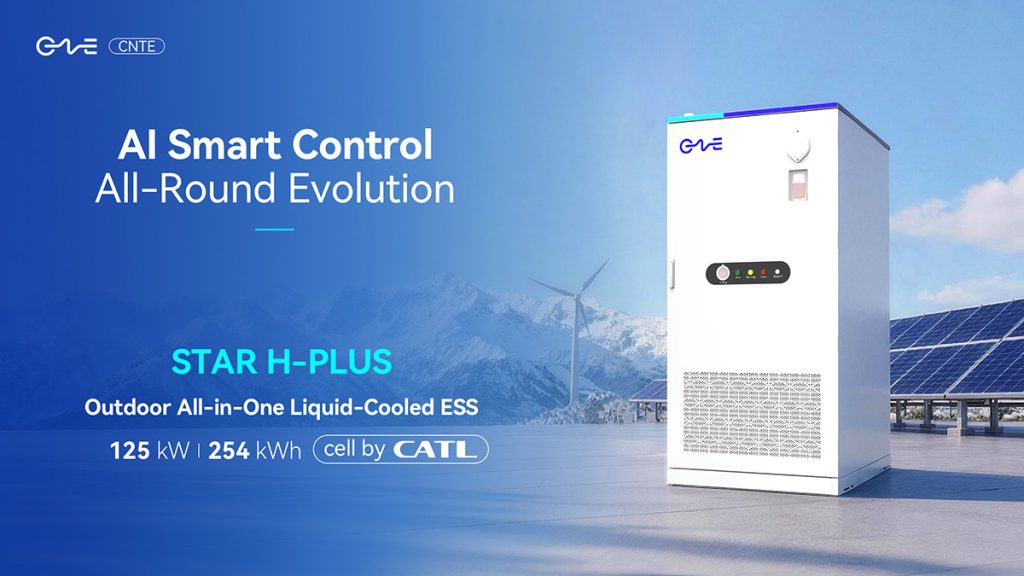
CNTE at KEY ENERGY 2026: Showcases STAR H-PLUS Outdoor Liquid-Cooled Energy Storage System
Mar 05, 2026 -

CNTE Honored as 2025 Forbes China Leading Global Brand
Jul 06, 2026 -
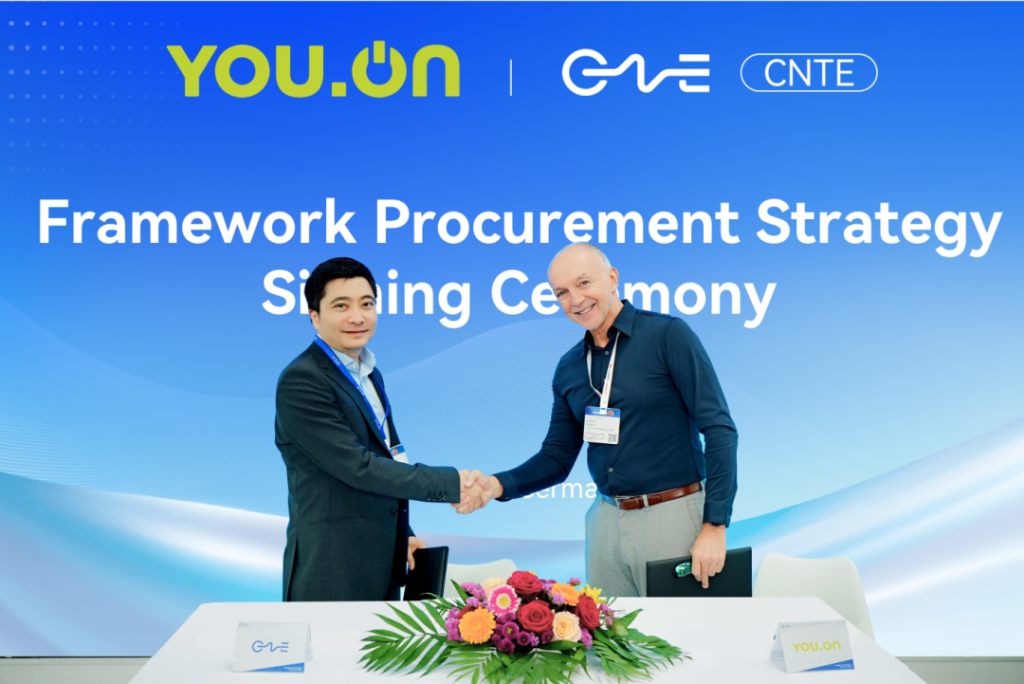
CNTE & YOU.ON Partner to Expand Storage Markets
May 19, 2025 -
CNTE Unveils Energy Storage Lineup at Solartech 2025
May 19, 2025 -
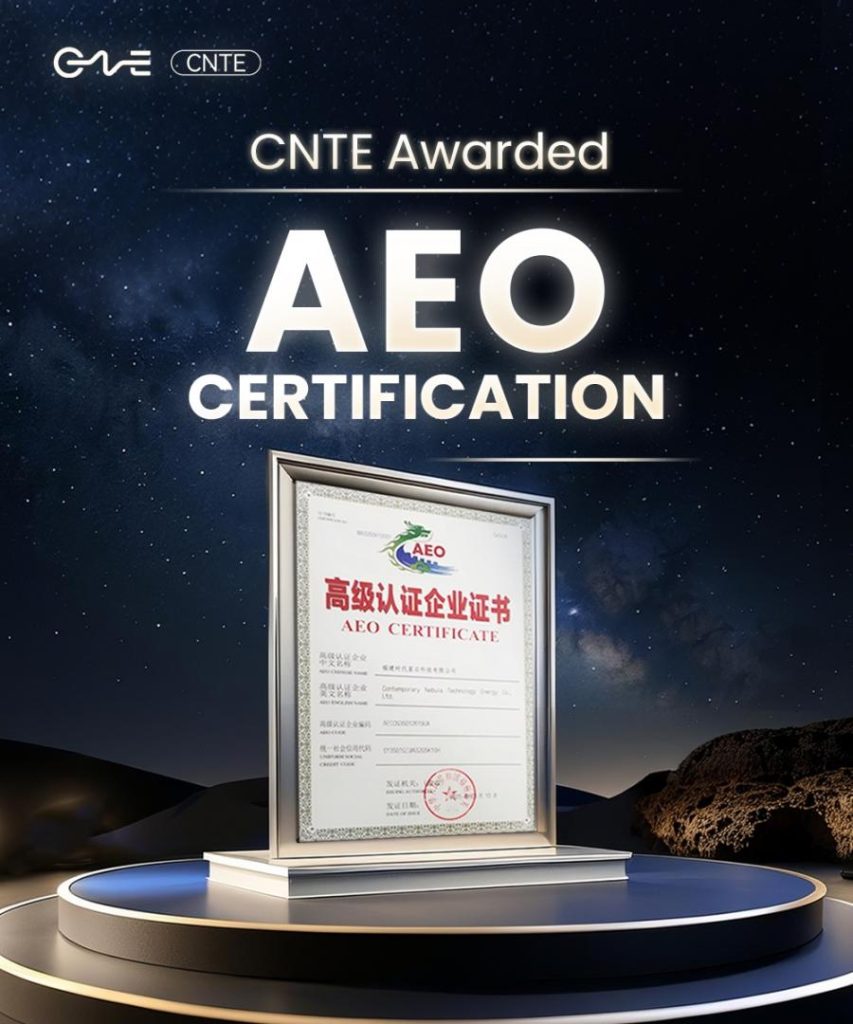
CNTE awarded AEO certification
Jul 06, 2026 -
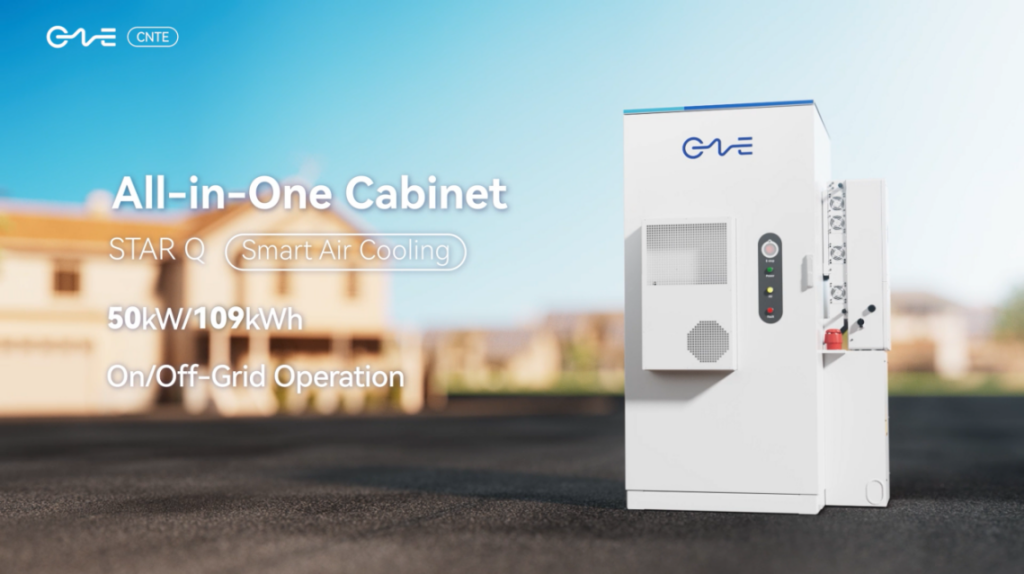
CNTE New Product Launch STAR Q
Jan 15, 2025 -
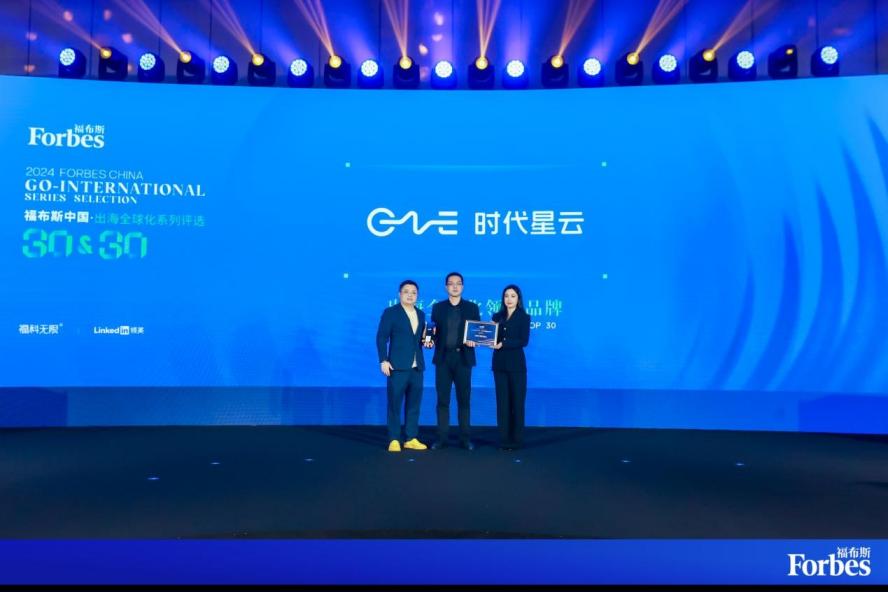
CNTE Named to Forbes China 2024 Top 30 Go-International Brands
Jul 06, 2026
