
CATL LiFePO4 Review 2026: The Ultimate Guide for All-Scenario Energy Storage
Grid parity and stringent capacity market rules have transformed stationary storage into critical electrical infrastructure. Selecting battery chemistry and cell manufacturing partners now determines whether an asset yields dividends or drains operating budgets. Contemporary Amperex Technology Co., Limited (CATL) dominates global supply volumes, yet engineers and procurement heads still ask hard questions about real-world lifecycle costs and thermal resilience.
This technical CATL LiFePO4 review evaluates the manufacturer's energy storage systems (BESS) for commercial, industrial, and utility scale deployment. We examine raw degradation curves, integration challenges, field safety metrics, and balance-of-system considerations. Integrators like CNTE (Contemporary Nebula Technology Energy Co., Ltd.) deploy these cells into modular industrial solutions, making an objective assessment of CATL's underlying lithium iron phosphate (LFP) technology critical for modern grid developers.

Cell Evolution: Transitioning from 280Ah to 314Ah Form Factors
The energy storage sector spent years treating the 280Ah prismatic cell as the universal design foundation. That standard is obsolete. CATL shifted baseline production lines to the 314Ah cell platform, delivering a 12% increase in volumetric energy density within the same physical container profile.
The 314Ah cell utilizes advanced cathode material optimization and pre-lithiation techniques. These modifications counteract first-cycle capacity loss and rebuild active lithium reserves during rest periods. In standardized 20-foot shipping containers, switching from 280Ah to 314Ah configurations raises total system capacity from 3.72 MWh to 5.0 MWh. This shift cuts civil works, DC cabling runs, and footprint requirements across major installations.
Development does not stop at 314Ah. Specialized utility cells exceeding 500Ah are entering pilot qualification for long-duration energy storage (LDES). These massive prismatic units minimize parallel connections inside high-voltage racks, removing potential failure points along internal wiring harnesses.
Cell-to-Pack (CTP) 3.0 Architecture and System Efficiency
CATL applied its Cell-to-Pack (CTP) engineering from mobility applications directly into stationary enclosures. CTP 3.0 discards traditional sub-modules, mounting prismatic cells straight into the rack structure. Structural cooling plates double as mechanical stiffeners, raising space utilization above 72%.
Thermal management dictates round-trip efficiency (RTE). Older modular systems with passive air pathways suffered parasitic cooling loads that dragged net efficiency below 84%. The current liquid-cooled CTP 3.0 design limits cell-to-cell thermal variance to less than 2.5 degrees Celsius across a 1500V string. Consequently, CATL systems routinely post AC-to-AC round-trip efficiencies between 88% and 92% under typical 0.5C operational cycles.
Degradation Realities: Cycle Life vs. Real-World Dispatch
Marketing datasheets frequently promise 10,000 to 12,000 cycles at 80% Depth of Discharge (DoD). Project finance teams must look past theoretical conditions. Real degradation follows complex profiles determined by ambient cell temperatures and charge-discharge rates (C-rates).
Continuous 0.5C / 0.5C at 25°C: Baseline tests show retention curves holding above 80% state of health (SoH) past 8,500 full equivalent cycles.
High-Rate Peaking (1C Discharge at 35°C): Solid-electrolyte interphase (SEI) film thickening accelerates degradation, dropping usable life to approximately 6,200 cycles before hitting the 70% retirement threshold.
Micro-cycling (Frequency Regulation): Operating within a narrow 45% to 55% State of Charge (SoC) band yields low mechanical stress on the cathode, allowing these cells to surpass 14,000 equivalent micro-cycles.
Performance Across Core Application Scenarios
No battery cell performs identically across differing applications. Field behavior changes dramatically when shifting from bulk utility power shifting to commercial microgrids.
Utility-Scale Generation (4-Hour+ Duration)
Transmission-level projects prioritize fire prevention, uptime, and sustained discharge plateaus. CATL utility enclosures feature multi-tier thermal barrier sheets between cells. If an individual cell vents, directional gas channels exhaust the effluent away from adjacent cells.
Full-scale testing under UL 9540A confirms that thermal runaway does not propagate to neighboring units when internal liquid cooling loops stay operational. The 3.2V nominal discharge platform maintains an exceptionally flat discharge curve through 75% of total capacity, simplifying power conversion system (PCS) tracking across multi-megawatt substations.
Commercial and Industrial (C&I) Microgrids
Factory installations demand quiet operation, compact footprints, and compatibility with varied inverter protocols. In high-demand scenarios requiring two full charge-discharge cycles daily to capture peak-valley price spreads, CATL cells withstand dynamic load changes without voltage sagging.
Leading system integrators, including CNTE, package these cells into plug-and-play cabinets that integrate with SMA, Sungrow, and Huawei PCS architectures. Standardized CAN 2.0B and Modbus TCP communications deliver millisecond-level telemetry to facility energy management controllers, ensuring dependable demand-charge mitigation.
Operation in Harsh and Remote Environments
Cold temperatures cause lithium plating during charging, which risks permanent capacity destruction. Hot, humid climates accelerate electrolyte breakdown. CATL counters these issues with integrated internal self-heating systems.
When internal sensors read below freezing, the system uses external auxiliary power to heat internal cell elements evenly at roughly 1°C per minute before drawing charging currents. Enclosures built for maritime and desert sites feature IP55 to IP66 ratings alongside C5-M anti-corrosion exterior coatings, maintaining insulation resistance in aggressive environments.
Financial Modeling: CAPEX, OPEX, and LCOS Assessment
Purchasing tier-one batteries requires an upfront capital expenditure (CAPEX) premium of 10% to 18% over tier-two alternatives. A comprehensive CATL LiFePO4 review shows that this premium is offset by savings in operational expenditures (OPEX) and a lower Levelized Cost of Storage (LCOS).
| Metric (15-Year Project Life) | CATL 314Ah System | Generic Tier-2 LFP System |
|---|---|---|
| Initial DC Block CAPEX ($/kWh) | $108 - $122 | $92 - $102 |
| RTE Degradation (Year 10) | 87.2% | 83.5% |
| Cell Replacement / Augmentation Point | Year 11 - 12 | Year 7 - 8 |
| Auxiliary HVAC Consumption (% parasitic) | 2.1% | 3.8% |
| Calculated LCOS ($/MWh throughput) | $72.40 | $84.15 |
The financial model demonstrates how superior energy retention preserves merchant revenue during years seven through fifteen. Systems using lower-tier cells often require complete rack augmentation before year eight, introducing engineering costs and downtime that erase initial procurement savings.
Procurement Verification: Grade A Cells vs. Secondary Market Risks
High demand creates gray market risks. Secondary brokers frequently purchase B-grade production lots—cells rejected for minor cosmetic flaws, internal resistance variances, or self-discharge inconsistencies—and wrap them as pristine storage units.
EPCs and system builders must maintain strict verification protocols before placing purchase orders:
QR Code Laser Depth: Original factory codes feature precise laser etching flush with the top terminal cover. Buffed, reprinted, or re-lasered codes indicate repackaged or sorted stock.
Internal AC Resistance (ACIR): Fresh 314Ah Grade A cells exhibit tightly grouped internal resistance values, typically 0.18 ± 0.02 mΩ at 1kHz. Variances above 0.05 mΩ within a single pallet indicate batch mixing.
Factory Certificates of Conformity (CoC): Legitimate shipments map directly back to CATL MES database records, tracking cell serial numbers to exact production runs and raw slurry chemistries.
Global Regulatory Compliance and Safety Validation
Deploying energy storage across Europe, North America, and Australia requires adherence to strict fire and safety codes. CATL holds valid international safety certificates, simplifying local zoning approvals and site insurance underwriting.
UL 1973: Certifies cell and pack safety under electrical, mechanical, and environmental abuse conditions.
UL 9540 & UL 9540A: Mandated by North American fire marshals to verify that module-level fires will not spread into container-scale conflagrations.
NFPA 855: Establishes safe setback distances based directly on UL 9540A thermal runaway exhaust data.
IEC 62619: Confirms battery integrity across industrial and backup power operations throughout European markets.

Competitive Benchmark: CATL vs. BYD vs. EVE
Selecting an energy storage provider requires balancing energy density, mechanical form factor, and supply chain transparency. Here is how CATL compares against its primary competitors.
| Parameter | CATL (Prismatic LFP) | BYD (Blade MCube) | EVE Energy (Prismatic) |
|---|---|---|---|
| Standard Cell Capacity | 314Ah / 530Ah | 150Ah - 210Ah Blade | 314Ah / 628Ah |
| Format Engineering | Wound/Stacked Prismatic | Long-form Blade Prismatic | Stacked Prismatic |
| System Energy Density | High (CTP 3.0 Enclosure) | Very High (Direct Pack) | High |
| BMS Integration Flexibility | Restricted / Tiered Protocols | Proprietary Ecosystem | Open Architecture |
| Global Service Footprint | Extensive Global Hubs | Strong / Vertically Integrated | Expanding Regional Centers |
Choose CATL when your project demands pre-packaged validation, accepted bankability among major institutional financiers, and long operational life under heavy cycling. BYD matches this reliability where maximum volumetric packaging density is critical. EVE provides an open BMS integration framework that appeals to integrators building fully custom PCS control interfaces.
Frequently Asked Questions (FAQ)
Q1: What is the real-world lifespan of a CATL 314Ah LFP
cell?
A1: In stationary storage running 1 to 1.5 cycles per day at
controlled temperatures (20°C to 28°C), CATL 314Ah cells generally operate for
12 to 15 years before dropping to 80% of initial capacity. Low-stress microgrid
setups can operate up to 20 years before reaching the 70% end-of-life
threshold.
Q2: How does CATL manage internal cell thermal runaway
risks?
A2: Safety mechanisms operate on three levels: chemical,
mechanical, and system-wide. The LFP crystal structure remains stable past
250°C. If extreme abuse occurs, an internal pressure release vent opens, venting
combustible gases through targeted ductwork, while liquid cooling loops prevent
heat transfer to adjacent cells.
Q3: Why are CATL DC storage blocks priced higher than second-tier
alternatives?
A3: The price difference reflects automated production
quality controls, defect rates under 1 per billion cells, extensive UL test
reporting, and institutional bankability. Tier-one certification lowers debt
financing interest rates, offsetting higher initial purchase costs.
Q4: Can third-party Battery Management Systems (BMS) integrate with
CATL modules?
A4: Integration is possible, but full access requires
authorized engineering agreements. Most developers utilize pre-configured packs
built by tier-one assembly partners like CNTE, which incorporate fully validated
master-slave BMS architectures that support standard industrial protocols.
Q5: What initial steps verify incoming shipments of CATL storage
cells?
A5: Technicians should verify factory laser-etched QR codes
against the official manufacturer database, test 1kHz AC internal resistance for
tight batch consistency, and verify open-circuit voltage across all pallets
before assembly.
Engineering Solid Storage Assets
CATL LFP systems provide dependable performance for large-scale energy deployments. The manufacturer's high-density 314Ah cells, advanced CTP packaging, and verified UL 9540A safety designs make them a sound foundation for multi-megawatt generation schemes and commercial microgrids alike. While CAPEX costs trend higher than smaller rivals, the resulting levelized cost of storage and balance-of-plant reliability justify the investment.
Specialist integrators like CNTE assist with modular system sourcing, container packaging, and site-specific balance of plant configurations. Ensure your engineering team verifies vendor credentials, enforces incoming quality control, and designs around real-world thermal characteristics rather than standard datasheet promises.
Need Engineering Guidance or Bulk Equipment Pricing?
Contact our project engineering team today to review single-line diagrams, request certified UL test portfolios, or secure batch allocation pricing for your next energy installation:cntepower@cntepower.com
Get in Touch
Recent Posts
-
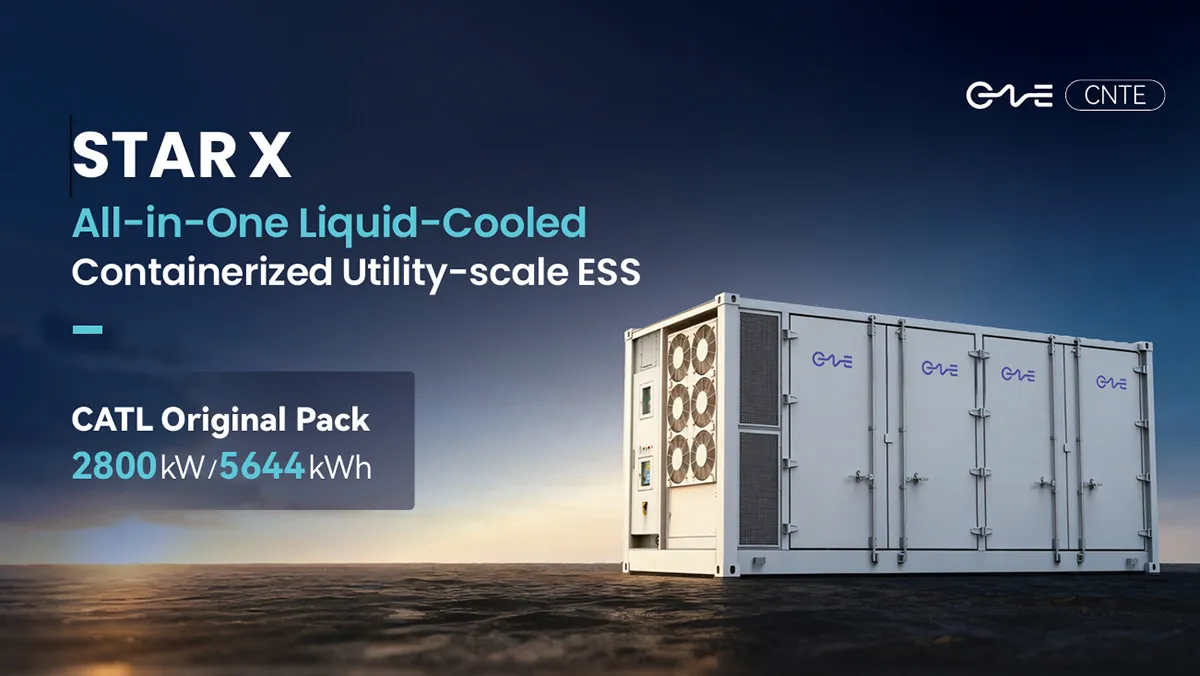
CNTE Launches STAR X Liquid-Cooled DC/AC Integrated Energy Storage System at Intersolar Europe 2026
Jul 06, 2026 -
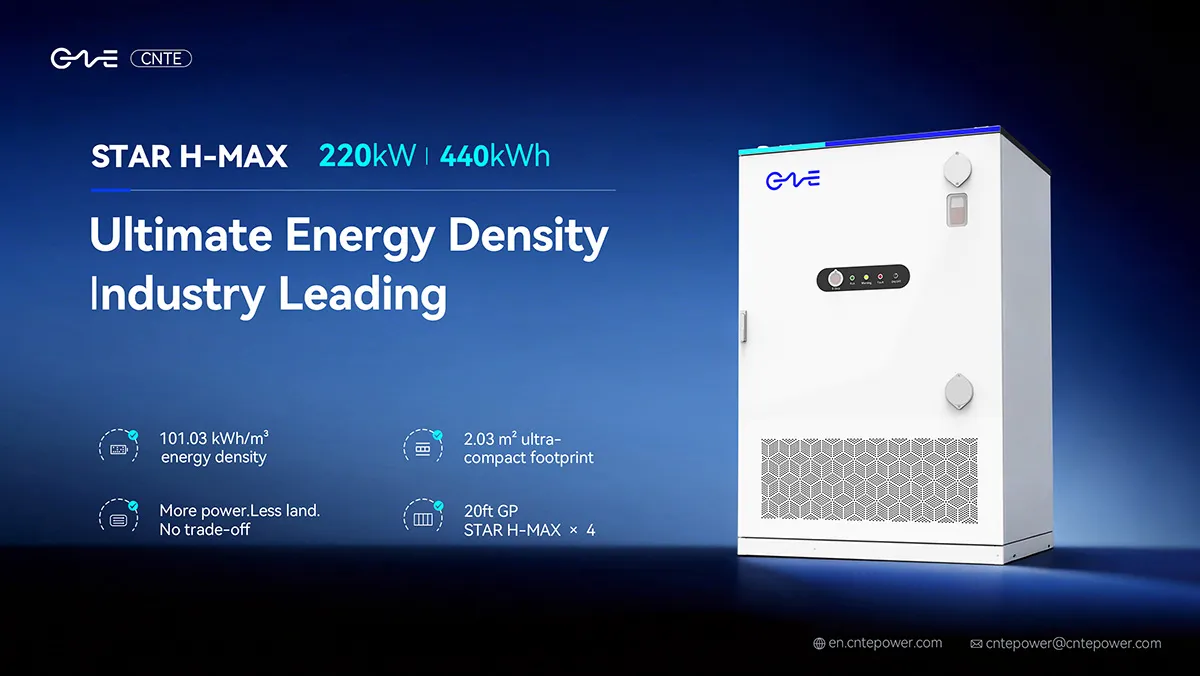
CNTE Unveils New STAR H-MAX Liquid-Cooled C&I ESS at Intersolar Europe 2026
Jun 23, 2026 -
CNTE to Participate in Intersolar Europe 2026
May 20, 2026 -
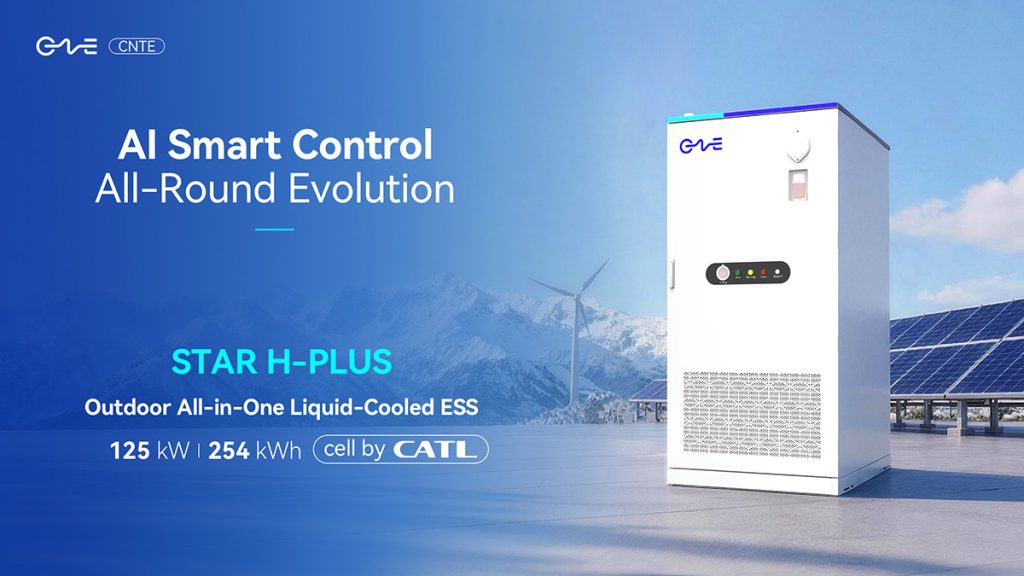
CNTE at KEY ENERGY 2026: Showcases STAR H-PLUS Outdoor Liquid-Cooled Energy Storage System
Mar 05, 2026 -

CNTE Honored as 2025 Forbes China Leading Global Brand
Jul 06, 2026 -

CNTE & YOU.ON Partner to Expand Storage Markets
May 19, 2025 -
CNTE Unveils Energy Storage Lineup at Solartech 2025
May 19, 2025 -
CNTE awarded AEO certification
Jul 06, 2026 -
CNTE New Product Launch STAR Q
Jan 15, 2025 -

CNTE Named to Forbes China 2024 Top 30 Go-International Brands
Jul 06, 2026
