
Engineering Resilient Grids: Lithium Batteries for Solar Power Storage in Industrial Infrastructure
Decarbonizing industrial energy demands and managing load variations require energy storage systems capable of rapid dispatch, high round-trip efficiency, and extended cycle life. Intermittent photovoltaic generation presents operational challenges to traditional grid architecture, accelerating the transition toward electrochemical storage. Modern grid parity relies heavily on lithium batteries for solar power storage to stabilize intermittent solar yield, manage load ramp rates, and unlock multi-stacked revenue streams across commercial, industrial, and utility infrastructure.
Specifying utility-scale and commercial energy storage requires deep technical comprehension of cell chemistry, balance-of-plant integration, thermal management paradigms, and lifecycle degradation curves. Capital expenditure optimization must align with long-term Levelized Cost of Storage (LCOS) calculations to yield viable internal rates of return on multi-megawatt energy assets.
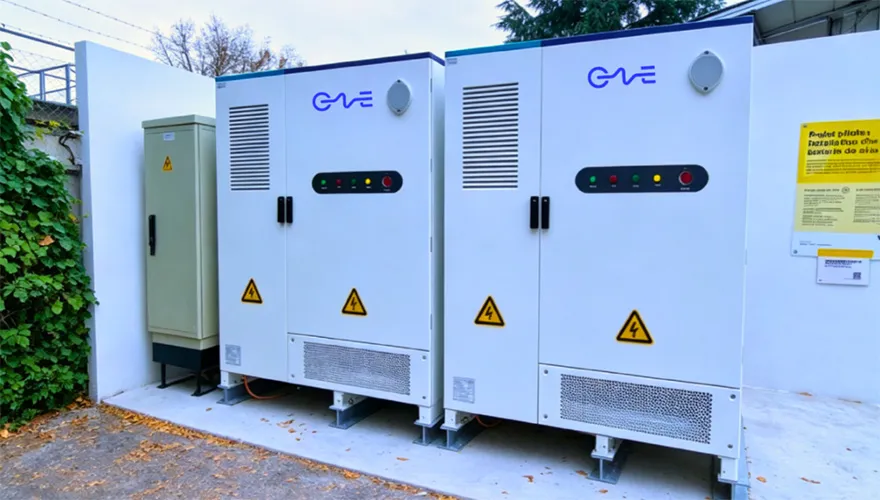
Electrochemical Evaluation: Cathode Chemistries and Operational
Performance
Electrochemical selection determines project feasibility. While early stationary storage projects adapted consumer-grade lithium nickel manganese cobalt oxide (NMC) cells, the modern utility and industrial landscape has consolidated around Lithium Iron Phosphate (LiFePO4 or LFP). LFP demonstrates superior thermodynamic stability resulting from the robust covalent bonding within its phospho-olivine crystal lattice structure.
Thermal Stability: The P-O covalent bond in LiFePO4 exhibits high resistance to oxygen release during overcharge or mechanical abuse, maintaining structural integrity up to 270°C, compared to NMC, which experiences exothermic decomposition starting near 150°C to 210°C.
Cycle Longevity: High-grade LFP cells offer between 6,000 to 10,000 equivalent full cycles at 80% Depth of Discharge (DoD) under 0.5C/0.5C regimes, preserving capital investment over 15- to 20-year project horizons.
Round-Trip Efficiency (RTE): DC-to-DC efficiency in advanced LFP cells consistently reaches 95% to 98%, contributing to overall AC-to-AC system RTE ratings exceeding 88% to 92% when combined with high-performance power conversion topologies.
C-Rate Flexibility: Modern stationary LFP cells balance peak energy density with continuous discharge capabilities, accommodating operating profiles from 0.25C (four-hour duration) to 2C (transient industrial peak support).
Alternative chemistries, such as Lithium Titanate (LTO), provide cycle counts exceeding 20,000 cycles and high charge rates up to 10C, yet their significantly lower nominal cell voltage (2.4V) and lower volumetric energy density restrict their deployment to specialized applications with ultra-frequent, high-power cycles. Sodium-ion platforms continue to develop as an alternative for bulk stationary reserves, though commercial availability, field data verification, and manufacturing scale currently favor established LFP platforms.
Balance of System (BOS) Architecture: Integrating Storage with Solar Arrays
Integrating electrochemical assets with solar generation assets requires careful architectural alignment across DC-coupled and AC-coupled typologies. Each structural layout dictates power conversion requirements, round-trip system losses, and deployment complexity.
DC-coupled configurations route solar power directly to the battery bus via buck-boost DC/DC charge controllers before entering a unified central inverter. This approach eliminates an intermediary DC-AC-DC conversion cycle, increasing round-trip solar charging efficiency by 2% to 4%. It also allows system operators to capture "clipped" solar energy—energy produced by the PV array that exceeds the inverter's maximum AC output capacity—by diverting excess current directly into the battery racks.
AC-coupled topologies deploy separate solar inverters and bidirectional storage inverters (Power Conversion Systems, or PCS). While this configuration incurs an additional conversion penalty during solar charging, it delivers distinct advantages in microgrid installations, retrofit scenarios, and facilities requiring black-start capabilities. Decoupled AC buses allow independent scaling of PV capacity and battery charge/discharge rates, reducing single-point dependencies across critical nodes.
High-voltage battery architecture has shifted standard operating ranges from legacy 400V–800V DC configurations to 1500V DC platforms. Transitioning to 1500V architecture reduces I²R resistive cable losses, minimizes copper conductor sizing, increases inverter power density, and lowers balance-of-plant civil and electrical costs. Tier-1 engineering providers, including Contemporary Nebula Technology Energy Co., Ltd., design balance-of-plant layouts around these higher voltage thresholds to maximize system efficiency in multi-megawatt configurations.
Thermal Management Strategies: Liquid Cooling vs. Forced Air
Cell degradation rate and overall system safety correlate directly with operating temperature uniformity across the battery pack. Variations exceeding 3°C to 5°C between individual cells in a string induce uneven internal impedance, accelerate capacity divergence, and diminish usable pack capacity.
Forced-air cooling relies on convective heat exchange using industrial HVAC units. This method introduces noticeable thermal gradients between cells near the intake compared to cells located near the exhaust plenum. Air systems also feature substantial parasitic loads, consuming up to 8% to 15% of total system energy output in harsh ambient environments, which compromises overall asset ROI.
Liquid-cooling technology integrates micro-channel cold plates directly beneath or between cell groupings, circulating a glycol-water dielectric solution to extract heat through conduction. Conduction provides a heat transfer coefficient approximately 25 times higher than convective air flow. Liquid cooling maintains cell temperatures within a strict ±2°C window across 20-foot containerized enclosures. This precise temperature regulation lowers auxiliary parasitic energy consumption by 30% to 50%, prolongs cell operational life by up to 20%, and allows for denser cell spacing, significantly increasing the energy density per square meter of footprint.
System Analytics: The Interplay of BMS, EMS, and PCS
Stable operation of lithium batteries for solar power storage requires a coordinated, three-tier control hierarchy spanning hardware control, rack monitoring, and network-level dispatch.
Battery Management System (BMS): Operates as the foundational tier, executing microsecond-level telemetry of cell voltage, pack current, and multi-point temperature profiles. The BMS enforces passive or active cell balancing to ensure equal state of charge (SoC) distribution and executes safety cutoffs via contactor management upon detecting operational deviations.
Power Conversion System (PCS): The bidirectional converter interface that converts DC battery power to synchronized AC power. Modern industrial PCS units deploy fast-response digital signal processors (DSPs) to deliver grid-forming, grid-following, dynamic reactive power support (VAR), and sub-20ms transitions to islanded mode during grid disruptions.
Energy Management System (EMS): The intelligent supervisory layer that coordinates PV generation profiles, facility load demands, real-time energy pricing tariffs, and weather forecasting. The EMS issues dispatch setpoints to the PCS and BMS, calculating automated algorithms for peak shaving, energy arbitrage, and frequency regulation participation.
Sophisticated installations integrate cloud-connected digital twins that correlate field telemetry with degradation models. Continuous tracking of internal cell impedance shifts and State of Health (SoH) metrics enables preventative maintenance scheduling before electrical balance anomalies disrupt plant availability.
Financial Engineering: LCOS Modeling and Degradation Mitigation
Procuring utility and industrial storage assets demands a transition from evaluating upfront capital cost per kilowatt-hour ($/kWh) toward evaluating the Levelized Cost of Storage (LCOS). LCOS aggregates initial capital expenditures, replacement cycles, auxiliary consumption costs, routine operational maintenance, and final decommissioning expenses divided by cumulative energy throughput over system lifetime.
Operational strategies influence LCOS calculations through battery degradation mechanics. Capacity fade occurs via two distinct mechanisms: calendar aging and cycling aging. Calendar aging proceeds passively over time, accelerated by sustained elevated temperatures and high resting states of charge (e.g., maintaining 100% SoC over prolonged idle periods). Cycling aging stems from mechanical stress induced by lithium-ion intercalation and de-intercalation within the host matrix, resulting in Solid Electrolyte Interphase (SEI) growth, electrolyte dry-out, and active material loss.
Operating lithium batteries for solar power storage within dynamic operating windows (such as 10% to 90% SoC instead of 0% to 100% SoC) significantly reduces mechanical stress at the electrode level. Limiting peak discharge C-rates to nominal system specifications preserves cycle life, yielding higher lifetime megawatt-hour throughput and a substantially reduced levelized cost per delivered unit of energy.
Utility and Industrial Deployments of Lithium Batteries for Solar Power Storage
Commercial facilities and grid operators deploy high-capacity lithium batteries for solar power storage to resolve operational and economic imbalances across localized electrical networks.
Commercial and Industrial Peak Shaving
Industrial tariffs frequently penalize facilities for fifteen-minute peak demand spikes. By coupling onsite solar arrays with battery assets, industrial plants program automated dispatch algorithms to discharge storage reserves during high-demand machinery starts or late-afternoon utility peaks. This drops grid demand spikes below utility billing thresholds, eliminating demand charges without disrupting industrial production.
Behind-the-Meter Microgrids and Resilience
Remote processing plants, mining infrastructure, and mission-critical facilities operate microgrids that combine solar generation, storage containers, and auxiliary reciprocating generator sets. The battery platform stabilizes the transient loads that frequently trip standard generation hardware. High-response battery integration cuts diesel fuel usage by over 40%, optimizing internal combustion generator performance while guaranteeing uninterrupted runtime during grid disconnects.
Front-of-the-Meter Capacity Firming and Ancillary Services
Utility-scale photovoltaic generation exhibits rapid output variability caused by cloud cover transients. Storage assets colocated with centralized solar plants provide ramp-rate control, smoothing the high-frequency power fluctuations sent into regional transmission networks. These assets simultaneously qualify for high-margin grid services, including spinning reserves, synthetic inertia, and Fast Frequency Response (FFR), generating secondary revenue streams.
Advanced engineering integrators like Contemporary Nebula Technology Energy Co., Ltd. specialize in these synchronized topologies, deploying standardized containerized modules that adapt to complex industrial and utility load profiles.
Technical Procurement Standards and Quality Verification
Evaluating vendor offerings for large-scale energy infrastructure requires systematic qualification that looks beyond top-line marketing specifications. Procurement teams should require rigorous documentation across multiple validation domains.
Cell-Level Pedigree: Verification of Tier-1 manufacturing sources, computerized automated assembly line records, and zero-defect quality processes. Cell batches must demonstrate tightly clustered internal resistance values and uniform open-circuit voltage profiles to ensure uniform aging throughout system life.
Comprehensive System Certifications: Compliance must be substantiated through independent laboratory testing under UL 9540 (Energy Storage Systems and Equipment), UL 9540A (large-scale fire propagation test data), IEC 62619 (industrial lithium safety requirements), and regional grid codes like IEEE 1547-2018 for distributed energy resource interconnection.
Enclosure Structural Design: Containerized systems require robust mechanical designs certified to C5-M anti-corrosion standards for marine/coastal placements, IP55 or IP67 ingress ratings, seismic zone 4 structural anchoring, and automated aerosol or clean-agent fire suppression systems backed by flammable gas detection and explosion-venting panels.
Warranty Backing and Bankability: Warranties must clearly stipulate guaranteed retained capacity (e.g., minimum 70% capacity after 10 years or a specific cumulative MWh energy throughput value). Terms should explicitly identify whether performance metrics are backed by solvent corporate balance sheets or third-party performance insurance underwriters.
Future Technological Trajectories in Solar Storage
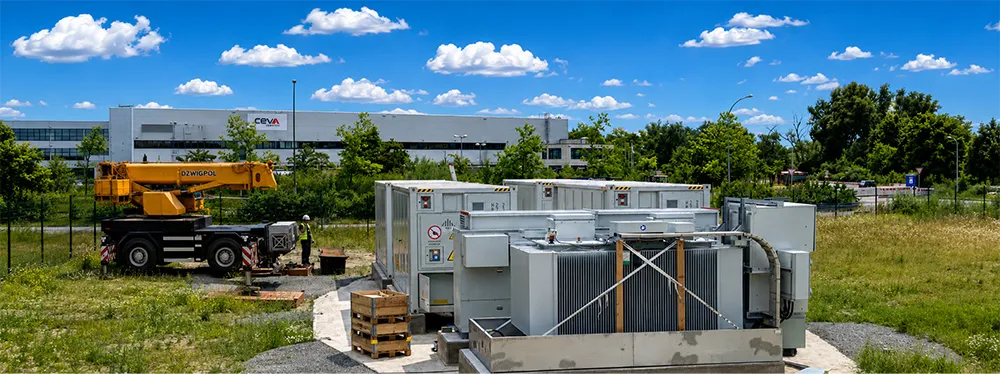
The energy storage sector continues to advance rapidly across cell chemistry, system controls, and lifecycle logistics. High-capacity cell formats, progressing from standard 280Ah cells toward 314Ah and 500Ah+ form factors, increase the energy density of 20-foot shipping containers beyond 5 MWh. This consolidation lowers foundation costs, decreases inter-cabinet wiring complexity, and simplifies civil installation footprints.
Solid-state electrolyte architectures continue to progress through pilot-line phases, offering the prospect of elevated volumetric density and wider operating temperature windows. At the software level, autonomous machine-learning models integrated into the EMS are superseding static operational rules. These platforms autonomously forecast real-time spot market pricing, project localized solar irradiation changes via satellite feeds, and continuously modulate charging profiles to capture price arbitrage while protecting asset health.
Frequently Asked Questions
What is the typical lifespan of lithium batteries for solar power storage in an industrial operating environment?
In commercial and industrial settings, high-grade Lithium Iron Phosphate (LFP) systems typically deliver an operational lifespan between 12 and 15 years, corresponding to 6,000 to 8,000 full-depth cycles before degrading to 70% of initial capacity. Actual operational lifespan depends heavily on operating ambient temperatures, depth-of-discharge parameters, and system maintenance quality.
How does Depth of Discharge (DoD) impact the operational life of an LFP battery system?
Depth of Discharge dictates the mechanical stress experienced by cathode and anode structures during battery cycling. Running an LFP battery consistently at 100% DoD accelerates SEI layer growth and capacity loss. Reducing maximum operating cycles to an 80% or 90% DoD envelope often increases total lifetime cycle throughput by 25% to 40%, yielding superior lifetime project value despite the slightly smaller usable capacity window.
What balance-of-plant components consume parasitic power in a containerized lithium battery system?
Parasitic power is consumed primarily by thermal management systems (chillers, pumps, or industrial air conditioning compressors), internal control electronics (BMS master units, environmental sensors, and telemetry gateways), and interior safety devices (active ventilation, fire detection systems, and lighting). Liquid-cooled architectures significantly reduce these loads compared to conventional air-cooled systems.
Why is 1500V DC architecture preferred over 1000V DC configurations in utility-scale solar-plus-storage projects?
Elevating system operational voltage to 1500V DC reduces current levels for an equivalent power rating. Lower current decreases resistive losses across system cabling, enables the use of smaller-gauge conductors, and allows for higher power output per inverter block. This transition decreases balance-of-system balance-of-plant material costs while improving net system conversion efficiency.
What primary criteria should be analyzed when calculating Levelized Cost of Storage (LCOS)?
A rigorous LCOS calculation evaluates initial turnkey capital expenses (cells, PCS, civil engineering, interconnection), round-trip efficiency losses, recurring operation and maintenance costs, parasitic auxiliary loads, degradation and augmentations timelines, financing terms, and terminal decommissioning costs, divided by the net lifetime discharged energy in megawatt-hours.
Engineering Engagement and Project Inquiries
Developing dependable commercial, industrial, or utility-scale energy storage requires tailored system sizing, rigorous electrical engineering, and precision manufacturing standards. Contemporary Nebula Technology Energy Co., Ltd. (CNTE) designs and manufactures high-performance energy storage platforms tailored to complex distributed generation and utility requirements. Technical teams seeking system design specifications, detailed thermal modeling metrics, or balance-of-plant integration support are encouraged to submit project load parameters, solar array sizing, and single-line diagrams to our engineering applications team for comprehensive system analysis and commercial proposals.
Get in Touch
Recent Posts
-
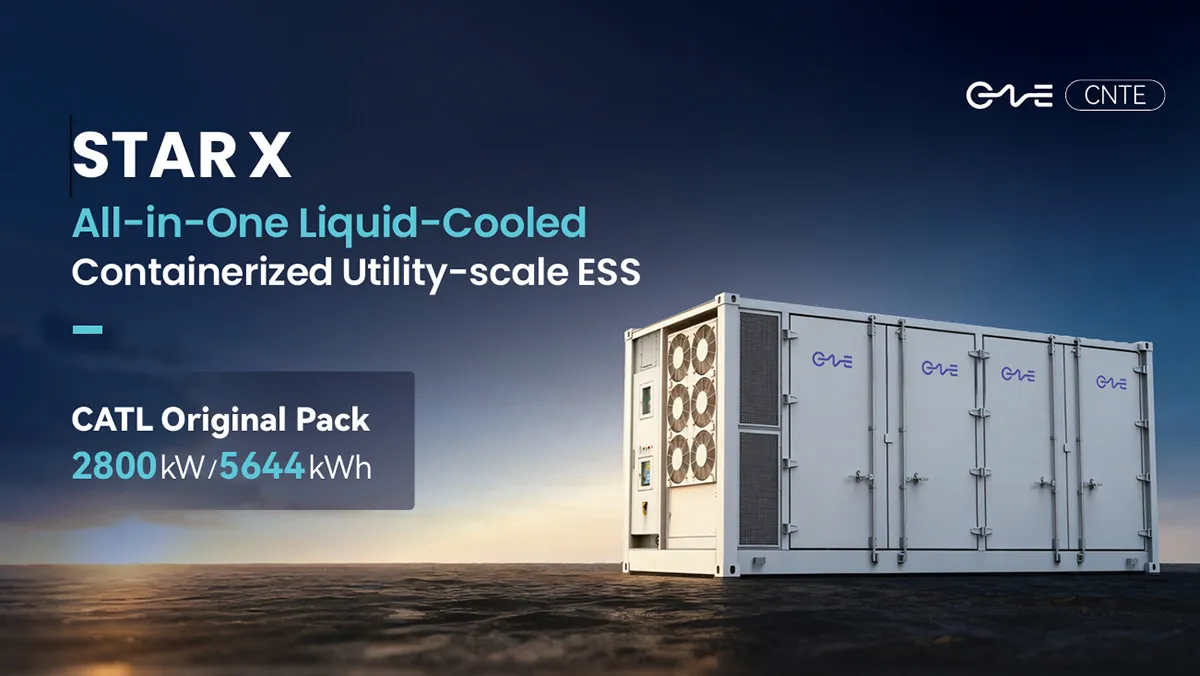
CNTE Launches STAR X Liquid-Cooled DC/AC Integrated Energy Storage System at Intersolar Europe 2026
Jul 06, 2026 -
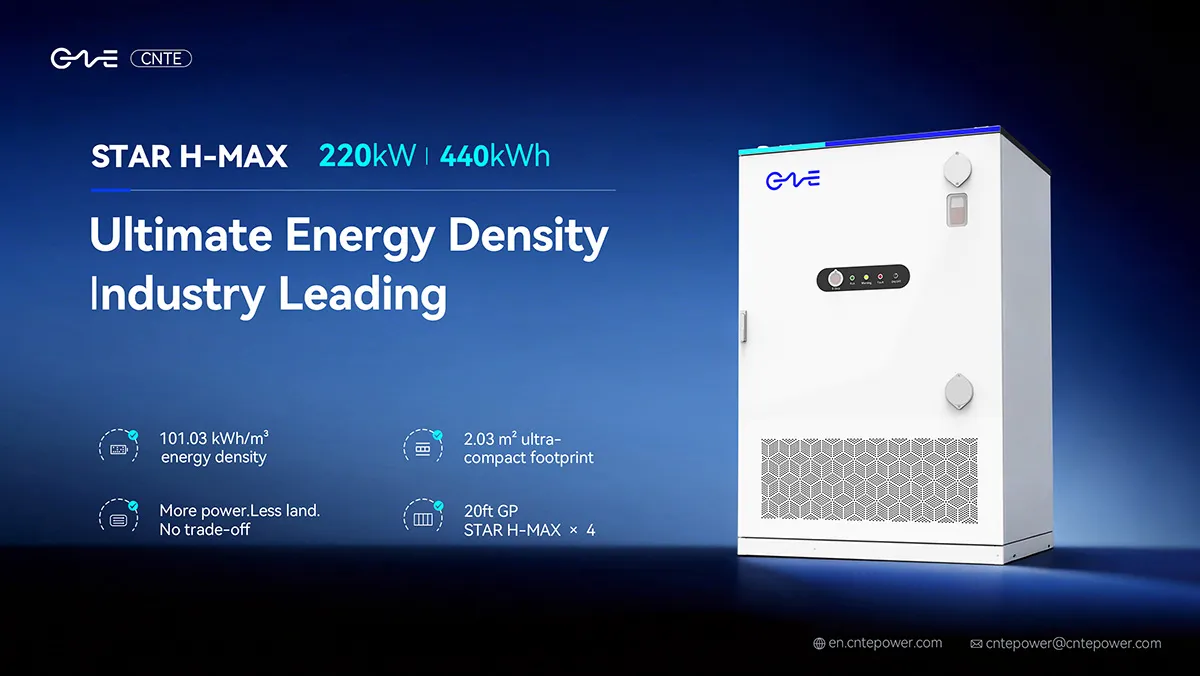
CNTE Unveils New STAR H-MAX Liquid-Cooled C&I ESS at Intersolar Europe 2026
Jun 23, 2026 -
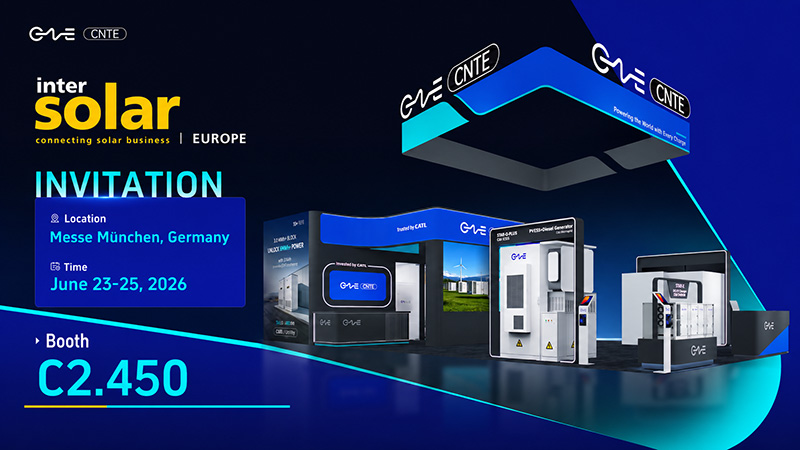
CNTE to Participate in Intersolar Europe 2026
May 20, 2026 -
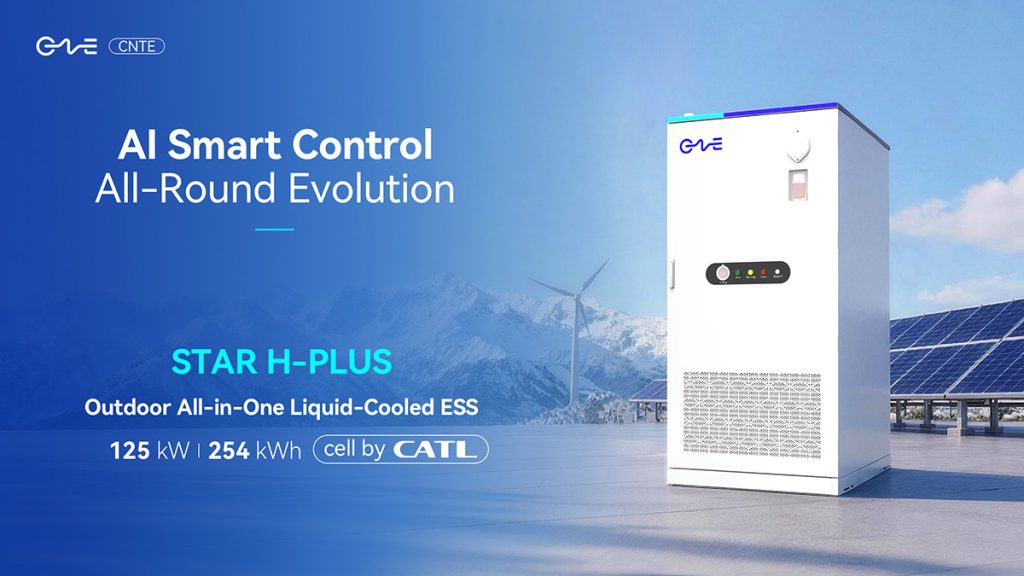
CNTE at KEY ENERGY 2026: Showcases STAR H-PLUS Outdoor Liquid-Cooled Energy Storage System
Mar 05, 2026 -

CNTE Honored as 2025 Forbes China Leading Global Brand
Jul 06, 2026 -
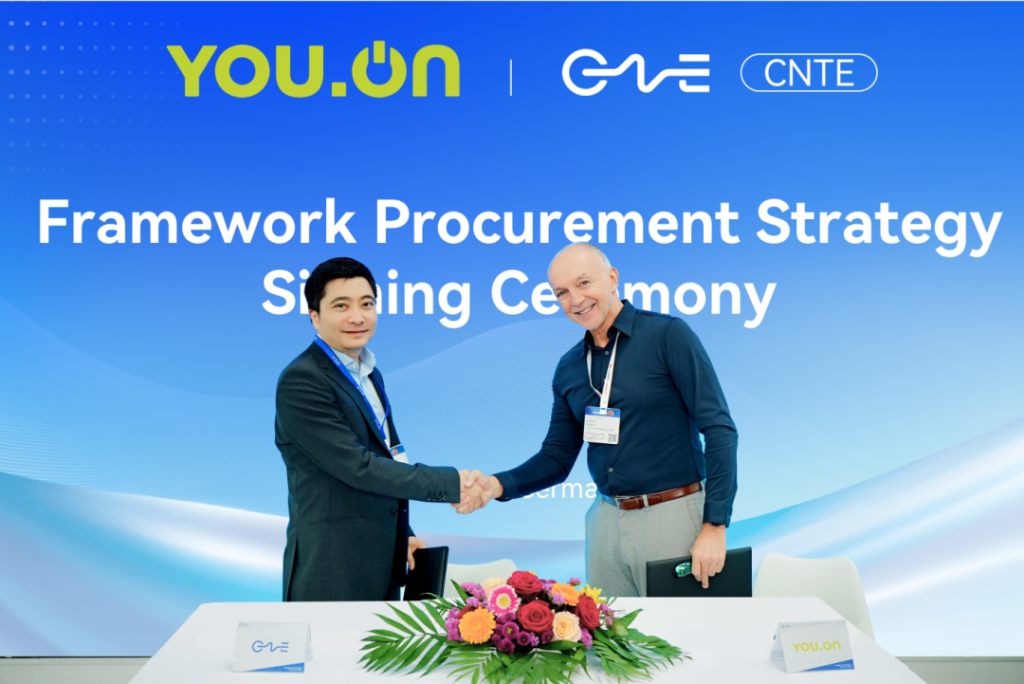
CNTE & YOU.ON Partner to Expand Storage Markets
May 19, 2025 -

CNTE Unveils Energy Storage Lineup at Solartech 2025
May 19, 2025 -
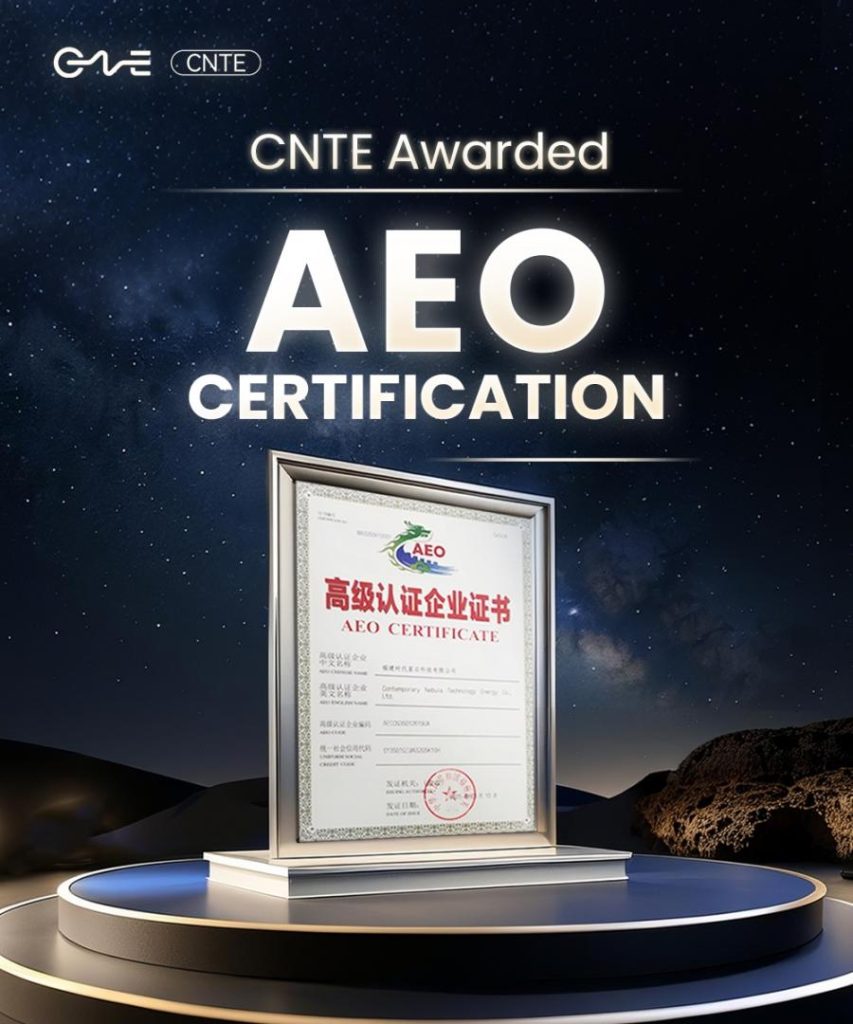
CNTE awarded AEO certification
Jul 06, 2026 -
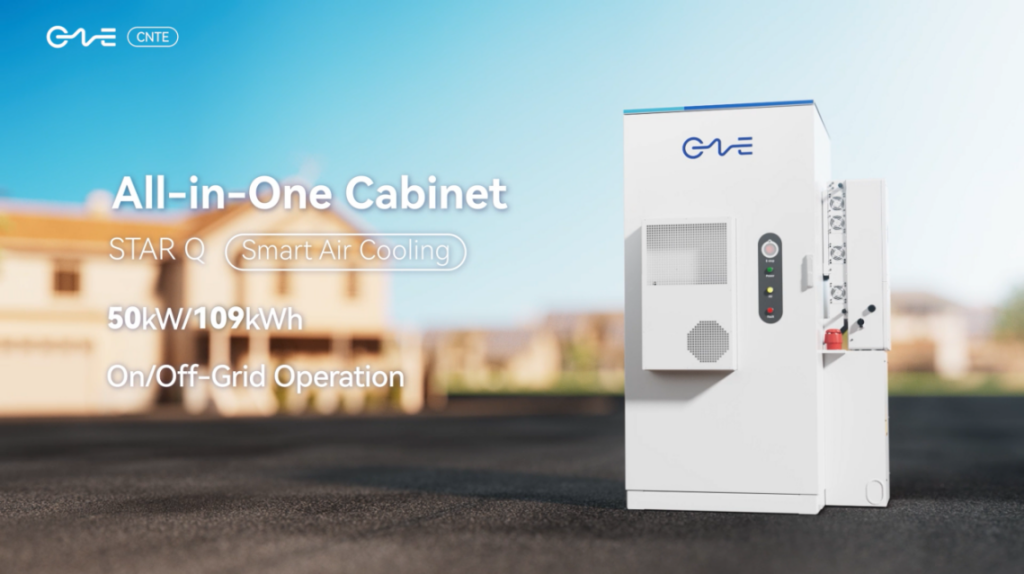
CNTE New Product Launch STAR Q
Jan 15, 2025 -
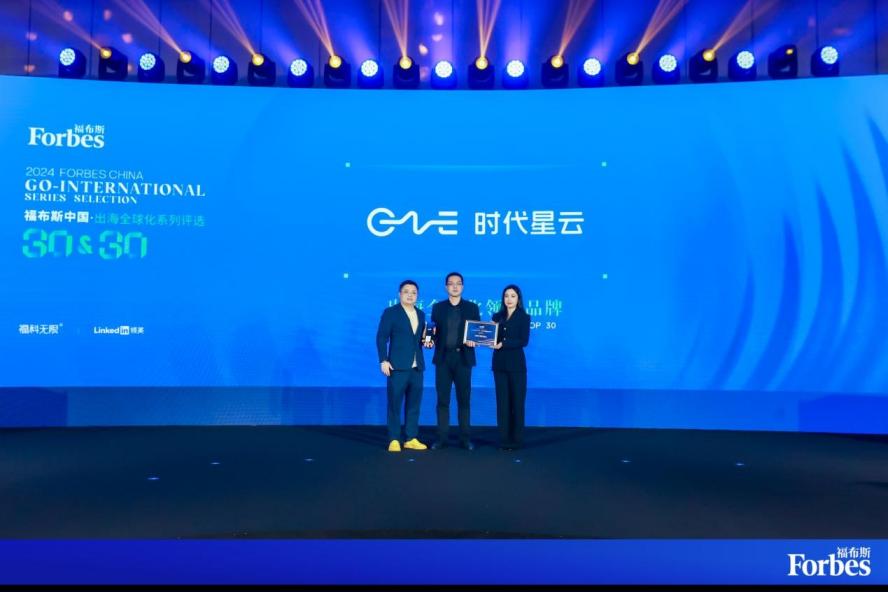
CNTE Named to Forbes China 2024 Top 30 Go-International Brands
Jul 06, 2026
