
CATL LiFePO4 Battery Cells: Specifications, CTP Design & ESS Integration
The global transition toward resilient decarbonization models has positioned stationary energy storage as the operational baseline of modern electricity grids. Within this paradigm, lithium iron phosphate chemistry has emerged as the definitive benchmark for stationary battery installations, displacing nickel-manganese-cobalt formulations across utility-scale and industrial deployments. Engineering teams prioritizing levelized cost of storage, thermal stability, and extended operational longevity consistently evaluate catl lifepo4 battery cells as the foundational building block for multi-megawatt-hour architectures. Understanding the physical construction, electrochemical nuances, and system-level behaviors of these cells allows project developers to optimize asset yield over decades of continuous dispatch.
Electrochemical Architecture of Lithium Iron Phosphate Chemistry
The inherent performance characteristics of lithium iron phosphate (LiFePO4) stem directly from its olivine crystal structure. The phosphorus-oxygen covalent bonds form tetrahedral units that cross-link with iron-oxygen octahedral layers, establishing a rigid, three-dimensional framework. This structure exhibits negligible volumetric change during the continuous intercalation and deintercalation of lithium ions, keeping physical lattice strain below two percent across standard operating windows.
Thermal stability is dictated by this crystal geometry. Unlike layered oxide chemistries that release free oxygen at elevated operating temperatures, the oxygen atoms in the olivine lattice remain tightly bound within the phosphate polyanion group. This structural integrity prevents exothermic self-heating cascades under conditions of severe mechanical deformation, overcharge, or internal short-circuits. Contemporary engineering within catl lifepo4 battery cells leverages nano-scale particle engineering coupled with advanced conductive carbon coatings to overcome the historically low intrinsic electronic and ionic conductivity of raw phosphate materials, yielding high rate capability without sacrificing volumetric energy density.
Electrode Chemistry and Solid Electrolyte Interphase Engineering
Cell longevity is predominantly governed by the stability of the Solid Electrolyte Interphase (SEI) layer formed on the graphite anode during initial factory formation cycling. The advanced manufacturing processes developed by Contemporary Amperex Technology Co., Limited utilize tailored electrolyte formulations containing cyclic carbonates and functional film-forming additives like vinylene carbonate and fluoroethylene carbonate. These components decompose electrochemically to form a flexible, dense, and inorganic-rich passivation layer.
A mechanically robust SEI layer serves two non-negotiable functions:
It permits the rapid desolvation and transport of lithium ions into the interstitial planes of the graphite matrix.
It prevents continuous parasitic consumption of the non-aqueous electrolyte solvent by isolating it from the highly reducing potential of the fully lithiated anode.
By dampening the continuous consumption of cyclable lithium, the cell maintains higher capacity retention curves through thousands of deep saturation events. Synthetic graphite blends paired with artificial SEI artificial stabilization techniques further mitigate micro-cracking caused by anisotropic lattice expansion during dynamic grid-frequency regulation events.
Prismatic Mechanical Design and Form-Factor Evolution
Large-format prismatic hard-case enclosures define the industrial energy storage landscape. The progression from legacy 50Ah and 100Ah modules to the current 280Ah and next-generation 314Ah architectures reflects a deliberate strategy to reduce balance-of-plant complexity while elevating volumetric energy density. Prismatic units provide superior structural integrity, straightforward busbar connectivity, and predictable thermal dissipation pathways compared to pouch or small-format cylindrical designs.
The mechanical housing employs a deep-drawn aluminum alloy container that balances torsional rigidity with minimal dead-weight penalty. Laser-welded top covers contain hermetically sealed terminal posts engineered to endure repetitive electrodynamic forces induced by high-amperage switching transients. Integrated into each cover is a precision-scored, bidirectional pressure relief vent designed to actuate within strict millibar thresholds, releasing accumulated decomposition gases long before internal hydraulic pressure compromises the outer casing seals.
Thermal Pathways and Cell-to-Pack Integration
Moving from traditional module-based packing structures to Cell-to-Pack (CTP) integration removes intermediary plastics, structural frames, and auxiliary sub-harnesses. System integrators utilize the structural outer shells of the cells as load-bearing elements within the enclosure chassis, driving volumetric space utilization rates beyond seventy percent. Eliminating sub-modules minimizes the cumulative interface resistance points across the direct-current bus, driving system-level round-trip efficiency (RTE) metrics above ninety percent at the DC container terminal boundary.
Thermal management relies on large-surface prismatic geometry. The broad lateral faces of the aluminum shell serve as primary contact zones for double-sided extruded liquid cooling plates. Direct contact with temperature-regulated glycol-water mixtures maintains inter-cell thermal gradients below three degrees Celsius throughout continuous 0.5C to 1C discharge profiles. Suppressing thermal variance prevents localized differential degradation rates, ensuring individual series-connected cells age uniformly over their multi-year lifespan.
Performance Profiles: Cycling Longevity, C-Rates, and Degradation Mechanisms
Stationary storage applications impose distinct stress profiles on electrochemical cells, alternating between prolonged floating conditions, abrupt short-duration frequency stabilization pulses, and sustained multi-hour daily peak-shifting cycles. Specifying catl lifepo4 battery cells provides system developers with predictable degradation trajectories characterized by predictable linear aging phases before the onset of non-linear structural breakdown.
Under controlled conditions of twenty-five degrees Celsius, nominal 0.5C cycling rates, and eighty percent Depth of Discharge (DoD), current generation cells yield between 8,000 and 12,000 equivalent full cycles before crossing the standard end-of-life threshold of seventy percent initial capacity. Degradation occurs primarily via two distinct physical pathways:
Calendar Aging: Time-dependent capacity fade caused by continuous, low-level thermodynamic chemical reactions between the electrolyte and the active electrodes, heavily accelerated by sustained operation at elevated states of charge (SoC) and elevated ambient temperatures.
Cycle Aging: Stress-induced micro-fracturing of active cathode particles, loss of lithium inventory via slow SEI growth, and mechanical disruption of the conductive carbon network within the composite electrode matrices.
Operational optimization depends on avoiding conditions conducive to metallic lithium deposition. Charging at cold temperatures or driving high-rate current pulses when the anode potential drops below zero volts versus Li/Li+ forces lithium ions to plate onto the graphite surface rather than intercalating cleanly. Plated lithium can react destructively with the liquid electrolyte, consuming active material and permanently increasing cell internal impedance. Precision-designed thermal conditioning loops combined with dynamic BMS current-limiting maps mitigate these degradation triggers.
Integration Dynamics: Battery Management and System Balancing
System integrators face unique challenges when deploying LiFePO4 cells, specifically surrounding real-time State-of-Charge determination. The open-circuit voltage (OCV) profile of this chemistry exhibits an exceptionally flat plateau across the twenty percent to eighty-five percent state-of-charge region. Within this working envelope, a voltage variation of merely a few millivolts can correspond to a significant shift in stored energy, rendering simple voltage-lookup tables ineffective for accurate capacity tracking.
Resolving this operational hurdle requires sophisticated Battery Management Systems executing adaptive Kalman filtering algorithms combined with continuous ampere-hour coulomb counting. Modern system designers like CNTE (Contemporary Nebula Technology Energy Co., Ltd.) address these integration demands by deploying purpose-engineered BMS architectures that incorporate high-precision current transducers and low-noise analog front-ends. These platforms continuously update dynamic internal resistance models to eliminate drift during prolonged partial state-of-charge cycling.
Active and passive cell-balancing topologies constitute another critical operational layer. Due to production tolerances, tiny variances exist in capacity, self-discharge rate, and internal resistance across thousands of cells assembled in a multi-megawatt-hour string. If unmanaged, the string's usable capacity becomes limited by the weakest cell during discharge and the highest-impedance cell during charging. Passive balancing shunts excess energy through resistive networks during the top-of-charge phase, while advanced active balancing redistributes energy inductively or capacitively between individual cells, preserving net available capacity across long strings without unnecessary heat generation.
Commercial and Industrial Utility Applications
The versatility of heavy-duty lithium iron phosphate cells allows their deployment across vastly different operational scenarios, each governed by divergent economic and technical priorities.
Front-of-the-Meter (FTM) Grid-Scale Energy Systems
Utility installations require massive energy blocks capable of providing ancillary services, including synthetic inertia, primary frequency response, and four-hour duration energy arbitrage. Project economics dictate ultra-high availability and low degradation over a projected operational horizon of twenty years. Utilizing catl lifepo4 battery cells allows asset managers to schedule two full continuous cycles per day with minimal capacity loss penalties, ensuring competitive levelized storage metrics against open-cycle gas turbine peaking plants.
Behind-the-Meter (BTM) Industrial Resilience and Peak Shaving
High-energy commercial operations, such as automated manufacturing centers, cold-storage facilities, and microelectronics fabrication plants, experience substantial demand charges tied to peak electric grid utilization. Installing integrated storage solutions allows facilities to shave peak consumption profiles and ensure continuity during localized grid voltage drops. Engineering-driven manufacturers like CNTE (Contemporary Nebula Technology Energy Co., Ltd.) configure high-density containerized systems that align cell electrochemistry directly with smart factory management platforms, automating revenue generation through demand-side participation markets.
Hybridization with Intermittent Renewable Assets
Co-locating energy storage systems with centralized photovoltaic fields or utility wind generation assets stabilizes power feed characteristics, mitigates transmission curtailment directives, and satisfies strict grid interconnection codes. LiFePO4 chemistry functions effectively as a dynamic buffer, absorbing steep production ramp rates caused by cloud cover transitions or erratic wind velocities, converting variable generation into predictable, dispatchable base-load power.
Life Cycle Optimization: Economic and Operational Strategies
Calculating the true financial return on an energy storage asset requires shifting focus away from initial capital expense per kilowatt-hour toward lifecycle operating metrics. Total lifetime energy throughput is the decisive metric governing operational profitability. Maintaining cell longevity involves establishing strict control regimes across three primary vectors: operational temperature envelopes, state-of-charge operating windows, and continuous charge-discharge current limits.
Restricting deep cyclic discharge profiles to a conservative band—such as operating between fifteen percent and eighty-five percent state of charge rather than zero to one hundred percent—substantially decelerates mechanical particle strain and slows internal SEI degradation. This deliberate derating approach can double the total deliverable lifetime energy throughput of the cell bank relative to standard nameplate expectations, vastly offsetting the fractional upfront cost of oversizing the initial battery capacity.
End-of-life considerations also tilt favor toward standardized prismatic phosphate platforms. Unlike cobalt-containing chemistries that pose substantial reclamation complexity and end-of-life handling issues, the mechanical robustness of prismatic LiFePO4 cells allows secondary lifecycle redeployment in less demanding stationary roles—such as stationary telecommunications backup—before entering automated hydrometallurgical recycling pipelines to recover battery-grade lithium carbonate, copper, and aluminum.
Frequently Asked Questions
What is the typical cycle life expectancy of CATL LiFePO4 battery cells in stationary storage?
Under standard operating conditions—specifically twenty-five degrees Celsius ambient temperature, continuous 0.5C charge and discharge rates, and eighty percent Depth of Discharge—these cells typically achieve between 8,000 and 12,000 cycles before degrading to seventy percent of their original rated capacity. Actual operational lifespan varies based on ambient thermal regulation, operational SoC profiles, and specific system duty cycles.
How does the 314Ah cell design compare to the legacy 280Ah form factor?
The 314Ah cell utilizes the same standardized external footprint as the ubiquitous 280Ah prismatic cell (71mm x 174mm x 204mm) but incorporates higher-density electrode coatings, optimized internal winding configurations, and enhanced electrolyte formulations. This design provides an approximate twelve percent increase in volumetric energy density, allowing integrators to construct 5MWh-class storage enclosures within standard 20-foot shipping container constraints without altering existing structural frames.
Why is state-of-charge estimation challenging for lithium iron phosphate chemistry?
LiFePO4 exhibits an extremely flat open-circuit voltage profile across approximately sixty-five percent of its operational capacity window. A voltage change of merely 10 to 20 millivolts can represent a thirty percent swing in state-of-charge, making pure voltage-based measurement inaccurate. Battery management systems must utilize high-precision current measurement combined with recursive algorithms, such as Extended Kalman Filters, to track capacity accurately without operational drift.
Can CATL LiFePO4 battery cells operate safely without active cooling?
While the intrinsic olivine chemistry offers high thermal stability, deploying these large-format cells in high-density utility or industrial enclosures without active thermal management causes rapid, uneven capacity loss. Non-uniform temperature zones across a battery string accelerate degradation in warmer cells, inducing string imbalance and lowering total system throughput. Liquid cooling systems maintain tightly controlled cell temperatures within an optimal twenty to thirty degree Celsius envelope.
How are internal short-circuits mitigated in large-format prismatic cells?
Cell integrity is secured through multi-layered manufacturing safeguards, including high-purity ceramic-coated separators that resist high-temperature shrinkage, clean-room assembly standards to prevent microscopic metallic particulate contamination, and automated optical and X-ray inspections of internal electrode alignments. Mechanical safety vents and structural aluminum casings further protect against unexpected internal pressure build-up.
Procurement and System Engineering Support
Achieving optimal lifecycle performance in commercial, industrial, and utility-scale energy projects requires precise alignment between electrochemical capabilities and balance-of-plant design. System integrators and project developers seeking to incorporate catl lifepo4 battery cells into high-reliability storage infrastructures must execute rigorous engineering due diligence across thermal topologies, dynamic BMS interfaces, and high-voltage DC protection systems. To discuss technical specifications, verify multi-megawatt-hour equipment availability, or request tailored system configuration architecture for your upcoming energy storage procurement plans, submit your technical requirements and project parameters directly to our industrial engineering and supply team.
Get in Touch
Recent Posts
-
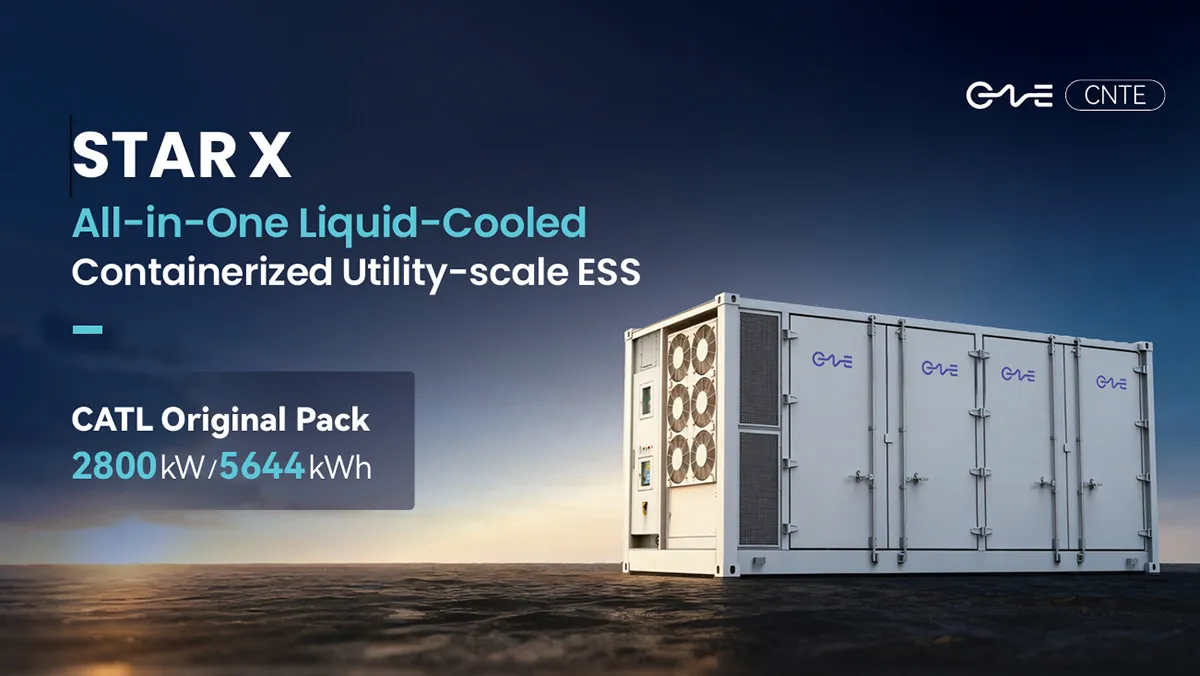
CNTE Launches STAR X Liquid-Cooled DC/AC Integrated Energy Storage System at Intersolar Europe 2026
Jul 06, 2026 -
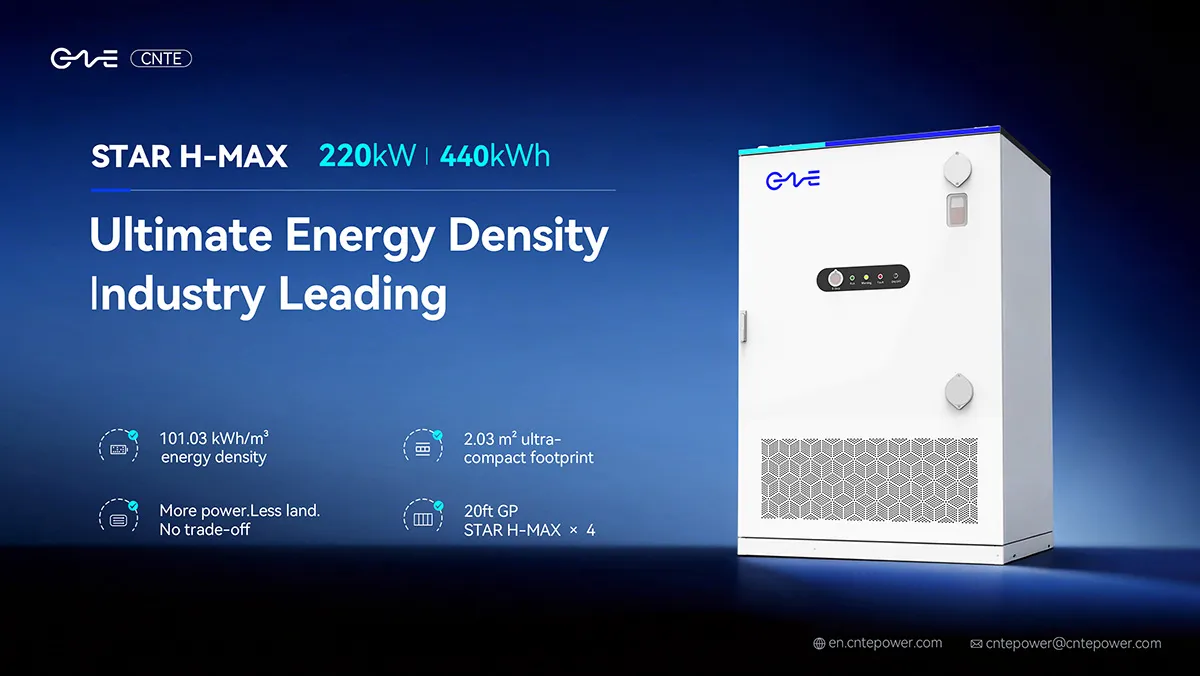
CNTE Unveils New STAR H-MAX Liquid-Cooled C&I ESS at Intersolar Europe 2026
Jun 23, 2026 -
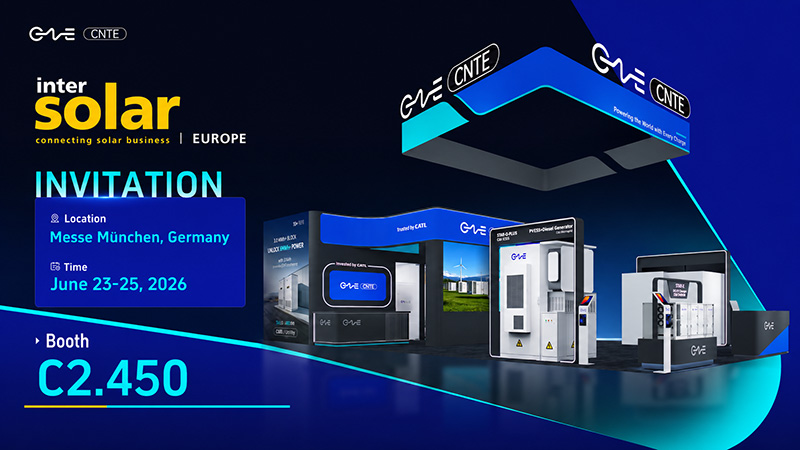
CNTE to Participate in Intersolar Europe 2026
May 20, 2026 -
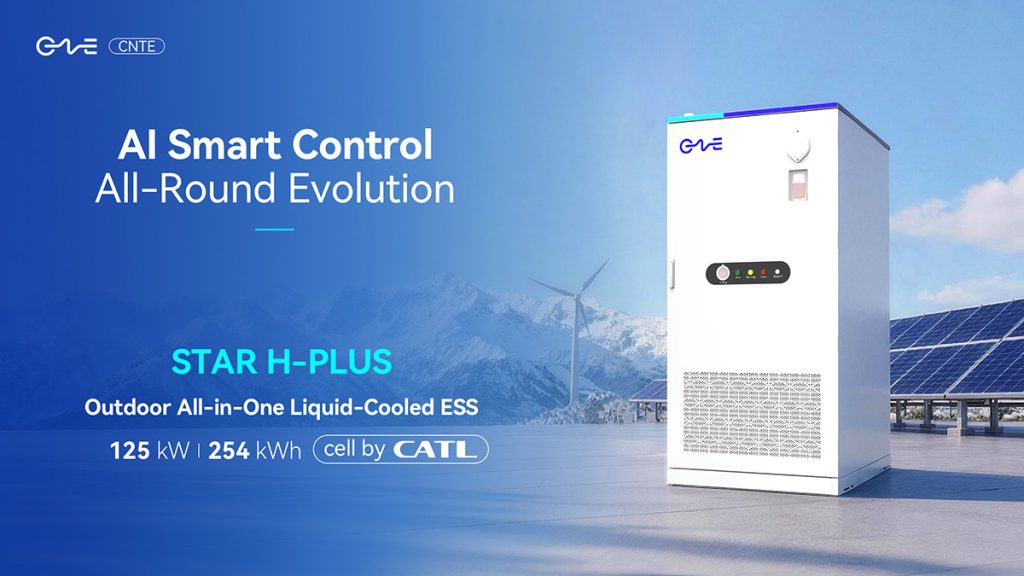
CNTE at KEY ENERGY 2026: Showcases STAR H-PLUS Outdoor Liquid-Cooled Energy Storage System
Mar 05, 2026 -

CNTE Honored as 2025 Forbes China Leading Global Brand
Jul 06, 2026 -

CNTE & YOU.ON Partner to Expand Storage Markets
May 19, 2025 -

CNTE Unveils Energy Storage Lineup at Solartech 2025
May 19, 2025 -
CNTE awarded AEO certification
Jul 06, 2026 -
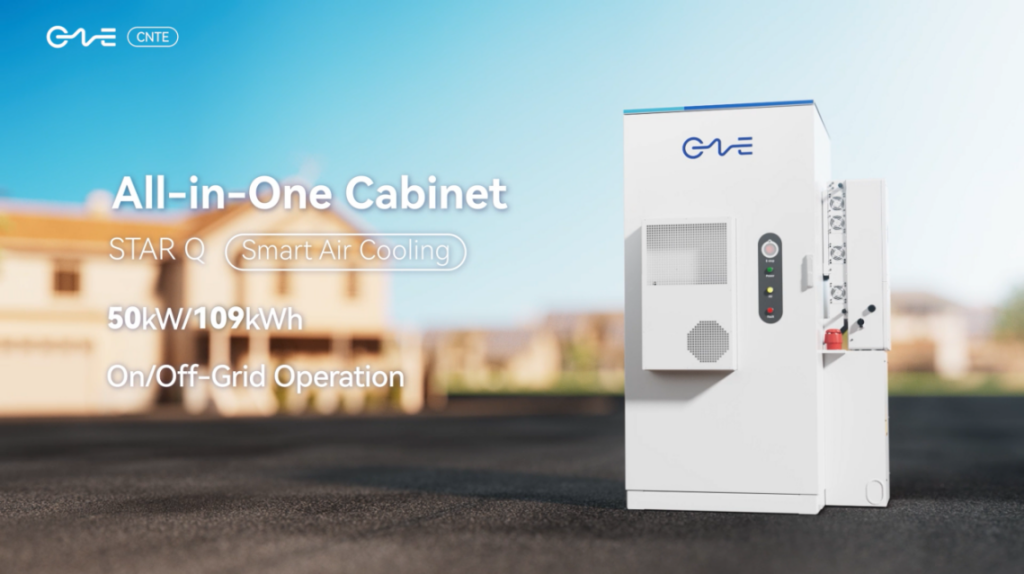
CNTE New Product Launch STAR Q
Jan 15, 2025 -

CNTE Named to Forbes China 2024 Top 30 Go-International Brands
Jul 06, 2026
