
Advanced Battery Storage: Engineering, LCOS & Grid Integration
The global shift toward decentralized power generation has disrupted standard transmission and distribution paradigms. Intermittent renewable generation challenges the synchronous inertia historically provided by fossil-fueled rotating machinery. Consequently, advanced battery storage has emerged as the core deterministic technology required to stabilize network frequency, balance multi-megawatt fluctuations, and optimize commercial consumption patterns. This infrastructure asset is no longer merely an emergency energy reservoir; it operates as an active, bi-directional power conversion platform capable of sub-cycle grid support.
Deploying energy storage across commercial, industrial, and utility-scale installations requires a comprehensive understanding of electrochemical behaviors, system-level thermodynamics, auxiliary loads, and economic dispatch parameters. Maximizing the operational lifespan of stationary storage demands a systems-engineering methodology where chemical balance, power electronics, and supervisory controls operate in tight synchronization.
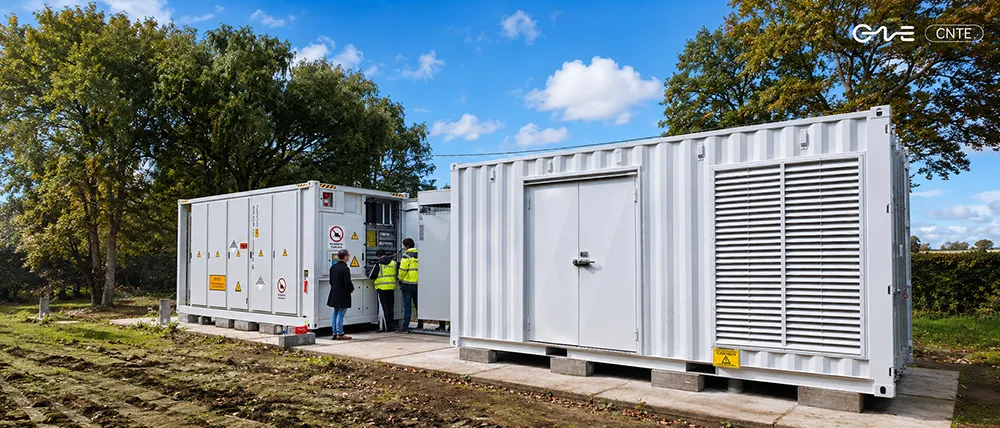
Electrochemical Selection and Thermal Dynamics at the Cell Level
The performance baseline of any energy storage facility is established by cell electrochemistry. Lithium Iron Phosphate (LFP, LiFePO4) has largely surpassed alternatives like Nickel Manganese Cobalt (NMC) in stationary multi-megawatt systems. The primary driver of this transition is chemical stability: the strong covalent bonding within the P-O tetrahedral structures in LFP cathodes resists oxygen liberation during thermal stress, substantially reducing internal runaway events compared to the layered oxide structures of NMC cells.
Cell capacity continues to advance. The industry standard has transitioned rapidly from 280Ah units toward high-density 314Ah and 320Ah prismatic formats. These larger capacities enable higher energy density within standard footprints, reducing balance-of-plant (BoP) costs, wiring complexity, and structural weight. However, higher individual cell capacity increases internal thermal gradient challenges during high-rate charge and discharge cycles.
Thermal management is the defining parameter for asset longevity and uniform capacity retention. Non-uniform temperatures across a string cause uneven internal resistance, forcing cells into asymmetrical degradation curves. Air cooling systems, while mechanically straightforward, struggle with convective heat transfer limits in dense enclosures. Forced-air circulation creates substantial thermal gradients between intake and exhaust pathways, often exceeding 5°C to 8°C across a single battery rack.
Liquid thermal management addresses these thermodynamic bottlenecks. By circulating treated glycol-water mixtures through channeled cold plates directly interfaced with the cell broadsides via high-conductivity thermal pads, liquid cooling holds intra-rack temperature variations below 2°C to 3°C. This uniform cooling profile directly suppresses accelerated lithium plating and electrolyte decomposition, extending cycle life while reducing parasitic auxiliary energy consumption by up to 30% relative to high-static-pressure air conditioning.
Next-Generation System Architecture and Balance of Plant
Modern advanced battery storage systems depart from rudimentary containerized enclosures, adopting multi-tier thermal management, integrated power conversion systems (PCS), and isolated compartment architectures. The structural integration of large-scale assets directly influences site footprint, field assembly overhead, and maintenance accessibility.
Power Conversion and Topology Optimization
Electrical topologies largely dictate operational efficiency and system availability. Traditional central inverter topologies connect vast arrays of DC battery strings into a single high-capacity power conversion system. While cost-effective at massive scales, central systems suffer from DC-side mismatch losses caused by slight differences in cell degradation, cable resistance, and temperature profiles between strings. When one string reaches its low-voltage cut-off, the entire block must throttle down.
String inverters and decentralized DC-to-DC converters solve this operational mismatch. By segmenting the system into smaller, modular units with individual Maximum Power Point Tracking (MPPT) or decentralized DC control, each battery cluster charges and discharges according to its specific state of health (SoH) and state of charge (SoC). Tier-one system integrators, including CNTE (Contemporary Nebula Technology Energy Co., Ltd.), design modular architectures that prevent circulating currents between parallel-connected strings, thereby preserving system efficiency and maximizing usable energy yield over multi-thousand-cycle timelines.
Supervisory Control: BMS and EMS Hierarchy
Cohesive storage performance depends upon a three-tier automation and protection architecture:
- Cell-Level BMS (Slave): Monitors discrete cell voltages, multi-point surface temperatures, and shunt-based micro-currents. It performs passive or active cell balancing to minimize SoC drift.
- Rack/Array BMS (Master): Aggregates string-level telemetry, calculates dynamic charge/discharge current limits based on electro-thermal algorithms, and commands high-voltage direct-current contactors.
- Site Energy Management System (EMS): Interfaces with the local supervisory control and data acquisition (SCADA) network, site loads, renewable generators, and utility dispatchers via open standards such as Modbus TCP, DNP3, and IEC 61850.
The EMS runs specialized dispatch software targeting distinct revenue mechanisms: dynamic peak shaving, frequency regulation, automated load following, and wholesale arbitrage. Algorithms continuously evaluate cell degradation costs alongside spot market clearing prices, dynamically adjusting C-rates to ensure that operational wear does not outpace marginal revenue.
Industrial and Commercial Multi-Scenario Applications
Commercial and industrial energy storage deployments must balance capital expenditure with localized load profiles, volatile utility tariff structures, and strict reliability targets.
Peak Shaving and Demand Charge Abatement
Industrial enterprises utilize advanced battery storage to decouple consumption peaks from utility tariff spikes. Many power networks levy heavy demand charges calculated from the single highest 15-minute consumption interval in a billing cycle. By installing sub-second metering systems, high-power battery storage systems discharge instantly upon detecting load surges from heavy machinery, electric arc furnaces, or motor start-ups. This load capping prevents peak demand penalties without disrupting manufacturing schedules.
Behind-the-Meter Renewable Self-Consumption
Onsite photovoltaic arrays frequently generate peak power during midday hours when industrial facility loads may be lower than maximum generation capacity. Exporting excess solar energy back to the local distribution grid is frequently restricted by thermal limits on utility distribution transformers or penalized by unfavorable export compensation tariffs. Integrating storage capture preserves surplus solar generation on-site, shifting that energy to evening or morning production shifts. This strategy yields substantially higher financial returns than net-metering exports.
Microgrids and Resilient Power Continuity
For mission-critical production centers, microchip fabrication sites, and automated logistics hubs, brief utility brownouts lead to production line downtime and physical equipment damage. Advanced battery storage systems equipped with microgrid controllers provide seamless islanding capabilities. Utilizing static transfer switches (STS), the storage unit decouples the facility from a disturbed utility feed and assumes voltage-source control within 20 milliseconds, delivering uncorrupted AC power without system drop-out.
Utility-Scale Applications and Dynamic Grid Stabilization
At utility scale, the integration of advanced battery storage provides grid-forming synthetic inertia, rapid primary frequency response, and congestion relief for stressed transmission pathways.
Conventional utility grids relied upon the mechanical inertia of large spinning turbines to resist sudden deviations in alternating current frequency caused by sudden generation losses or load steps. As renewable generation replaces fossil-fuel stations, this physical inertia declines, making power grids susceptible to high rates of change of frequency (RoCoF). Grid-following inverters cannot solve this issue because they rely on phase-locked loops (PLL) that require an existing, stable grid voltage vector to track.
Grid-forming (GFM) inverters overcome this limitation. Operating as pure voltage sources with droop-control mechanisms, grid-forming storage systems inject instantaneous real power within milliseconds of a frequency disturbance, replicating physical mechanical inertia electronically. These systems also deliver high fault currents to trip protective relays correctly during transmission faults, stabilizing weak grid interconnects where the short-circuit ratio (SCR) is exceptionally low.
Transmission and distribution network operators deploy utility-scale storage installations to defer high-cost physical infrastructure upgrades. When existing sub-stations and high-voltage transmission lines reach thermal limits during seasonal load peaks, colocating a storage facility downstream avoids the multi-year timelines and massive capital investments required for physical reconductoring, right-of-way acquisitions, and substation replacements.
Total Cost of Ownership, Levelized Cost of Storage, and Asset Longevity
Financial evaluations of high-capacity storage projects extend far beyond initial procurement costs. Engineering teams evaluate the Levelized Cost of Storage (LCOS), which accounts for complete system costs over multi-decade lifecycles:
- Capital Expenditure (CapEx): Battery modules, power conversion units, balance of system (switchgear, transformers, fire systems), and site engineering.
- Operational Expenditure (OpEx): Routine thermal system maintenance, insurance, telecommunication monitoring, and land leases.
- Round-Trip Efficiency (RTE): The energy lost as heat during the charge-discharge cycle, incorporating inverter conversion losses, transformer losses, and parasitic auxiliary loads. High RTE directly minimizes the volume of recharge energy needed per delivered MWh.
- Degradation Rates and Augmentation: Capacity fade occurs via active material loss, solid electrolyte interphase (SEI) growth, and lithium inventory depletion. Systems must be engineered with explicit overbuilding or scheduled modular augmentations at year 7 to 10 to maintain contractual capacity without early retirement.
System designers calculate LCOS utilizing the formula:
LCOS = (Initial CapEx + Sum of Discounted OpEx + Sum of Discounted Charging Costs) / (Sum of Discounted Delivered Energy Over Life)
Optimizing this value requires keeping battery cells within conservative operating envelopes. Restricting continuous operations to an 80% or 90% Depth of Discharge (DoD), avoiding sustained operations at elevated states of charge in hot ambient conditions, and deploying intelligent charging profiles dramatically lower degradation velocities, extending asset lifetime past 6,000 to 8,000 full-equivalent cycles.
CNTE focuses on unified DC-block topologies engineered to maximize long-term asset value. By strictly matching DC bus architectures with high-efficiency multi-level inverters, auxiliary parasitic losses are kept to minimal levels. This engineering methodology directly reduces the levelized cost per cycle over standard operational horizons.
Multi-Vector Hazard Prevention and Compartmentalization
Large electrochemical installations require comprehensive, multi-layer physical and electrical safety barriers. Chemical processes within dense arrays must be monitored through deterministic sensor suites capable of detecting cell anomalies well before thermal escalation occurs.
Early fault detection does not rely exclusively on traditional temperature sensors. When abnormal internal micro-short circuits occur, localized overheating off-gases trace volatile organic compounds (VOCs), hydrogen, and carbon monoxide long before physical cell surface temperatures rise dramatically. Modern safety architectures combine early VOC sniffers, hydrogen detection sensors, and aerosol-based or pressurized-water suppression systems. When abnormal gaseous emissions are detected, the system initiates an immediate physical string disconnect, activates auxiliary exhaust purging, and injects inert localized suppression agents directly into the battery module enclosure.
Passive containment design is equally vital. Module assemblies utilize thermal barrier materials, including ceramic blankets, mica shields, or silica aerogels, positioned between individual cell casings. These non-flammable barriers insulate neighboring cells if an adjacent cell encounters a thermal breakdown, preventing cascading failures across the module. Exterior structures must maintain rigorous separation ratings to safeguard surrounding facilities.
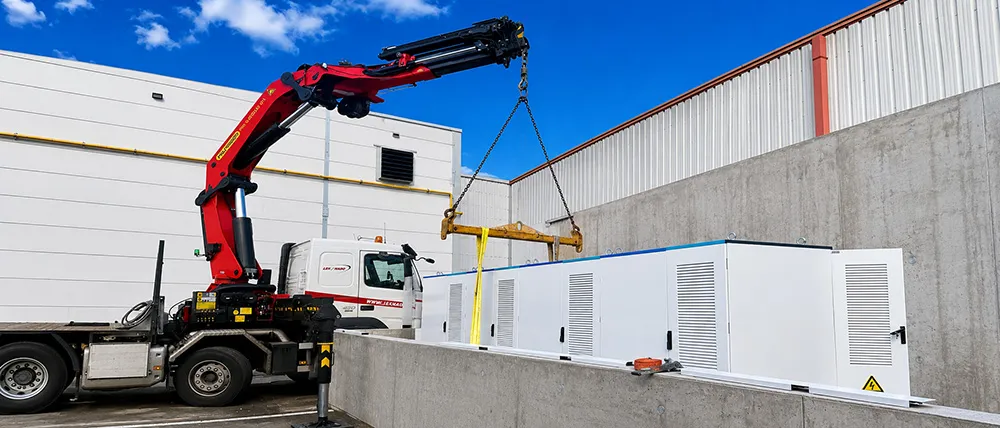
Integration of Solar, Storage, and Ultra-Fast Charging Networks
The rapid electrification of transportation presents sharp localized demand spikes on commercial power distribution lines. Fast-charging stations with multiple 350kW to 480kW direct-current fast chargers (DCFC) create extreme, unpredictable load profiles that standard distribution feeds cannot support directly.
Hybrid architectures that integrate photovoltaic generation, localized battery buffers, and EV charging hubs address this grid capacity issue. In this layout, the stationary battery system acts as a power buffer. It trickles energy from the grid or localized solar panels at a steady, manageable rate, storing it within the DC domain. When heavy commercial fleets or high-end passenger vehicles dock for high-power charging, the stationary battery discharges high-rate power directly into the vehicles. This buffer configuration protects utility transformers from disruptive thermal shocks and insulates the charge point operator from punishing demand charges.
Executing these complex architectures demands deep systems engineering expertise. Industrial operators, infrastructure developers, and municipal utility providers rely on equipment manufacturers that produce fully tested, pre-commissioned, utility-grade containerized solutions tailored for high-duty cycling.
Frequently Asked Questions (FAQ)
What is the typical operational lifespan of modern industrial lithium-iron storage systems?
High-grade commercial and utility LFP storage systems generally achieve operational lifespans between 10 and 15 years, corresponding to 6,000 to 10,000 standard cycles under controlled conditions. Actual longevity depends strictly on operational Depth of Discharge (DoD), prevailing ambient temperatures, dynamic C-rates, and the precision of the thermal management system. Maintaining operating temperatures between 20°C and 25°C is the most critical operational variable for achieving maximum service life.
How does liquid cooling compare to forced-air thermal management in large storage enclosures?
Liquid cooling provides significantly higher thermal conductivity than forced air, maintaining intra-cluster cell temperature variations within a narrow 2°C to 3°C window. Air-cooled systems routinely experience internal temperature gradients exceeding 6°C to 8°C under continuous high-load cycles. Liquid cooling also minimizes auxiliary power consumption, reduces overall enclosure footprint through denser cell spacing, and eliminates the need for massive air circulation ducting.
What is the functional difference between grid-following and grid-forming inverters?
Grid-following inverters measure the existing grid voltage and frequency via phase-locked loops (PLL) to synchronize their current injection. They cannot establish an electrical network independently and trip offline during severe grid collapses. Grid-forming inverters control their internal voltage source directly, setting frequency and voltage vectors autonomously. This allows them to supply synthetic inertia, support black-start restoration procedures, and stabilize weak networks with very low short-circuit ratios.
What are the primary factors that dictate degradation in stationary electrochemical storage?
The rate of capacity loss is driven by calendar aging and cyclic aging. Cycle degradation is accelerated by operating at high continuous C-rates, deep cycling depths (approaching 100% DoD), and poor thermal control. Calendar degradation occurs naturally over chronological time, driven by high average states of charge (SoC) and elevated internal temperatures, which accelerate solid electrolyte interphase (SEI) layer growth and parasitic chemical reactions within the electrolyte.
How does a storage system achieve sub-second peak shaving without nuisance tripping?
Sub-second peak shaving relies on high-speed power meters installed at the facility's utility point of common coupling (PCC), coupled with fast digital signaling to the power conversion system via industrial Ethernet protocols. The power converters operate in standby or partial load, modulating bi-directional output within tens of milliseconds as soon as the load profile breaches pre-set kW thresholds, thereby clipping the peak before utility demand-averaging windows log the event.
Strategic Engineering Consultation & System Integration
Deploying advanced battery storage at scale requires rigorous front-end engineering, accurate baseline load analyses, and integration across multiple engineering disciplines. System topology decisions made during early procurement directly affect long-term operational efficiency, total cost of ownership, and overall installation viability.
Collaborating with CNTE enables engineering teams to define exact specifications, evaluate complex load-duration profiles, and select ideal power conversion parameters for utility, microgrid, or commercial facilities. Submit a detailed project inquiry today to connect directly with specialized application engineers who can deliver comprehensive modeling, lifecycle degradation curves, and site-specific storage solution architectures tailored to your operational requirements.
Get in Touch
Recent Posts
-
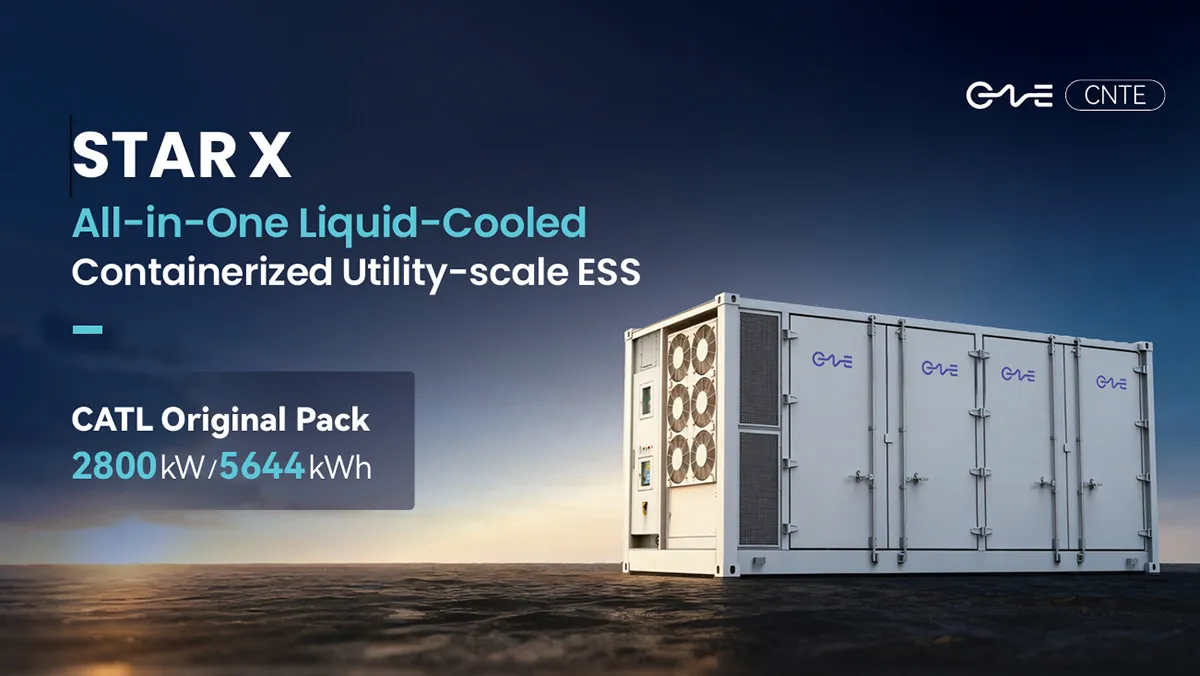
CNTE Launches STAR X Liquid-Cooled DC/AC Integrated Energy Storage System at Intersolar Europe 2026
Jul 06, 2026 -
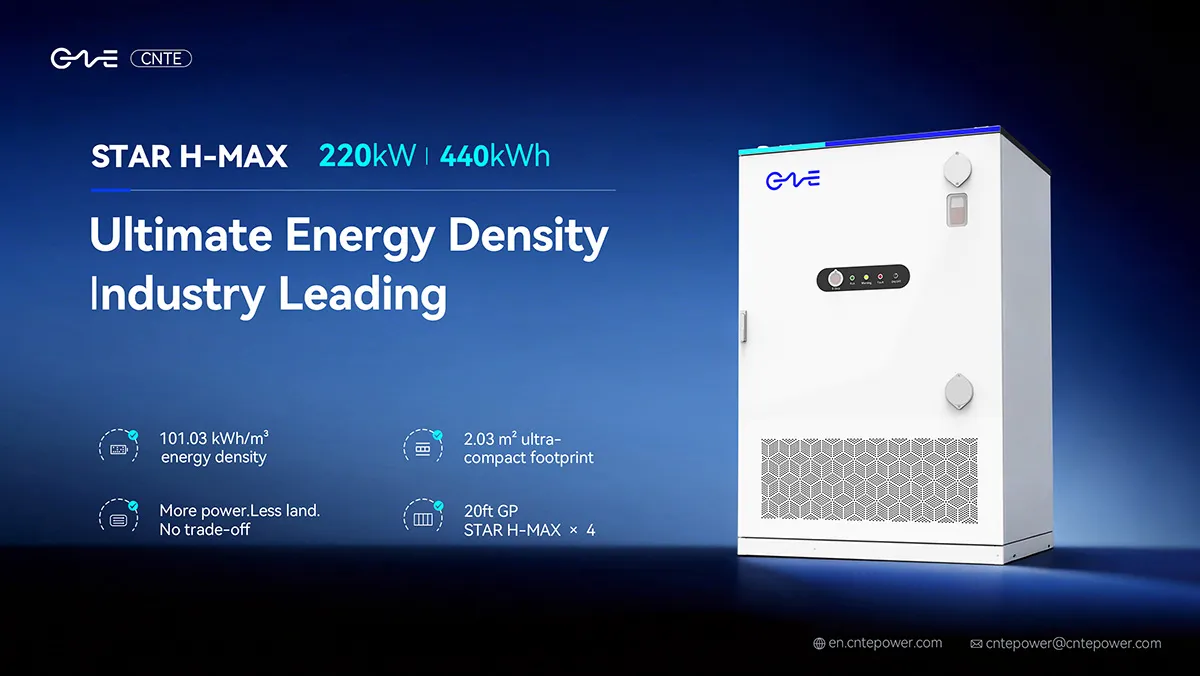
CNTE Unveils New STAR H-MAX Liquid-Cooled C&I ESS at Intersolar Europe 2026
Jun 23, 2026 -
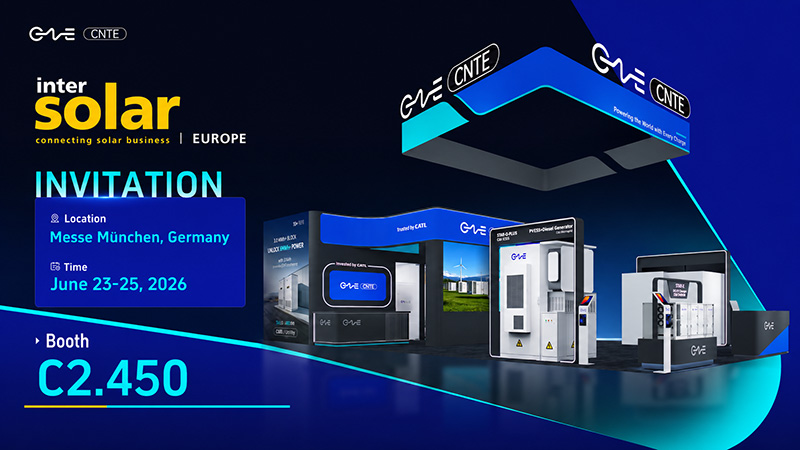
CNTE to Participate in Intersolar Europe 2026
May 20, 2026 -
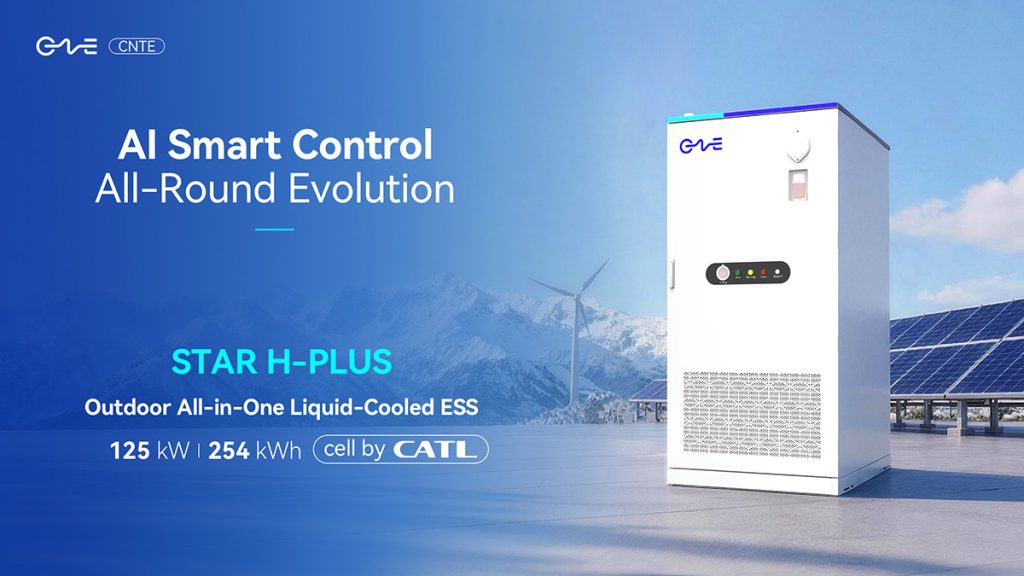
CNTE at KEY ENERGY 2026: Showcases STAR H-PLUS Outdoor Liquid-Cooled Energy Storage System
Mar 05, 2026 -

CNTE Honored as 2025 Forbes China Leading Global Brand
Jul 06, 2026 -

CNTE & YOU.ON Partner to Expand Storage Markets
May 19, 2025 -
CNTE Unveils Energy Storage Lineup at Solartech 2025
May 19, 2025 -
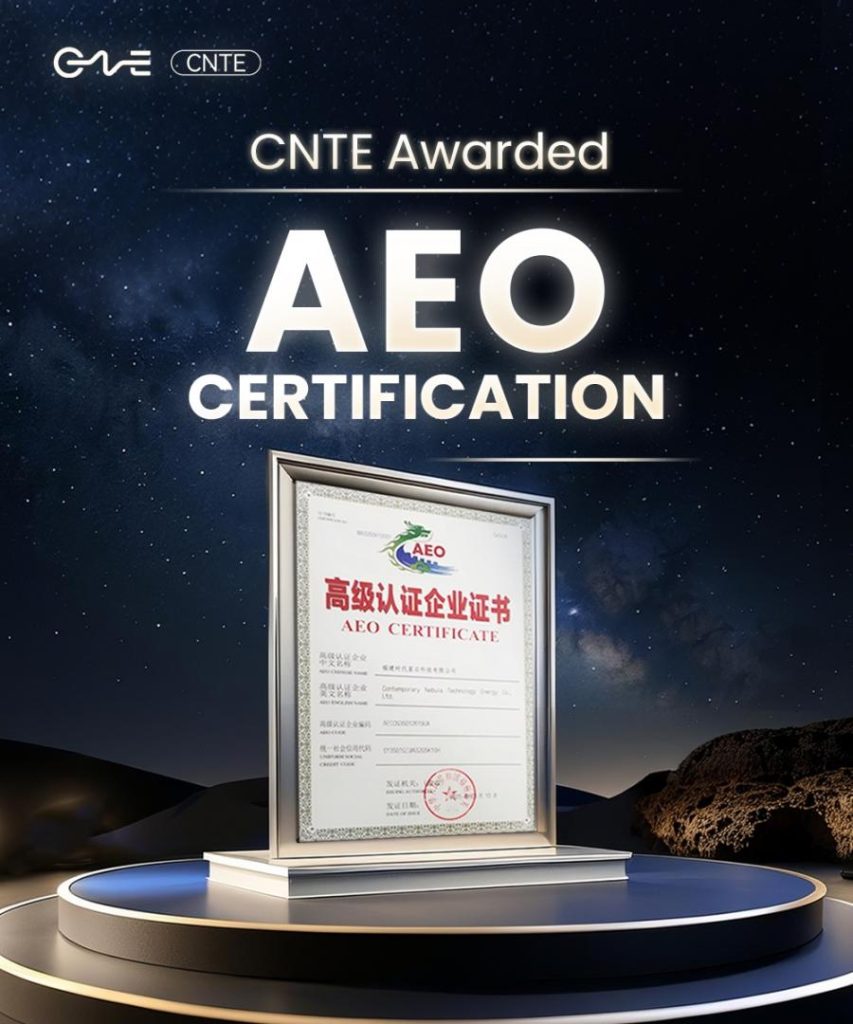
CNTE awarded AEO certification
Jul 06, 2026 -
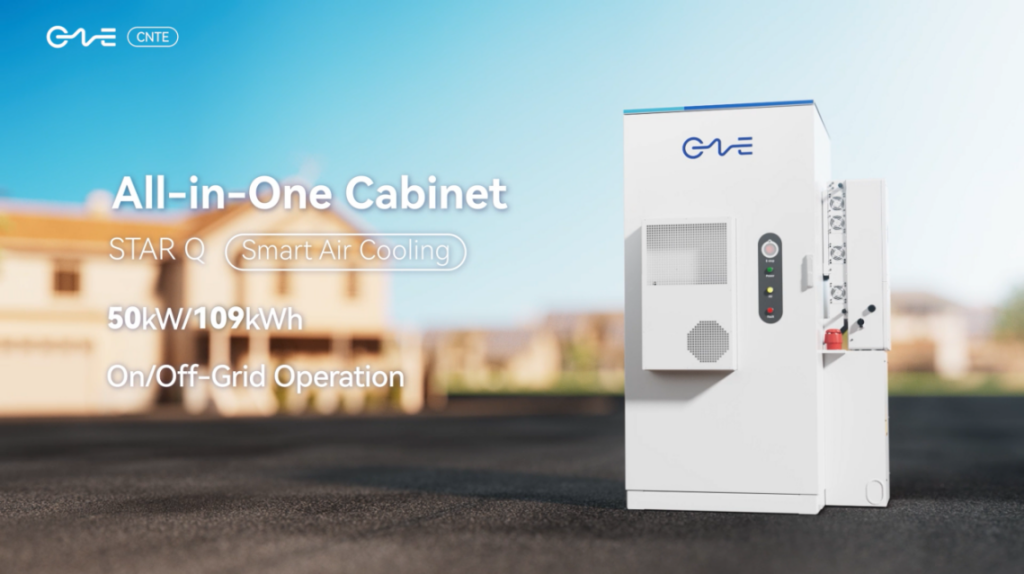
CNTE New Product Launch STAR Q
Jan 15, 2025 -

CNTE Named to Forbes China 2024 Top 30 Go-International Brands
Jul 06, 2026
